The best walks and hikes around Parsberg
4.6
(2646)
11,057
hikers
189
hikes
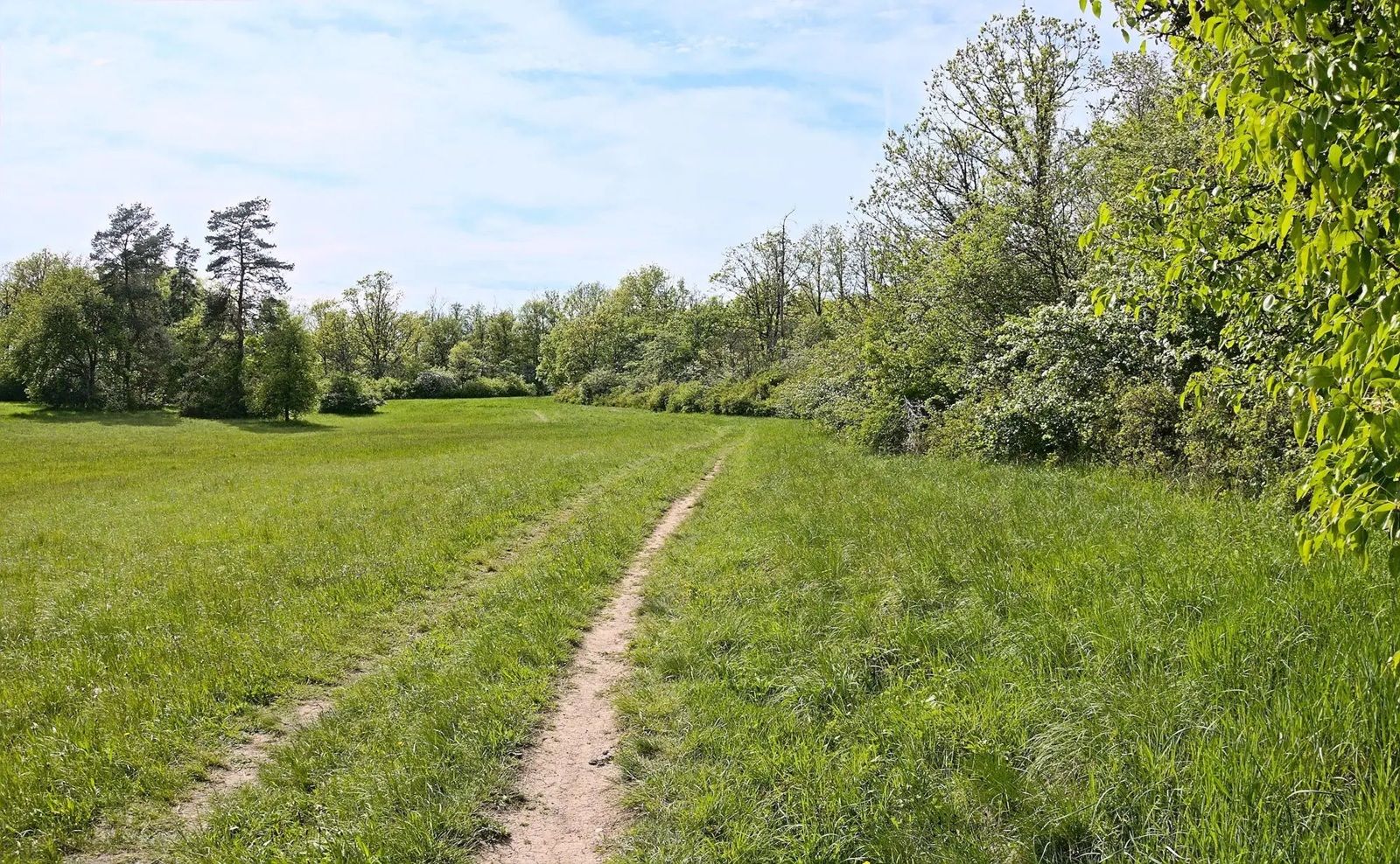
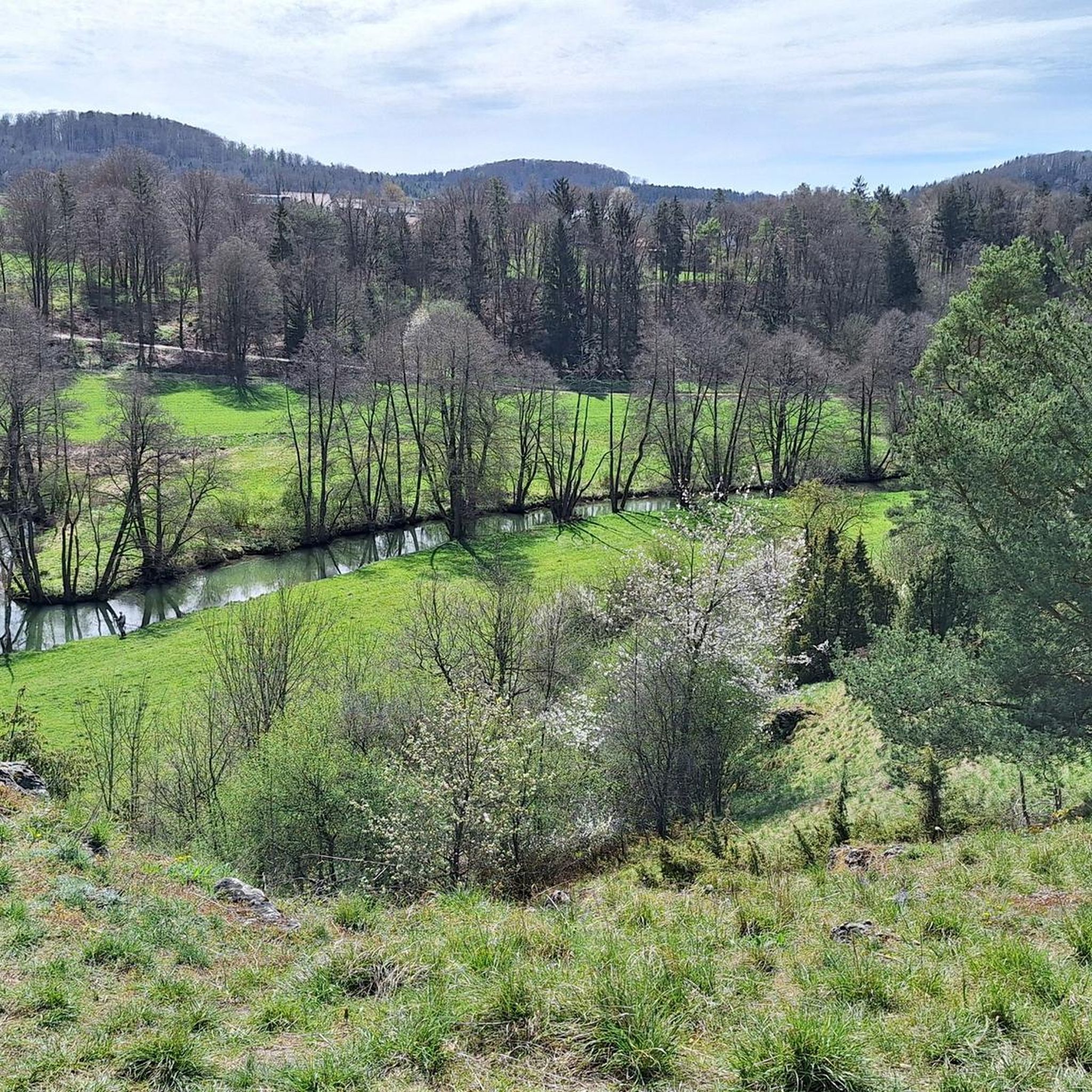
Hiking around Parsberg offers diverse trails within the Bavarian Jura, characterized by an idyllic setting of rocks, streams, and green hills. The region is situated in the Schwarze Laber river valley, featuring unique rock formations and shady forests. Hikers can explore varied terrain, from gentle paths along the river to routes ascending hills like Schindelberg, providing views over the landscape.
Best hiking trails around Parsberg
- The most popular hiking route is Chapel at Stadtplatz Parsberg – Schindelberg Summit (578 m)…
Last updated: October 1, 2026
4.5
(23)
80
hikers
8.85km
02:30
190m
190m
Moderate hike. Good fitness required. Easily-accessible paths. Suitable for all skill levels.
3.8
(21)
82
hikers
10.3km
02:49
160m
160m
Moderate hike. Good fitness required. Easily-accessible paths. Suitable for all skill levels.

4.4
(16)
62
hikers
5.58km
01:31
80m
80m
Easy hike. Great for any fitness level. Easily-accessible paths. Suitable for all skill levels.
4.6
(7)
44
hikers
13.8km
03:43
180m
180m
Moderate hike. Good fitness required. Easily-accessible paths. Suitable for all skill levels.
4.7
(11)
32
hikers
6.80km
01:55
140m
140m
Easy hike. Great for any fitness level. Easily-accessible paths. Suitable for all skill levels.
Get access to more routes and recommendations from other explorers.
Already have an account?
Our route recommendations are based on thousands of hikes, rides, and runs completed by other people on komoot.
Start today with a free account
Your next adventure awaits.
Other adventures around Parsberg

Tips from the Community

Gravel track with a beautiful view of the surrounding area.
1
0

Lupburg Castle is the ruin of a hilltop castle located in the town of Lupburg in the Neumarkt district of the Upper Palatinate region of Bavaria. The site is listed as an archaeological monument under file number D-3-6836-0065 in the Bavarian Atlas as "archaeological findings in the area of the medieval castle and the early modern palace of Lupburg." It is also listed as a protected architectural monument of Lupburg under file number D-3-73-143-4.
0
1
Located directly on the trail. Stone cross with a plate in front.
2
0

Approximately 20 m further on the left side is a stone image with a small metal cross with a praying knight (Image 5)
0
0

Parish Church of St. Barbara The hall church, renovated in 1937, consists of a main nave and a northern side aisle, a recessed choir closed on three sides in the east, and a church tower in the west, the core of which was built in 1599, which was extended by two octagonal floors, divided by arched friezes and covered with an onion dome crowned with a lantern. The top floor houses the tower clock and the bell cage. The main nave is spanned inside by a wooden barrel vault that is integrated into the roof structure. The interior is particularly impressive due to the wooden ceiling and the beautiful baroque altars. The church furnishings include a high altar built in 1788, decorated with rocaille, which is flanked by statues of the princely apostles Peter and Paul. The martyrdom of Saint Barbara is depicted on the altarpiece. The Marian altar on the left shows the Mother of God standing on the globe, crushing the snake, the symbol of evil, under her feet; in her left hand she holds the white lily, a symbol of purity and love. The altarpiece shows a portrait of the Sacred Heart of Mary framed by two putti. In the right side altar we see a portrait of St. Joseph, the foster father of Christ, with the baby Jesus in his arms, and two putti at Joseph's feet, one of them again with the white lily. In the altarpiece there is a portrait of the Sacred Heart of Jesus framed by two putti. At the entrance there is an epitaph of Christoph von Parsberg, it dates from 1461 and shows the knight in full tournament armor with plate armor, sword and lance. The organ was built in 2009 by Josef Maier from Hergensweiler near Lindau. Source: Extracts from www.wikipedia.de
2
0

The castle Christmas also takes place here. The program is available here: https://www.parsberger-burgweihnacht.de/
7
0

A historical, folklore and contemporary history collection covering around 1200 square meters shows the development of the region and the lives of the people from prehistory to modern times. The didactic preparation and classification of the exhibits in historical contexts make history come alive and justify the supra-regional importance of the museum.
15
0
First mentioned in documents in 1205, the 550-meter-high hilltop castle has been destroyed, rebuilt and expanded. The Upper Castle with its two distinctive onion domes was built at the end of the 16th century, and after the Thirty Years' War the Lower Castle was added. Once the ancestral seat of the Parsberg family, it was placed under the control of the Electoral Court Chamber of Munich in 1799 and became the property of the Free State of Bavaria in 1918. In 1974, the city of Parsberg rented the property. Today it is used for representation purposes and is inhabited. A castle museum with folk and local history collections has been set up in the Lower Castle. The castle complex with its modern extension is freely accessible and offers great views of the surrounding area.
23
0
Frequently Asked Questions
How many hiking trails are available around Parsberg?
Parsberg offers a wide selection of hiking routes, with over 180 trails available for exploration. These range from easy strolls to more challenging ascents, catering to various fitness levels.
What are the typical difficulty levels of hikes in Parsberg?
The hiking trails around Parsberg are quite diverse. You'll find a majority of easy routes, with over 100 options perfect for a relaxed walk. There are also about 75 moderate trails for those seeking a bit more challenge, and a few difficult routes for experienced hikers.
Are there any family-friendly hiking options in Parsberg?
Yes, Parsberg is well-suited for family outings. Many of the easy trails are ideal for families with children. For example, the Zukunftswald Information Board – Keyhüll (Cattle Pond) loop from Parsberg is an easy 3.2-mile (5.1 km) trail through forested areas, perfect for a shorter family adventure.
Can I bring my dog on the hiking trails in Parsberg?
Generally, dogs are welcome on most hiking trails in Parsberg. The region's diverse landscapes, including forests and river valleys, provide great opportunities for walks with your canine companion. It's always recommended to keep dogs on a leash, especially in nature reserves or near livestock, and to respect local regulations.
What historical landmarks can I discover while hiking in Parsberg?
Parsberg is rich in history. You can incorporate visits to significant landmarks like Parsberg Castle, which dominates a rock plateau above the Schwarze Laber valley. Another excellent option is to hike to the Velburg Castle Ruins, located about 8.8 km away, offering scenic paths and great views from its tower. The Parsberg train station – Parsberg Castle loop from Parsberg is a moderate route that specifically incorporates the castle.
Are there any unique natural features or viewpoints along the trails?
Absolutely. The region is known for its distinctive rock formations, such as the Schwammerl Rock Formation, a remnant from the Jurassic Sea, which also offers a resting area. You can also explore the Hohlloch Cave (Velburg), a impressive grotto. For panoramic views, consider routes that ascend hills like Schindelberg, or explore trails like the Jurasteig mentioned in the region research for breathtaking vistas.
Are there circular hiking routes available in Parsberg?
Yes, many of the hiking trails around Parsberg are designed as circular routes, allowing you to start and end at the same point. A popular example is the Marian Grotto Darshofen loop from Parsberg, a moderate 8.6-mile (13.8 km) trail, or the Schindelberg Viewpoint – Lehmeiersteig loop from Parsberg, an easy 4.2-mile (6.8 km) option.
What do other hikers enjoy most about the trails in Parsberg?
The komoot community highly rates the hiking experience in Parsberg, with an average score of 4.4 stars from over 200 reviews. Hikers often praise the varied terrain of the Bavarian Jura, the serene Schwarze Laber river valley, and the distinctive rock formations. The well-maintained paths and the combination of natural beauty with historical sites are frequently highlighted.
Is there public transport available to reach hiking trailheads in Parsberg?
Parsberg has a train station, which can serve as a convenient starting point for several hikes. For instance, the Parsberg train station – Parsberg Castle loop from Parsberg begins directly from the station. Local bus services may also connect to other areas, but it's advisable to check specific routes and schedules for your chosen trailhead.
Are there places to eat or stay near the hiking trails?
Parsberg and its surrounding villages offer various options for refreshments and accommodation. You'll find cafes, pubs, and guesthouses in the town center and nearby, perfect for a break after your hike or for an overnight stay. While specific establishments aren't listed here, the region is well-equipped to cater to visitors.
What is the best time of year to go hiking in Parsberg?
The hiking season in Parsberg generally extends from spring through autumn, when the weather is mild and the landscapes are vibrant. Spring brings blooming flora, while autumn offers beautiful fall foliage. Summer is also popular, though some trails might be warmer. Winter hiking is possible, but conditions can vary, and some paths might be icy or snowy.
Are there any easy hikes suitable for beginners in Parsberg?
Yes, Parsberg has a good selection of easy hikes perfect for beginners or those looking for a relaxed walk. Over 100 of the available routes are classified as easy. An example is the Zukunftswald Information Board – Keyhüll (Cattle Pond) loop from Parsberg, which is a gentle 3.2-mile (5.1 km) trail.
Most popular routes around Parsberg
Most popular attractions around Parsberg

Get inspired with the komoot mobile app


Explore more
Browse the best Hikes in other regions.
