Attractions and Places To See around Parco regionale dei Campi Flegrei - Top 20
Best attractions and places to see around Parco regionale dei Campi Flegrei encompass a landscape shaped by dynamic volcanic activity and rich history. This region features remarkable natural formations, ancient cultural sites, and significant landmarks. Extending across municipalities like Pozzuoli and Bacoli, the area is characterized by its evolving volcanic system, which has created a unique environment for exploration.
Best attractions and places to see around Parco regionale dei Campi Flegrei
- The most popular attractions is Lake Avernus, a…
Last updated: October 10, 2026
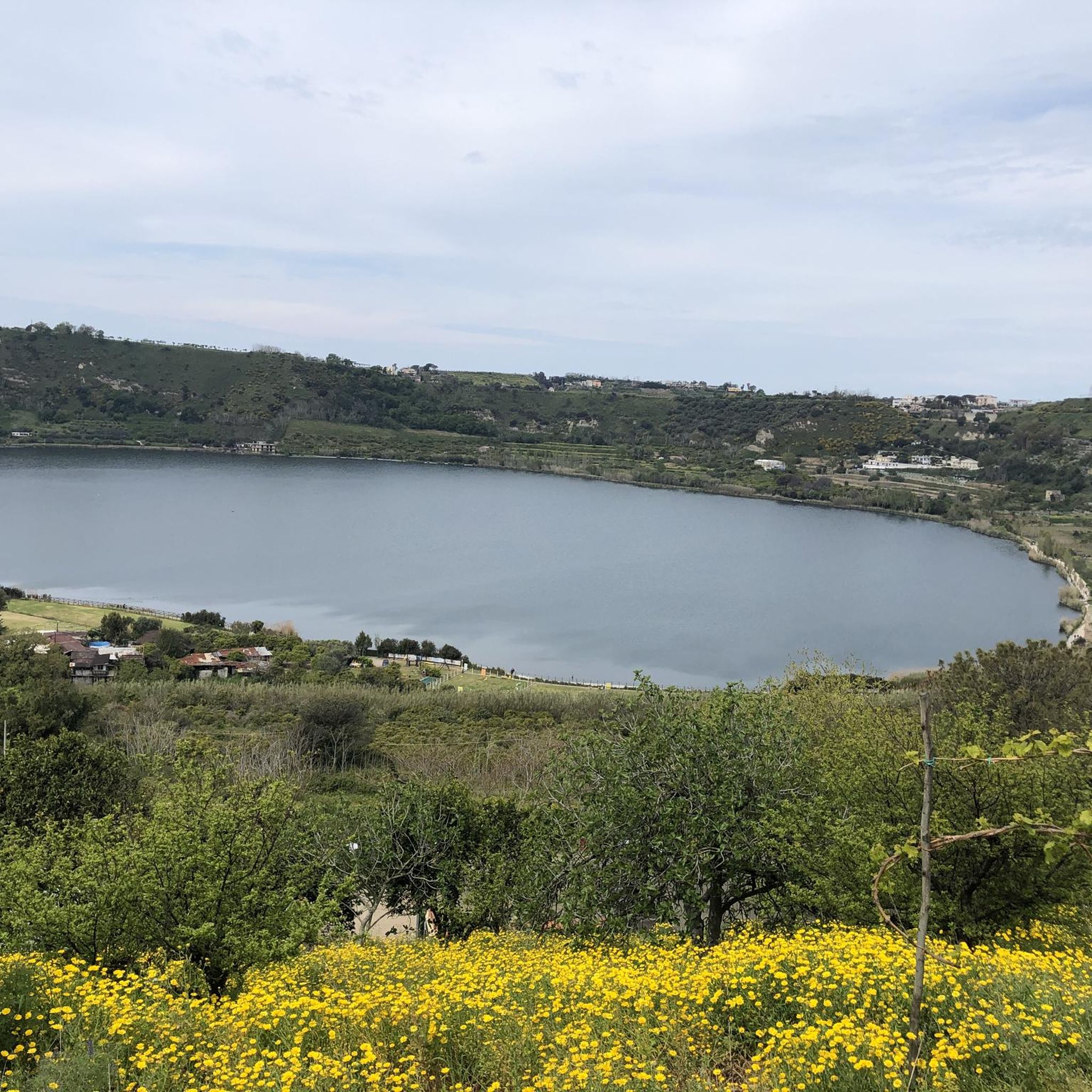
Lake Avernus
Highlight • Lake
It is possible to walk around its perimeter with a pleasant walk.
Translated by Google •
Tip by

Lake Avernus
Highlight • Lake
Translated by Google •
Tip by

Sign up now to discover places like this
Get recommendations on the best single tracks, peaks, & plenty of other exciting outdoor places.
Aragonese Castle
Highlight • Castle
Translated by Google •
Tip by

Frigidarium of the Lake Avernus Thermal Baths
Highlight • Historical Site
Translated by Google •
Tip by
Cuma Amphitheatre
Highlight • Historical Site
Translated by Google •
Tip by
Sign up for free to discover even more attractions around Parco regionale dei Campi Flegrei.
Already have an account?
Start today with a free account
Your next adventure awaits.
Popular around Parco regionale dei Campi Flegrei
Tips from the Community

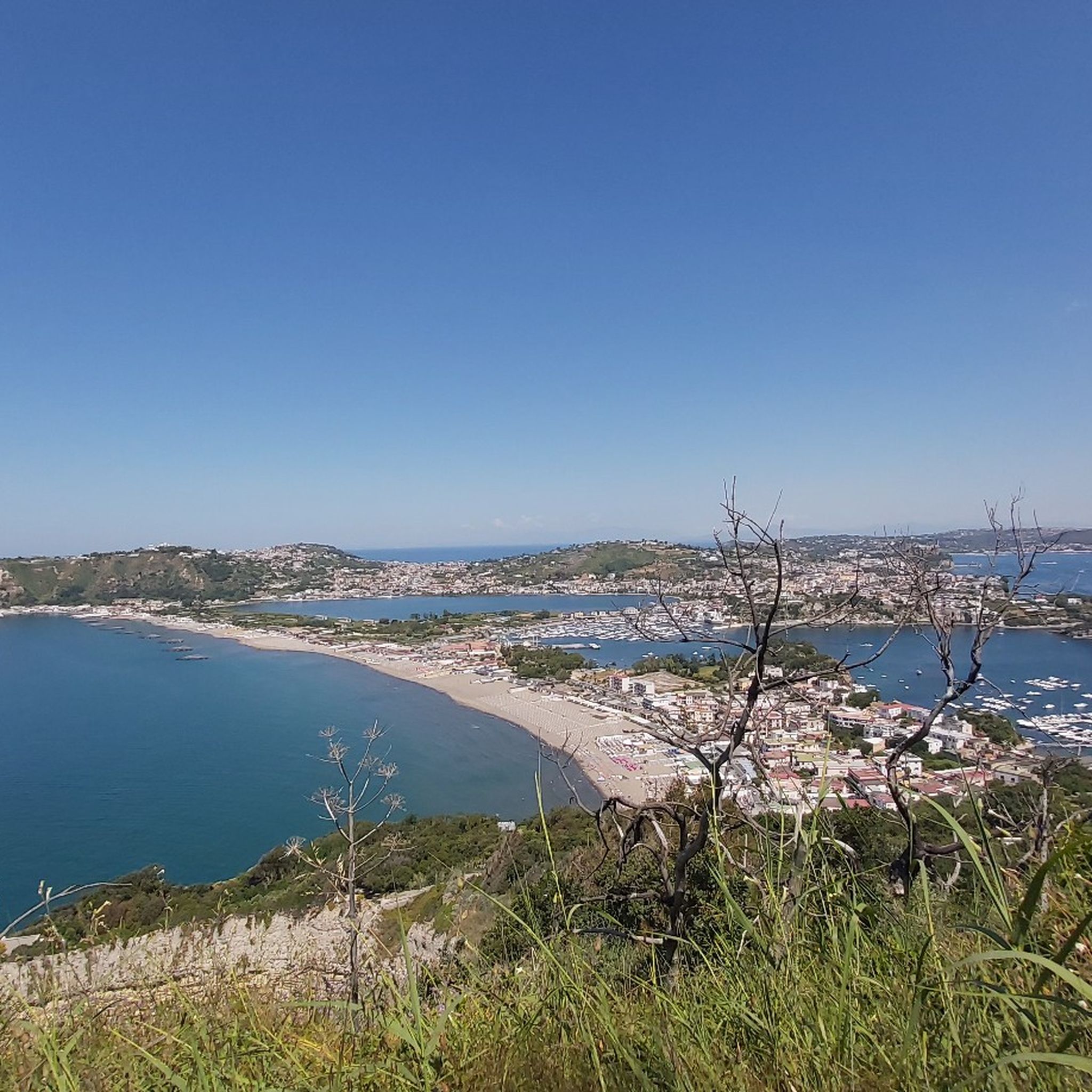
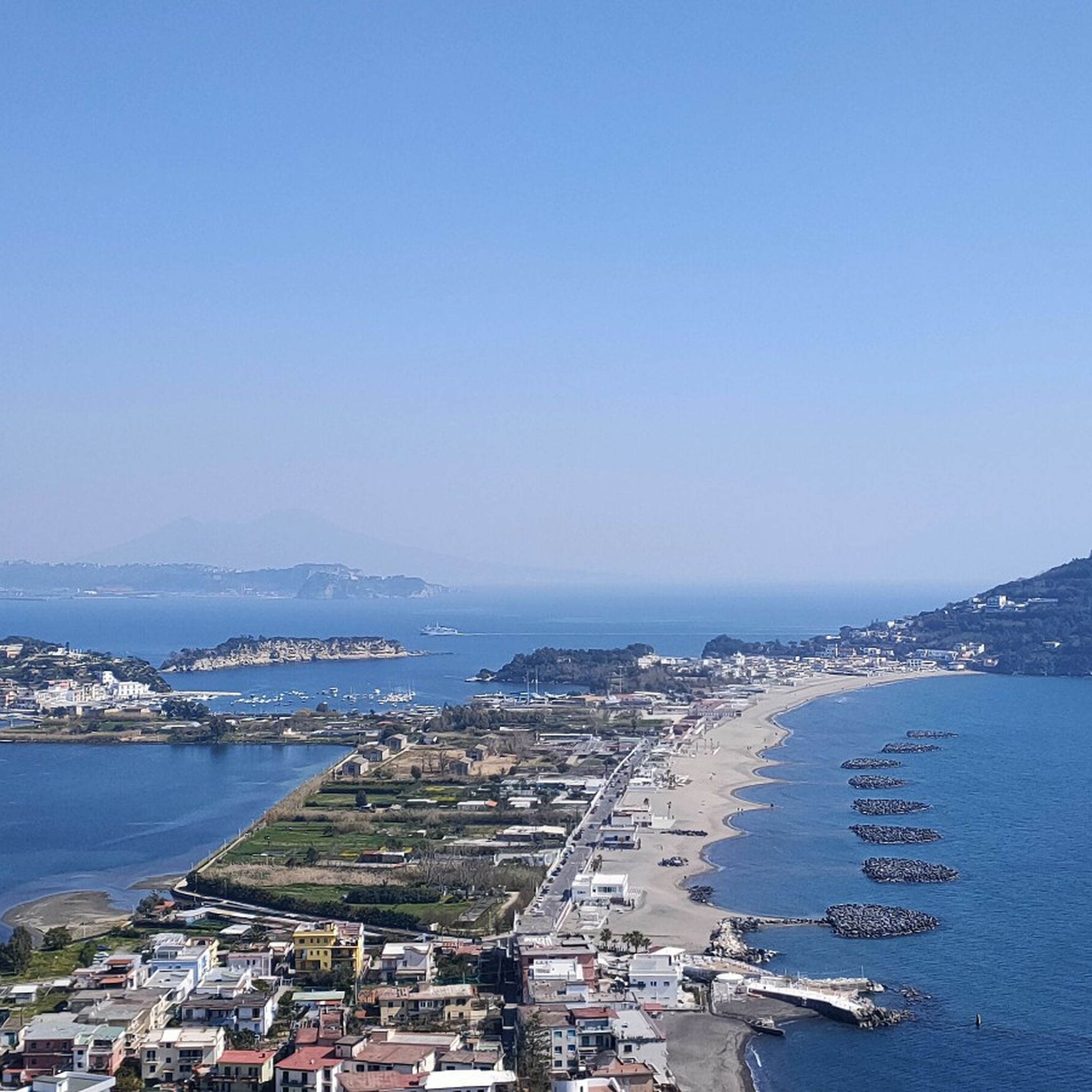
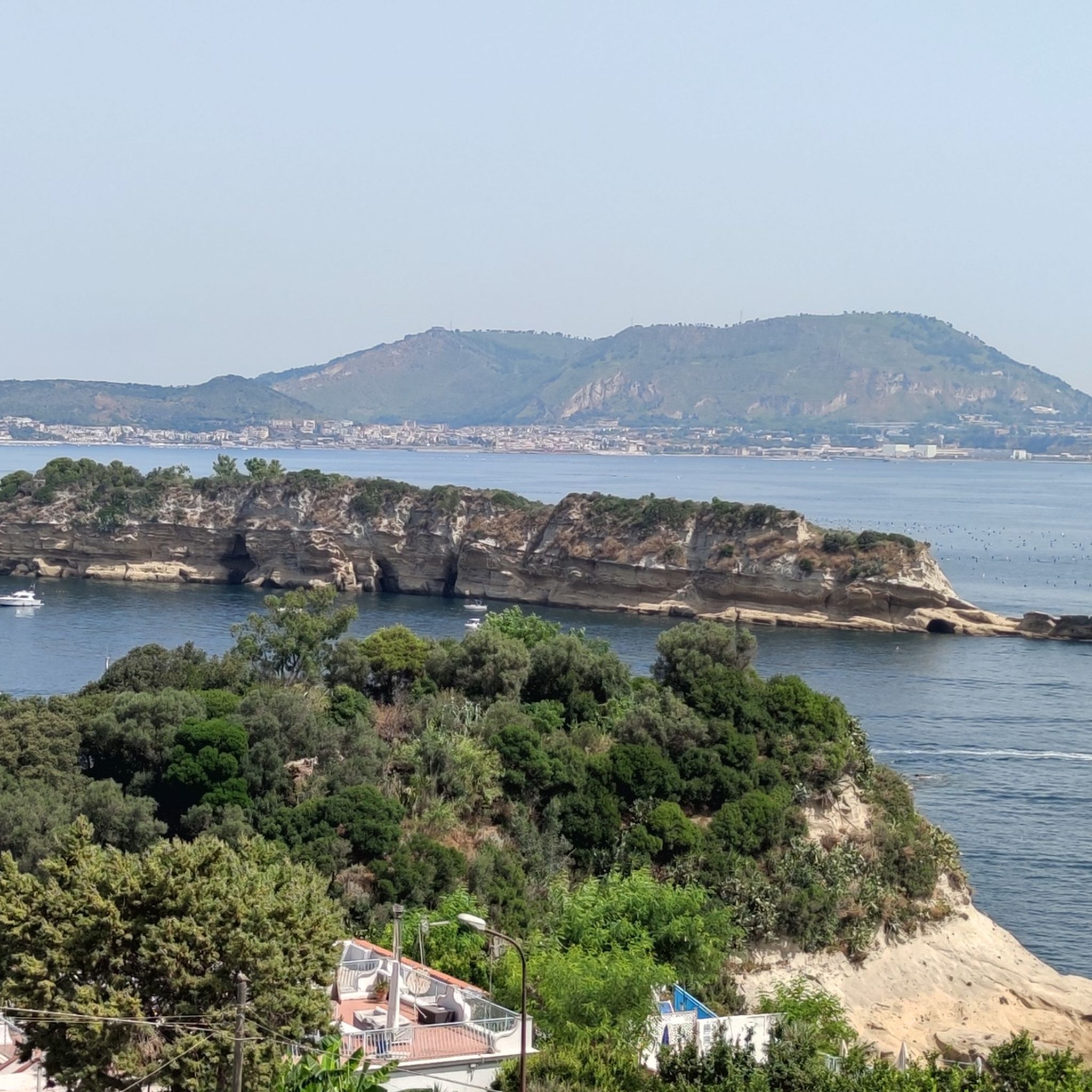
The castle originally took the name Castrum Gironis: according to some from the name of Hieron of Syracuse (to whom the first settlement dating back to the 5th century BC is attributed), according to others from the "circumference of walls" fortified that surrounded the small island of trachyte rock.
0
0
The Anfiteatro di Cuma, located in the Archaeological Park of Campi Flegrei (Bacoli, NA), is one of the oldest examples of stable amphitheaters in Campania, dating back to the end of the 2nd century BC. Built in the Republican era near Monte Grillo, the structure measured approximately (90 x 70) meters and could accommodate up to 7000 spectators, highlighting its ancient origins.
1
0

I recommend parking the car in the space outside the Monte Nuovo oasis, crossing the oasis and then going down towards Lake Averno, along this lake there are farmhouses and restaurants
1
0

The Aragonese Castle of Baia houses a museum with very interesting finds as well as offering visitors a breathtaking view of the entire area.
1
0

A walk among nature and wild animals, between dirt roads and cobblestone pavements, not to be missed in any season.
1
0

Beautiful volcanic lake with a very simple and comfortable circular tour, during which it is possible to admire local fauna and flora. I recommend it together with the circular tour of Monte Nuovo to have a view of the volcanic panorama of the Campi Flegrei area.
1
0
Tranquility and beauty of the landscape in contact with nature.
2
0

Lago d'Averno is an easy biking destination on usually quiet rural roads. The volcanic lake in the Avernus crater is around 4 kilometres west of Pozzuoli. Along the way you can pass the volcanic field known as the Phlegraean Fields (Campi Flegrei) and see part of the wider Campanian volcanic arc. The road around the lake is roughly circular: the lake measures two kilometres in circumference and is up to 60 metres deep.
2
0
Frequently Asked Questions
What historical and archaeological sites can I explore in the Parco regionale dei Campi Flegrei?
The region is rich in ancient history. You can visit the Archaeological Park of Cuma, the oldest Greek colony in the Western Mediterranean, which includes the Roman Crypt and the famous Cave of the Sibyl. Don't miss the impressive Aragonese Castle in Baia, which houses the Archaeological Museum of the Phlegraean Fields. Other significant sites include the Flavian Amphitheater in Pozzuoli, the ancient heart of Pozzuoli known as Rione Terra, and the ruins of Roman baths and villas at the Baia Archaeological Park.
Are there any unique natural attractions related to the volcanic activity in the area?
Yes, the area's volcanic nature offers several unique sights. You can experience the active volcanic crater of Solfatara Volcano, known for its fumaroles and mud pots. The Lake Avernus, a volcanic lake steeped in ancient myths, is believed to be an entrance to the Underworld. Additionally, the Crater of the Astroni is a large crater now managed as a state nature reserve, and Monte Nuovo was formed during the last eruption in 1538.
What are some family-friendly activities or attractions in the Parco regionale dei Campi Flegrei?
Many attractions are suitable for families. Walking around Lake Avernus or Lake Lucrino offers pleasant strolls. The Crater of the Astroni nature reserve provides natural trails for exploration. The Underwater Archaeological Park of Baia offers a unique experience, which can be explored via glass-bottom boat tours, making it accessible and engaging for all ages.
Can I go hiking or running near the attractions in Parco regionale dei Campi Flegrei?
Absolutely! The region offers various trails for hiking and running. For easy hikes, consider the Astroni Trail or the Lago d'Averno – loop tour. If you're looking for running routes, the Lago d'Averno e Monte Nuovo – loop tour is a popular choice. You can find more options and details in the Easy hikes around Parco regionale dei Campi Flegrei and Running Trails around Parco regionale dei Campi Flegrei guides.
Are there any cycling routes available around the Parco regionale dei Campi Flegrei?
Yes, the area is great for cycling. You can enjoy road cycling routes like the Aragonese Castle – Casina Vanvitelliana, Fusaro loop, which offers scenic views. Another option is the Monte di Procida loop. For more detailed routes and difficulty levels, refer to the Road Cycling Routes around Parco regionale dei Campi Flegrei guide.
What are some impressive examples of Roman engineering in the region?
The Romans left behind remarkable engineering feats. The Piscina Mirabilis in Bacoli is a colossal Roman cistern that served as the main freshwater reservoir for the Roman western imperial fleet. The Flavian Amphitheater in Pozzuoli is the third-largest Roman amphitheater in Italy, showcasing advanced construction. Additionally, the Cento Camerelle, also in Bacoli, are ancient Roman cisterns that demonstrate their hydraulic expertise.
What is the Underwater Archaeological Park of Baia and how can I visit it?
The Underwater Archaeological Park of Baia is a unique site where parts of the ancient Roman city of Baia are now submerged due to bradyseism (ground movement). It offers a fascinating glimpse into Roman life underwater. You can explore this park through diving excursions or by taking glass-bottom boat tours, which allow you to view the ruins without getting wet.
What are the most scenic viewpoints or natural landscapes to enjoy in the Parco regionale dei Campi Flegrei?
For breathtaking views, the Aragonese Castle offers panoramic vistas of the Gulf of Pozzuoli. The Phlegraean Coastline itself provides beautiful sea views and natural harbors. The various volcanic lakes, including Lake Avernus, Lake Lucrino, and Lake Fusaro, contribute to the area's natural beauty and offer serene landscapes.
Are there any specific places to see related to ancient Roman thermal baths?
Yes, the region was a popular resort for Roman nobility, and you can explore the ruins of ancient Roman baths. The Baia Archaeological Park features extensive remains of Roman villas and thermal complexes, including the Terme Romane di Baia. Additionally, on the shores of Lake Avernus, you can find the Frigidarium of the Lake Avernus Thermal Baths, part of a larger thermal complex that exploited the lake's beneficial waters.
What is the significance of the lakes in the Parco regionale dei Campi Flegrei?
The lakes are central to the region's natural and historical identity. Lake Avernus is a volcanic lake famous for its mythological connections to the Underworld. Lake Lucrino was historically important for Roman fish farming, particularly oysters. Other lakes like Lake Miseno and Lake Fusaro (home to the charming Casina Vanvitelliana) are also significant, contributing to the area's unique volcanic landscape and offering recreational opportunities.
What do visitors enjoy most about the attractions around Parco regionale dei Campi Flegrei?
Visitors particularly appreciate the blend of dramatic volcanic landscapes, rich archaeological treasures, and serene natural oases. Many enjoy the mythological significance of places like Lake Avernus and the historical insights offered by sites such as the Aragonese Castle. The opportunity to walk or cycle around the lakes and explore ancient Roman ruins while enjoying beautiful views is also highly valued.
Most popular routes around Parco regionale dei Campi Flegrei
Most popular attractions around Parco regionale dei Campi Flegrei

Get inspired with the komoot mobile app


Explore more
Still not found the Highlight you’re looking for? See guides of the top attractions in other regions:
