The best walks and hikes around Parco regionale Bacino Fiume Sarno
4.4
(1891)
18,682
hikers
215
hikes
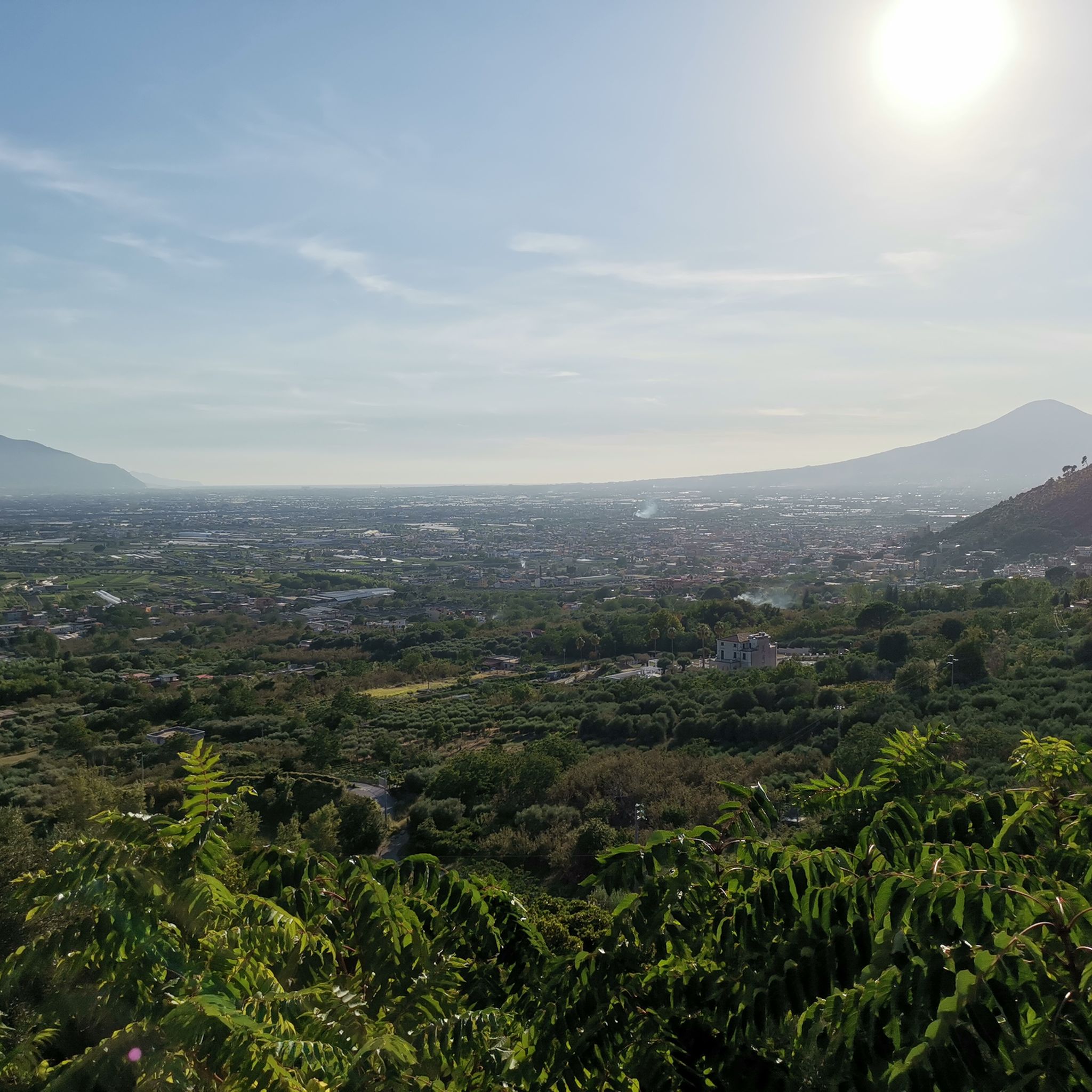
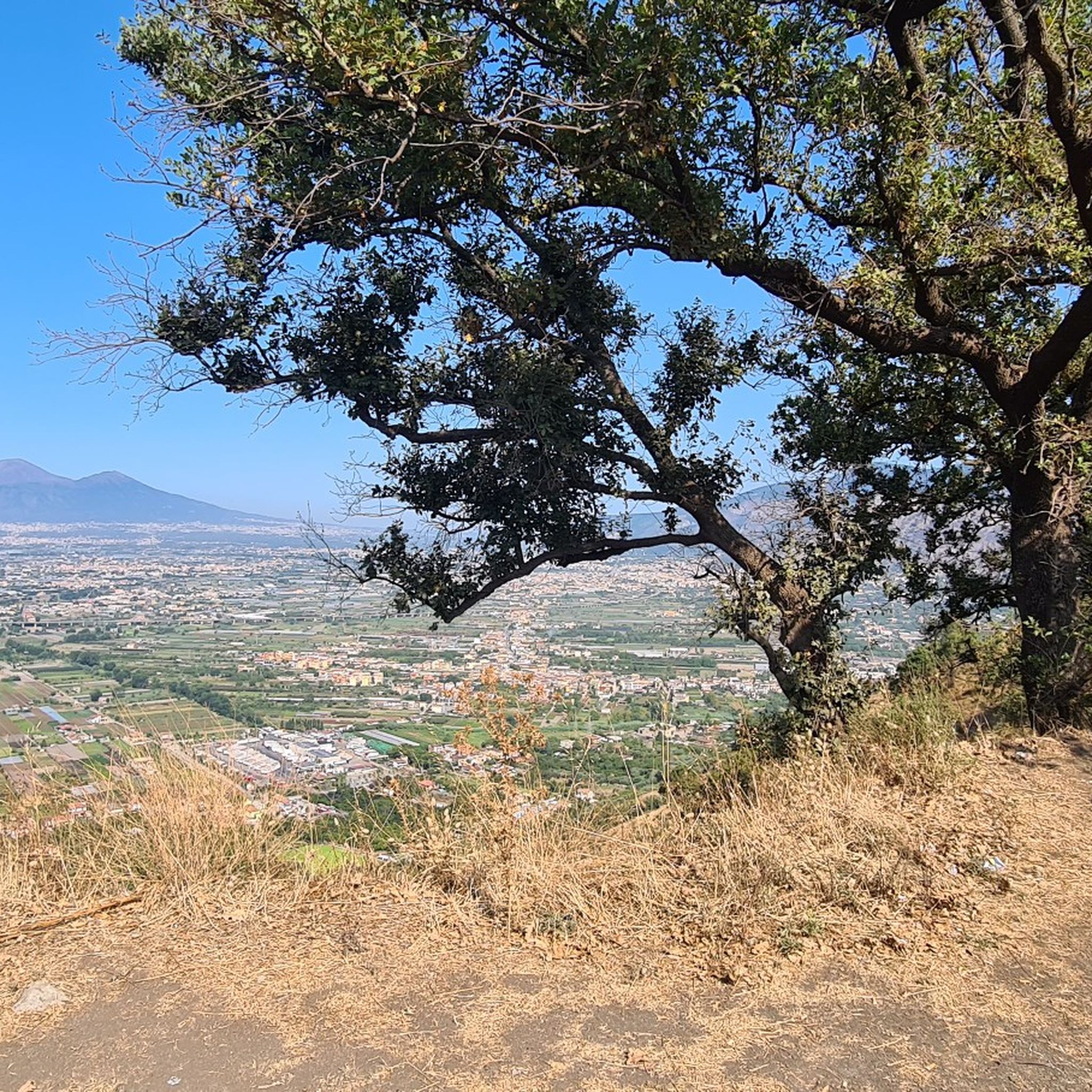
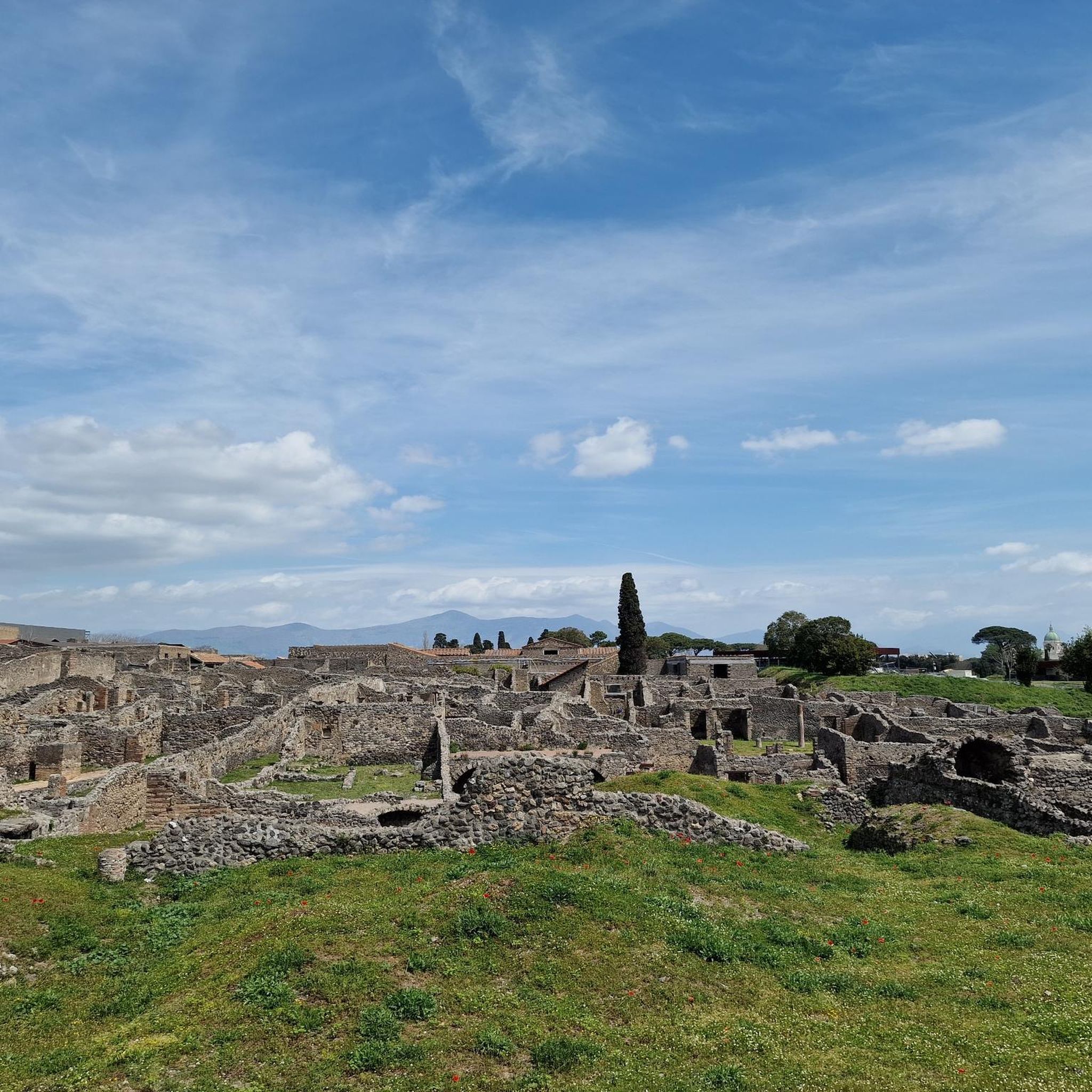
Hiking around Parco regionale Bacino Fiume Sarno offers a diverse landscape, characterized by historical sites, riverine paths, and elevated viewpoints. The region includes areas around ancient Pompeii, providing routes that traverse archaeological zones. Further inland, trails ascend to hills, offering panoramic views over the surrounding area. The terrain varies from relatively flat paths suitable for easy walks to more challenging ascents with significant elevation gain.
Best hiking trails around Parco regionale Bacino Fiume Sarno
- The most popular hiking route is…
Last updated: October 12, 2026
4.7
(97)
1,003
hikers
10.7km
02:47
70m
70m
Moderate hike. Good fitness required. Easily-accessible paths. Suitable for all skill levels.
4.6
(48)
440
hikers
2.91km
00:46
20m
20m
Easy hike. Great for any fitness level. Easily-accessible paths. Suitable for all skill levels.

5.0
(4)
57
hikers
3.15km
00:50
30m
30m
Easy hike. Great for any fitness level. Easily-accessible paths. Suitable for all skill levels.
5.0
(6)
42
hikers
3.10km
00:50
30m
30m
Easy hike. Great for any fitness level. Easily-accessible paths. Suitable for all skill levels.
4.5
(4)
50
hikers
Easy hike. Great for any fitness level. Easily-accessible paths. Suitable for all skill levels.
Get access to more routes and recommendations from other explorers.
Already have an account?
Our route recommendations are based on thousands of hikes, rides, and runs completed by other people on komoot.
Start today with a free account
Your next adventure awaits.
Popular around Parco regionale Bacino Fiume Sarno

Tips from the Community

Unbelievable how all this is preserved.
0
0

The House of the Vettii was the home of two freed slaves, Aulus Vettius Restitutus and Aulus Vettius Conviva, who subsequently earned a lot of money in the wine trade. It was not uncommon at the time for slaves to be freed and to be able to build a career in society. They probably lived there with their wives and children. With the money they earned, they could have the walls beautifully decorated. Striking is the erotic art and twelve mythological scenes. Furthermore, the house has a very beautiful garden full of statues and fountains, but also strongly scented plants and ponds. Nature and culture were meant to stimulate all the senses and thus inspire the mind.
1
0

The purpose here, however, was completely different from modern ones that cross the road. The roads served not only as a means of communication, but also as a system for draining excess water and wastewater. The blocks made it possible to cross the road without stepping into the mud. Furthermore, the interruptions allowed the passage of horse-drawn carts.
2
0
The Teatro Grande was built in the 2nd century BC. To create the horseshoe-shaped tiers (the cavea), the natural cavity of the slope was used. The cavea was divided into 3 zones: closer to the orchestra, four continuous marble-clad steps can be seen, reserved for musicians and the most important figures of the city. Behind them were 20 tiers of stone seats. Unfortunately, only a few fragments remain of these massive structures. One still bears the seat number: each person was therefore allocated only 40 cm. The upper tier, divided into seven sectors and supported by a ring corridor, was added, along with the boxes above the side entrances, during the reign of Emperor Augustus, allowing the theatre to accommodate approximately 5,000 spectators. The entire tier was protected by a wall that supported the velarium, a huge movable awning used to shield the audience from the sun and bad weather. The stage and the scene decorated with marbles and statues date back to the restoration of 62 AD, after the earthquake that had struck Pompeii.
1
0

Sturdy shoes are essential
1
0
very well preserved
1
0

Aside from providing convenience for pedestrians to cross the street with dry feet, it was also a simple but effective traffic calming measure. The carts in ancient Pompeii were indeed standardized to fit perfectly through the city. Visitors/traders with different dimensions had to rent and reload a Pompeian cart at the city gates, otherwise they wouldn't be allowed into the city.
1
0

The "big" ticket for Pompeii is worth it! It includes access to two villas that aren't accessible with the express ticket, but are definitely worth it.
0
0
Frequently Asked Questions
How many hiking trails are available in Parco regionale Bacino Fiume Sarno?
There are over 200 hiking routes in Parco regionale Bacino Fiume Sarno, catering to various skill levels. You'll find approximately 60 easy routes, around 90 moderate trails, and about 50 more challenging options.
What kind of terrain can I expect when hiking in Parco regionale Bacino Fiume Sarno?
The region offers a diverse landscape, from historical sites and riverine paths to elevated viewpoints. You can expect routes traversing archaeological zones, particularly around ancient Pompeii, as well as trails ascending hills for panoramic views. The terrain varies from relatively flat paths to more challenging ascents with significant elevation gain.
Are there any easy, family-friendly walks in the area?
Yes, there are many easy routes suitable for families. For instance, the House of Menander – Basilica of Pompeii loop from Pompei is an easy 2.7 km trail that explores significant historical landmarks within Pompeii. Another great option is the Large Theatre of Pompeii – House of Menander loop from Pompei, an easy 3.4 km path through the ancient city.
What are some good options for more advanced hikers seeking a challenge?
For those looking for a more challenging experience, the region offers trails with significant elevation gain. There are approximately 50 difficult routes available. These often lead to higher viewpoints and cover longer distances, providing a rewarding workout.
Are there any circular loop walks in Parco regionale Bacino Fiume Sarno?
Yes, many routes in the region are designed as circular loops. A popular moderate option is the Church of San Martino (Ruins) – Croce di Sarno Viewpoint loop from Sarno, which is 12.8 km long and takes about 4 hours 18 minutes to complete, offering varied terrain and a great viewpoint.
What interesting landmarks or attractions can I see along the hiking trails?
The region is rich in historical and natural attractions. You can explore ancient sites within Pompeii, or visit natural features like the Source of the Sarno River (Parco 5 Sensi) and the Sarno Springs. For panoramic views, consider visiting the Belvedere of the Ciccio Tree – View of Vesuvius and the Gulf of Castellammare.
What do other hikers enjoy most about hiking in Parco regionale Bacino Fiume Sarno?
The area is highly rated by the komoot community, with an average score of 4.4 stars from over 1500 reviews. Reviewers often praise the unique combination of historical sites, such as those found on routes like House of Menander – Basilica of Pompeii loop from Pompei, and the diverse natural landscapes, including river valleys and hills with panoramic viewpoints.
Is Parco regionale Bacino Fiume Sarno suitable for dog-friendly hiking?
Many trails in the Parco regionale Bacino Fiume Sarno are suitable for hiking with dogs, especially those in natural areas away from archaeological sites where specific rules might apply. It's always recommended to keep dogs on a leash and check local regulations for specific areas, particularly within protected zones or crowded historical sites.
Are there any trails that offer views of the Sarno River?
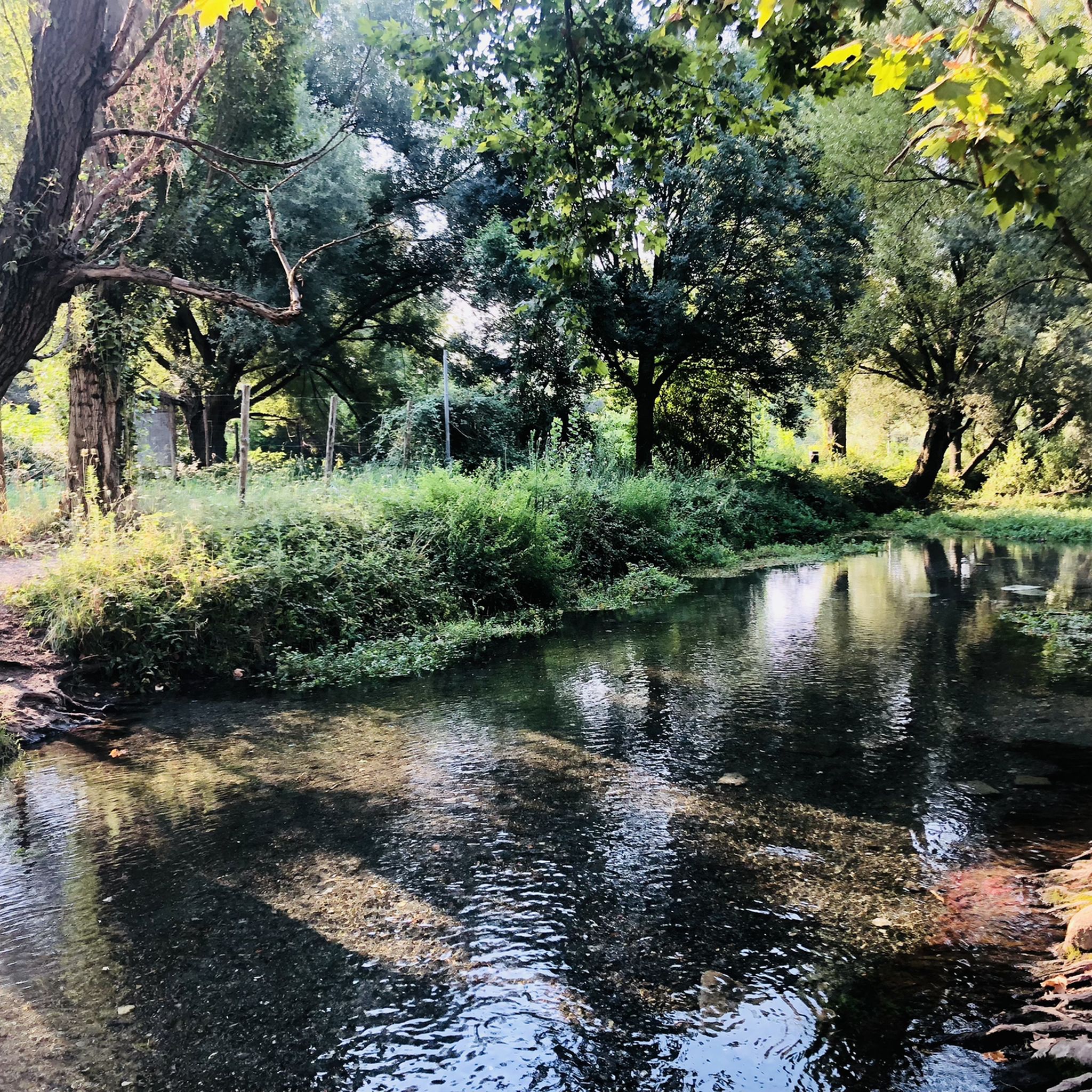
Yes, the region is named after the Sarno River, and several paths follow its course or lead to its sources. You can explore highlights like the Source of the Sarno River (Parco 5 Sensi) or the Sarno Springs, which are accessible via hiking routes and offer a chance to experience the river's natural environment.
What is the best time of year to hike in Parco regionale Bacino Fiume Sarno?
The best time to hike in Parco regionale Bacino Fiume Sarno is typically during spring (April-May) and autumn (September-October). During these seasons, the weather is mild and pleasant, making for comfortable hiking conditions. Summer can be quite hot, especially in the archaeological areas, while winter might bring cooler temperatures and occasional rain.
Are there any coastal or beach-adjacent hiking routes?
Yes, some routes in the broader region extend towards coastal areas. For example, the Stabia Port – Beach loop from Rovigliano offers a moderate 13.1 km hike that includes coastal elements and beach access, providing a different kind of scenery compared to the inland trails.
Are there opportunities to explore urban or town areas on foot?
Yes, some routes integrate with or pass through local towns and historical urban centers. The Corso Umberto I, Naples loop from Pompei is an easy 2.4 km route that allows you to experience a more urban setting while still being connected to the region's broader network of paths.
Most popular routes around Parco regionale Bacino Fiume Sarno
Most popular attractions around Parco regionale Bacino Fiume Sarno

Get inspired with the komoot mobile app


Explore more
Browse the best Hikes in other regions.
