The best walks and hikes in Brijuni National Park
4.4
(1288)
9,905
hikers
17
hikes
Hiking in Brijuni National Park offers exploration across an archipelago characterized by lush Mediterranean vegetation and a diverse coastline. The terrain is largely gentle, making it accessible for various fitness levels, with the highest point, Vela Straža, reaching 180 feet (55 meters). The islands feature extensive holm oak forests, maquis shrubland, and open meadows, providing shaded paths and coastal views. This unique blend of natural beauty and historical significance defines the park's landscape.
Best hiking trails in Brijuni National Park
…Last updated: October 5, 2026
4.7
(39)
137
hikers
Moderate hike. Good fitness required. Easily-accessible paths. Suitable for all skill levels.
4.8
(22)
95
hikers
19.7km
05:08
140m
140m
Hard hike. Very good fitness required. Easily-accessible paths. Suitable for all skill levels.

4.4
(5)
21
hikers
11.1km
02:55
80m
80m
Moderate hike. Good fitness required. Easily-accessible paths. Suitable for all skill levels.
5.0
(4)
13
hikers
Moderate hike. Good fitness required. Easily-accessible paths. Suitable for all skill levels.
11
hikers
Easy hike. Great for any fitness level. Easily-accessible paths. Suitable for all skill levels.
Get access to more routes and recommendations from other explorers.
Already have an account?
Our route recommendations are based on thousands of hikes, rides, and runs completed by other people on komoot.
Start today with a free account
Your next adventure awaits.

Tips from the Community

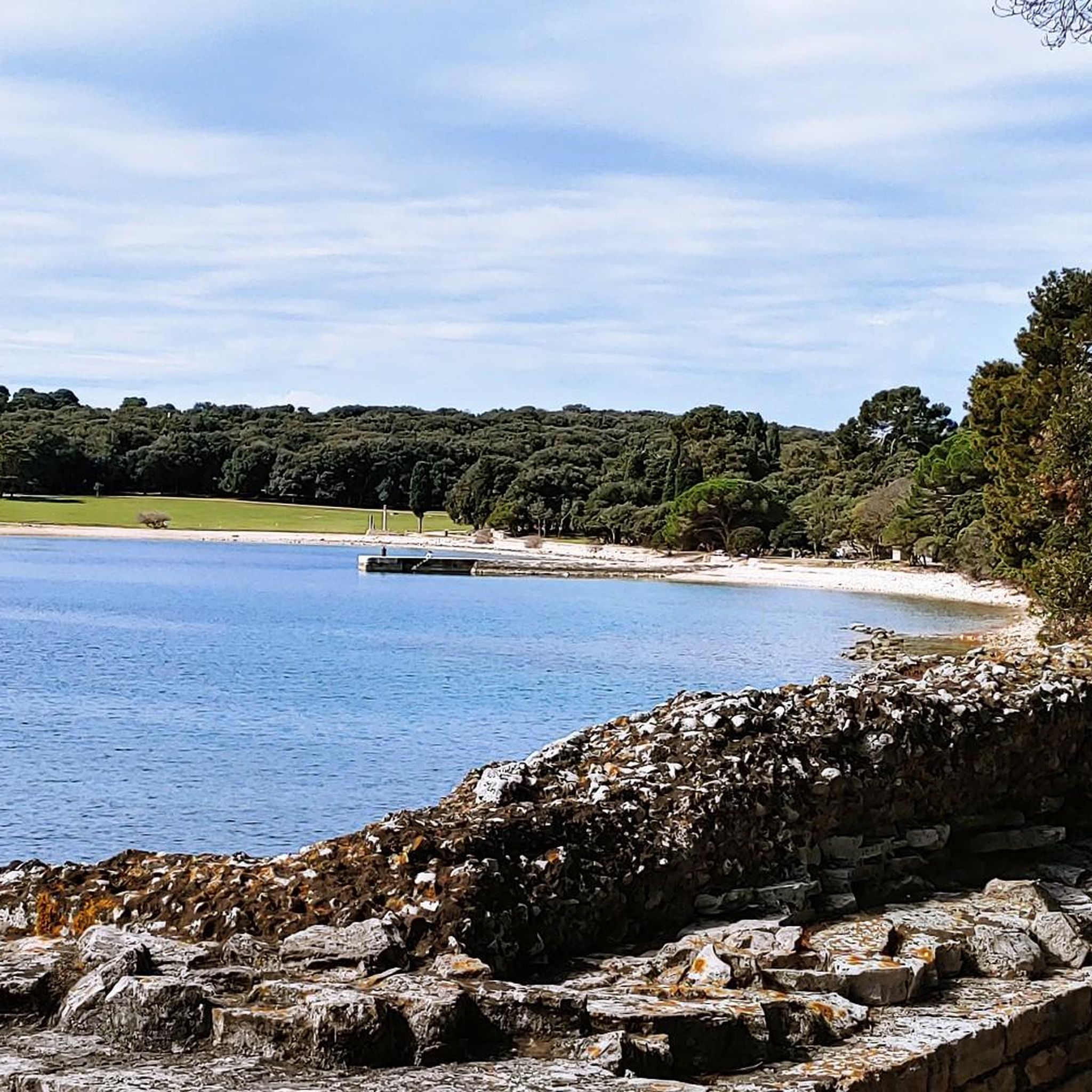
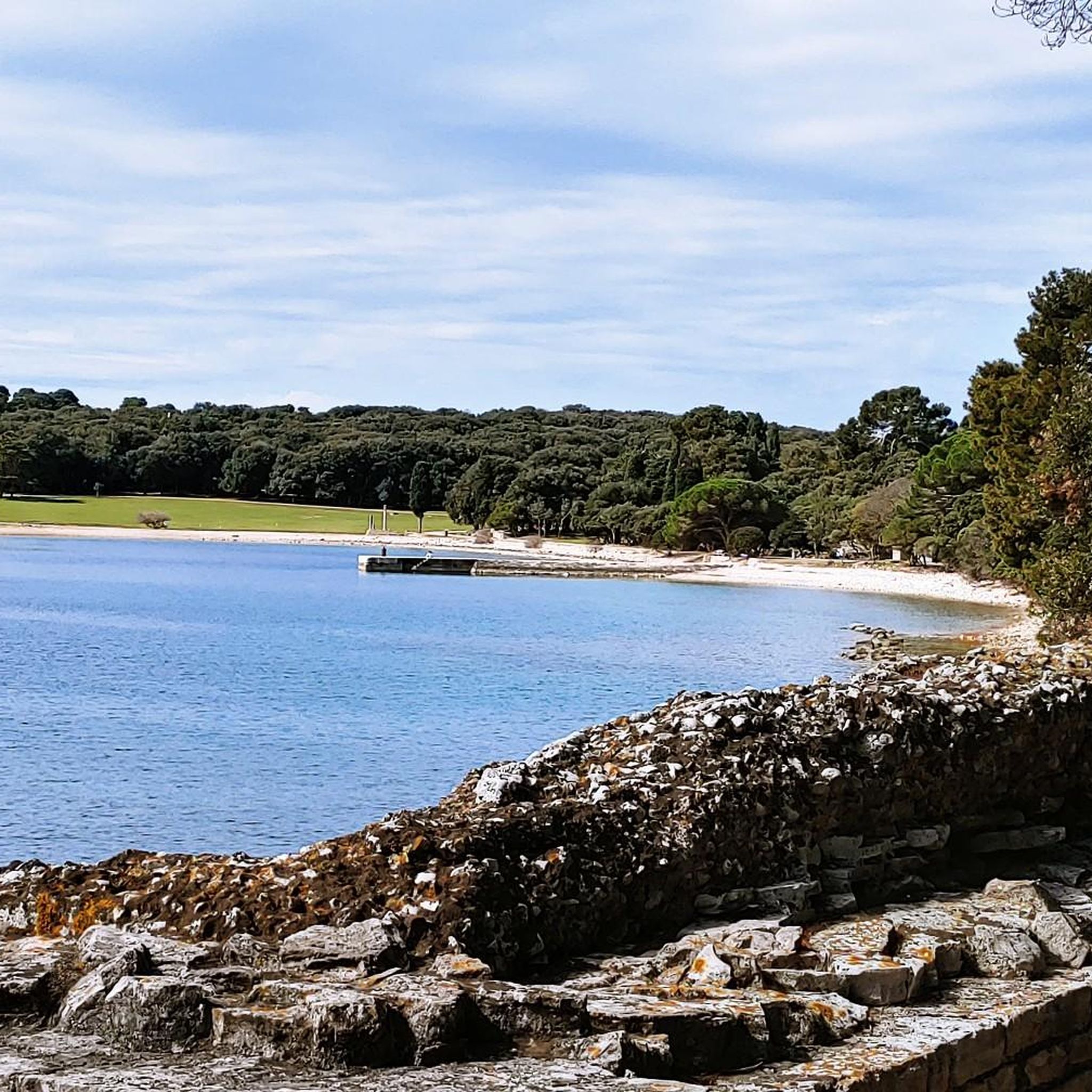
Perhaps the most evocative site of the entire visit to Brijuni Island. Ruins of an early Christian basilica dating back to the 4th or 5th century AD. Around the year 1000, it became the home of the Knights Templar, who guarded it until the order was dissolved, with the construction of a monastery adjacent to the church. A large burial area was discovered near the church, giving an idea of how densely populated the nearby castrum was.
0
0
A wonderful archaeological area. In addition to the original Byzantine castrum, later layers can also be seen. Noteworthy is the area near the shore where olive pressing sites for olive oil production can be identified.
0
0
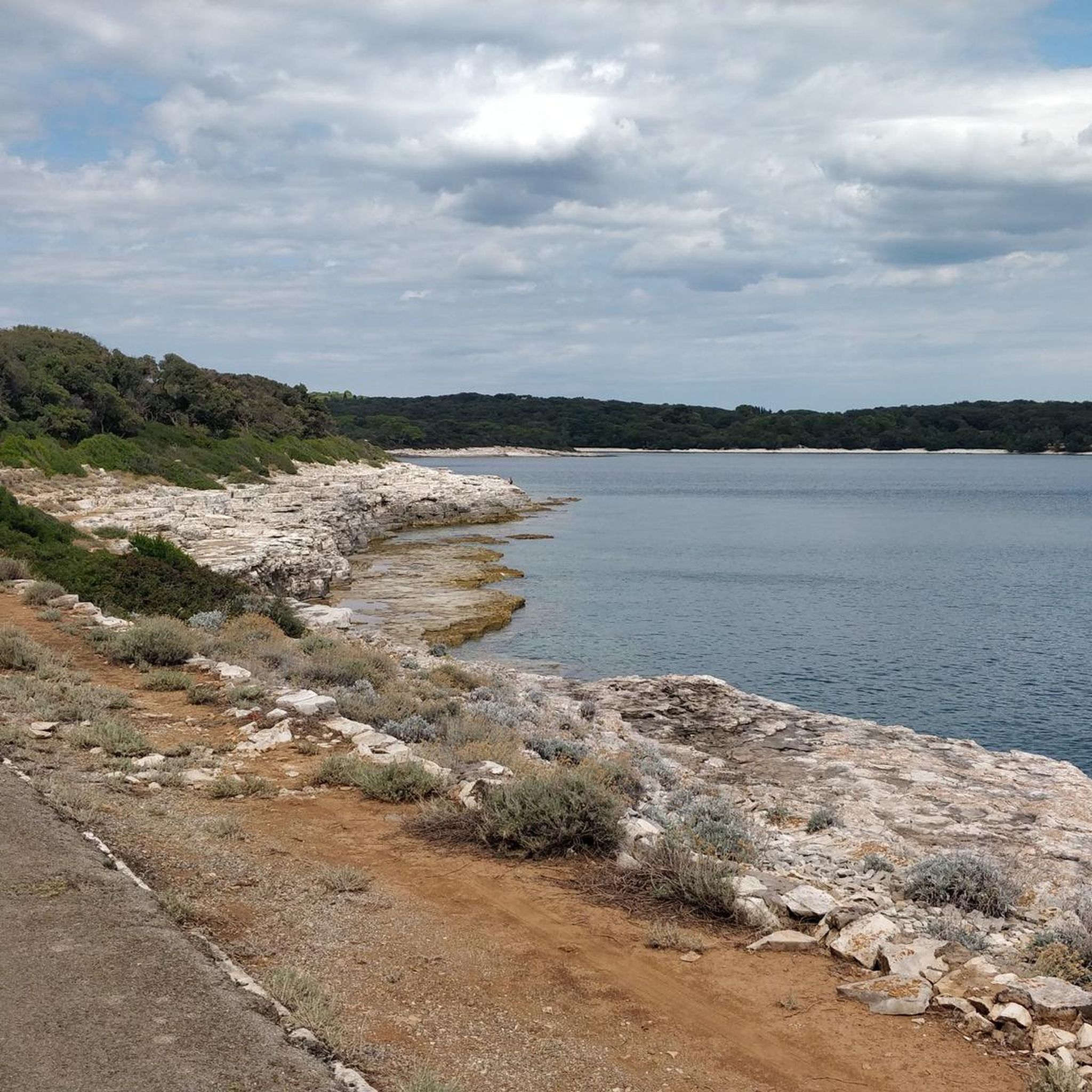
Beautiful bay that preserves several footprints of large carnivorous dinosaurs from the Mesozoic era
0
0
There are many dinosaur tracks on the rocky shore. In particular, they belong to the theropod genus of the Mesozoic period.
0
0
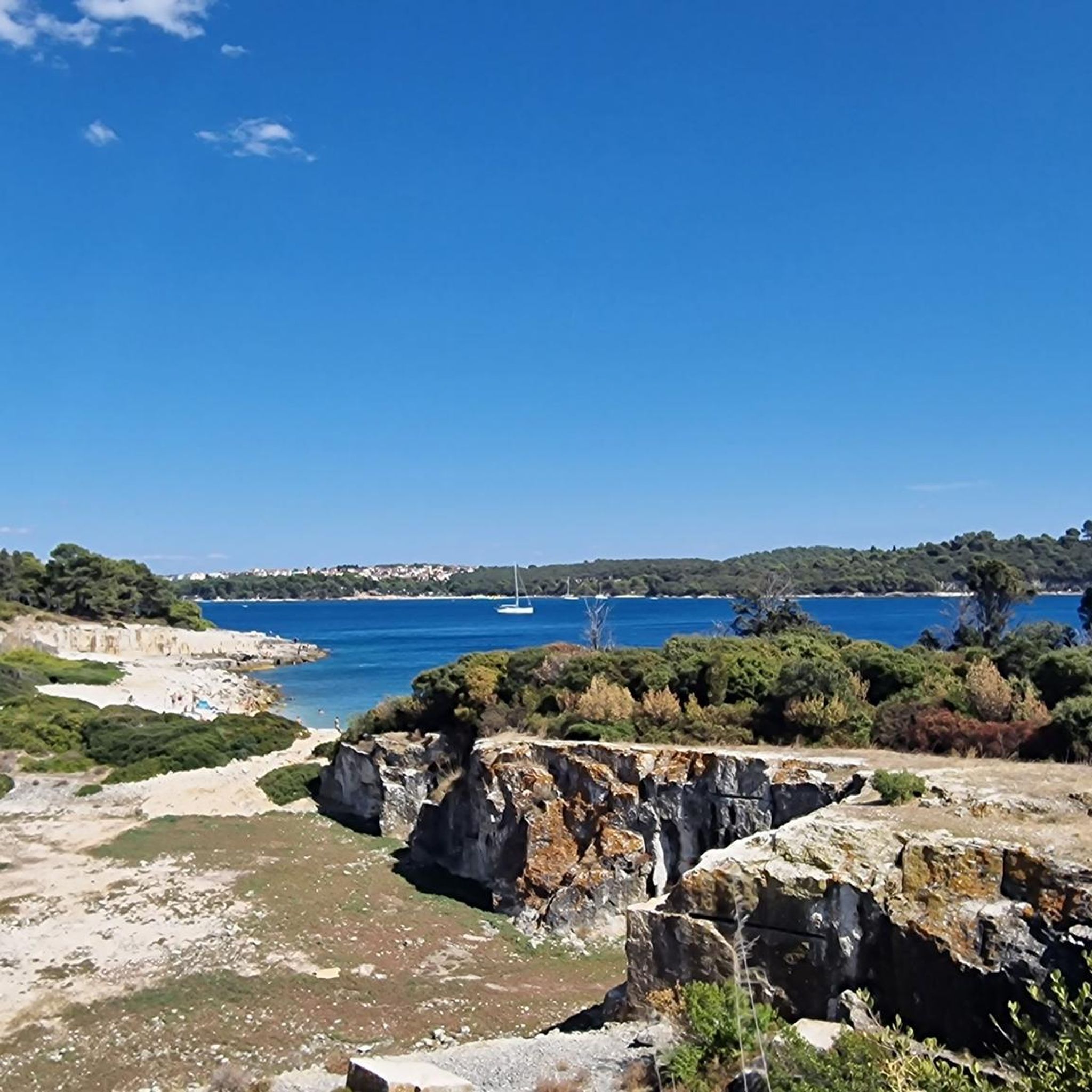
Brioni is dotted with bunkers protecting and controlling access to the island, probably dating back to the Tito period.
0
0
For us, this was perhaps the most moving place on this visit to Brijuni. An early Christian basilica dating back to the 4th or 5th century AD, its columns still retain ancient Christian iconography from the early centuries.
0
0
I'm not particularly fond of forcing animals out of their habitat. It feels like a huge open-air circus.
0
0
At the top of a beautiful bay are the ruins of a patrician Roman villa. Of interest are the warehouses, where the remains of terracotta jars for storing oil are still visible.
0
0
Frequently Asked Questions
How many hiking trails are available in Brijuni National Park?
Brijuni National Park offers a diverse network of over 15 hiking trails. These range from easy coastal walks to more challenging routes exploring the island's interior, catering to various fitness levels. There are 12 easy, 4 moderate, and 1 difficult route recorded in the park.
Are there any easy or family-friendly hiking trails in Brijuni National Park?
Yes, Brijuni National Park is largely flat, making it accessible for various fitness levels and ideal for families. An excellent easy option is the Church of Saint Germain – Roman Ruins of Brijuni loop from Fažana, a 3.5 km (2.2 miles) trail that takes about 55 minutes. This route leads through historical sites and coastal areas, perfect for a relaxed family outing.
What unique natural and historical attractions can I see while hiking in Brijuni National Park?
Hiking in Brijuni National Park offers a blend of natural beauty and historical intrigue. You can explore the Brijuni Safari Park, home to free-roaming deer and exotic animals, or discover over 200 dinosaur footprints from the Cretaceous period. Ancient archaeological sites like the Basilica of St. Mary Ruins and a Roman country villa in Verige Bay also dot the landscape, providing fascinating points of interest.
Are there any circular hiking routes in Brijuni National Park?
Yes, many trails in Brijuni National Park are designed as loops, allowing you to start and end at the same point. A popular moderate circular route is the Brijuni Safari Park – Basilica of St. Mary Ruins loop from Brijuni, which is 9.7 km (6.0 miles) long and takes approximately 2 hours 32 minutes to complete. This route combines natural landscapes with historical ruins and the unique wildlife of the Safari Park.
What is the best time of year to go hiking in Brijuni National Park?
The best time for hiking in Brijuni National Park is generally during the spring (April to June) and early autumn (September to October). During these periods, the weather is pleasant, with milder temperatures, making it comfortable for exploring the lush Mediterranean vegetation and coastal paths. Summers can be quite warm, while winters are cooler but still offer opportunities for walks.
Can I bring my dog on the hiking trails in Brijuni National Park?
While Brijuni National Park is a protected area, dogs are generally permitted on the islands, but with certain restrictions. They are usually allowed on designated paths and in some public areas, but often not inside buildings, museums, or the Safari Park. It's always best to check the official park regulations or contact the park administration directly before your visit to confirm specific rules regarding pets.
Are there any challenging or longer hiking routes for experienced hikers?
For experienced hikers seeking a longer challenge, Brijuni National Park offers routes like the Brijuni Safari Park – Roman Ruins of Brijuni loop from Fažana. This difficult trail spans 19.6 km (12.2 miles) and typically takes over 5 hours to complete, offering an extensive tour of the island's diverse landscapes and historical sites.
What do other hikers say about their experience in Brijuni National Park?
The hiking experience in Brijuni National Park is highly regarded by the komoot community, with an average rating of 4.5 stars from over 800 reviews. Hikers often praise the park's pristine Mediterranean vegetation, the unique blend of ancient archaeological sites, and the fascinating paleontological features like dinosaur footprints. The well-maintained network of trails and the gentle topography also contribute to a very positive experience.
Is there an ancient olive tree I can visit while hiking?
Yes, Brijuni National Park is home to one of the oldest olive trees in the Mediterranean. This ancient tree is still bearing fruit after more than a millennium and is a significant natural landmark. Many trails on Veliki Brijun will lead you past or near this remarkable piece of living history, offering a unique photo opportunity and a moment to reflect on the island's long heritage.
How can I get to Brijuni National Park for hiking, and is there parking available?
Access to Brijuni National Park is primarily via a short boat ride from Fažana, a small town near Pula on the Istrian mainland. Visitors typically leave their vehicles in Fažana. There are paid parking facilities available in Fažana, close to the ferry terminal. The park entrance fee usually includes the boat transfer to Veliki Brijun, where the main hiking trails are located.
Are there opportunities for birdwatching or seeing wildlife on the trails?
Brijuni National Park is a haven for wildlife enthusiasts. The Safari Park allows you to encounter free-roaming axis deer, fallow deer, and mouflon, as well as exotic herbivores. For birdwatchers, areas like the Saline Reserve provide a sanctuary for various species, including coots, ducks, and songbirds, making it an excellent spot for observing the park's diverse avian life.
Are there any routes that combine historical sites with the Safari Park?
Absolutely. The Tito's Cadillac – Brijuni Safari Park loop from Fažana is a moderate 11.1 km (6.9 miles) path that offers a comprehensive tour of Veliki Brijun. This trail allows you to explore significant historical sites, including the famous Tito's Cadillac, and experience the unique wildlife of the Safari Park, providing a rich and varied hiking experience.
Most popular routes in Brijuni National Park
Most popular attractions in Brijuni National Park

Get inspired with the komoot mobile app


Explore more
Browse the best Hikes in other regions.
