Attractions and Places To See in Krka National Park - Top 20
Best attractions and places to see in Krka National Park include a diverse landscape shaped by the Krka River, featuring cascading waterfalls, deep canyons, and historical sites. The park is known for its natural travertine barriers that form numerous waterfalls, alongside a rich cultural heritage. Visitors can explore a variety of natural features and historical landmarks within its boundaries.
Best attractions and places to see in Krka National Park
- The most popular attraction is View of the Skradinski Buk waterfall, a viewpoint that offers a magical perspective of the cascades. This area is part of a trail that loops around the waterfalls, providing various viewing opportunities.
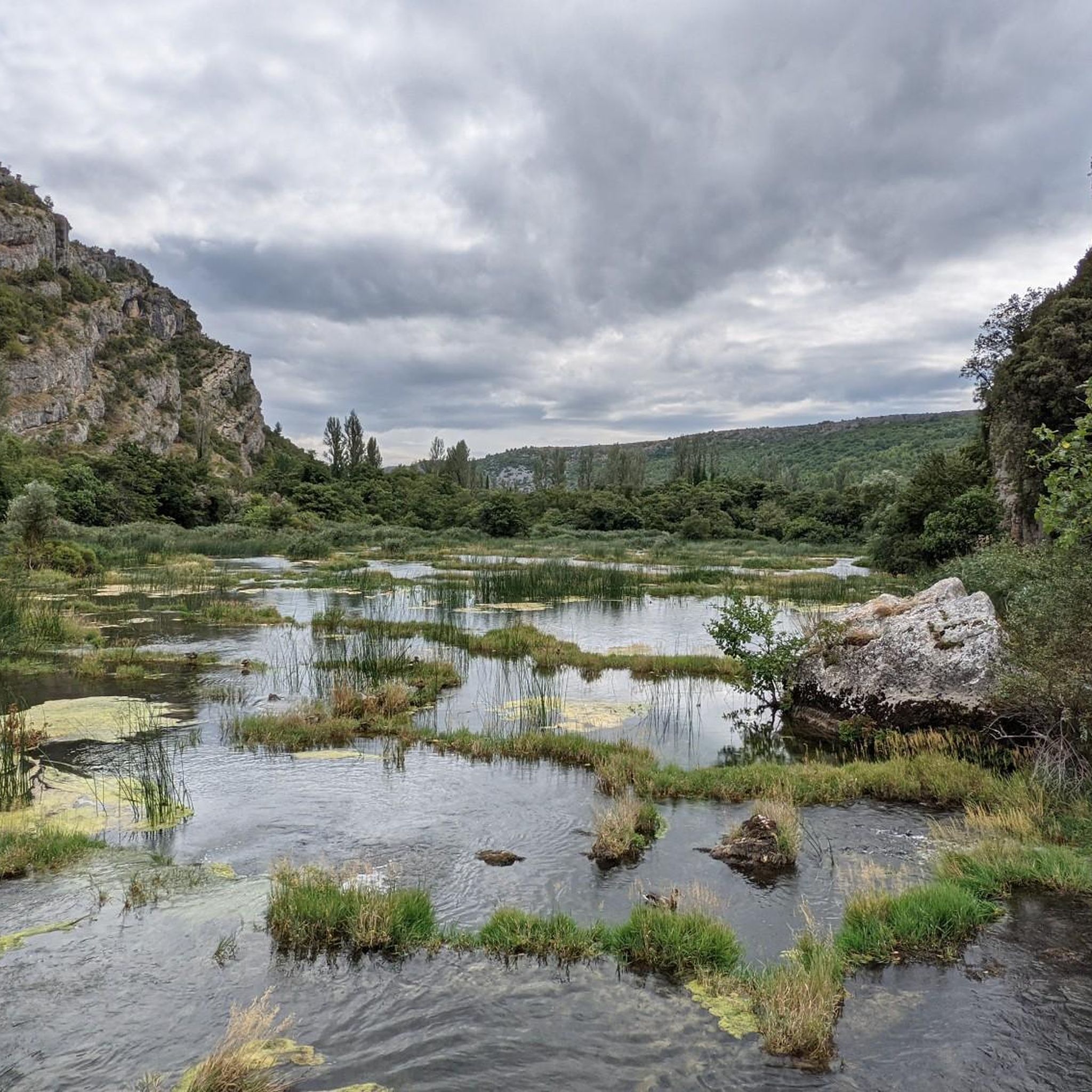
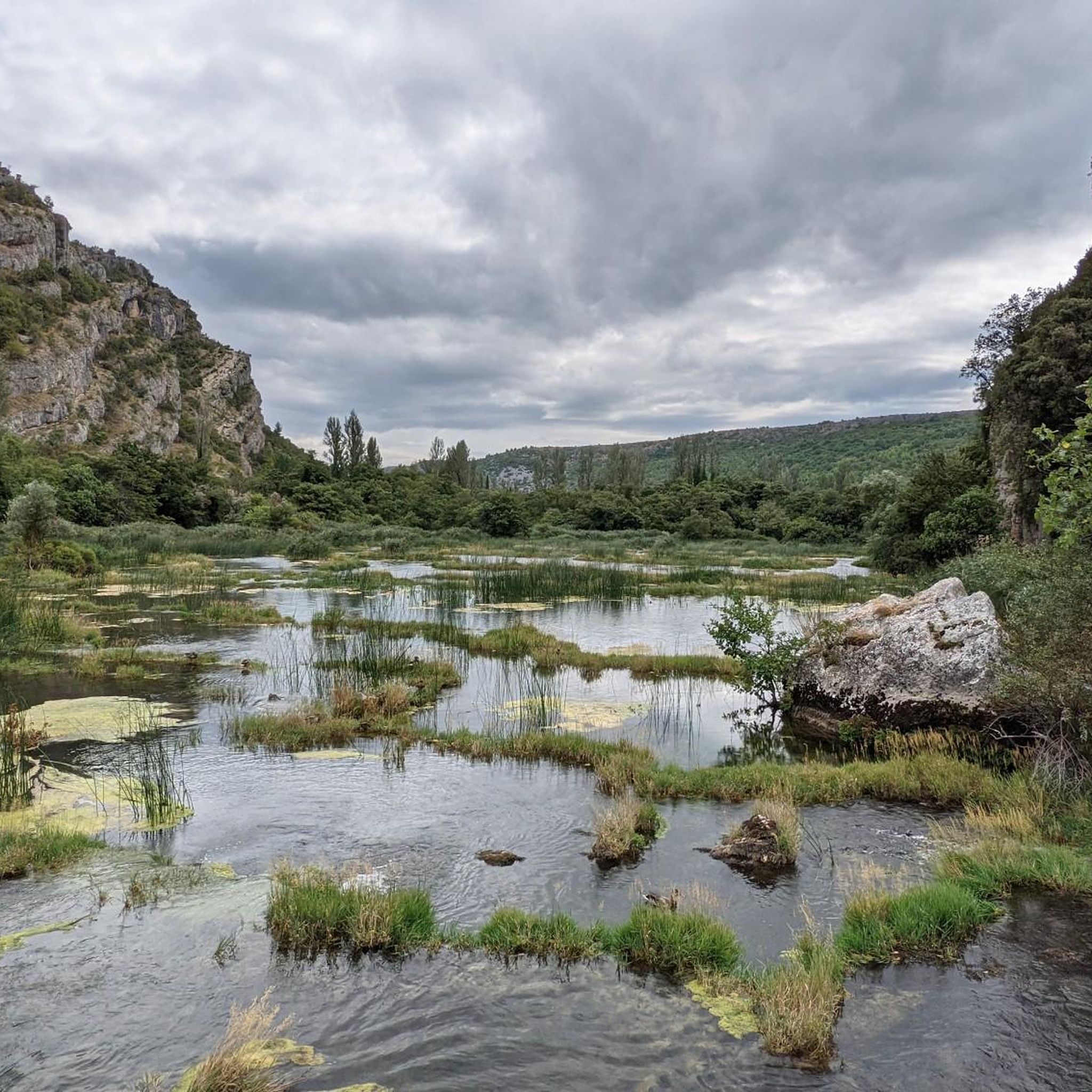
- Another must-see spot is Roški Slap Waterfall, a waterfall known for its series of twelve cascades stretching over 450 meters. Visitors can find a mill village nearby and enjoy views from the boat dock.
- Visitors also love Jaruga Hydroelectric Power Plant, a man-made monument. This site represents one of Europe's first hydroelectric power stations, built in 1895.
- Krka National Park is known for its waterfalls, historical sites, and extensive trail networks. The park offers a variety of attractions to see and explore, including ancient monasteries, Roman ruins, and preserved watermills.
- The attractions in Krka National Park are appreciated by the komoot community, with over 1400 upvotes and more than 2600 photos shared across its highlights.
Last updated: July 20, 2026
View of the Skradinski Buk waterfall
Highlight • Viewpoint
Tip by

Wooden walkways and bridges in Krka National Park
Highlight • Trail
Translated by Google •
Tip by

Sign up now to discover places like this
Get recommendations on the best single tracks, peaks, & plenty of other exciting outdoor places.
Sign up for free
Jaruga Hydroelectric Power Plant
Highlight • Monument
Translated by Google •
Tip by
Roški Slap Waterfall
Highlight • Waterfall
Translated by Google •
Tip by

Watermills in Krka National Park
Highlight • Structure
Translated by Google •
Tip by

Sign up for free to discover even more attractions in Krka National Park.
Sign up for free
Already have an account?
Start today with a free account
Your next adventure awaits.
Login or Signup
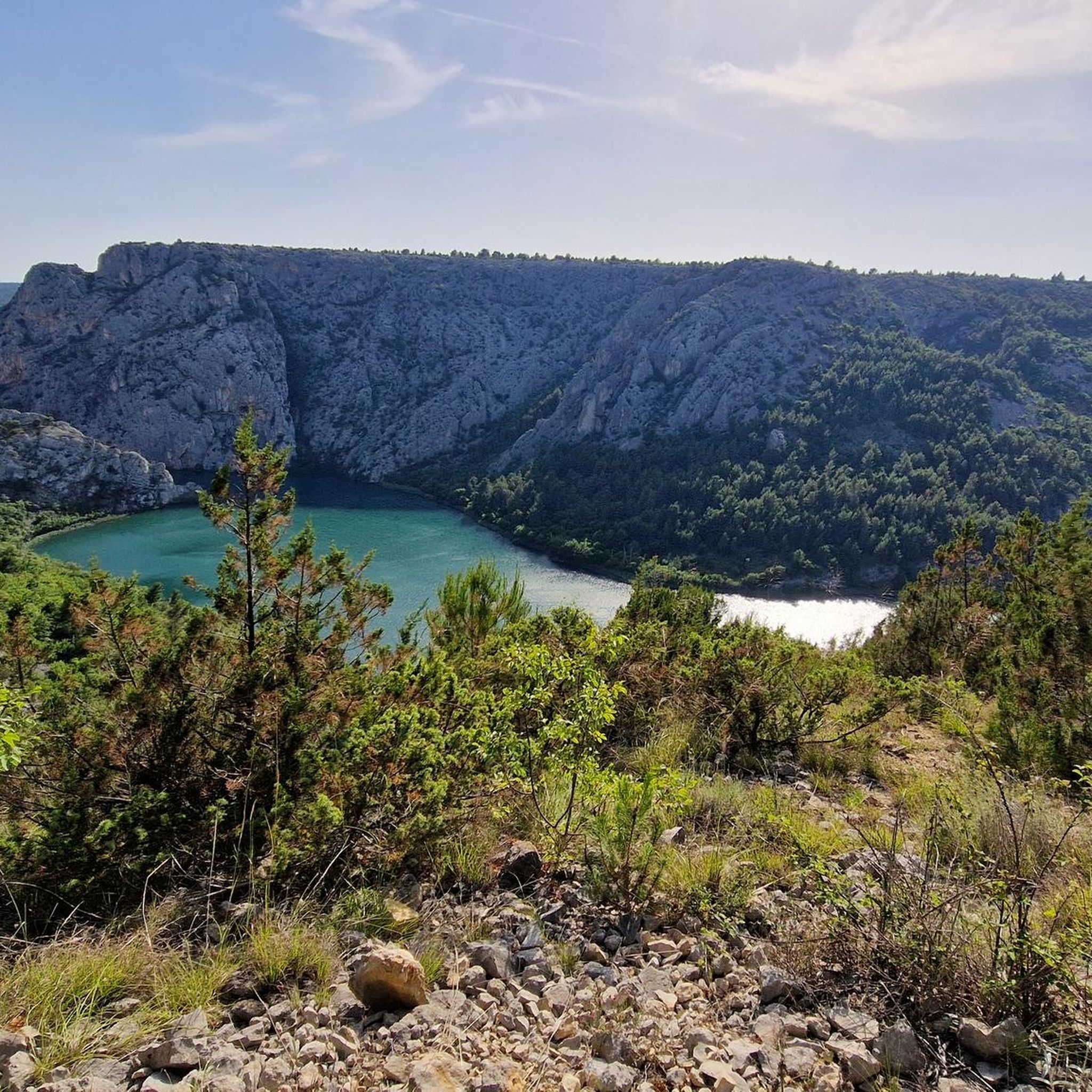
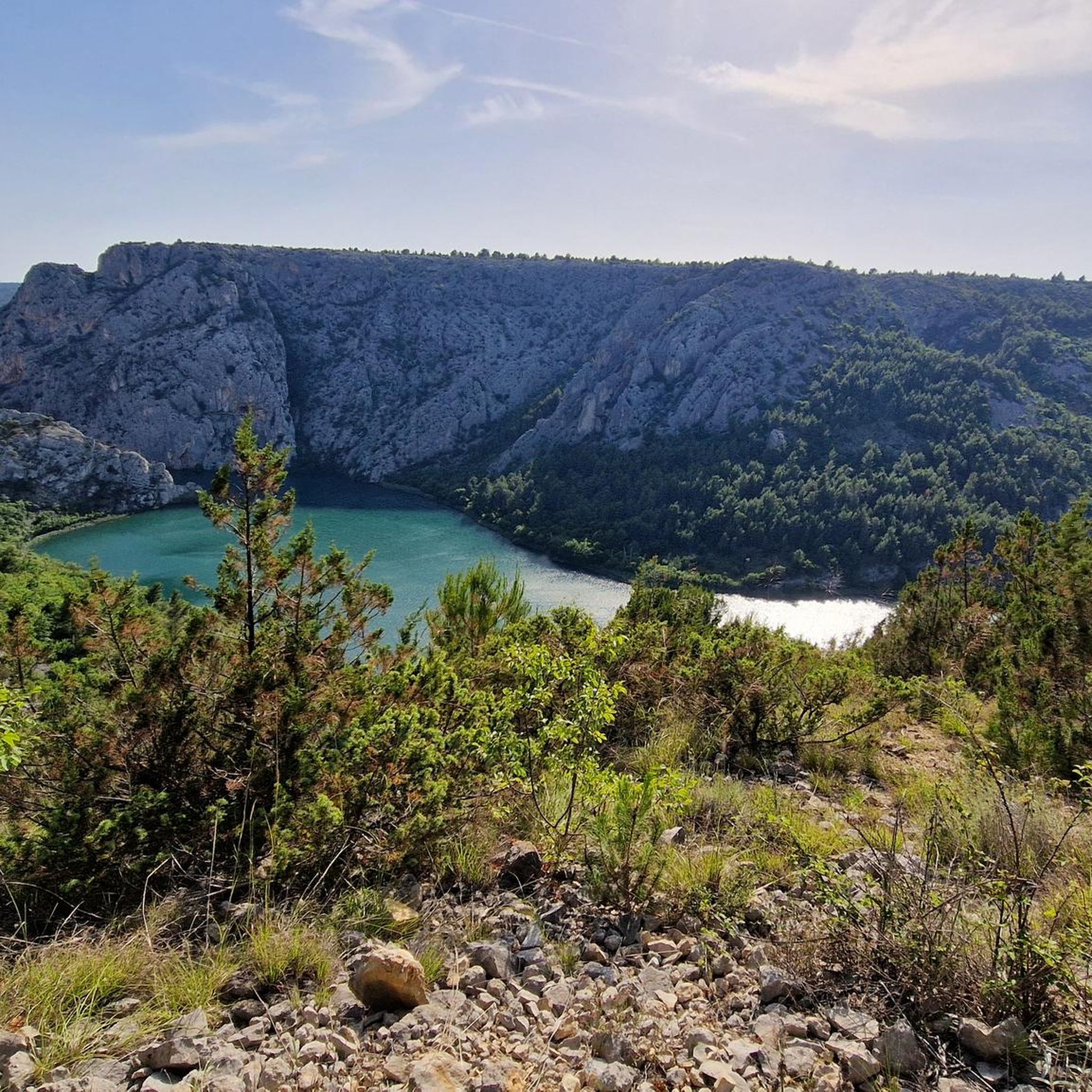
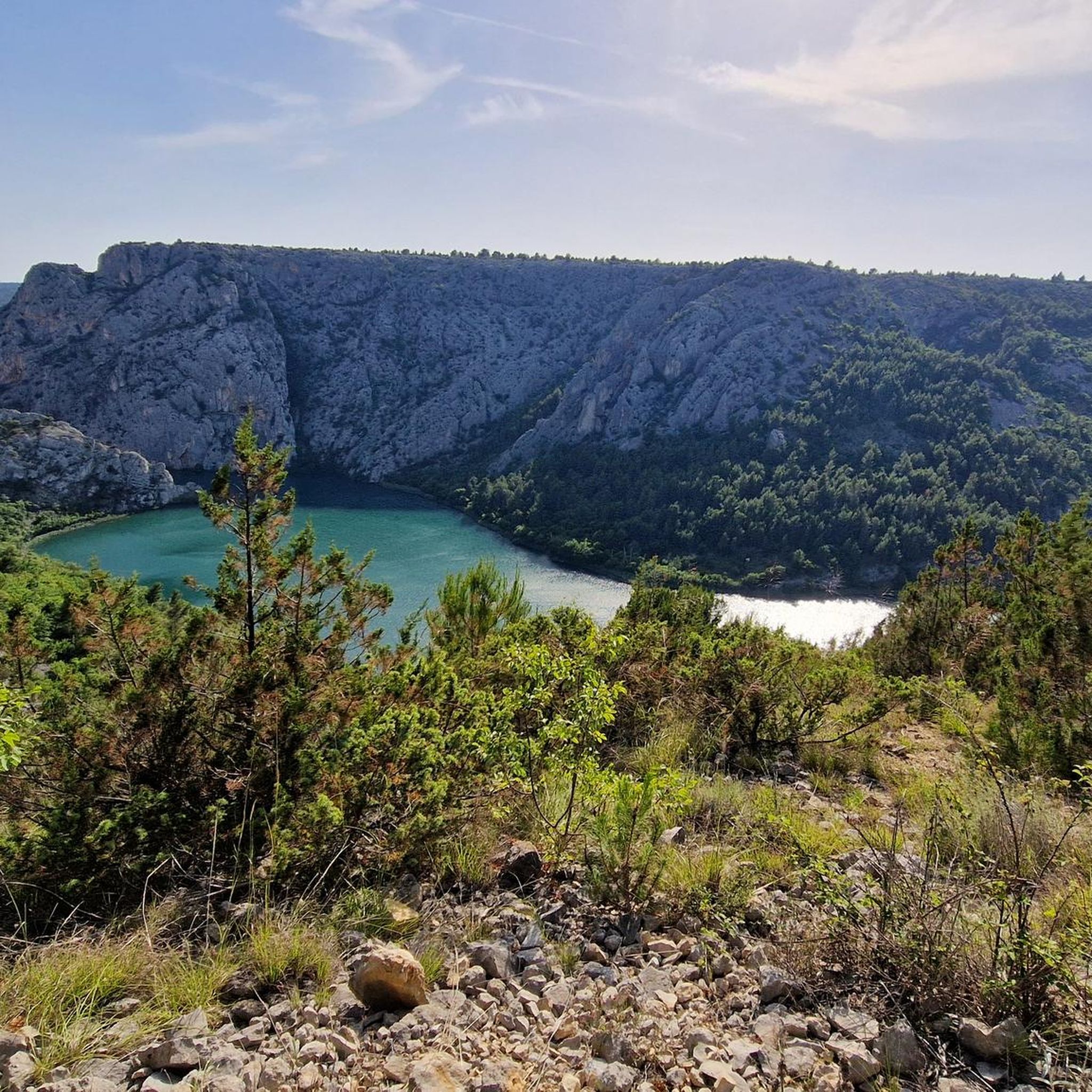
Tips from the Community

You can see it very well from the ship's mooring
0
0

Water flows down beautifully 😀 what a force
18
0
Nice view from the bridge
20
0

A beautiful park for hiking.
2
0
Beautiful park in the middle of a natural paradise
1
0

Krka National Park was established in 1955. The park's territory was classified as a rare natural asset and an important area as early as 1948. Between 1985 and 1997, the area of the national park was expanded to a total of 109 km².
24
1

Great contemporary witnesses. Very nice.
0
1

The hydroelectric power plant is the 2nd power plant opened in the world and is currently being overhauled
0
0
Frequently Asked Questions
What natural features can I explore in Krka National Park?
Krka National Park is famous for its stunning waterfalls and the Krka River. Beyond the well-known Skradinski Buk waterfall, you can discover Roški Slap Waterfall, a series of twelve cascades. The park also features other waterfalls like Miljacka slap, Rošnjak, Manojlovac slap (the highest), Brljan, and Bilušića buk, all formed by unique travertine barriers. The river itself flows through deep canyons and forms picturesque lakes.
What historical and cultural sites are there in Krka National Park?
The park is rich in history. You can visit Visovac Island, home to the Franciscan Monastery of Our Lady of Mercy, or the Serbian Eastern Orthodox Krka Monastery (Monastery of the Holy Archangel) with its ancient Roman catacombs. Don't miss the preserved ancient watermills near Skradinski Buk and Roški Slap, which showcase historical water power. The Jaruga Hydroelectric Power Plant is also a significant historical site, being one of Europe's first. Additionally, the Burnum Roman Military Camp and several medieval fortresses dot the landscape.
Are there walking or hiking trails in Krka National Park?
Yes, the park offers numerous trails. A popular choice is the 875-meter boardwalk trail around Skradinski Buk waterfall, providing various viewpoints. There are also refreshing walking and hiking trails around Roški Slap Waterfall. For more extensive options, you can explore running trails like the 'Oziđana pećina – Kamičak loop' or the 'Fishing in Krka National Park – Skradinski Buk Waterfall loop'. Find more running routes in the park on the Running Trails in Krka National Park guide.
Can I go cycling in Krka National Park?
Absolutely! Krka National Park boasts an extensive network of cycling trails, covering approximately 300 kilometers. These trails allow you to explore the Krka River canyon and various attractions. Popular routes include the 'Skradin Marina – View of Visovac Island loop' and the 'Bridge over the Krka River – View of Krka Canyon loop'. For detailed cycling routes, check out the Cycling in Krka National Park guide or the MTB Trails in Krka National Park guide.
What are the options for boat tours in Krka National Park?
Boat tours are a popular way to experience the park's beauty and offer unique perspectives of the waterfalls and monasteries. You can take boat rides from Skradin to Skradinski Buk waterfall, or opt for longer tours that include visits to Visovac Island and Roški Slap Waterfall.
Is Krka National Park family-friendly?
Yes, Krka National Park offers several family-friendly options. The boardwalks, such as the one around Skradinski Buk waterfall, are generally easy to navigate for families. Many attractions, including the Jaruga Hydroelectric Power Plant and the Watermills in Krka National Park, are suitable for all ages. The park's natural beauty and historical sites provide an engaging experience for children and adults alike.
What is the best time of year to visit Krka National Park?
While the park is beautiful year-round, spring and early autumn generally offer pleasant weather and fewer crowds than the peak summer months. During these times, the waterfalls are often at their fullest, and the lush greenery is vibrant. Visiting early in the morning can also help avoid the largest crowds, especially at popular spots like Skradinski Buk.
How much time should I allocate for visiting Krka National Park?
The time needed depends on what you wish to see. To explore the main attractions like Skradinski Buk waterfall and its surrounding trails, and perhaps take a short boat trip, a half-day might suffice. However, to visit additional sites like Visovac Island, Roški Slap Waterfall, or some of the historical landmarks, a full day is recommended to fully appreciate the park's diverse offerings.
Is Krka National Park accessible for visitors with limited mobility or strollers?
Some parts of the park, particularly the boardwalks around Skradinski Buk waterfall, are commendably designed. However, certain sections may include stairs or steep ascents, making them only partially suitable for wheelchairs and strollers. It's advisable to check specific trail conditions if accessibility is a primary concern.
What do visitors particularly enjoy about Krka National Park?
Visitors frequently praise the park's breathtaking natural beauty, especially the cascading waterfalls and the serene river landscapes. The well-maintained wooden walkways and bridges are often highlighted for providing excellent views and an immersive experience. Many also appreciate the historical elements, such as the ancient watermills and the unique Jaruga Hydroelectric Power Plant, which offer a glimpse into the region's past.
Are dogs allowed in Krka National Park?
While the park generally welcomes visitors, specific rules regarding dogs can vary by area within the national park. It's best to check the official Krka National Park website or visitor information centers for the most current guidelines on where dogs are permitted, especially on trails, boat tours, or specific attractions.
What is the Oziđana pećina cave?
The Oziđana pećina cave is a significant prehistoric site located above Roški Slap Waterfall. It offers a fascinating glimpse into the ancient past of the area, providing archaeological insights into early human habitation in the region.
Most popular routes in Krka National Park
Most popular attractions in Krka National Park

Get inspired with the komoot mobile app


