The best walks and hikes in Mura - Drava
4.6
(98)
563
hikers
44
hikes
Hiking in Mura - Drava, a UNESCO Biosphere Reserve, is characterized by its dynamic riverine ecosystem, encompassing the Mura, Drava, and Danube rivers. The region features extensive floodplain forests, wet meadows, and oxbow lakes, which are vital habitats. Hikers can explore a "Green Belt" corridor, a 700 km long ecological connection of natural and cultural landscapes. This transboundary area offers diverse terrain shaped by river processes, including river islands and steep banks.
Best hiking trails in Mura - Drava
- The most popular hiking route is Stara Mura loop from Sveti Martin na Muri, a 2.4 miles (3.9 km) trail that takes about 1 hour to complete. This easy route explores the serene riverine landscape of the Stara Mura.
- Another top favourite among local hikers is The Great Wave Mural at Tvrđa – Tvrđa Fortress Osijek loop from Osijek, an easy 4.3 miles (6.9 km) path. This route offers a gentle walk through urban riverfronts and historical areas.
- Local hikers also love the Sakuntala Park Pavilion – Impressive city center loop from Osijek, a 3.0 miles (4.9 km) trail leading through city parks and cultural landmarks, often completed in about 1 hour 15 minutes.
- Hiking in Mura - Drava is defined by its floodplain forests, wetlands, and oxbow lakes, forming a rich biodiversity hotspot. The network offers options for various ability levels, including 28 easy and 19 moderate routes.
- The routes in Mura - Drava are highly rated by the komoot community with an average score of 4.6 stars from over 90 reviews. More than 500 hikers have used komoot to explore Mura - Drava's varied terrain.
Last updated: July 15, 2026
4.1
(7)
37
hikers
3.88km
00:59
10m
10m
Easy hike. Great for any fitness level. Easily-accessible paths. Suitable for all skill levels.
10
hikers
Easy hike. Great for any fitness level. Easily-accessible paths. Suitable for all skill levels.

Sign up for free
6
hikers
5.00km
01:17
20m
20m
Easy hike. Great for any fitness level. Easily-accessible paths. Suitable for all skill levels.
4
hikers
5.07km
01:18
20m
20m
Easy hike. Great for any fitness level. Easily-accessible paths. Suitable for all skill levels.
1
hikers
3.58km
00:55
20m
20m
Easy hike. Great for any fitness level. Easily-accessible paths. Suitable for all skill levels.
Get access to more routes and recommendations from other explorers.
Sign up for free
Already have an account?
Our route recommendations are based on thousands of hikes, rides, and runs completed by other people on komoot.
Start today with a free account
Your next adventure awaits.
Login or Signup

Tips from the Community

A look into the cathedral is desirable. Really nice to look at
0
0

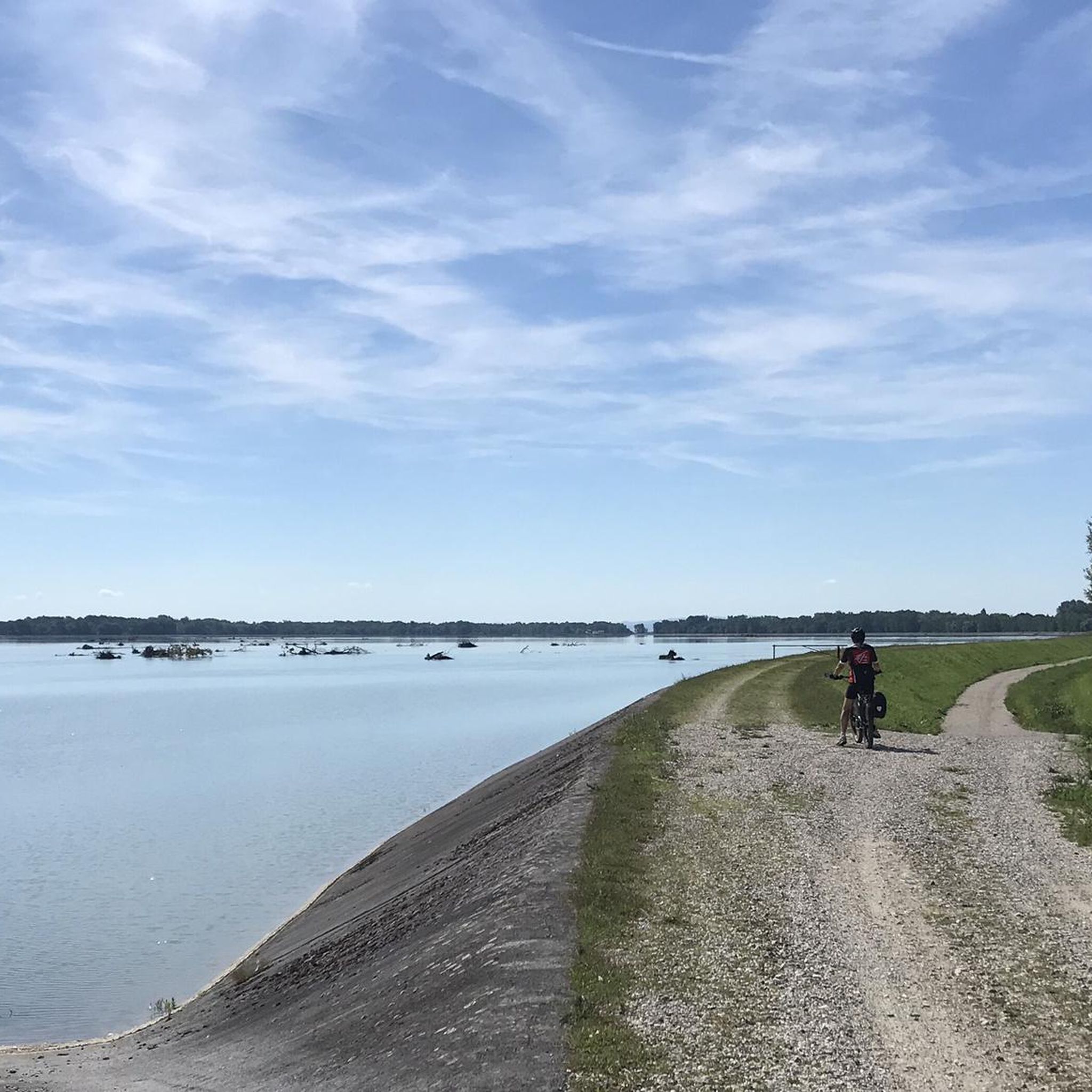
One of the few resting places on the Mur Cycle Path in Croatia,
0
0

With more than 40 km of cycle paths, Osijek is the cycling city of Croatia.
5
1
These two sphinxes were made in 1896 and placed in Sakuntala Park. In the time of romanticism and symbolism they were more inspired by Greek than Egyptian sphinxes.
11
0
The city of Osijek is located on the river ‘Drava’ and it is a lively university city centrally located in the region of Slavonia. There are several historical buildings, such as a medieval fortress, a museum and several churches. The streets are wide with nice shops and local products. source Wikipedia
9
1

The Osijek co-cathedral was built by the bishop of the then Diocese of Đakovo and Srijem, Josip Juraj Strossmayer. In 1866, he gave the first impetus for the construction of a new church. At that time, on the site of today's church, there was the Gornjograd parish church from 1732, which became too small and unsightly for the new buildings in Osijek. In 1870, the patron of the parish, the city of Osijek, determined the method of obtaining money for the construction of a new church. However, this process was very slow, until the arrival of the new pastor Josip Horvat. After his arrival, the process was accelerated, so in 1892 a tender for designs was announced. The German architect Franz Langenberg won the competition. In 1894, the old church was demolished, and then the construction of today's co-cathedral began, a magnificent neo-Gothic building with a 94-meter-high tower and three naves. The total area of the church is 1062 m².[2] In 1898, the outside of the church was completed, so the interior decoration continued. Two years later (1900), the present church was consecrated by Bishop Josip Juraj Strossmayer. The interior was completed between 1938 and 1942, when the leading Croatian painter Mirko Rački covered the walls and ceilings with brightly colored frescoes depicting famous episodes from the Old and New Testaments. The interior is a veritable treasure trove of neo-Gothic ornamentation, with a succession of superb altars above which are abundant stained glass windows. The entrance to the church is through a small door located to the right of the main portal, guarded by three fountains. During the Homeland War, in 1991, the co-cathedral was directly hit by missiles more than 100 times. Nevertheless, religious services were held in the co-cathedral during the war as well. Until June 18, 2008, this co-cathedral was only the parish church of St. Peter and Paul, popularly called the "cathedral" in Osijek, but with the establishment of the Đakovo-Osijek archdiocese, this church gained the dignity of a co-cathedral.
4
0
footage of the tank running over the red Fić went around the world
4
0
pavilion in sakontala park
4
0
Frequently Asked Questions
How many hiking trails are available in the Mura - Drava region?
The Mura - Drava region offers a diverse network of 47 hiking routes. These include 28 easy trails and 19 moderate options, ensuring there's something for various skill levels.
What kind of terrain can I expect when hiking in Mura - Drava?
Hiking in Mura - Drava primarily involves exploring dynamic riverine ecosystems. You'll encounter lush floodplain forests, wet meadows, and serene oxbow lakes. The terrain is generally gentle, shaped by the rivers, with features like river islands and occasional steep banks. It's ideal for nature walks and observing the unique wetland environment.
Are there easy hiking options suitable for beginners or families?
Yes, the Mura - Drava region is well-suited for easy hikes, with 28 routes classified as easy. A great example is the Stara Mura loop from Sveti Martin na Muri, which is an easy 2.4-mile (3.9 km) trail exploring the tranquil riverine landscape. Another gentle option is The Great Wave Mural at Tvrđa – Tvrđa Fortress Osijek loop from Osijek, offering a pleasant walk through urban riverfronts.
Can I bring my dog on the hiking trails in Mura - Drava?
While many natural areas in the Mura - Drava region are generally dog-friendly, especially on marked trails, it's always best to keep your dog on a leash, particularly in protected areas like the UNESCO Biosphere Reserve, to protect wildlife and ensure a pleasant experience for all hikers. Always check local regulations for specific trails or parks.
Are there any circular hiking routes in the Mura - Drava region?
Yes, many routes in the Mura - Drava region are designed as loops, allowing you to start and end at the same point. For instance, the Sakuntala Park Pavilion – Impressive city center loop from Osijek is a 3.0-mile (4.9 km) circular trail through city parks and cultural landmarks. Another option is the Winterhafen Marina – The 2 Sphinxes loop from Osijek.
What natural attractions or landmarks can I see while hiking?
The Mura - Drava region, as a UNESCO Biosphere Reserve, offers numerous natural highlights. You can explore areas like the Main Entrance to Kopački Rit Nature Park, witness the Confluence of the Mura and Drava Rivers, or visit Šoderica Lake. The region is also known for its floodplain forests, such as the Poplar Forest Path in Regionalni Park Mura-Drava.
What is the best time of year to go hiking in Mura - Drava?
The Mura - Drava region is beautiful throughout the year, but spring and autumn are often ideal for hiking. During these seasons, the weather is milder, and the natural landscapes, especially the floodplain forests and wetlands, are vibrant with flora and fauna. Summer can be warm, while winter offers a unique, tranquil experience, though some areas might be less accessible due to water levels or snow.
Is Mura - Drava a good place for wildlife spotting during a hike?
Absolutely. The Mura - Drava region is a biodiversity hotspot, often called the 'Amazon of Europe.' Hikers have excellent opportunities to spot a wide array of wildlife, including white-tailed eagles, black storks, beavers, and otters. Over 250,000 waterbirds use the rivers annually, making it a prime location for birdwatching, especially in areas like Kopački Rit.
Are there any challenging hikes in the Mura - Drava region?
The Mura - Drava region is characterized by its gentle riverine landscapes, and as such, there are no routes classified as 'difficult' in our current selection. However, there are 19 moderate routes that offer longer distances or slightly more varied terrain, providing a good challenge for those looking for more extended walks through the natural environment.
What do other hikers say about their experience in Mura - Drava?
The Mura - Drava region is highly rated by the komoot community, with an average score of 4.6 stars from over 90 reviews. Hikers frequently praise the serene natural beauty, the rich biodiversity, and the well-maintained paths that make exploring the floodplain forests and river landscapes a truly enjoyable experience.
Are there options for public transport to reach hiking trailheads?
While specific public transport links directly to all trailheads might vary, major towns within the Mura - Drava region, such as Osijek, typically have bus or train connections. From these hubs, local buses or taxis may provide access to closer starting points for hikes. Planning ahead and checking local transport schedules is recommended.
Where can I find parking for hiking trails in Mura - Drava?
Parking availability varies by trailhead. In more developed areas or near popular attractions like Kopački Rit Nature Park, you'll often find designated parking lots. For less frequented trails, roadside parking might be an option. It's advisable to check the specific tour details on komoot or local signage for parking information before you set out.
Are there any specific protected areas or parks I should know about for hiking?
Yes, the entire Mura-Drava region is part of a UNESCO Biosphere Reserve, highlighting its ecological importance. Key protected areas include the Mura-Drava Regional Park in Croatia, which encompasses significant natural landscapes. The Main Entrance to Kopački Rit Nature Park is another notable area, renowned for its wetlands and biodiversity, offering excellent hiking and wildlife observation opportunities.
Most popular routes in Mura - Drava
Most popular attractions in Mura - Drava

Get inspired with the komoot mobile app


