Attractions and Places To See in Alt Pirineu - Top 20
Best attractions and places to see in Alt Pirineu, Catalonia's largest natural park, is a region rich in diverse attractions. It encompasses natural landscapes, including high peaks, deep valleys, and numerous glacial lakes, alongside significant cultural heritage. The park offers a blend of traditional Pyrenean life and geological features.
Best attractions and places to see in Alt Pirineu
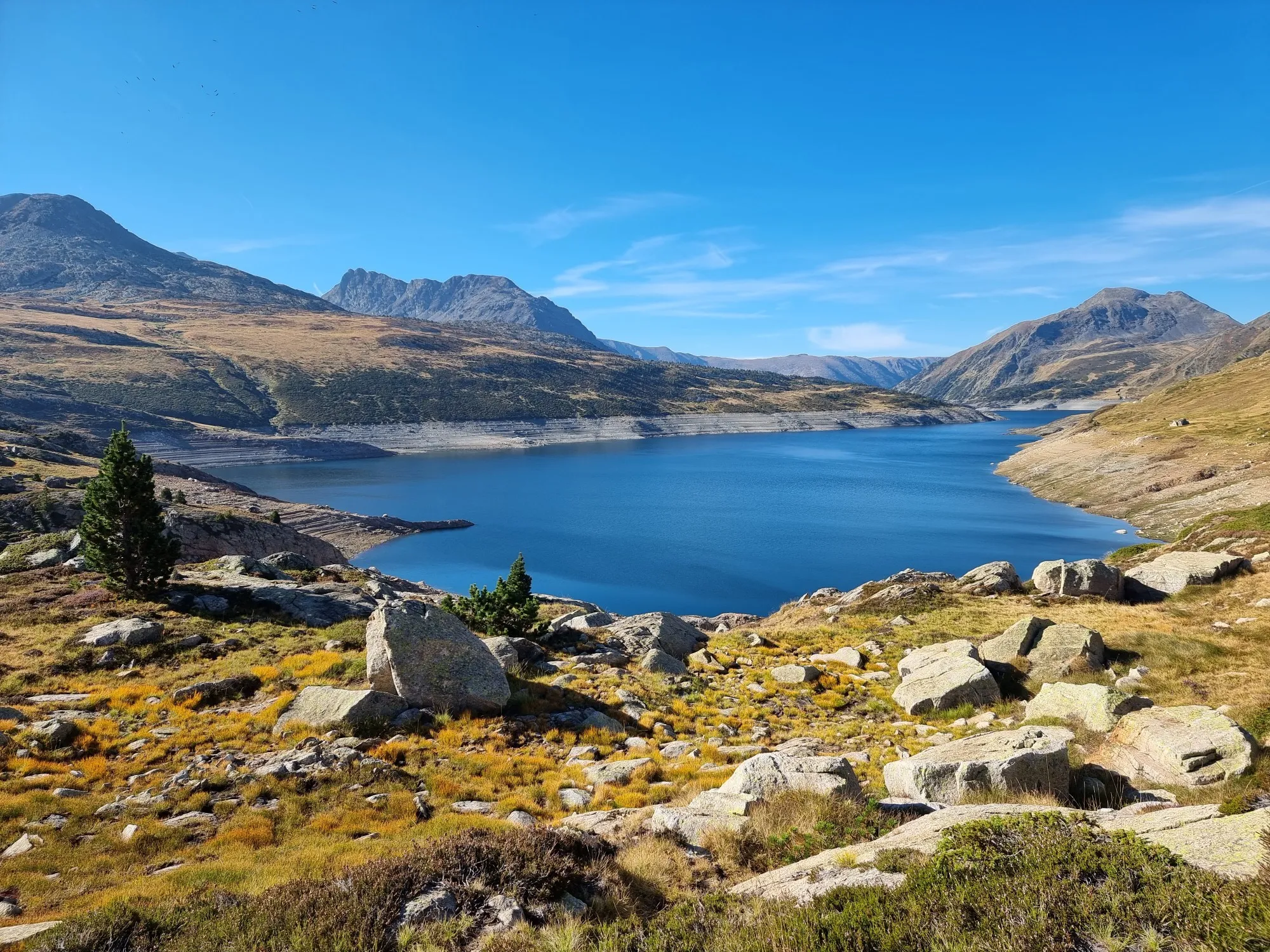
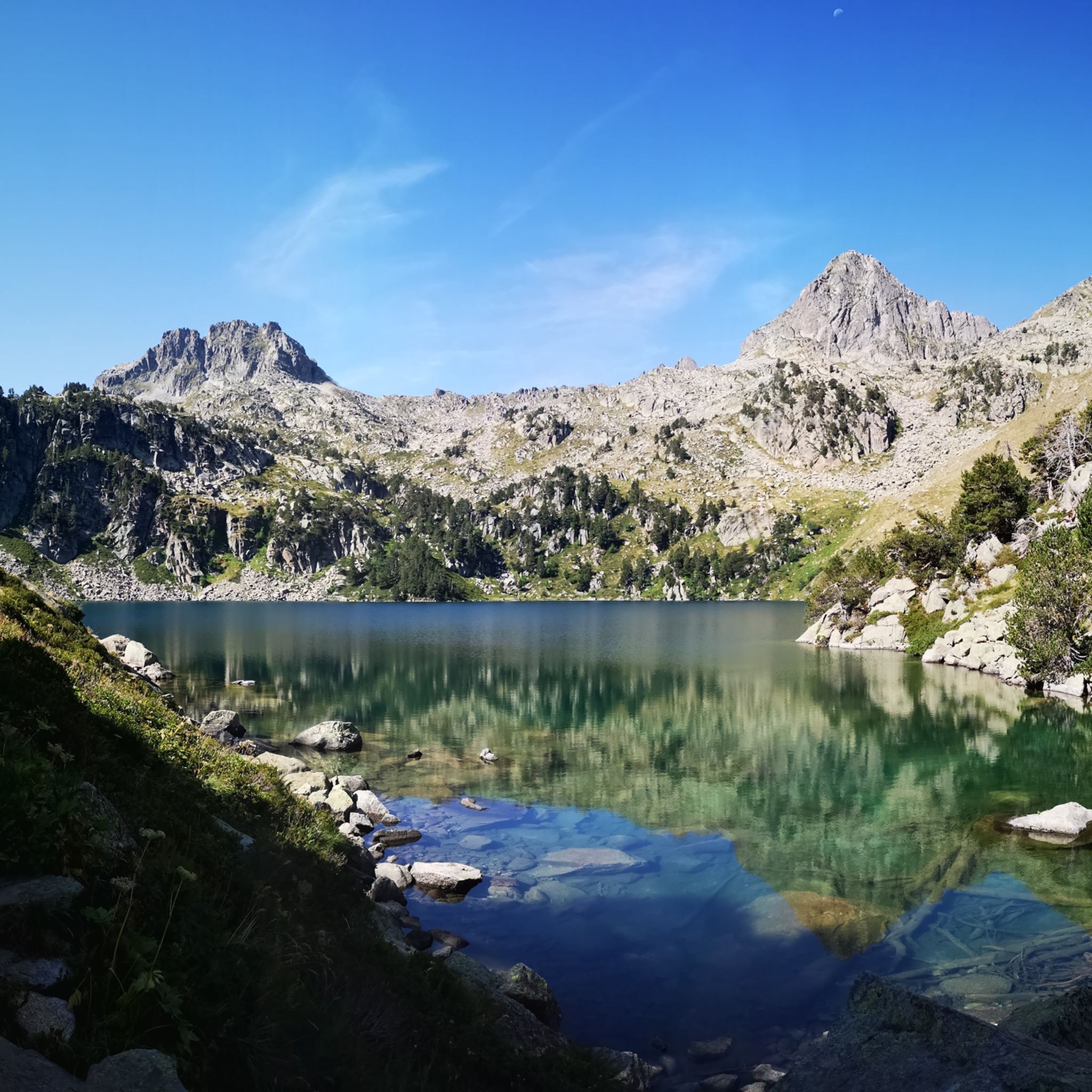
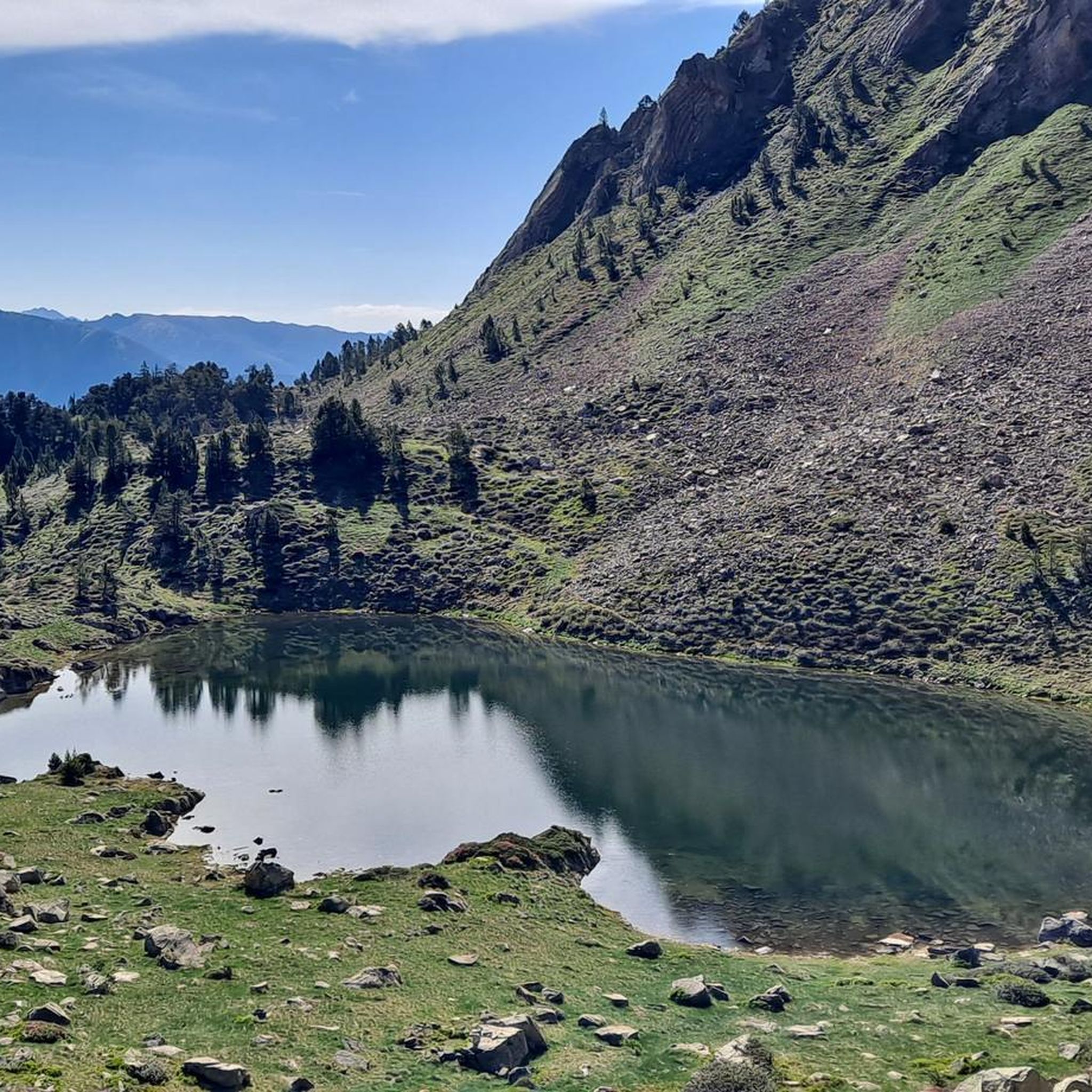
- The most popular attractions is Gerber Lake, a lake that features varied tours past three lakes with fantastic views. Each lake…
Last updated: October 9, 2026
Gerber Lake
Highlight (Segment) • Lake
Translated by Google •
Tip by

Pica d'Estats
Highlight • Summit
Showing Translation
Tip by

Sign up now to discover places like this
Get recommendations on the best single tracks, peaks, & plenty of other exciting outdoor places.
Port del Cantó (1,721 m)
Highlight • Mountain Pass
Translated by Google •
Tip by

Port de Cabús
Highlight • Mountain Pass
Translated by Google •
Tip by

Tor
Highlight • Settlement
Showing Translation
Tip by

Sign up for free to discover even more attractions in Alt Pirineu.
Already have an account?
Start today with a free account
Your next adventure awaits.
Popular around Alt Pirineu
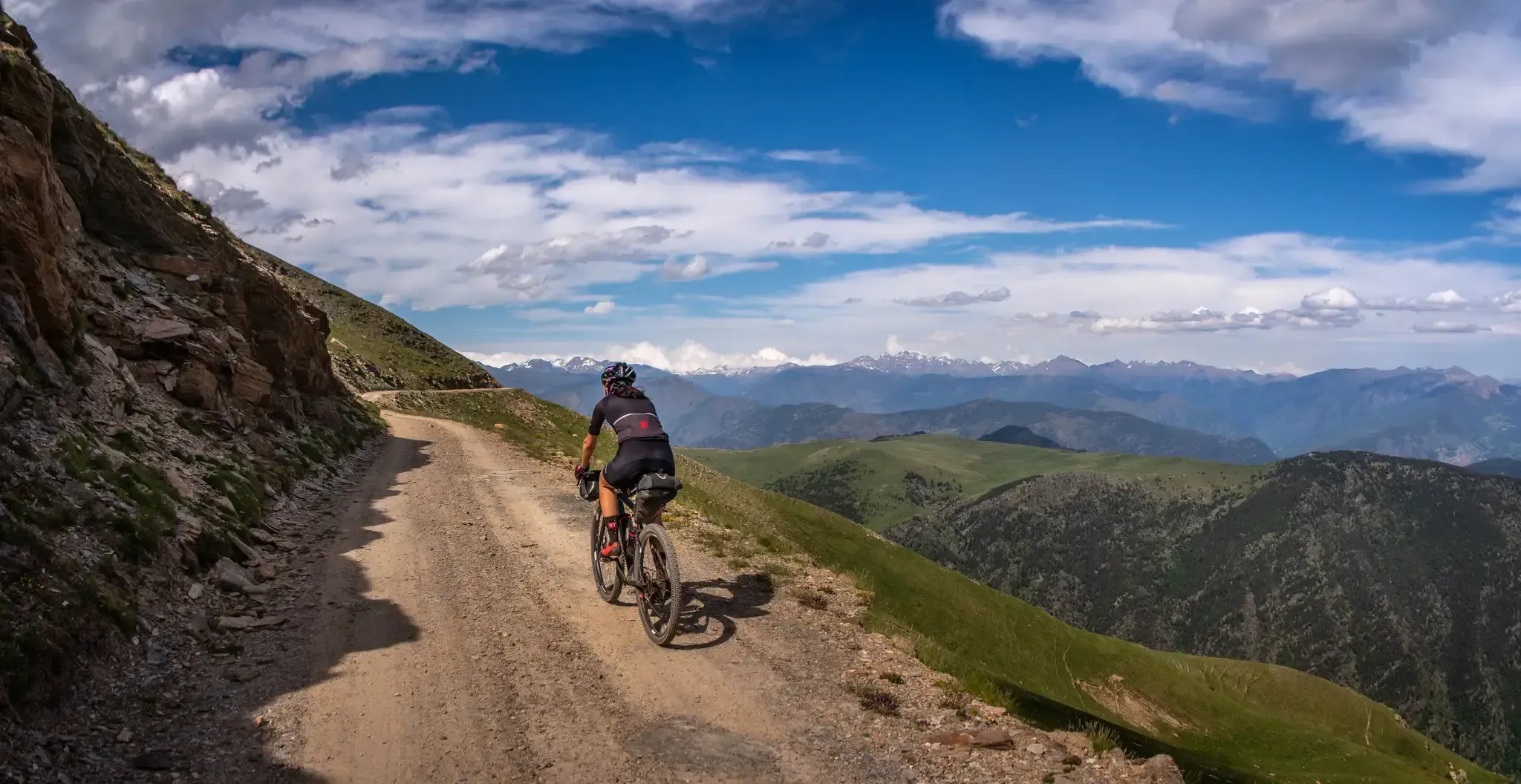
Pedals de Foc – An adventure through the Catalan Pyrenees
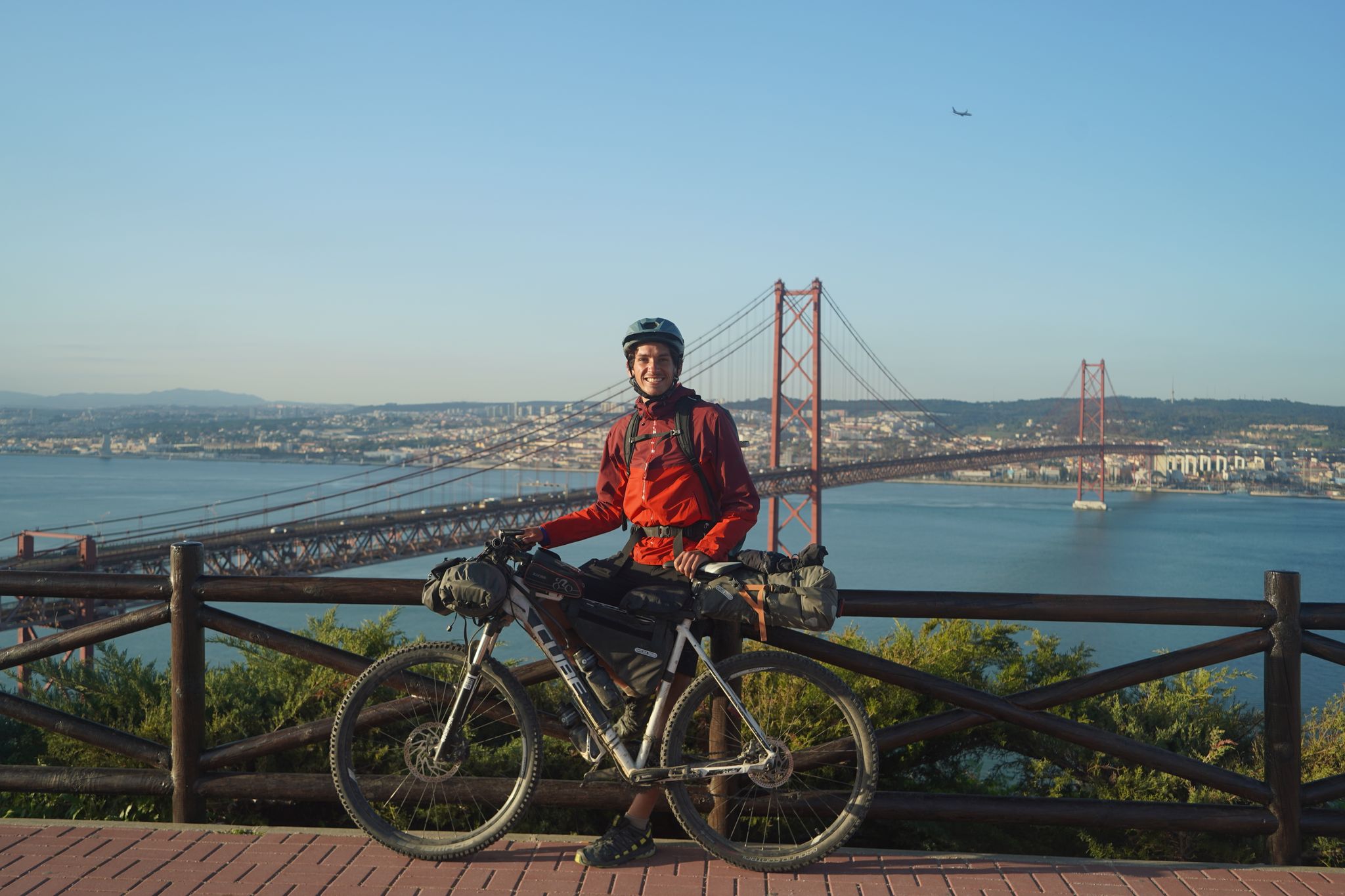
Road to Lisbon – bikepacking the Alps, Pyrenees and Picos de Europa
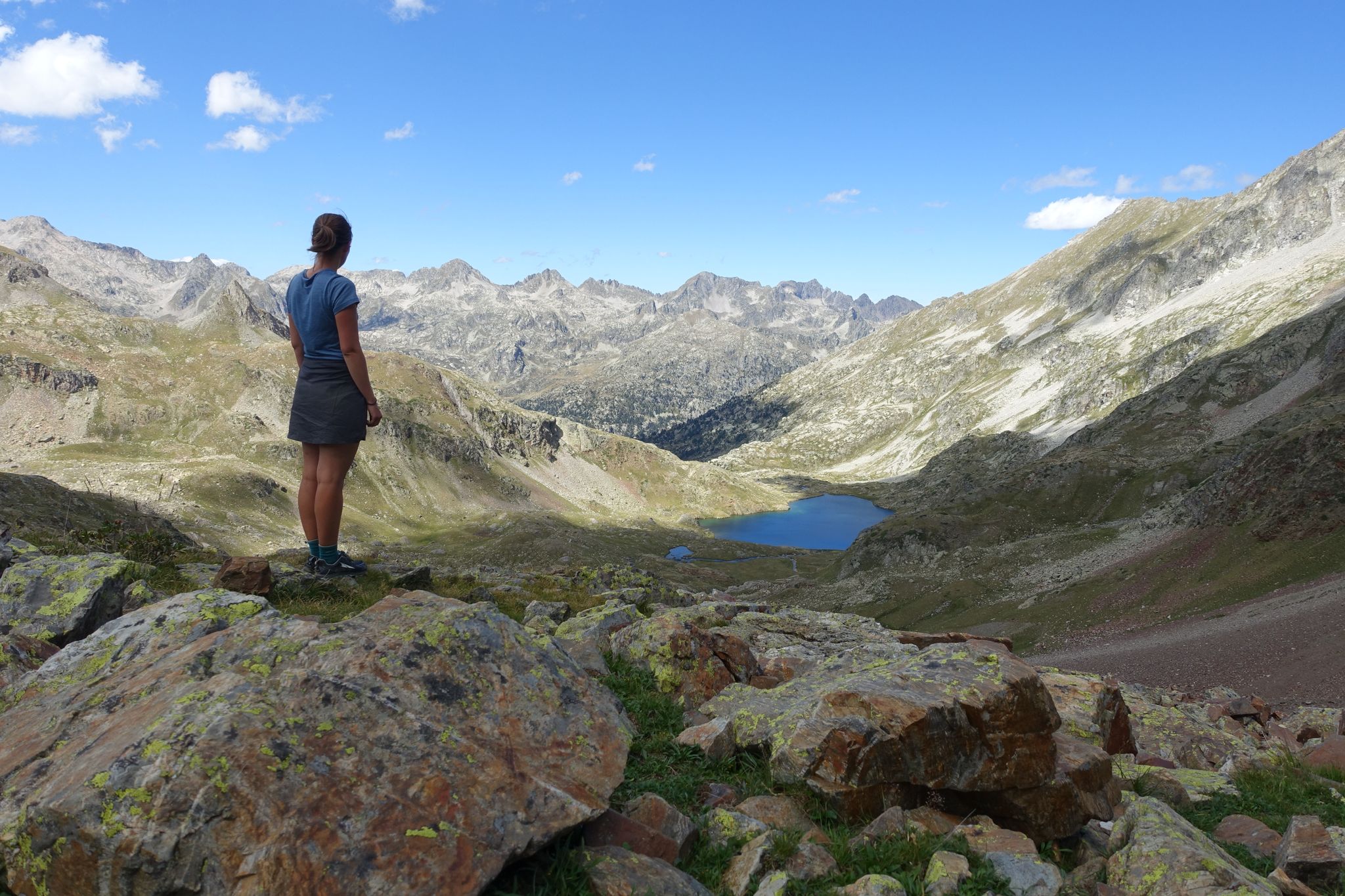
Haute Route Pyrénéenne – Pyrenees Crossing
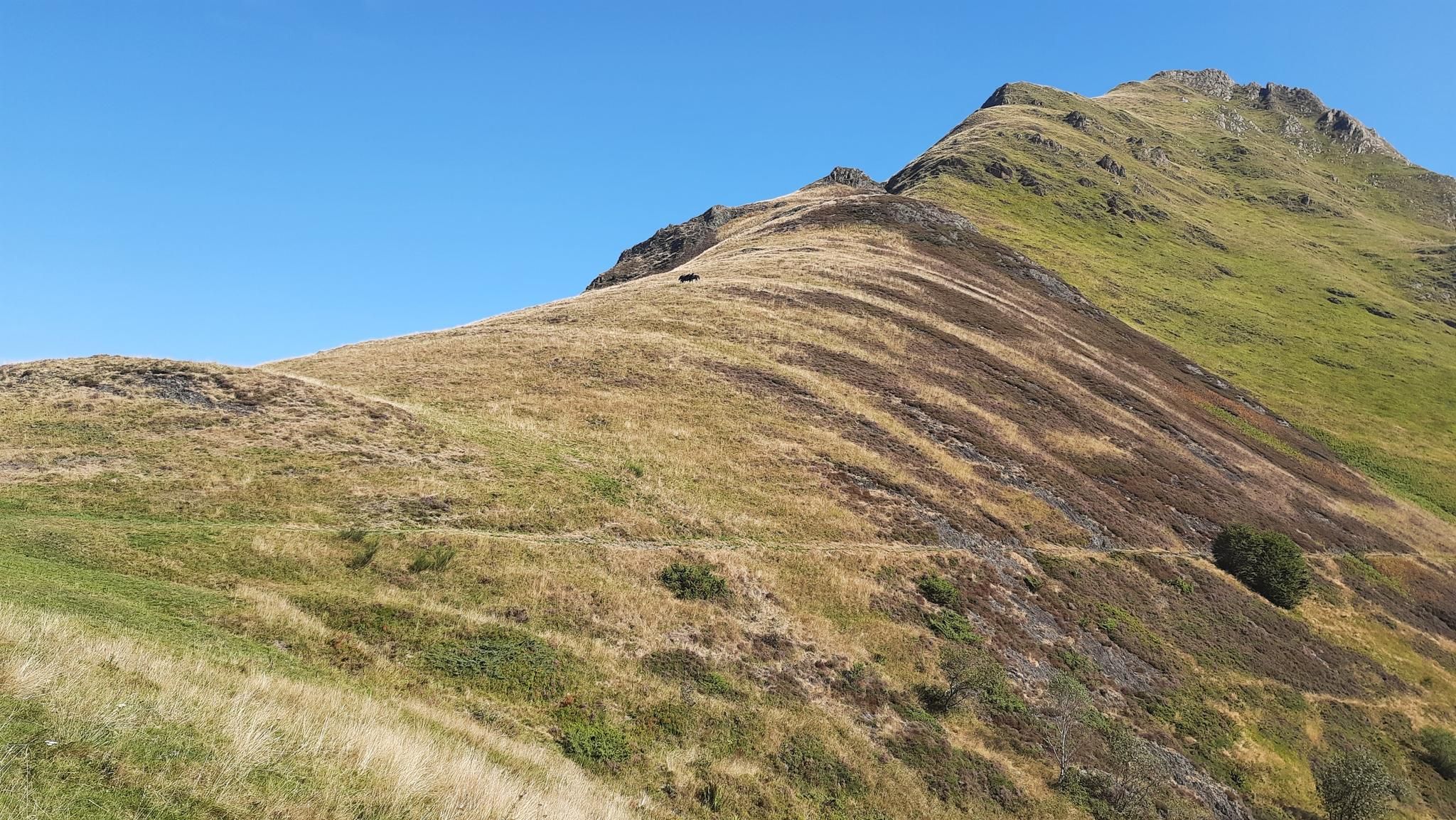
Tour of Mont Valier - The Giant of Ariège
On wild ridges: Catalonia to Ariège – Hexatrek, Eastern Pyrenees
Catalonia and Andorra on the Pyrenean Trail – GR 11
Hiking in Alt Pirineu
Road Cycling Routes in Alt Pirineu
Running Trails in Alt Pirineu
MTB Trails in Alt Pirineu
Other adventures in Alt Pirineu


Tips from the Community

The highest peak in the Catalan Pyrenees is well worth the visit, although you have to earn it as it is a long route with considerable elevation gain to overcome.
0
1

Fantastic panoramic view all around, this summit is worth it, see my two panorama photos. Ascent from Estany de Sotllo via Pass. Took the partly exposed scrambling/climbing ridge via Pic Verdaguer. Nice scrambling, you just have to be careful to stay on the right track. Descent all around the summit, then to the same pass and down along the same beautiful mountain lakes and via Valferrera hut into the valley. The length and roughness of this path really surprised me. Luckily I didn't ascend from the hut. Especially the path along the mountainside, some way above the hut, was challenging. Again and again there are small counter-ascents over rocky tops and at some point I was on a side path below the main path, which then ended in bushes. After a short climb, everything went well again.
1
0

The pass summit has been reached. The climb is pleasant!
1
0
The pass summit has been reached
0
0

Tor is one of the highest villages in the Pyrenees, right on the border with Andorra, a small village in the Catalan Pyrenees that administratively belongs to the municipality of Alins, in the region of Pallars Sobirá. This village borders Andorra. The village is at an altitude of 1,649 meters and is surrounded by two ravines. On the summit to the north of the village, known as Roc de Sant Pere, are the ruins of a medieval castle, the Força de Tor, and near it are the remains of a Romanesque church. The village is not very well connected. On the Spanish side, there is an asphalt road that reaches a small bridge, after which there is a private dirt track that covers a distance of one and a half kilometers to reach the village. To the east, another dirt track heads towards Andorra, which forks before reaching the Principality. In winter, these roads fill with snow, making car travel difficult. Due to its strategic position in the passes to Andorra through the Pyrenees, ownership of the mountain of Tor has been a source of conflict, initially for timber exploitation and later for real estate interests, to which must be added the smuggling routes that passed through there to Andorra. These conflicts are part of the dark history of Tor and its most tragic events.
0
0
The Cabús Pass is a mountain pass that crosses the Pyrenees at 2,302 m above sea level. It is located on the border between Andorra and Spain, between the parish of La Massana and the municipality of Alins. Only the Andorran side is paved. From Alins, in the High Pyrenees, the climb is impressive and involves paths and trails that are not always in good condition.
0
0
Poblar de Segur, the pass on the marked beautiful route
0
0

The summit can be reached from several sides. The direct route from the Spanish side to the summit ridge is demanding (I estimate T5 according to the SAC scale). However, you can "cheat" by first crossing to the north side via the pass, then you have to descend a bit and then you reach the path from the French side. The technically easiest ascent is certainly from the north via the Refuge du Pinet (T3). However, from the car park at L'Artigue, it is a total of around 2000 meters in altitude gain, which is why an overnight stay in the refuge is also a good idea (in October 2024, a winter room was open, €8 per night). I opted for the 3rd variant, from the Étang de Soulcem. From there, it is "only" 1500 meters in altitude gain with a difficulty of T3+/T4-. Although I chose a variant on the ascent (see my tour) that is not on the map and which I would rate as T4+.
3
0
Frequently Asked Questions
What natural features can I explore in Alt Pirineu?
Alt Pirineu Natural Park is rich in diverse natural features. You can visit Gerber Lake, which offers varied tours past three lakes with fantastic views. The park is also home to Pica d'Estats, the highest peak in the Catalan Pyrenees, offering panoramic views. Beyond these, explore Certascan Lake, the largest glacial lake in the Pyrenees, the unique landscapes of Coma de Burg glacial valley, and the deep Cigalera de l'Obaga de Baleran gorge. The region boasts 87 named glacial lakes and the Noguera Pallaresa River.
Are there any challenging hikes or climbs in Alt Pirineu?
Yes, Alt Pirineu offers challenging routes for experienced hikers and mountaineers. The ascent to Pica d'Estats, the highest peak in the Catalan Pyrenees, is a significant and rewarding challenge. For other demanding adventures, you can explore routes like the GR-11 and the Pyrenean Haute Route. You can find more options for difficult hikes, including those to waterfalls, in the Waterfall hikes in Alt Pirineu guide.
What cultural and historical sites can I visit in the region?
Alt Pirineu has a rich cultural and historical heritage. You can explore traditional Pyrenean life by visiting the ancient Noarre Barns or the village of Tor, known for its unique history. The region also features significant Romanesque art, such as the churches in the Vall de Boí (a UNESCO World Heritage Site, though just outside the park). Additionally, discover archaeological sites, remnants of traditional industries like sawmills and forges, and religious sites like the sanctuary of Arboló.
What are some scenic viewpoints in Alt Pirineu?
For breathtaking views, consider visiting Pica d'Estats, which offers panoramic vistas from the highest point in the Catalan Pyrenees. The mountain passes, such as Port del Cantó (1,721 m) and Port de Cabús, also provide spectacular scenery, with Port de Cabús offering unique views towards Andorra. Another excellent spot is Torreta de l'Orri, where you can admire the entire Pallars Sobirà region and even Montserrat on clear days.
Are there family-friendly activities or trails in Alt Pirineu?
While specific family-friendly highlights are not detailed, the park's diverse landscapes offer many opportunities for families. Easy hikes are available, such as those listed in the Easy hikes in Alt Pirineu guide, which include routes like the Montgosso Itinerary. Exploring traditional villages, observing wildlife in Virós Forest, or visiting the main park office in Llavorsí for exhibitions and workshops can also be enjoyable for families.
What outdoor activities can I do in Alt Pirineu besides hiking?
Beyond hiking, Alt Pirineu offers a wide range of outdoor activities. The Noguera Pallaresa River is popular for canoeing and rafting. You can also enjoy horse trekking, cycling (with routes like those in the Road Cycling Routes in Alt Pirineu guide), snowshoeing, skiing, and dog sledding during winter. Birdwatching is also a popular activity, with an observatory at La Mollera d'Escalarre.
What is the best time to visit Alt Pirineu?
The best time to visit Alt Pirineu largely depends on your planned activities. For hiking and exploring natural features like glacial lakes and high peaks, the warmer months from late spring to early autumn (June to September) are ideal, offering pleasant weather and accessible trails. If you're interested in winter sports like skiing or snowshoeing, the colder months from December to March would be more suitable.
Where can I find easy hiking routes in Alt Pirineu?
For those looking for less strenuous walks, Alt Pirineu offers several easy hiking routes. You can explore options like the Montgosso Itinerary or the Sant Martí Church of Borén – Arreu loop. These and other accessible trails are detailed in the Easy hikes in Alt Pirineu guide, providing a good starting point for beginners or families.
Are there any unique natural monuments in Alt Pirineu?
Yes, Alt Pirineu is home to several unique natural monuments. Beyond the prominent peaks and lakes, you can find the Pla de la Selva Fir in the village of Alins, which is cataloged as a Natural Monument due to its impressive age and size. The park also features the Cigalera de l'Obaga de Baleran, one of Catalonia's deepest gorges, showcasing remarkable geological formations.
What kind of wildlife can I expect to see in Alt Pirineu?
Alt Pirineu Natural Park is a haven for biodiversity and protects several endangered species. You might encounter brown bears, bearded vultures, black vultures, and wood grouse. The Virós Forest is an emblematic spot where deer and chamois are often seen. Birdwatching is a popular activity, with an observatory located at La Mollera d'Escalarre.
Can I find information and guidance within the park?
Yes, the main park office, known as El Paller de l'Antonet, is located in Llavorsí. This center provides comprehensive information about the park, its attractions, and activities. They also organize exhibitions and workshops for visitors, making it a great first stop for planning your visit.
Most popular routes in Alt Pirineu
Most popular attractions in Alt Pirineu

Get inspired with the komoot mobile app


Explore more
Still not found the Highlight you’re looking for? See guides of the top attractions in other regions:
