Top 20 Mountain Passes in Cadí-Moixeró
Best mountain passes in Cadí-Moixeró are found within the Cadí-Moixeró Natural Park, a protected area in Catalonia, Spain. This region is characterized by the Cadí and Moixeró mountain ranges, which are linked by the Tancalaporta Pass, forming a continuous mountain barrier. The park offers diverse landscapes, from forests and valleys to high mountain ranges, providing access to varied ecosystems. These passes serve as key points for exploring the park's natural beauty and extensive trail networks.
Best mountain passes in Cadí-Moixeró
…Last updated: July 10, 2026
Coll de la Creueta
Highlight • Mountain Pass
Translated by Google •
Tip by

Views climbing the Coll de la Creueta
Highlight • Mountain Pass
Bordering peak between the Ripollés and Berguedá regions and dividing the waters between the Ter and Llobregat rivers.
The slope of the bergadá is included in the …
Translated by Google •
Tip by

Sign up now to discover places like this
Get recommendations on the best single tracks, peaks, & plenty of other exciting outdoor places.
Sign up for free
Gosolans Pass
Highlight • Mountain Pass
Translated by Google •
Tip by

Coll de Josa
Highlight • Mountain Pass
Translated by Google •
Tip by

Les Bassotes Pass
Highlight • Mountain Pass
Translated by Google •
Tip by

Sign up for free to discover even more mountain passes in Cadí-Moixeró.
Sign up for free
Already have an account?
Start today with a free account
Your next adventure awaits.
Login or Signup
Popular around Cadí-Moixeró
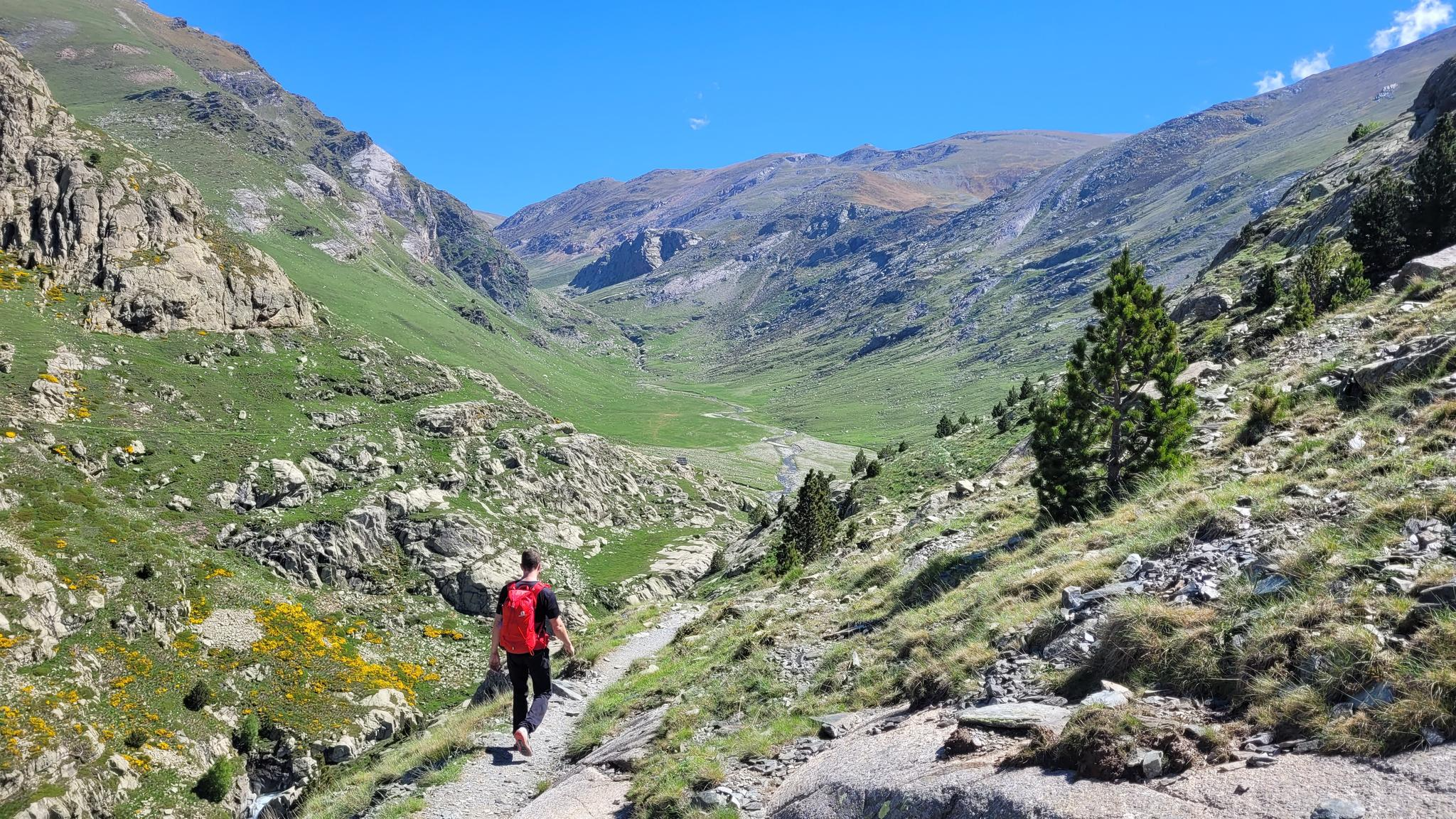
10 hikes with teenagers — Catalan paradises
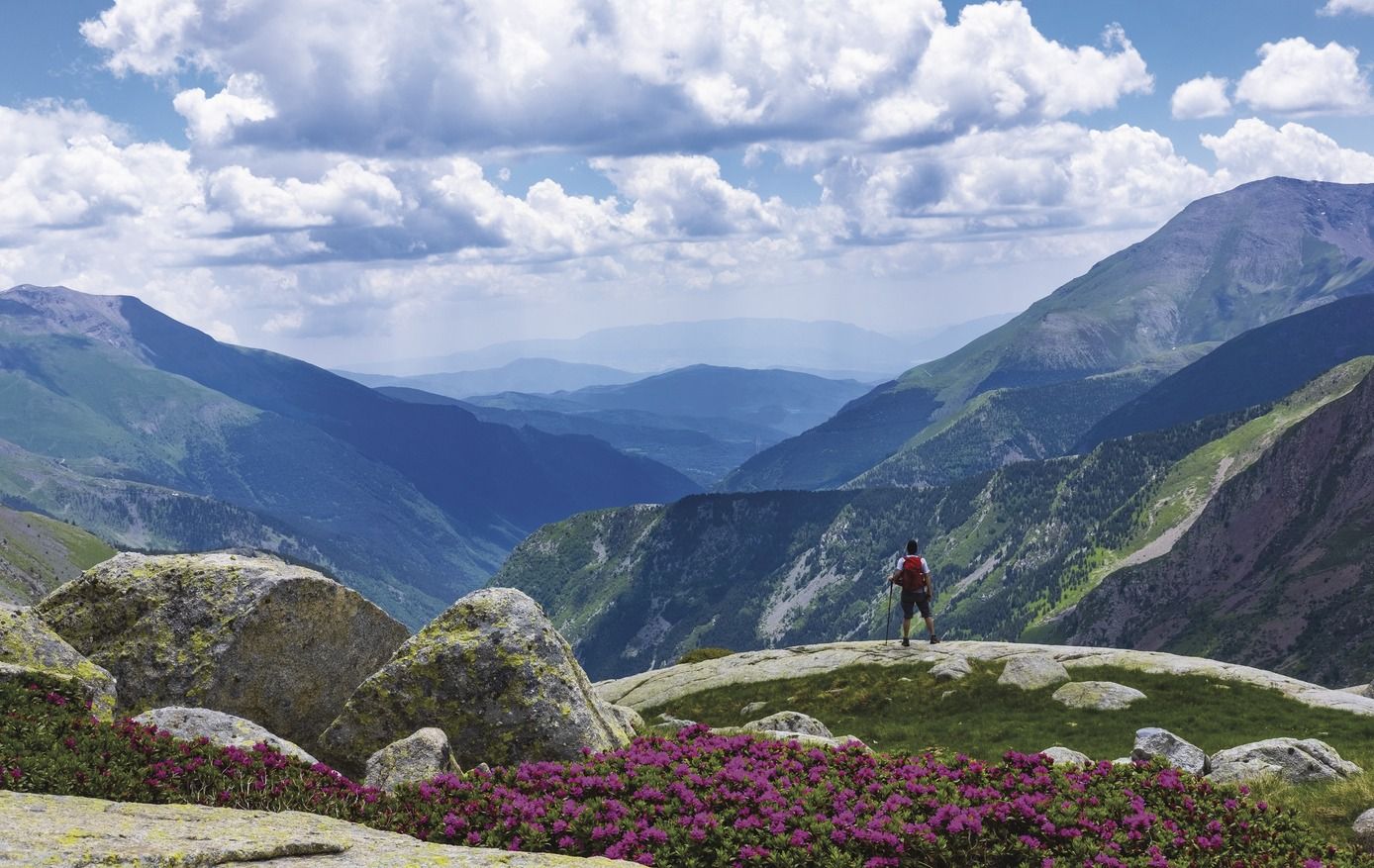
Great Hiking Routes of Catalonia
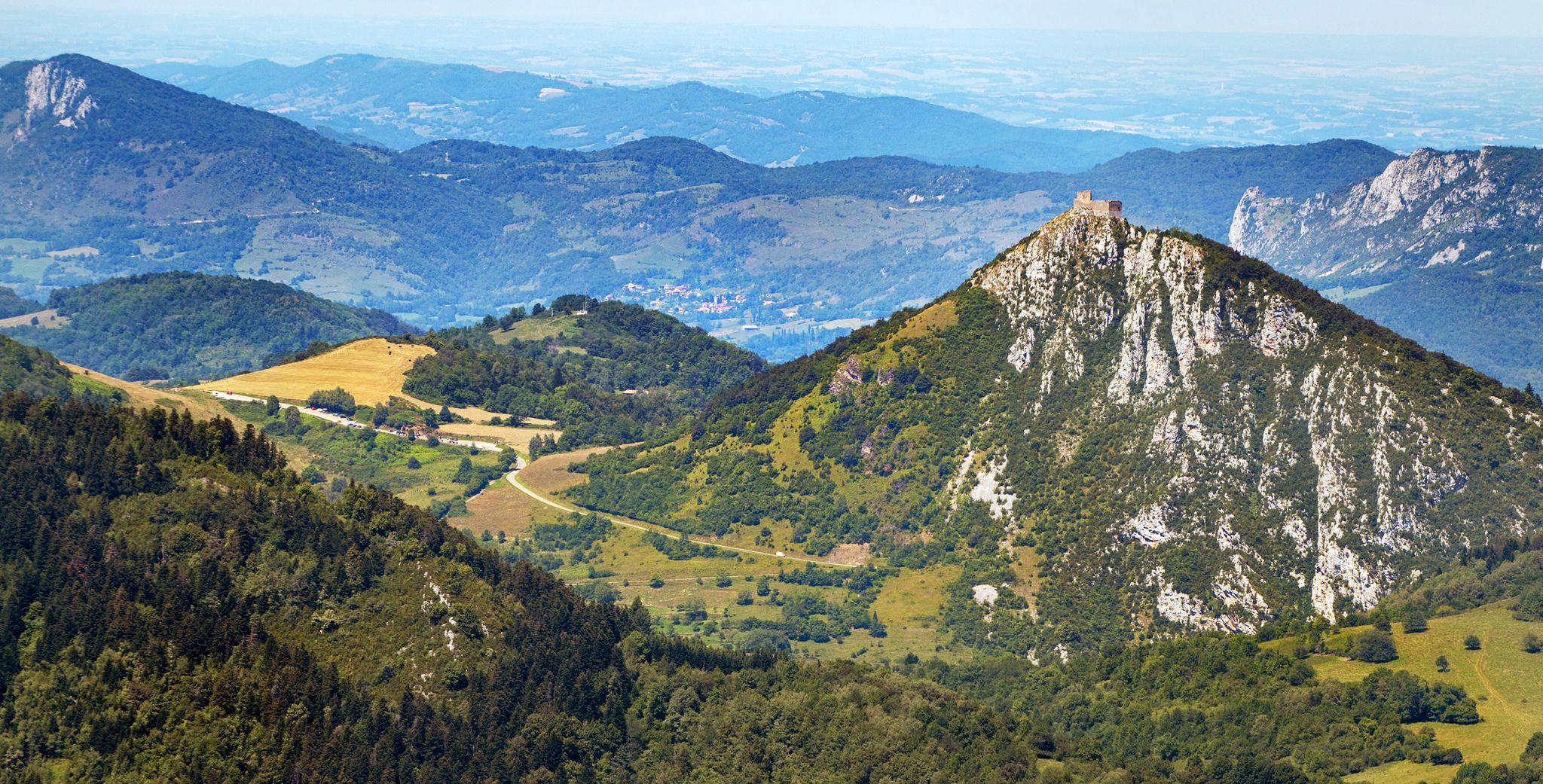
Cathar Route from Catalonia to France – Bons Homes Path (GR 107)
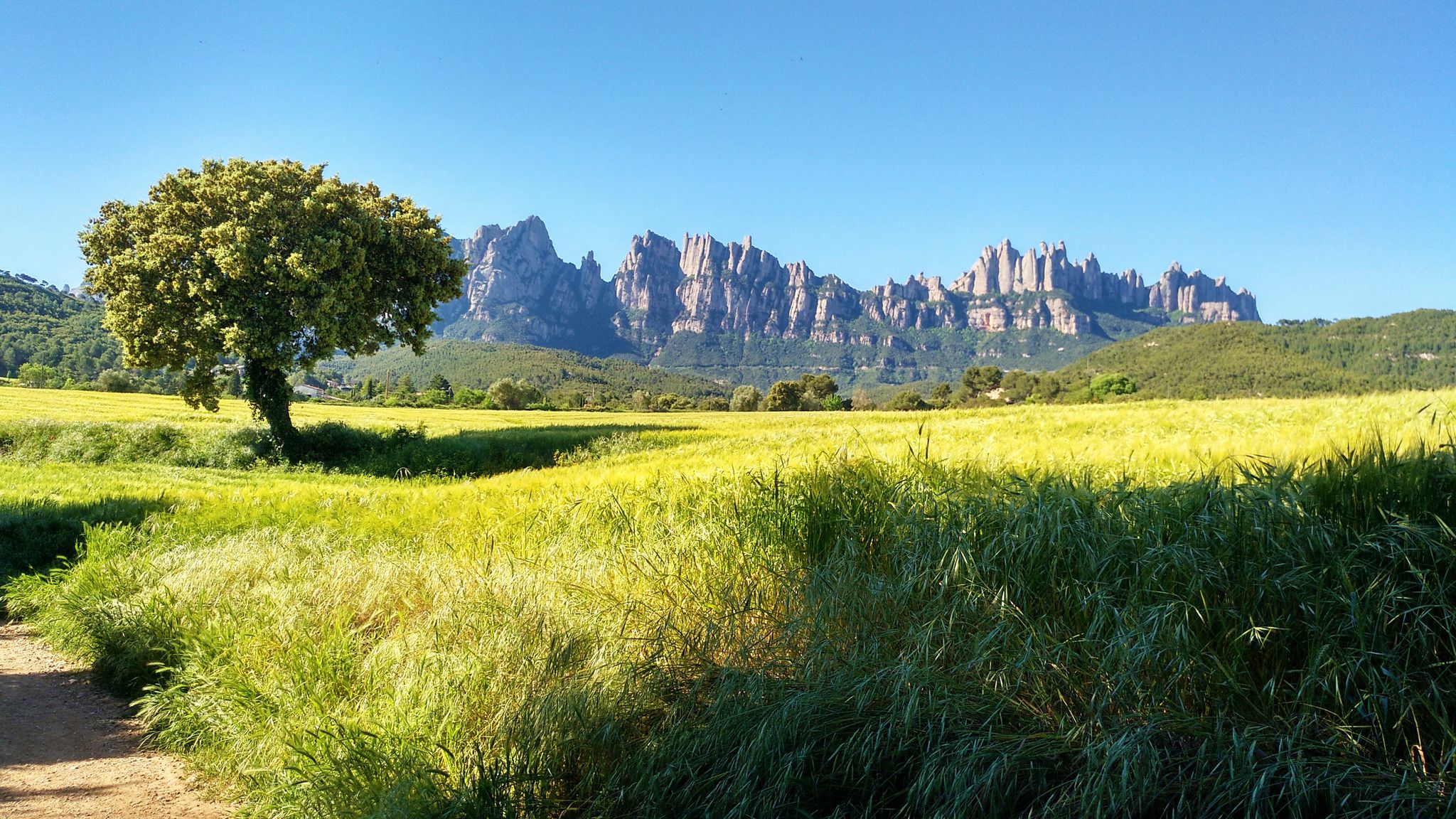
On foot from France to Montserrat – GR 4
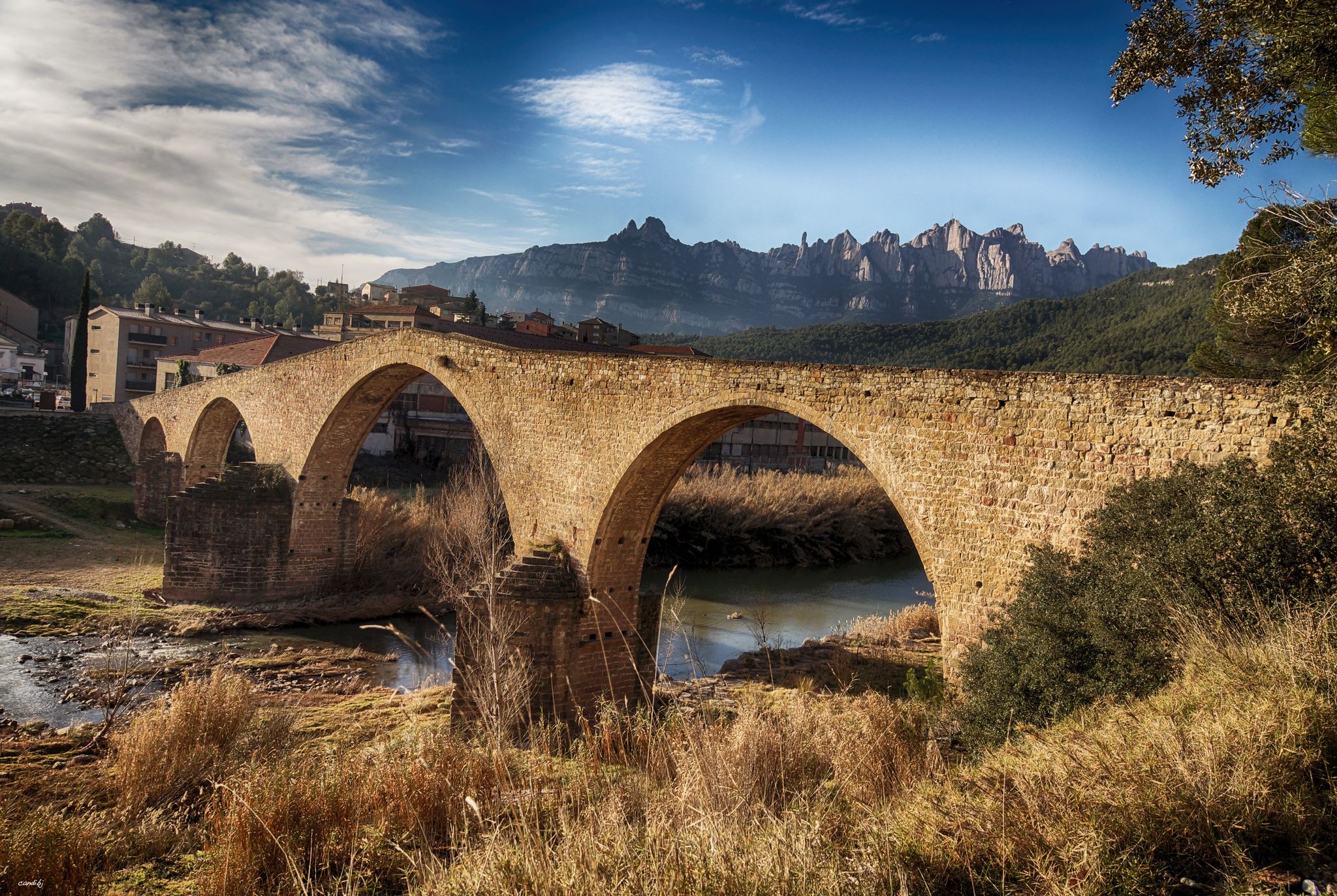
The river of Barcelona – El Camí del Llobregat
The symbol of Nepal in the Pyrenees – Cavalls del Vent
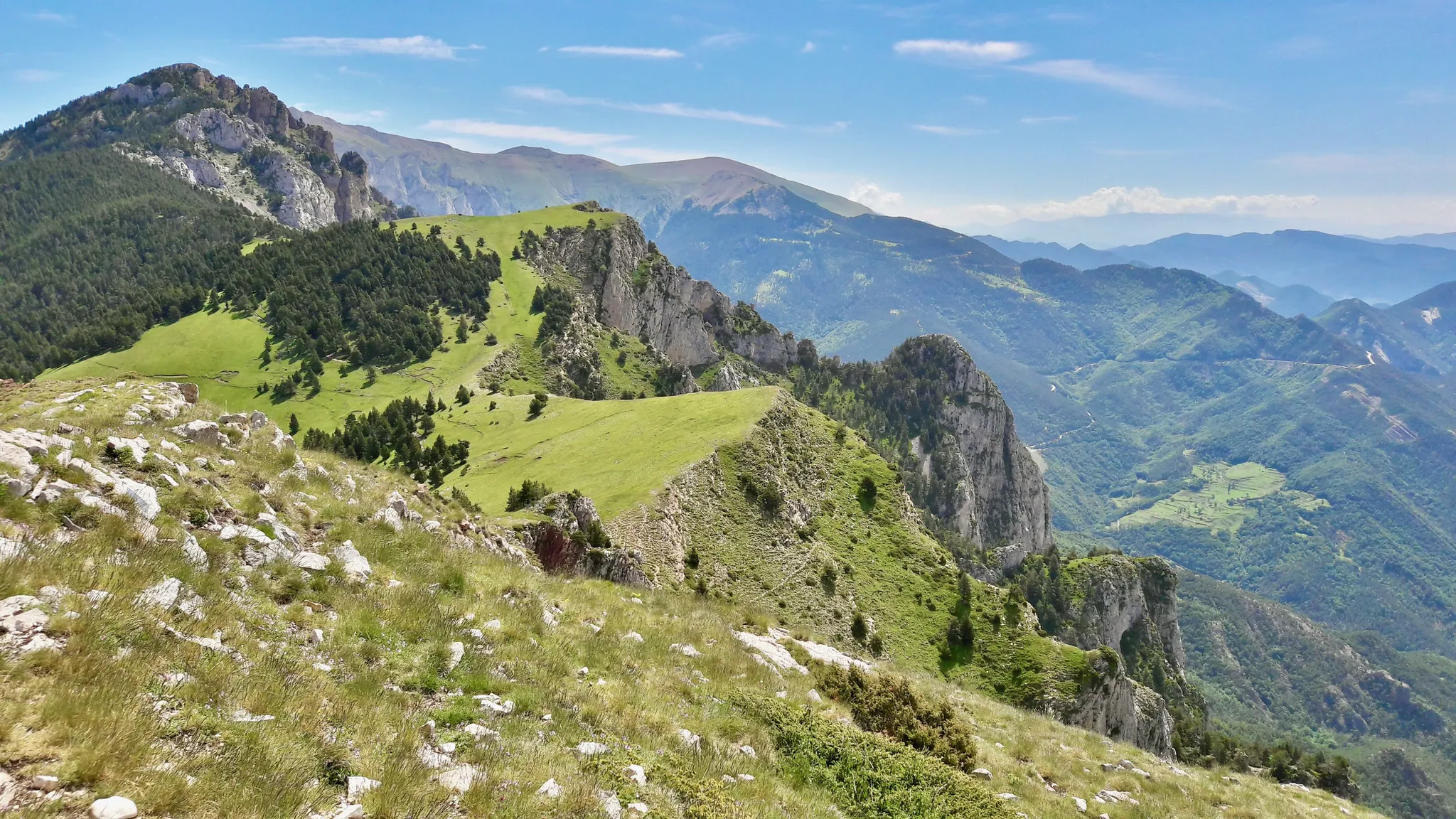
Hiking in Cavalls del Vent — Spain’s Parque Natural Cadí-Moixeró
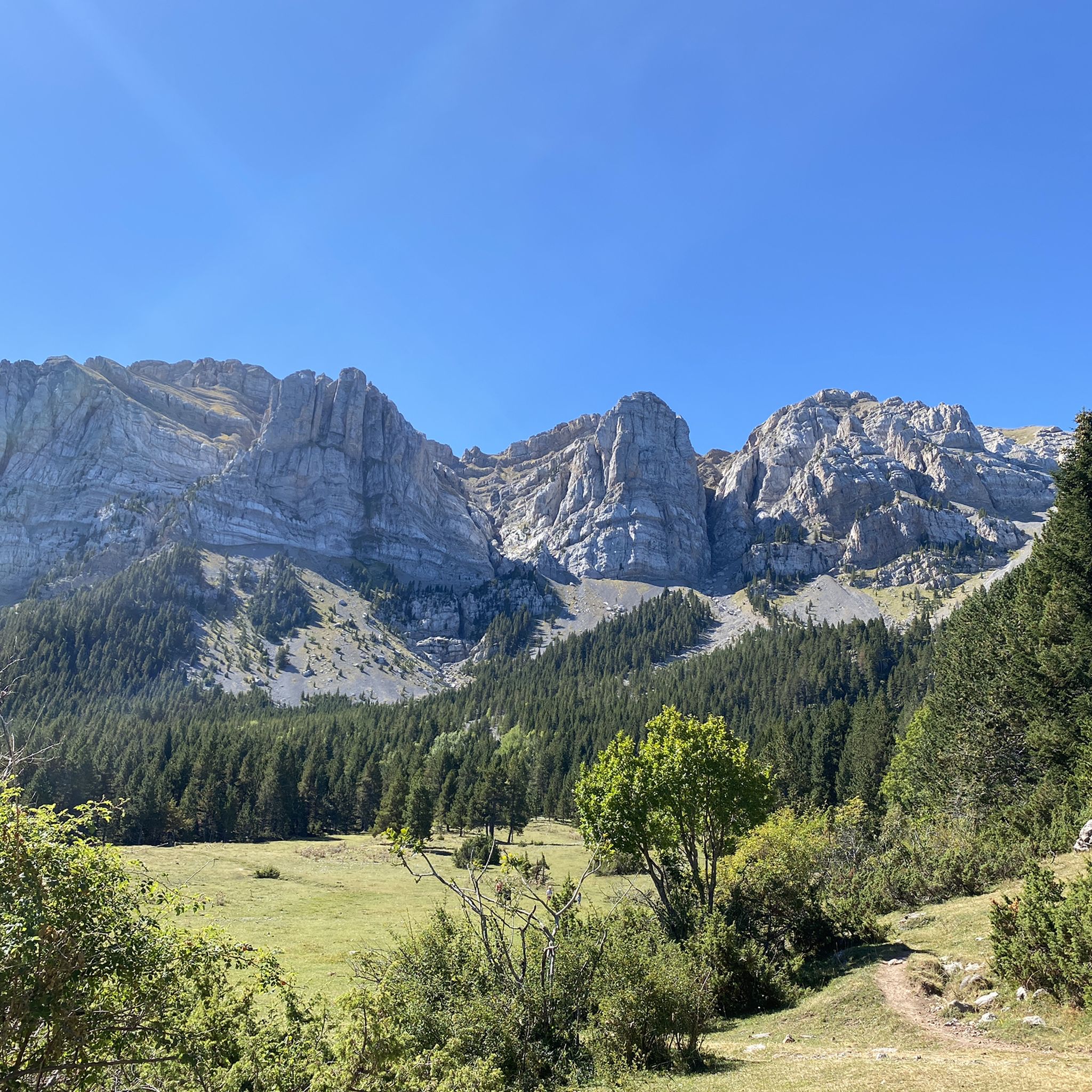
Hiking in Cadí-Moixeró
Road Cycling Routes in Cadí-Moixeró
Running Trails in Cadí-Moixeró
Other adventures in Cadí-Moixeró


Tips from the Community

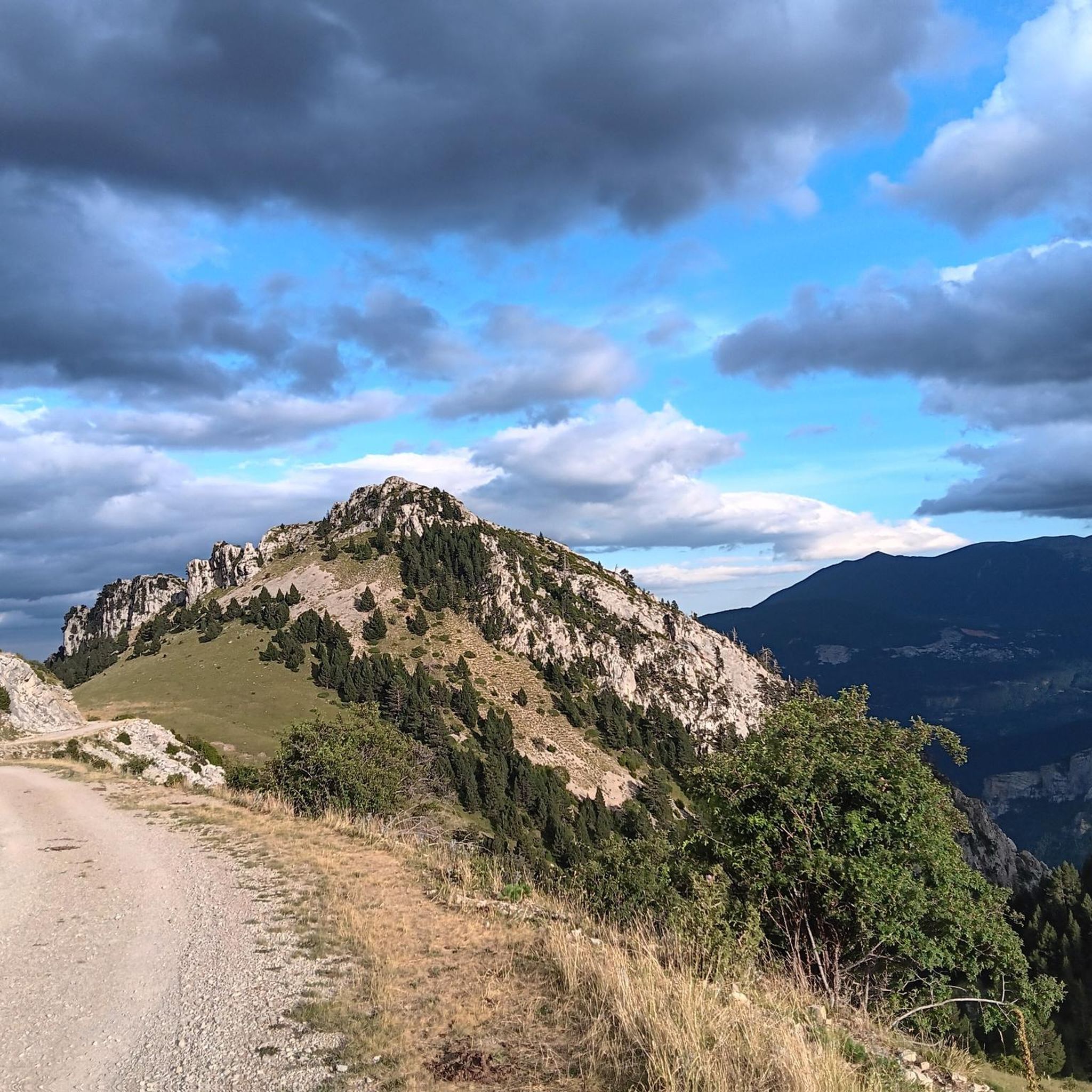
High mountain crossing point with spectacular views over the Cadí and the Pedraforca massif. The pass marks the boundary between black pine forests and alpine meadows, and is an ideal place to catch your breath before tackling the final climb to the summit. On a mountain bike, the climb is tough and with rocky sections that may require pushing the bike at some points. Tip: slow down and save your energy for the last section; the reward is a panoramic view that will make you forget your tiredness.
0
0

Hellish climb but with spectacular views, good asphalt too
0
0

From this pass, a rather technical trail leads to the village of Gósol. Getting here is quite difficult; it's a very long and arduous climb.
1
0
From this hill there is a rather technical trail to Gósol.
1
0

Coll de Josa, between Gòsol and Josa del Cadí. Inflection point on the road, you go up here and from here you go down.
1
1

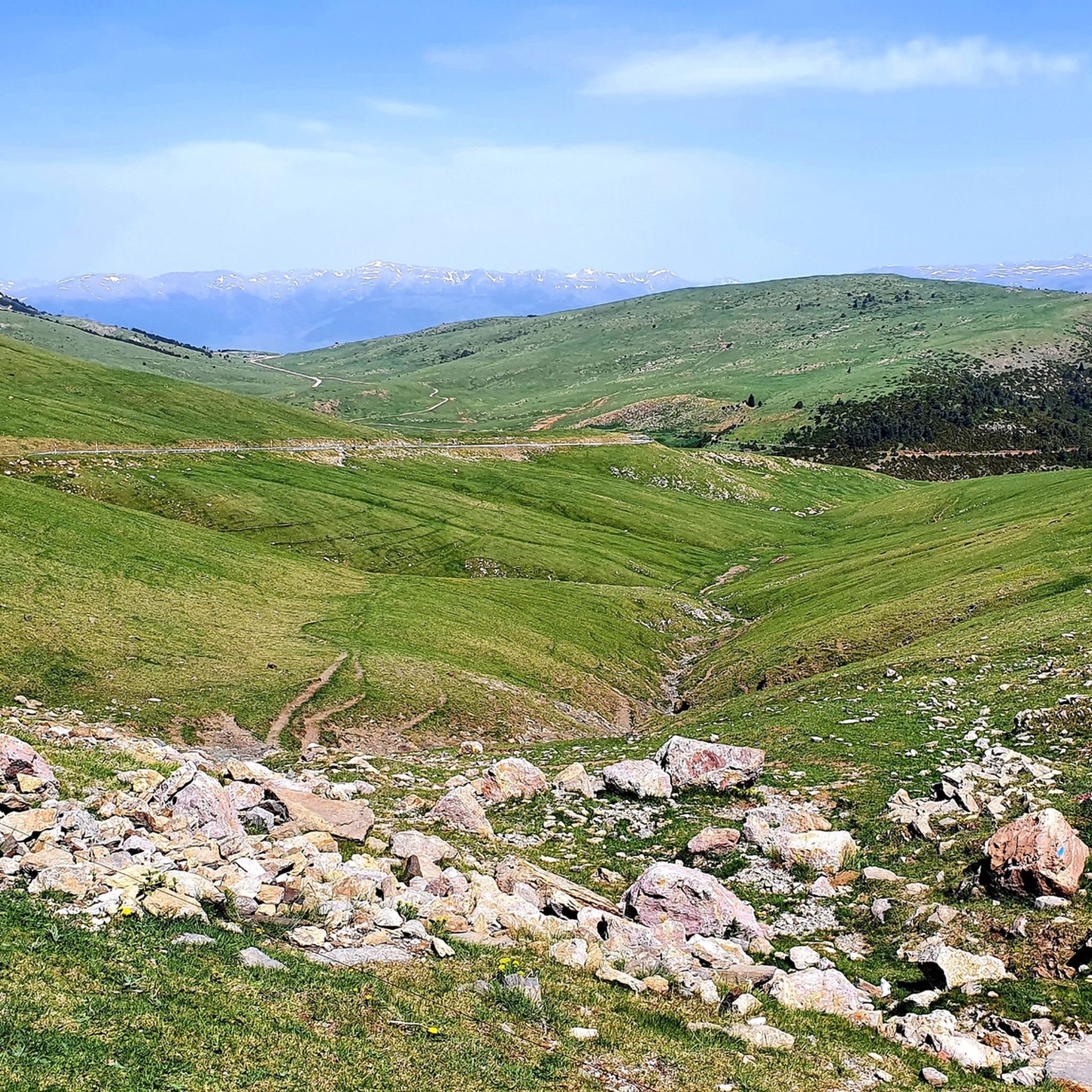
Puerto de Montaña with spectacular views, if you know it from the side of Castellar de Hug, you see Pedraforca and all the cadí, and going up through La Molina, views of Cerdanya and the French Western Pyrenees (Peric, Carlit...).
0
0

Coll de Josa from Tuixent is a climb in the Spanish Pyrenees region. It has a length of 11.2 kilometers and an ascent of 517 vertical meters with an average gradient of 4.6%, the top of the ascent is located at 1630 meters above sea level.
1
1

Spectacular panoramas over the alpine meadows of the Pyrenees.
0
0
Frequently Asked Questions
What are some notable mountain passes in Cadí-Moixeró beyond the most popular ones?
Beyond the well-known El Collell Pass and Gosolans Pass, the region offers several other significant passes. The Tancalaporta Pass is crucial as it connects the Cadí and Moixeró mountain ranges. Coll de la Creueta (1,888 meters) is famous for its panoramic views and has been featured in major cycling races. Coll de Pal provides road access to subalpine terrains, ideal for scenic drives and birdwatching. Additionally, Coll de Jou and Coll de Moixeró are integral to high-mountain hiking routes, while the Pass of Pendís (1,760 m) holds historical and geographical importance as the starting point of the "axial" Pyrenees.
What kind of natural features can I expect to see around the mountain passes in Cadí-Moixeró?
The mountain passes in Cadí-Moixeró offer access to a diverse range of natural features. You'll find ecosystems ranging from lush forests and valleys to expansive meadows and high mountain ranges. The landscape is characterized by alpine flora and fauna adapted to these altitudes. Many passes, like Les Bassotes Pass, provide stunning viewpoints, often overlooking peaks like Pedraforca, and offer opportunities to observe local birdlife, including species like bearded vultures and alpine chough.
Are there any historically significant mountain passes in the region?
Yes, the Pass of Pendís (1,760 m) is considered a historically and geographically significant point in Cadí-Moixeró. It marks the beginning of the older Moixeró range, which formed during the Variscan orogeny, making it a key location in understanding the geological history of the Pyrenees.
What outdoor activities are popular near the mountain passes in Cadí-Moixeró?
The Cadí-Moixeró region is a hub for outdoor enthusiasts. Popular activities include hiking, horse trekking, and cycling. For those interested in cycling, there are numerous routes, including challenging ones that incorporate passes like Coll de la Creueta. Gravel biking is also popular, with routes like the "Ascent to Coll de Bena" available. You can find more details on specific routes in our Cycling in Cadí-Moixeró and Gravel biking in Cadí-Moixeró guides.
Can I find challenging hiking trails around the mountain passes?
Absolutely. Many mountain passes in Cadí-Moixeró are part of challenging hiking routes. For instance, the Gosolans Pass is a magical place on the well-known Cavalls del Vent route, located at about 2,400 meters in the Sierra del Cadí. Passes like Coll de Jou and Coll de Moixeró are integral to high-mountain treks, offering opportunities to experience the demanding high-altitude environment and connect various refuges.
Are there any beginner-friendly or family-friendly walks around the passes?
While many passes are part of challenging routes, the Cadí-Moixeró Natural Park offers diverse landscapes, and some areas around the passes can be accessed for easier walks. For example, Coll de Pal allows visitors to reach subalpine terrains by road, providing accessible spots for enjoying the scenery and observing birdlife directly from a vehicle, which can be suitable for families. For specific family-friendly hiking routes, it's best to consult local visitor centers or detailed trail maps to find less strenuous options.
When is the best time to visit the mountain passes in Cadí-Moixeró?
The best time to visit the mountain passes in Cadí-Moixeró generally depends on your planned activities. Spring and autumn offer pleasant temperatures for hiking and cycling, with vibrant flora in spring and stunning colors in autumn. Summer is ideal for high-altitude treks, though it can be busy. Winter brings snow, making some passes accessible only for experienced winter sports enthusiasts, and requiring proper gear and safety precautions.
What wildlife might I encounter near the passes?
The Cadí-Moixeró Natural Park is a biodiversity hotspot. Near the passes, you might encounter a variety of bird species, some more typical of Central European habitats than Mediterranean ones. Keep an eye out for bearded vultures, alpine chough, alpine accentor, and white-winged snowfinch, especially around passes like Coll de Pal and Coll de la Creueta. The diverse ecosystems also support various mammals, though they are often more elusive.
Is it possible to access the mountain passes by car?
Yes, some mountain passes in Cadí-Moixeró are accessible by car. For instance, a road crosses the subalpine terrains at Coll de Pal, allowing visitors to drive up and enjoy the scenery and birdlife. Coll de la Creueta is also a classic pass with road access, known for its panoramic views and as a cycling destination. However, access to other passes, especially those integral to hiking routes like Tancalaporta, Coll de Jou, and Coll de Moixeró, might require hiking or specific off-road vehicles.
Are there viewpoints offering panoramic views from the passes?
Many mountain passes in Cadí-Moixeró are renowned for their panoramic views. Coll de la Creueta is a classic pass known specifically for its extensive vistas. Coll de Josa (1620 m) offers a privileged vantage point in the Valls valley, overlooking the town of Gósol. Les Bassotes Pass provides beautiful views of Pedraforca. Even La Mola Pass offers views of the west side of Pedraforca, making many passes excellent spots for photography and enjoying the vast mountain scenery.
Are there options for gravel biking near the mountain passes?
Yes, Cadí-Moixeró is an excellent region for gravel biking, with several routes that incorporate or pass near the mountain passes. For example, there's a challenging 65.8 km loop from Gósol that includes Les Bassotes Pass and Coll de Josa (1620 m). You can explore more gravel biking options and routes in our dedicated Gravel biking in Cadí-Moixeró guide.
What do visitors particularly enjoy about the mountain passes in Cadí-Moixeró?
Visitors to Cadí-Moixeró's mountain passes frequently praise the stunning panoramic views and the sense of accomplishment from challenging climbs. The Gosolans Pass is often described as a "magical place" on the Cavalls del Vent route. Many appreciate the diverse landscapes, from forests to high alpine terrains, and the opportunities for birdwatching. The passes are also valued as key intersections for various routes, like El Collell Pass, making them central to exploring the wider park.
Most popular routes in Cadí-Moixeró
Most popular attractions in Cadí-Moixeró

Get inspired with the komoot mobile app


Explore more
See even more epic mountain passes by checking out these guides in Cadí-Moixeró:
