Attractions and Places To See in Calblanque, Monte De Las Cenizas Y Peña Del Águila - Top 20
Best attractions and places to see in Calblanque, Monte De Las Cenizas Y Peña Del Águila is a protected natural area on the coast of Murcia, Spain. It features a coastline with sandy beaches, coves, and geological formations, alongside coastal pine forests and rugged hills. The region also contains historical landmarks, including military batteries and lighthouses, reflecting its past strategic importance. Diverse ecosystems, such as the Salinas de Rasall, attract migratory birds and specialized flora.
Best attractions and places to see in Calblanque, Monte De Las Cenizas Y Peña Del Águila
- The most popular attractions is La Chapa Battery and Portmán Lighthouse, a man-made monument that offers views of the bay and coastline. The lighthouse, originally built in 1865, stands on the ruins of the Torre de San Gil.
- Another must-see spot is Calblanque Beach, a natural beach with fine, golden sand and clear waters. This beach is part of the natural park and is characterized by cliffs, dunes, and diverse flora and fauna.
- Visitors also love Peña del Águila Trail, a trail that connects Llano del Beal with the car park for the ascent to the Cenizas Battery. This route offers a distinct landscape for exploration.
- Calblanque, Monte De Las Cenizas Y Peña Del Águila is known for its natural features, historical sites, and trails. Visitors can explore beaches, viewpoints, and diverse natural landscapes.
- The attractions in Calblanque, Monte De Las Cenizas Y Peña Del Águila are appreciated by the komoot community, with 84 upvotes and 44 photos shared.
Last updated: May 9, 2026
La Chapa Battery and Portmán Lighthouse
Highlight • Monument
Translated by Google •
Tip by

Calblanque, Monte de las Cenizas and Peña del Águila Regional Park
Highlight • Natural Monument
It covers an area of 2,400 hectares and has 13 kilometres of coastline.
From the bay of Cala Reona, in Cabo de Palos, to the mining town of Portmán, you can enjoy the very well-preserved environment of Calblanque, a combination of beautiful coves, dunes, sandy areas, salt flats and cliffs. The wildlife reserve of the Parque Natural de Calblanque includes rock formations that run parallel to the sea and descend gently to the flattest area: the Salinas del Rasall.
The pristine waters and the spectacular seabed, a favourite of divers, make Calblanque "a paradise at sea with the wildest, most natural side of the Murcian coastline".
This nature reserve represents one of the last unspoilt areas along the Mediterranean coast. Its enormous natural wealth is based on the arid mountains, the long, ochre and golden beaches, as well as the solitary coves, the formation of the fossil dunes, the white salt lakes and the mountain ranges, which contrast with the blue sea. There are no facilities here (apart from a few toilets in the visitor centre) so don't forget to pack a picnic!
To access the Calblanque Regional Park, take the motorway to La Manga, exit 10 and be ready to enjoy this Murcian gem.
Translated by Google •
Tip by

Sign up now to discover places like this
Get recommendations on the best single tracks, peaks, & plenty of other exciting outdoor places.
Sign up for free
Peña del Águila Trail
Highlight • Trail
Translated by Google •
Tip by

Calblanque Beach
Highlight • Beach
Tip by

Mirador de Cenizas
Highlight (Segment) • Viewpoint
Translated by Google •
Tip by

Sign up for free to discover even more attractions in Calblanque, Monte De Las Cenizas Y Peña Del Águila.
Sign up for free
Already have an account?
Start today with a free account
Your next adventure awaits.
Login or Signup
Popular around Calblanque, Monte De Las Cenizas Y Peña Del Águila
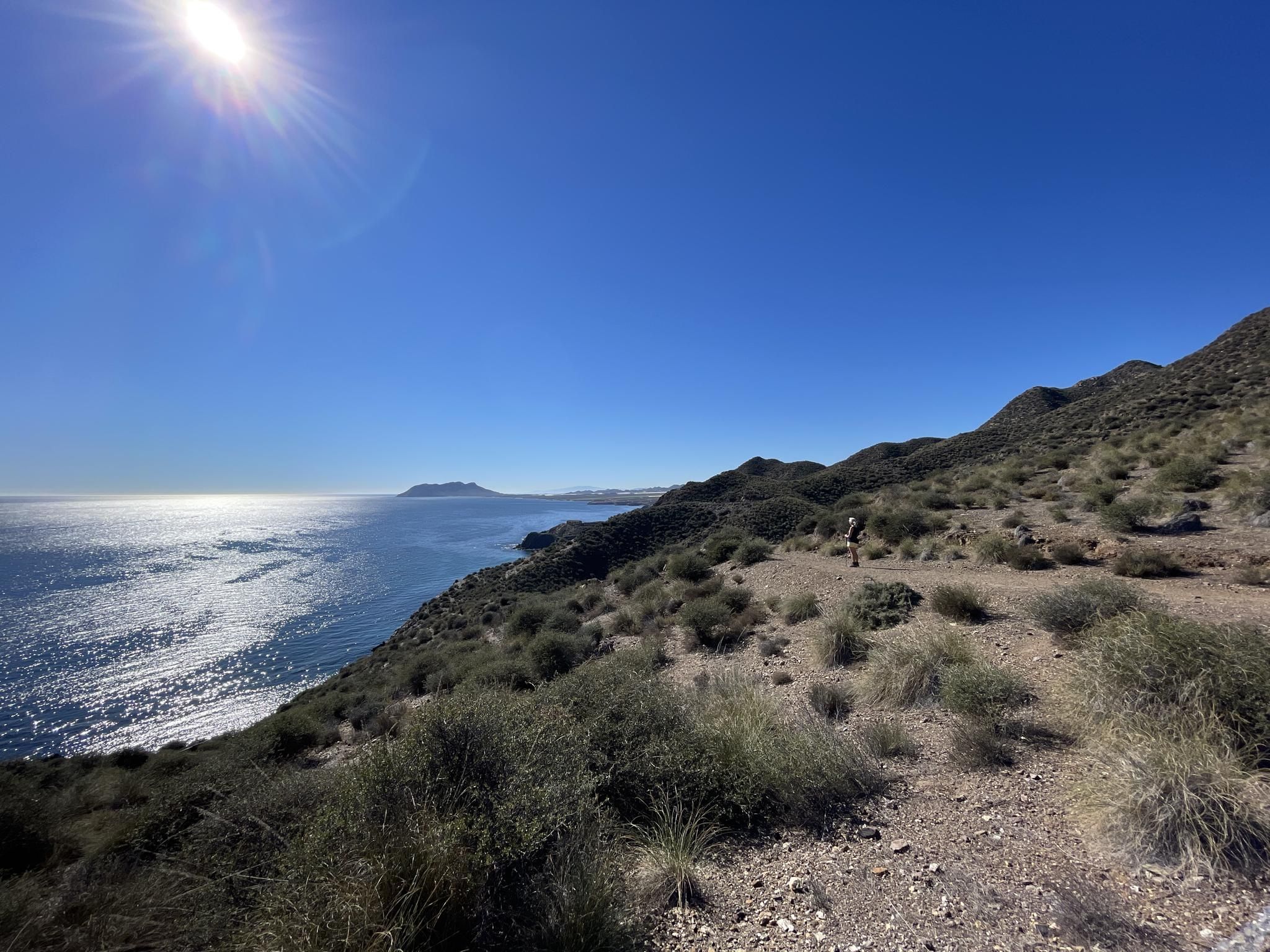
Mediterranean industry and nature – hike the GR 92 in Murcia
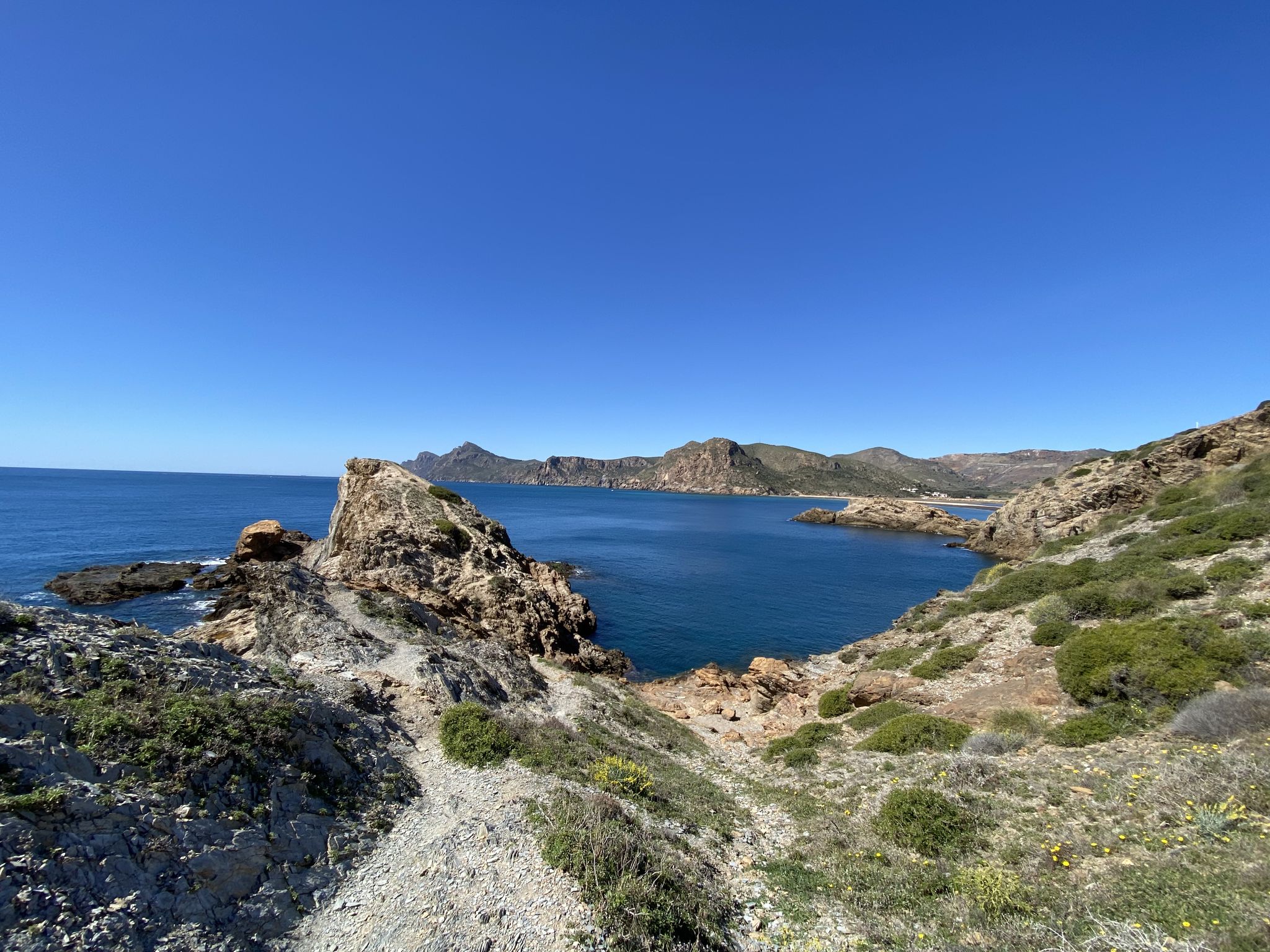
Walk among volcanoes and cliffs – Cape Palos and Calblanque
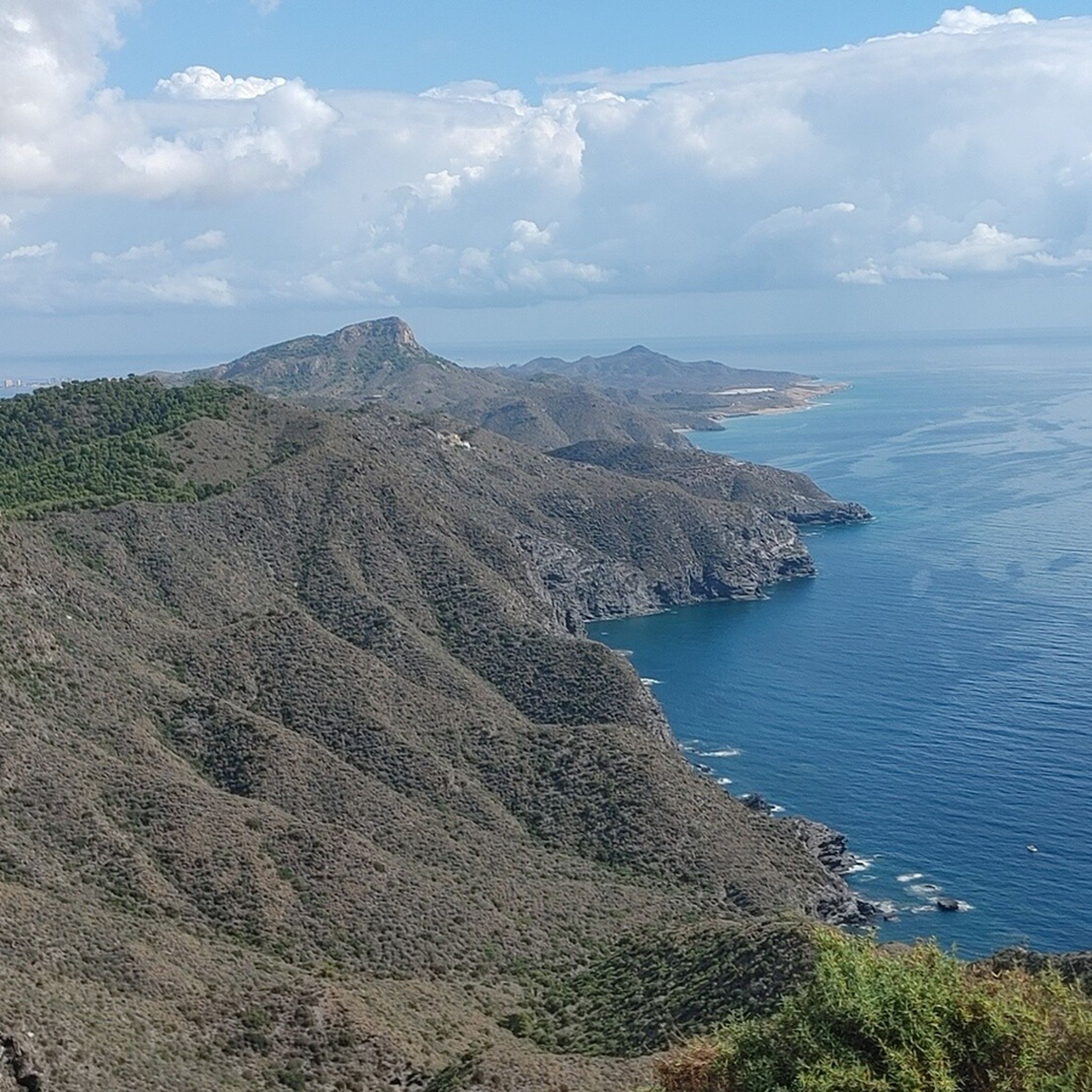
Hiking in Calblanque, Monte De Las Cenizas Y Peña Del Águila
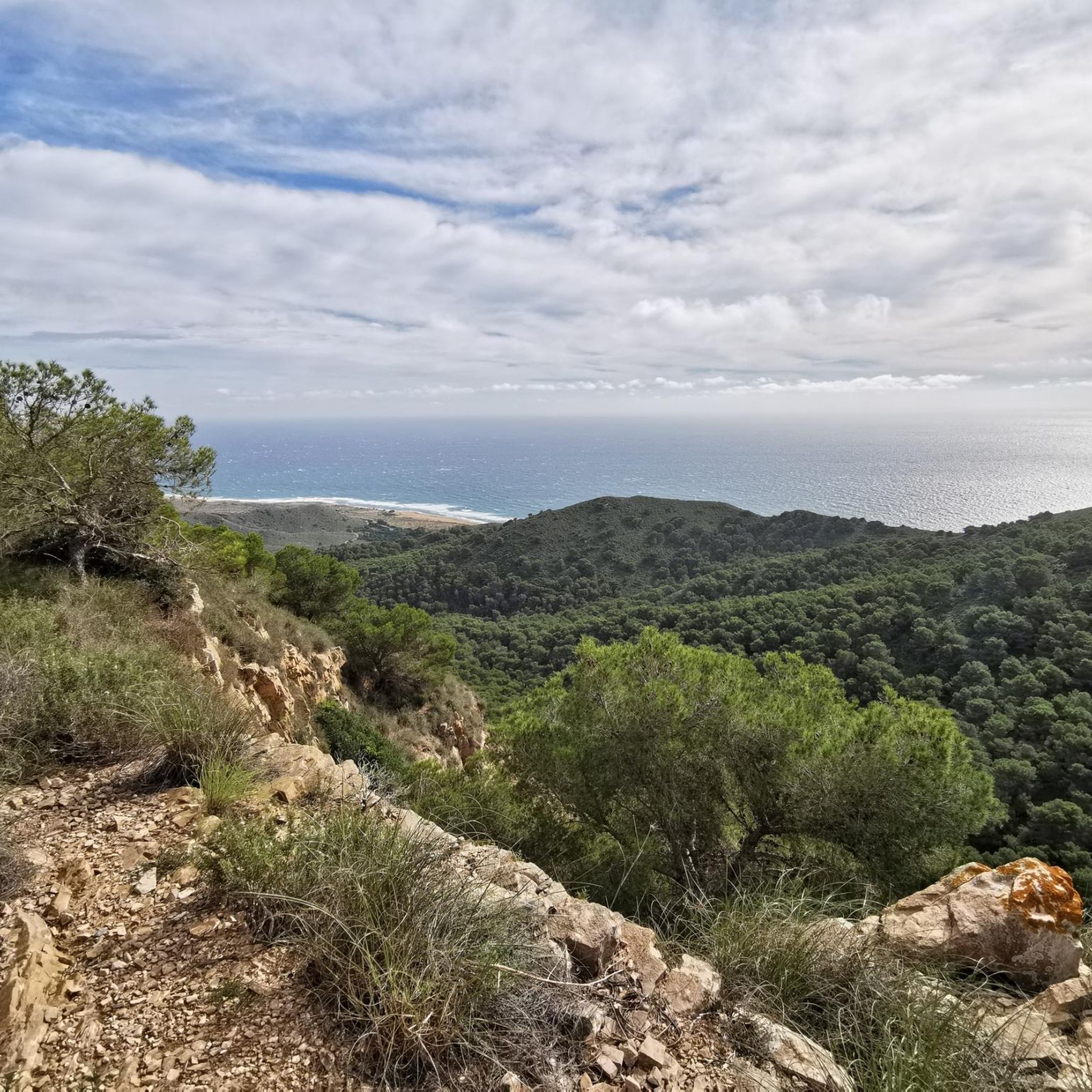
Cycling in Calblanque, Monte De Las Cenizas Y Peña Del Águila
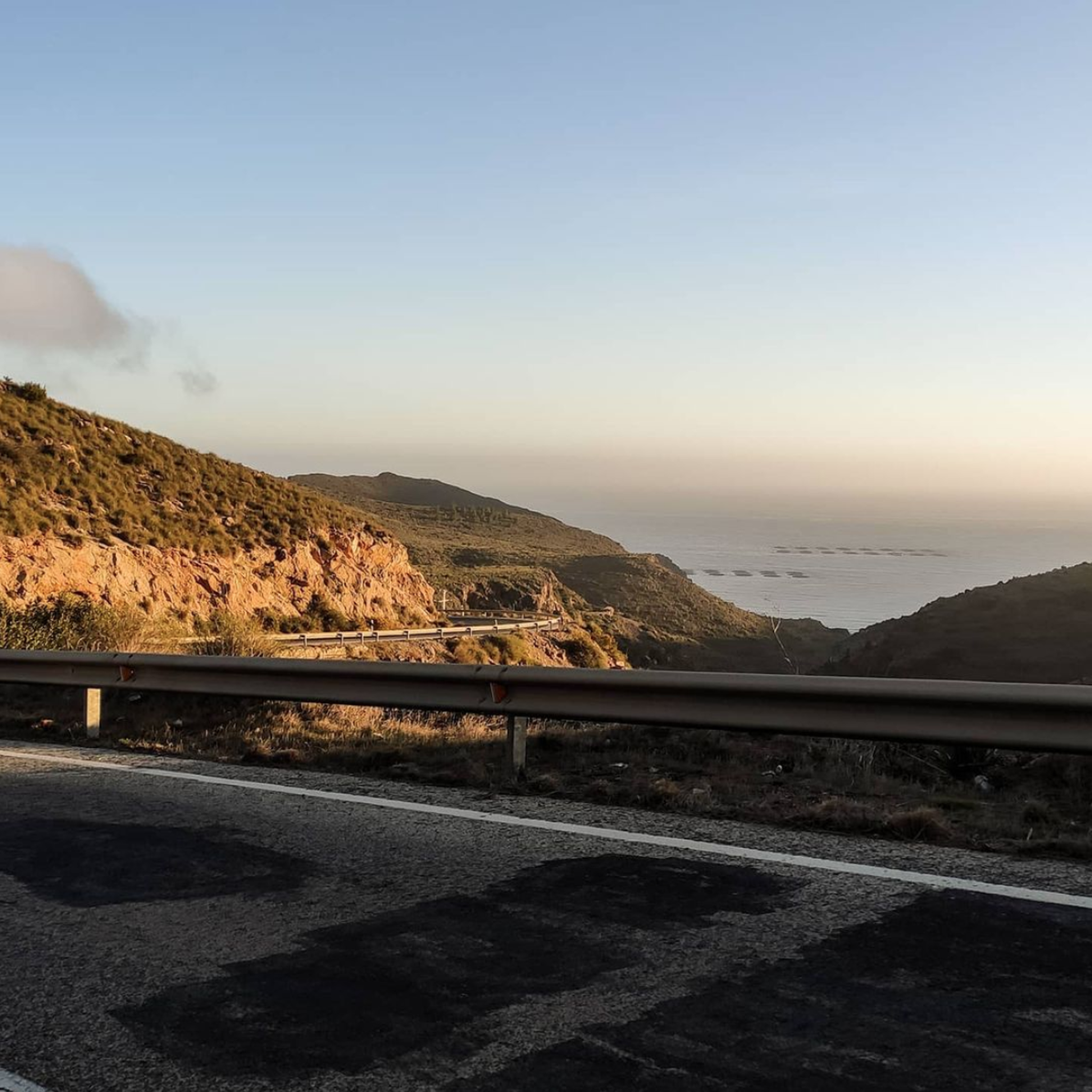
Road Cycling Routes in Calblanque, Monte De Las Cenizas Y Peña Del Águila
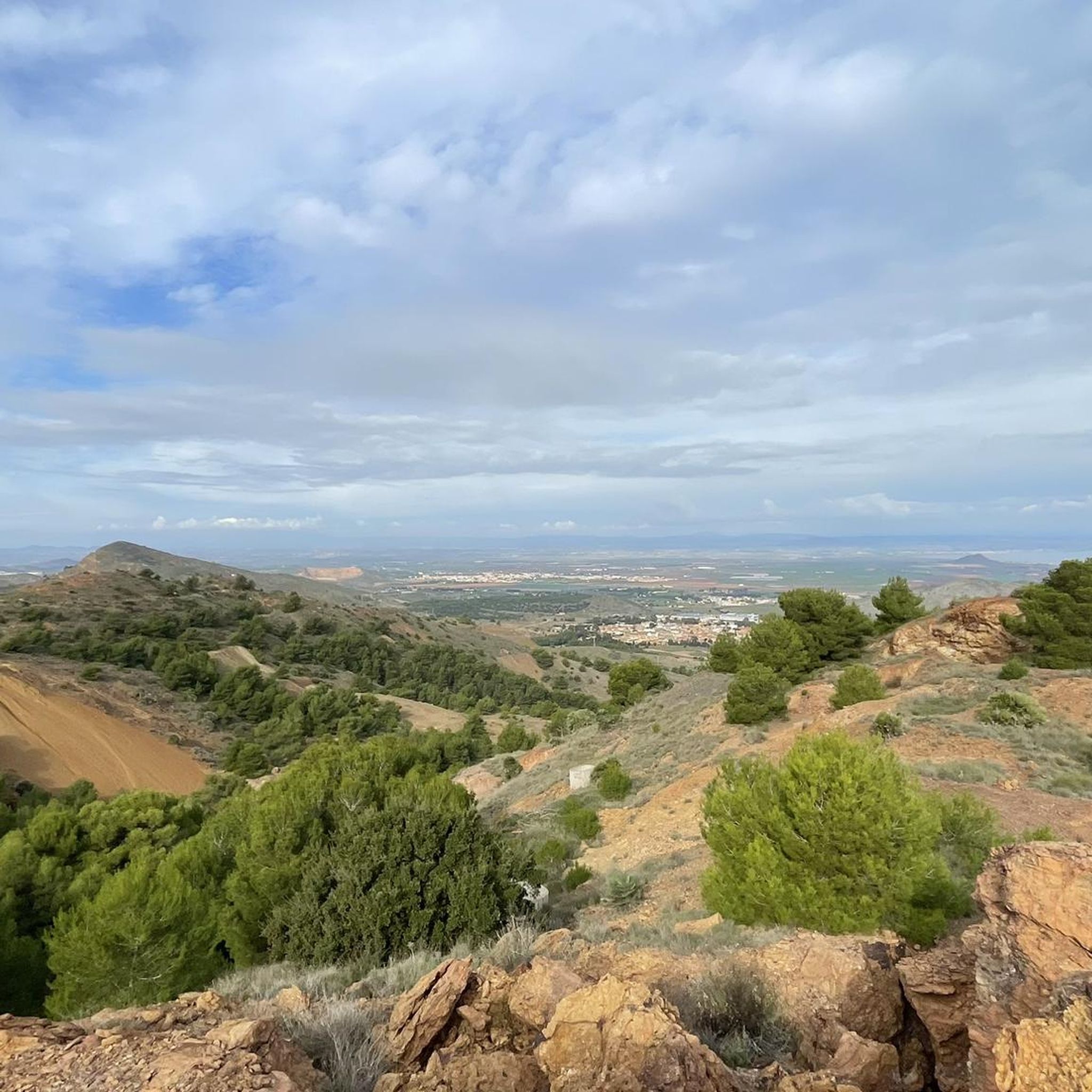
Running Trails in Calblanque, Monte De Las Cenizas Y Peña Del Águila
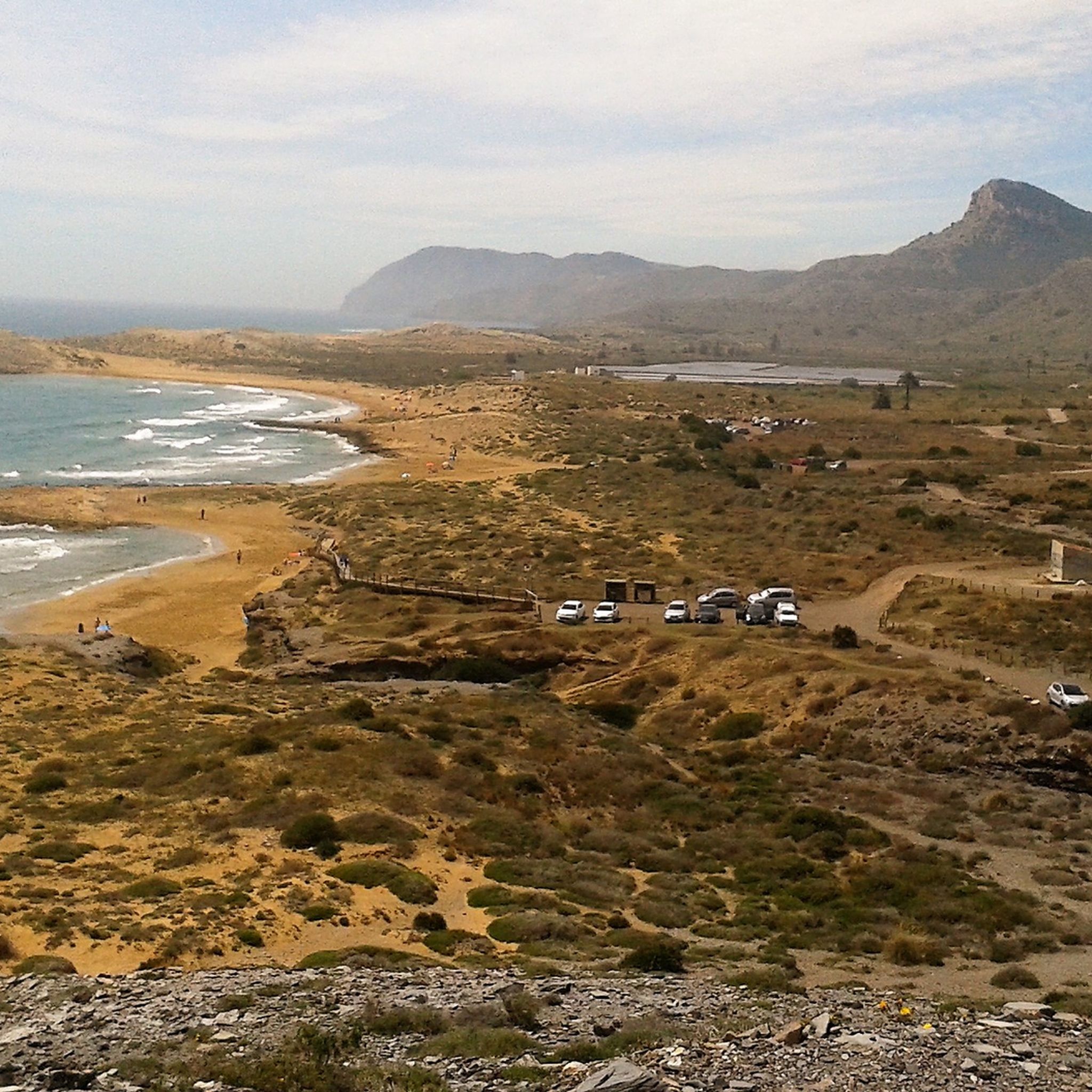
MTB Trails in Calblanque, Monte De Las Cenizas Y Peña Del Águila

Gravel biking in Calblanque, Monte De Las Cenizas Y Peña Del Águila
Other adventures in Calblanque, Monte De Las Cenizas Y Peña Del Águila


Tips from the Community

Park Calblanque is probably the best Natural Park to visit in Murcia. It is near to Cartagena, which in itself is worth a visit to enjoy the vibrant town and Roman history. Park Calblanque has stunning natural beaches. sand dunes and a wild coastline. Highly recommended.
0
0


The Calblanque Regional Park is a coastal destination in the Region of Murcia, which has been a protected natural area since 1987 and a nature reserve since 1992. It covers an area of 2,400 hectares and has 13 kilometres of coastline. From the bay of Cala Reona, in Cabo de Palos, to the mining town of Portmán, you can enjoy the very well-preserved environment of Calblanque, a combination of beautiful coves, dunes, sandy areas, salt flats and cliffs. The wildlife reserve of the Parque Natural de Calblanque includes rock formations that run parallel to the sea and descend gently to the flattest area: the Salinas del Rasall. The pristine waters and the spectacular seabed, a favourite of divers, make Calblanque "a paradise at sea with the wildest, most natural side of the Murcian coastline". This nature reserve represents one of the last unspoilt areas along the Mediterranean coast. Its enormous natural wealth is based on the arid mountains, the long, ochre and golden beaches, as well as the solitary coves, the formation of the fossil dunes, the white salt lakes and the mountain ranges, which contrast with the blue sea. There are no facilities here (apart from a few toilets in the visitor centre) so don't forget to pack a picnic! To access the Calblanque Regional Park, take the motorway to La Manga, exit 10 and be ready to enjoy this Murcian gem.
0
0


The Faro de Portmán was originally built in 1865 to ensure safe navigation along the Costa Cálida. The coast is partly rocky and has historically been dangerous for navigation, especially during periods of heavy shipping traffic when mining was carried out in the region. The lighthouse stands on a rocky hill at the entrance to the bay of Portmán, a former mining and fishing village, and offers picturesque views of the Mediterranean Sea and the surrounding coastal landscapes. The Faro de Portmán is a beautiful destination for a tour. Due to its elevated position, the Faro de Portmán offers excellent views over the sea and the rugged coastline. In good weather, large parts of the Mediterranean coast and the surrounding hills can be seen from here.
0
0

The beach can be reached directly from a public car park.
0
0

Mirador de Cenizas is a breathtaking viewpoint located in the Calblanque, Monte de las Cenizas y Peña del Águila Natural Park, near Portman, Spain. Perched approximately 300 metres above sea level, it offers panoramic views that stretch along the entire coastline, from the Mar Menor and La Manga to the sheer cliffs between La Unión and Escombreras, leading towards Cartagena. It is a popular spot for hikers and nature lovers, offering a perfect blend of natural beauty and historical intrigue with its abandoned military base.
1
0

Nice view from Faro. I was there on December 29th. with overcast skies and only 15 degrees here. Nevertheless, I found this stretch of coast attractive. The paths are easy to manage.
0
0
Frequently Asked Questions
What natural features can I explore in Calblanque, Monte De Las Cenizas Y Peña Del Águila?
The region is renowned for its diverse natural landscapes. You can discover pristine beaches like Calblanque Beach with its fine golden sand and clear waters, or the unique black fossil dunes of Playa Negrete. The park also features extensive natural dunes, fossil cliffs, and the crucial wetlands of Salinas de Rasall, which are a haven for migratory birds. Coastal pine forests and rugged hills like Cabezo de la Fuente and Peña del Águila offer varied terrain for exploration.
Are there any historical or cultural sites to visit?
Yes, the area has a rich history. You can visit La Chapa Battery and Portmán Lighthouse, which offers historical insights and stunning views. The Mirador de Cenizas viewpoint also features an abandoned military base, blending natural beauty with historical intrigue. The landscape bears witness to past mining activity with shafts and smelting furnaces, and archaeological remains from various periods.
What kind of outdoor activities can I do in the park?
Calblanque, Monte De Las Cenizas Y Peña Del Águila is perfect for outdoor enthusiasts. You can enjoy hiking and cycling on numerous trails that wind through pine forests, headlands, and coastal paths. Birdwatching is popular, especially at the Salinas de Rasall, where you might spot flamingos. The pristine waters are also excellent for scuba diving and snorkeling. For hiking, explore routes like the 'Cabezo de la Fuente Loop Trail' or 'Monte de las Cenizas Loop Trail' found in the Hiking in Calblanque, Monte De Las Cenizas Y Peña Del Águila guide.
Are there family-friendly attractions or activities?
Absolutely. Calblanque Beach is a wonderful family-friendly spot for relaxation and swimming. The park's easy hiking trails, such as the 'Punta Negra Viewpoint – Cala de los Déntoles loop', are suitable for families. The diverse wildlife, including migratory birds at the salt flats, can also be an engaging experience for children. Many viewpoints, like La Chapa Battery and Portmán Lighthouse, offer accessible scenic spots for all ages.
What are the best viewpoints in the region?
For breathtaking vistas, visit Mirador de Cenizas, perched 300 meters above sea level, offering panoramic views of the coastline, Mar Menor, and La Manga. The Portmán Lighthouse also provides excellent views over the sea and rugged coastline. Additionally, trails like Peña del Águila Trail lead to elevated points with distinct and scenic landscapes.
What is the best time to visit Calblanque, Monte De Las Cenizas Y Peña Del Águila?
The park is beautiful year-round, but spring and autumn offer the most pleasant weather for hiking and exploring, with milder temperatures. Summer is ideal for beach activities, though vehicle access to the park is often restricted during peak summer months, with a bus service provided to minimize environmental impact. Birdwatching is particularly rewarding during migratory seasons.
Can I find easy hiking trails in the area?
Yes, there are several easy hiking trails suitable for various fitness levels. For example, the 'Punta Negra Viewpoint – Cala de los Déntoles loop' from Cala Arturo is an easy 5.8 km route. Another accessible option is the 'Viewpoint of Portman Bay – Cenizas Coastal Battery loop' from Atamaria, which is about 6.5 km. You can find more easy routes in the Easy hikes in Calblanque, Monte De Las Cenizas Y Peña Del Águila guide.
What makes the beaches in Calblanque unique?
The beaches in Calblanque are known for their untouched natural beauty and diverse characteristics. Calblanque Beach is famous for its fine golden sand and crystal-clear waters, free from noisy water sports. Playa Negrete stands out with its dramatic black fossil dunes, while Playa Larga is a long stretch of sand popular for surfing and where nudity is permitted. Many secluded coves like Cala Reona and Cala Arturo offer more private experiences.
Where can I learn more about the park's environment?
The Las Cobaticas Visitor Centre provides informative material, exhibitions, and video documentaries about the park's environment and values. It's an excellent starting point to get maps and learn about the area's unique ecosystems, flora, and fauna before you begin your exploration.
Are there opportunities for birdwatching?
Absolutely. The Salinas de Rasall (Salt Flats) and surrounding salt marshes are crucial wetlands that attract a wide variety of migratory birds. It's a prime spot for birdwatching, where you can often see flamingos, stilts, and sea herons. The park's diverse ecosystems support a rich array of avian life, making it a significant natural sanctuary.
What are some popular cycling routes in the region?
The park offers various cycling opportunities, including mountain biking trails. You can explore routes like the 'Calblanque Viewpoint – Calblanque Beach loop' from Rincón de San Ginés, or the 'Portmán Roman Road – Viewpoint of Portman Bay loop' from Atamaria. These routes provide a great way to experience the diverse landscapes on two wheels. More options can be found in the MTB Trails in Calblanque, Monte De Las Cenizas Y Peña Del Águila guide.
What kind of wildlife can I expect to see?
Beyond the migratory birds at the salt flats, the park is a sanctuary for a wide range of flora and fauna. You might spot eagle owls, Bonelli's eagles, foxes, rabbits, and badgers. The pristine waters are also home to marine life, and occasionally, sea turtles can be observed. The park's protected status ensures a rich biodiversity.
Most popular routes in Calblanque, Monte De Las Cenizas Y Peña Del Águila
Most popular attractions in Calblanque, Monte De Las Cenizas Y Peña Del Águila

Get inspired with the komoot mobile app


Explore more
Still not found the Highlight you’re looking for? See guides of the top attractions in other regions:
