Attractions and Places To See in Salinas Y Arenales De San Pedro Del Pinatar - Top 18
Best attractions and places to see in Salinas Y Arenales De San Pedro Del Pinatar are primarily found within the Regional Park of Las Salinas y Arenales, an 856-hectare wetland between the Mar Menor and the Mediterranean Sea. This area is known for its salt flats, extensive sand dunes, and beaches. It also features unique cultural sites and therapeutic mud baths, offering a blend of natural and historical points of interest.
Best attractions and places to see in Salinas Y Arenales De San Pedro Del Pinatar
- The most popular attractions is Molino de la Calcetera, a man-made monument that is one of the area's historic salt mills. These windmills were used to move water between basins for salt extraction and are symbols of traditional salt production.
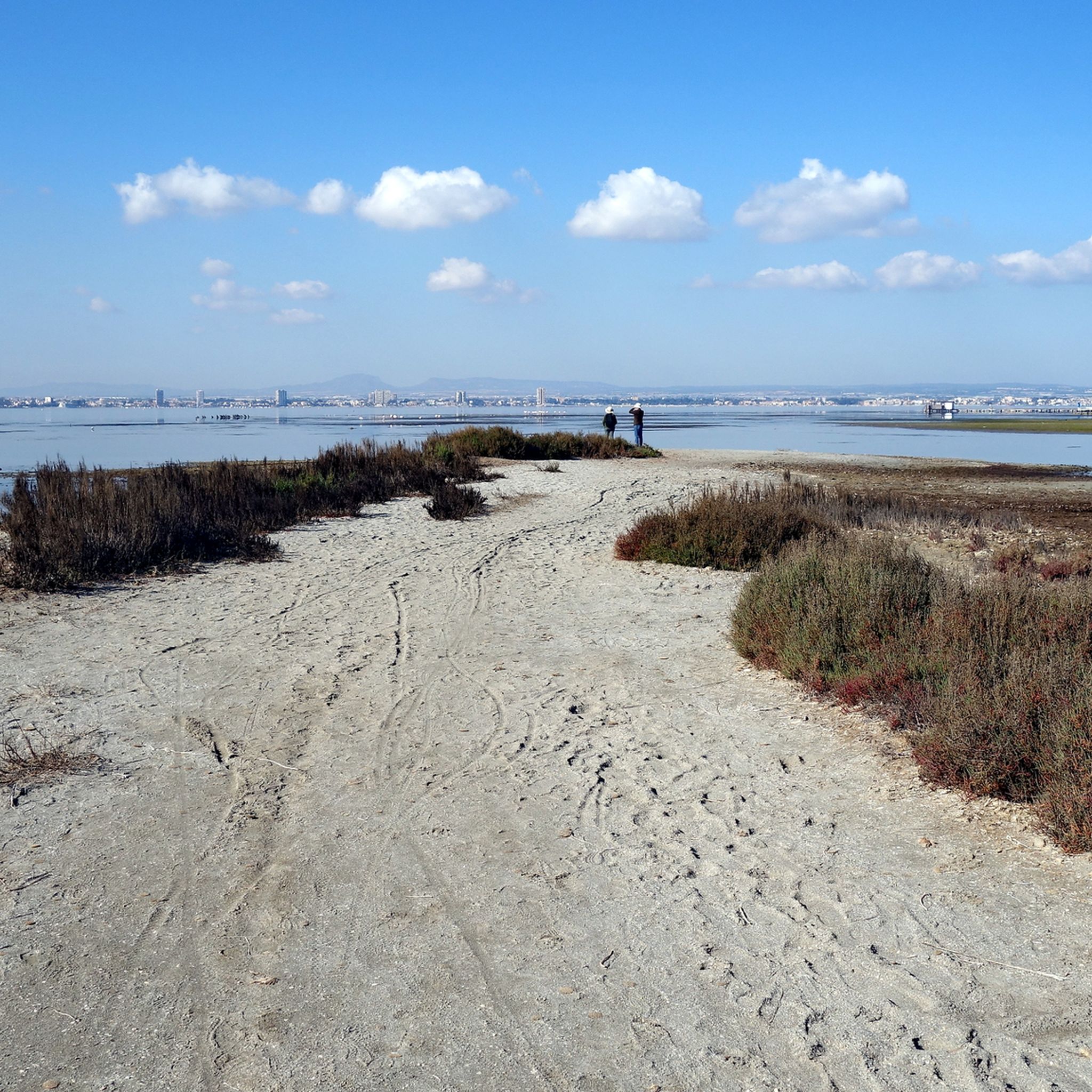
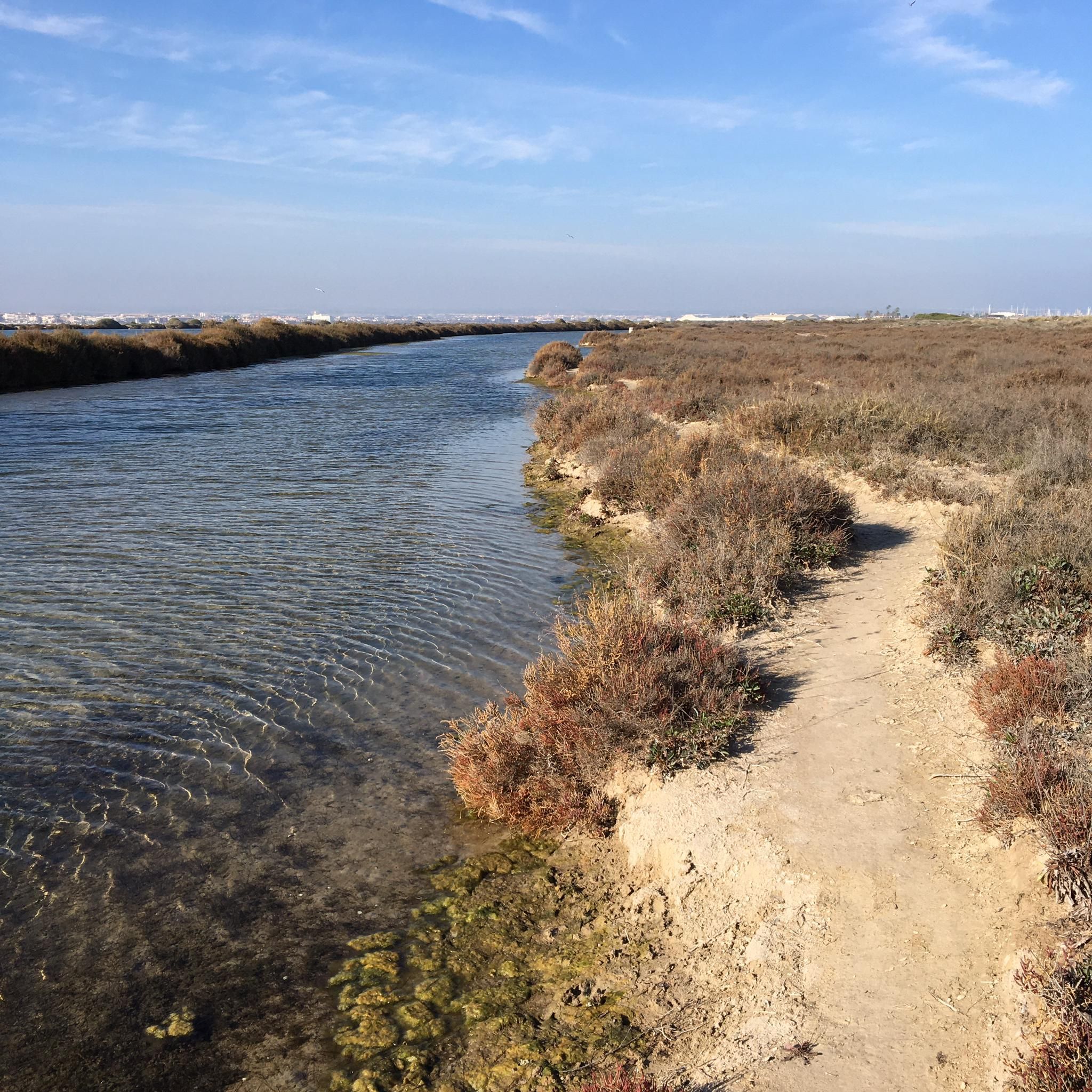
- Another must-see spot is Salt Flats and Sand Dunes of San Pedro del Pinatar, a natural monument and protected area. Visitors can explore an incredible landscape with views of both the Mediterranean Sea and the Mar Menor, featuring diverse fauna and flora.
- Visitors also love Mud Baths at Villananitos Beach, a beach known for its therapeutic mud. The mud, formed by centuries of sun and highly saline water, is believed to have therapeutic value for various ailments.
- Salinas Y Arenales De San Pedro Del Pinatar is known for its natural features, historical sites, and therapeutic mud baths. The region offers a variety of attractions to see and explore, from birdwatching opportunities to traditional fishing structures.
- The attractions in Salinas Y Arenales De San Pedro Del Pinatar are appreciated by the komoot community, with 17 highlights receiving 270 upvotes and featuring 74 photos.
Last updated: May 11, 2026
Mud Baths at Villananitos Beach
Highlight • Beach
Translated by Google •
Tip by

Molino de la Calcetera
Highlight • Monument
The mill is located in the Salinas y Arenales de San Pedro del Pinatar Nature Reserve. It is one of the area's historic salt mills, which were once used to assist in salt production from the surrounding salt pans. These mills are an important part of the region's history and cultural heritage. Windmills like this one used to move water between the basins to facilitate salt extraction. Today, the mills stand as symbols of traditional salt production and are very popular subjects for photographs.
Translated by Google •
Tip by

Sign up now to discover places like this
Get recommendations on the best single tracks, peaks, & plenty of other exciting outdoor places.
Sign up for free
La Llana Beach
Highlight • Beach
Translated by Google •
Tip by

Mud Baths
Highlight • Natural
Translated by Google •
Tip by
Salt Flats and Sand Dunes of San Pedro del Pinatar
Highlight • Natural Monument
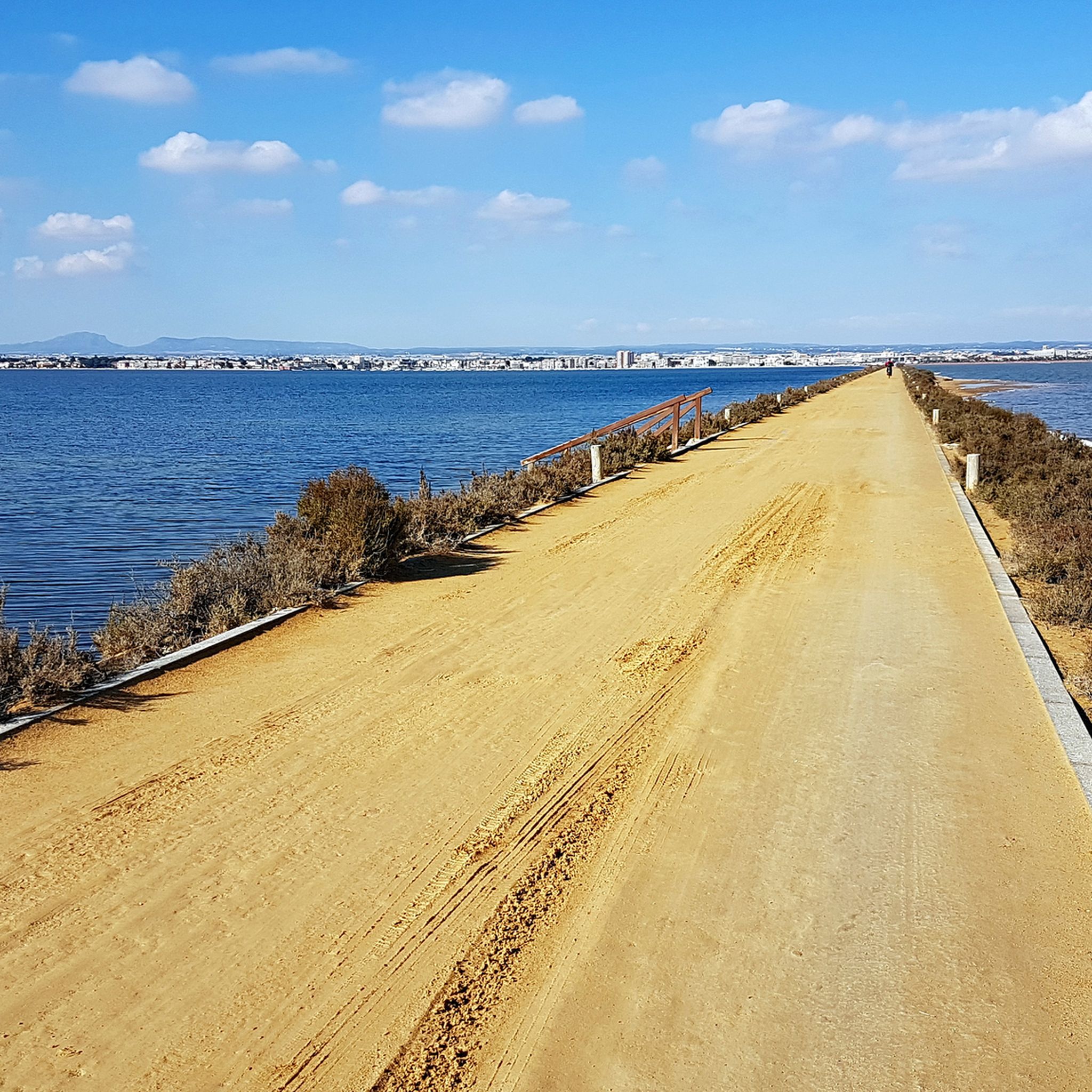
The area is enabled for cycling or hiking routes, as well as full of informative posters.
From here we can see both the Mediterranean Sea and the Mar Menor.
Translated by Google •
Tip by

Sign up for free to discover even more attractions in Salinas Y Arenales De San Pedro Del Pinatar.
Sign up for free
Already have an account?
Start today with a free account
Your next adventure awaits.
Login or Signup
Popular around Salinas Y Arenales De San Pedro Del Pinatar
Tips from the Community

Nice ride, though difficult in some places. Several options for a bite to eat or a drink. Thanks for posting the route. Greetings from Antwerp
1
1


You need to continue to the right
1
1

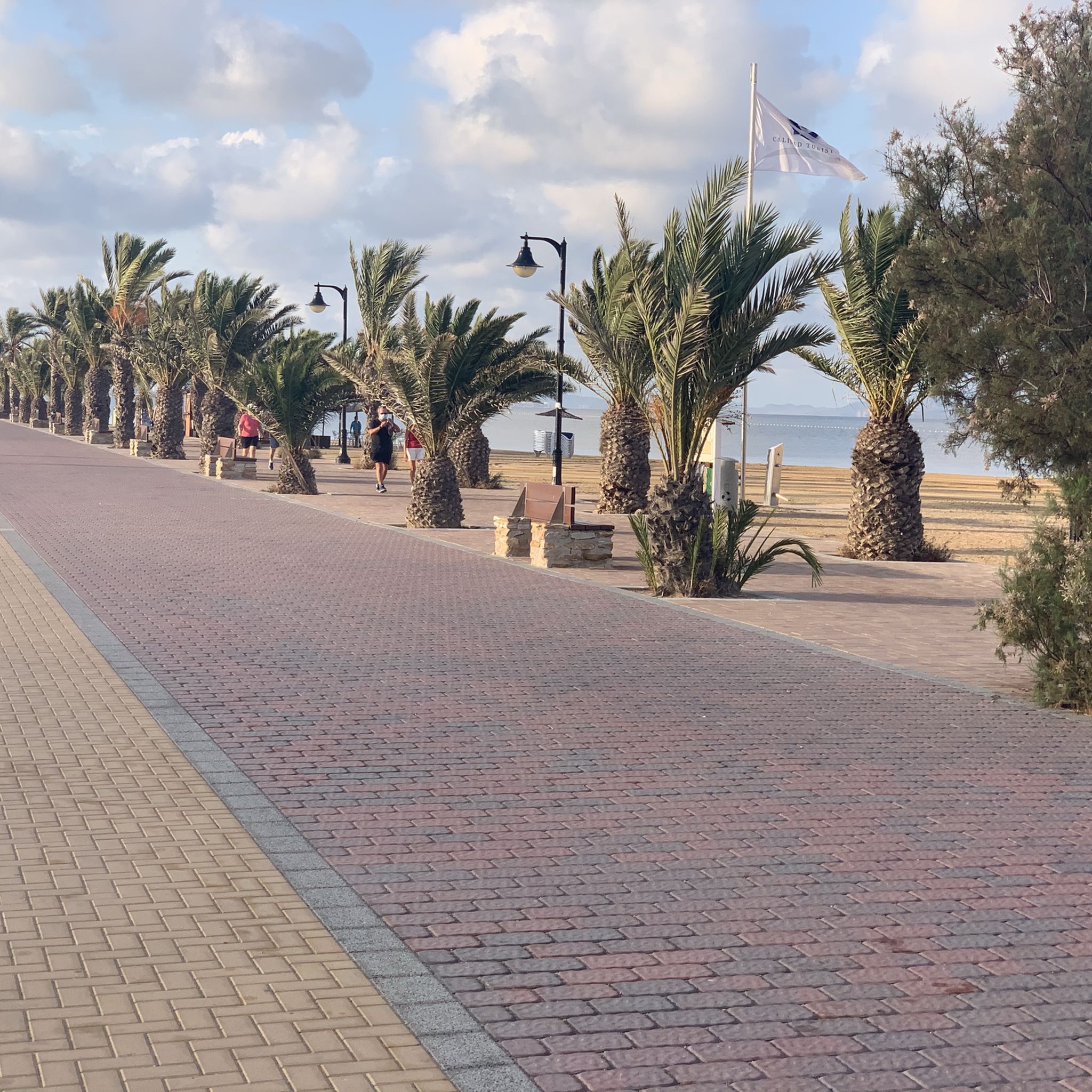
Playa de la Llana is a nice beach with shallow water for toddlers to run around freely. Nice sandy beach and of course in certain periods of the year with mountains of seaweed. And no facilities such as toilets etc. Recommended if you are looking for a quieter less crowded beach.
3
0
The mud of the ponds is the result of centuries of action of the sun and the very salty water of the Mar Menor. The result is a mud that, when applied to the skin, has great therapeutic value for all types of ailments: rheumatism, arthritis, gout, skin pathologies, rehabilitation after fractures, throat, etc. The ideal complement to the treatment is to take a bath in the mineralized water of the Mar Menor.
4
0
The mud of the ponds is the result of centuries of action of the sun and the very salty water of the Mar Menor. The result is a mud that, when applied to the skin, has great therapeutic value for all types of ailments: rheumatism, arthritis, gout, skin pathologies, rehabilitation after fractures, throat, etc. The ideal complement to the treatment is to take a bath in the mineralized water of the Mar Menor.
5
0

Natural beach, very clean. There are large amounts of posidonia. This means that the water is fairly free of contamination and that the dunes and the ecosystem of the beach in general are improving compared to the past.
1
1

Outdoor mud therapy area. The mud of the Salinas is characterized by long exposure to the sun and the salty water from the Mar Menor. The result is a clay mud that is applied to the skin and is said to have great therapeutic value for all kinds of ailments. Rheumatism and arthritis are among them. In addition, on the opposite side you can take a bath in the mineralized water of the Mar Menor. There are thalassotherapy and spa centers in the area.
1
0
Frequently Asked Questions
What natural features can I explore in Salinas y Arenales de San Pedro del Pinatar?
The region is dominated by the Regional Park of Las Salinas y Arenales de San Pedro del Pinatar, a significant wetland area. You can explore extensive salt flats, sand dunes, and beaches. A notable highlight is the Salt Flats and Sand Dunes of San Pedro del Pinatar, offering incredible landscapes and diverse flora and fauna between the Mediterranean Sea and the Mar Menor.
Are there opportunities for birdwatching in Salinas y Arenales de San Pedro del Pinatar?
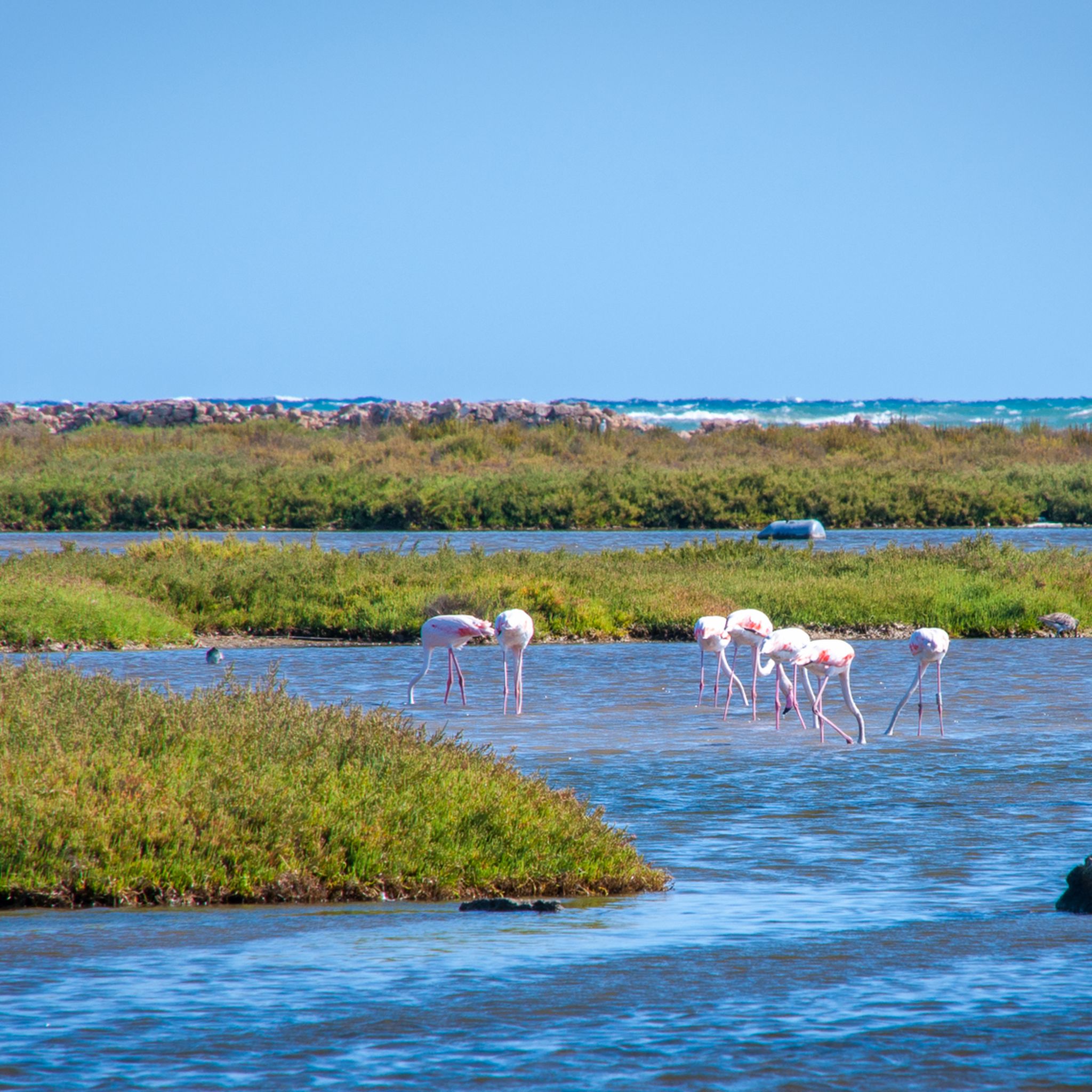
Yes, the Regional Park is a crucial stopover and nesting site for numerous bird species, recognized as a Special Protection Area for Birds (ZEPA). Flamingos are a particularly spectacular sight, especially in late June or late summer. You can also spot gulls, albatrosses, herons, and grebes. Bird observatories and hides are available for visitors.
What historical sites or cultural landmarks can I visit in the area?
The area features historical windmills, such as Molino de la Calcetera and Molino de Quintín. These early 20th-century windmills were historically used to transfer water for salt production and stand as symbols of the region's cultural heritage. You can also observe 'Las Encañizadas,' traditional fishing structures that demonstrate a unique coexistence of human activity and nature.
Are there therapeutic mud baths available in Salinas y Arenales de San Pedro del Pinatar?
Yes, the area is famous for its therapeutic mud baths, particularly at Mud Baths at Villananitos Beach. The highly saline water and strong sun have created a clay-like mud believed to have therapeutic value for various ailments like rheumatism and skin conditions. It's an open-air, free spa experience, with information panels explaining the procedure.
What kind of beaches can I find in Salinas y Arenales de San Pedro del Pinatar?
The park includes extensive sand dunes and beaches, such as Playa de la Torre Derribada and the three beaches of La Llana. La Llana Beach is a wide, sandy beach known for its shallow water, making it suitable for families. These beaches offer opportunities for walking and cycling, with some dunes reaching over three meters in height.
Are there family-friendly activities in Salinas y Arenales de San Pedro del Pinatar?
Absolutely. Many attractions are suitable for families, including the Salt Flats and Sand Dunes of San Pedro del Pinatar, which offer easy walking and cycling routes with informative posters. The Mud Baths at Villananitos Beach and La Llana Beach are also noted as family-friendly, providing opportunities for relaxation and play in shallow waters.
What outdoor activities and trails are available for walking or cycling near these attractions?
The Regional Park offers several marked trails of medium-low difficulty for hiking and cycling, with explanatory posters along the way. You can find numerous routes for various activities. For cycling, explore options like the 'Club Náutico de Los Alcázares – D'Lounge Beach Cafe loop' which is an easy ride. For more routes, check out the Cycling in Salinas Y Arenales De San Pedro Del Pinatar guide.
Is the area accessible for people with mobility challenges?
Yes, some areas are designed with accessibility in mind. For instance, the Mud Baths at Villananitos Beach are wheelchair accessible, and there is a bike path along the coast that enhances accessibility to the area. The walking paths within the natural park are generally of low difficulty.
When is the best time to visit Salinas y Arenales de San Pedro del Pinatar?
The best time to visit depends on your interests. For birdwatching, late June or late summer is ideal to see flamingos. The mild climate of the region generally makes it pleasant for outdoor activities throughout much of the year. For beach activities and mud baths, the warmer months are preferable, but a calm day is recommended for beaches like La Llana.
Where can I find more information about the Regional Park of Las Salinas y Arenales?
The Visitor Center 'Las Salinas,' located at the park's entrance, offers extensive information about the park's flora, fauna, and the salt production process through static displays and informative materials. It's a great starting point for understanding the area's ecological significance.
Are there specific routes for running or mountain biking near the attractions?
Yes, the flat terrain and scenic paths make the area suitable for running and mountain biking. For running, you can find routes like the 'La Playuela Beach – La Llana Beach loop' which is a moderate 7.2 km trail. For mountain biking, consider the 'New Park and Health Walk – Plaza Antonio Sánchez Lozano loop' which is an easy 24.5 km route. More options are available in the Running Trails and MTB Trails in Salinas Y Arenales De San Pedro Del Pinatar guides.
What makes the salt flats of San Pedro del Pinatar unique?
The salt flats are unique due to their historical significance in salt production, dating back to ancient times, and their role as a vital ecosystem. They create a distinctive landscape of various pond areas, contributing to the region's rich biodiversity. The high salinity also plays a key role in the formation of the therapeutic mud baths found nearby.
Can I bring my dog on trails in the natural park?
While the guide data doesn't explicitly state dog-friendly policies for all trails, many natural parks in Spain allow dogs on leashes on designated paths. It is advisable to check local signage or contact the Visitor Center 'Las Salinas' for specific regulations regarding pets within the Regional Park of Las Salinas y Arenales de San Pedro del Pinatar.
Most popular routes in Salinas Y Arenales De San Pedro Del Pinatar
Most popular attractions in Salinas Y Arenales De San Pedro Del Pinatar

Get inspired with the komoot mobile app


Explore more
Still not found the Highlight you’re looking for? See guides of the top attractions in other regions:
