The 4 Most Amazing Peaks in Sierra Espuña
Best mountain peaks in Sierra Espuña are found within a protected regional natural park in Murcia, Spain. This area is part of the Penibaetic System, characterized by woods, gorges, and unique "Morrones de Espuña" peaks. The park was reforested starting in the late 19th century and has been a protected natural area since 1992. It offers diverse landscapes from pine forests to high-mountain scenery.
Best mountain peaks in Sierra Espuña
- The most popular mountain peaks is Collado Bermejo, a…
Last updated: June 29, 2026
Collado Bermejo
Highlight • Mountain Pass
Translated by Google •
Tip by

Morrón de Alhama Summit
Highlight • Summit
Translated by Google •
Tip by

Sign up now to discover places like this
Get recommendations on the best single tracks, peaks, & plenty of other exciting outdoor places.
Sign up for free
Morra de las Moscas
Highlight • Summit
Translated by Google •
Tip by

Pedro López Peak
Highlight • Summit
Translated by Google •
Tip by

Start today with a free account
Your next adventure awaits.
Login or Signup
Popular around Sierra Espuña
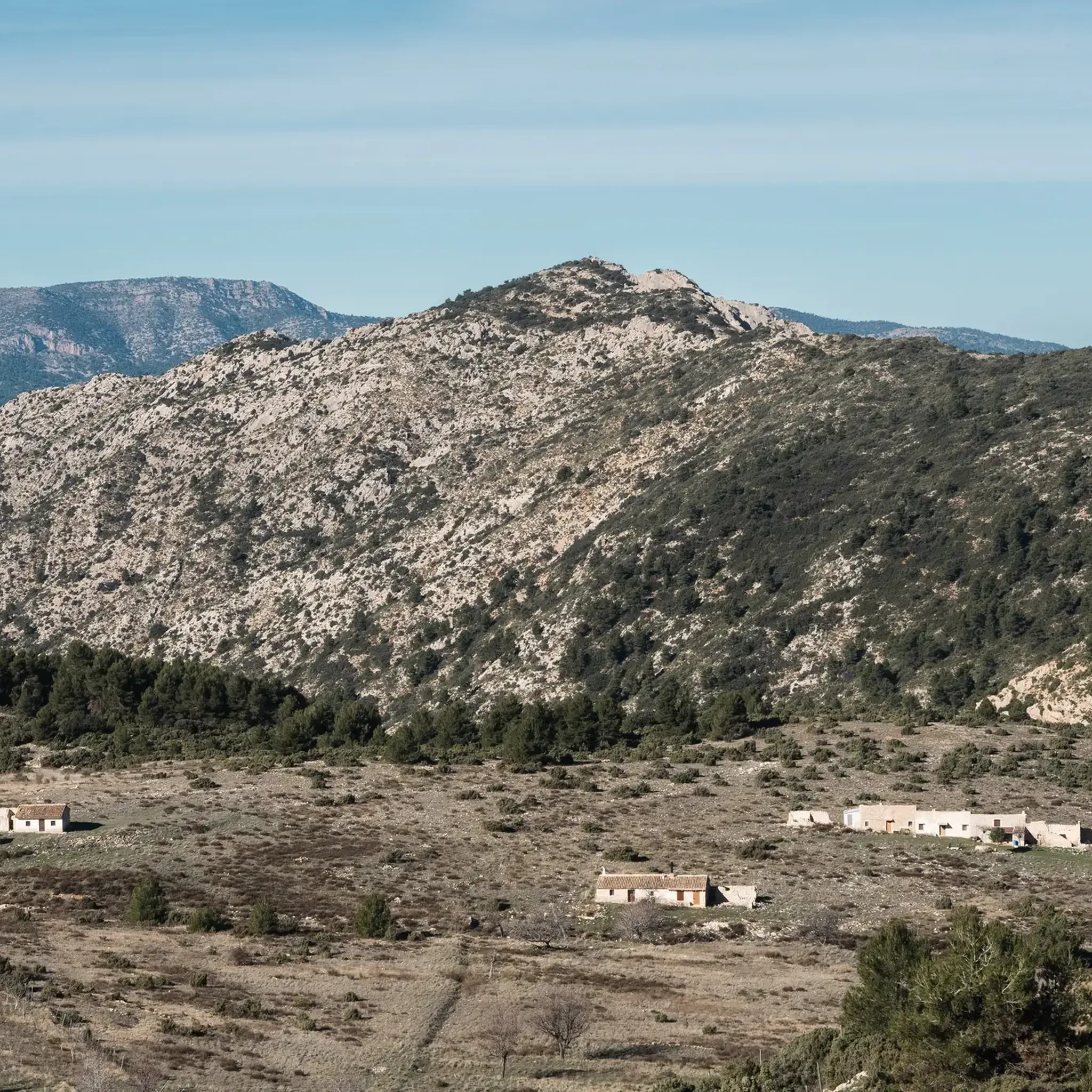
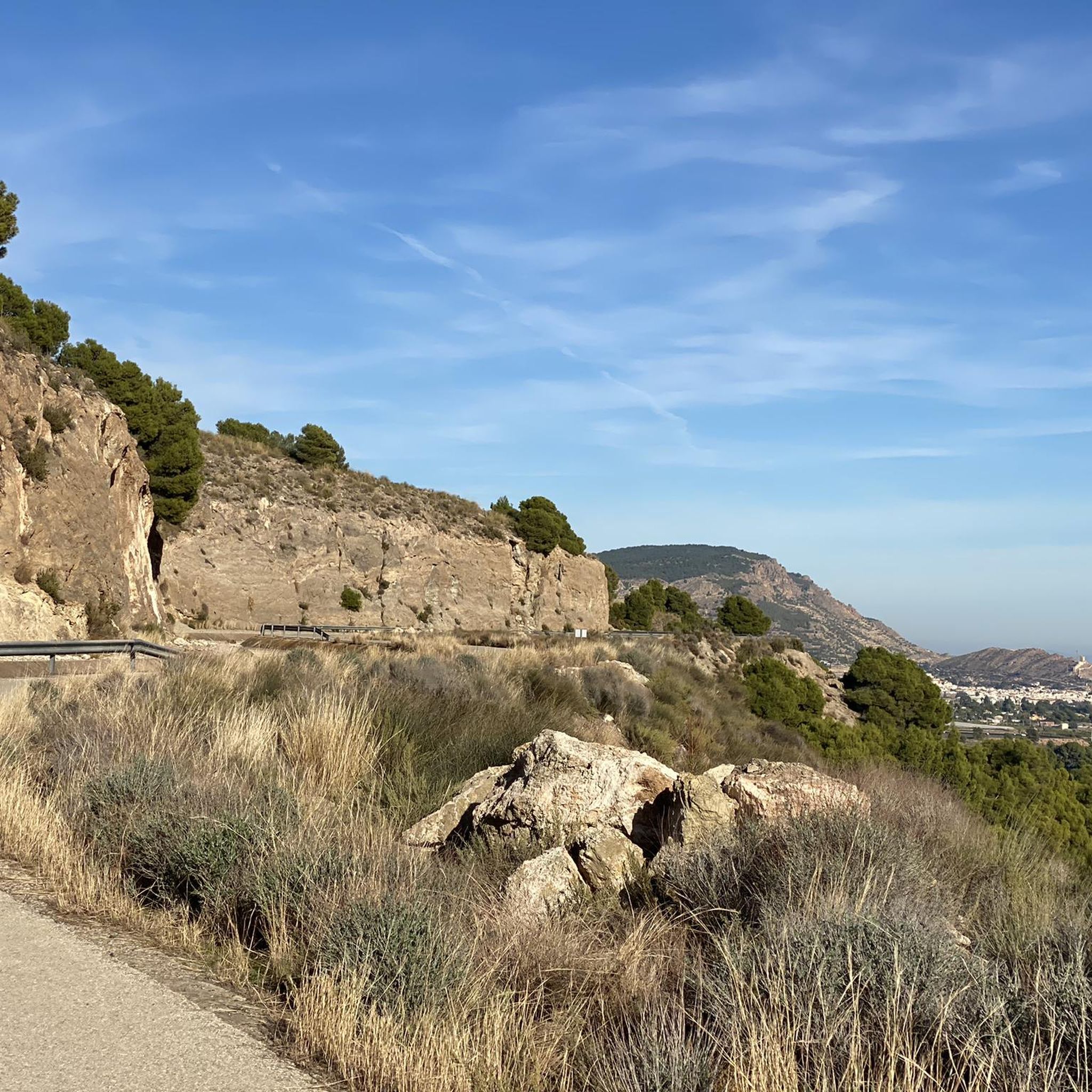
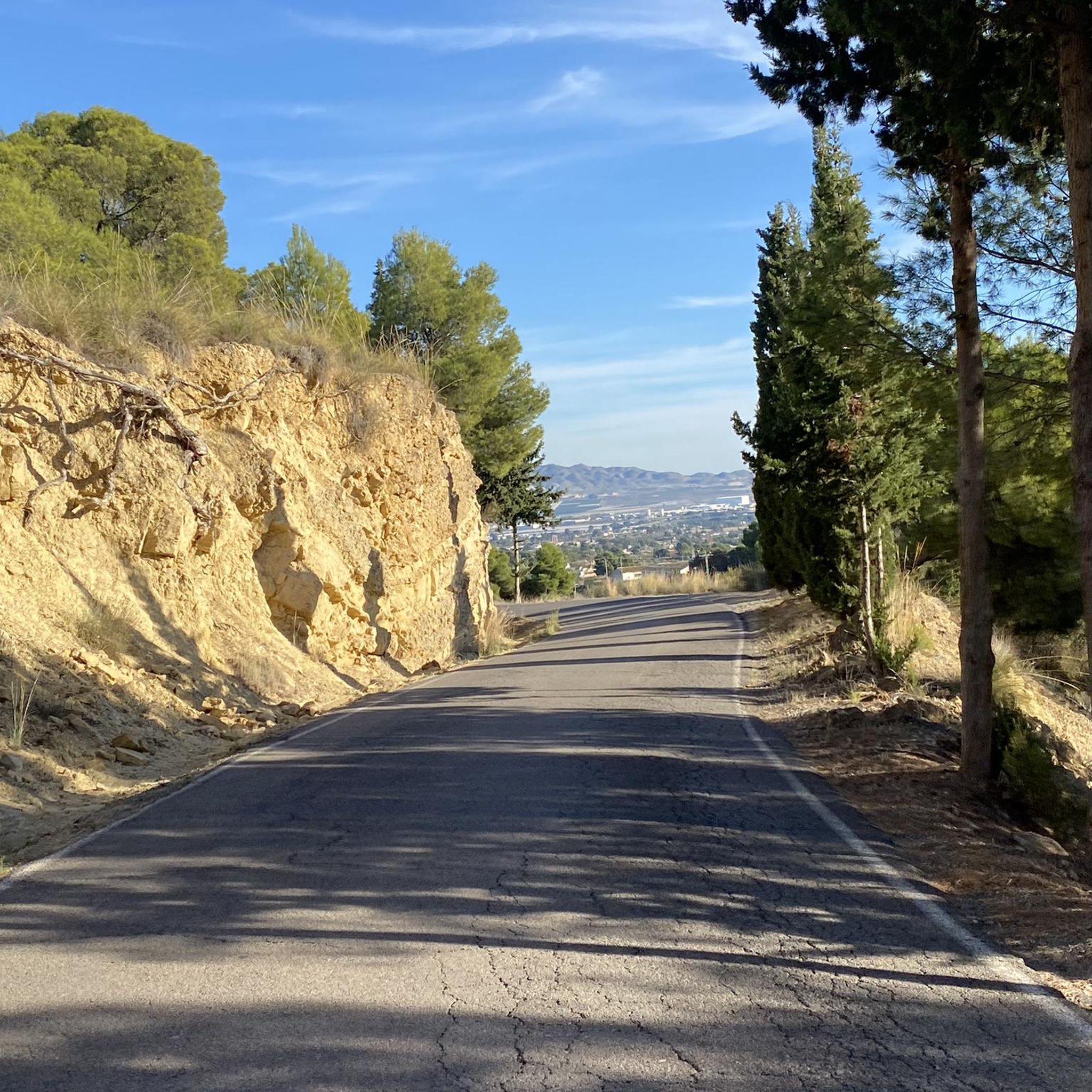



Tips from the Community

From the Ricardo Codorniú Visitor Centre, a very long forest track leads up to this mountain pass.
0
0
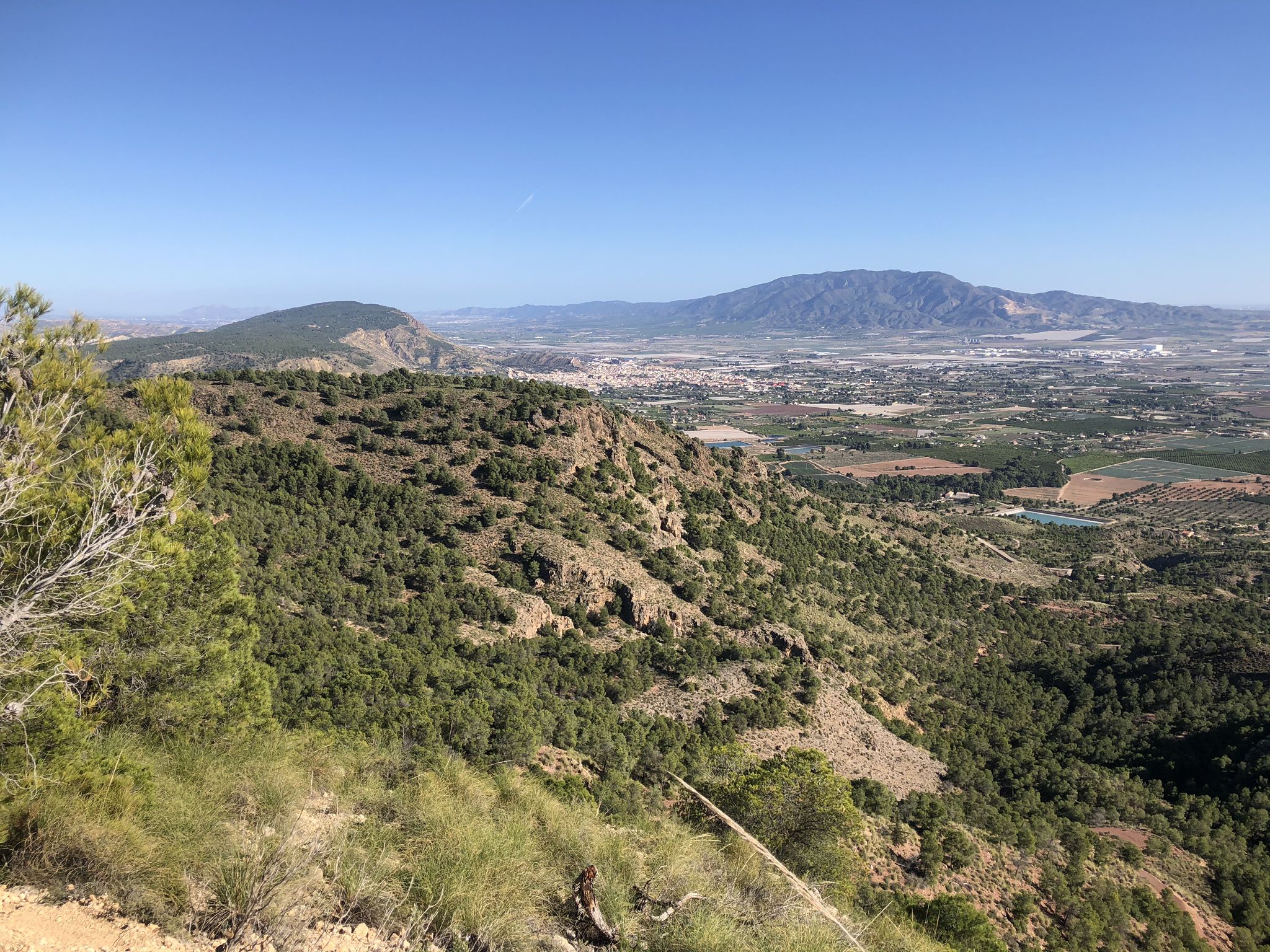
Geodetic vertex of Pico Pedro López with spectacular views of Sierra Espuña.
0
0

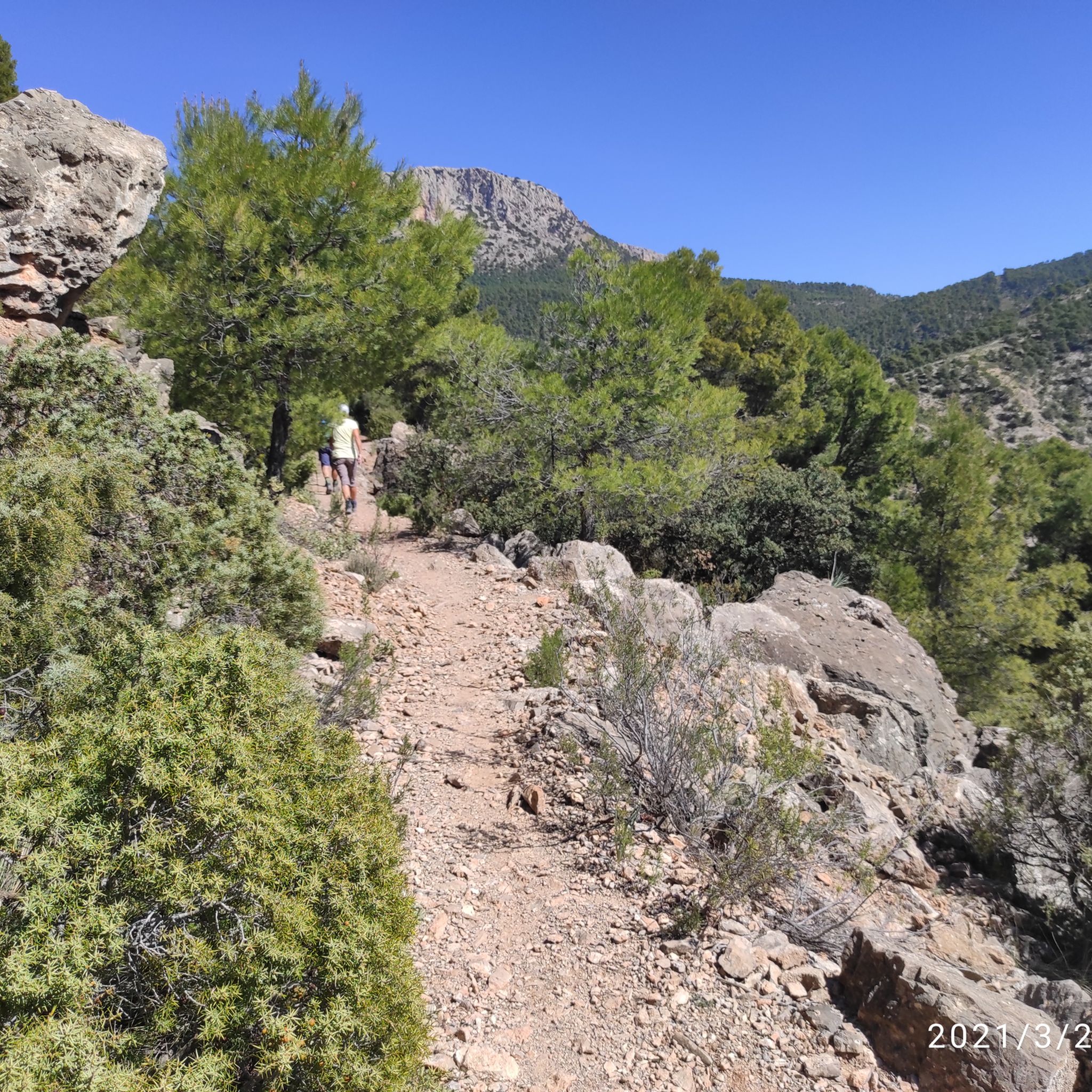
Very beautiful loop starting from La Perdrix which leads to Morrón de Alhama via the Portillo pass, the Blanco pass and the descent via Carascoy.
1
1


Good summit to link Collado Mangueta and Morrón de Alhama.
0
0

Summit of the pass through the Enspuña.
0
0

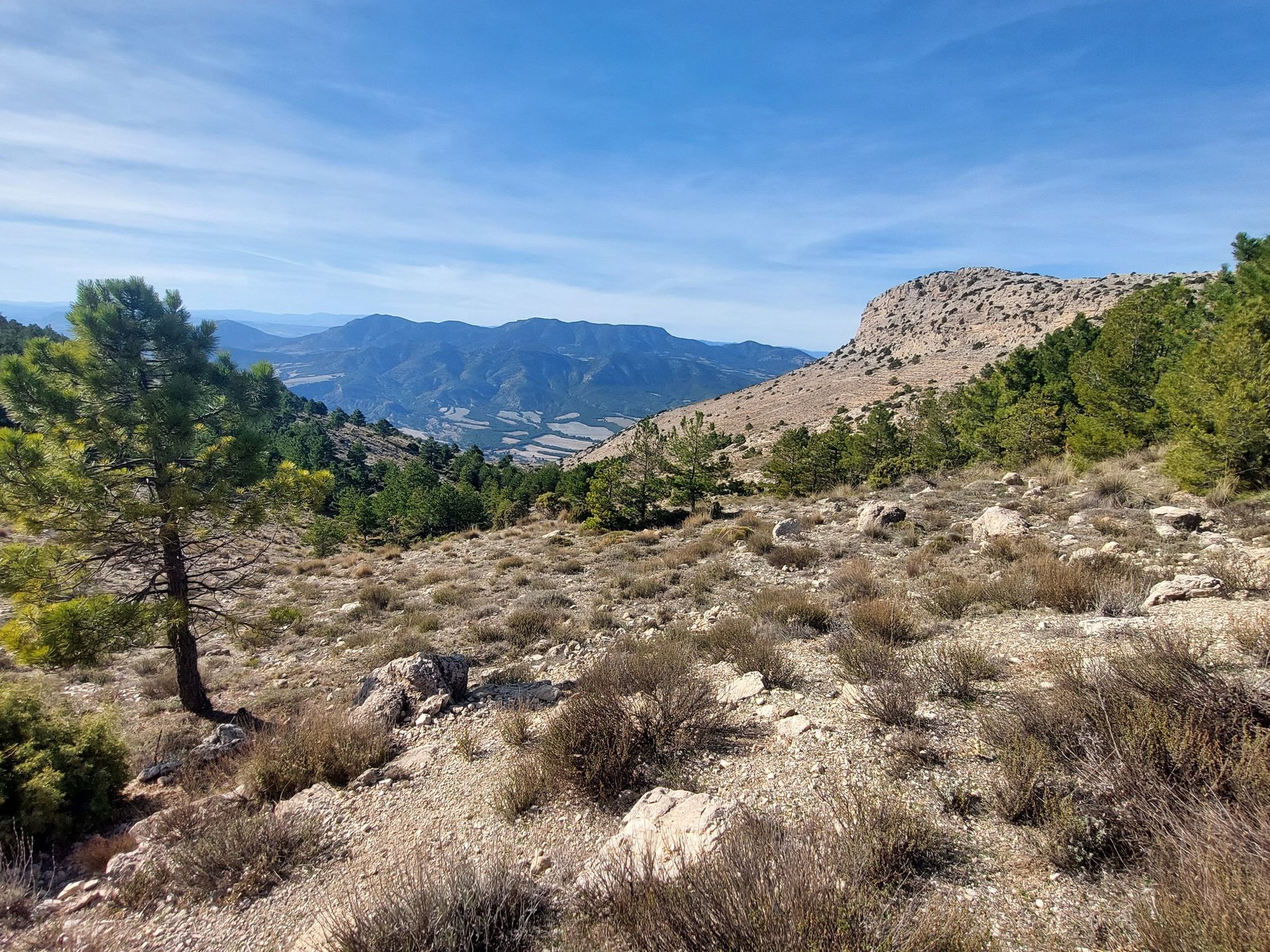
Located in the Sierra Espuña and at an altitude of 1,201 m, we reach the Bermejo pass accompanied by a pine forest during the ascent and where we find a beautiful viewpoint. At this point, a brief false flat is imposed to recover energy and breath and contemplate the panorama and places as beautiful as Umbría de Peña Apartada, Peña Apartada itself, Cerro de la Garita, and of course, the deep and green Valley of the Espuna River. To the north, we find the Morrón de Espuña, and to the west the Barranco de Enmedio, El Purgatorio and the Pedro López hill.
1
1

Pedro López is the second highest mountain in Sierra Espuña. Get ready to get some beautiful views during the walk.
0
1
Frequently Asked Questions
What are the highest mountain peaks in Sierra Espuña?
The highest peak in Sierra Espuña is Espuña (also known as Morrón de Espuña), standing at 1,583 meters. The second highest is Poyos de Pedro López at 1,568 meters. Other notable high peaks include Pinos Blancos (1,512 meters) and Morra de las Moscas, which is above 1,500 meters.
Which peaks offer the best panoramic views in Sierra Espuña?
For unparalleled panoramic vistas, Espuña (Morrón de Espuña) offers breathtaking views of the entire Sierra. Collado Bermejo, a mountain pass at 1,201 meters, provides one of the best panoramic views of the Sierra, including Umbría de Peña Apartada and the Espuña River Valley. Morrón de Alhama Summit (1,444 meters) also offers spectacular views of the regional park and the Guadalentín valley.
Are there challenging hiking routes to the peaks in Sierra Espuña?
Yes, Sierra Espuña is known for challenging ascents. Reaching the summit of Espuña (Morrón de Espuña) is a rewarding hike. The route to Morrón de Alhama Summit, at 1,444 meters, is considered challenging and may involve some rock climbing near the top, requiring appropriate footwear and caution.
Are there easy or family-friendly mountain walks in Sierra Espuña?
Yes, Sierra Espuña offers a network of trails for all fitness levels. For easier options, you can find routes like the Hiking loop from Cabezo de los Castillicos or the Peña Apartada loop from Parque Regional de Sierra Espuña. These are part of the Easy hikes in Sierra Espuña guide, perfect for families or those seeking a gentler experience.
What historical sites can I visit near the mountain peaks?
Near the peaks, you can explore the fascinating 16th-century Pozos de Nieve (Snow Wells), circular structures used historically to store snow and produce ice. These are located around 1,400 meters and offer a unique glimpse into past practices. Additionally, the Barrancos de Gebas, with its 'lunar scenery' of gorges and ravines, offers a striking natural and historical contrast to the forested peaks.
What types of outdoor activities can I do near these mountain peaks?
Beyond hiking, Sierra Espuña is a hub for various outdoor activities. You can find numerous options for road cycling, with routes like the Tajo-Segura Transfer Canal loop. For off-road adventures, explore gravel biking trails such as the Sierra Espuña gravel tour. The park is also popular for mountain biking, rock climbing, and hang-gliding.
What natural features and wildlife can I expect to see in Sierra Espuña?
Sierra Espuña boasts diverse landscapes, from lush pine forests (a result of extensive reforestation) to high-mountain scenery, gorges, and steppes. It's a Special Protection Area for birds, so you might spot golden eagles. The park is also home to various flora and fauna, including mouflons, making it a rich environment for nature observation.
When is the best time to visit Sierra Espuña for hiking?
The best seasons for hiking in Sierra Espuña are generally spring and autumn when temperatures are milder and the landscapes are vibrant. Summer can be very hot, especially at lower elevations, while winter can bring snow to the higher peaks, offering a different but potentially more challenging experience.
Are there any specific viewpoints worth visiting by car in Sierra Espuña?
Yes, for those who prefer to explore by car, winding mountain roads lead to designated viewpoints offering stunning vistas. Collado Bermejo is not only a hiking destination but also a fantastic viewpoint accessible by road, providing extensive views of the Sierra. The Mirador de los Barrancos offers beautiful views of the unique Barrancos de Gebas 'lunar scenery'.
What do visitors enjoy most about the mountain peaks in Sierra Espuña?
Visitors frequently highlight the incredible panoramic views from summits like Espuña (Morrón de Espuña) and Pedro López Peak. The sense of accomplishment from reaching the highest points, the diverse natural beauty, and the well-maintained network of trails for all levels are also highly appreciated. Many enjoy the unique historical elements like the Pozos de Nieve and the striking geological formations.
What should I wear when hiking the peaks in Sierra Espuña?
When hiking the peaks in Sierra Espuña, it's advisable to wear appropriate footwear, especially for routes involving rockier terrain like Morrón de Alhama Summit. Layered clothing is recommended as weather conditions can change, particularly at higher elevations. Always bring plenty of water, especially for longer routes or during warmer months.
Most popular routes in Sierra Espuña
Most popular attractions in Sierra Espuña

Get inspired with the komoot mobile app


Explore more
See even more amazing summits in Sierra Espuña with these guides:
