The best road cycling routes in Prat De Cabanes-Torreblanca
4.5
(126)
7,974
riders
117
rides
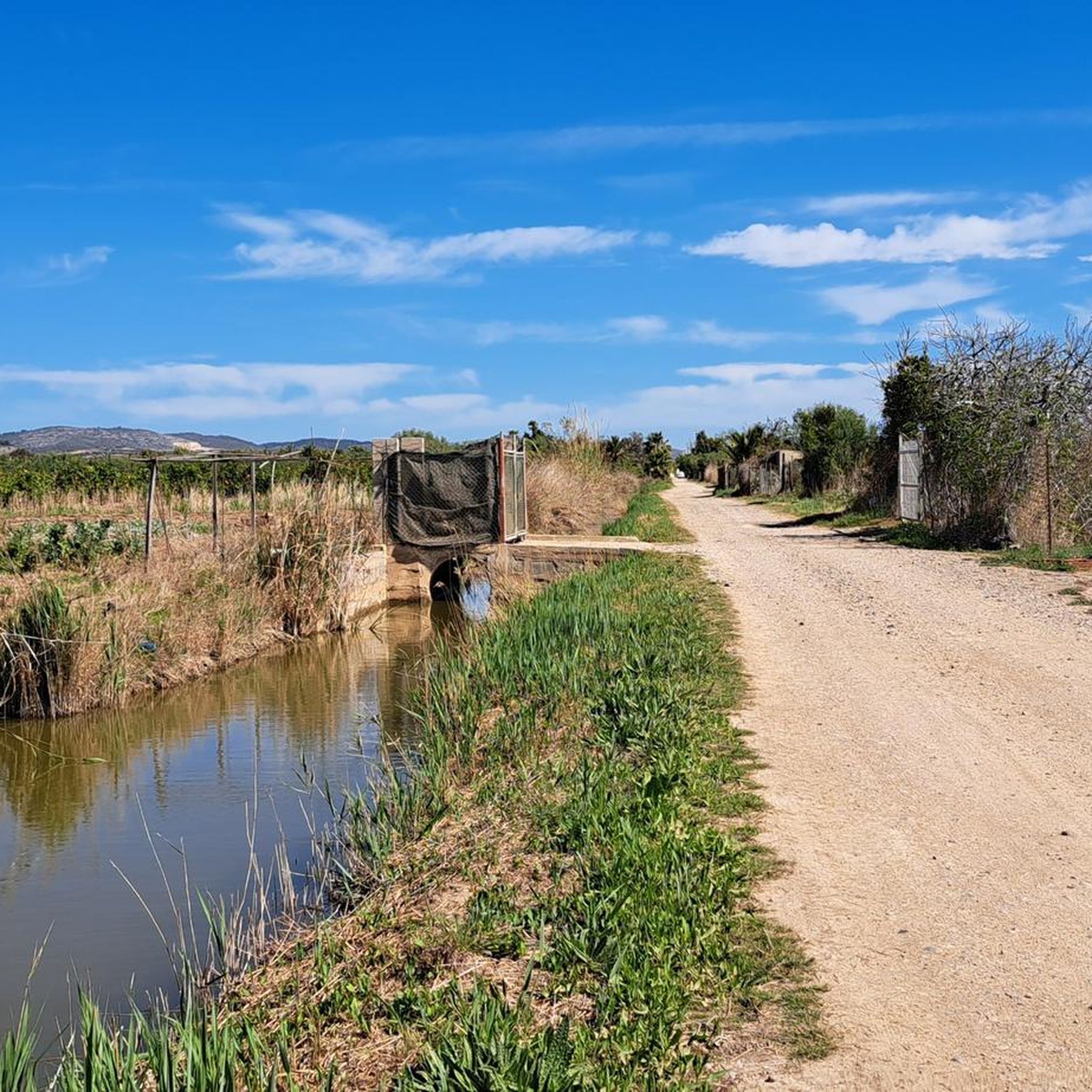
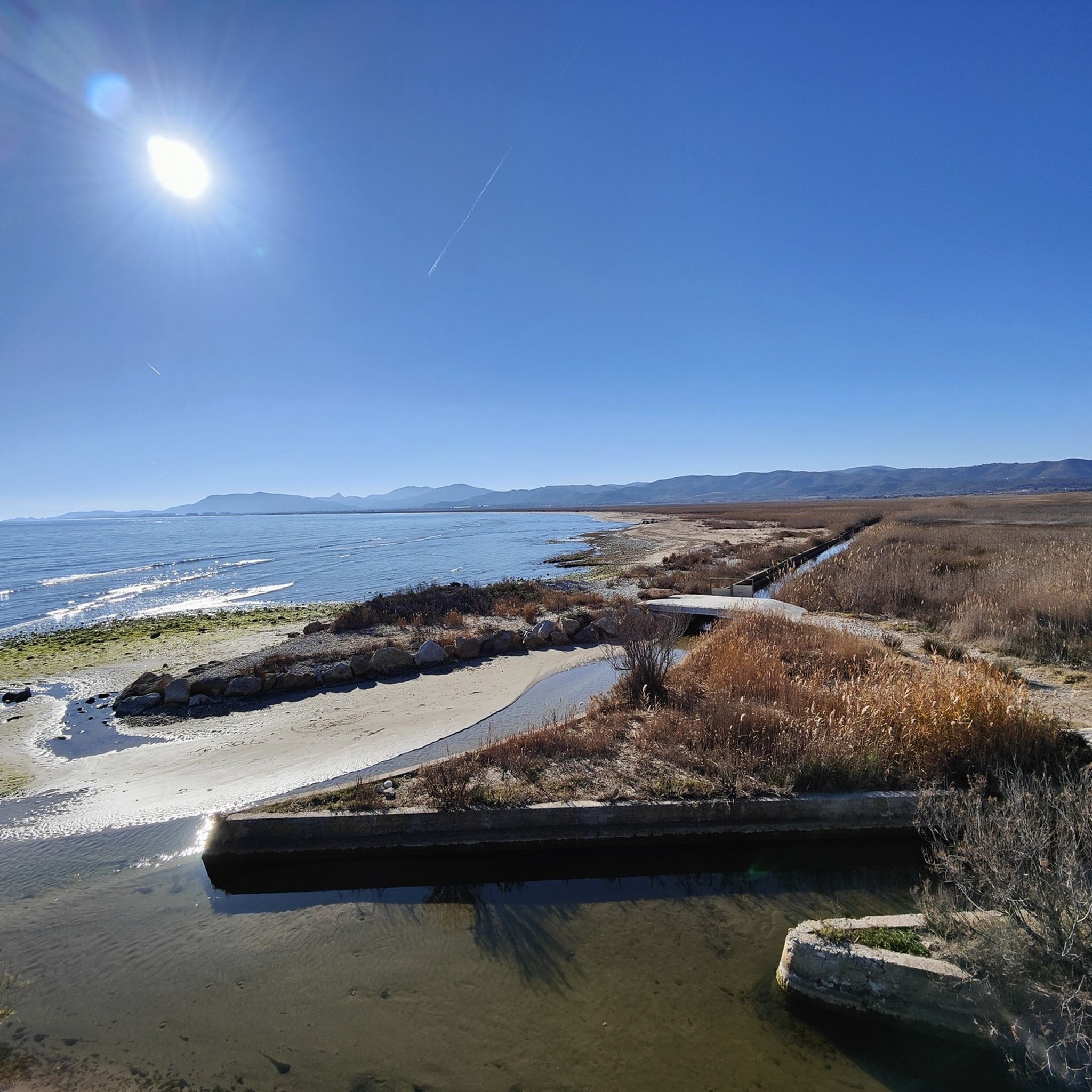
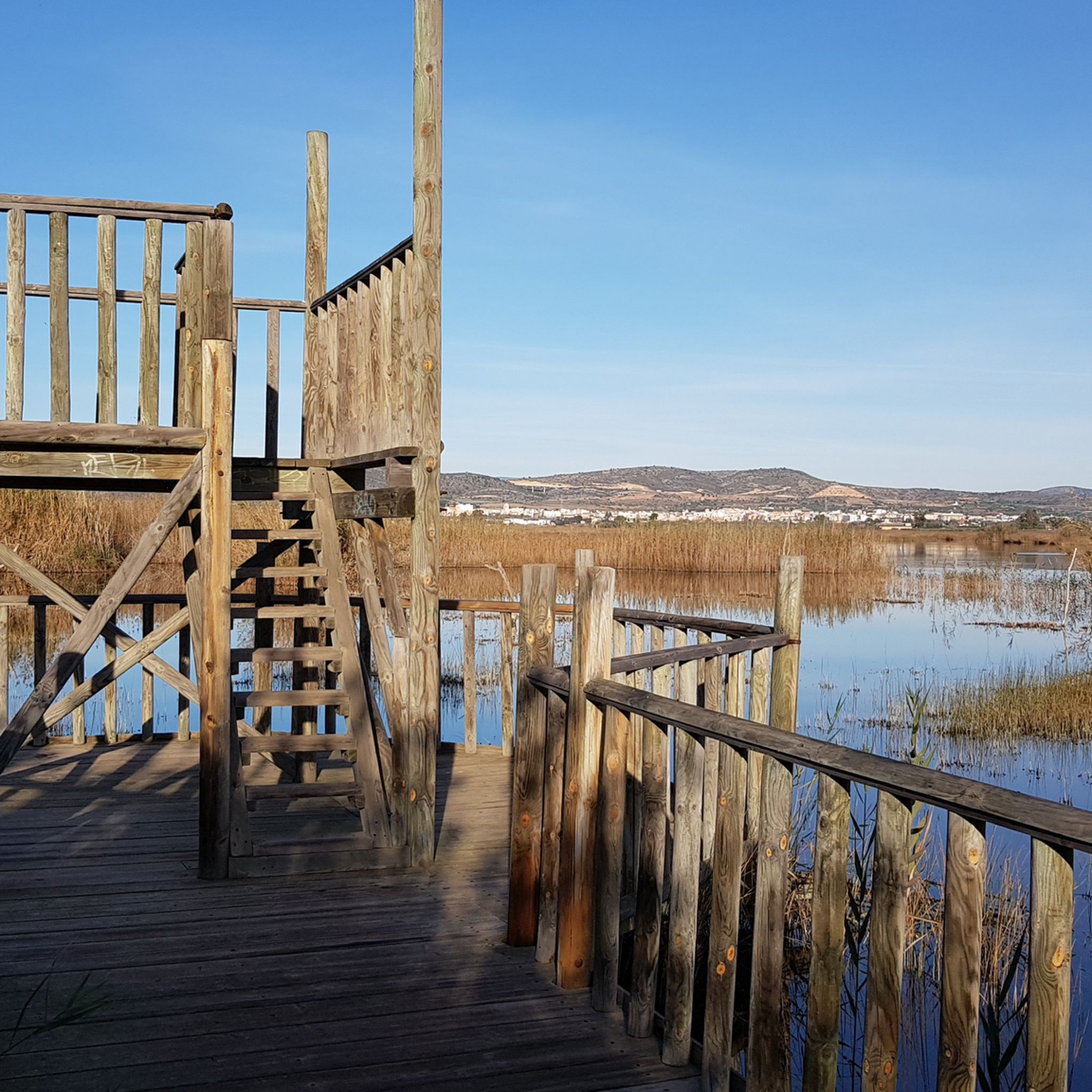
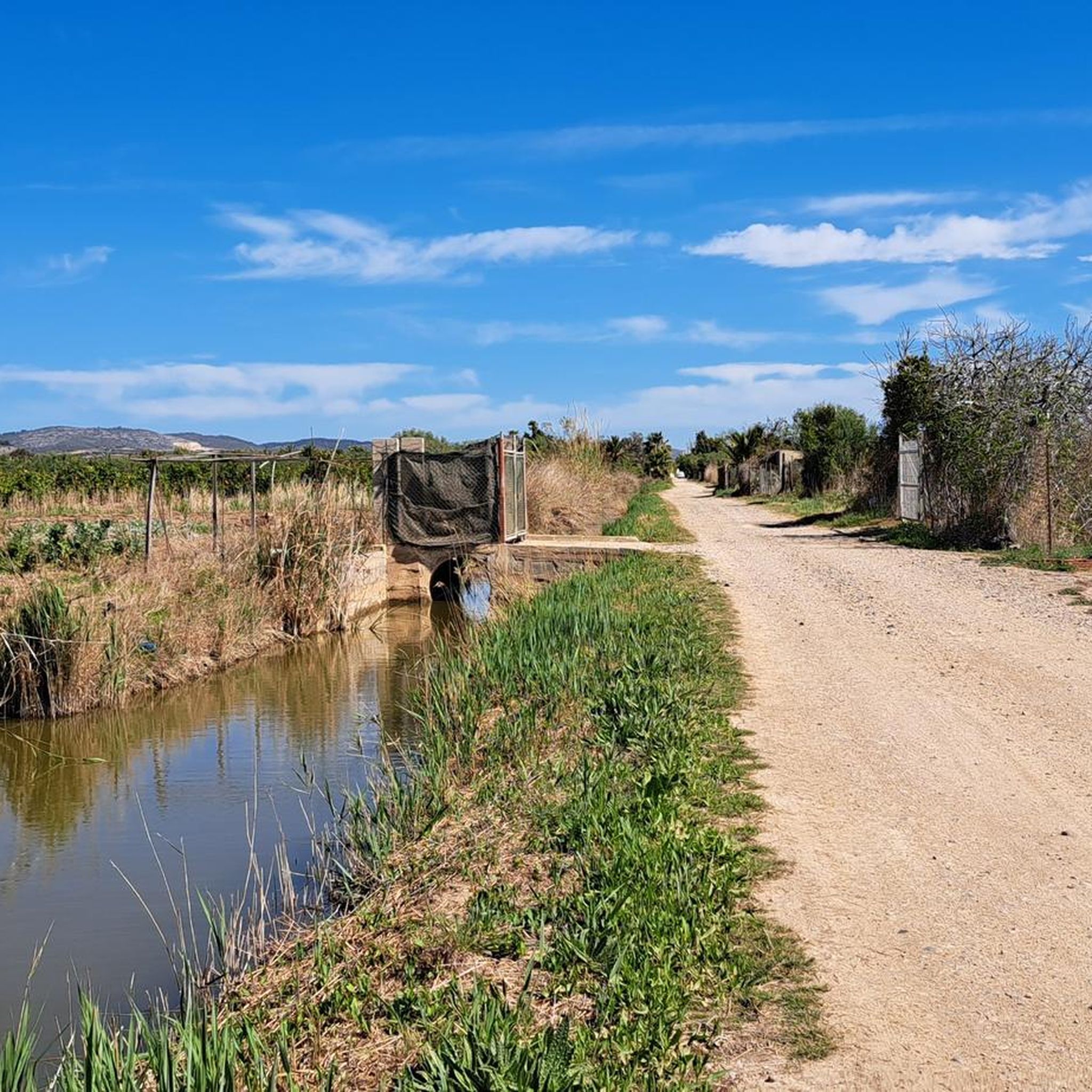
Road cycling routes in Prat De Cabanes-Torreblanca traverse a diverse landscape characterized by a narrow coastal strip of salt marshes and wetlands, including the Prat de Cabanes-Torreblanca Natural Park. The region offers varied terrain, from well-paved surfaces along the coastline to routes with significant elevation gains in the nearby hills and mountains. Cyclists can explore areas bordering the Desert de les Palmes natural reserve and connect to broader networks like Eurovelo 8. The area provides cycling infrastructure suitable for different fitness levels, ranging from flat coastal paths to more challenging ascents.
Best road cycling routes in Prat De Cabanes-Torreblanca
- The most popular road cycling route is Alto Les Cabanes – Cabanes Pass loop from Parc Natural del Prat de Cabanes-Torreblanca, a 20.2 miles (32.6 km) trail that takes 1 hour 35 minutes to complete, featuring moderate climbs through the natural park.
- Another top favourite among local road cyclists is Puerto de la Serratella – Cabanes Pass loop from Torreblanca, a difficult 71.0 miles (114.3 km) path with substantial elevation gain, offering panoramic views.
- Local road cyclists also love the Torrenostra Beach – The Lake loop from Torreblanca, a 20.5 miles (33.1 km) trail leading through coastal areas and near the lake, often completed in about 1 hour 22 minutes.
- Road cycling in Prat De Cabanes-Torreblanca is defined by coastal paths, unique wetlands, and routes extending into nearby hills. The network offers options for various ability levels, from easy rides to challenging ascents.
- The routes in Prat De Cabanes-Torreblanca are highly rated by the komoot community with an average score of 4.6 stars from more than 100 reviews. More than 7,000 road cyclists have used komoot to explore Prat De Cabanes-Torreblanca's varied terrain.
Last updated: September 3, 2026
27
riders
37.6km
01:49
510m
510m
Moderate road ride. Good fitness required. Mostly well-paved surfaces and easy to ride.
41
riders
Moderate road ride. Great for any fitness level. Some segments of this route may be unpaved and difficult to ride.

Sign up for free
5.0
(2)
447
riders
115km
05:22
1,360m
1,360m
Hard road ride. Very good fitness required. Some segments of this route may be unpaved and difficult to ride.
94
riders
95.4km
04:21
960m
960m
Hard road ride. Very good fitness required. Mostly well-paved surfaces and easy to ride.
4.0
(2)
69
riders
Moderate road ride. Good fitness required. Some segments of this route may be unpaved and difficult to ride.
Get access to more routes and recommendations from other explorers.
Sign up for free
Already have an account?
Our route recommendations are based on thousands of hikes, rides, and runs completed by other people on komoot.
Start today with a free account
Your next adventure awaits.
Login or Signup

Tips from the Community

Alcalà de Xivert is a beautiful town in Castellón whose charming historic center reflects the Mediterranean light in its narrow streets and monuments.
0
0

A very nice section of the via verde
0
0


Alcossebre Coast and Sierra de Irta
0
0
Coastal area of Alcossebre with beaches and walkways
0
0


Beautiful former railway line along the sea.
1
0

Incredible mountain pass. It is quite easy to get to. The village is small and has a fountain.
0
0
Frequently Asked Questions
How many road cycling routes are available in Prat De Cabanes-Torreblanca?
Prat De Cabanes-Torreblanca offers over 110 road cycling routes, catering to a wide range of skill levels. You'll find everything from easy coastal rides to challenging mountain ascents.
What kind of terrain can I expect on road cycling routes in Prat De Cabanes-Torreblanca?
The region features diverse terrain, including well-paved surfaces along the coastline, compact dirt tracks within the Prat de Cabanes-Torreblanca Natural Park, and routes with significant elevation gains in the nearby hills and mountains, such as those bordering the Desert de les Palmes natural reserve.
Are there road cycling routes suitable for beginners or families?
Yes, there are routes with low difficulty and minimal motor vehicle traffic, ideal for beginners or family outings. For instance, the Torrenostra Beach – The Lake loop from Torreblanca is an easy 20.5-mile (33.1 km) trail that takes you through coastal areas and near the lake, with minimal elevation.
Where can I find challenging road cycling routes with significant elevation?
For experienced cyclists seeking a challenge, routes extending into the hills and mountains offer substantial elevation gains. The Puerto de la Serratella – Cabanes Pass loop from Torreblanca is a difficult 71.0-mile (114.3 km) path with over 1,300 meters of climbing, providing panoramic views.
What natural features can I explore while road cycling in the area?
You can cycle through the unique salt marshes and wetlands of the Prat de Cabanes-Torreblanca Natural Park, explore the tranquil Lagoons of Parc Natural del Prat, or enjoy the scenic coastline with its heavenly pebble beaches and unspoilt stretches like Quarter Vell.
Are there any circular road cycling routes in Prat De Cabanes-Torreblanca?
Yes, many routes are designed as loops, allowing you to start and end in the same location. An example is the moderate Alto Les Cabanes – Cabanes Pass loop from Parc Natural del Prat de Cabanes-Torreblanca, a 20.2-mile (32.6 km) trail with moderate climbs through the natural park.
What landmarks or attractions can I see along the road cycling routes?
Beyond the natural beauty, you can encounter historical defense towers like La Sal Tower, and pass by the Torre la Sal Coastal Promenade. The Prat de Cabanes-Torreblanca Natural Park also has an Information Centre at Torre la Sal providing details about the area.
What is the best time of year for road cycling in Prat De Cabanes-Torreblanca?
The region offers pleasant cycling conditions for much of the year. Spring and autumn generally provide mild temperatures, ideal for longer rides. Even in summer, coastal routes can be enjoyable, though it's best to cycle during cooler parts of the day.
Is there public transport access to the cycling routes in Prat De Cabanes-Torreblanca?
The region is working on improving sustainable access. There are plans for a new cycle-pedestrian route connecting Torre La Sal and Torrenostra. While specific public transport links directly to trailheads for bikes may vary, the area is generally accessible, and you can connect to broader networks like Eurovelo 8.
What do other road cyclists enjoy most about cycling in Prat De Cabanes-Torreblanca?
The area is highly rated by the komoot community, with an average score of 4.6 stars from over 100 reviews. Cyclists often praise the unique blend of coastal paths, the tranquility of the wetlands, and the challenging ascents into the nearby hills, offering diverse experiences for all skill levels.
Are there any routes that connect to larger cycling networks?
Yes, Prat de Cabanes-Torreblanca connects to the Eurovelo 8 network, offering broader cycling possibilities for those looking to extend their rides beyond the immediate region. Additionally, the area is part of the La Plana de l'Arc Green Trail Network.
Can I find routes that offer views of the sea and mountains?
Absolutely. Many routes combine stunning coastal views with glimpses of the mountainous hinterland. You can ride along the Mediterranean coast and also venture towards areas like the Desert de les Palmes natural reserve, which provides a dramatic backdrop to your ride.
Most popular routes in Prat De Cabanes-Torreblanca
Most popular attractions in Prat De Cabanes-Torreblanca

Get inspired with the komoot mobile app


Explore more
Browse the best Road cycling routes in other regions.
