Attractions and Places To See in Salines De Santa Pola - Top 12
Best attractions and places to see in Salines De Santa Pola include a protected Natural Park, characterized by extensive salt flats and wetlands. This area is significant for its active salt production and as a vital ecosystem for numerous bird species, notably flamingos. The region combines natural landscapes with cultural heritage, offering insights into traditional salt mining and coastal defense history.
Best attractions and places to see in Salines De Santa Pola
- The most popular attractions is El Pinet Observation Tower, a viewpoint that offers wonderful views of both the Salines Natural Park and El Pinet beach. It was built in the 16th century as a defense against Berber pirates.
- Another must-see spot is Entrance to the Parc Natural de les Salines de Santa Pola, a natural monument encompassing an area of 2,470 hectares declared a Natural Park. It is known for its diverse vegetation and bird species, including flamingos.
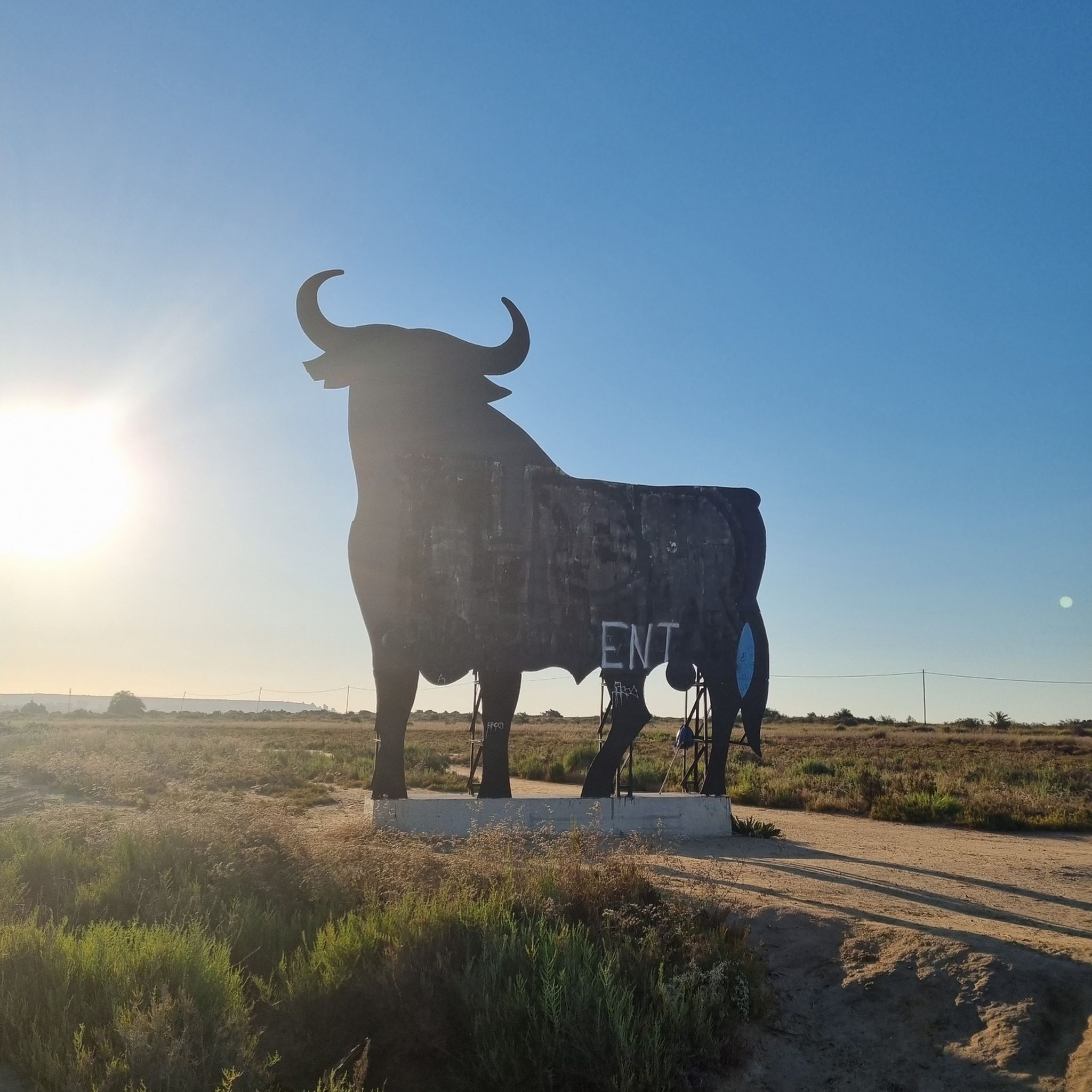
- Visitors also love El Toro 🐂 at Santa Pola, a man-made monument that is a popular motif and Spanish cult object. Originally an advertisement, it has become a national symbol visible in a prominent location.
- Salines De Santa Pola is known for natural monuments, historical sites, and viewpoints. These offer opportunities to explore the region's unique ecosystem and cultural landmarks.
- The attractions in Salines De Santa Pola are appreciated by the komoot community, with 104 upvotes and 35 photos shared.
Last updated: July 7, 2026
El Toro 🐂 at Santa Pola
Highlight • Monument
Osborne Veterano Solera Reserva Brandy de Jerez 😋👌
In 1956, the trademark was created that helped Osborne to worldwide fame - not least through the ongoing presence of the almost 14-meter-high silhouettes on Spain's highways. The Osborne bull was originally planned as a large billboard on Spanish roads, where it was to serve as an advertisement for the Veterano brandy. In 1956, the Spanish agency Azor was commissioned to design an advertising board for the Veterano brandy. The designer Manolo Prieto, who worked there, was commissioned to implement it and developed the Osborne bull, which is now known worldwide. Over time, it developed from a trademark into a national symbol of Spain. The Osborne bulls that can be found today no longer have advertising lettering. At the moment there are about 90 bulls distributed unevenly across Spain, one of which is here in Santa Pola.
Translated by Google •
Tip by

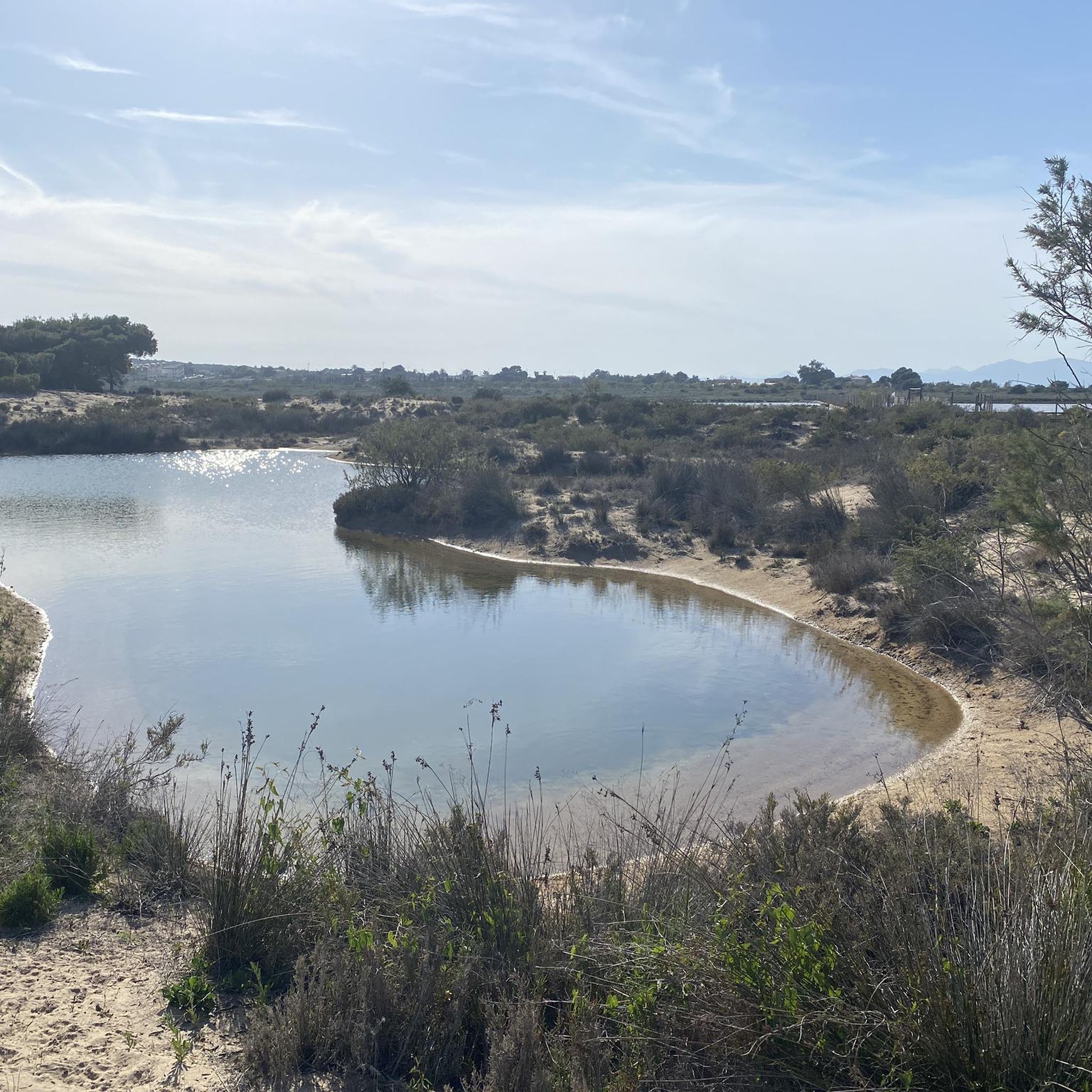
Entrance to the Parc Natural de les Salines de Santa Pola
Highlight • Natural Monument
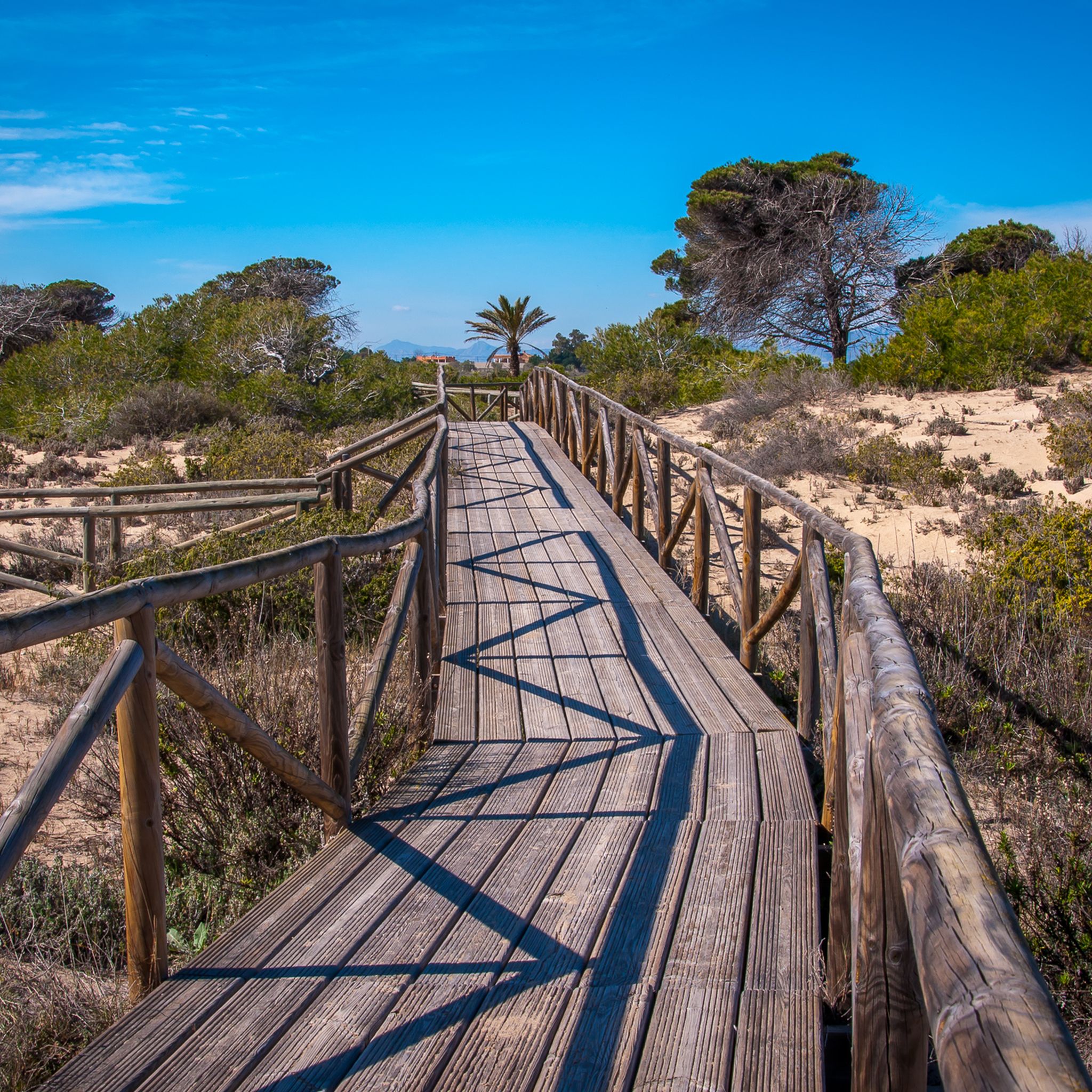
The park consists of a series of dunes and beaches on which the Salinas are located.
Due to the different environments, there is a very varied vegetation in the park.
Among the bird species present, one of the star species of the park is undoubtedly the flamingo, which reaches 8,000 during the breeding season. In general, there are many species of birds that use the park's resources to feed themselves, such as the avocet, wader, lesser tern, white pot, marble teal, shoveler, red duck, seagull, the coot or the moorhen. Due to the presence of these many bird species that also breed here, parts of the hiking trails are closed to the public during the breeding season.
Translated by Google •
Tip by

Sign up now to discover places like this
Get recommendations on the best single tracks, peaks, & plenty of other exciting outdoor places.
Sign up for free
Tamarit Tower
Highlight • Monument
The tower was built in 1552 as part of the system of coastal watchtowers established by Philip II to defend the Levantine coast. In this case, it would be the Defense of Elche, occupying an intermediate place between the Castle of Santa Pola and the Defense Tower of Pinet. Its function was to establish good communication between the two in the event of a Turkish or Berber attack. There is visual communication with the Escaletes Tower.
Translated by Google •
Tip by
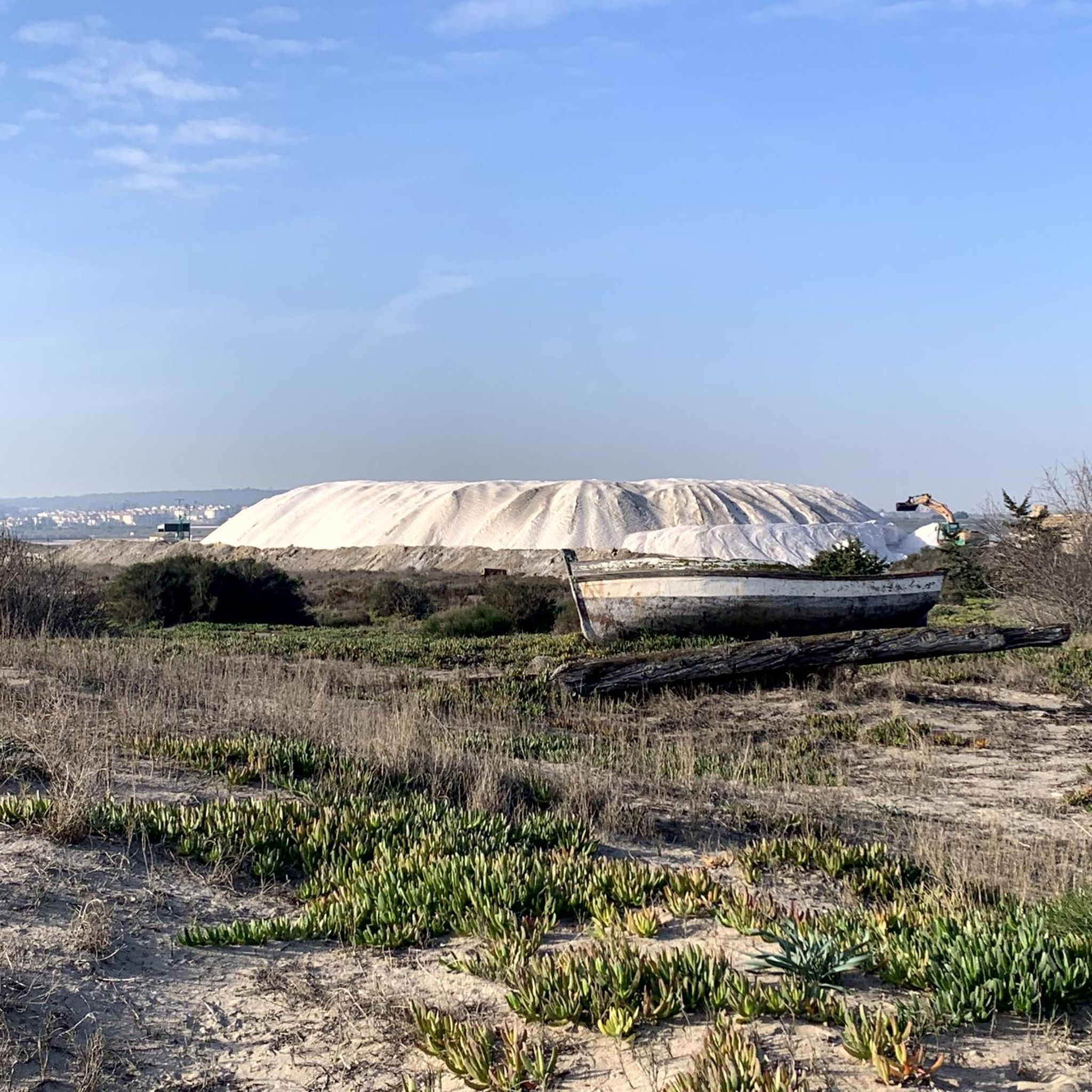
Santa Pola Salt Flats Natural Park
Highlight • Natural Monument
The area is characterized by a diverse landscape: vast salt pans, freshwater lagoons, dunes, and coastal areas provide habitat for numerous animal and plant species. Of particular note is the importance of bird species, including flamingos, black-winged stilts, redshanks, and various heron species, which regularly rest or breed here. The combination of salt production, wetlands, and coastal landscapes makes the park an outstanding example of the harmonious coexistence of humans and nature.
There's also a visitor center and the Salt Museum, which offers insights into the history of salt production and the ecological significance of the park. With its well-marked paths, observation points, and nature trails, the park is a popular destination for nature lovers who want to experience the Mediterranean landscape in all its diversity.
Translated by Google •
Tip by
El Pinet Observation Tower
Highlight • Viewpoint
Translated by Google •
Tip by

Sign up for free to discover even more attractions in Salines De Santa Pola.
Sign up for free
Already have an account?
Start today with a free account
Your next adventure awaits.
Login or Signup

Tips from the Community

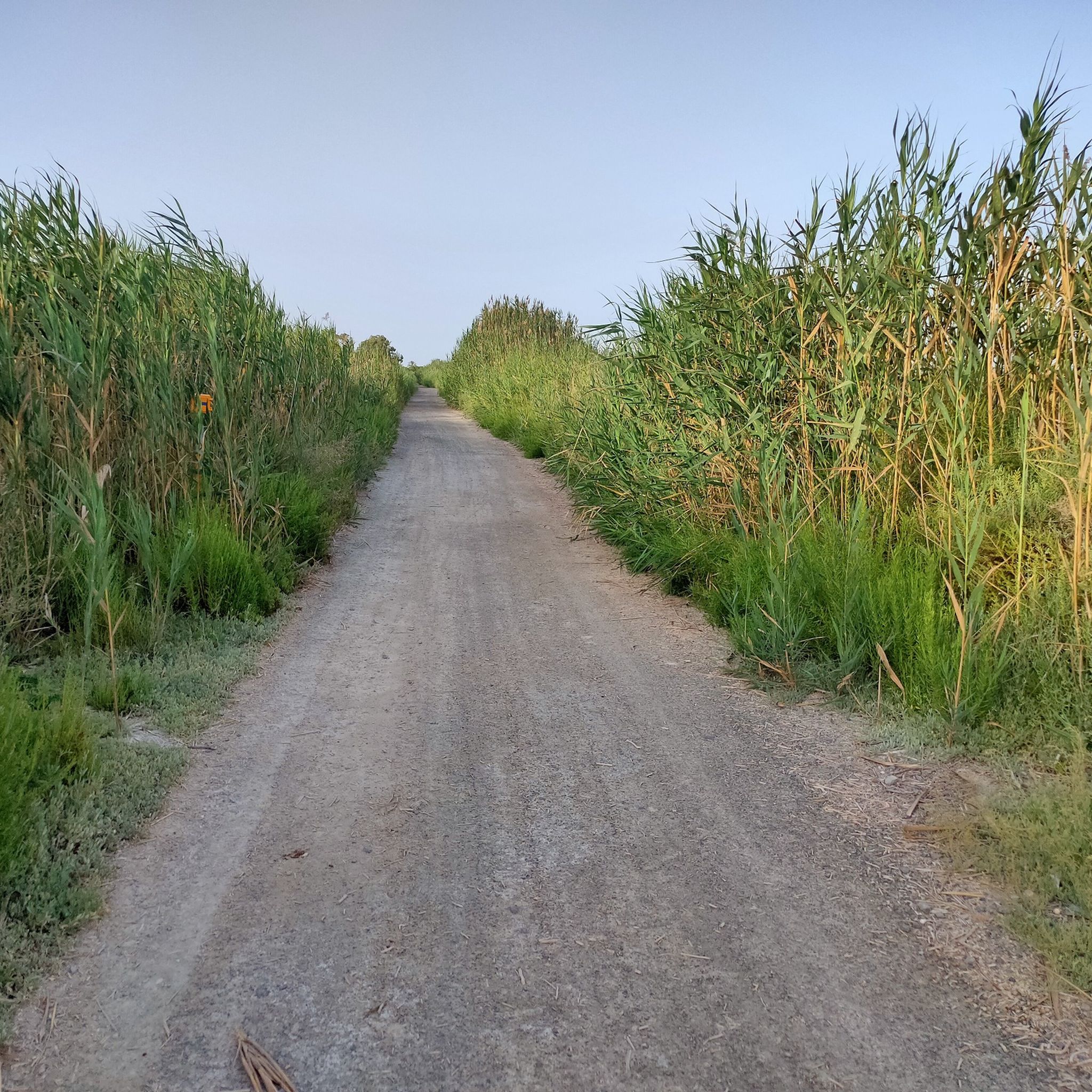
The N340 does not run through this area; there's surely a confusion about the locations. Many cyclists use this route towards La Marina - Santa Pola. Cycling on the N322 is permitted and possible. If you prefer, coming from Santa Pola, you can first cycle through the Parque Natural de les Salines towards the highlight "El Toro near Santa Pola" and only then reach the road. It's a short distance.
0
0


Nice tower on the busy N-332. The wide shoulder means you can still drive here quite easily.
2
0
After about three years, not quite so black anymore, slightly faded by the sun, different writing and new “tags”. Still an eye-catcher!
5
0

Old coastal surveillance tower in the Spanish east
1
0

It is the image of Santa Pola, but to get there by bicycle you have to take the N340 which has a lot of traffic, has no shoulder and is very dangerous.
0
0

This tower was built in the 16th century as a defense against the Berber pirates. It is part of the network of coastal towers that extends throughout the entire municipality of Elche.
9
0
The tower was built in 1552 as part of the coastal defense system introduced by Philip II along the Levantine coast. It served to protect Elche and acted as a link between the fortress of Santa Pola and the watchtower of Pinet.
7
0
Frequently Asked Questions
What natural features can I explore in Salines De Santa Pola?
Salines De Santa Pola is primarily known for its extensive Parc Natural de les Salines de Santa Pola, a vast wetland encompassing salt flats, lagoons, marshland, and coastal dunes. These diverse environments are central to the region's unique ecosystem and offer stunning landscapes.
What kind of wildlife, especially birds, can I expect to see in Salines De Santa Pola?
The Santa Pola Salt Flats Natural Park is a significant Special Protection Area for Birds. You can expect to see a wide array of avian species, most notably thousands of flamingos, especially during the breeding season. Other common sightings include avocets, stilts, shelducks, various herons, and red-crested pochards.
Are there any historical sites to visit in Salines De Santa Pola?
Yes, the region features historical sites such as the Tamarit Tower, a square coastal watchtower built in 1552 as part of a defense system against attacks. Another historical point of interest is the El Pinet Observation Tower, also from the 16th century, which served a similar defensive purpose.
What outdoor activities are available in the Salines De Santa Pola Natural Park?
The Natural Park is ideal for outdoor activities such as bird watching, with dedicated observation points. It also offers well-marked paths for hiking and cycling through its diverse environments. For more specific routes, you can explore the Running Trails in Salines De Santa Pola or Road Cycling Routes in Salines De Santa Pola guides.
Are there family-friendly attractions in Salines De Santa Pola?
Many attractions in Salines De Santa Pola are family-friendly. The Entrance to the Parc Natural de les Salines de Santa Pola and the Santa Pola Salt Flats Natural Park offer accessible paths and opportunities for bird watching that children can enjoy. Additionally, the iconic El Toro 🐂 at Santa Pola is a popular and easily visible landmark that can be a fun photo opportunity for families.
What is the best time of year to visit Salines De Santa Pola?
The Salines De Santa Pola Natural Park is a great destination year-round. However, for bird watching, the breeding season (typically spring and early summer) is particularly rewarding, as thousands of flamingos and other species are present. The milder temperatures of spring and autumn are also ideal for hiking and cycling.
Where can I learn more about the salt production history of the region?
You can learn about the history and industrial process of salt extraction at the Salt Museum (Museo de la Sal), which is located in an old salt factory within the Natural Park. It also serves as the park's visitor center and offers insights into the ecological significance of the area.
What are some unique viewpoints in Salines De Santa Pola?
For exceptional views, visit the El Pinet Observation Tower, which offers wonderful panoramas of both the Salines Natural Park and El Pinet beach. The Tamarit Tower also provides an elevated vantage point to observe the salt flats.
How long should I plan for a visit to the Salines De Santa Pola Natural Park?
To fully experience the Salines De Santa Pola Natural Park, including bird watching, exploring some trails, and visiting the Salt Museum, a half-day to a full day is recommended. This allows ample time to appreciate the diverse landscapes and wildlife.
Are there specific trails for gravel biking in the area?
Yes, Salines De Santa Pola offers several routes suitable for gravel biking. You can find detailed options in the Gravel biking in Salines De Santa Pola guide, which includes routes like the 'El Hondo Natural Park loop' and the 'Old Road to Santa Pola – Coastal road loop'.
Is the Salines De Santa Pola Natural Park accessible for visitors with mobility challenges?
The Natural Park features well-marked paths and observation points, and while specific details on wheelchair accessibility for all areas are not provided, many natural parks in Spain strive to offer accessible routes. It's advisable to check with the visitor center for the most current information on accessible trails and facilities.
Can I bring my dog to the Salines De Santa Pola Natural Park?
While the Natural Park is a protected area, some sections of hiking trails may have restrictions, especially during bird breeding seasons, to protect wildlife. It's best to check local signage or contact the park's visitor center directly for current regulations regarding dogs on trails.
Most popular routes in Salines De Santa Pola
Most popular attractions in Salines De Santa Pola

Get inspired with the komoot mobile app


Explore more
Still not found the Highlight you’re looking for? See guides of the top attractions in other regions:
