The best running trails in Sierra Norte De Guadalajara
459
runners
46
runs
Jogging in Sierra Norte De Guadalajara offers diverse experiences across a rugged and varied landscape. The region is characterized by the Ayllón and Pela mountain ranges, featuring peaks over 2,000 meters and significant elevation changes. Extensive networks of trails wind through diverse forests, including beech, oak, and pine, and follow river systems like the Jaramilla and Jarama. Geological features such as slate, quartzite, and gneiss formations contribute to the area's distinctive terrain.
Best jogging routes in Sierra Norte De Guadalajara
…Last updated: July 20, 2026
11
runners
This difficult 10.3-mile (16.6 km) circular trailrunning route from Pontón de la Oliva offers diverse terrain and historical sights along th
12
runners
11.3km
02:14
760m
760m
Tackle the challenging 7.0-mile Pico Ocejon via Chorrera de Despeñalagua circular trailrunning route from Valverde de los Arroyos, gaining 2

Sign up for free
2
runners
15.3km
02:00
350m
350m
This difficult 9.5-mile (15.3 km) jogging trail features runnable tracks and a steep climb to the Peña del Arcipreste.
1
runners
Hard run. Good fitness required. Sure-footedness, sturdy shoes and alpine experience required.
11.1km
01:34
360m
360m
Jog the difficult 6.9-mile Aljibe Pools Circular Trail in Guadalajara, featuring the spectacular Aljibe Waterfalls and charming villages.
Get access to more routes and recommendations from other explorers.
Sign up for free
Already have an account?
Our route recommendations are based on thousands of hikes, rides, and runs completed by other people on komoot.
Start today with a free account
Your next adventure awaits.
Login or Signup
Popular around Sierra Norte De Guadalajara
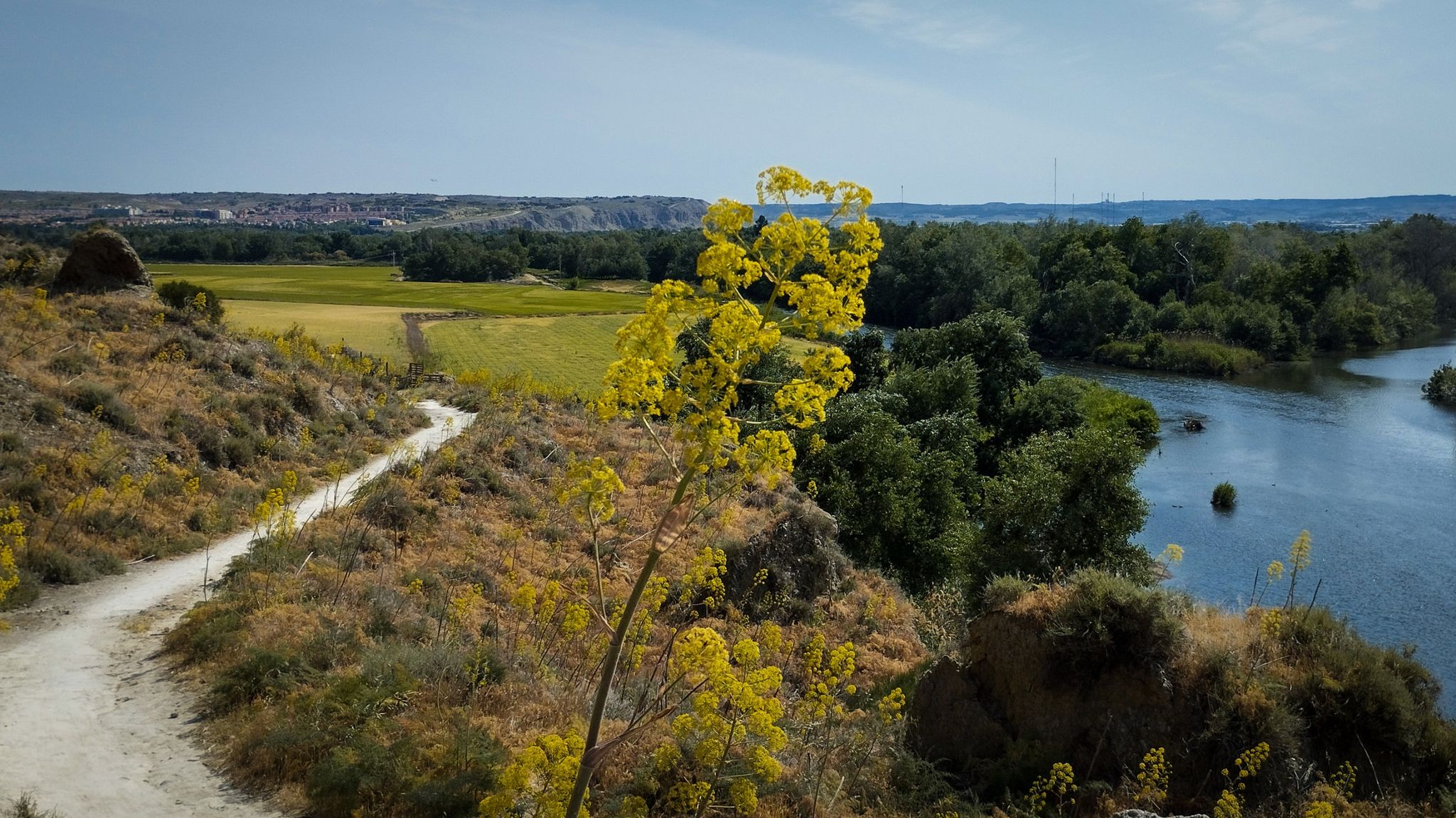
Unexpectedly wild – Jarama on a gravel bike
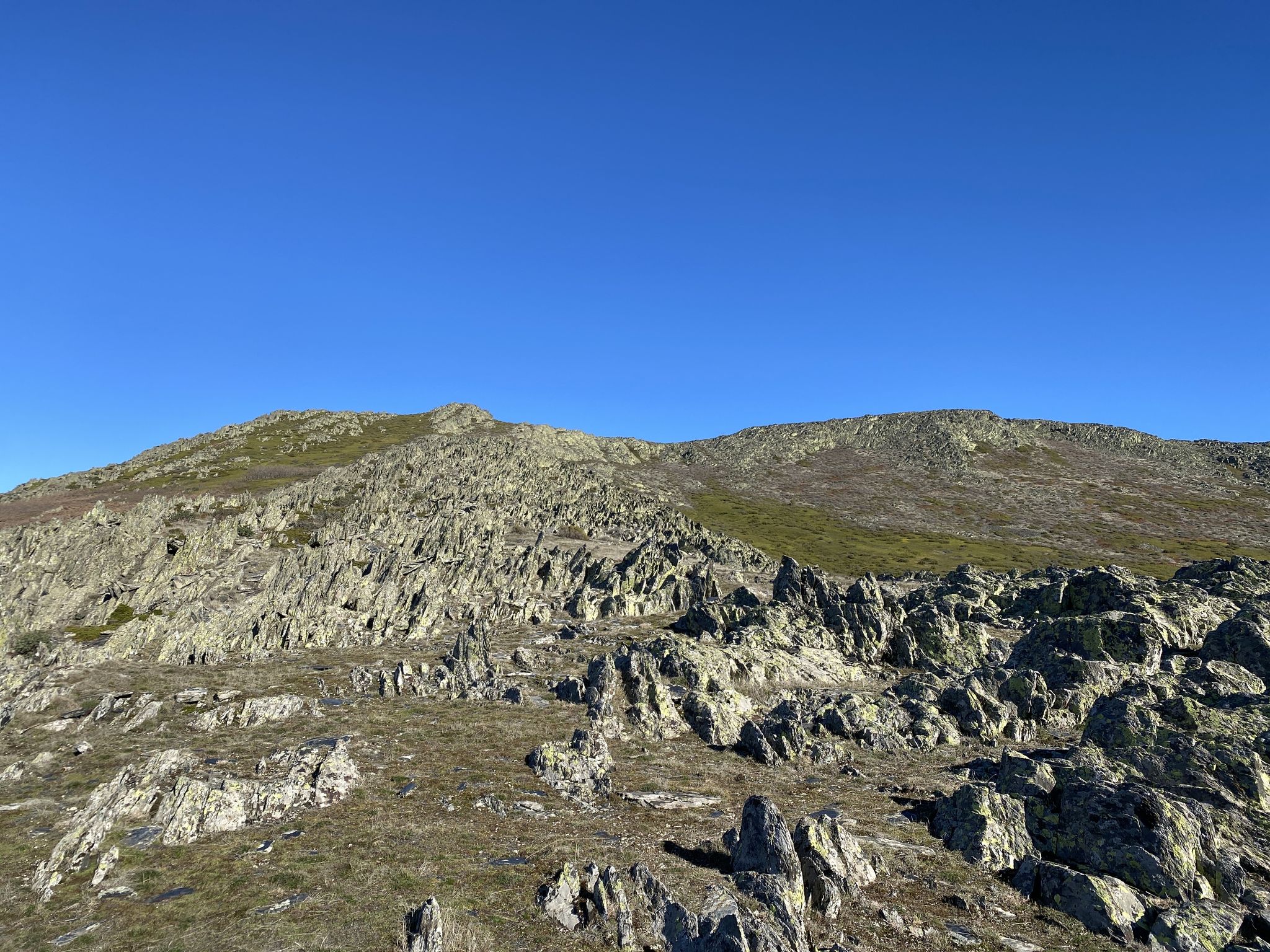
The Black Towns – Sierra Norte de Guadalajara on foot (GR 60)
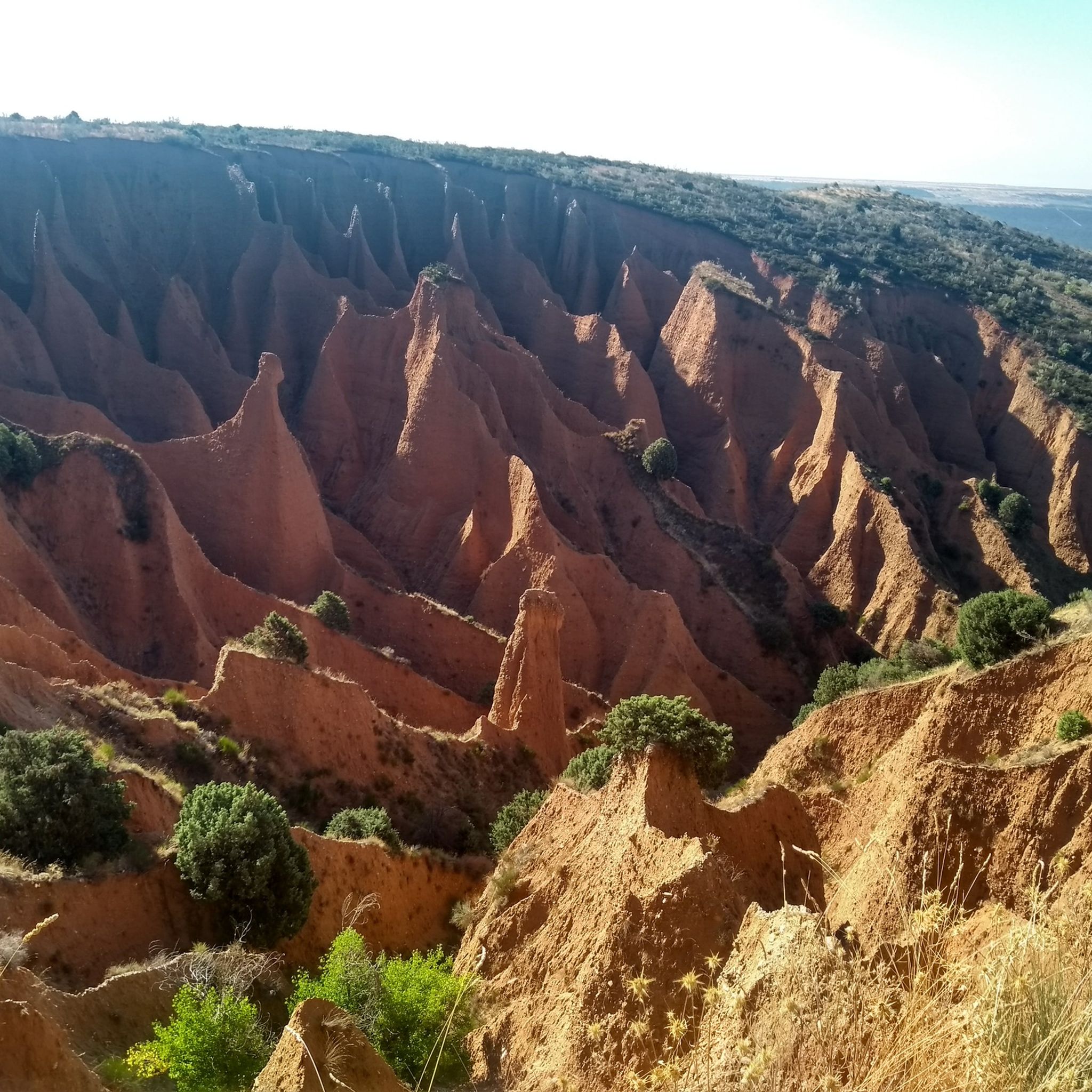
Hiking in Sierra Norte De Guadalajara
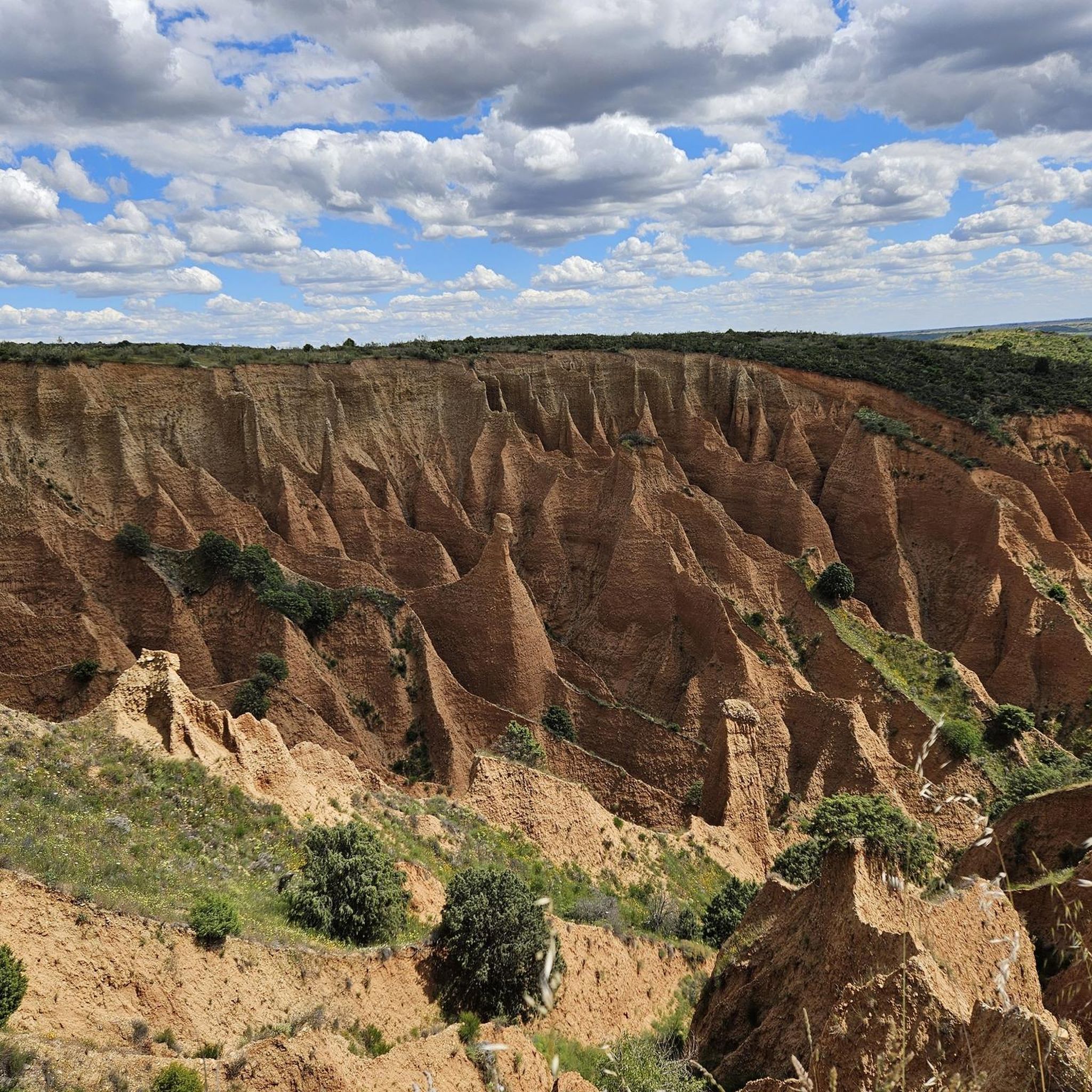
Road Cycling Routes in Sierra Norte De Guadalajara
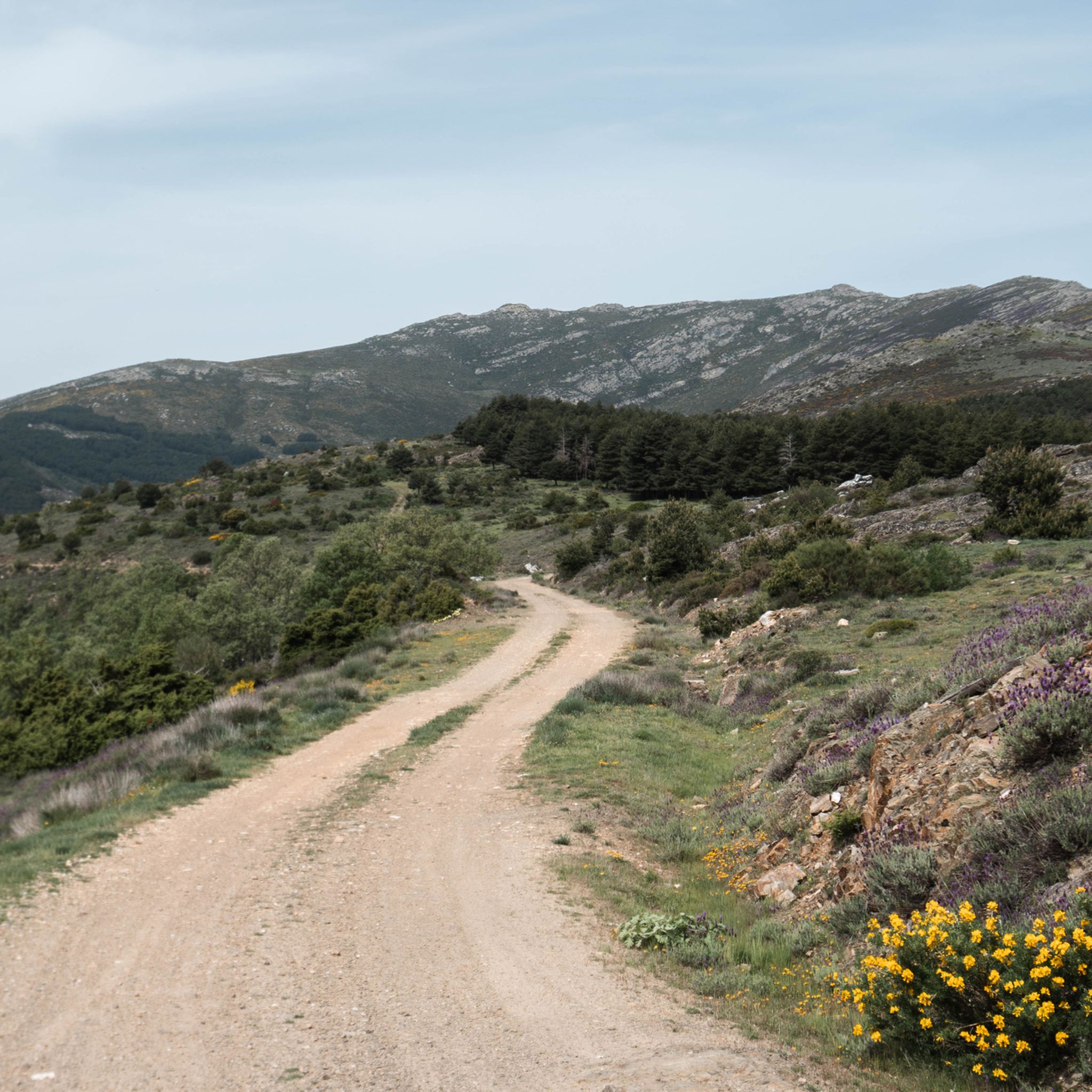
MTB Trails in Sierra Norte De Guadalajara
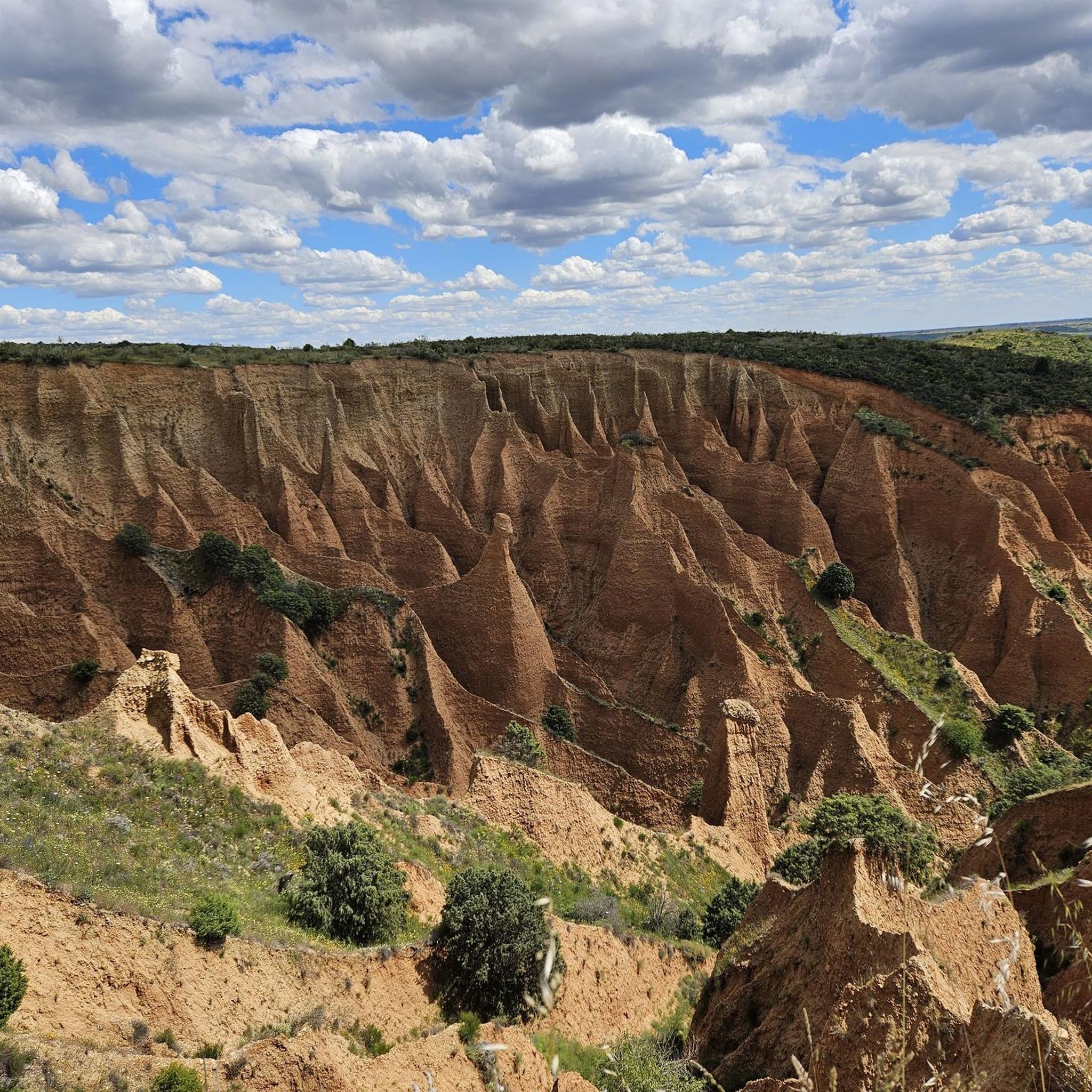
Cycling in Sierra Norte De Guadalajara
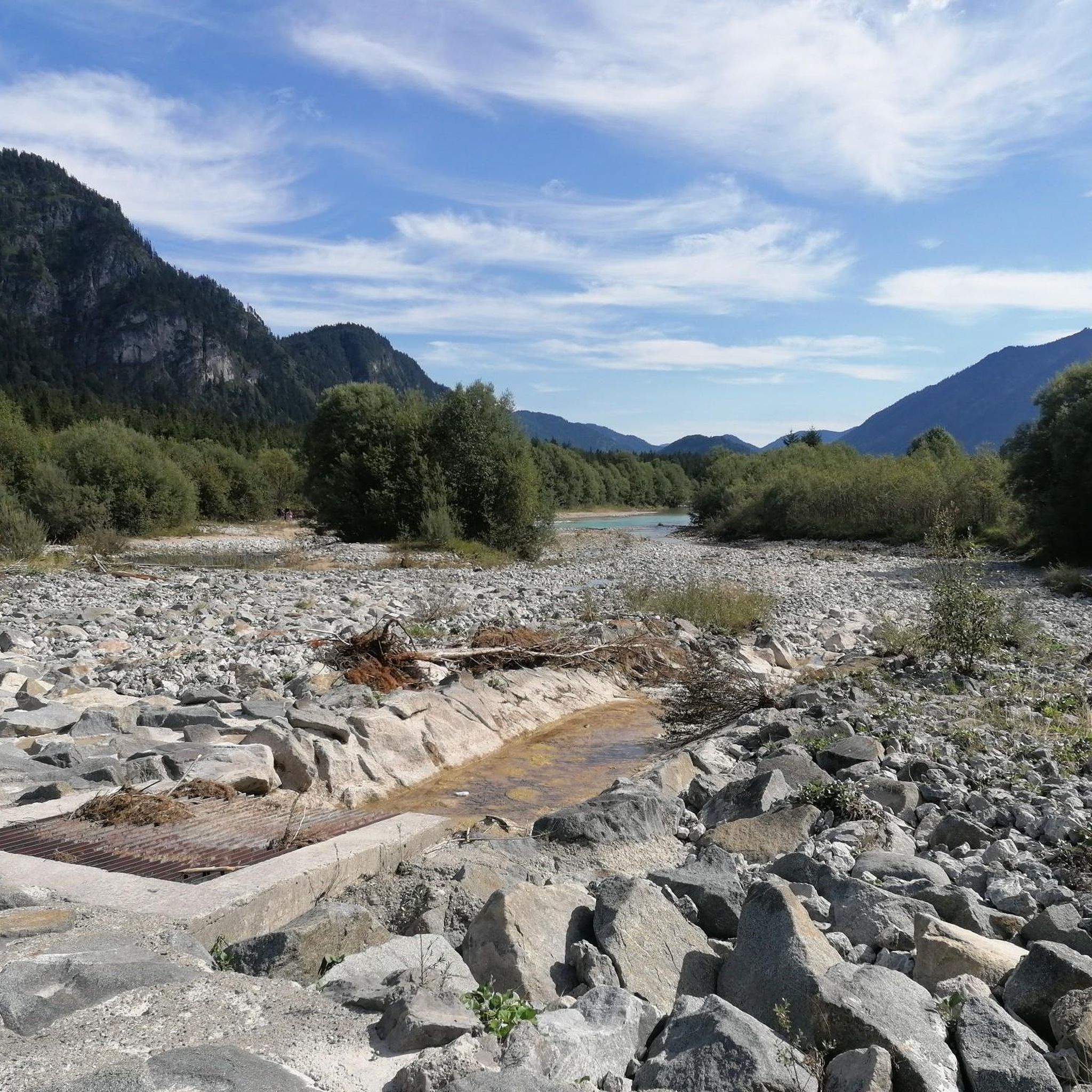
Gravel biking in Sierra Norte De Guadalajara
Other adventures in Sierra Norte De Guadalajara


Tips from the Community

The Church of Our Lady of the Assumption, in Tamajón (Guadalajara), stands atop a small hill to the north of the town center, at an altitude of approximately 1,097 meters, within the Diocese of Sigüenza-Guadalajara. It was built in the 13th century in the Romanesque style, with significant renovations in the 16th century that introduced Renaissance influences. In the 12th century, the area belonged to the Common Lands of the Town and Territory of Atienza; in the 15th century, it passed to the Mendoza family.
3
0
The most popular route to ascend Pico Ocejón begins in Valverde de los Arroyos and is known for its scenic beauty and moderate difficulty. The hike is approximately 14.74 km and typically takes around 6 hours with stops. Along the way, hikers can enjoy spectacular views and the rich biodiversity of the area.
6
0
The Church of Our Lady of the Assumption in Tamajón, Guadalajara, is a beautiful example of 13th-century Romanesque architecture, with Renaissance reforms in the 16th century. Located on a small hill to the north of the town, this church stands out for its impressive façade and its rich history. The temple has a rectangular floor plan with three sections and three naves, with a flat chancel and a porticoed gallery on the south façade. Inside, you can admire mural paintings from different periods and Baroque and Gothic altarpieces that decorate the main altar and the side chapels.
5
0

The climb is hard, but it is worth it. Although we were not lucky enough to see all the scenery that should be seen from that height. The descent is almost harder than the ascent.
1
0

Beautiful Romanesque church with porticoed atrium.
0
1
At 2049 metres above sea level, it is one of the highest and most popular peaks for hiking in the region. There are several routes to climb Pico Ocejón, the most common being those starting from Majaelrayo and Valverde de los Arroyos. Both routes offer stunning landscapes and the opportunity to enjoy nature at its best.
6
0
Meadow in the middle of mountains, rest after admiring the colorful leaves of the beech trees in autumn.
0
0
The Chorreras de Despeñalagua are an impressive set of waterfalls located in the Chorrera stream, a tributary of the Sorbe river, on the northern slope of the Ocejón peak near Valverde de los Arroyos. The waterfall has a height of about 120 meters and flows throughout the year, especially during the thaw season. In winter, frost is often found, which adds a magical touch to the landscape. The route to visit the Chorreras de Despeñalagua is simple and suitable for the whole family. The path, approximately 4.5 km, offers spectacular views and allows you to explore the streets and buildings of Valverde de los Arroyos. Also, on the way to the town, you will pass through other charming black towns such as Palancares, Almiruete and Tamajón. Definitely a destination worth exploring! 😊
8
0
Frequently Asked Questions
What is the general difficulty level of running trails in Sierra Norte De Guadalajara?
The running trails in Sierra Norte De Guadalajara are predominantly challenging. Out of 38 available routes, 33 are classified as difficult, and 5 are moderate. There are currently no easy routes listed, indicating that most trails are suited for experienced runners looking for a demanding workout amidst varied terrain.
Are there circular running routes available in Sierra Norte De Guadalajara?
Yes, many running routes in Sierra Norte De Guadalajara are circular, allowing you to start and finish in the same location. An example is the Presa de la Parra from Pontón de la Oliva — circular trailrunning through the Cañada de la Caleriza, which explores fluvial canyons. Another is the Circular trail running through the viewpoints of the Tejera Negra Black Beechwood Natural Park, offering stunning views.
Can I see waterfalls while running in Sierra Norte De Guadalajara?
Yes, the region is crisscrossed by several river systems, and you can definitely encounter waterfalls. For instance, the Aljibe Pools Circular Trail is a great option to experience water features. You can also visit the Aljibe Waterfall, which is a notable highlight in the area.
Are there any unique villages or cultural sights to explore on a run?
Absolutely! The Sierra Norte de Guadalajara is famous for its unique 'Black Architecture' villages, where houses are built from local slate and quartzite. These picturesque villages, such as Valverde de los Arroyos, blend harmoniously with the natural surroundings and can serve as scenic starting points or stops. The GR 60 Pueblos de la Arquitectura Negra - Senderos GR route specifically leads through these distinctive settlements.
What kind of natural landscapes will I encounter on a run in this region?
Running in Sierra Norte De Guadalajara offers an incredibly diverse natural experience. You'll traverse rugged mountain ranges like Ayllón and Pela, with peaks exceeding 2,000 meters. The trails wind through varied forests, including ancient beechwoods like the UNESCO World Heritage Site of Hayedo de Tejera Negra, as well as oak, holly, birch, and pine forests. You'll also encounter numerous river systems, fluvial canyons, and unique geological formations of slate, quartzite, and gneiss.
Is it possible to spot wildlife while running in Sierra Norte De Guadalajara?
Yes, the Sierra Norte de Guadalajara is a Special Protection Area for Birds (ZEPA) and a Place of Community Importance (SCI), making it rich in biodiversity. While running, you might spot various raptors such as Bonelli's eagle, golden eagle, and peregrine falcons. Mammals like roe deer, otters, and wildcats are also present, and there's even a re-colonizing Iberian wolf population, though these are more elusive.
Are the running trails in Sierra Norte De Guadalajara suitable for families?
Given that most routes in Sierra Norte De Guadalajara are classified as difficult, they might be challenging for younger children or families seeking very easy, flat paths. However, some sections of the extensive trail network could be adapted for family walks or shorter, less strenuous runs. It's advisable to check individual route details for elevation and terrain to determine suitability for your family's fitness level.
Are dogs allowed on the running trails in Sierra Norte De Guadalajara?
Generally, dogs are permitted on trails within natural parks in Spain, often requiring them to be on a leash to protect wildlife and ensure the safety of other visitors. It's always best to check specific regulations for the Sierra Norte de Guadalajara Natural Park or any particular trail you plan to run, especially in sensitive areas like the Hayedo de Tejera Negra, to ensure compliance.
What do other runners enjoy the most about jogging in Sierra Norte De Guadalajara?
Runners frequently praise the region's stunning natural beauty and the variety of its landscapes. The komoot community, with over 390 visitors exploring the area, often highlights the challenging yet rewarding mountain trails, the tranquility of the diverse forests, and the unique experience of running through the 'Black Architecture' villages. The extensive trail network provides ample opportunities for exploration and immersion in nature.
How long are the running trails typically in Sierra Norte De Guadalajara?
The running trails in Sierra Norte De Guadalajara vary significantly in length. For example, the GR 60 Pueblos de la Arquitectura Negra - Senderos GR is about 11.3 km (7.0 miles), while the Presa de la Parra from Pontón de la Oliva stretches to 16.6 km (10.3 miles). Most routes are designed for longer, more enduring runs, typically ranging from 10 km to over 15 km.
Are there any mountain passes I can incorporate into my running routes?
Yes, the Sierra Norte de Guadalajara features several mountain passes that offer challenging ascents and panoramic views, perfect for trail running. Highlights include the Ascent to Collado del Aventadero, Puerto de La Hiruela, and Puerto de la Quesera. These passes provide excellent opportunities to experience the region's rugged mountain terrain.
What is the best time of year for running in Sierra Norte De Guadalajara?
The Sierra Norte de Guadalajara offers unique experiences throughout the year. Spring and autumn are generally ideal, with pleasant temperatures and vibrant natural colors – especially autumn for the famous beech forests like Hayedo de Tejera Negra. Summer can be warm, but higher altitudes and shaded forest trails offer cooler options. Winter running is possible, particularly at lower elevations, but higher peaks may have snow and require appropriate gear and caution.
Most popular routes in Sierra Norte De Guadalajara
Most popular attractions in Sierra Norte De Guadalajara

Get inspired with the komoot mobile app


Explore more
Browse the best Running Trails & Routes in other regions.
