The best road cycling routes around Río Guadaiza
4.3
(192)
8,720
riders
57
rides
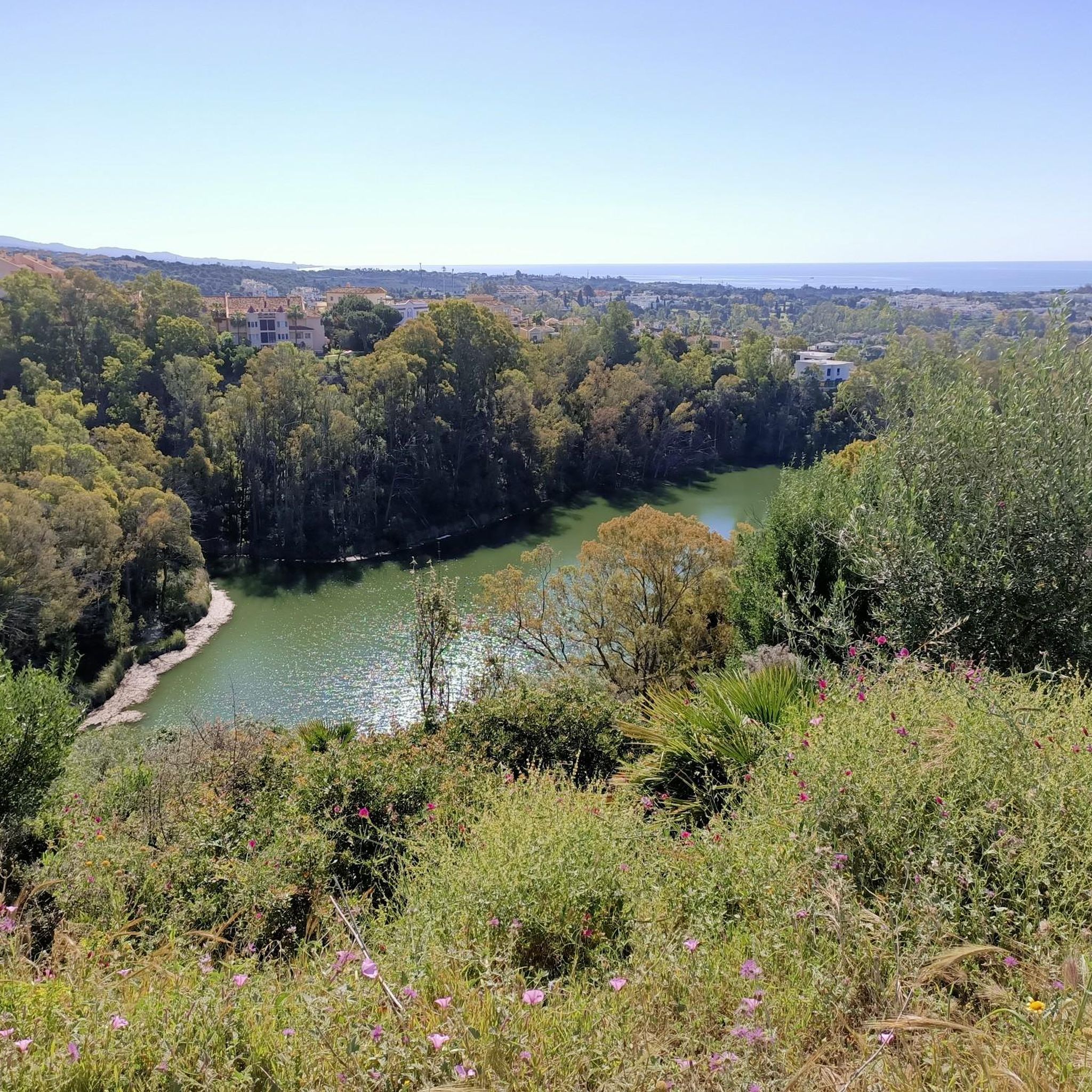
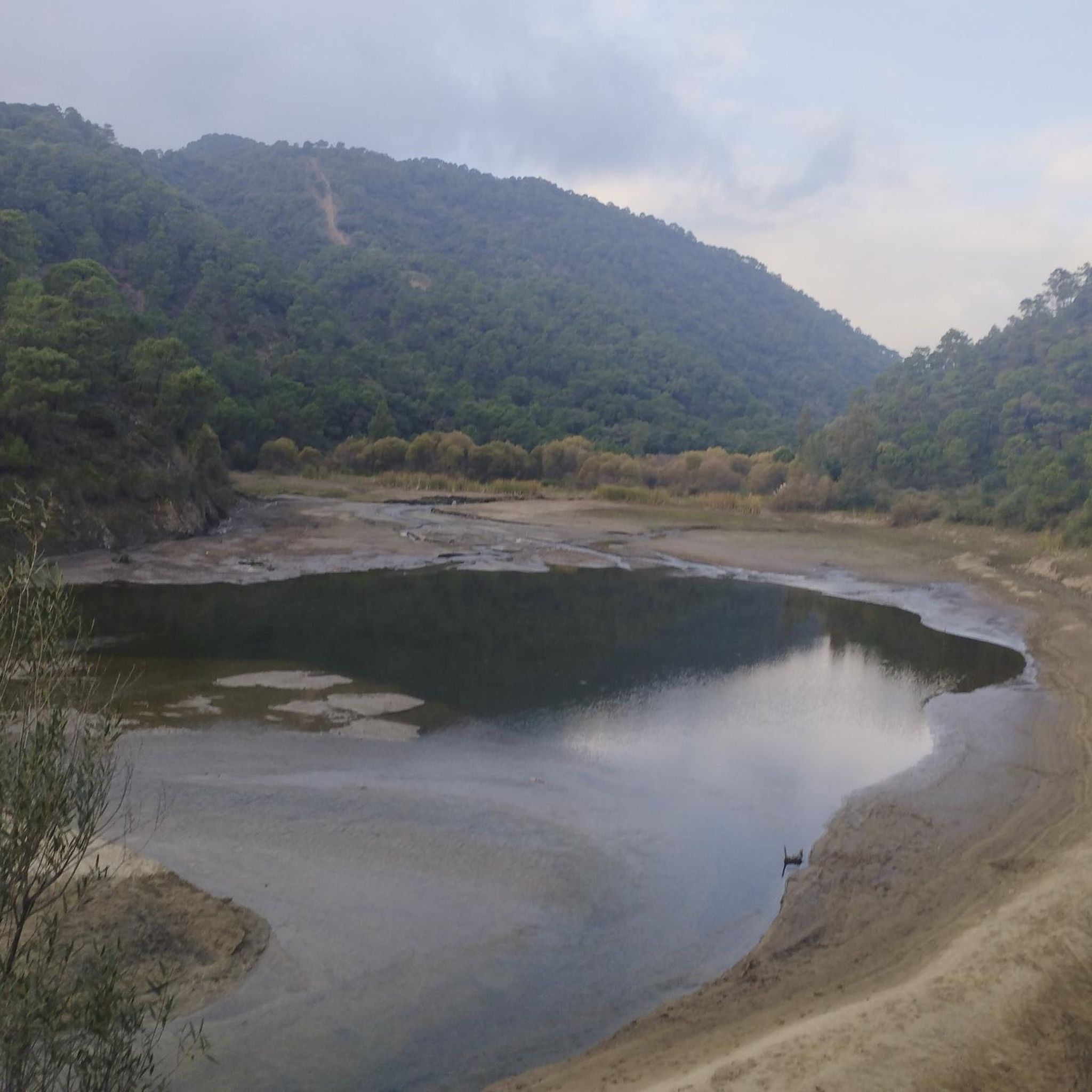
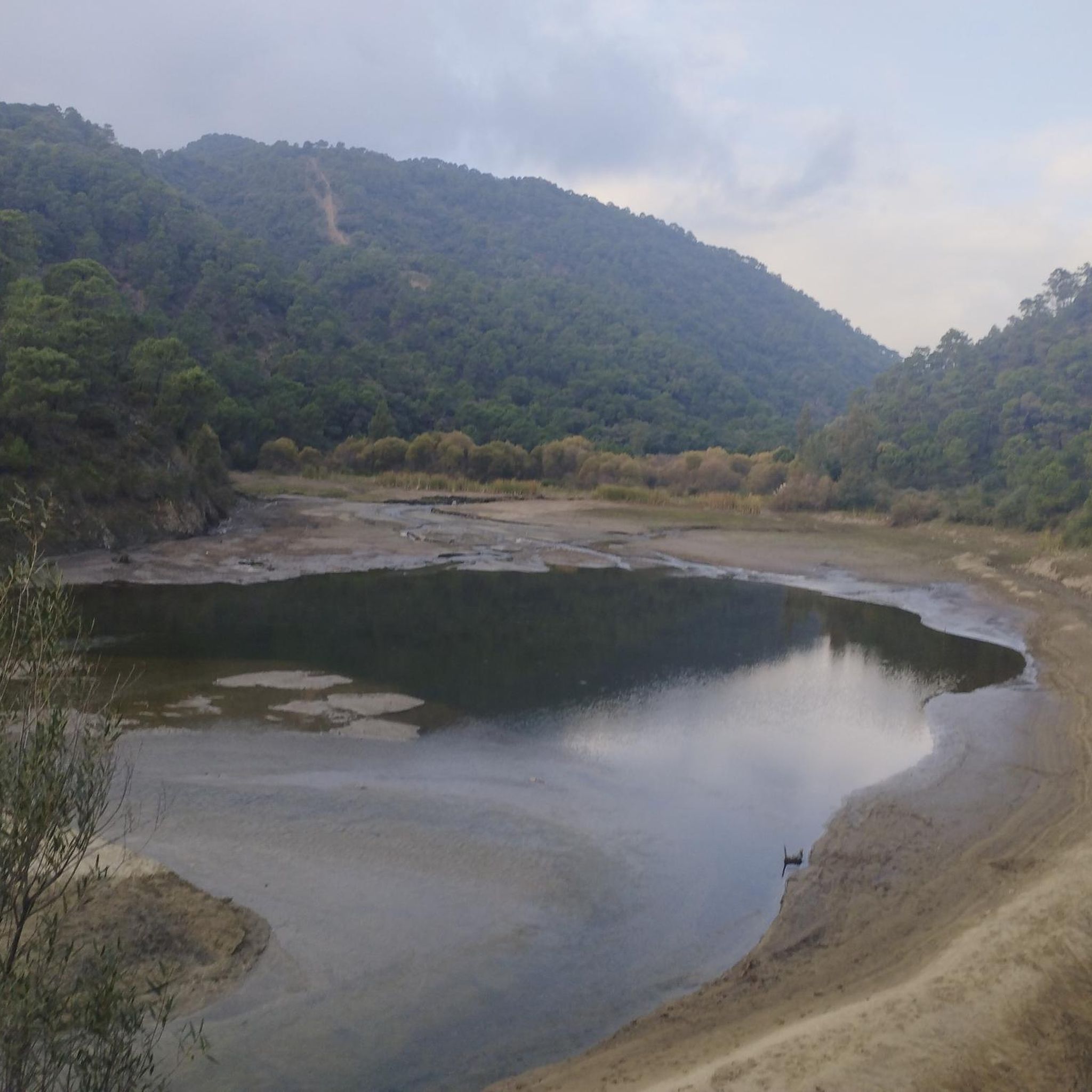
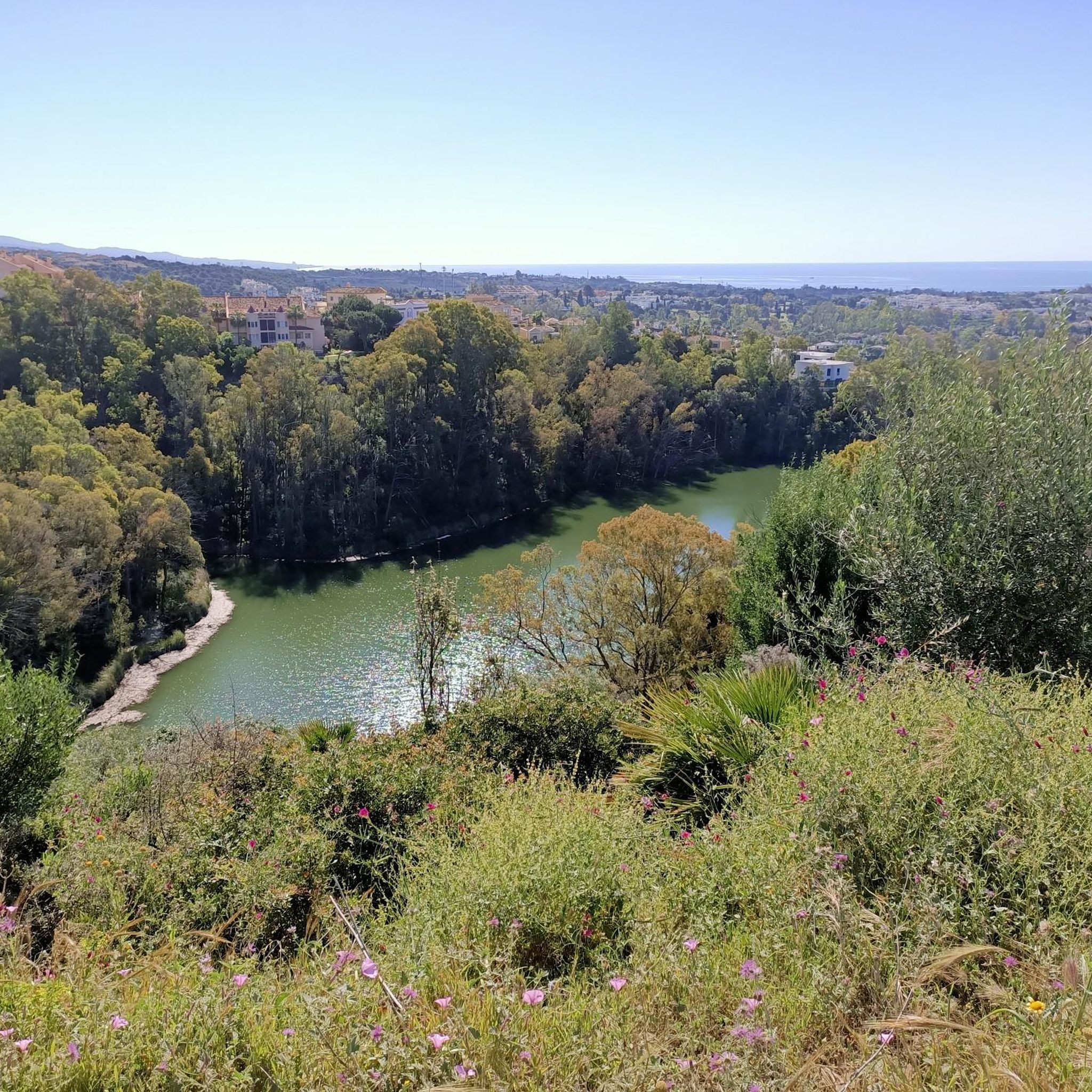
Road cycling around Río Guadaiza offers a diverse landscape, transitioning from coastal roads near Marbella to challenging mountainous terrain in the surrounding Sierras. The region is characterized by well-preserved forests of cork oaks and native pines in higher elevations, with the river flowing through areas of significant ecological value. Cyclists can experience varied topography, from tranquil river-side paths to demanding climbs with substantial elevation gains in the Sierra de las Apretaderas and Sierra Palmitera. This blend provides a range of…
Last updated: July 18, 2026
4.6
(36)
1,001
riders
Moderate road ride. Good fitness required. Mostly well-paved surfaces and easy to ride.
20
riders
Hard road ride. Very good fitness required. Some segments of this route may be unpaved and difficult to ride.

Sign up for free
28
riders
Moderate road ride. Good fitness required. Mostly well-paved surfaces and easy to ride.
5.0
(1)
33
riders
Moderate road ride. Good fitness required. Mostly well-paved surfaces and easy to ride.
5.0
(2)
20
riders
Moderate road ride. Good fitness required. Some segments of this route may be unpaved and difficult to ride.
5.0
(1)
19
riders
Moderate road ride. Good fitness required. Some segments of this route may be unpaved and difficult to ride.
10
riders
Easy road ride. Great for any fitness level. Mostly well-paved surfaces and easy to ride.
3.0
(2)
11
riders
Moderate road ride. Great for any fitness level. Some segments of this route may be unpaved and difficult to ride.
5.0
(1)
8
riders
Easy road ride. Great for any fitness level. Mostly well-paved surfaces and easy to ride.
5
riders
Easy road ride. Great for any fitness level. Mostly well-paved surfaces and easy to ride.
Get access to more routes and recommendations from other explorers.
Sign up for free
Already have an account?
Our route recommendations are based on thousands of hikes, rides, and runs completed by other people on komoot.
Start today with a free account
Your next adventure awaits.
Login or Signup

Tips from the Community


Nice cycle path from paved dirt road, be careful, there are some holes and busy.
1
1
One of the landmarks of Puerto Banus is the statue that stands in the middle of the roundabout at the end of the Avenida de Nacionales Unidas on the seafront. The statue, called 'La Victoria', is made of bronze and copper and stands on a 26 m (85 ft) high granite column. It was designed by the famous Georgian sculptor Zurab Tsereteli and presented to Puerto Banus by the Mayor of Moscow in 1994.
1
0
Paved connecting road along the coast with here and there holes in the road. Attention: in good weather, especially in the weekend, it is very busy on some parts, many pedestrians and dogs running loose. On the parts where the surface is marble, cycling is not allowed on Saturdays and Sundays. Take alternative roads.
1
0

old houses in the old Ángel neighborhood surrounded by disreputable houses handed over by the GIL.
0
0

From the new bridge there is a good view of Puente Viejo: an old stone bridge that is one of three bridges that spans the deep Tajo de Ronda gorge with the Guadalevín river in it.
19
1

San Pedro de Alcántara is a picturesque district of Marbella, located about ten kilometers west of the city center. It is a charming coastal town that has retained its Andalusian character while offering modern facilities. San Pedro is a popular destination for visitors looking for a quieter and more authentic atmosphere compared to the more glamorous parts of Marbella. San Pedro de Alcántara was founded in 1860 by the Marquis del Duero, Manuel Gutiérrez de la Concha. Originally the town was an agricultural center with sugar cane plantations and the Marquis planned it as a modern workers' colony. Today San Pedro is a thriving urban area that combines tradition and modernity. The town offers several attractions, such as the church of San Pedro de Alcántara. This church, built in the 19th century, is located in the heart of the town and is a fine example of traditional Andalusian architecture. It is located in a charming square surrounded by small cafes. San Pedro Boulevard is a modern boulevard with impressive pedestrian bridges, green spaces, playgrounds and restaurants. An archaeological site is the Vega del Mar Basilica, which dates back to the late Roman period (4th to 6th centuries AD). It is one of the oldest early Christian churches in Spain, discovered in the middle of an ancient cemetery. San Pedro has a beautiful, quiet seafront promenade that leads all the way to Marbella. The beaches are less crowded than in other parts of Marbella and offer a relaxed ambience. San Pedro de Alcántara stands out for its relaxed atmosphere, historical roots and less touristy appeal. It is ideal for cyclists who want to experience an authentic part of the Costa del Sol.
3
0
The “La Victoria Monument” in Marbella, also known as the Monument to Victory or the Victory Column. The sculpture was designed by Vicente Menendez Conde and stands in a central location in Marbella. The monument is a tribute to the victory of freedom and democracy in Spain, not specifically a military victory. It is often seen as a symbol of progress and peace in the region. The sculpture itself represents a wing-like figure symbolizing triumph and advancement. The dynamism of the forms conveys a sense of movement and lightness. Sometimes the monument is also interpreted as a reference to the reconstruction of Marbella after the Spanish Civil War, as Marbella experienced a period of modernization and economic recovery after the Franco era. The monument is designed in a modern, abstract style, which is characteristic of the artist Vicente Menéndez Conde. The wing-like shape draws the eye and stands out from the surrounding architecture. It was deliberately designed to symbolize hope and progress.
2
0
Frequently Asked Questions
What kind of terrain can I expect when road cycling around Río Guadaiza?
The Río Guadaiza region offers a varied topography, transitioning from coastal roads near Marbella to challenging mountainous terrain in the surrounding Sierras. You'll find well-preserved forests of cork oaks and native pines in higher elevations, alongside tranquil river-side paths. This blend provides diverse road cycling experiences, from gentle rides to demanding climbs with significant elevation gains in areas like the Sierra de las Apretaderas and Sierra Palmitera.
Are there road cycling routes suitable for beginners in Río Guadaiza?
Yes, the area caters to various fitness levels. While many routes involve climbs, there are easier options, particularly closer to the coast. For example, the Puerto Banús Marina – Marina de Marbella loop from Nueva Andalucía is an easy 12.5-mile (20.2 km) coastal ride with minimal elevation, perfect for a relaxed experience.
What are some challenging road cycling routes for experienced riders?
Experienced road cyclists will find plenty of demanding routes with significant elevation gains. Consider the San Pedro de Alcántara – Puerto El Madroño (1065 m) loop from Nueva Andalucía, a difficult 34.9-mile (56.1 km) path with a substantial ascent. Another challenging option is the Júzcar, the Blue Village – Puerto El Madroño (1065 m) loop from San Pedro Alcántara, which covers 86.8 km with over 2200 meters of climbing.
How many road cycling routes are available in the Río Guadaiza area?
There are over 35 road cycling routes available around Río Guadaiza on komoot, offering a wide range of options for different ability levels. These include 10 easy, 19 moderate, and 9 difficult routes.
What is the best time of year for road cycling in Río Guadaiza?
The region's climate makes it suitable for road cycling for much of the year. Spring and autumn offer pleasant temperatures, ideal for longer rides. Even in summer, coastal routes can be enjoyable, though inland mountain routes might be very warm. Winter cycling is also possible, with milder temperatures compared to many other European regions.
Are there any family-friendly road cycling options near Río Guadaiza?
While many routes involve climbs, the newly enhanced fluvial walk along a three-kilometer stretch of the Río Guadaiza in San Pedro Alcántara offers a tranquil and accessible ecological corridor suitable for cycling. This provides a gentler option for families, contrasting with the more demanding mountain routes.
Can I bring my dog on road cycling routes in Río Guadaiza?
Road cycling routes are generally designed for speed and efficiency, and bringing dogs, especially off-leash, can be unsafe for both the dog and cyclists. For dog-friendly activities, consider exploring the dedicated walking paths or less trafficked areas where local regulations permit dogs, such as the renaturalized sections of the river path.
What natural features or viewpoints can I expect to see along the routes?
Road cycling routes around Río Guadaiza offer stunning natural beauty. You can expect sweeping views of the Mediterranean coast, dense cork oak and pine forests, and the dramatic backdrops of the Sierra de las Apretaderas and Sierra Palmitera. Some routes, like the Ojén Viewpoint – Ojén Pass Climb loop from San Pedro Alcántara, specifically highlight scenic viewpoints.
What do other road cyclists enjoy most about road cycling in Río Guadaiza?
The area is highly rated by the komoot community, with an average score of 4.2 stars from over 100 reviews. Reviewers often praise the diverse landscapes, from coastal roads to challenging mountain passes, and the variety of routes catering to different fitness levels. The combination of natural beauty and well-maintained roads makes it a popular destination.
Are there circular road cycling routes available?
Yes, many of the road cycling routes around Río Guadaiza are designed as loops, allowing you to start and end at the same point. Examples include the Ojén Viewpoint – Ojén Pass Climb loop from San Pedro Alcántara and the Marbella Promenade – San Pedro de Alcántara loop from San Pedro Alcántara.
Where can I find parking for road cycling routes in Río Guadaiza?
Parking is generally available in the towns and urban areas that serve as starting points for many routes, such as San Pedro Alcántara, Nueva Andalucía, and Marbella. Look for public parking facilities in these areas, especially near the coast or town centers, to access the trails.
Are there cafes or restaurants near the road cycling routes?
Given the proximity to Marbella and other towns, you'll find numerous cafes, restaurants, and accommodation options near the starting and ending points of many routes, particularly in areas like San Pedro Alcántara, Nueva Andalucía, and Puerto Banús. These provide convenient stops for refreshments or meals.
Most popular routes around Río Guadaiza

Get inspired with the komoot mobile app


Explore more
Browse the best Road cycling routes in other regions.
