The best road cycling routes in Pfäffikon
4.2
(164)
2,434
riders
96
rides
Road cycling in Pfäffikon, Switzerland, is characterized by a diverse landscape at the gateway to the Zurich Oberland. The region features the Pfäffikersee, offering flat, scenic routes around the lake, and extends into the rolling Zurich Oberland hills, providing more challenging terrain with varying elevations. Routes also lead through the Töss Valley, presenting different scenic experiences along the river. This combination of lake, hills, and river valleys creates varied road cycling opportunities.
Best road cycling routes in Pfäffikon
- The most popular road cycling route is Panoramastrasse – Hasenstrick Pass loop from Pfäffikon, a 31.3 miles (50.4 km) moderate trail that takes 2 hours 19 minutes to complete, featuring significant elevation gain.
- Another top favourite among local road cyclists is Ascent to Sternenberg – Lake Bichel loop from Pfäffikon, a moderate 31.3 miles (50.4 km) path. This route includes notable ascents and views of Lake Bichel.
- Local road cyclists also love the Winterthur Town Hall – Töss Valley Cycle Path loop from Weisslingen, a 23.4 miles (37.6 km) trail leading through the Töss Valley, often completed in about 1 hour 43 minutes.
- Road cycling in Pfäffikon is defined by the serene Pfäffikersee, the rolling Zurich Oberland hills, and the Töss Valley. The network offers options for easy, moderate, and difficult routes, catering to various ability levels.
- The routes in Pfäffikon are highly rated by the komoot community with an average score of 4.5 stars from over 100 reviews. More than 2,000 road cyclists have used komoot to explore Pfäffikon's varied terrain.
Last updated: September 27, 2026
4.4
(35)
364
riders
50.1km
02:19
580m
580m
Moderate road ride. Good fitness required. Mostly well-paved surfaces and easy to ride.
4.4
(13)
167
riders
50.4km
02:30
700m
700m
Moderate road ride. Good fitness required. Mostly well-paved surfaces and easy to ride.

4.8
(12)
143
riders
37.4km
01:43
370m
370m
Moderate road ride. Good fitness required. Some segments of this route may be unpaved and difficult to ride.
5.0
(2)
91
riders
52.0km
02:23
510m
510m
Moderate road ride. Good fitness required. Mostly well-paved surfaces and easy to ride.
4.6
(7)
102
riders
27.0km
01:09
190m
190m
Easy road ride. Great for any fitness level. Mostly well-paved surfaces and easy to ride.
4.5
(8)
98
riders
26.0km
01:13
310m
310m
Moderate road ride. Good fitness required. Mostly well-paved surfaces and easy to ride.
4.4
(14)
83
riders
42.9km
02:03
550m
550m
Moderate road ride. Good fitness required. Mostly well-paved surfaces and easy to ride.
4.5
(4)
70
riders
53.2km
02:49
960m
960m
Hard road ride. Very good fitness required. Mostly well-paved surfaces and easy to ride.
4.6
(5)
86
riders
29.8km
01:15
150m
150m
Easy road ride. Great for any fitness level. Mostly well-paved surfaces and easy to ride.
5.0
(1)
77
riders
47.6km
02:23
690m
690m
Moderate road ride. Good fitness required. Mostly well-paved surfaces and easy to ride.
Get access to more routes and recommendations from other explorers.
Already have an account?
Our route recommendations are based on thousands of hikes, rides, and runs completed by other people on komoot.
Start today with a free account
Your next adventure awaits.
Popular around Pfäffikon
Road Cycling Routes around Hittnau
Road Cycling Routes in Robenhauserriet
Road Cycling Routes around Pfäffikersee
Road Cycling Routes around Russikon
Road Cycling Routes around Illnau-Effretikon
Road Cycling Routes around Weisslingen
Road Cycling Routes around Bauma
Road Cycling Routes around Sternenberg
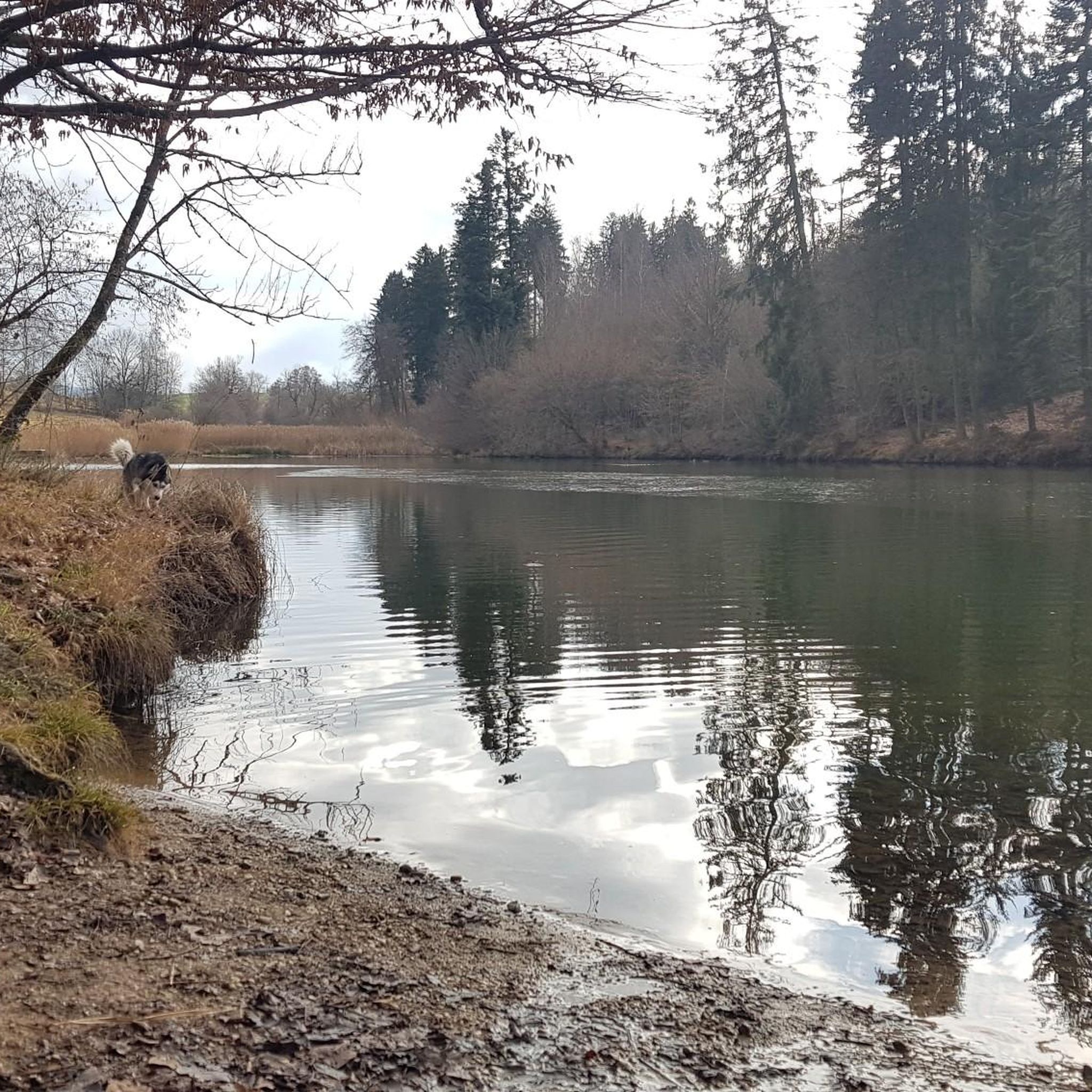
Road Cycling Routes around Fehraltorf
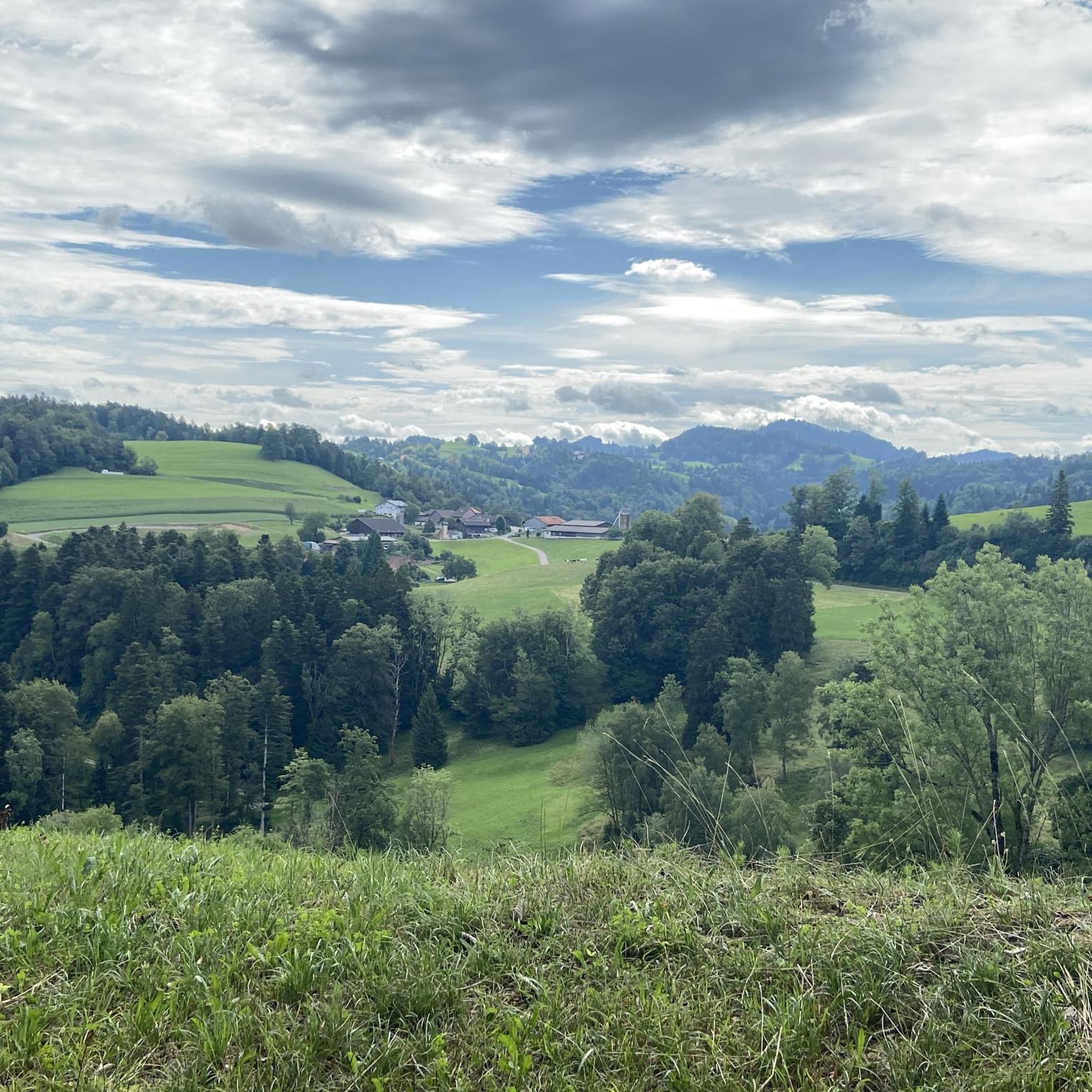
Road Cycling Routes around Wila
Other adventures in Pfäffikon


Tips from the Community

Super route, great landscape
0
0

Problem-free ascent to the Hulftegg on the asphalted pass road from Steg, mostly moderate traffic, moderate gradient also for the e-bike.
0
0

Directly next to it lies the former Hasenstrick airfield (grass runway), in use since 2009.
1
0

On Wednesdays, the restaurant Stierenberg is closed. Please also note the bus timetable. It is not very frequent.
0
0
Long cycle path, often separated from the main road, up the entire Tösstal from Sennhof to Gibswil. Quite busy.
1
0
"Pass" is a bit of an exaggeration, but it's a beautiful viewpoint nonetheless.
1
0

This is one of my favourite spots. You have a breathtaking view from here over rolling hills.
0
0
Although the cycling path by a rather busy road the surrounding is very nice. The path is well kept. There are two or three side roads were cars cross the cycling path that you need to be careful about.
0
0
Frequently Asked Questions
What kind of terrain can I expect for road cycling in Pfäffikon?
Pfäffikon offers a diverse road cycling landscape. You'll find flat, scenic routes around the Pfäffikersee, ideal for relaxed rides. Beyond the lake, the Zurich Oberland hills provide more challenging terrain with varying elevations, while routes through the Töss Valley offer different scenic experiences along the river.
Are there road cycling routes suitable for beginners or families in Pfäffikon?
Yes, Pfäffikon caters to all skill levels. The circular route around the Pfäffikersee is particularly flat and picturesque, making it excellent for families and casual cyclists. An easy option is the Old Town Fountain, Pfäffikon – Lake Pfäffikon loop from Illnau, which is just over 26 km with minimal elevation gain.
How many road cycling routes are available in the Pfäffikon region?
There are over 90 road cycling routes available in the Pfäffikon region, ranging from easy to difficult. This includes 14 easy routes, 60 moderate routes, and 23 more challenging options, ensuring there's something for every cyclist.
What are some scenic landmarks or viewpoints I can encounter on road cycling routes in Pfäffikon?
Many routes offer scenic views. You can cycle past the historic Pfäffikersee, visit the Auslikon Beach, or incorporate a stop at the Jucker Farm, which is popular for its farm products. For panoramic vistas, routes with higher elevations towards Landsberg and Pfaffberg offer sweeping views of the Alps.
Are there any circular road cycling routes or loops in Pfäffikon?
Yes, Pfäffikon features several excellent circular routes. The Pfäffikersee circular trail is a well-known flat loop. Other notable loops include the moderate Panoramastrasse – Hasenstrick Pass loop from Pfäffikon and the challenging Zunftshof Ghöch – Ghöch loop from Pfäffikon.
What do other road cyclists enjoy most about the routes in Pfäffikon?
The road cycling routes in Pfäffikon are highly rated by the komoot community, with an average score of 4.5 stars. Cyclists often praise the varied terrain, from the serene lake views to the challenging hills, and the well-maintained paths that cater to different fitness levels.
Can I find routes that lead through the Töss Valley?
Yes, some road cycling routes from Pfäffikon extend into or along the Töss Valley, offering distinct scenic experiences. An example is the Winterthur Town Hall – Töss Valley Cycle Path loop from Weisslingen, which provides a pleasant ride along the river.
What is the best time of year for road cycling in Pfäffikon?
The warmer months are generally ideal for road cycling in Pfäffikon, allowing you to fully enjoy the natural beauty and attractions. During this time, you can also take advantage of the lidos and campsites around Pfäffikersee for refreshing breaks or extended stays.
Are there any challenging road cycling routes with significant elevation gain?
Absolutely. For those seeking a challenge, the Zurich Oberland hills provide routes with notable ascents. The Ascent to Sitzberg – Sitzberg Village loop from Pfäffikon is a difficult route with over 900 meters of elevation gain, and the Ascent to Sternenberg – Lake Bichel loop from Pfäffikon also includes significant climbs.
Are there any waterfalls or caves accessible near road cycling routes in Pfäffikon?
Yes, the region around Pfäffikon features several natural attractions. You can find waterfalls such as the Three Waterfalls at Gubelhöhle and the Gubelfall Waterfall in Niedertobel. There are also caves like the Hagheerenloch Cave, which could be incorporated into a cycling trip.
What options are there for parking or public transport access to road cycling routes in Pfäffikon?
Pfäffikon is well-connected, making it accessible by both car and public transport. While specific parking locations vary by route starting point, the town itself has parking facilities. Public transport links, such as train services, can also bring you close to many route access points, allowing for flexible cycling adventures.
Can I find routes that offer a mix of natural scenery and historical sites?
Yes, Pfäffikon's routes often blend natural beauty with historical interest. You can cycle near the excavated remains of the Roman Fort Irgenhausen, which dates back to 370 AD, located along some cycling paths, offering a glimpse into the region's past amidst scenic landscapes.
Most popular routes in Pfäffikon
Most popular attractions in Pfäffikon

Get inspired with the komoot mobile app


Didn’t find what you were looking for?
Check out more Road cycling routes throughout Pfäffikon below and find the perfect route in your destination.
Explore more
Browse the best Road cycling routes in other regions.
