Attractions and Places To See in Sierra De Cabrera-Bedar - Top 20
Best attractions and places to see in Sierra De Cabrera-Bedar include a blend of natural landscapes, historical sites, and cultural heritage in the province of Almería, Spain. The region features a majestic mountain range with unique geological formations, offering diverse flora and panoramic views. Visitors can explore ancient watchtowers, picturesque villages, and areas shaped by water erosion. This area provides a variety of experiences for those interested in history and nature.
Best attractions and places to see in Sierra De Cabrera-Bedar
- The most popular attractions is Pirulico Tower, a man-made monument that served as an ancient coastal watchtower. This 10-meter high structure, built between the 12th and 14th centuries, offers views of the sea and surrounding landscape.
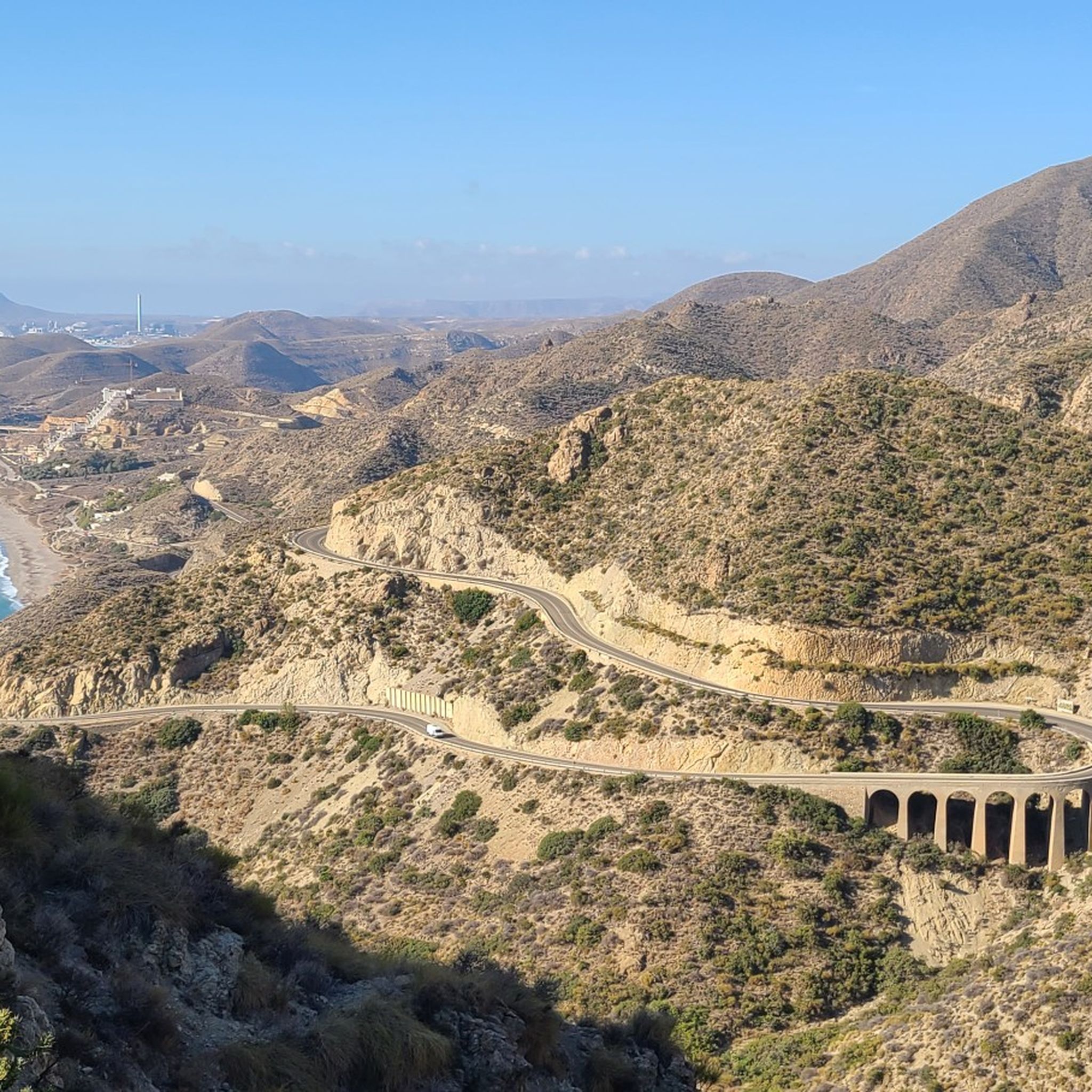
- Another must-see spot is Views from the Granatilla viewpoint, a viewpoint offering spectacular panoramic views of the Cabo de Gata Natural Park. From here, observers can also see the old thermal power plant and the Carboneras desalination plant in the distance.
- Visitors also love Mojácar Old Town, a settlement known for its white Moorish architecture. Situated on a hilltop, it provides a blend of history and views of the Mediterranean.
- Sierra De Cabrera-Bedar is known for its historical sites, natural monuments, and viewpoints. The region offers 30 distinct attractions to see and explore.
- The attractions in Sierra De Cabrera-Bedar are appreciated by the komoot community, with 162 upvotes and 73 photos shared.
Last updated: July 7, 2026
Views from the Granatilla viewpoint
Highlight • Viewpoint
Translated by Google •
Tip by

Pirulico Tower
Highlight • Monument
The tower has a truncated cone shape and stands 10 meters high. At its base, there is an arch that allows one to pass through it, giving it its name Torre Horadada. Entrance is through a door located approximately 7 meters high, accessible via a fixed metal staircase. From the tower's roof, one can enjoy stunning views of the sea and the surrounding landscape.
Translated by Google •
Tip by

Sign up now to discover places like this
Get recommendations on the best single tracks, peaks, & plenty of other exciting outdoor places.
Sign up for free
Mojácar Old Town
Highlight • Settlement
Translated by Google •
Tip by

Río Aguas in Paraje Natural Karst en Yesos de Sorbas
Highlight • River
If you follow the Komoot instructions, you end up in the gorge. The path that Komoot shows often doesn't exist.
The difficulty level of the path is high. Duration > 3 hours.
Translated by Google •
Tip by

Macenas Castle
Highlight • Castle
Translated by Google •
Tip by
Sign up for free to discover even more attractions in Sierra De Cabrera-Bedar.
Sign up for free
Already have an account?
Start today with a free account
Your next adventure awaits.
Login or Signup
Popular around Sierra De Cabrera-Bedar
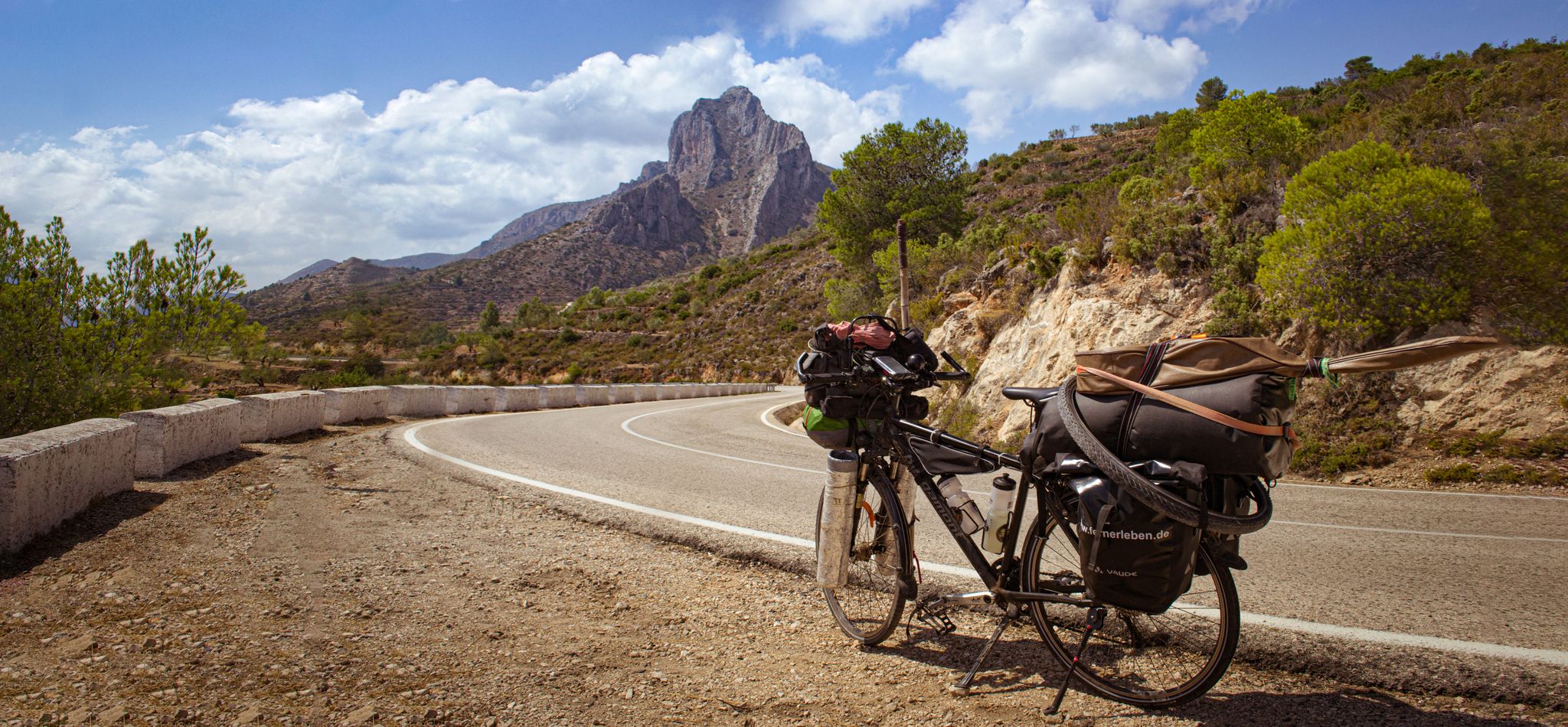
On the road to the sun — bikepacking to southeast Spain
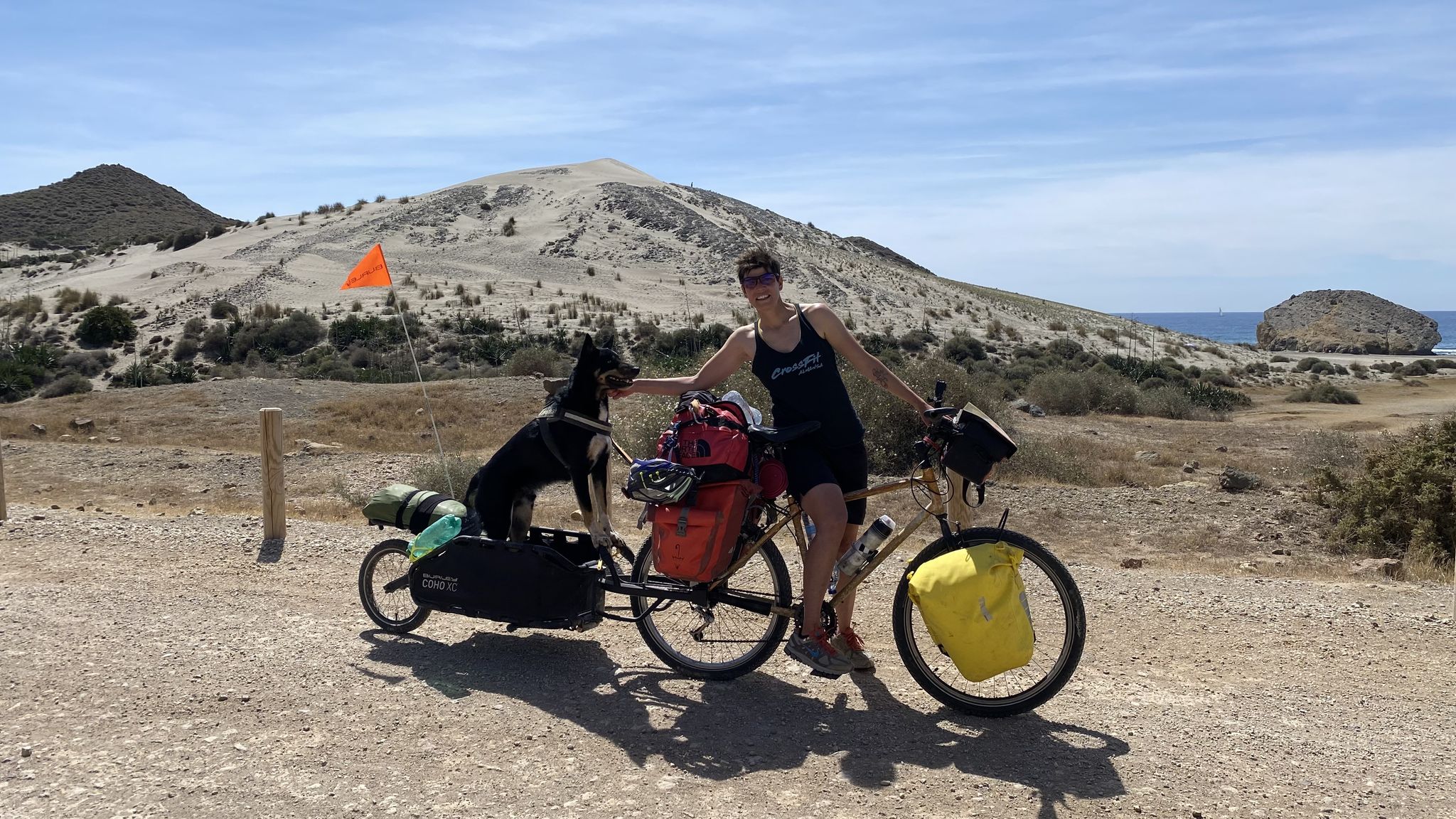
Let’s head south – cycle in Andalusia with me and my dog
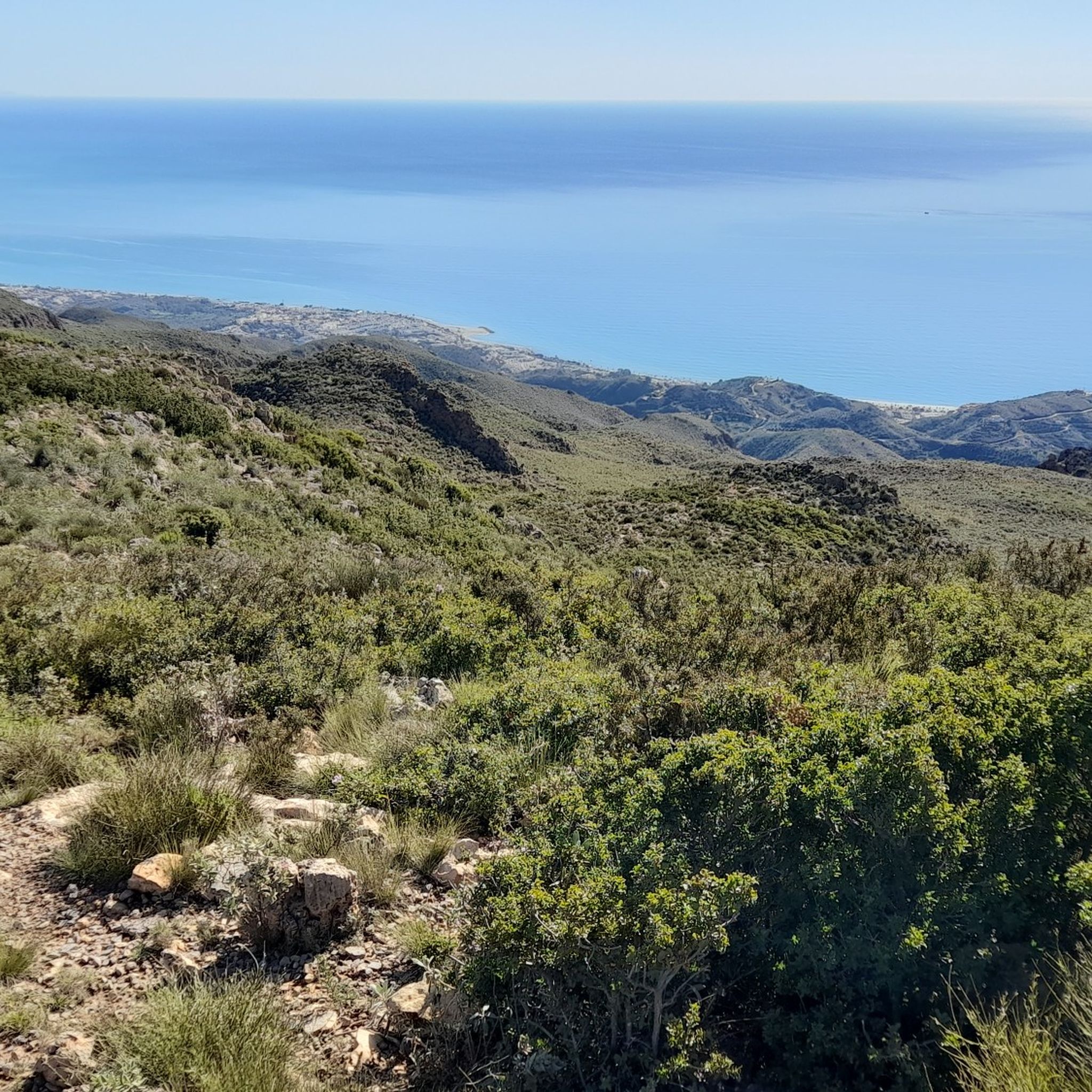
Hiking in Sierra De Cabrera-Bedar
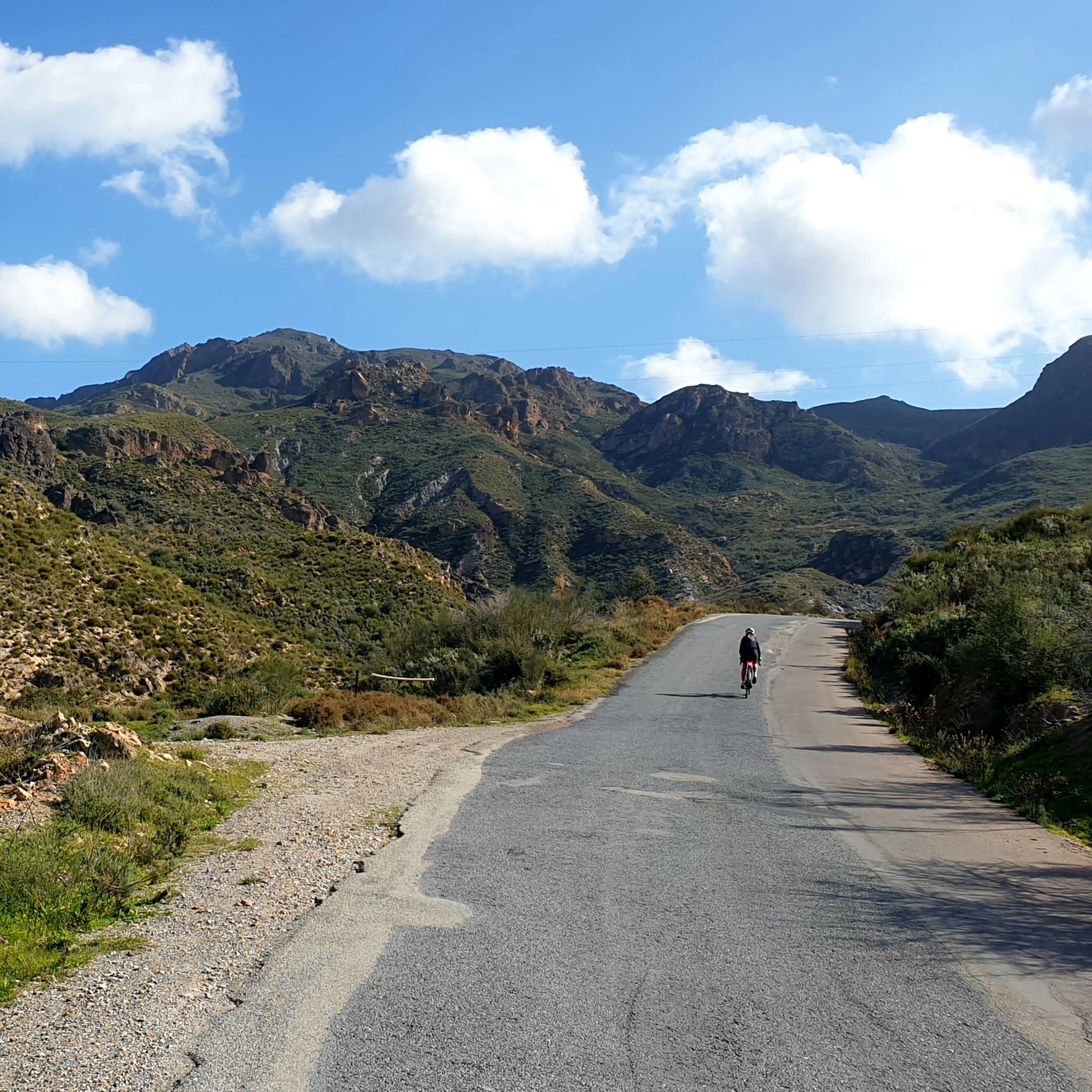
Road Cycling Routes in Sierra De Cabrera-Bedar
Cycling in Sierra De Cabrera-Bedar
MTB Trails in Sierra De Cabrera-Bedar
Running Trails in Sierra De Cabrera-Bedar

Gravel biking in Sierra De Cabrera-Bedar
Other adventures in Sierra De Cabrera-Bedar


Tips from the Community

The beautiful white Moorish village of Mojácar is situated on a rock, 2 km from the sea, and from afar you have a beautiful view of the typical Andalusian village. The village is part of the coast from Mojácar to San Juan de los Terreros. From Mojácar you have beautiful views over the sea, the Tabernas desert
10
0
Castillo Macenas, also known as Torre de Macenas, is located on the sandy beach of the same name, "Playa de Macenas." This tower was built in the 18th century to protect the city from pirate attacks.
10
0
Just a half-hour drive from Mojácar, you can visit the Torre del Pirulico. This tower once served as a lookout post, allowing for a clear view of enemy attacks from the sea. Today, you can climb the tower for free. From the top, you'll enjoy the most beautiful views of the Mediterranean Sea.
9
0

Great views from the Granatilla Pass
0
0

Spectacular views. But the best part was the descent on a well-paved road with some really fun curves.
0
0

An ideal place to enjoy views of the Mediterranean Sea lapping against the cliffs, the coast of the Cabo de Gata–Níjar Natural Park, and closer to home, the Rambla bridge.
1
0

The old town of Mojácar, in the province of Almería, is one of the most picturesque and charming villages in Andalusia. Situated on a hilltop, it offers a unique blend of history, Moorish architecture, and spectacular views of the Mediterranean.
7
0
The hiking route to Torre del Pirulico from Macenas Castle is short and easy, ideal for children. This route offers an excellent opportunity to explore the history and natural beauty of the area.
12
0
Frequently Asked Questions
What historical landmarks can I explore in the Sierra De Cabrera-Bedar region?
The region is rich in history. You can visit the ancient coastal watchtower, Pirulico Tower, which dates back to the Nasrid period and offers stunning sea views. Another must-see is Mojácar Old Town, a picturesque white Moorish village perched on a hilltop. Additionally, explore the historic Iglesia de Teresa, built on the site of a former mosque, and the charming Cabrera Village, known for its traditional Moorish architecture. The village of Bédar also offers insights into its rich mining past with visible remnants like smelting chimneys and old mine shafts.
Are there any significant natural features or viewpoints to visit in the area?
Absolutely. The Granatilla Viewpoint offers spectacular panoramic views of the Cabo de Gata Natural Park. The Sierra Cabrera Mountains themselves are a majestic natural feature with unique geological formations, deep gorges, and diverse flora. You can also explore the fascinating Río Aguas in Paraje Natural Karst en Yesos de Sorbas, where water has carved intricate shapes into the rock. The region is also dotted with numerous springs, historically vital for local communities.
What kind of hiking opportunities are available in Sierra De Cabrera-Bedar?
The Sierra De Cabrera-Bedar region offers a variety of hiking trails. For easy walks, you can find routes like the loop around Pirulico Tower from Castillo de Macenas. More challenging trails can be found around the Río Aguas in Paraje Natural Karst en Yesos de Sorbas, though some paths can be steep. The Sierra Cabrera Mountains also provide popular trails, including the Sendero de la Cuerda de la Chacona. You can find more hiking options in the Easy hikes in Sierra De Cabrera-Bedar guide.
Are there family-friendly attractions or activities in Sierra De Cabrera-Bedar?
Yes, the region offers options for families. The hike to Pirulico Tower from Macenas Castle is short and easy, making it ideal for children. Exploring the charming streets of Mojácar Old Town with its unique architecture and views can also be an enjoyable experience for all ages.
What is the best time of year to visit Sierra De Cabrera-Bedar for outdoor activities?
The Sierra Cabrera Mountains are known for higher rainfall and marine humidity compared to surrounding areas, creating a 'green island' effect. This suggests that spring and autumn would likely offer the most pleasant temperatures for hiking and exploring, avoiding the intense heat of summer while still enjoying mild weather.
Can I find places to eat or stay in the Sierra De Cabrera-Bedar region?
Yes, charming villages like Bédar offer traditional cuisine such as Ajo Colorao and Gurullos with Partridge and Snails. Mojácar Old Town also provides a variety of dining options. While specific accommodation details are not provided, these villages typically have cafes, pubs, and hotels or guesthouses catering to visitors.
What is the significance of the Sierra Cabrera Mountains?
The Sierra Cabrera Mountains are a majestic range forming a stunning backdrop to the coastal areas between Mojácar and Carboneras. Their unique landscape, characterized by ridges, deep gorges, and dry riverbeds, is a result of recent geological formation. They are also known for their diverse flora, including endemic species, due to higher rainfall and marine humidity, creating a 'green island' effect.
Are there any unique geological formations or natural phenomena to observe?
The region's volcanic nature has resulted in numerous caves and grottos, particularly on the northern slope of the Sierra Cabrera. The Río Aguas in Paraje Natural Karst en Yesos de Sorbas is a prime example of water carving smooth, vibrant shapes through rock, creating subterranean passages and waterfalls. Additionally, the Sierra Cabrera Mountains themselves are a result of recent geological activity, featuring distinctive ridges and gorges.
What cycling routes are available near the attractions in Sierra De Cabrera-Bedar?
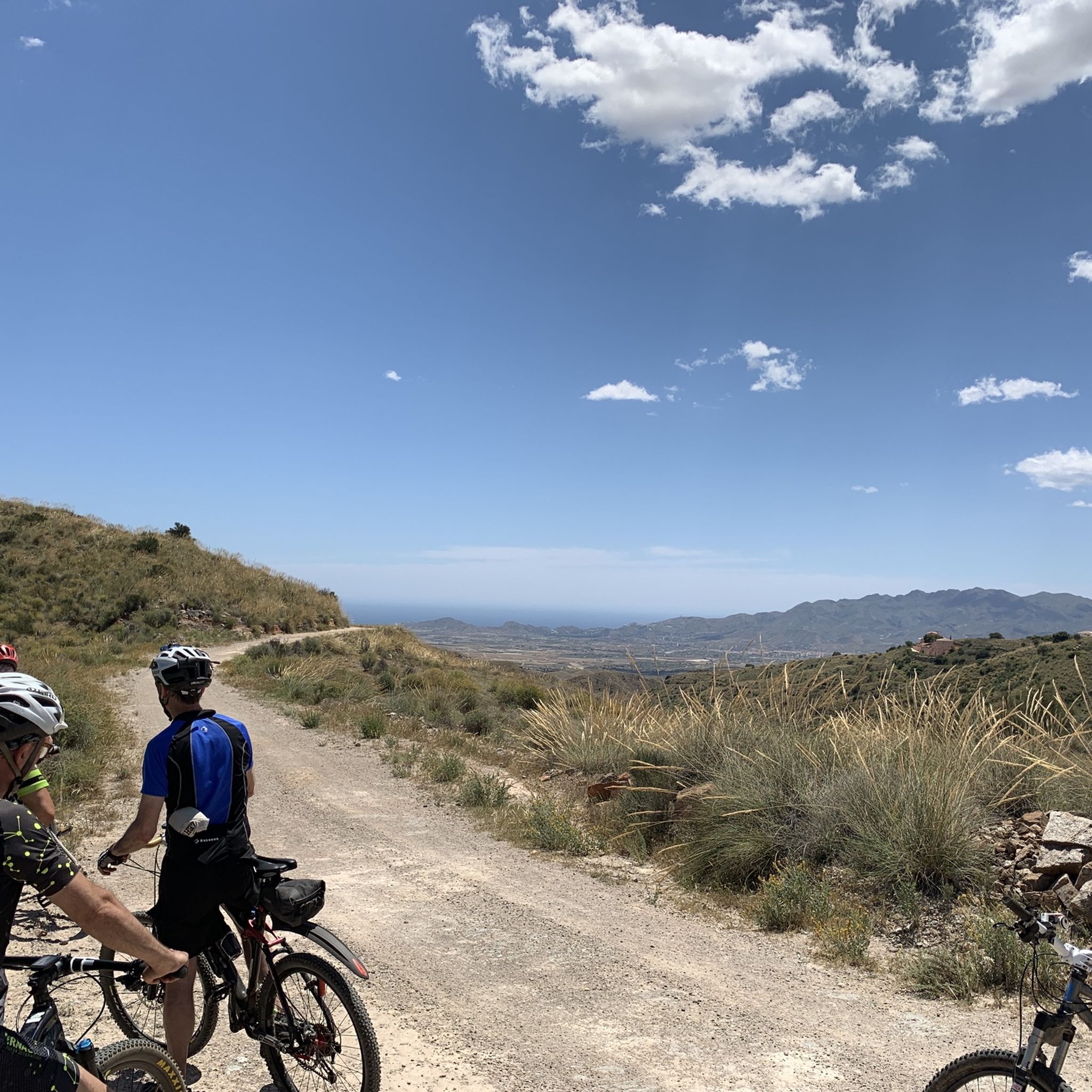
For cycling enthusiasts, there are various routes available. Road cyclists can explore options like the 'Fuente Mora of Mojácar – Mojácar Seafront Bike Path loop'. Mountain bikers have trails such as the 'Mojácar Playa – Macenas Castle loop'. You can find more details on these and other routes in the Road Cycling Routes in Sierra De Cabrera-Bedar and MTB Trails in Sierra De Cabrera-Bedar guides.
What is the 'legend of the Nazareno stone'?
The legend of the Nazareno stone refers to a curious rock formation near the slope of a strait, often described as a finger-shaped stone. It's located in an area with a history of mining exploitations and can be found on the road from Malecon Mojacar to Castillo de Macenas, offering an interesting natural curiosity for visitors.
What are 'cortijadas' and 'cortijos' in the Sierra Cabrera, and can I visit them?
The Sierra Cabrera is dotted with numerous abandoned 'cortijadas' (small rural communities) and 'cortijos' (typical rural houses of Andalusia). These include places like La Carrasca, Los Moralicos, and El Dondo. While many are abandoned, they offer a glimpse into the region's agricultural past and how these communities relied on local springs for water. Some may be accessible via hiking trails, but visitors should respect private property and safety.
What makes Cabrera Village unique?
Cabrera Village, perched high in the mountains, is renowned for its luxury homes designed with traditional Moorish characteristics. These homes feature courtyards, archways, domes, and terracotta colors that blend harmoniously with the landscape. The village archway, named after its founder Peter Grosscurth, serves as a symbolic entrance to this distinctive settlement.
Most popular routes in Sierra De Cabrera-Bedar
Most popular attractions in Sierra De Cabrera-Bedar

Get inspired with the komoot mobile app


Explore more
Still not found the Highlight you’re looking for? See guides of the top attractions in other regions:
