Top 5 Castles in Sierra Norte De Sevilla
Castles in Sierra Norte de Sevilla offer a glimpse into the region's strategic past, shaped by Roman, Moorish, and Christian influences. These historic fortresses are often perched on hills, serving defensive purposes and controlling vital routes such as the Vía de la Plata. The area's landscape features rolling tracks and dehesas, providing a natural setting for these architectural landmarks. Exploring these sites reveals the historical evolution and strategic importance of this borderland.
Best castles in Sierra Norte de Sevilla
- The most popular castles is View of El Real de la Jara Castle, a viewpoint that offers scenic attractions of this charming town. This fortress, located on the outskirts of El Real de la Jara, retains a large part of its walls and towers.
- Another must-see spot is Castillo de las Torres and Dehesa on the Vía de la Plata, a castle and trail along a section of the Vía de la Plata. Visitors can see an old ruined fortress that once secured the travel and pasture path, now home to storks.
- Visitors also love Castle of Constantina, a Moorish-era castle declared a site of cultural interest in 1985. It offers impressive panoramic views of the town and surrounding area, and is easily accessible on foot or by car.
- Sierra Norte de Sevilla is known for its historic fortresses, often with Roman, Moorish, and Christian influences. The region features a variety of castles to see and explore, from well-preserved structures to ancient ruins.
- The castles in Sierra Norte de Sevilla are appreciated by the komoot community, with 3 highlights receiving 27 upvotes and featuring 7 photos.
Last updated: July 13, 2026
Castillo del Real de la Jara
Highlight • Castle
Translated by Google •
Tip by

View of El Real de la Jara Castle
Highlight • Viewpoint
Translated by Google •
Tip by
Sign up now to discover places like this
Get recommendations on the best single tracks, peaks, & plenty of other exciting outdoor places.
Sign up for free
Castillo de las Torres and Dehesa on the Vía de la Plata
Highlight (Segment) • Castle
Translated by Google •
Tip by

Castle of the Towers
Highlight • Castle
Translated by Google •
Tip by

Castle of Constantina
Highlight • Castle
Translated by Google •
Tip by

Start today with a free account
Your next adventure awaits.
Login or Signup
Popular around Sierra Norte De Sevilla
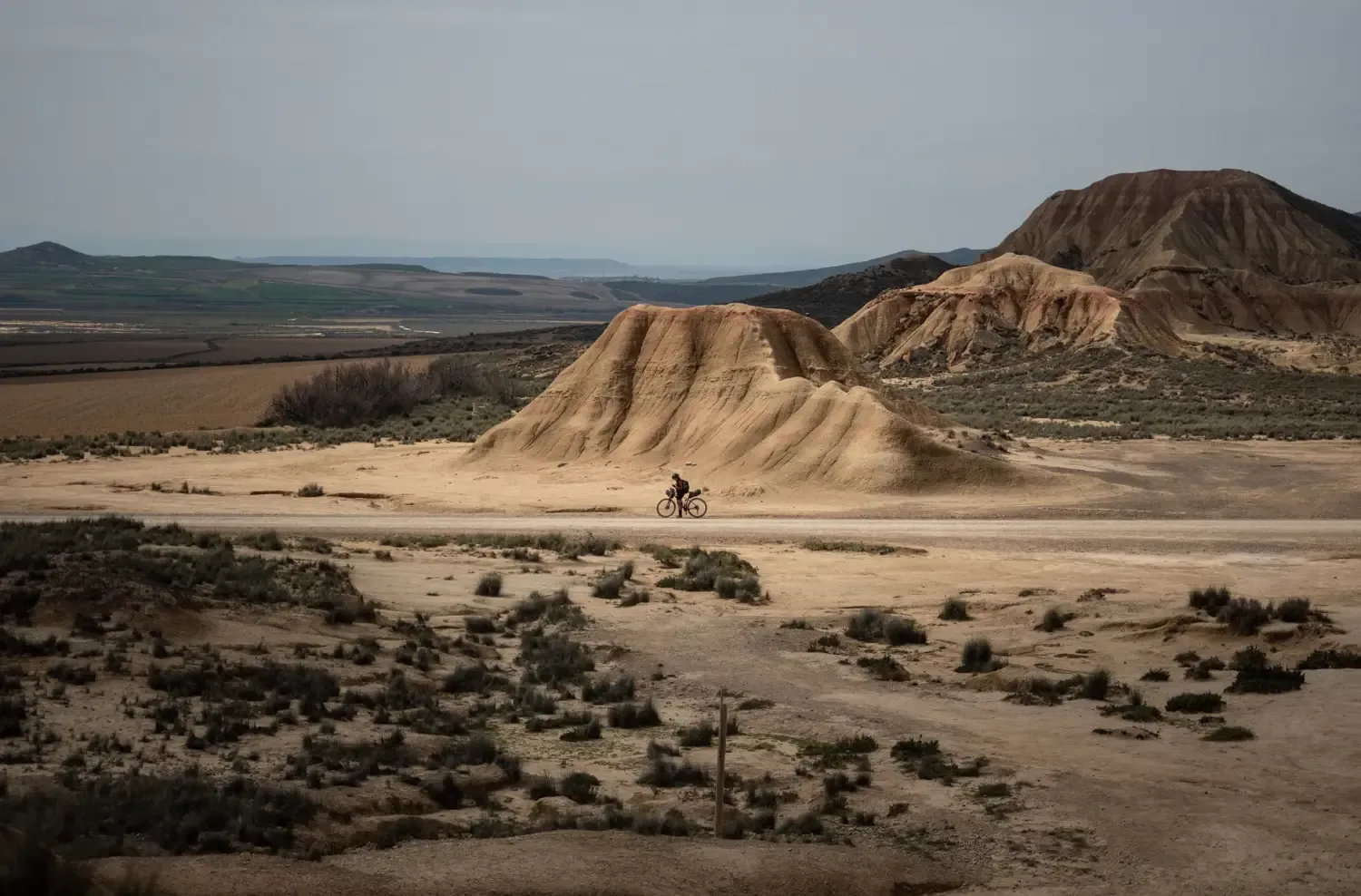
9 mountain biking routes in undiscovered Spain
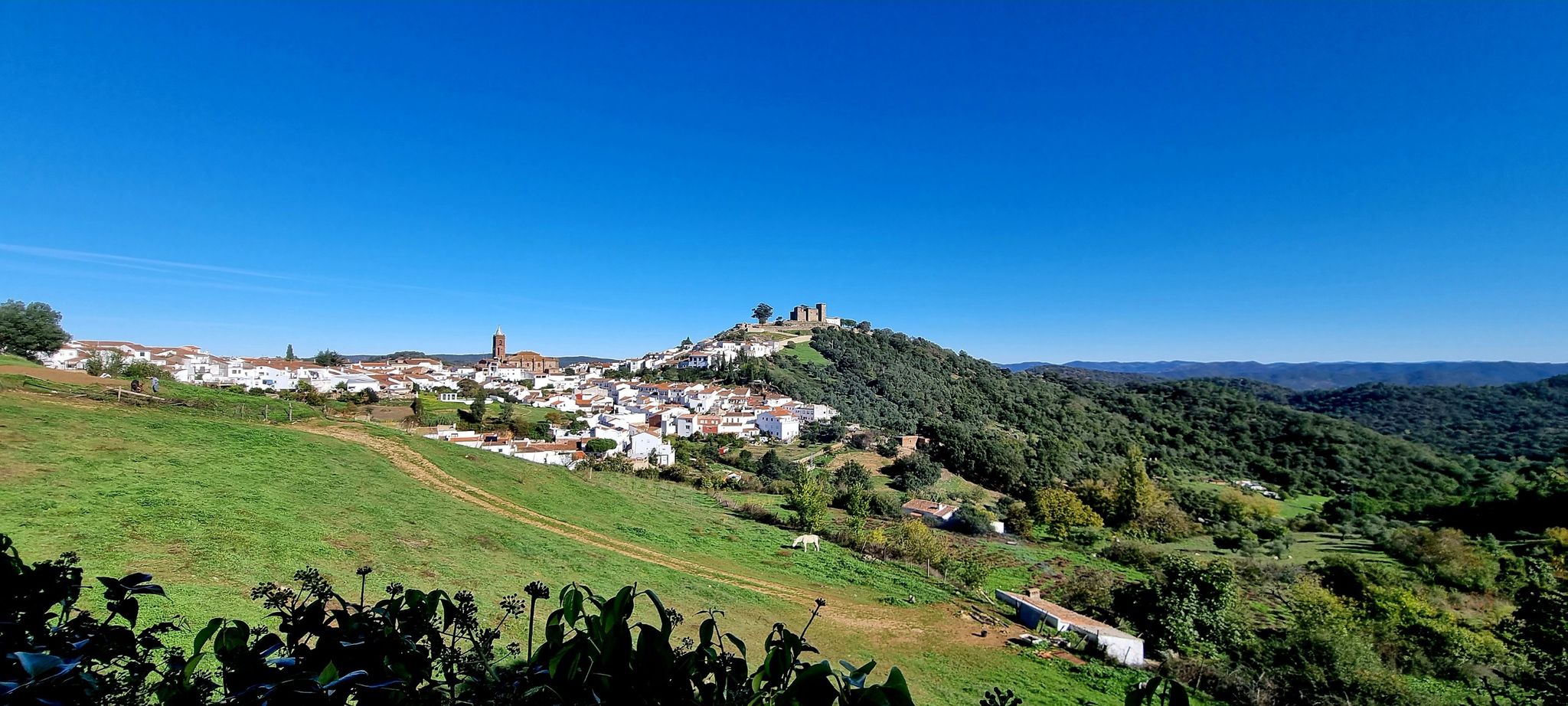
European Divide Trail across the Iberian Peninsula – south
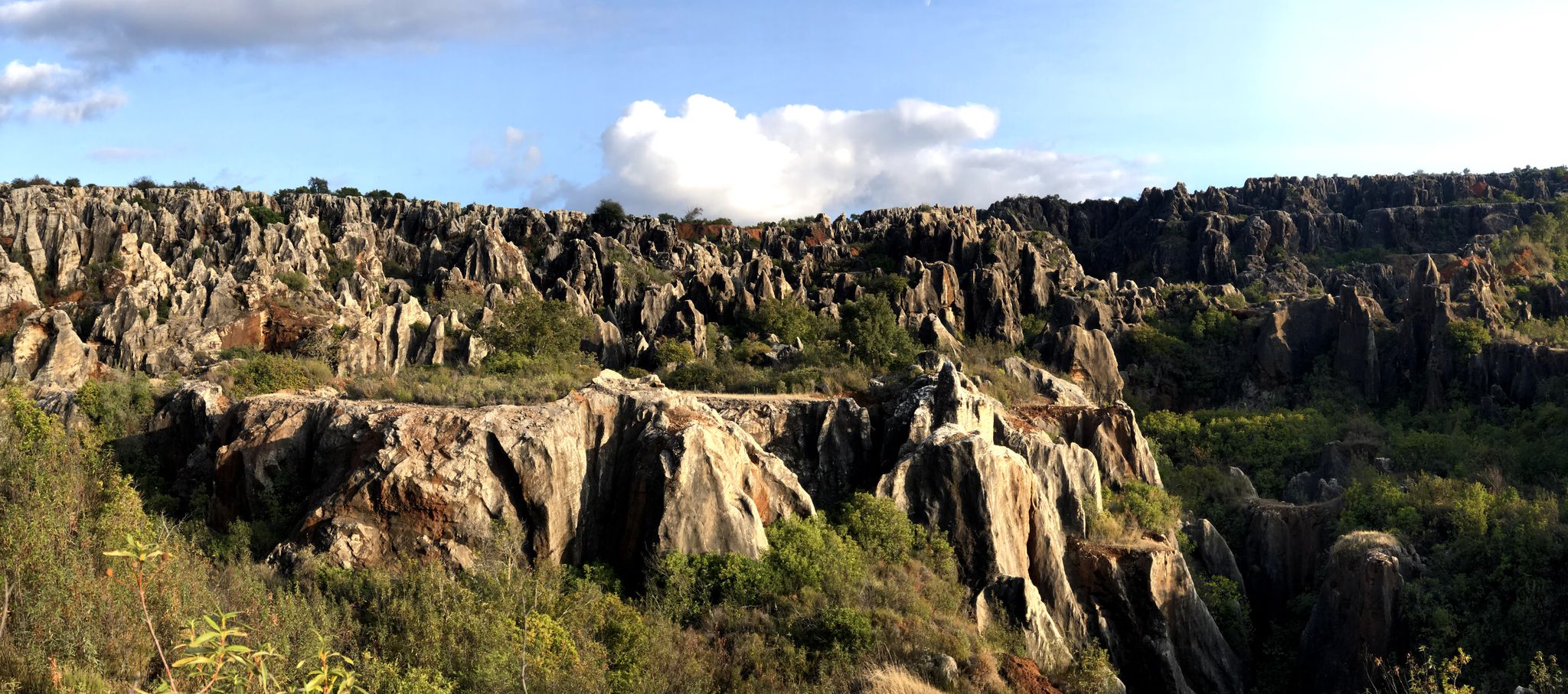
Cycling among the mysterious faults – Sierra Morena (GR 48)
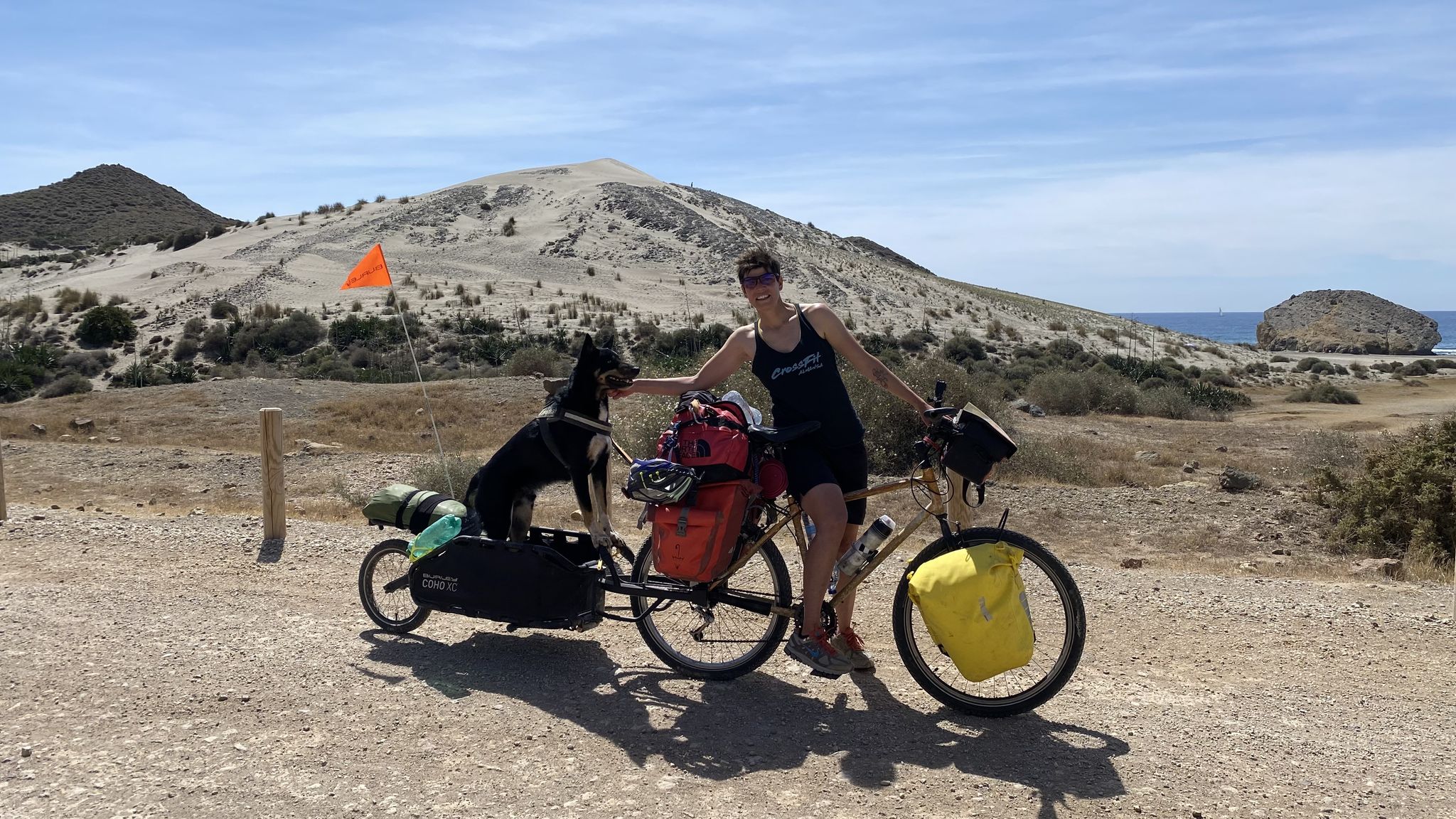
Let’s head south – cycle in Andalusia with me and my dog
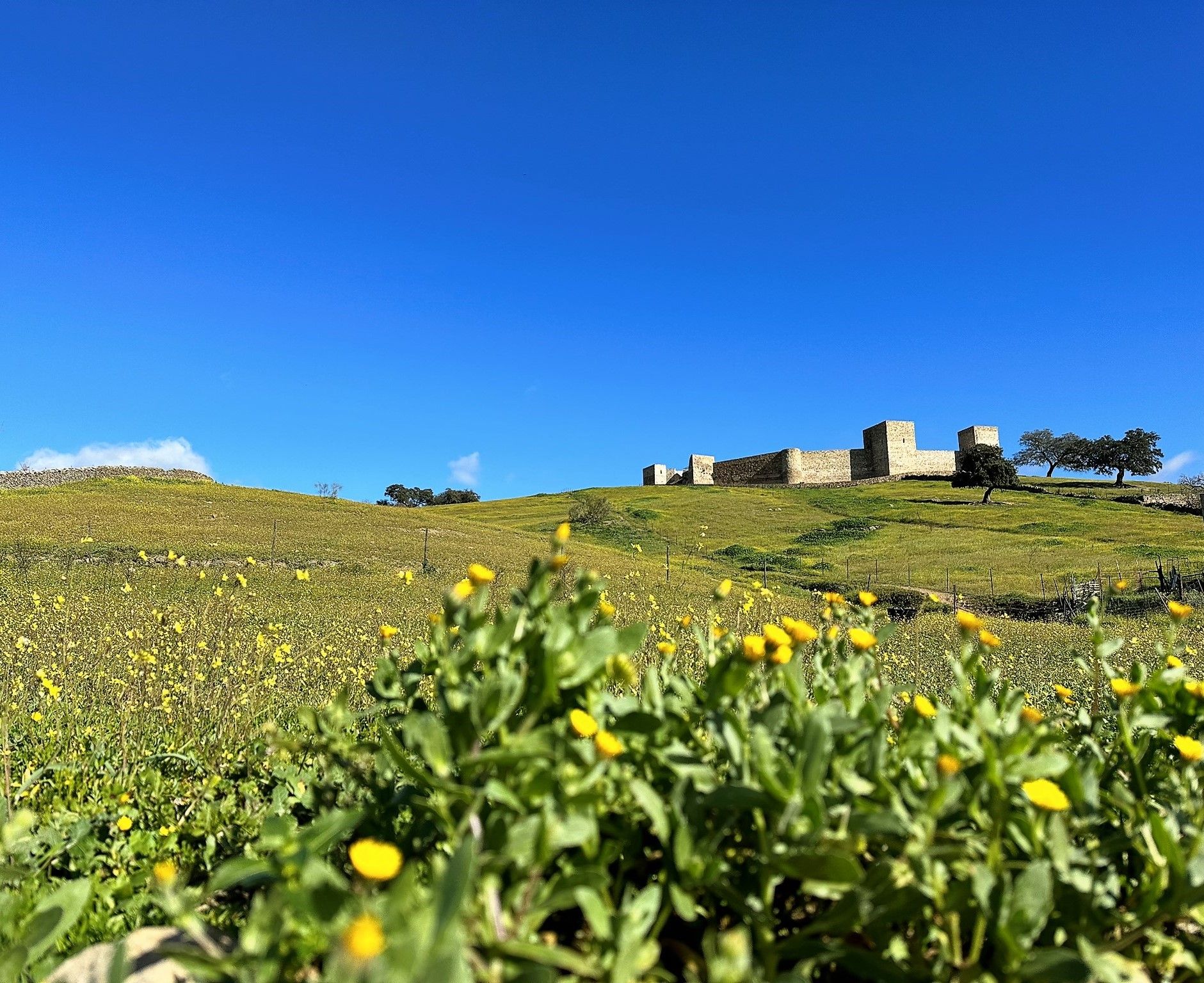
Dehesas and castles of Sierra Morena – Huelva and Seville on foot (GR 48)
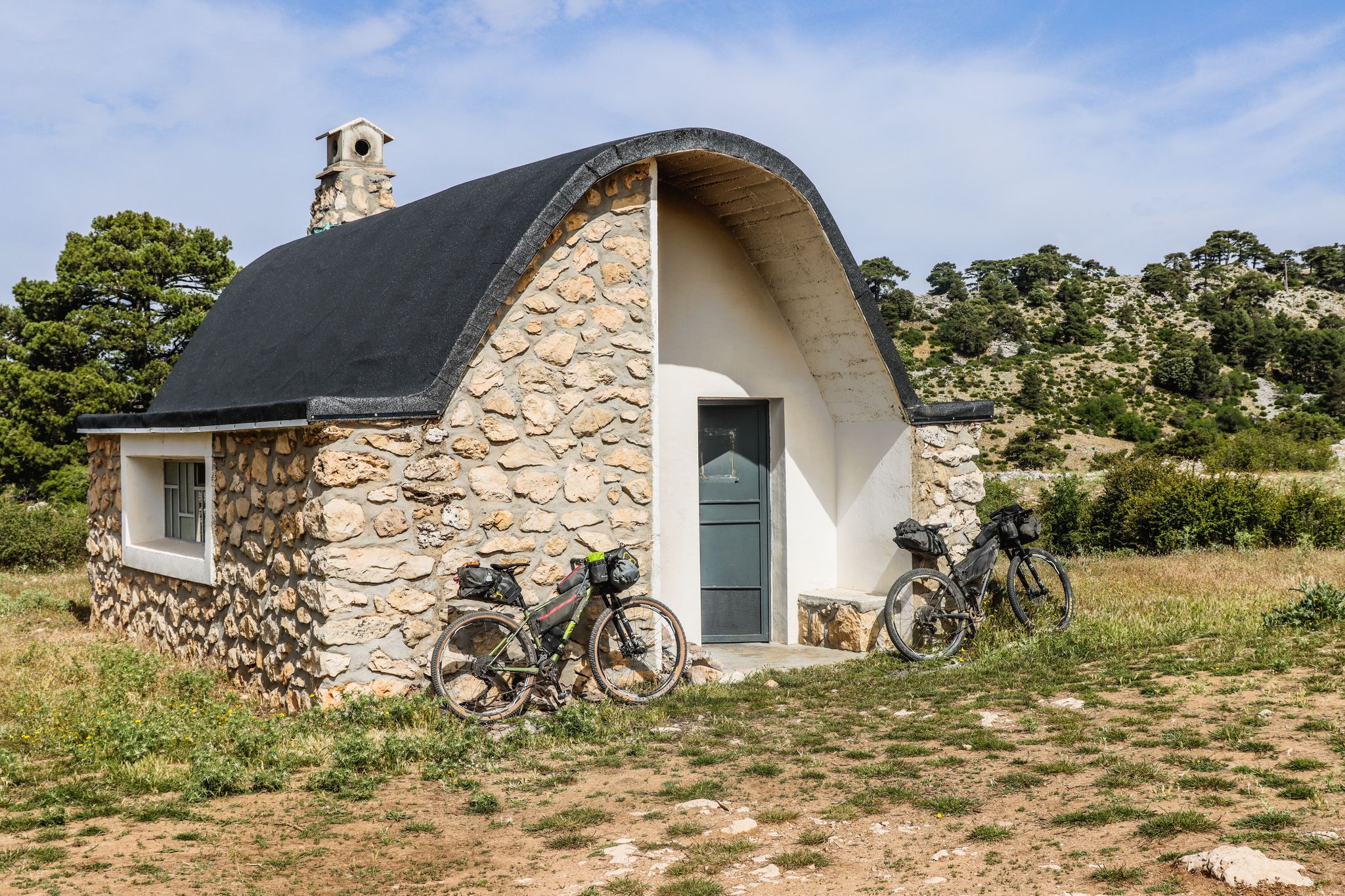
Wild and free Andalusia – Transandalus through the interior
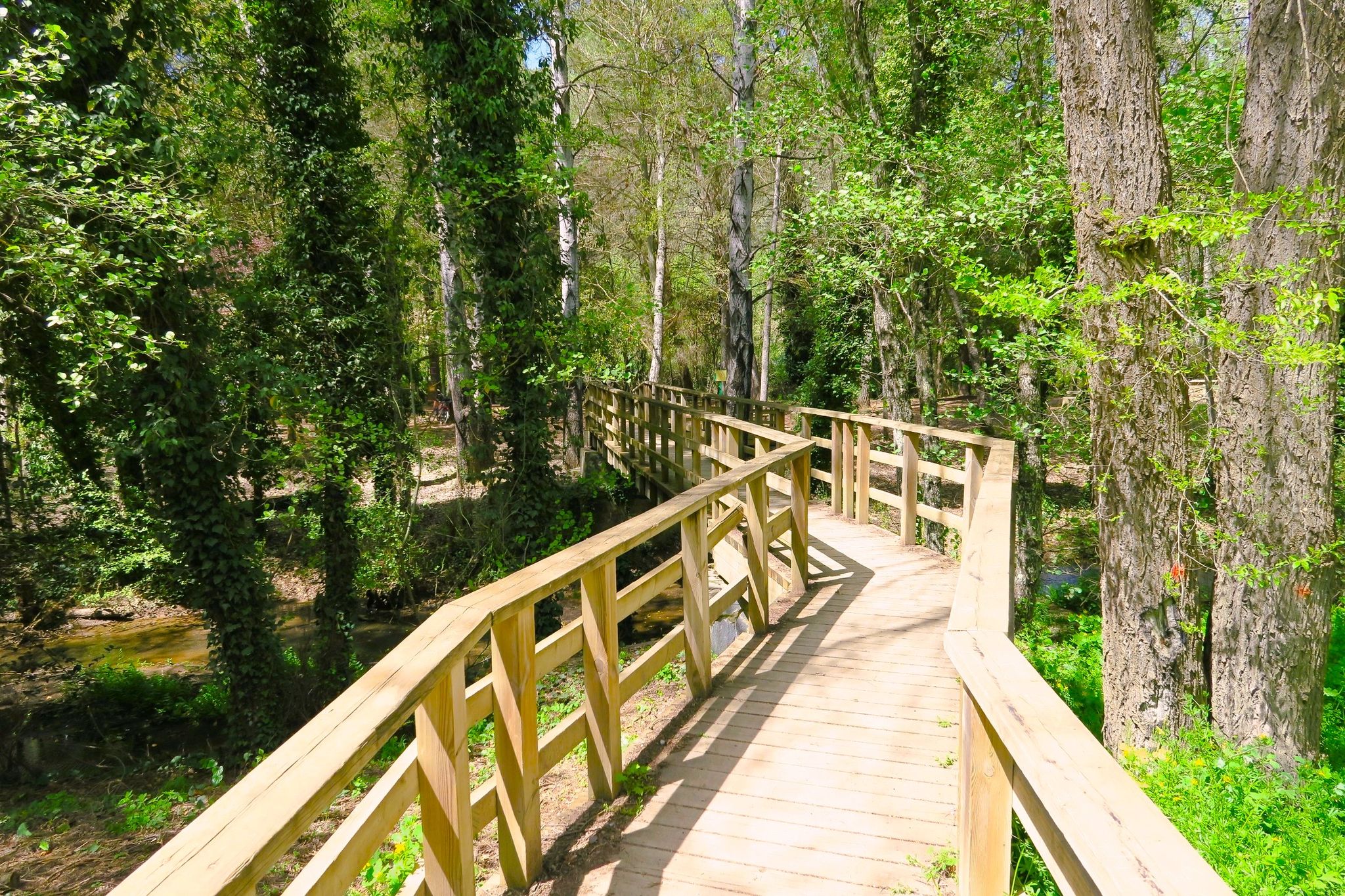
Land, culture, disconnection — Sierra Norte de Sevilla Natural Park
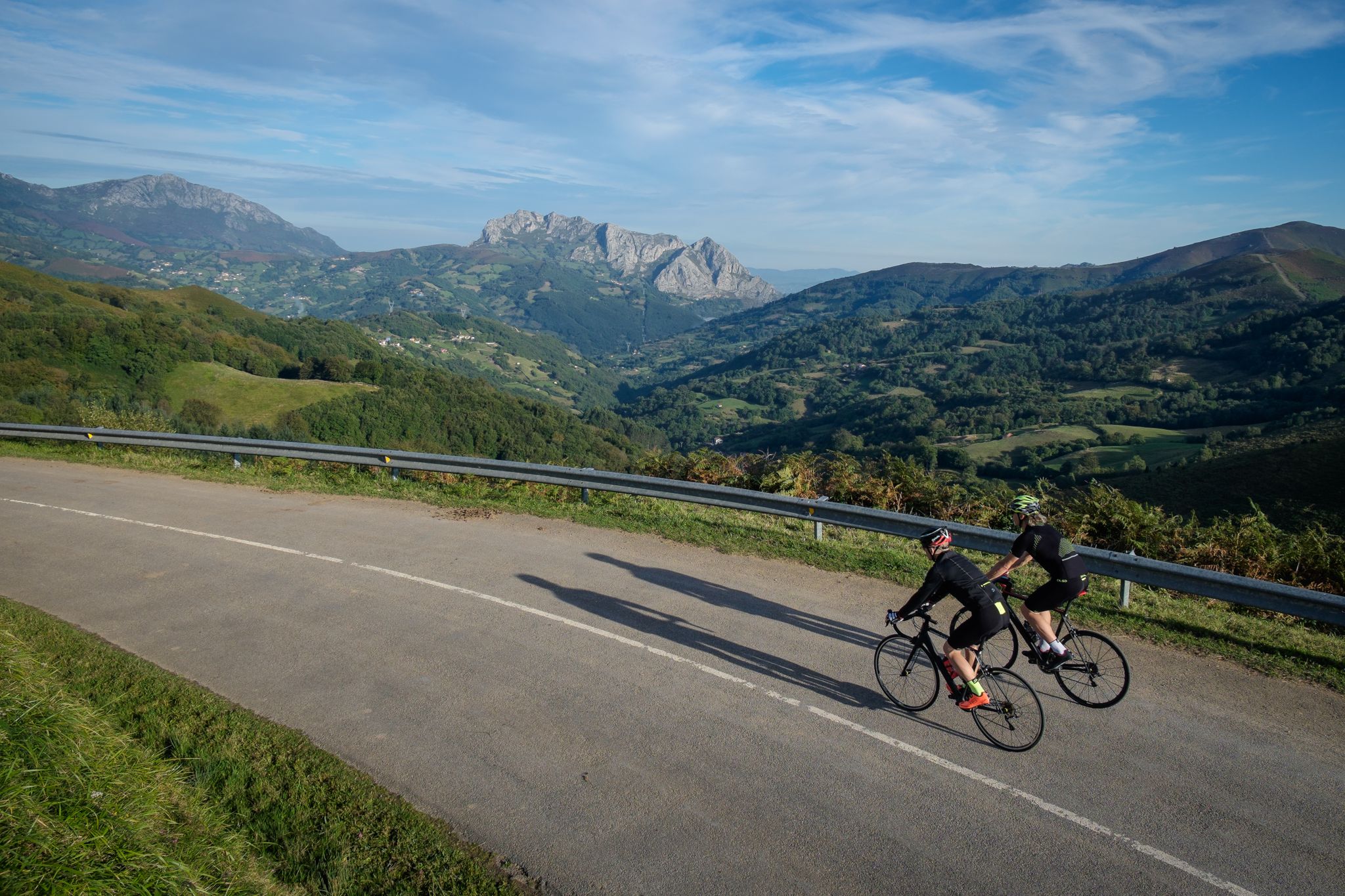
Explore Spain’s monuments and landscapes – cycle the Via de la Plata
Journey through Spain’s Sierra Morena — Cordoba to Seville by bike
Vía de la Plata – from Seville to Gijón by bike
Other adventures in Sierra Norte De Sevilla


Tips from the Community

The castle has a trapezoidal shape and has two gates and eight towers, three of which are semicircular. The main gate is located in the keep, to the south of the enclosure, while the secondary gate is on the opposite side. Both gates have been rebuilt with granite ashlar.
6
0
The view of El Real de la Jara Castle is one of the great scenic attractions of this charming town in the Sierra Norte of Seville.
4
1
The Real de la Jara Castle is located in the town of El Real de la Jara, in the province of Seville. This medieval castle occupies a strategic position atop a hill north of the town, making it an important defensive center during the Middle Ages.
6
0

It is worth going up, seeing it and enjoying the views.
1
1
El Real de la Jara Castle is a medieval fortress located in the municipality of El Real de la Jara, in the Sierra Norte de Sevilla. This castle has a rich history and offers a fascinating experience. You can join a guided tour to learn about the history of the castle, its architecture and its importance in the region.
5
0

This fortress is located on the outskirts of El Real de la Jara, very close to the Castillo de las Torres and almost on the natural border with Extremadura. It was built at the end of the 14th century, but a large part of the walls and towers still remain. You can visit the monumental interior from Tuesday to Sunday from 10:00 a.m. to 6:00 p.m.
3
1

The Real de la Jara enjoyed a strategic position throughout the Middle Ages, which made it an important defensive nucleus, as evidenced by the remains of the Castle, located a few meters from the town. The castle stands on a high hill located to the north of the town.
0
1

From Constantine Castle you can see stunning views of both Constantine and the surrounding area. It can be easily accessed on foot, by bike or by car.
1
0
Frequently Asked Questions
What are some of the most historically significant castles in Sierra Norte de Sevilla?
The castles in Sierra Norte de Sevilla are rich in history, reflecting Roman, Moorish, and Christian influences. Notable examples include the Castle of Constantina, a Moorish-era fortress that played a significant defensive role, and El Real de la Jara Castle, a 13th-century structure that controlled vital routes like the Vía de la Plata. Castillo de Alanís, with its Arabic origins and role in defending the Kingdom of Seville, also stands out.
Which castles offer the best panoramic views of the region?
Many castles in the Sierra Norte de Sevilla are strategically perched on hills, offering impressive vistas. The Castle of Constantina provides stunning panoramic views of the town and surrounding area. Similarly, the View of El Real de la Jara Castle offers scenic attractions, especially at sunset, and Castillo de Alanís allows visitors to climb its single tower for commanding views.
Are there family-friendly castles to visit in Sierra Norte de Sevilla?
Yes, the Castle of Constantina is noted as family-friendly and easily accessible. Exploring the remains of castles like El Real de la Jara, which has been made safe for exploration, can also be an engaging experience for families interested in history and medieval architecture.
What kind of outdoor activities can I do near these castles?
The Sierra Norte de Sevilla region offers various outdoor activities. You can find numerous hiking trails, such as the Las Laderas Trail or Cerro del Hierro Trail, which are often near these historic sites. For more options, explore the Hiking in Sierra Norte De Sevilla guide. There are also running and gravel biking routes available in the area.
Are there hiking trails that incorporate these castles or the Vía de la Plata?
Absolutely. The region is crisscrossed with trails, including sections of the historic Vía de la Plata. The Castillo de las Torres and Dehesa on the Vía de la Plata highlight specifically mentions a rolling track along this ancient route, where you can see the old ruined fortress. Many routes, like the Sierra Morena Trail (GR 48), pass through areas rich in historical landmarks. You can find more details in the Hiking in Sierra Norte De Sevilla guide.
Which castles are easily accessible by car or on foot?
The Castle of Constantina is known for its easy access, reachable both on foot and by car. El Real de la Jara Castle is located on the outskirts of the town and is also generally accessible for visitors.
What is the best time of year to visit the castles in Sierra Norte de Sevilla?
The Sierra Norte de Sevilla experiences a Mediterranean climate. Spring (March to May) and autumn (September to November) generally offer pleasant temperatures for exploring the castles and surrounding natural areas. Summers can be very hot, while winters are milder but can be damp.
Can I find parking facilities when visiting these castles?
For castles like the Castle of Constantina, access by car is straightforward, implying parking is available nearby. For other castles, parking might be found in the adjacent towns or designated areas, though it's advisable to check local information for specific sites.
What are the architectural characteristics of the castles in Sierra Norte de Sevilla?
The castles display a mix of architectural styles reflecting their diverse historical periods. El Real de la Jara Castle has a trapezoidal shape with eight towers and thick masonry walls. The Castle of Constantina features a polygonal enclosure with robust masonry, while Castillo de Alanís has an irregular hexagonal plan. Many incorporate elements from Roman, Moorish, and Christian constructions.
What role did these castles play historically in the region?
These castles were crucial defensive hubs, controlling vital routes like the Vía de la Plata and protecting the northern border of the Kingdom of Seville. They served as strategic points during medieval conflicts, border disputes, and even the Napoleonic invasion, reflecting the region's frontier heritage and its importance in controlling trade and military movements.
How long should I plan for a visit to one of these castles?
The time needed to explore a castle varies. For well-preserved sites like El Real de la Jara Castle, where you can visit the monumental interior, you might spend 1-2 hours. For ruined fortresses or viewpoints like Castillo de las Torres, a shorter visit of 30-60 minutes might suffice, especially if combined with a walk along the Vía de la Plata.
Are there options for food and drink near the castles?
Most castles are located near or within towns such as El Real de la Jara, Constantina, Alanís, and Almadén de la Plata. These towns typically offer local cafes, restaurants, and pubs where visitors can find refreshments and meals after exploring the historical sites.
Most popular routes in Sierra Norte De Sevilla
Most popular attractions in Sierra Norte De Sevilla

Get inspired with the komoot mobile app


Explore more
Looking for the best castles somewhere else? Discover other guides in Sierra Norte De Sevilla:
