The best cycling routes in Guadalmellato
4.4
(208)
4,934
riders
164
rides
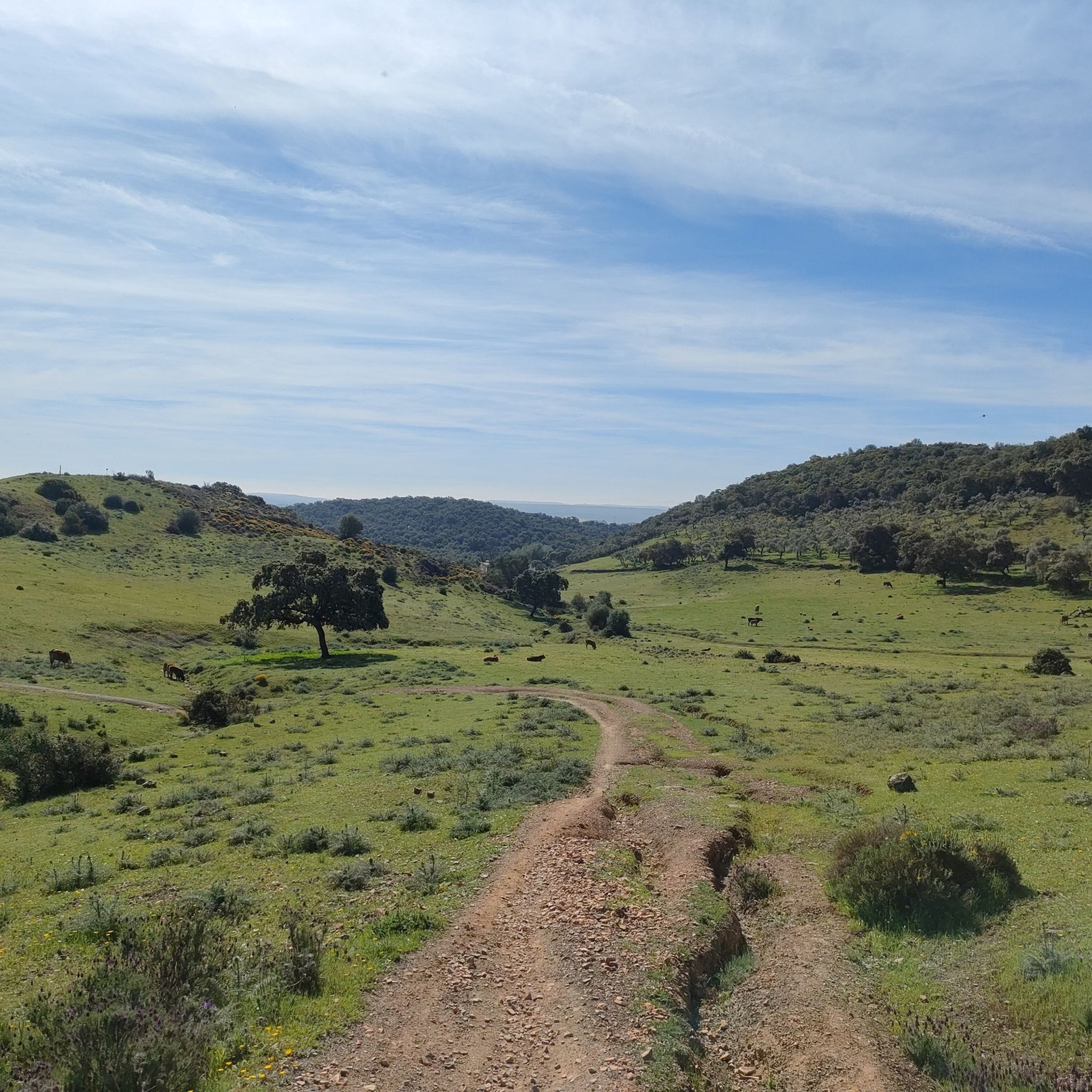
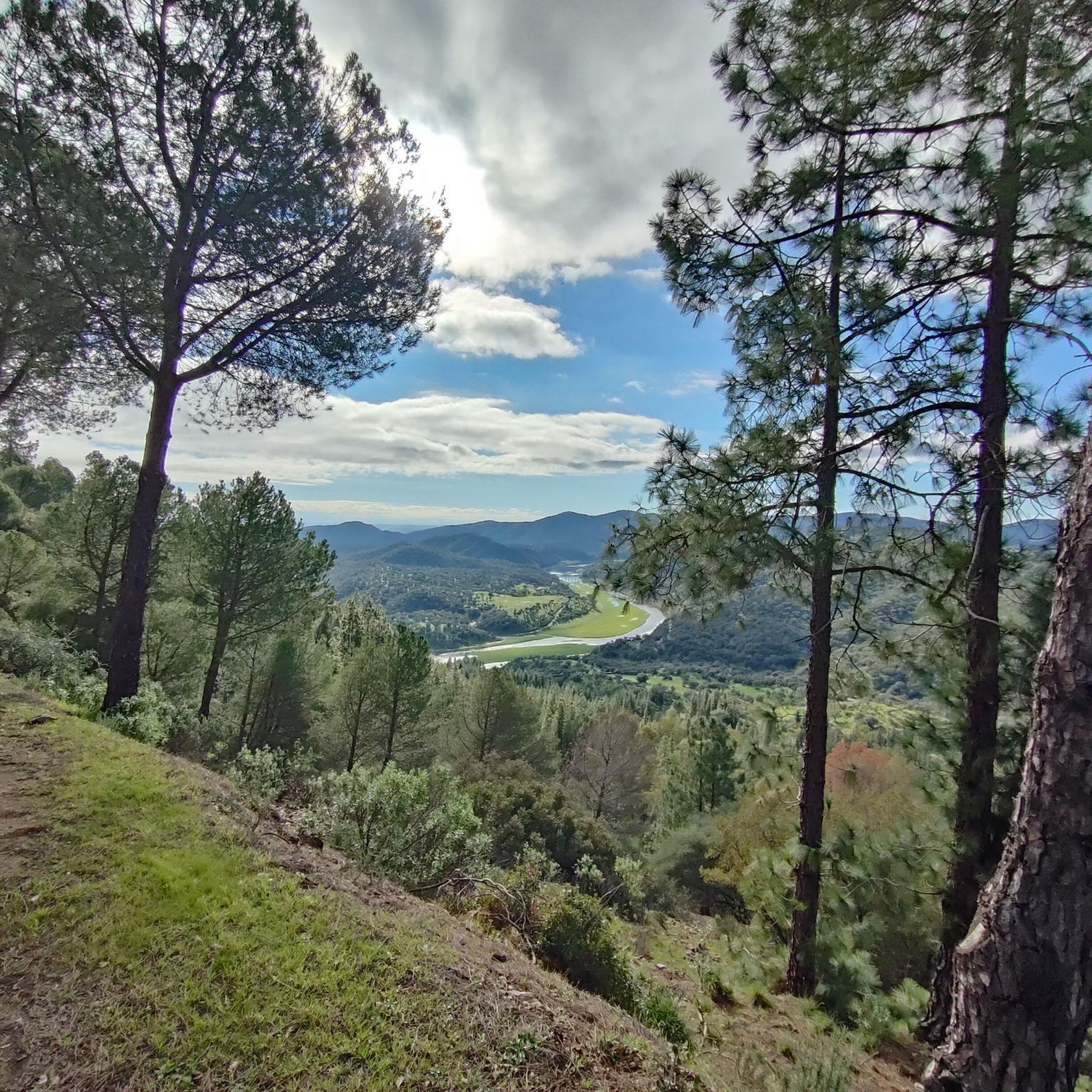
Touring cycling in Guadalmellato offers routes through the gently elevating Sierra Morena mountains, characterized by extensive forests of cork oaks and pine trees. The region's landscape is shaped by the Guadalmellato River and its reservoirs, including the Guadalmellato Reservoir and San Rafael de Navallana Reservoir, which create lush riparian zones. Cyclists can navigate a mix of paved roads, unpaved tracks, and gravel paths, encountering varied terrain and striking rock formations. This area provides a compelling environment for active exploration, with…
Last updated: July 11, 2026
2.5
(2)
10
riders
38.9km
02:35
530m
530m
Hard bike ride. Very good fitness required. Mostly paved surfaces. Suitable for all skill levels.
48
riders
33.5km
03:15
860m
870m
Hard bike ride. Very good fitness required. Mostly paved surfaces. Suitable for all skill levels.

Sign up for free
8
riders
29.4km
01:47
260m
260m
Moderate bike ride. Good fitness required. Mostly paved surfaces. Suitable for all skill levels.
3.5
(4)
66
riders
Moderate bike ride. Good fitness required. Mostly paved surfaces. Suitable for all skill levels.
3.0
(1)
18
riders
27.0km
01:43
330m
330m
Moderate bike ride. Good fitness required. Mostly paved surfaces. Suitable for all skill levels.
Get access to more routes and recommendations from other explorers.
Sign up for free
Already have an account?
Our route recommendations are based on thousands of hikes, rides, and runs completed by other people on komoot.
Start today with a free account
Your next adventure awaits.
Login or Signup


Tips from the Community

Scattered along the riverbed, christened by the Arabs as Guadalquivir (“great or copious river”) as it passes through the World Heritage city, are what were once symbols of the milling industry in Córdoba, which today remain inserted in an unparalleled landscape setting, silent witnesses to the city's evolution.
2
0

A metal bridge crosses the Guadalquivir River on the outskirts of Villafranca de Córdoba. Built in the late 19th century, it is notable for its riveted iron structure, typical of the engineering of that era.
0
0
The Church of San Pedro (now the Minor Basilica of San Pedro) is one of the oldest and most historic churches in Córdoba. It was built on the remains of a 4th-century basilica that housed the remains of the Cordoban martyrs Januarius, Martial, and Faustus. After the Christian conquest (1236), Ferdinand III ordered its construction between the 13th and 14th centuries, forming part of the Ferdinandine churches.
2
0
The Mocho bridge is located in Alcolea, within the municipality of Córdoba, and crosses the Guadalmellato river near its mouth in the Guadalquivir. It is a Roman bridge that was part of the Via Augusta, the great road that connected Cádiz with the Pyrenees passing through Córdoba.
4
0
The Mosque-Cathedral of Córdoba is one of the most impressive monuments in the world, a symbol of Islamic art in the West and a UNESCO World Heritage Site since 1984. It was originally the Visigothic Basilica of San Vicente, shared by Christians and Muslims. In 784, Abd al-Rahman I began construction of the mosque, which was expanded by his successors: Abd al-Rahman II, Abd al-Rahman III, Al-Hakam II, and Almanzor. After the Christian Reconquista in 1236, it was consecrated as the Cathedral of the Assumption of Our Lady, and in 1523 a Renaissance basilica was built inside.
15
0

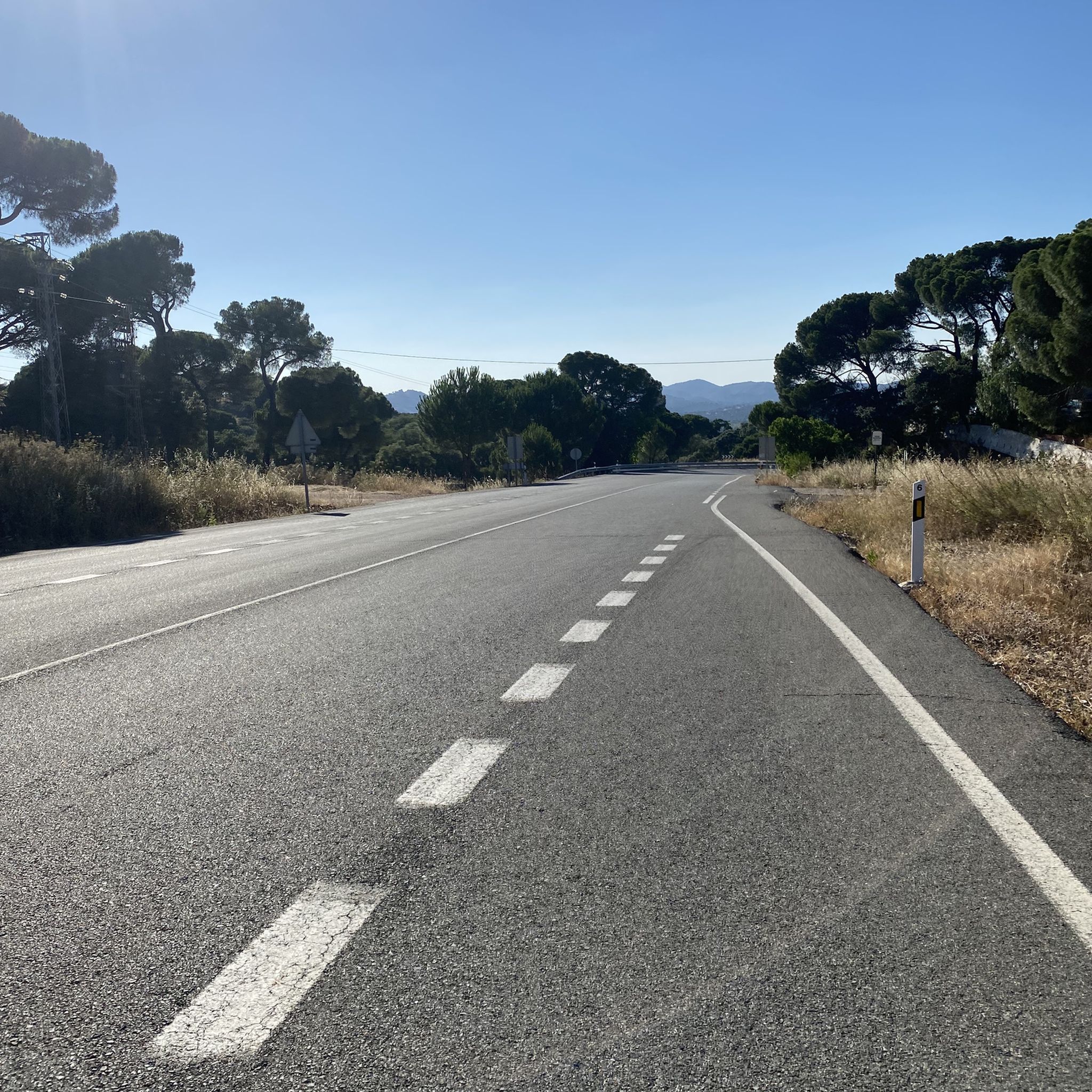
El Puente Mocho connects the CH-1 road with the CO-3103 road which will take us to the town of Villafranca de Córdoba. It is a route frequently used by cyclists as its asphalt is in good condition and its low volume of motor vehicles makes it very safe. The route is winding with continuous ups and downs, it is a perfect area to train on.
0
0

The Molino de la Albolafia is located very close to the Roman bridge and on the right bank of the Guadalquivir. It was built by Abd al-Rahman II to bring water from the river to the emirs' palace via an ingenious aqueduct. The mill has a restored naura or water wheel, which was originally ordered to be dismantled by Queen Isabella La Católica because of the noise it produced near the Alcázar, the royal residence. This mill has been part of the city's coat of arms since the fourteenth century.
6
1
The palace was originally built in the 14th century and has undergone several renovations and modifications since then. The Palacio de Viana is an example of Cordoban noble style and houses twelve beautiful patios, each with its own unique character and style. The architecture combines various historical influences, from the austere Renaissance to the Baroque Cordoban design. The exterior wall is simple and white, but the interior spaces are richly decorated with art and furniture. The palace is one of the best preserved stately homes in Cordoba and Spain. It has a rich history and has served as a home for various noble families over the centuries1. It is now a museum and a major tourist attraction in Cordoba. The contents of the Palacio de Viana include an impressive collection, including paintings, mosaics, tapestries and guadamecíes (worked leather). The palace's library contains over 6,000 volumes, and the historical archives contain over 400,000 documents dating back to the 12th century.
7
0
Frequently Asked Questions
What kind of terrain can I expect on touring cycling routes in Guadalmellato?
Guadalmellato offers a diverse range of terrain for touring cyclists. You'll find a mix of paved roads, unpaved tracks, and gravel paths. The region is characterized by gently elevating mountains, extensive forests of cork oaks and pine trees, and striking rock formations. Some routes, particularly in the broader Sierra Morena, might even involve sections where pushing your bike is necessary due to the challenging terrain.
Are there touring cycling routes suitable for beginners in Guadalmellato?
Yes, Guadalmellato offers routes suitable for various skill levels, including beginners. There are 17 easy touring cycling routes available. While specific beginner-focused routes aren't detailed here, you can look for paths described as having less elevation gain or those following canal service tracks, which are often flatter and restricted to motor vehicles, providing a safer and more enjoyable experience for those new to touring cycling.
What natural features or landmarks can I see while cycling in Guadalmellato?
The region is rich in natural beauty and historical landmarks. You can cycle past the significant Navallana Reservoir and the Guadalmellato Reservoir and Dam, which are central features of the landscape. The historic Puente Mocho Roman Bridge over the Guadalmellato River is also integrated into several routes, offering a glimpse into the area's past. The routes also traverse extensive forests of cork oaks and pine trees, providing scenic backdrops.
Are there any challenging touring cycling routes for experienced riders?
Absolutely. Guadalmellato is home to 93 difficult touring cycling routes, offering significant elevation gains and demanding terrain for experienced riders. One such route is the Bell Tower of Adamuz – Sierra Morena Viewpoint loop from Fuente Agria, a 39.1 km trail with over 500 meters of elevation gain, providing panoramic views of the Sierra Morena. Another challenging option is the Pump Track loop from Villafranca de Córdoba, which covers 33.5 km with over 860 meters of ascent.
What is the best time of year to go touring cycling in Guadalmellato?
While not explicitly stated in the provided information, regions like Guadalmellato in Andalusia typically offer pleasant cycling conditions during the spring (March to May) and autumn (September to November) months. During these periods, temperatures are generally milder, and the natural landscapes are vibrant. Summers can be very hot, making early morning or late afternoon rides more advisable, while winters are usually mild but can have occasional rain.
Can I find routes that are circular or loop trails in Guadalmellato?
Yes, many touring cycling routes in Guadalmellato are designed as loops, allowing you to start and finish at the same point. Examples include the Bell Tower of Adamuz – Sierra Morena Viewpoint loop from Fuente Agria and the Puente Mocho – Villafranca de Córdoba loop from Villafranca de Córdoba. These circular routes are convenient for day trips, as they eliminate the need for return transport.
What do other touring cyclists enjoy the most about touring cycling in Guadalmellato?
The touring cycling routes in Guadalmellato are highly rated by the komoot community, with an average score of 4.4 stars from over 170 reviews. Cyclists often praise the region's diverse landscapes, which include gently elevating mountains, extensive forests, and the scenic reservoirs. The mix of paved and unpaved roads, along with the opportunity to encounter significant wildlife, contributes to a compelling and active exploration experience.
Are there any routes that pass by the Guadalmellato Reservoir?
Yes, several routes offer views of or pass near the Guadalmellato Reservoir. For instance, the Puente Mocho – Guadalmellato Reservoir loop from Villafranca de Córdoba is a 49.7 km route that directly incorporates this significant natural feature. The reservoir and its dam are prominent landmarks in the region, providing beautiful waterside cycling opportunities.
Are there opportunities for multi-day bikepacking or long-distance touring?
While specific multi-day routes are not detailed in the provided data, the broader Sierra Morena region, where Guadalmellato is located, is known for extensive cycling opportunities, including multi-day bikepacking adventures. Sections of routes like the GR 48 often follow ancient tracks and quiet roads, linking traditional hill towns and villages, which could be adapted for longer touring trips.
What kind of wildlife might I encounter while cycling in Guadalmellato?
Guadalmellato is a vital ecological corridor, particularly known as a reintroduction zone for the critically endangered Iberian lynx, offering a rare opportunity to be in its habitat. Birdwatching is also prominent, with the Guadalmellato river and its reservoirs attracting numerous aquatic bird species like the Great Cormorant. The broader Sierra Morena is home to various raptors, including the Spanish Imperial Eagle and Griffon Vulture, and river otters can be observed in some areas.
Are there routes that include the historic Puente Mocho Roman Bridge?
Yes, the historic Puente Mocho Roman Bridge over the Guadalmellato River is a notable landmark integrated into several cycling routes. The Puente Mocho – Villafranca de Córdoba loop from Villafranca de Córdoba is a moderate route that features this bridge, with sections on well-maintained paved roads. Another option is the Puente Mocho – Navallana Reservoir loop from Villafranca de Córdoba.
Most popular routes in Guadalmellato
Most popular attractions in Guadalmellato

Get inspired with the komoot mobile app


Explore more
Browse the best Cycling routes in other regions.
