Attractions and Places To See in Sierra Maria - Los Velez - Top 7
Best attractions and places to see in Sierra Maria - Los Velez include a diverse range of natural landscapes and cultural heritage sites. The region is characterized by its dramatic mountain scenery, extensive pine forests, and limestone formations. Significant cultural sites like ancient cave paintings and historical castles are also present, offering a blend of natural beauty and historical significance. The Sierra María-Los Vélez Natural Park provides a setting for exploring these varied attractions.
Best attractions and places to see in Sierra Maria - Los Velez
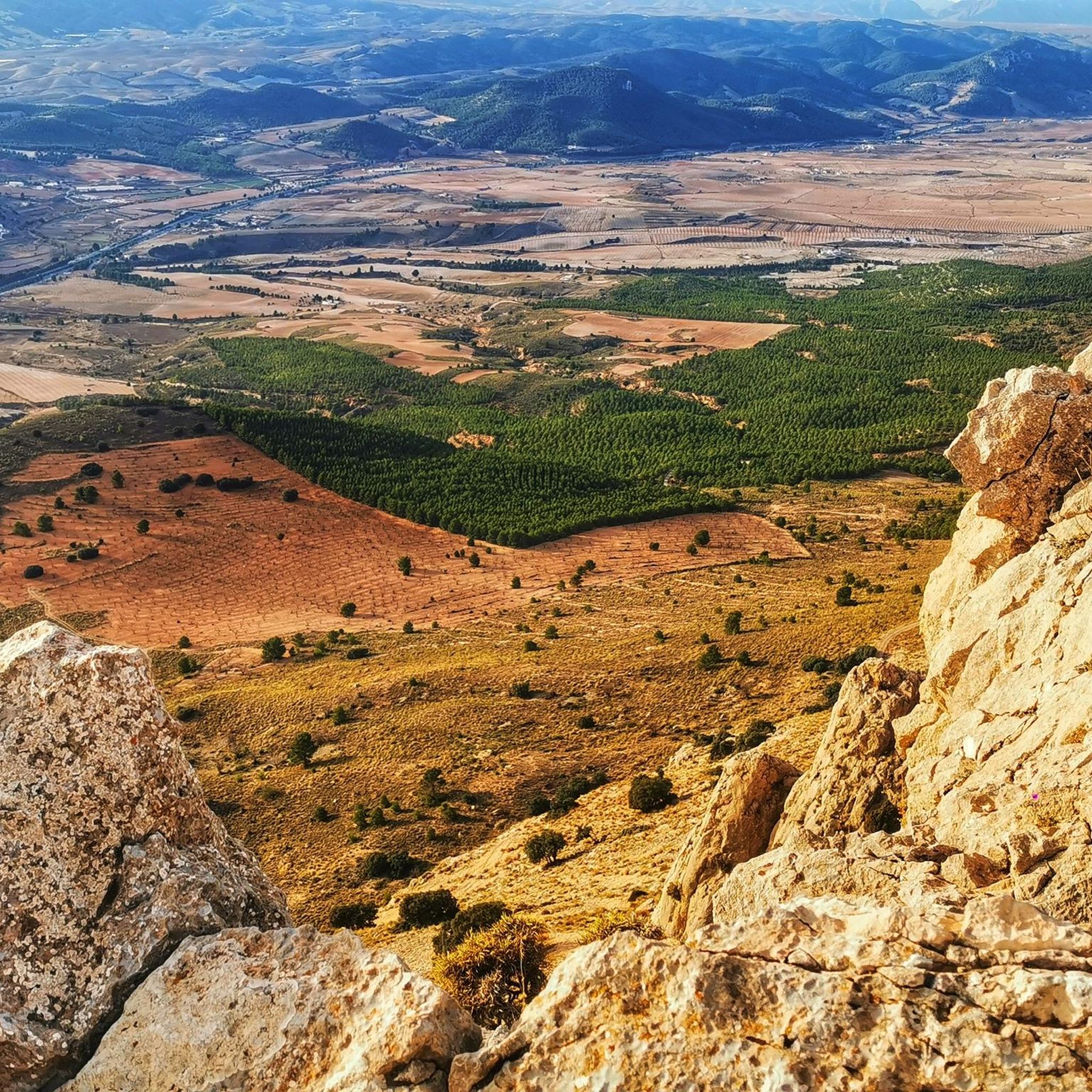
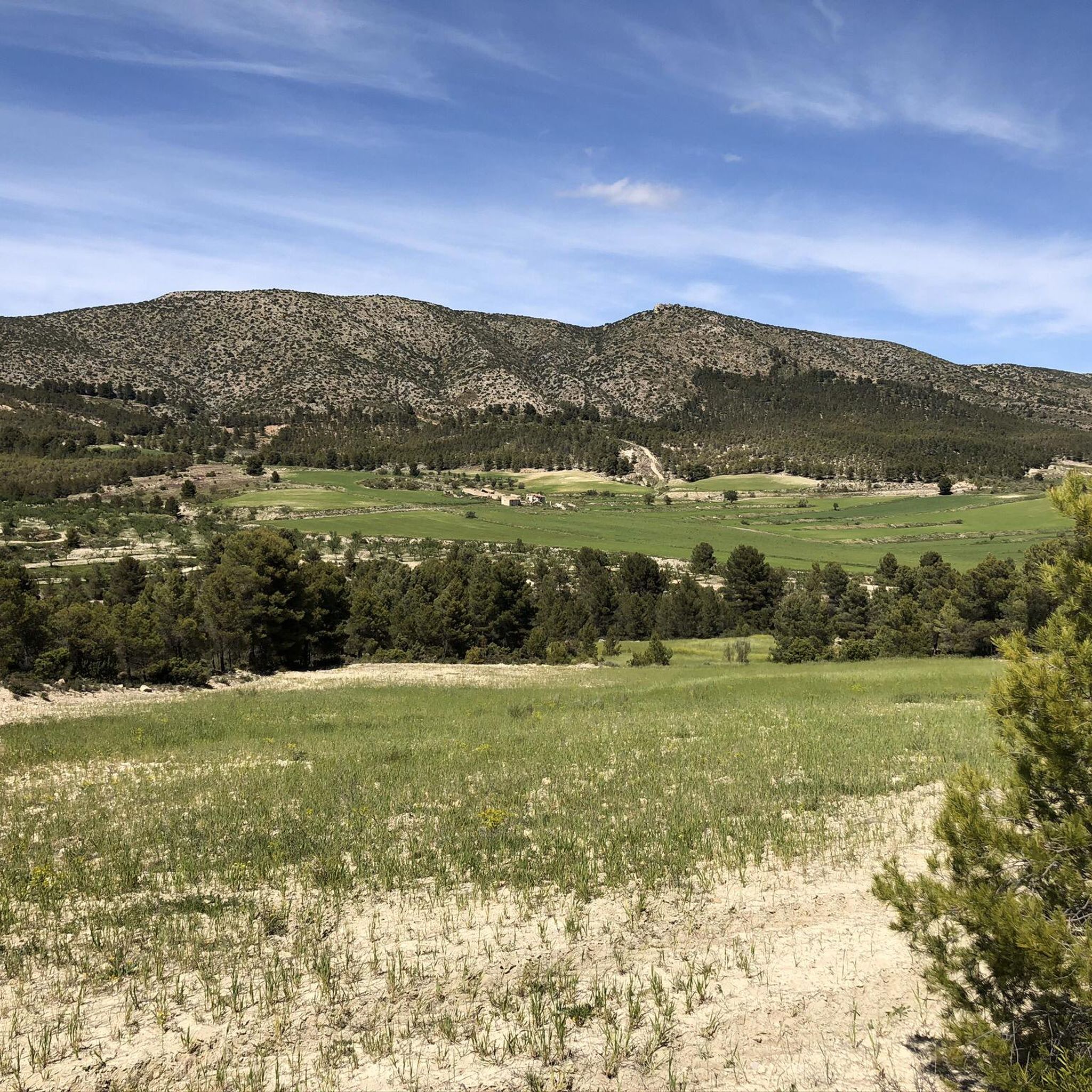
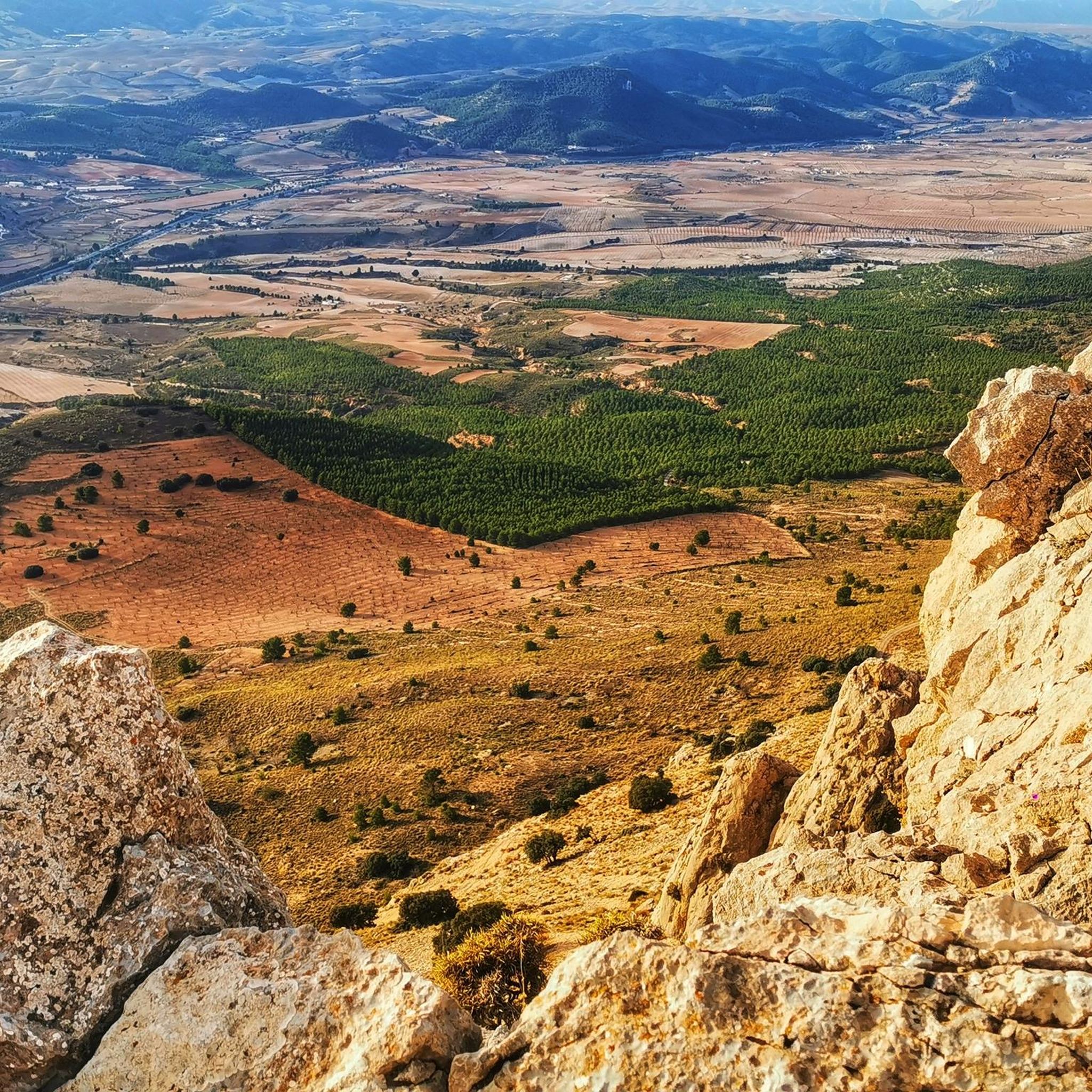
- The most popular attractions is View of Sierra de María, a viewpoint that offers views of La Muela and the castle of Vélez-Blanco, contrasting agricultural landscapes with lush pine forests. This spot provides panoramic views of the region's diverse terrain.
- Another must-see spot is Umbría de la Virgen Botanical Garden, an other_natural site. This botanical garden is located on the northern slope of the Sierra de María and showcases the region's flora and vegetation.
- Visitors also love Cave of the Inscriptions, a cave housing Neolithic cave paintings, including the Indalo symbol. This archaeological treasure is part of a UNESCO World Heritage site.
- Sierra Maria - Los Velez is known for its natural viewpoints, historical caves, and botanical gardens. The region offers a variety of natural and cultural sites to explore.
- The attractions in Sierra Maria - Los Velez are appreciated by the komoot community, with 7 upvotes and 4 photos shared.
Last updated: July 14, 2026
View of Sierra de María
Highlight • Viewpoint
Translated by Google •
Tip by

Umbría de la Virgen Botanical Garden
Highlight • Natural
It is an ideal place to appreciate the flora and vegetation of the region in a comfortable and pleasant way.
Translated by Google •
Tip by

Sign up now to discover places like this
Get recommendations on the best single tracks, peaks, & plenty of other exciting outdoor places.
Sign up for free
Cave of the Inscriptions
Highlight • Cave
Translated by Google •
Tip by
Collado de Portalchico
Highlight • Mountain Pass
To reach Collado de Portalchico, you can follow a hiking route that starts from the Ermita de la Virgen de la Cabeza and passes through the Umbría de la Virgen Botanical Garden. The route is challenging but rewarding, and will allow you to enjoy the natural beauty of the region.
Translated by Google •
Tip by
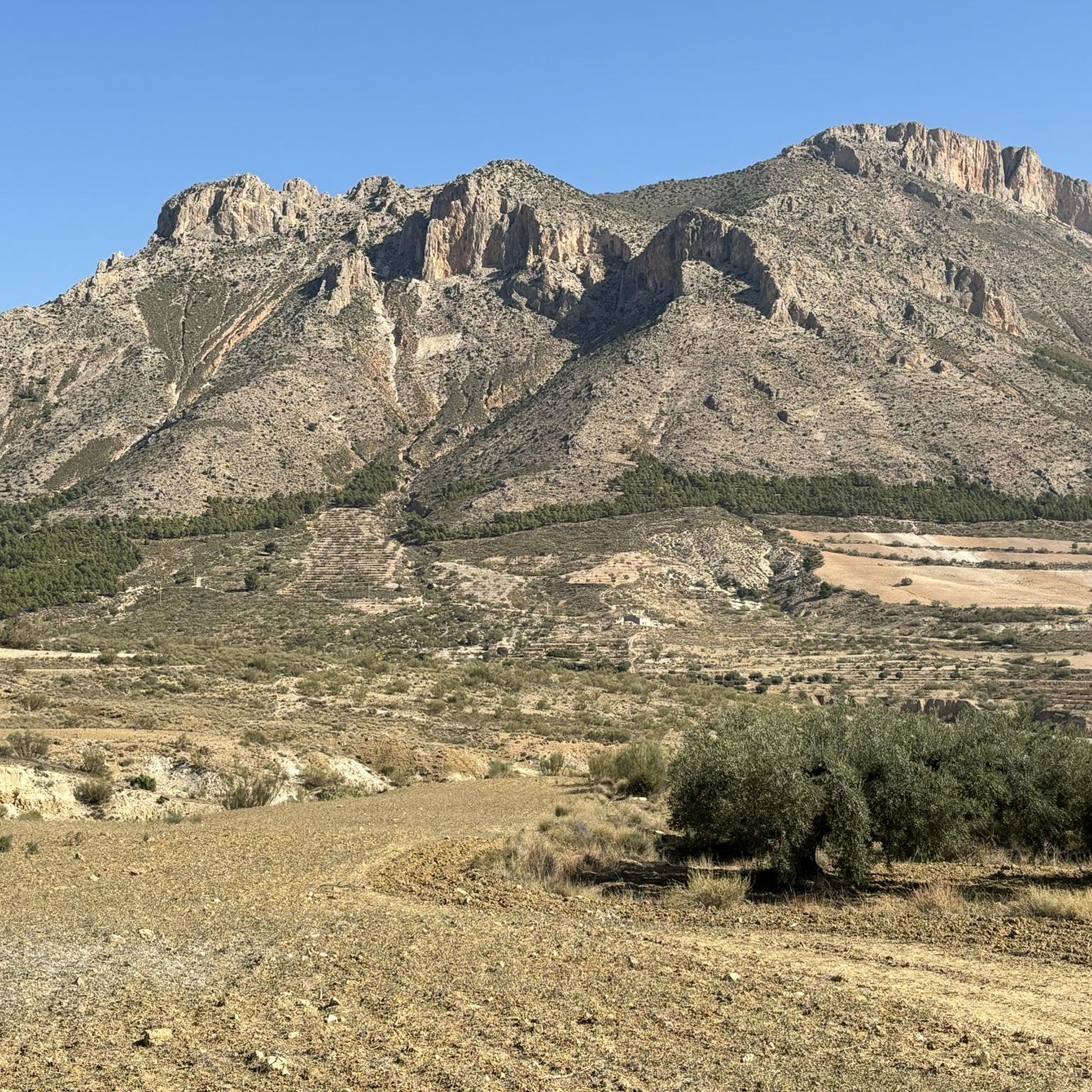
Views of the Sierra de María
Highlight • Viewpoint
Translated by Google •
Tip by
Sign up for free to discover even more attractions in Sierra Maria - Los Velez.
Sign up for free
Already have an account?
Start today with a free account
Your next adventure awaits.
Login or Signup
Popular around Sierra Maria - Los Velez

Other adventures in Sierra Maria - Los Velez

Tips from the Community


The Sierra de María is located within the María-Los Vélez Natural Park, a protected natural area located near Vélez Rubio, Vélez Blanco, María, and Chirivel. It was officially recognized as such in 1987. It covers an area of more than 22,500 hectares and has a visitor information office in the town of Vélez Blanco. Its unique variety of interior microclimates also contributes to the proliferation of many different plant species. The abundant forest cover gives rise to the development of native Black and Corsican pine forests, which coexist with Aleppo pine as a result of various reforestation projects.
0
0

Collado de Portalchico is located in the Sierra de María, within the Sierra María-Los Vélez Natural Park, in the province of Almería. This hill is located at an altitude of 1880 meters and offers impressive panoramic views both to the north and south of the mountain range. To reach Collado de Portalchico, you can follow a hiking route that starts from the Ermita de la Virgen de la Cabeza and passes through the Umbría de la Virgen Botanical Garden. The route is challenging but rewarding, and will allow you to enjoy the natural beauty of the region.
6
0
The Umbría de la Virgen Botanical Garden is located on the northern slope of the Sierra de María, in the Sierra María-Los Vélez Natural Park, in the province of Almería. This botanical garden is part of the Andalusian Network of Botanical and Mycological Gardens in Natural Spaces. It is an ideal place to appreciate the flora and vegetation of the region in a comfortable and pleasant way.
6
0

More information can be found here: https://www.juntadeandalucia.es/medioambiente/portal/web/ventanadelvisitante/detalle-buscador-mapa/-/asset_publisher/Jlbxh2qB3NwR/content/id/5179874/pop_up
1
0
The Cueva de los Letreros, located in the municipality of Vélez Blanco, is an archaeological treasure that houses cave paintings related to the activities of the first settlers of the southeast of the peninsula. This site is part of the Mediterranean Arc Rock Art Complex, declared World Heritage by UNESCO.
2
0

It is advisable to book a tour of the caves in advance.
1
0

The cave paintings of the Letreros cave are located in the municipality of Vélez-Blanco, in the province of Almería. Dating back to the late Neolithic or Copper Age, they show various anthropomorphic figures, such as the Sorcerer of the Signboards or the Indalo (considered for centuries as one of the symbols of Almería). There are also a series of intertwined bitrangular figures that would represent a form of social organization based on kinship. Figures of different animals also appear, such as deer or goats.
0
0
Frequently Asked Questions
What natural attractions can I explore in Sierra María-Los Vélez Natural Park?
The park offers diverse natural features, including dramatic mountain ranges like Sierra María and El Maimón, extensive pine forests, and unique flora. You can visit the Umbría de la Virgen Botanical Garden to appreciate the region's vegetation. Notable caves include La Gitana Cave and Cueva del Gabar. For panoramic vistas, head to View of Sierra de María or the challenging Collado de Portalchico.
Are there any historical or cultural sites to visit in the region?
Yes, Sierra María-Los Vélez is rich in history. The most famous is the Cave of the Inscriptions (Cueva de los Letreros) near Vélez Blanco, a UNESCO World Heritage site known for its Neolithic cave paintings, including the iconic Indalo symbol. You can also explore the impressive 16th-century Vélez Blanco Castle, a significant Renaissance landmark, and the Paleolithic Cueva Ambrosio. The village of María features the 16th-century Nuestra Señora de la Encarnación church.
What are the best viewpoints in Sierra María-Los Vélez?
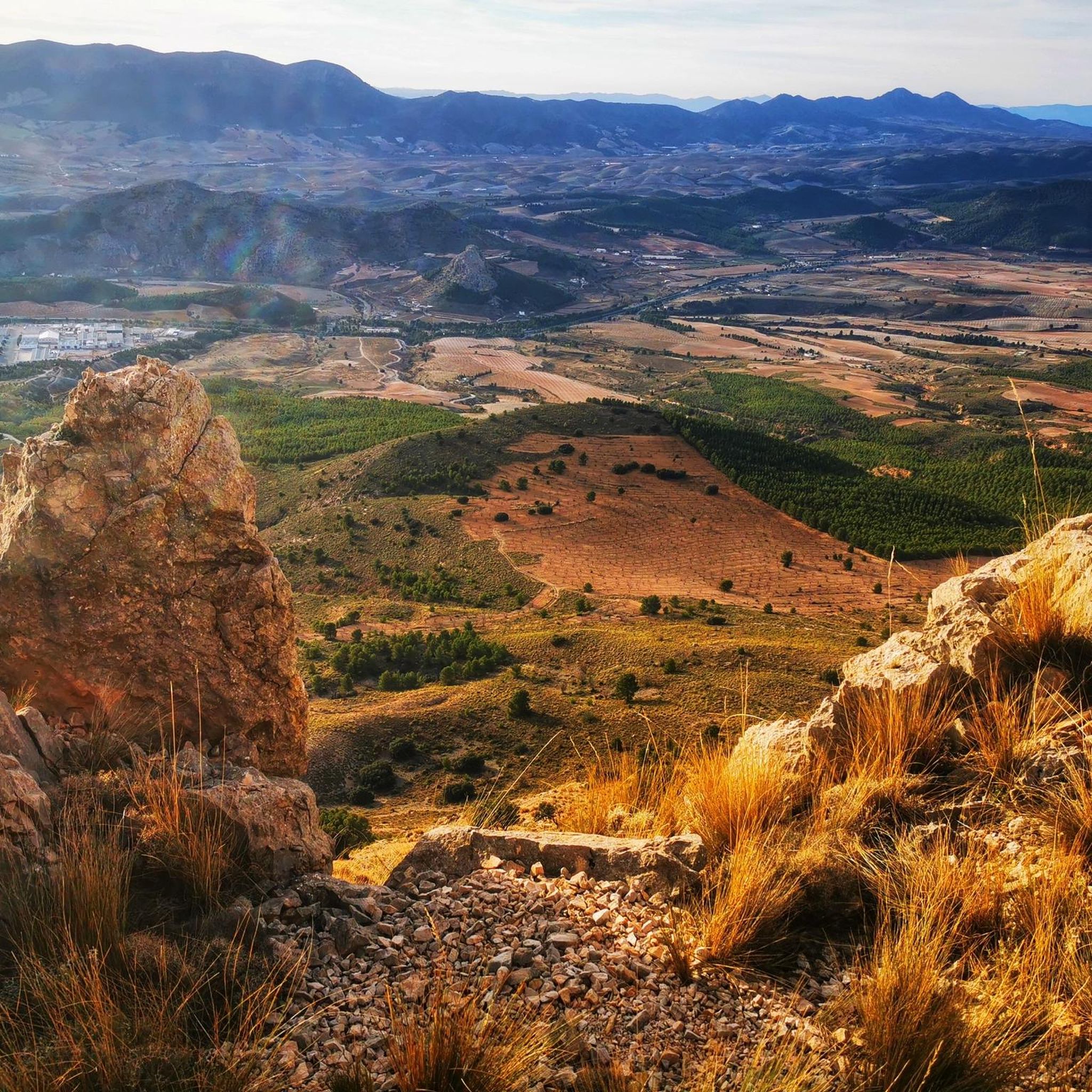
For breathtaking views, consider visiting View of Sierra de María, which offers vistas of La Muela and the Vélez-Blanco castle amidst agricultural and pine forest landscapes. Another excellent spot is Collado de Portalchico, situated at 1880 meters, providing impressive panoramic views to both the north and south of the mountain range. The Views of the Sierra de María highlight also offers a striking contrast of bare cliffs and plains.
Are there family-friendly attractions or activities in Sierra María-Los Vélez?
Absolutely. The Umbría de la Virgen Botanical Garden is an ideal place for families to comfortably explore the region's diverse flora. Many viewpoints, such as Views of the Sierra de María, are also considered family-friendly, offering accessible spots to enjoy the scenery. The Almacén del Trigo Visitors Centre in Vélez Blanco provides informative exhibits suitable for all ages.
What kind of outdoor activities can I do in Sierra María-Los Vélez?
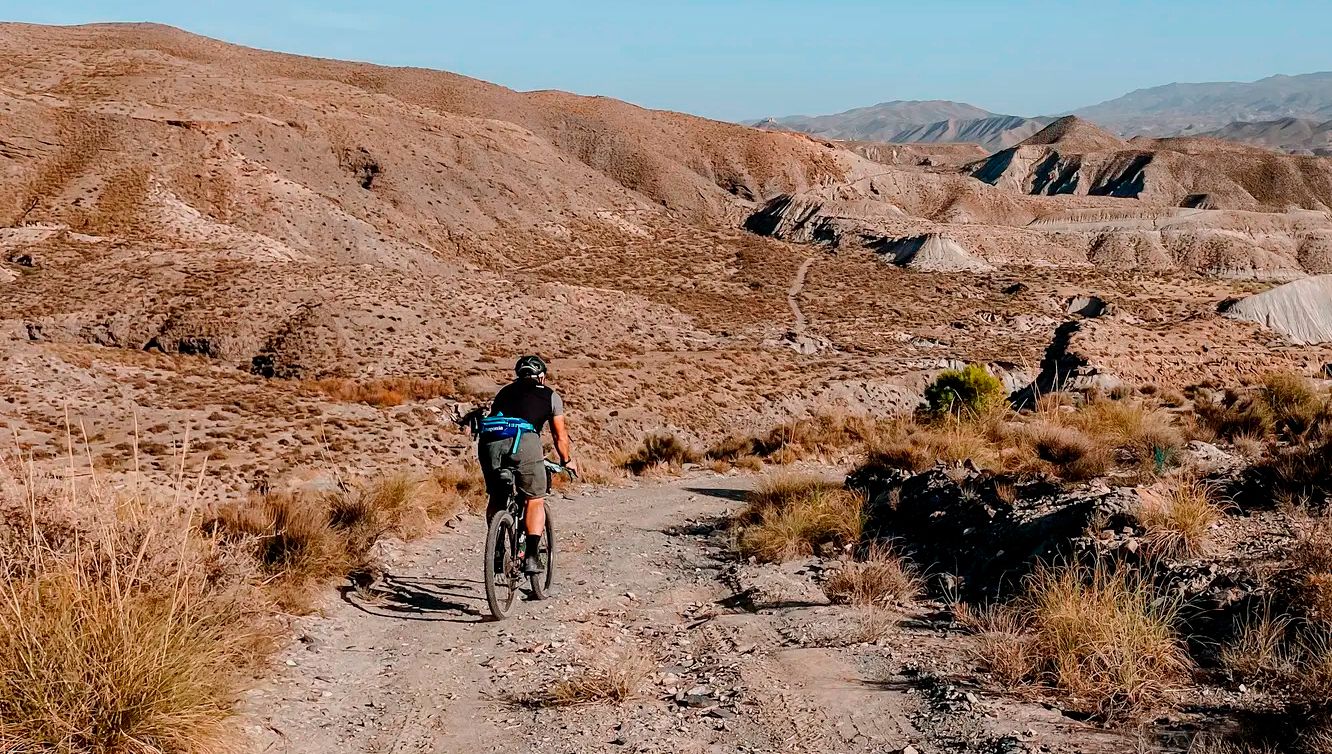
The Sierra María-Los Vélez Natural Park is excellent for outdoor enthusiasts. You can enjoy various cycling activities, including gravel biking, general cycling, and road cycling, with numerous routes available. Hiking is also very popular, with designated trails allowing you to explore diverse landscapes, from challenging mountain ascents to more leisurely walks through pine forests.
Where can I learn more about the park's ecology and history?
The Almacén del Trigo Visitors Centre, located in Vélez Blanco, is an excellent resource. It features informative exhibits on the park's ecology, archaeology, and human history. It's also conveniently situated near the footpath leading to the Cave of the Inscriptions, allowing you to combine your visit with a deeper understanding of the area.
What wildlife can I expect to see in Sierra María-Los Vélez Natural Park?
The park is a protected area and home to diverse wildlife. Mammals include Barbary sheep, common genet, beech marten, and the Cabrera vole. Birdwatchers can spot golden eagles, peregrine falcons, and a growing population of Griffon vultures, as the park is a special protection zone for birds. It also boasts an outstanding butterfly population, including unique subspecies.
Is it necessary to book tours for attractions like the Cave of the Inscriptions?
Yes, for sites like the Cave of the Inscriptions (Cueva de los Letreros) and Cueva del Gabar, it is advisable to book a guided tour in advance. This ensures access and provides valuable insights into the prehistoric art and history of these archaeological treasures.
What is the best time of year to visit Sierra María-Los Vélez?
The park offers attractions year-round, but spring and autumn are generally ideal for outdoor activities like hiking and cycling, thanks to milder temperatures and vibrant natural scenery. Summer can be hot, making early mornings or late afternoons preferable for strenuous activities. Winter offers a different charm, with cooler weather and potentially snow on higher peaks, suitable for those who enjoy crisp, quiet landscapes.
Are there any unique plant species or botanical highlights in the park?
The park is a haven for endemic vegetation, boasting almost 1,200 plant species. You can find unique plants like Atropa baetica, Sideritis stachydiodes, and Centaurea mariana. The Umbría de la Virgen Botanical Garden is specifically designed to showcase the region's rich flora and vegetation in a comfortable setting.
What makes Vélez Blanco Castle historically significant?
Vélez Blanco Castle is a highly significant historical landmark because it is one of the first Renaissance buildings constructed in Spain. This impressive 16th-century hilltop castle has been declared a Historic-Artistic Monument, reflecting its architectural importance and rich past. The charming whitewashed village of Vélez Blanco itself adds to the historical ambiance.
Can I find information about hiking routes that pass through the botanical garden or viewpoints?
Yes, several hiking routes allow you to experience multiple attractions. For instance, to reach the challenging Collado de Portalchico, you can follow a hiking route that starts from the Ermita de la Virgen de la Cabeza and passes directly through the Umbría de la Virgen Botanical Garden, offering a rewarding journey through diverse landscapes.
Most popular routes in Sierra Maria - Los Velez
Most popular attractions in Sierra Maria - Los Velez

Get inspired with the komoot mobile app


Explore more
Still not found the Highlight you’re looking for? See guides of the top attractions in other regions:
