The best road cycling routes in Sierra De Mollina
3.8
(6)
306
riders
25
rides
Road cycling in Sierra De Mollina, also known as Sierra de la Camorra, offers diverse landscapes for cyclists in the province of Málaga, Andalusia. The region features a limestone massif with soft, rounded slopes, covered by low-lying vegetation and pine forests. Cyclists can expect varied terrain, from routes passing through extensive olive groves and plains to those with moderate elevation gains. The area also includes the significant Fuente de Piedra Lagoon, providing unique natural features for road cycling routes.
Best…
Last updated: May 15, 2026
5
riders
81.9km
03:28
620m
620m
Moderate road ride. Good fitness required. Mostly well-paved surfaces and easy to ride.
5
riders
36.1km
01:36
340m
340m
Moderate road ride. Good fitness required. Mostly well-paved surfaces and easy to ride.

Sign up for free
4
riders
27.5km
01:27
320m
320m
Moderate road ride. Good fitness required. Mostly well-paved surfaces and easy to ride.
11
riders
113km
05:02
1,180m
1,180m
Hard road ride. Very good fitness required. Some segments of this route may be unpaved and difficult to ride.
3.0
(1)
7
riders
34.4km
01:26
220m
220m
Easy road ride. Great for any fitness level. Mostly well-paved surfaces and easy to ride.
Get access to more routes and recommendations from other explorers.
Sign up for free
Already have an account?
Our route recommendations are based on thousands of hikes, rides, and runs completed by other people on komoot.
Start today with a free account
Your next adventure awaits.
Login or Signup
Popular around Sierra De Mollina
Tips from the Community

The Laguna de Fuente de Piedra provides an important habitat for large flamingo colonies and is one of the most significant breeding grounds for this bird species in Europe. The shallow salt lagoon offers ideal conditions for the birds, allowing them to be observed there in large numbers, especially during the warmer months.
0
0
Laguna de Fuente de Piedra is home to large flamingo colonies and is considered one of the most important breeding grounds for this bird species in Europe, where they can be observed particularly well in the warmer months.
2
0
The Vicaría Observatory (Mirador) is an official viewpoint at the Fuente de Piedra Lagoon and is one of the most important observation points in the nature reserve. From here, there is a good overview of the shallow salt lagoon.
0
0
Fuente de Piedra is a charming village whose name derives from an ancient spring believed to possess healing powers. The area was already settled in Roman times, and the spring was then referred to as "Fons Divinus." In the Middle Ages, a small settlement grew up around the spring, which later acquired its present name. During the 18th and 19th centuries, Fuente de Piedra was a renowned spa town thanks to its mineral waters, until the spring dried up. Today, the village's name evokes this past, while its history remains closely intertwined with the use and veneration of the water.
1
0
The Parish Church of Our Lady of the Immaculate Conception (Iglesia Parroquial de Nuestra Señora de la Inmaculada Concepción) is the main church of Alameda and is located in the town center. Built in 1633, it has been expanded several times over the centuries, including the 18th century with the addition of side aisles and a Baroque chapel. The church displays typical elements of Andalusian Baroque architecture, with a simple stone and brick facade and a striking round-arched portal. Inside, the high nave, flanked by two lower side aisles, and a barrel-vaulted ceiling create a harmonious atmosphere. The church is particularly famous as the burial place of the legendary bandit El Tempranillo, who died in Alameda in 1833. It also houses an elaborate image of the Virgen de los Dolores (Virgin of Sorrows), created in 1940 by the sculptor Castillo Lastrucci. The church is now a listed building and is considered one of the most important historical buildings in the town, combining both religious and cultural history.
2
0
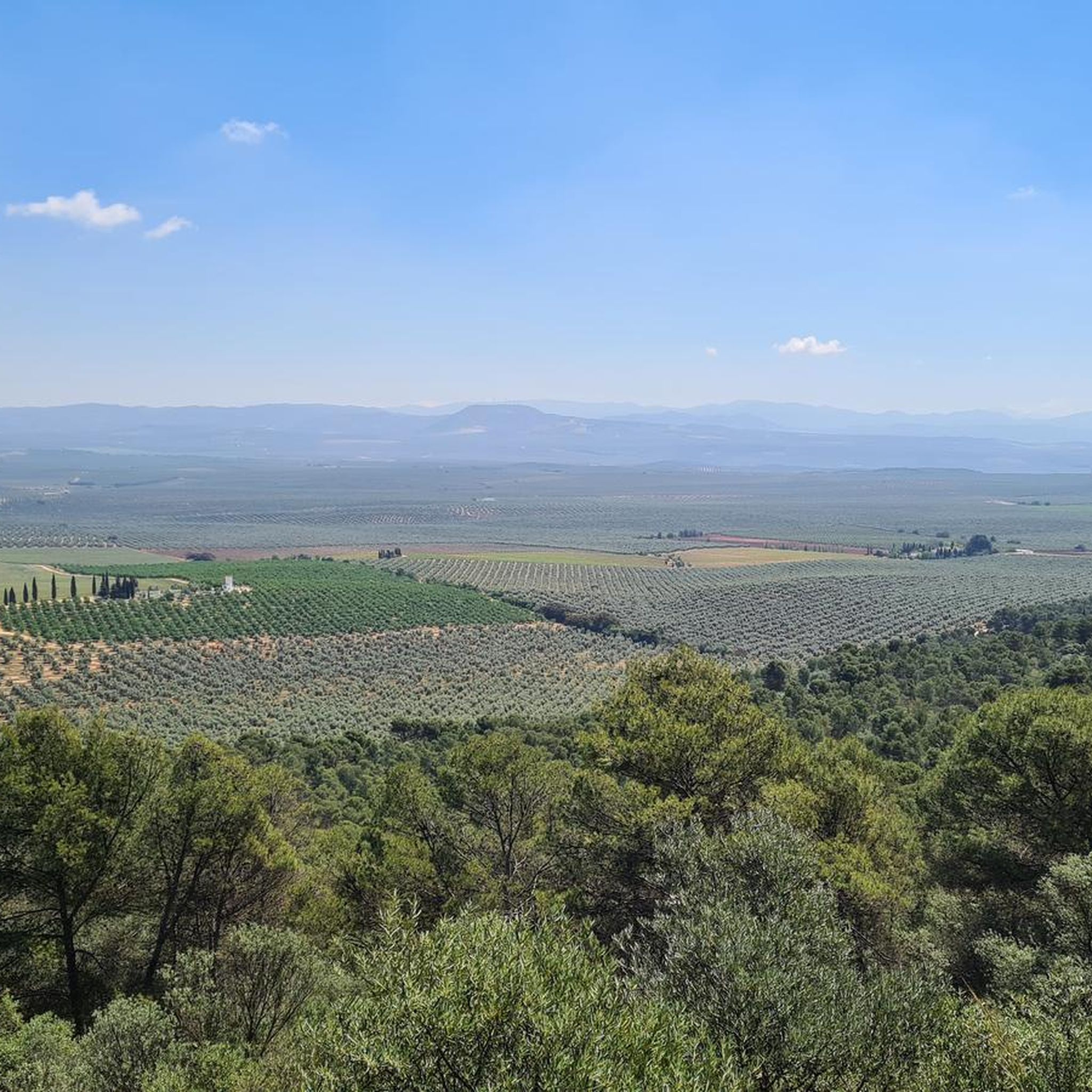
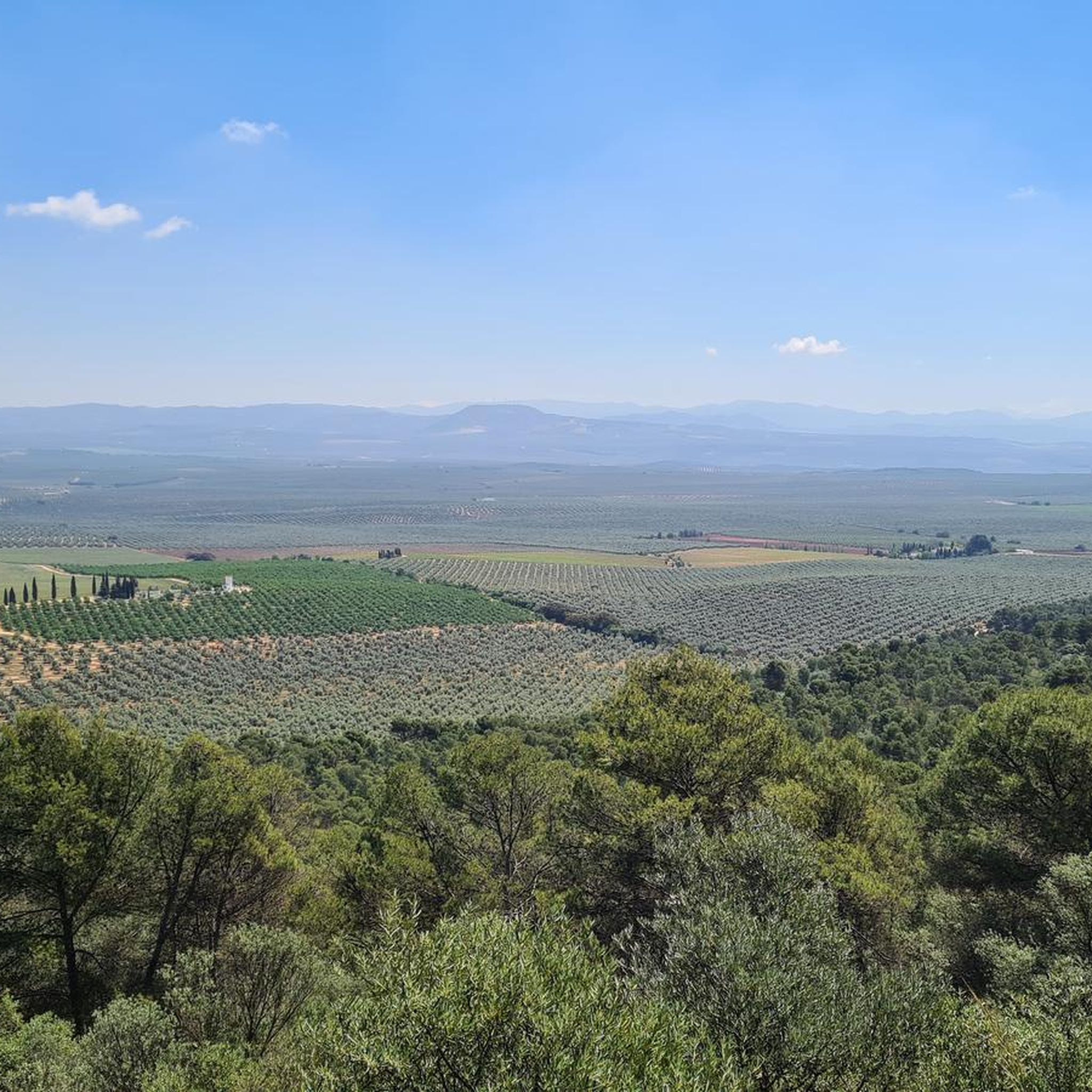
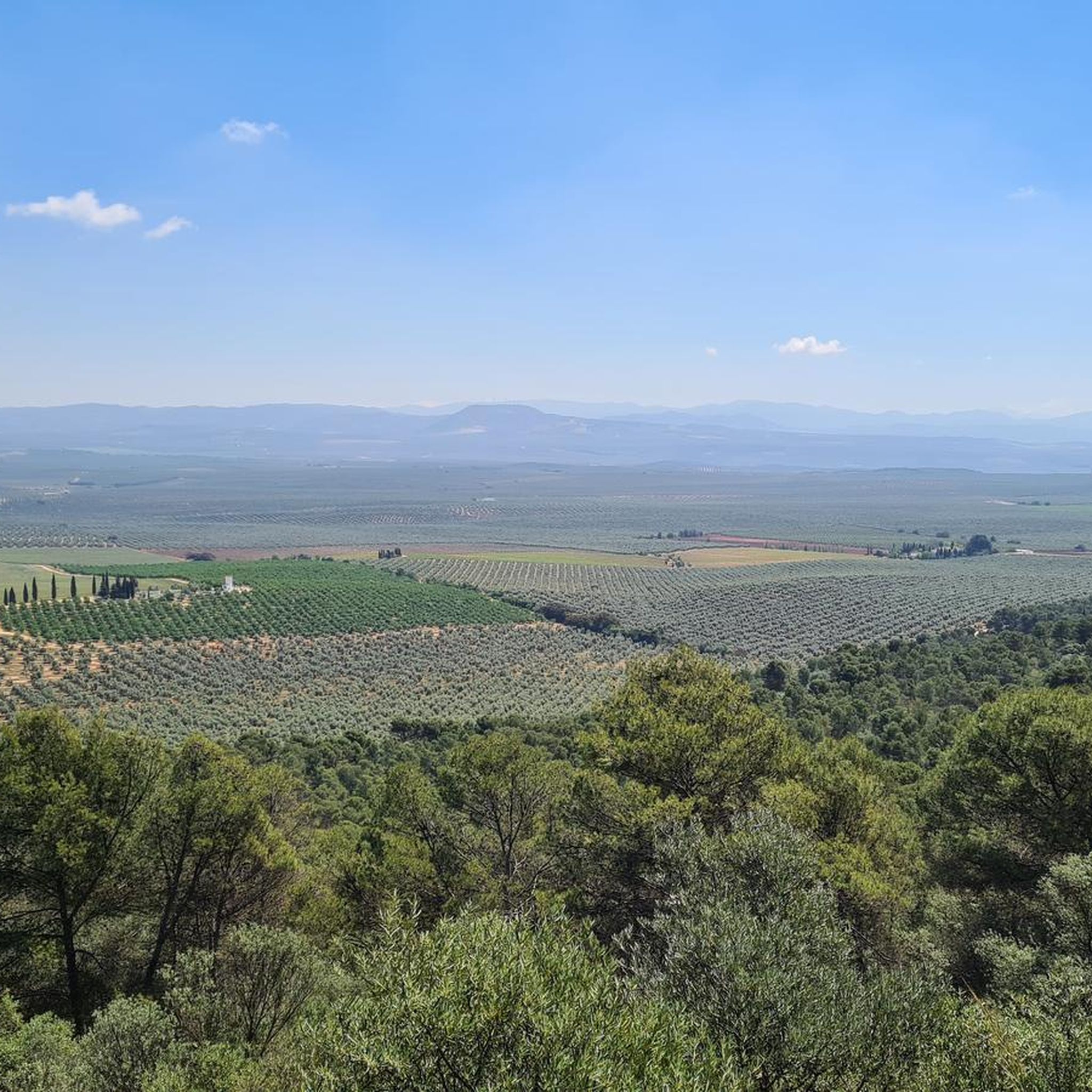
The section near Alameda is a particularly attractive route for cyclists, leading through vast olive groves and rolling hills. The landscape is characterized by typical Andalusian agricultural landscapes, small farms, and extensive olive plantations that stretch for miles. The focus of this bike tour is less on the physical challenge and more on enjoying the peace, nature, and characteristic Andalusian scenery. The road offers numerous opportunities to take in the surroundings at your leisure and experience the beauty of the olive groves up close.
1
0


The loop just before here was not very smooth. Ok for my 30mm tyres but probably worth missing out.
0
0
Frequently Asked Questions
How many road cycling routes are available in Sierra De Mollina?
There are over 25 road cycling routes available in Sierra De Mollina, catering to various skill levels. This includes 7 easy routes, 13 moderate routes, and 5 more challenging options.
What kind of terrain can I expect when road cycling in Sierra De Mollina?
Road cycling in Sierra De Mollina offers diverse terrain. You'll encounter routes passing through extensive olive groves and plains, as well as those with moderate elevation gains across limestone hills and pine forests. The region is known for its soft, rounded slopes, providing a mix of flat sections and gentle climbs.
Are there road cycling routes suitable for beginners in Sierra De Mollina?
Yes, Sierra De Mollina offers several easy road cycling routes. For example, the Fuente de Piedra – La Vicaría Observatory loop from Mollina is an easy 34.4 km route that takes approximately 1 hour 25 minutes to complete, perfect for those new to road cycling or looking for a relaxed ride.
Are there challenging long-distance road cycling routes in Sierra De Mollina?
Absolutely. For experienced cyclists seeking a challenge, routes like the Road Through Olive Plantations – Benamejí loop from Mollina offer a demanding 113.0 km ride with significant elevation gain, typically completed in about 5 hours. Another similar challenging option is the Road Through Olive Plantations – Benamejí loop from Mollina, which is 113.9 km long.
What natural features can I see along road cycling routes in Sierra De Mollina?
Many routes showcase the region's unique natural beauty. You can cycle through vast olive plantations, pine forests, and past the significant Fuente de Piedra Lagoon, known for its flamingo colony. The limestone massif also features interesting geological formations, though these are often explored more closely on hiking trails.
Are there any scenic viewpoints or landmarks to visit while road cycling?
Yes, the region offers several scenic spots. The La Camorra Viewpoint loop from Alameda provides excellent panoramic views. Additionally, you might pass by cultural sites like Bodegas La Capuchina, an estate with vineyards and ancient Roman remains, or the Castellum of Santillán, an ancient Roman fortress near Mollina.
What do other road cyclists enjoy the most about road cycling in Sierra De Mollina?
The area is highly rated by the komoot community, with an average score of 3.8 stars. Reviewers often praise the varied terrain, from extensive olive groves to pine forests, and the opportunity to combine physical activity with nature experiences, such as cycling near the Fuente de Piedra Lagoon.
Is parking available for road cyclists in Sierra De Mollina?
While specific designated cycling parking areas are not detailed, towns like Mollina and Alameda, which serve as common starting points for routes, typically offer public parking options where you can leave your vehicle before starting your ride.
Can I reach road cycling trailheads in Sierra De Mollina using public transport?
Public transport options to specific trailheads might be limited. It is generally recommended to check local bus schedules for connections to towns like Mollina or Alameda, from where many routes begin. However, for direct access to less central starting points, a car is often more convenient.
Are there any permits required for road cycling in Sierra De Mollina?
Generally, no specific permits are required for road cycling on public roads in Sierra De Mollina. However, if any route passes through private land or protected natural areas with specific regulations, it's always advisable to check local signage or official information beforehand.
Are there family-friendly road cycling routes in Sierra De Mollina?
Yes, there are several easy routes that families can enjoy. These routes often feature gentler gradients and pass through scenic areas like the olive plantations or around the Fuente de Piedra Lagoon, providing a pleasant experience for all ages. Always check the route difficulty and distance to ensure it matches your family's capabilities.
What is the best time of year for road cycling in Sierra De Mollina?
The spring and autumn months are generally ideal for road cycling in Sierra De Mollina. The weather is milder, avoiding the intense heat of summer and the cooler, potentially wetter conditions of winter. This allows for more comfortable and enjoyable rides through the diverse landscapes.
Are road cycling routes in Sierra De Mollina dog-friendly?
While some outdoor areas in Sierra De Mollina may be dog-friendly for hiking, road cycling routes typically follow public roads where dogs are not usually permitted to run alongside cyclists for safety reasons. If you plan to bring a dog, it's best to ensure they are securely transported in a bike trailer designed for pets, and always check local regulations for specific areas.

Get inspired with the komoot mobile app


Explore more
Browse the best Road cycling routes in other regions.
