Attractions and Places To See in Torcal De Antequera - Top 20
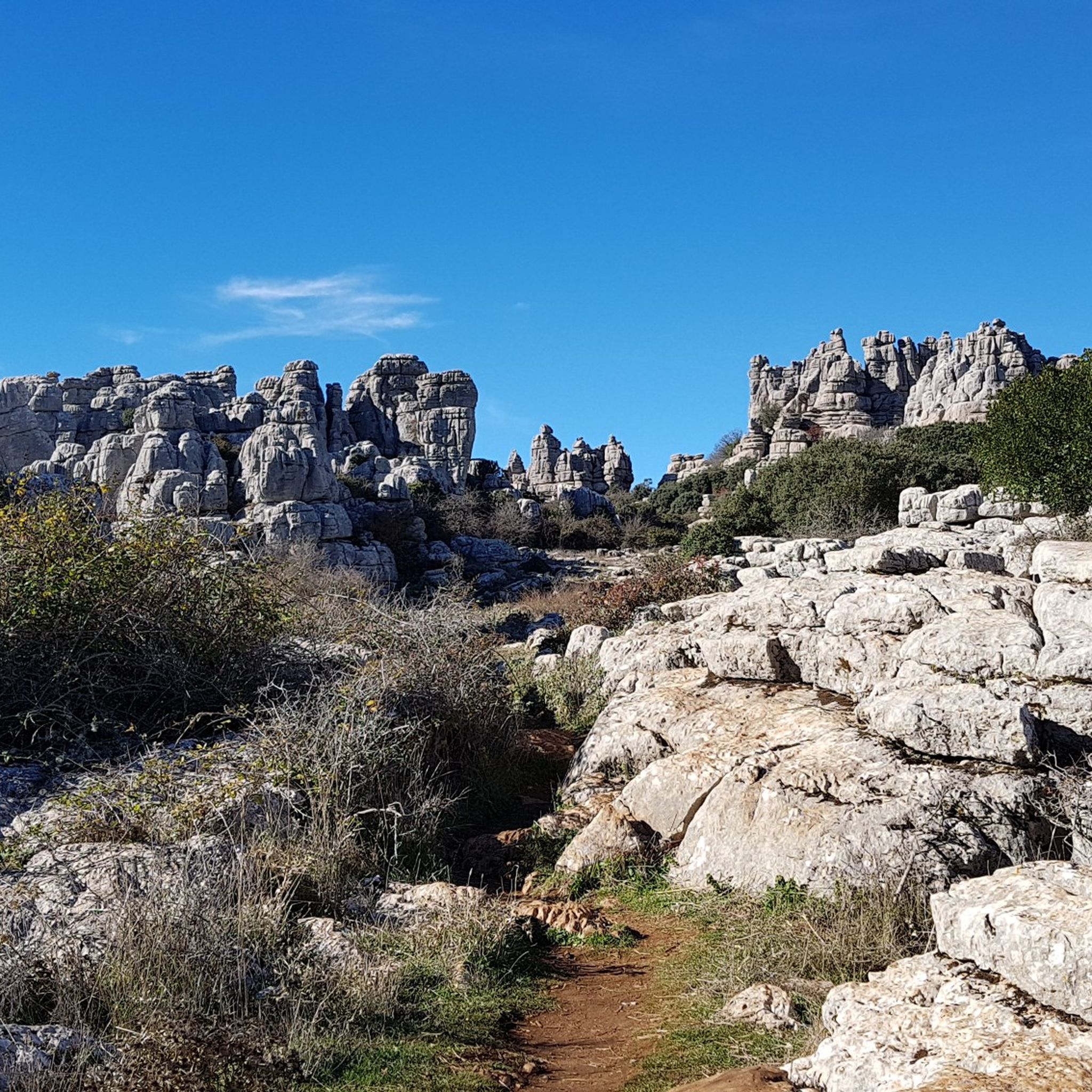
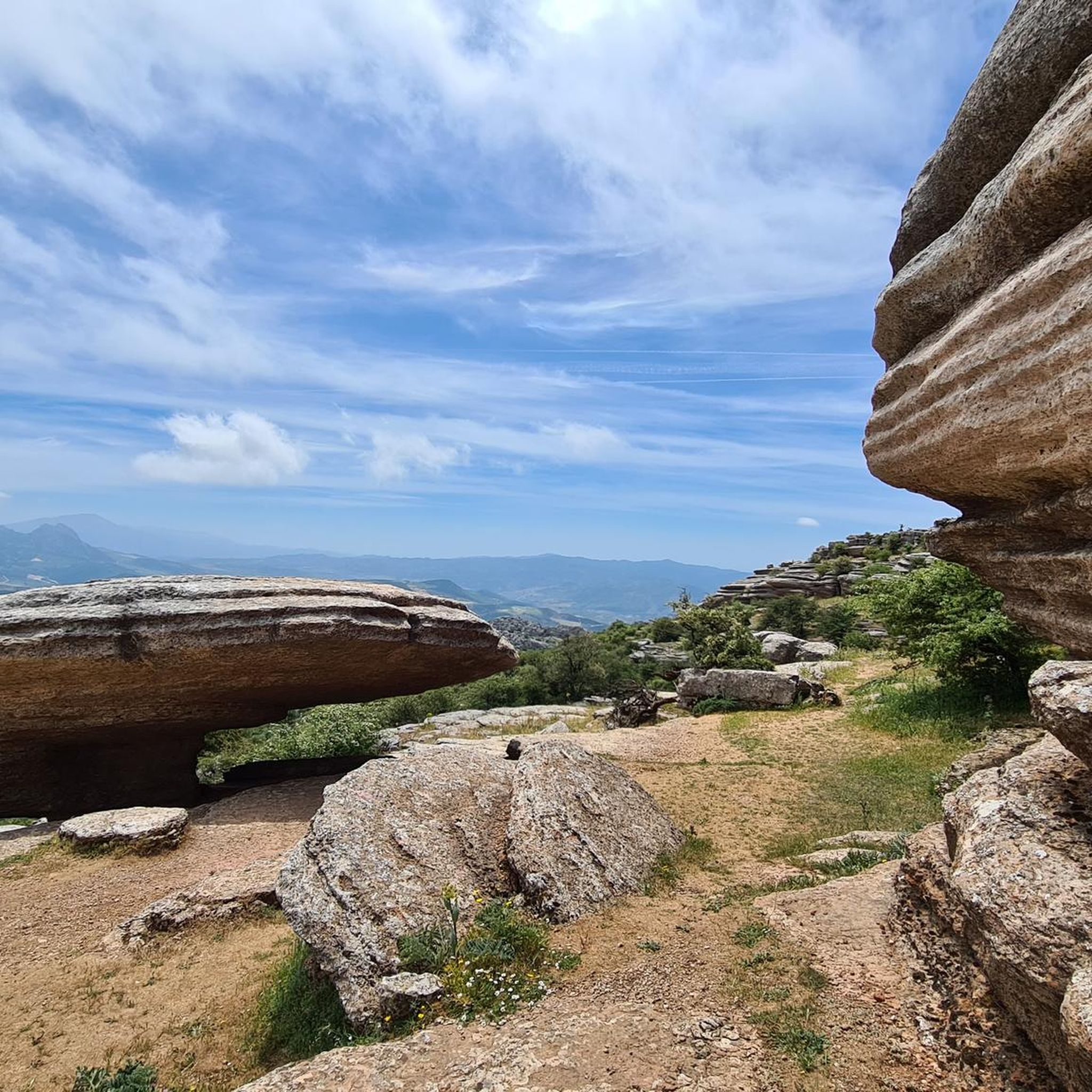
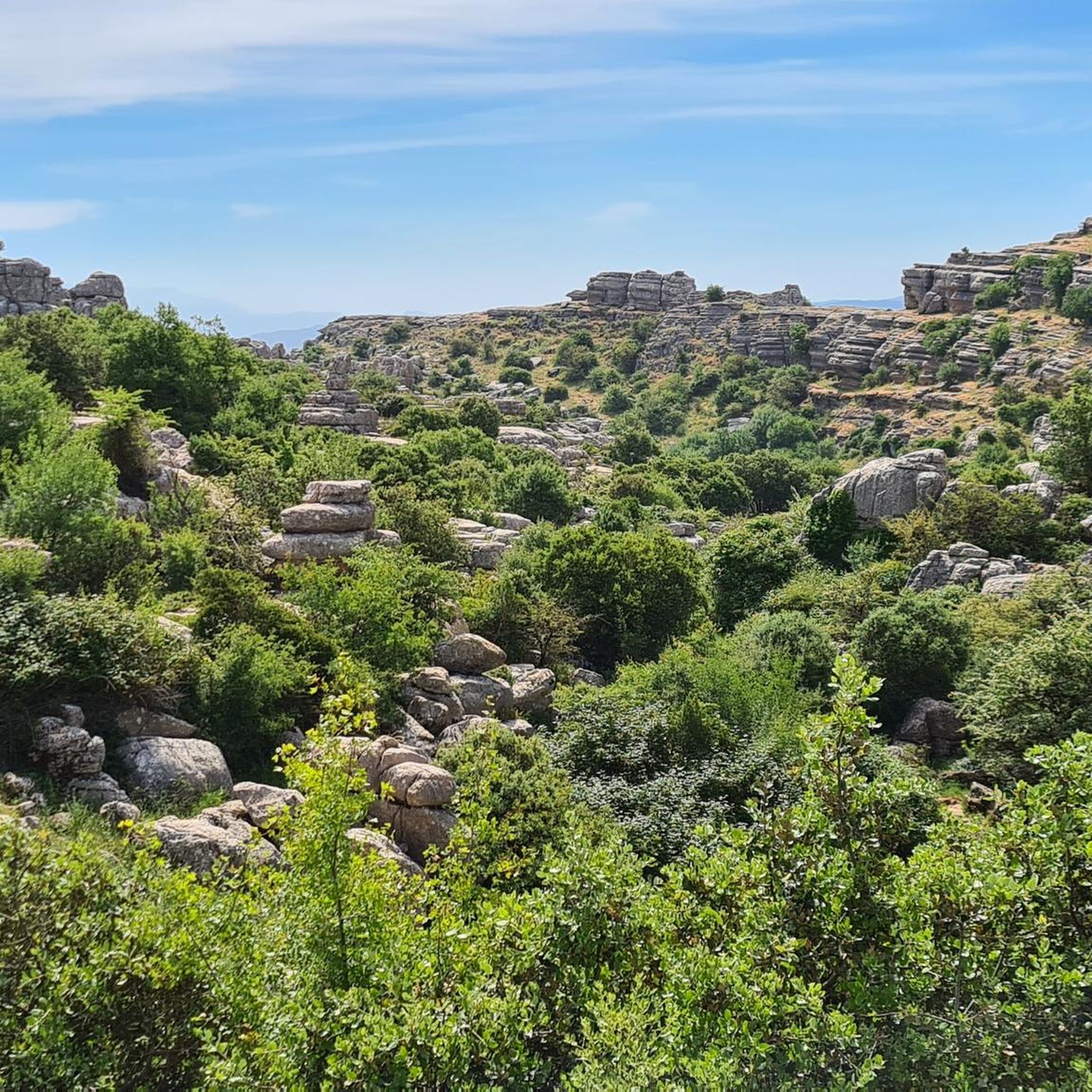
Best attractions and places to see in Torcal De Antequera include a UNESCO World Heritage site renowned for its extraordinary karst landscape and unique geological formations. This protected natural park in Andalusia, Spain, offers a wealth of attractions for nature enthusiasts and hikers. The area features limestone sculpted into distinctive shapes by natural erosion over millions of years, providing a unique environment to explore.
Best attractions and places to see in Torcal De Antequera
- The most popular attractions is The…
Last updated: July 7, 2026
The Torcal of Antequera
Highlight • Natural Monument
Translated by Google •
Tip by

The Cathedrals of El Torcal
Highlight • Natural Monument
Translated by Google •
Tip by

Sign up now to discover places like this
Get recommendations on the best single tracks, peaks, & plenty of other exciting outdoor places.
Sign up for free
El Torcal de Antequera Natural Park
Highlight • Natural Monument
Translated by Google •
Tip by

Ascent to El Torcal
Highlight (Segment) • Climb
Tip by

Path along stunningly beautiful rock formations
Highlight (Segment) • Natural Monument
Tip by

Sign up for free to discover even more attractions in Torcal De Antequera.
Sign up for free
Already have an account?
Start today with a free account
Your next adventure awaits.
Login or Signup
Tips from the Community

The paths through these formations are simply wonderful to walk and you can hardly stop marveling.
0
0

The bike ride up El Torcal de Antequera leads into the nature reserve of the same name, known for its extraordinary karst formations. The route follows a winding, steadily ascending road through a diverse rocky landscape. As the altitude increases, the surroundings change significantly – vegetation becomes sparser, and the striking rock formations of the Torcal come into focus. The route impresses with its mesmerizing views, the tranquility, the fresh mountain air, and the impressive rock formations, which at the top merge into an almost surreal landscape. At the end of the climb, you reach the Torcal Alto visitor center, from where various hiking trails lead through the heart of the nature reserve. The climb is challenging, but for experienced cyclists it is a worthwhile experience amidst one of Andalusia's most fascinating natural landscapes.
0
0

Several circular routes from 1/2 to several hours possible
1
1

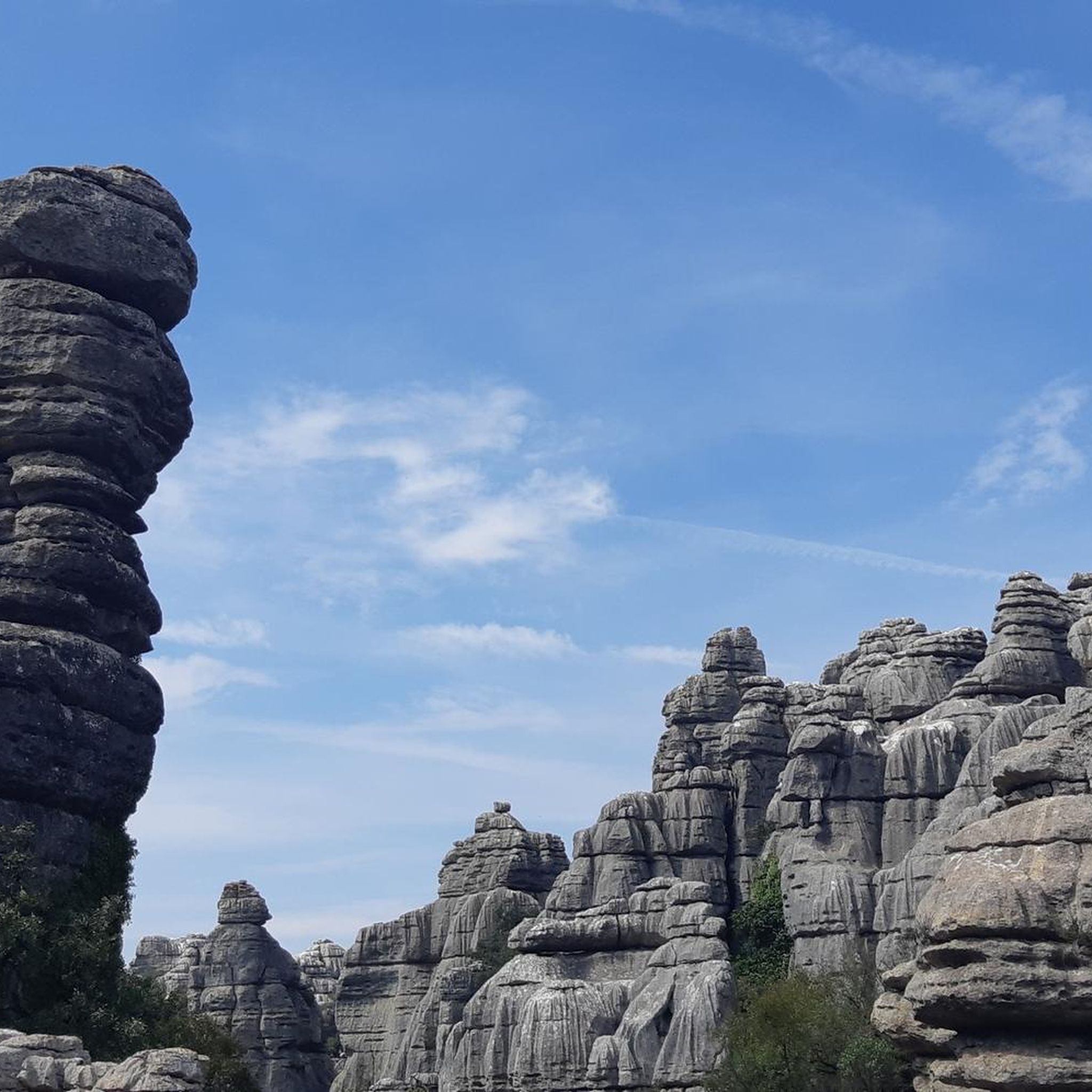
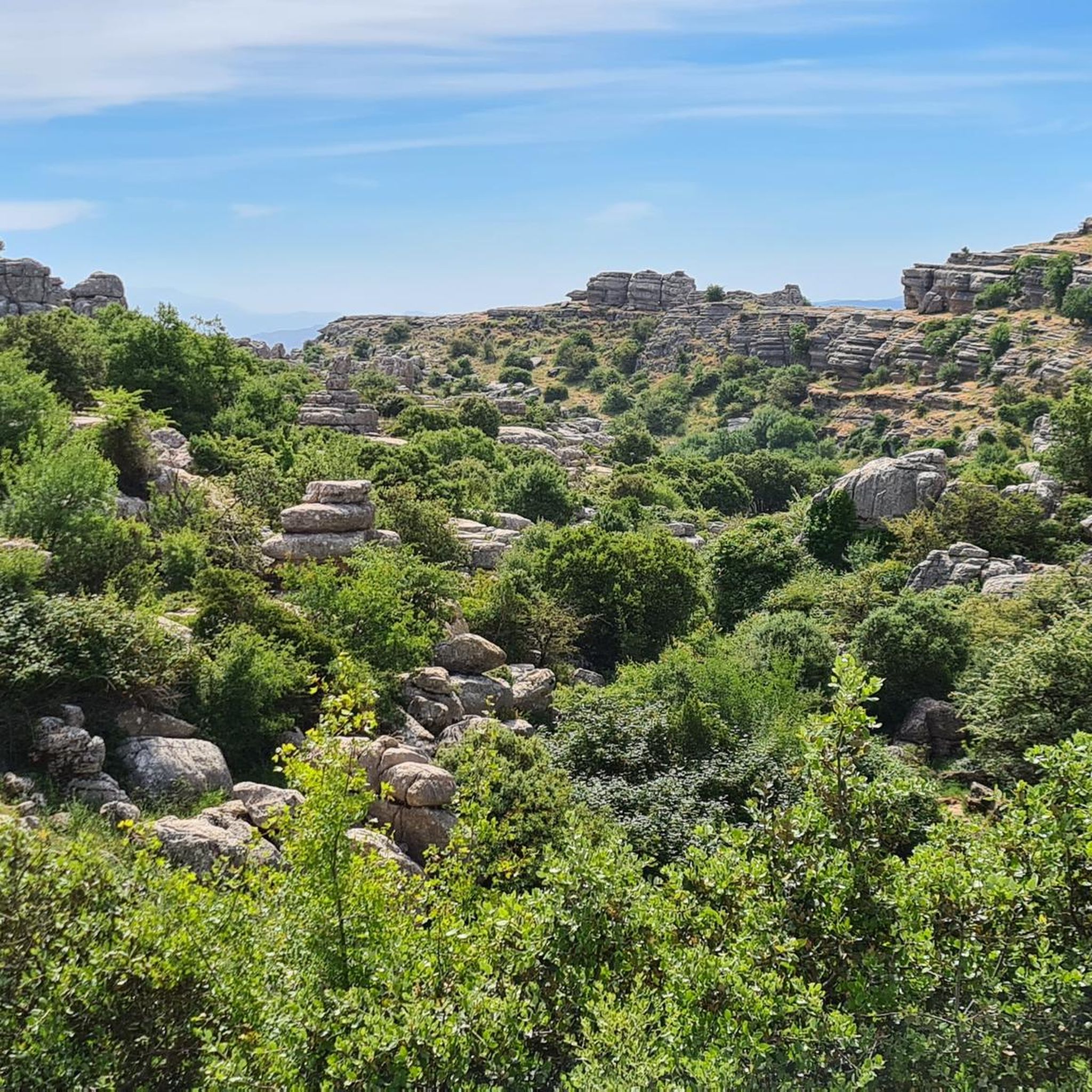
The Cathedrals of Torcal is an impressive natural site located in the province of Malaga, Andalusia, halfway between Antequera and Villanueva de la Concepción. This place owes its name to the natural cathedral-shaped rocks that surround it. The erosion of water, wind and ice over time has shaped a unique karst landscape. Different layers of sediment erode differently, creating whimsical rock formations.
8
1

Far away from mass tourism on the Costa del Sol, pure relaxation and worth seeing. There are several signposted paths to follow, not very difficult, but you should wear good shoes. If you're lucky you can meet wild mountain goats. The yellow path is certainly the most common.
1
1

If you choose a longer tour and some of the less travelled pathes you will have a nicer experience than on the marked standard routes.
5
1
With a bit of luck you will see wildlife here as well.
4
2

El Torcal is in itself a striking mountain range that can be seen from afar in the landscape. When you climb up and “go into” the rock towers, gorges and holes, you experience a very special atmosphere. We came “from the back”, on a barely visible path. Sometimes you think you can't find out anymore. A special experience!
4
0
Frequently Asked Questions
What kind of hiking trails are available in El Torcal de Antequera?
El Torcal de Antequera offers several well-marked, color-coded hiking trails of varying lengths and difficulties. These include the easy Green Route (around 1.5 km), the circular Yellow Route (around 3 km, typically under 2 hours), and a longer 4.5 km trail. For a unique experience away from the most traveled paths, consider exploring less-traveled routes that wind past beautiful rock formations and vegetation, as mentioned by visitors on the Path along stunningly beautiful rock formations.
Are there different difficulty levels for hiking in El Torcal?
Yes, the trails in El Torcal de Antequera cater to different fitness levels. The Green Route is considered easy, while the Yellow Route is moderate. Some areas, particularly when climbing atop rock formations, can be challenging, requiring sturdy shoes and anticipating slower speeds. The Ascent to El Torcal, for example, is described as a scenic but exhausting climb.
How do I get to El Torcal de Antequera and is there parking?
El Torcal de Antequera is accessible by car. There is a lower parking lot, and visitors can ascend a 3.4 km asphalt path, known as the "Ruta Naranja," to the Torcal Alto Visitor Center. The Visitor Center itself also has parking available. The ascent offers ongoing wonderful views.
Is El Torcal de Antequera suitable for families with children?
Yes, El Torcal de Antequera can be suitable for families. The easier Green Route (1.5 km) is a good option for families. The unique and bizarre rock formations, resembling various objects, can be fascinating for children to discover. However, sturdy shoes are a must for all visitors, including children, due to the rugged terrain.
When is the best time of year to visit El Torcal de Antequera?
El Torcal de Antequera can be visited year-round, but the best time often depends on your preferences. Temperatures are considerably cooler and winds stronger at higher altitudes, so layering up is recommended even if it's warmer below. The park boasts rich biodiversity, with wildflowers like lilies, red peonies, and orchids blooming at various times, making spring particularly vibrant. For stargazing, the Astronomical Observatory within the park offers opportunities to observe the night sky.
What unique natural features and wildlife can I expect to see in El Torcal?
El Torcal is renowned for its extraordinary karst landscape, featuring bizarre and fascinating rock formations sculpted by erosion over millions of years. You can see formations like "El Tornillo" (The Screw) and the towering "The Cathedrals of El Torcal." The park is also home to diverse wildlife, including griffon vultures, golden eagles, Spanish ibex (Andalusian mountain goat), foxes, and various reptiles. Over 664 species of plants, including many wildflowers, thrive here.
Where are the best spots for photography and panoramic views in El Torcal?
The entire park offers ample opportunities for photography due to its unique landscapes and diverse wildlife. Viewpoints throughout the park provide breathtaking panoramic vistas of the formations and the surrounding region. The The Torcal of Antequera highlight is particularly noted for its utterly breathtaking views when climbing atop the rock formations.
What cultural or historical sites are near El Torcal de Antequera?
El Torcal is part of the broader Antequera Dolmens Site, a UNESCO World Heritage site. This includes the megalithic tombs of Menga, Viera, and El Romeral, which are significant prehistoric architectural complexes. The nearby city of Antequera itself is a charming destination with a rich architectural heritage, including churches, stately homes, convents, and the Alcazaba. The iconic Peña de los Enamorados (Lover's Rock) is also part of this UNESCO site.
What outdoor activities, besides hiking, can I do near these attractions?
Beyond hiking, the region around Torcal De Antequera offers excellent opportunities for cycling and running. You can find various road cycling routes, such as the challenging "Torcal de Antequera – Puerto del Sol loop from Villanueva de la Concepción," or touring bicycle routes like the "Ascent to El Torcal – The Torcal of Antequera loop from Villanueva de la Concepción." For runners, trails like the "Torcal Alto Ascent Trail" provide a challenging experience. You can explore more options on the Road Cycling Routes in Torcal De Antequera, Cycling in Torcal De Antequera, and Running Trails in Torcal De Antequera guide pages.
What do visitors enjoy most about El Torcal de Antequera?
Visitors are consistently captivated by the otherworldly landscape and the unique, bizarre rock formations of El Torcal. Many describe it as a place where time seems to stop, offering a fantastic opportunity to switch off and appreciate the ingenuity of nature. The chance to spot wildlife like ibex and vultures, combined with breathtaking views from atop the formations, makes for a memorable experience. The area's tranquility and fresh mountain air are also highly appreciated.
Are there facilities available at El Torcal de Antequera?
Yes, the Torcal Alto Visitor Center, located in the heart of the natural park, serves as a crucial starting point. It features an interpretive area with exhibitions on the park's history and geology, a gift shop, and a restaurant serving local cuisine. The center also provides information on hiking trails, offers free and guided tours, and includes an Astronomical Observatory for stargazing.
Most popular routes in Torcal De Antequera
Most popular attractions in Torcal De Antequera

Get inspired with the komoot mobile app


Explore more
Still not found the Highlight you’re looking for? See guides of the top attractions in other regions:
