The 18 Most Amazing Peaks in Kalkalpen National Park
Best mountain peaks in Kalkalpen National Park are found within Upper Austria's Northern Limestone Alps, a region characterized by diverse landscapes including dense forests and karstic terrain. The park encompasses over 20,825 hectares, featuring extensive forest wilderness and ancient beech forests recognized as a UNESCO World Natural Heritage site. Its geology is primarily Wetterstein limestone and dolomite, contributing to its unique mountain formations. The area offers numerous hiking, mountain biking, and horseback riding trails, providing varied ways to experience its…
Last updated: October 23, 2026
Hoher Nock
Highlight • Summit
Translated by Google •
Tip by

Schillereck Summit (1748 m)
Highlight • Summit
Trail 460: From the south, from the Speringbauer to the radio station below the Spering and east to the summit.
Trail 465: From the north, from the Klauser …
Translated by Google •
Tip by

Sign up now to discover places like this
Get recommendations on the best single tracks, peaks, & plenty of other exciting outdoor places.
Wasserklotz Summit
Highlight • Summit
Translated by Google •
Tip by

Alpstein Summit
Highlight • Summit
Showing Translation
Tip by
Astein Summit
Highlight • Summit
Translated by Google •
Tip by

Sign up for free to discover even more peaks in Kalkalpen National Park.
Already have an account?
Start today with a free account
Your next adventure awaits.
Popular around Kalkalpen National Park
Austria's Kalkalpen Trail – Giant rocks & alpine meadows
On the cusp of the wilderness – Lynx Trail
Bikepacking the Kalkalpen Circuit – an Austrian adventure
From a family hike to a summit climb – hiking in Pyhrn-Priel
From a family hike to a via ferrata – hiking in Pyhrn-Priel
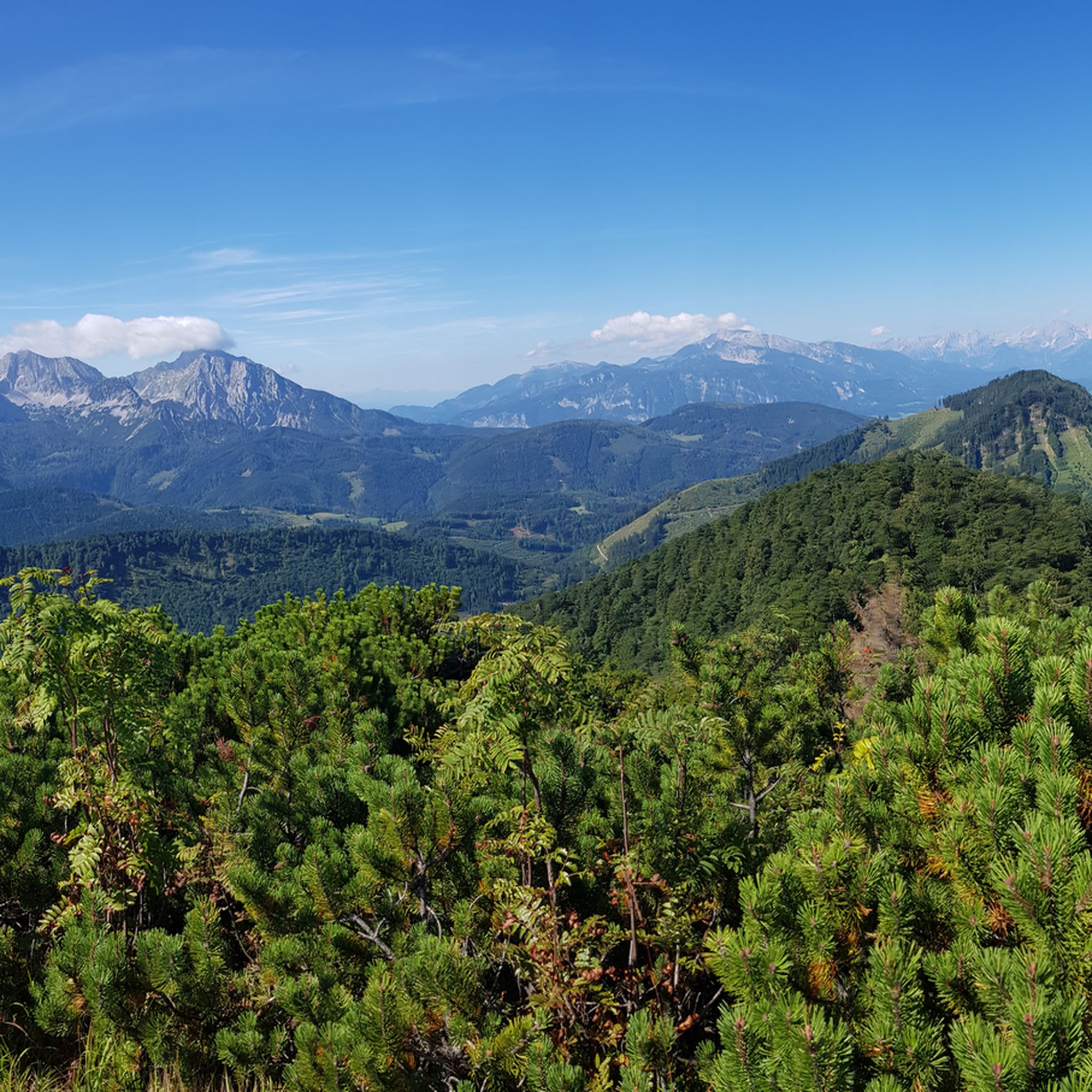
Hiking in Kalkalpen National Park
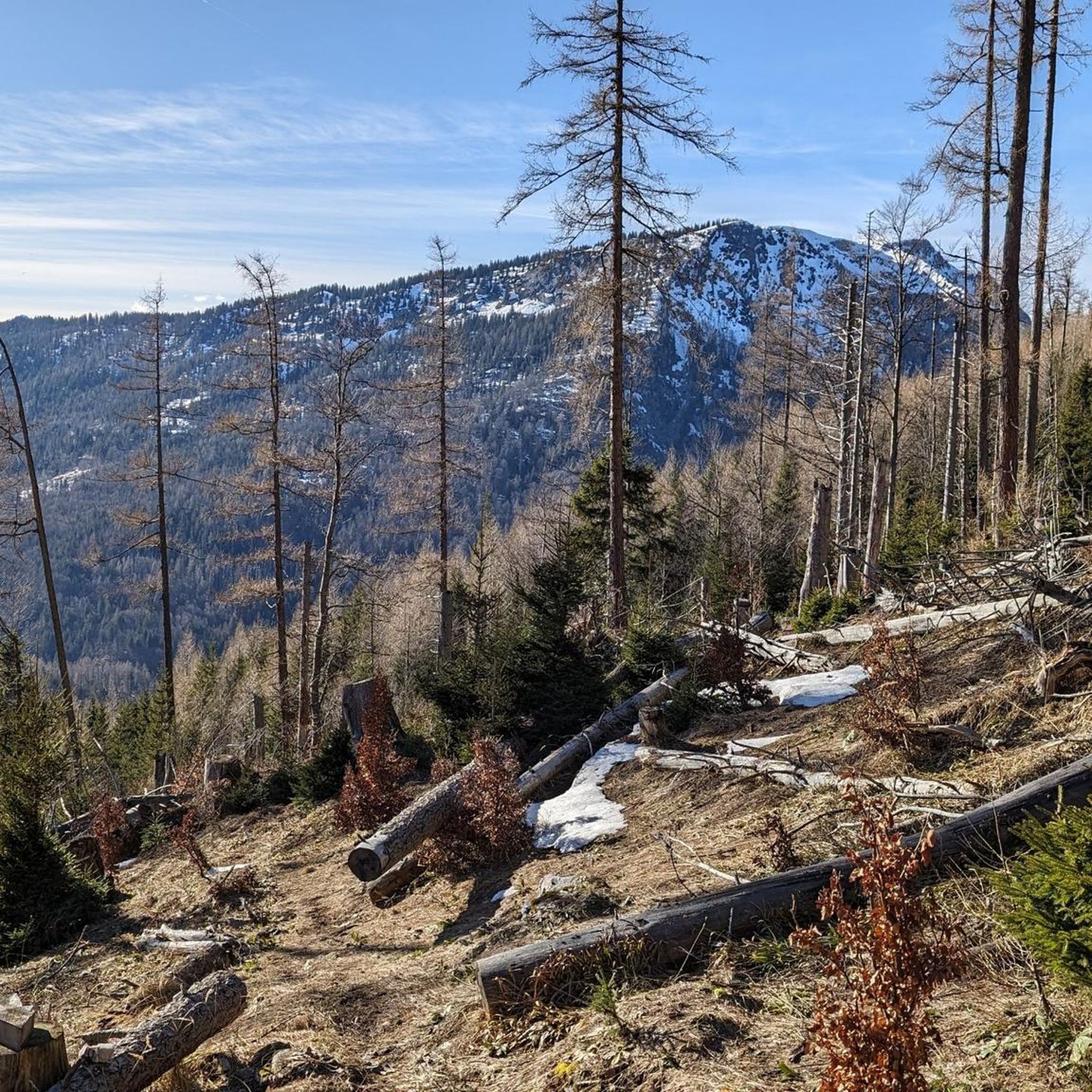
Cycling in Kalkalpen National Park
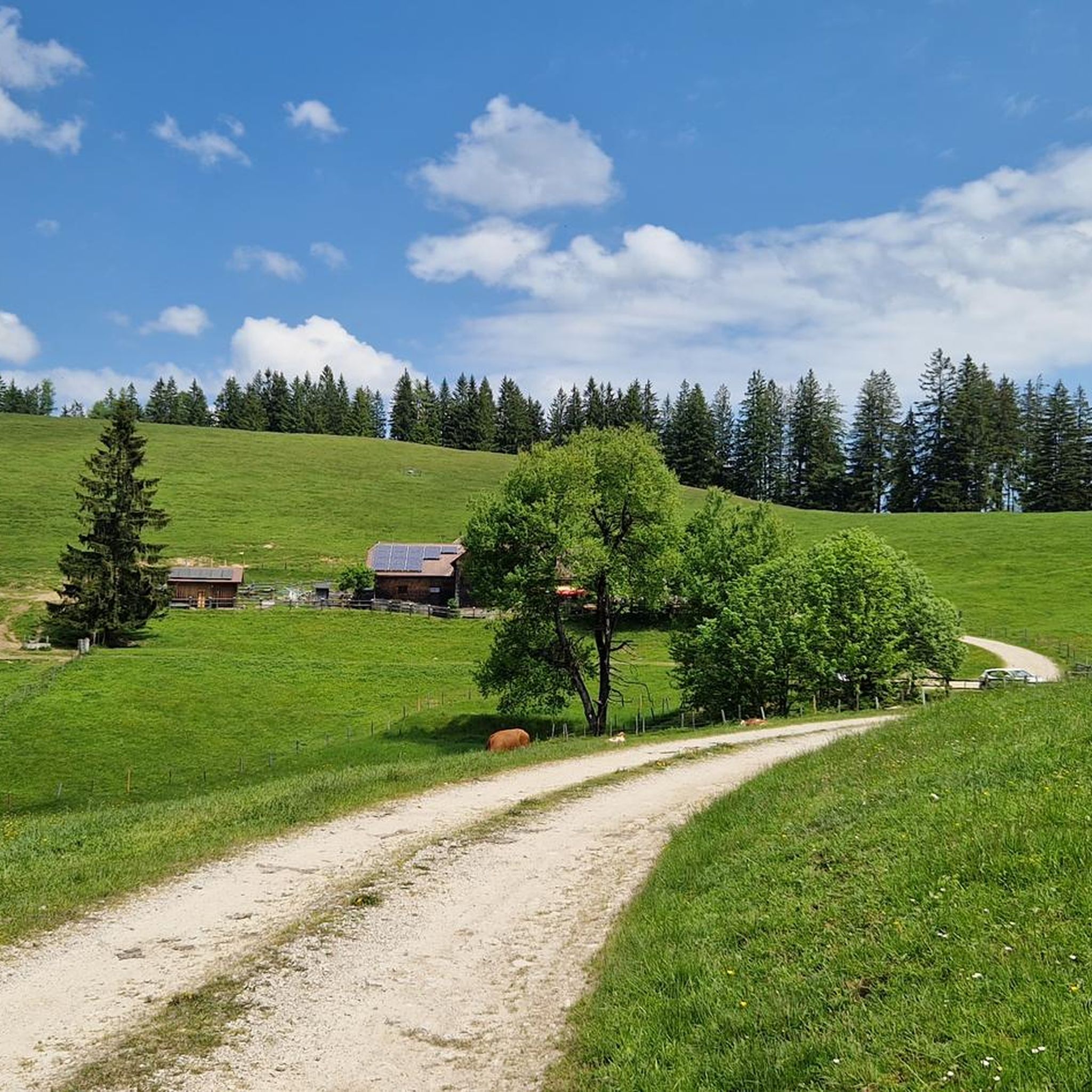
Road Cycling Routes in Kalkalpen National Park
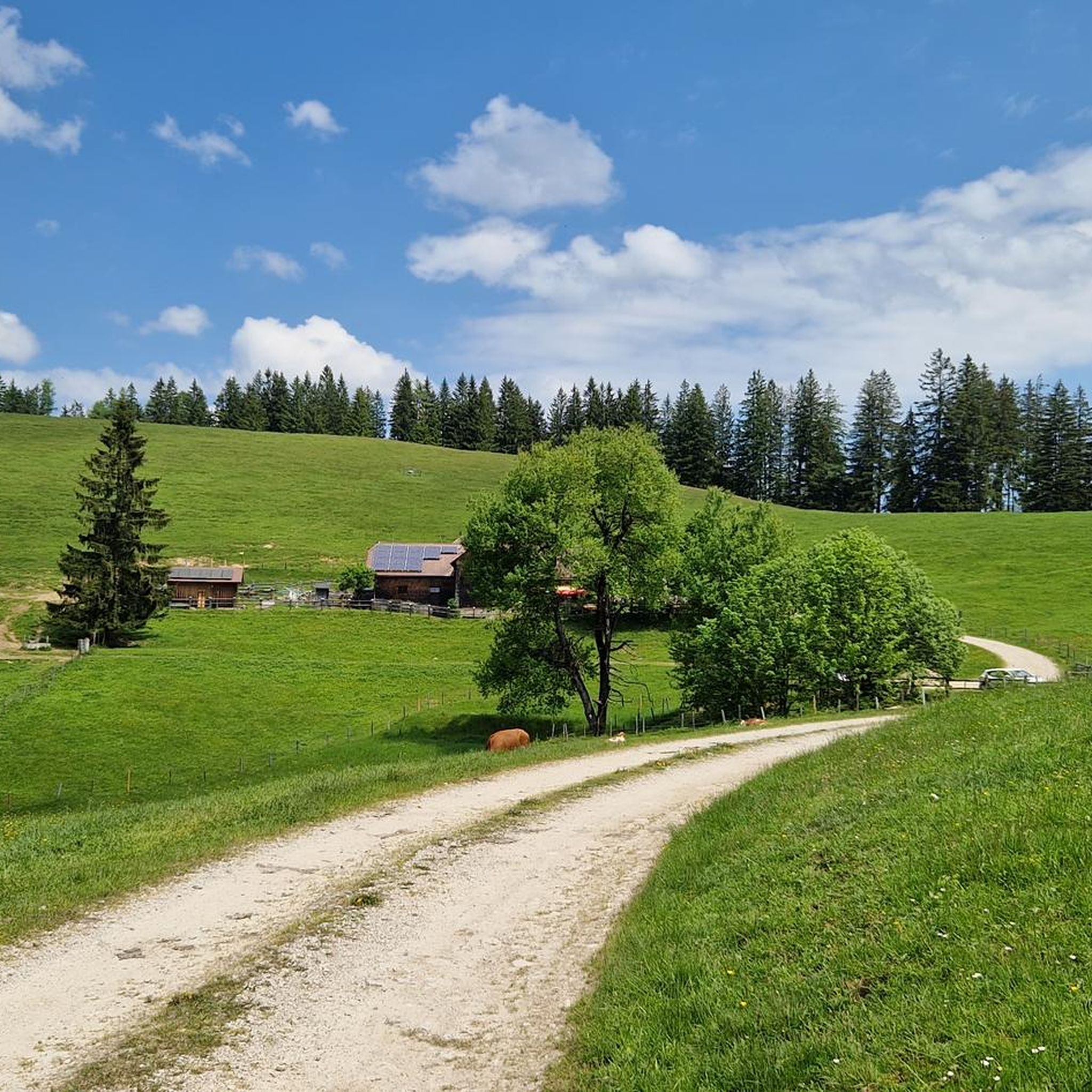
MTB Trails in Kalkalpen National Park
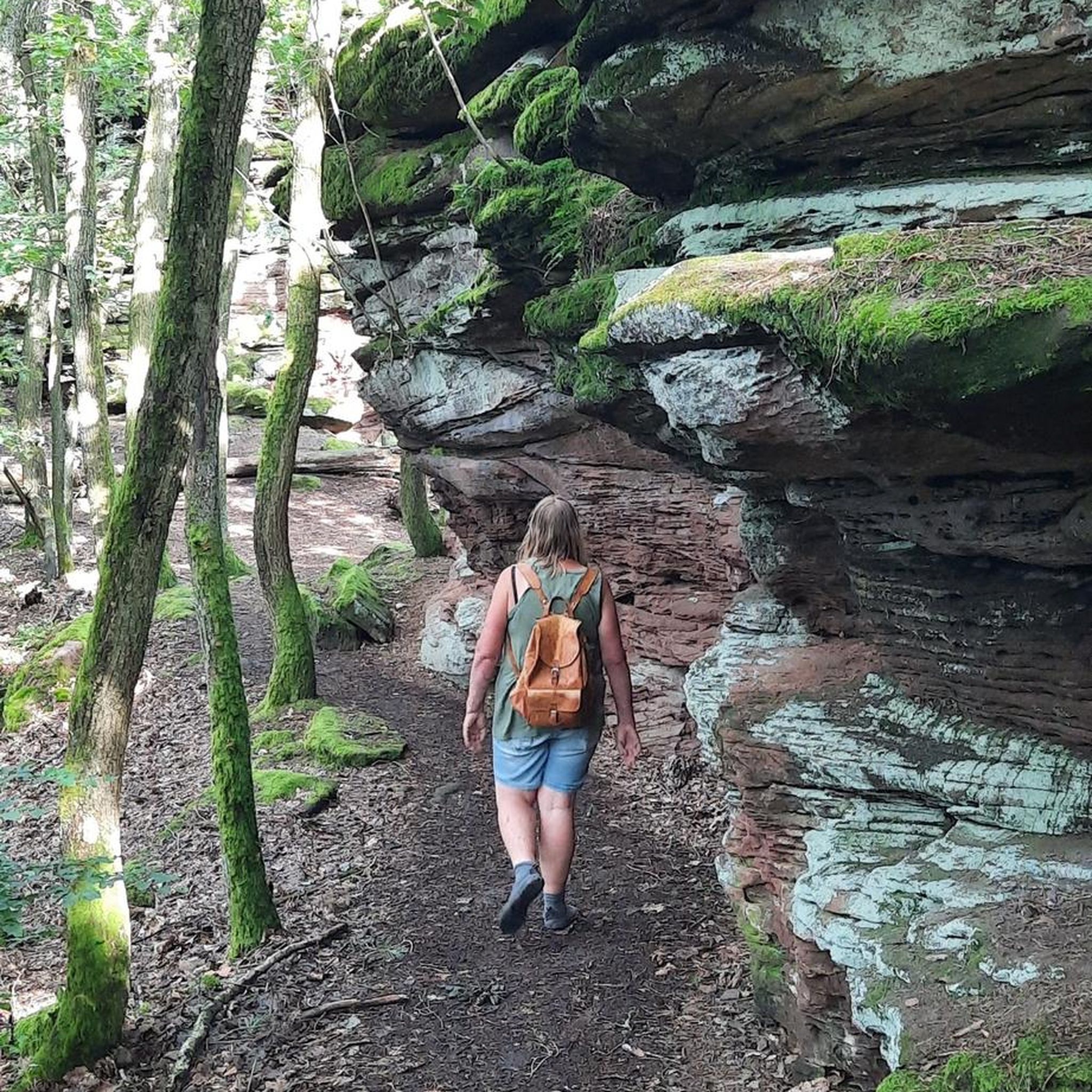
Gravel biking in Kalkalpen National Park
Other adventures in Kalkalpen National Park


Tips from the Community

Small summit with a resting place on rocks (bring a seat cushion!).
0
0

The paths are often narrow, and in some areas a sense of direction is required
4
0

A beautiful viewpoint with a magnificent panoramic view of the Haller Mauern, Totes Gebirge, Reichraminger Hinterberge, and, in good weather, much further afield... The climb is also worthwhile. Even during the ascent, first across alpine meadows and then along a narrow path, there are always beautiful views.
0
0

Easily accessible from the Ebenforstalm, the last few meters require using your hands. Great views of the Hochschwab region, Eisenerz Alps, Haller Mauern, Tamischbachturm, Tieflimauer, Kleiner and Großer Buchstein, Sengsengebirge…
0
0

A very beautiful summit with a fabulous 360-degree panorama 🫵😉
0
0

The Hohe Nock (1,963 m) is the highest peak in the Sengsengebirge Mountains and – when traversed from east to west – the last major summit of the tour before descending through the Budergraben valley. It offers magnificent panoramic views of the Kalkalpen National Park, the Totes Gebirge mountains, and the Gesäuse. On clear days, however, the Hohe Nock is a popular destination, and it can get quite crowded – those seeking absolute peace and solitude should ascend in the early morning hours and during the week.
1
0
The Schillereck is a fantastic viewpoint, but the summit structure is exposed and partly steep.
2
0

The last section, just under 30m, can only be reached by climbing.
0
0
Frequently Asked Questions
What are some highly-rated mountain peaks to explore in Kalkalpen National Park?
Visitors frequently praise peaks like Wasserklotz Summit, which offers stunning views of the Grosser Priel and Haller Mauern. Another favorite is Alpstein Summit, known for its impressive vistas of the Reichraminger Hintergebirge and Sengsengebirge. Hoher Nock is also very popular, providing beautiful all-round views.
Which is the highest mountain peak in Kalkalpen National Park?
The highest peak in Kalkalpen National Park, and indeed the entire Upper Austrian Alpine foothills, is Hoher Nock, standing at 1,963 meters. It's a karstified plateau mountain offering magnificent panoramic views.
What kind of views can I expect from the mountain peaks in Kalkalpen National Park?
The peaks offer diverse and breathtaking views. From Hoher Nock, you can see the Totes Gebirge and Gesäuse. Wasserklotz Summit provides views of the National Park Forest, including UNESCO World Natural Heritage sites, and up to 54 two-thousand-meter peaks. Schillereck Summit offers great views of the Hochschwab region and Eisenerz Alps.
Are there challenging mountain peaks for experienced hikers in the park?
Yes, many peaks in Kalkalpen National Park are categorized as challenging. For instance, Wasserklotz Summit requires sure-footedness and a head for heights in its summit area. The final section of Alpstein Summit involves climbing and using your hands. Hoher Nock also provides a challenging yet rewarding experience for hikers.
What natural features are prominent around the mountain peaks in Kalkalpen National Park?
The park is characterized by its karstic terrain, extensive forest wilderness, and ancient beech forests, which are recognized as a UNESCO World Natural Heritage site. The geology primarily consists of Wetterstein limestone and dolomite, contributing to unique mountain formations and hidden gorges.
What outdoor activities can I do near the mountain peaks in Kalkalpen National Park?
Beyond hiking the peaks, the region offers a variety of outdoor activities. You can explore numerous hiking trails, including routes like the 'Luchs Trail Stage 2' or the challenging 'Schaumbergalm and Ebenforstalm from Molln'. For cycling enthusiasts, there are road cycling routes such as the 'Gleinkerau – Windischgarsten loop'. You can find more details on these activities in the Hiking in Kalkalpen National Park and Road Cycling Routes in Kalkalpen National Park guides.
Are there any mountain peaks known for exceptional sunrise views?
Yes, Trämpl (1,424 m) is particularly known for its stunning sunrise views over Kalkalpen National Park. Reaching the summit at dawn offers a rich reward, often followed by breakfast coffee on the descent to the Ebenforstalm.
What makes the Spering peak unique in the Sengsengebirge?
Spering is the westernmost peak in the Sengsengebirge, offering a hiking experience through an extensive forest landscape. Ascents are possible from areas like Klaus a.d. Pyhrnbahn to the Haidenalpe, with options for a southern descent to St. Pankraz and return by train.
What do visitors enjoy most about the mountain peaks in Kalkalpen National Park?
Visitors consistently highlight the breathtaking panoramic views, the challenging yet rewarding hiking experiences, and the opportunity to immerse themselves in the park's untouched forest wilderness. The unique karstic landscapes and the sense of solitude on less crowded trails are also frequently appreciated.
Are there any peaks that require a bit of scrambling or climbing?
Yes, some peaks involve light scrambling. The last section of Alpstein Summit, for example, requires climbing and using your hands for the final meters. Similarly, Astein Summit involves a bit of a scramble in its last few meters, with mountain pine branches sometimes helpful for support.
What is the best time to visit Kalkalpen National Park for mountain peak hikes?
While specific seasonal recommendations for all peaks aren't provided, the region research suggests that popular peaks like Hoher Nock can be crowded on clear days, implying that early morning or weekday ascents might be preferable for solitude. Tours to Wasserklotz are also particularly recommended during the week.
Can I find information on marked trails for specific peaks?
Yes, for Schillereck Summit, there are several marked trails, including Trail 460 from Speringbauer, Trail 465 from Klauser Reservoir, and Trail 469 from Hochsengs, all leading to the summit.
Most popular routes in Kalkalpen National Park
Most popular attractions in Kalkalpen National Park

Get inspired with the komoot mobile app


Explore more
See even more amazing summits in Kalkalpen National Park with these guides:
