Blockheide-Eibenstein Nature Park
Blockheide-Eibenstein Nature Park
The best road cycling routes in Blockheide-Eibenstein Nature Park
4.7
(23)
371
riders
57
rides
Road cycling in Blockheide-Eibenstein Nature Park offers routes through a unique landscape characterized by small fields, meadows, and mixed forests. The region features prominent granite formations, including "wobbling stones," and generally presents slight differences in altitude, making it suitable for road cycling. The terrain includes tranquil forests, gentle meadows, and heathland, with connecting roads often well-paved. This area provides a blend of natural features and accessible cycling paths, often linking to broader regional networks.
Best road cycling routes in Blockheide-Eibenstein…
Last updated: November 15, 2026
5.0
(5)
71
riders
63.4km
02:37
360m
360m
Moderate road ride. Good fitness required. Mostly well-paved surfaces and easy to ride.
14
riders
64.5km
02:52
460m
460m
Moderate road ride. Good fitness required. Some segments of this route may be unpaved and difficult to ride.

10
riders
Moderate road ride. Good fitness required. Mostly well-paved surfaces and easy to ride.
4.6
(5)
22
riders
Moderate road ride. Good fitness required. Mostly well-paved surfaces and easy to ride.
5.0
(2)
11
riders
86.5km
03:31
420m
420m
Moderate road ride. Good fitness required. Mostly well-paved surfaces and easy to ride.
Get access to more routes and recommendations from other explorers.
Already have an account?
Our route recommendations are based on thousands of hikes, rides, and runs completed by other people on komoot.
Start today with a free account
Your next adventure awaits.

Tips from the Community

The historic old town of Zwettl in the Waldviertel captivates with medieval city walls, colorful baroque facades, and the colorful Hundertwasser fountain on the main square. Highlights include the Old Town Hall with its city museum, the striking Antonturm, and the nearby Zwettl Abbey (Cistercian monastery).
0
0

Small sculpture garden next to the Lainsitz river👍
0
0
The Zwettl City Museum is a modern museum designed to appeal to both children and adults! We don't just want to preserve history, but to present it in an engaging, memorable, informative, and interesting way. Therefore, this museum is designed according to the latest museum education principles. All activities are geared towards achieving this goal. The museum features a model of the city where visitors can modify all the elements—houses, city walls, and bridges. With the help of instructions, the city's development from its founding in the 12th century to the 20th century can be traced. In addition to the most important documents of the city of Zwettl, the collection includes numerous weapons, among them original "Kuenringer weapons" from the 13th century, which were discovered during excavations in Zwettl.
0
0
The City Museum – Enriched with Many Attractions On Saturday, June 21, 2003, the Zwettl City Museum, redesigned as part of the "Urban Renewal in Lower Austria" initiative, celebrated its reopening. During the interior renovation, new spaces for the City Museum were created in the attic. Part of these rooms is dedicated to the theme of "Collecting" and houses the exhibits of the "Anton Collection" in a permanent display. Among the exhibited objects are numerous unique pieces and outstanding works of art, such as a Romanesque Madonna and precious glass rarities from the Baroque period. In addition to the exhibition spaces for the "Anton Collection," a generously sized room was also created for special exhibitions. The old wooden framework of the roof truss remains almost entirely visible and contributes significantly to the ambiance of the newly created exhibition spaces.
0
0
The municipal authorities succeeded in winning over Master Hundertwasser to plan and build a fountain system in the main square. The presentation of the fountain model met with great approval from the people of Zwettl, but also with vehement rejection. In 1994, the fountain system, consisting of three main elements – the two fountain columns with collecting basins and the pavilion – was handed over to the public. It has since been a popular meeting point in the heart of the city. Friedensreich Hundertwasser died in February 2000 at the age of 71.
0
0
Until the end of the 19th century, a monumental public fountain stood in the middle of the main square, the terminus of the oldest Zwettl water pipeline dating back to the early 17th century; a place where the population met, not just to fetch water. In 1925, a war memorial was erected here, and from the mid-20th century onwards, the square in the heart of the city was primarily used as a parking area. In the early 1990s, the municipality of Zwettl decided to redesign the main square. The aim was to give the city an attractive center again and thus preserve the tradition of the old Zwettl main square for the present and the future. Friedensreich Hundertwasser, born Friedrich Stowasser in 1928, had owned an old mill on the banks of the Kamp river above Zwettl since the 1970s.
0
0
Originally, after the town's founding, Trinity Square was part of Zwettl's main square, which at that time stretched as an extensive triangular plaza from the townhouses behind the Hundertwasser Fountain to the level of the Hausleitner house above the "Zur Goldenen Rose" inn. The construction of houses along the lower Landstraße, the so-called "Grätzl," significantly narrowed the main square, and the addition of the cross street eventually divided it into two squares.
0
0
During the Baroque period, people everywhere were eager to express their gratitude for overcoming the plague years and the Turkish Wars by erecting plague or Trinity columns. In 1727, the pillory in the upper square was replaced by the richly sculpted sandstone column created by Kaspar Högl of Eggenburg. During the last renovation in 1998, extensive environmental damage to the figures was repaired, and the entire column was painted a light yellow. The four life-size statues are, in the center at the front, the Immaculate Conception; to her left, St. Sebastian (pierced by five arrows); to her right, St. Roch (pointing to the plague boil on his thigh); and St. Florian (holding a flag in one hand and a bucket of water in the other). The iron fountain in the immediate vicinity of the Trinity Column is a gift from the then-mayor, Eugen Beck, of the twin town of Plochingen near Stuttgart.
0
0
Frequently Asked Questions
How many road cycling routes are available in Blockheide-Eibenstein Nature Park?
There are over 60 road cycling routes available in Blockheide-Eibenstein Nature Park, offering a wide range of options for exploring the region's unique landscape.
What kind of terrain can I expect on road cycling routes in Blockheide-Eibenstein Nature Park?
The terrain in Blockheide-Eibenstein Nature Park is characterized by mostly well-paved surfaces and generally slight differences in altitude, making it suitable for road cycling. You'll encounter tranquil forests, gentle meadows, and heathland, with routes often connecting to broader regional networks.
What are the difficulty levels of road cycling routes in the Blockheide-Eibenstein Nature Park?
The routes in Blockheide-Eibenstein Nature Park cater to various ability levels. While the majority of the 60+ routes are rated as moderate, there are also options for easy and more challenging rides. For example, the Nagelberg Glass Art – Litschau Castle loop from Gmünd NÖ (NÖVOG) is a popular moderate route.
What natural landmarks can I see while road cycling in Blockheide-Eibenstein Nature Park?
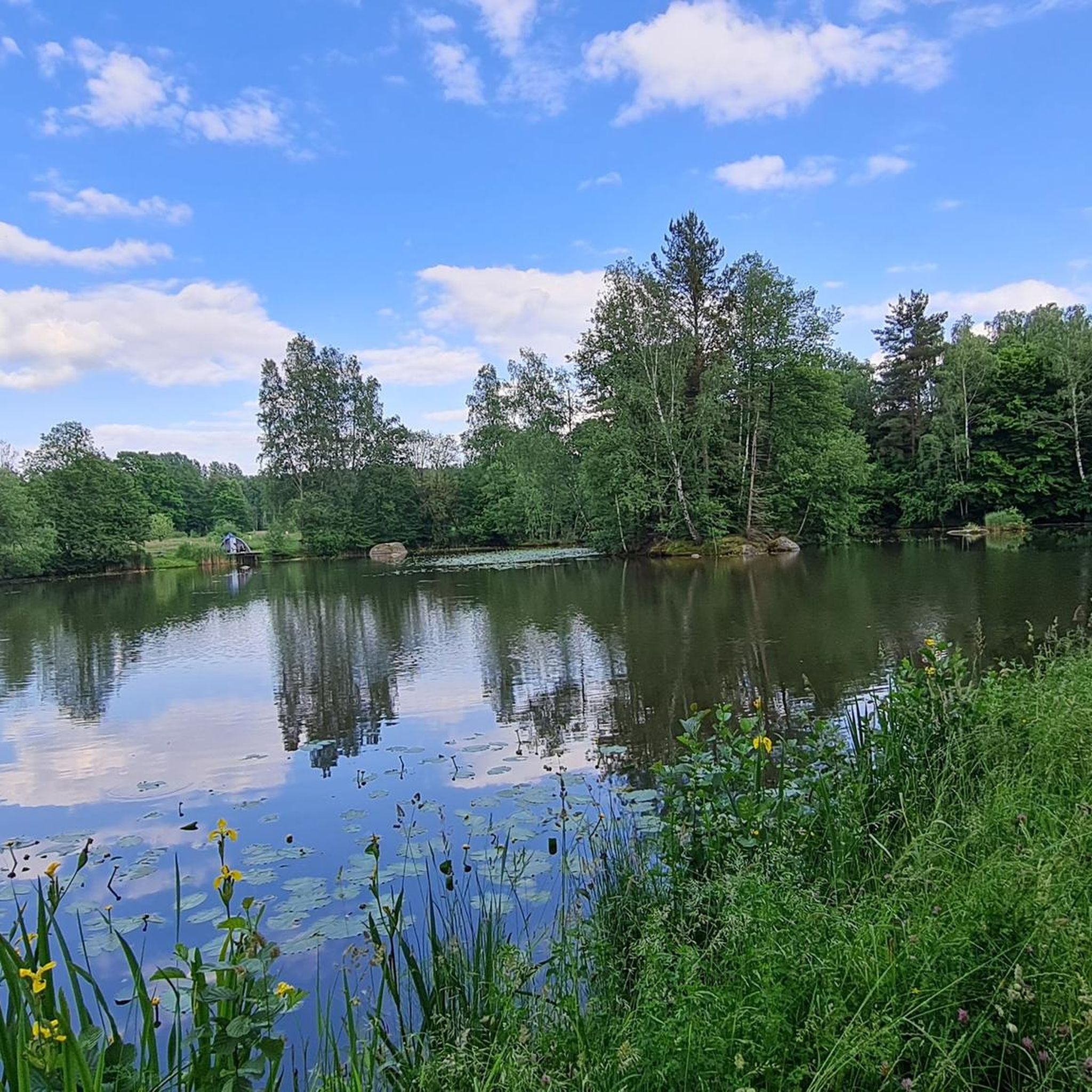
The park is famous for its bizarre granite formations, including 'wobbling stones' like the Devil's Bed and the Christoph-Stein Rock Formation. You might also pass by the picturesque Blockheideteich pond, nestled amidst these unique geological features.
Are there any specific viewpoints or observation towers accessible from road cycling routes?
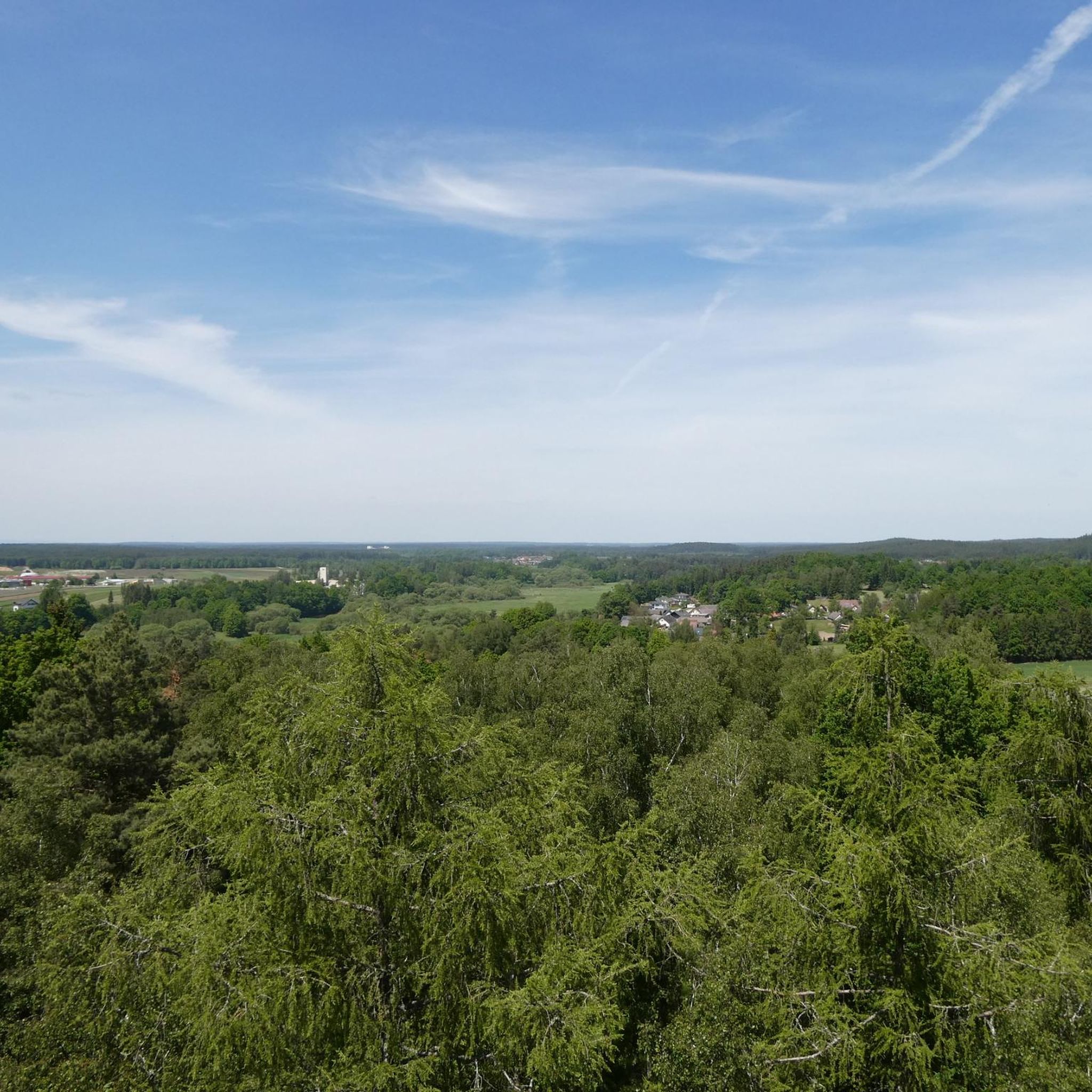
Yes, a 30-meter-high Blockheide Observation Tower offers panoramic views of the entire region. While not directly on every road cycling route, it's a prominent landmark within the park that can be easily reached from many cycling paths.
What unique geological features define the landscape for road cyclists in the Blockheide-Eibenstein Nature Park?
The landscape is defined by its mystical heathland and prominent granite formations, often referred to as 'wobbling stones'. These massive boulders, shaped by millions of years of natural forces, create a visually engaging backdrop for your ride. The park also features a geological open-air museum for deeper insights.
Are there connections to larger cycling networks from Blockheide-Eibenstein Nature Park?
Yes, the Blockheide-Eibenstein Nature Park offers a connection to the NÖ-Radweg (Lower Austria Cycle Path), suggesting access to a broader network of cycling routes. The nearby town of Gmünd also serves as a hub for various regional cycling paths, such as the 'Water Landscape Cycle Route' and the 'Waldviertelbahn Cycling Route'.
What do other road cyclists enjoy the most about road cycling in Blockheide-Eibenstein Nature Park?
The area is highly rated by the komoot community, with an average score of 5.0 stars from 10 reviews. Reviewers often praise the unique granite formations, the tranquil forests, and the well-paved connecting roads that make for an enjoyable road cycling experience.
Is the Blockheide-Eibenstein Nature Park suitable for family-friendly road cycling?
Given the generally slight differences in altitude and mostly well-paved surfaces, many routes in and around Blockheide-Eibenstein Nature Park are suitable for families. Routes with moderate difficulty, like the Gmünd Town Square – Weitra Town Hall Square loop from Gmünd NÖ, can be a good option for a family outing.
Where can I find parking for road cycling in Blockheide-Eibenstein Nature Park?
The nearby town of Gmünd often serves as a convenient starting point for many routes, including the Gmünd Town Square – Horses at Doubí loop from Gmünd NÖ. Parking facilities are typically available in and around such hubs, providing easy access to the cycling network.
Are there any historical or geographical points of interest along the road cycling routes?
Yes, the park is traversed by the 15th meridian east, which is marked by a dedicated path and the 15th Meridian East Monument. This unique geographical point adds an interesting stop to your road cycling adventure.
What is the best time of year for road cycling in Blockheide-Eibenstein Nature Park?
While specific seasonal recommendations are not detailed, the diverse ecosystems with heathland, meadows, and forests suggest that spring and autumn would offer pleasant temperatures and beautiful scenery. Summer is also suitable, but check local weather for optimal conditions.
Most popular routes in Blockheide-Eibenstein Nature Park
Most popular attractions in Blockheide-Eibenstein Nature Park

Get inspired with the komoot mobile app


Explore more
Browse the best Road cycling routes in other regions.
