The best cycling routes around Plankenfels
4.5
(2305)
10,002
riders
19
rides
Touring cycling routes around Plankenfels are situated in Franconian Switzerland, a region characterized by rolling hills, lush forests, and scenic river valleys. The landscape offers varied terrain suitable for different cycling preferences, from gentle paths along waterways to more challenging ascents. This area of Upper Franconia, Germany, provides a diverse environment for exploring on two wheels.
Best touring cycling routes around Plankenfels
- The most popular touring cycling route is Panoramic view of Oberwaiz – Fantaisie Palace and Park loop from…
Last updated: October 7, 2026
4.8
(59)
237
riders
Moderate bike ride. Good fitness required. Mostly paved surfaces. Suitable for all skill levels.
4.7
(31)
131
riders
37.9km
02:57
440m
440m
Hard bike ride. Good fitness required. You may need to push your bike for some segments of this route.

4.5
(35)
123
riders
42.6km
02:56
570m
570m
Hard bike ride. Very good fitness required. Mostly paved surfaces. Suitable for all skill levels.
4.2
(11)
62
riders
19.1km
01:22
240m
240m
Moderate bike ride. Good fitness required. Mostly paved surfaces. Suitable for all skill levels.
4.1
(8)
40
riders
35.4km
02:27
400m
400m
Moderate bike ride. Good fitness required. Mostly paved surfaces. Suitable for all skill levels.
Get access to more routes and recommendations from other explorers.
Already have an account?
Our route recommendations are based on thousands of hikes, rides, and runs completed by other people on komoot.
Start today with a free account
Your next adventure awaits.
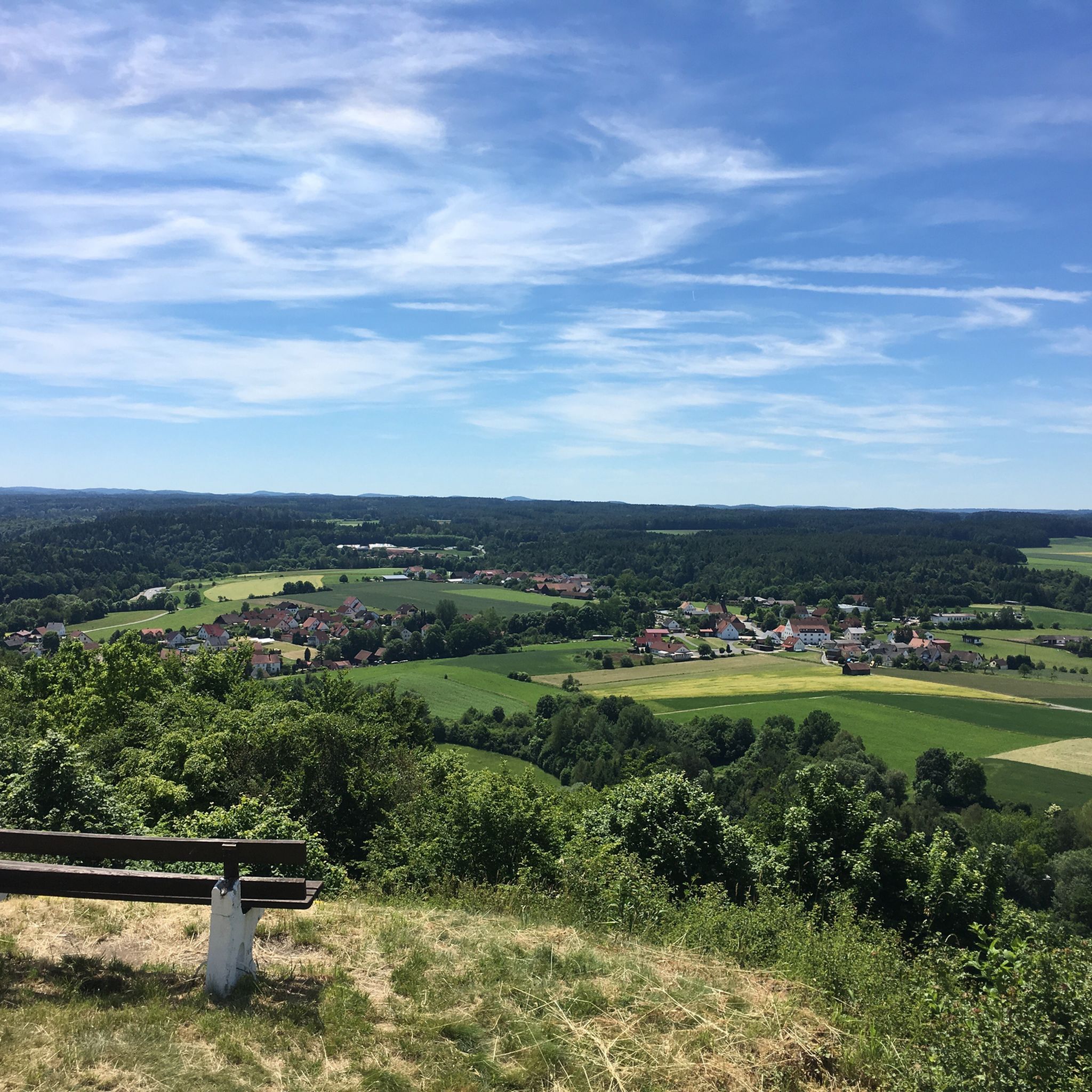
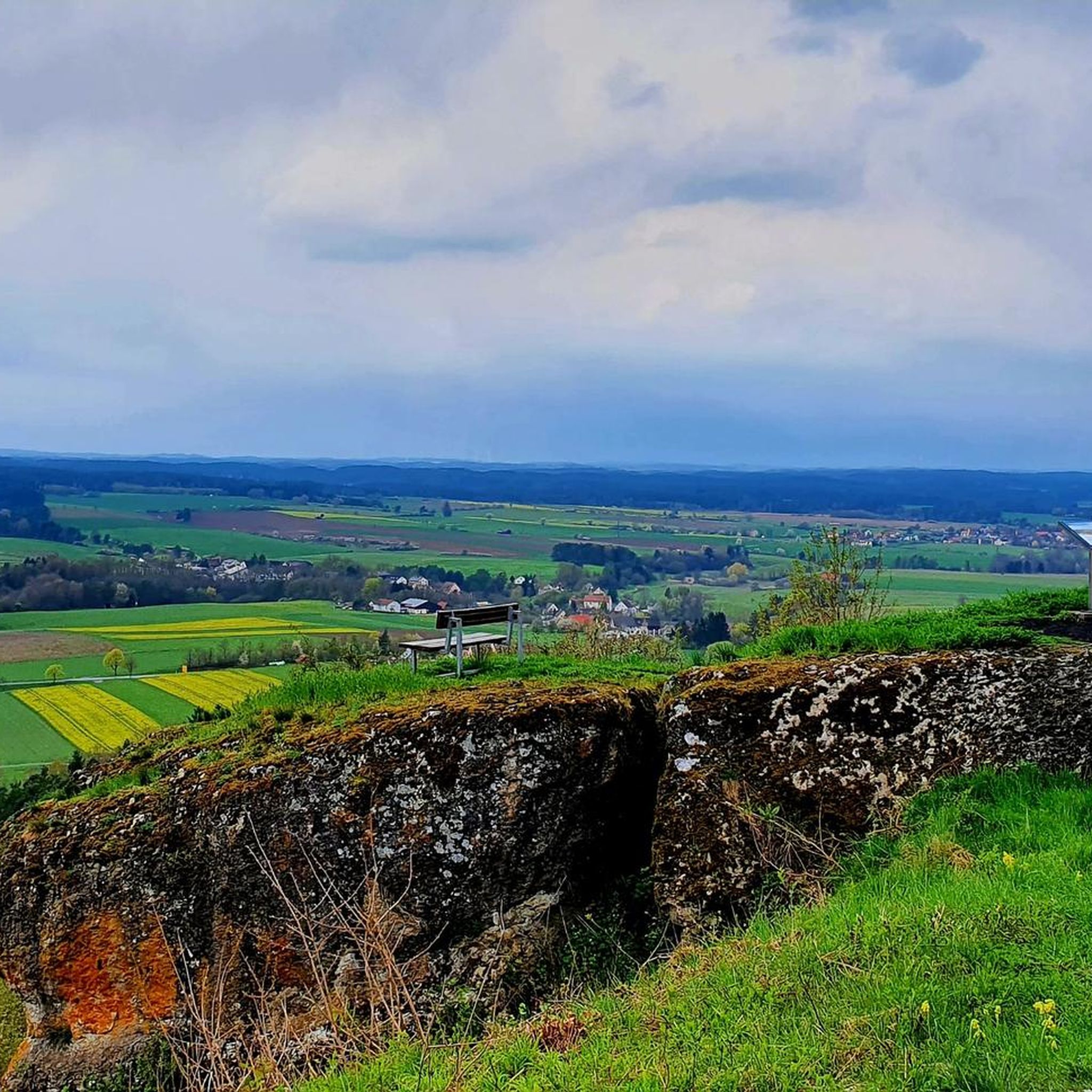
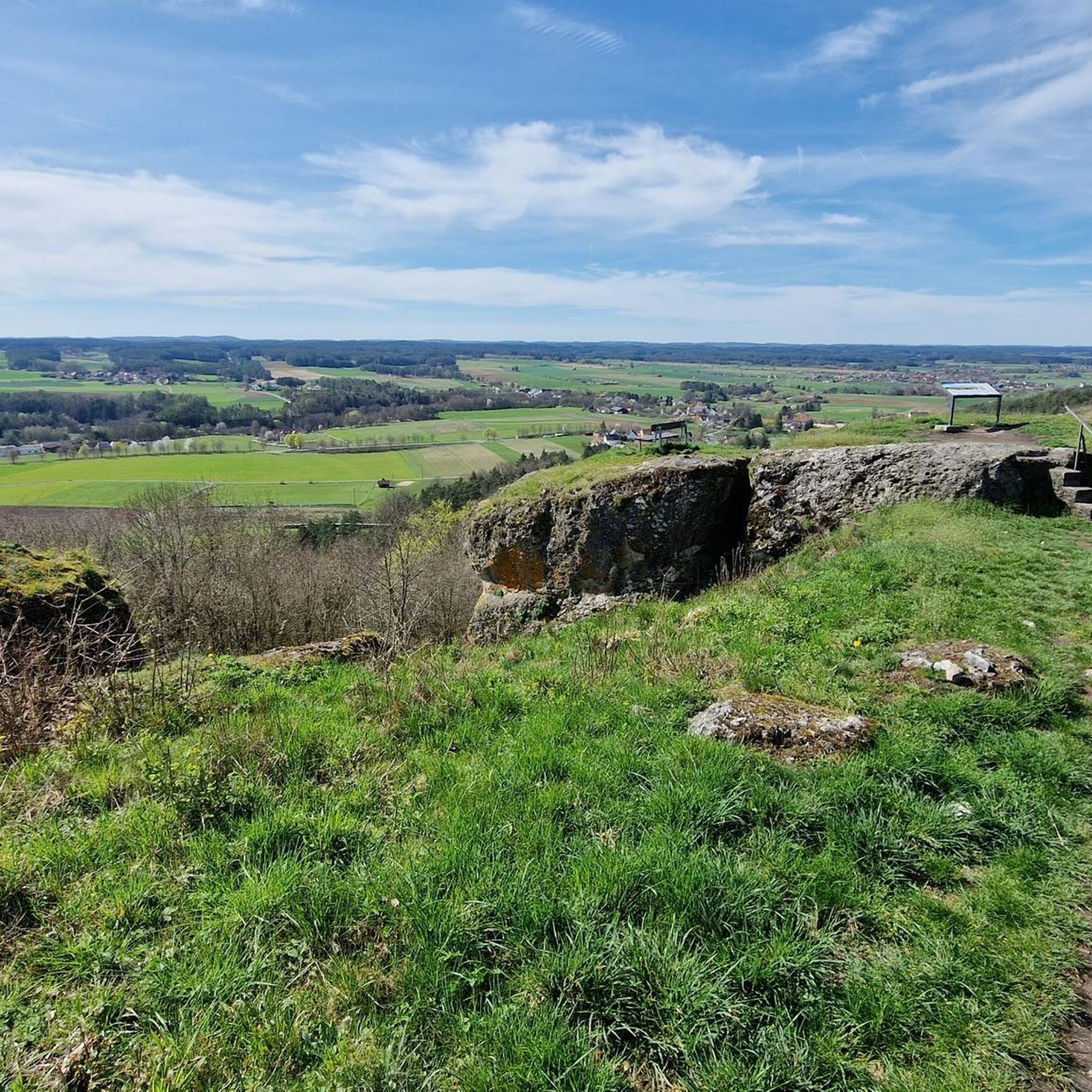
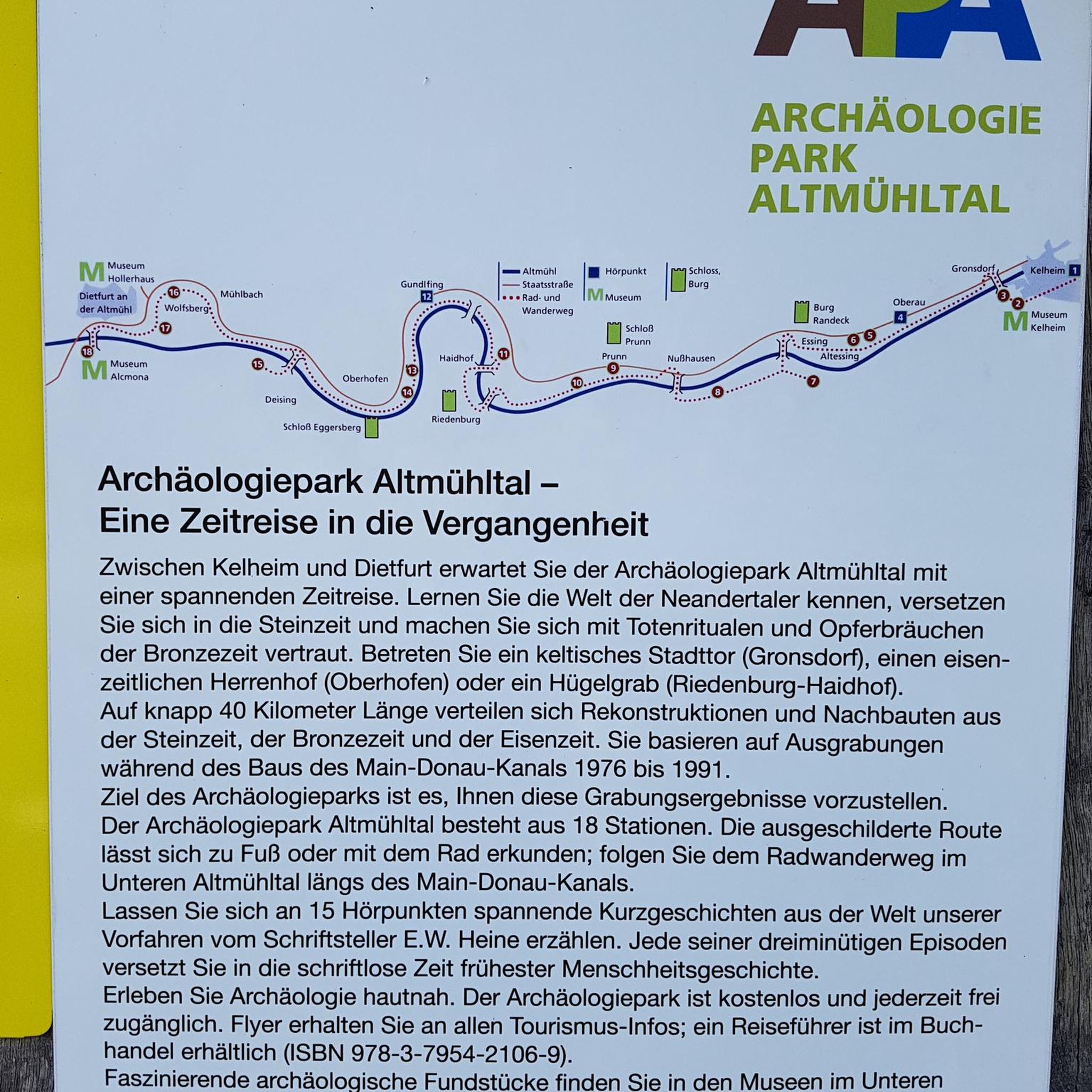
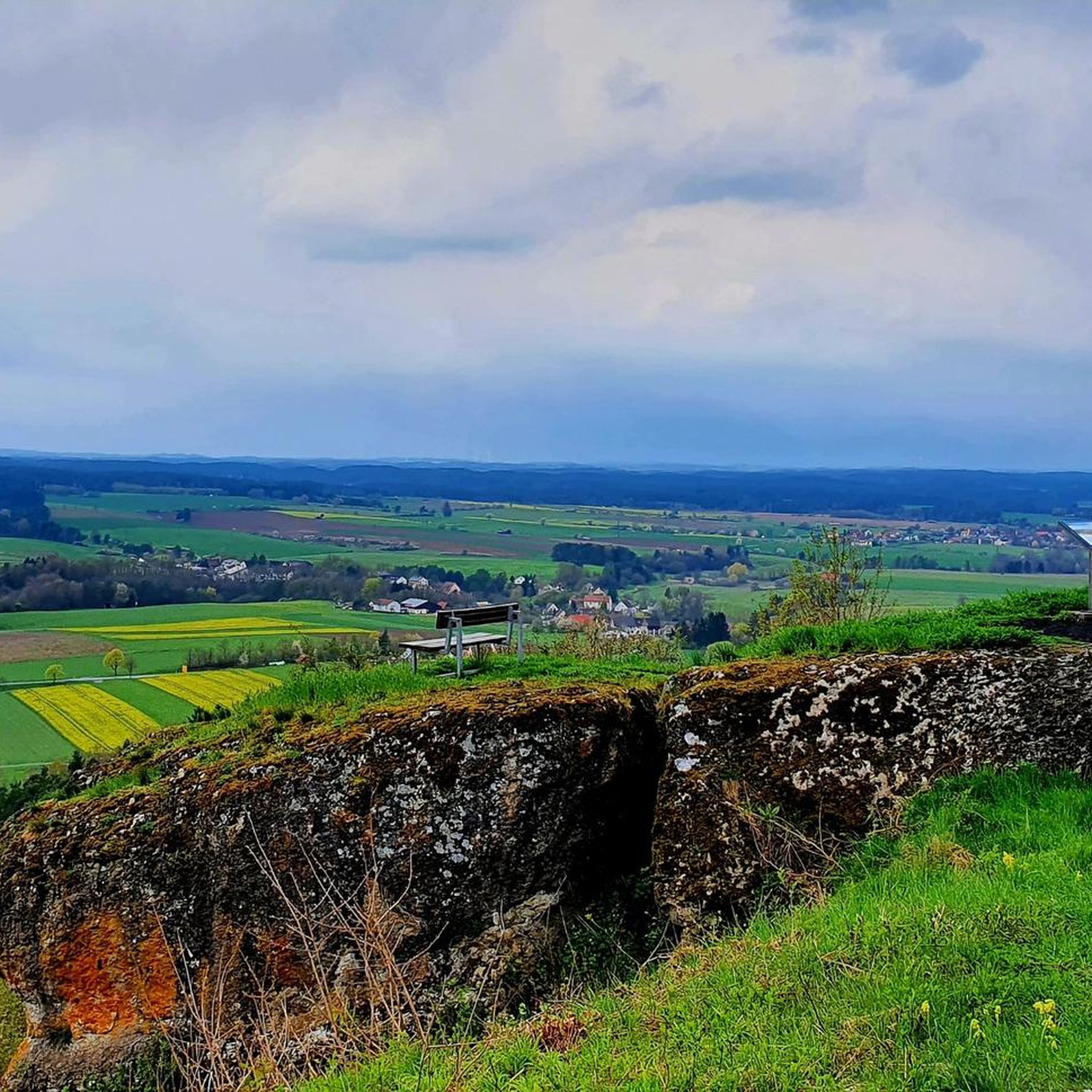
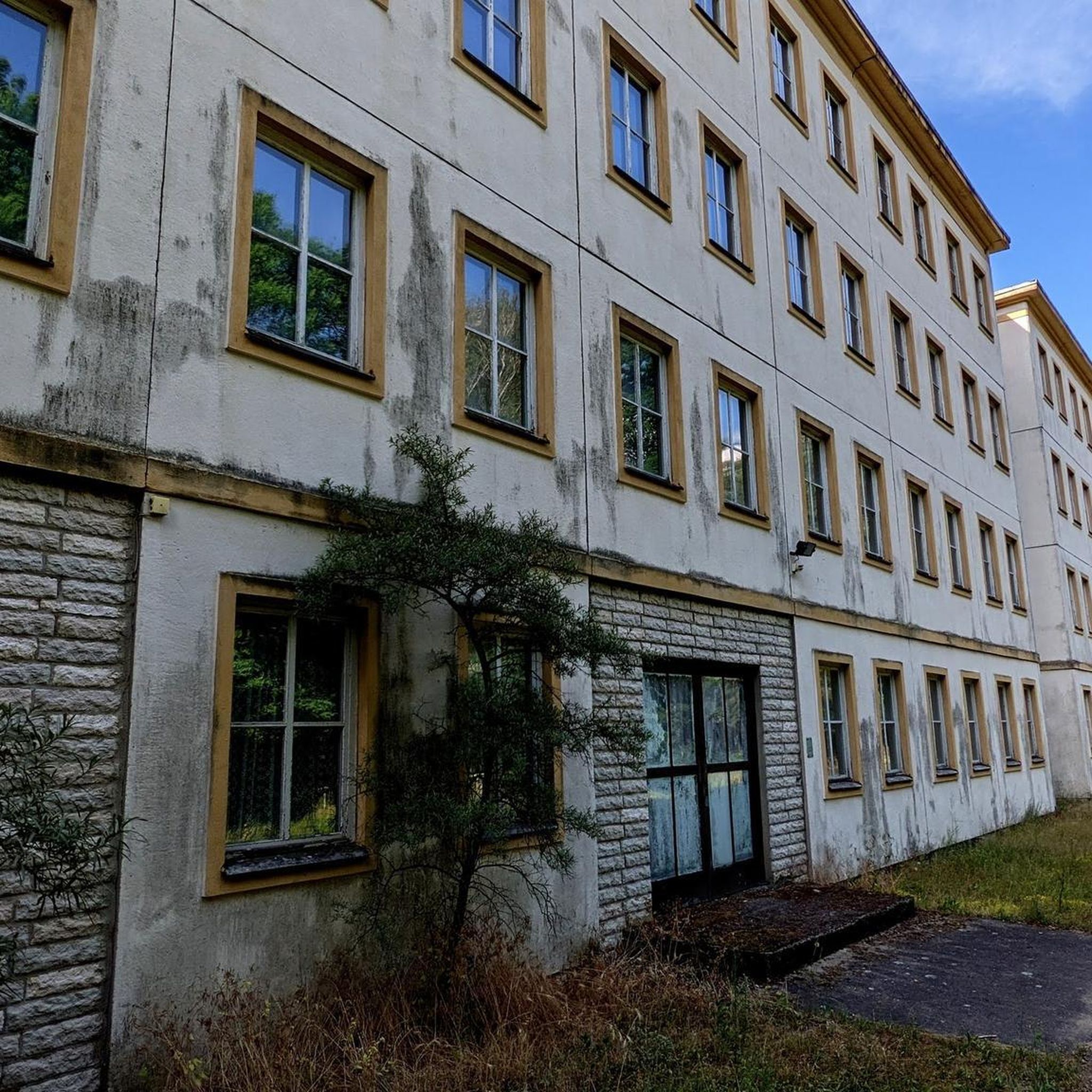
Tips from the Community

The Kainachtal is a particularly beautiful and quiet natural area right on the outskirts of Hollfeld. The path leads from the old town down into the valley, where the landscape transforms into an idyllic stream and meadow landscape. The gentle splashing of the Kainach accompanies you on your way. The valley is particularly interesting for families, as the children's adventure trail with various stations for playing and discovering runs through here.
9
0

Anyone who follows the Wiesent downstream from the historic Eichenmühle mill experiences one of the most untouched and picturesque sections of the entire valley. This section of the trail combines spectacular geology, centuries-old cultural history, and a vibrant river ecosystem in a confined space and is best explored on foot or by bike on the paved, natural farm track. The adventure begins directly below the old mill property at the Truppach confluence. Here, the upper Wiesent valley celebrates a small, quiet river spectacle when the Truppach, coming from the direction of Obernsees, joins from the left. Framed by dense alder stands and willows, the confluence area has an almost enchanted atmosphere. Looking back from the small Truppach bridge, you are offered a fantastic panorama: in the foreground, the water merges, while in the background, the historic half-timbered mill and the imposing dolomite walls rise up. Continuing along the river course in the shade of these mighty, bright rock formations, you reach the historic river weir on the Wiesent. Where the water now gently babbles over the barrier, the economic heart of the valley once beat. For centuries, the weir regulated the water level for the so-called "Wässerwiesen" – a sophisticated irrigation system that is now a UNESCO World Heritage site. At the same time, the facility was used for fishing, which is reflected in the name of the subsequent hamlet, Aalkorb. The designation, over a thousand years old, goes back to wooden fish traps that were hung in the flowing Wiesent at precisely these weirs. Today, the former barrier has been ecologically redesigned so that rare fish species such as the brown trout can once again easily pass the obstacle on their migrations. Behind the weir, the valley widens slightly, and the path leads along striking, vertical climbing rocks directly into the elongated district of Waischenfeld, Nankendorf. Here, the Wiesent flows quietly and peacefully through the village, past old willows, and invites you to stop for a well-deserved refreshment after an eventful passage through nature.
4
0
A particularly charming place, both scenically and geographically, in the northern part of Franconian Switzerland is the Eichenmühle, an idyllic estate in the municipality of Plankenfels. The historic property owes its very special significance to its striking location in the region's river system: directly below the mill, the nearly seven-kilometer-long Truppach, coming from Obernsees, flows into the Wiesent, which flows south there, from the left. Nestled in a wide valley bordered by wooded slopes and striking rock formations, the Eichenmühle once used the water power at this distinctive junction as a classic grain mill. Today, the historically rich site, which is reached via a short side road from the main road, is a perfect orientation and resting point for nature enthusiasts. It is located directly on popular hiking and cycling routes – such as the well-known tour “Truppach meets Wiesent” – and makes the gentle, water-rich river landscape of the Franconian natural scenery perfectly experienceable for excursionists.
4
0
An absolute highlight for history and photography enthusiasts in the Wiesenttal is the historic mill in the Nankendorf district of Waischenfeld. First documented in 1539, the striking building is one of the oldest architectural monuments in Franconian Switzerland. The current appearance as a long sandstone and half-timbered building with a hipped roof essentially dates back to 1800 and has been proudly owned by the Sebald family for centuries. Anyone standing on the idyllic riverbank today can admire the impressive undershot water wheel, which until 1992 still ground grain and today generates environmentally friendly green electricity. A closer look at the southern corner of the house also reveals historical flood marks, testifying to the dramatic water levels of past times. After extensive renovation in recent years, the owner family plans to make the fascinating historical mill technology inside accessible to the public in the long term as a small mill museum, making the place a perfect stopover on any discovery tour.
4
0

Truppach and Mengersdorf are neighboring districts of the municipality of Mistelgau. Truppach is primarily known for its historic castle, a former moated castle from the 14th century. In adjacent Mengersdorf, the St. Otto Church and a historic manor farm form the cultural centers. The region in the Truppach valley is a popular destination for hikers, especially due to attractions such as the WaldLebensWeg or the nearby Tafelberg Neubürg.
4
0
The cycle path between Hollfeld and Stechendorf is officially known as the Franconian Switzerland High Trail. The path follows the former railway line between Bayreuth and Hollfeld, which was closed in 1974. Thanks to the use of the old railway line, the route is largely flat and gently sloping. From Hollfeld, the path leads along the Wiesent Valley towards Stechendorf and on to Bayreuth. It is often also referred to as a leisure cycle path or a railway line path.
2
0

Tüchersfeld is the typical Franconian "showcase town" with its striking rocks and the location of the half-timbered houses, which in some cases seem to be glued to the rocks.
9
0
Frequently Asked Questions
How many touring cycling routes are available around Plankenfels?
There are 19 touring cycling routes around Plankenfels, offering a diverse range of experiences. These include 4 easy, 7 moderate, and 8 difficult routes, catering to various fitness levels.
What kind of terrain can I expect on touring cycling routes in Plankenfels?
The terrain around Plankenfels, located in Franconian Switzerland, is characterized by rolling hills, lush forests, and scenic river valleys. You'll encounter both challenging ascents and enjoyable descents, with routes often winding through verdant forests and along tranquil waterways like the Wiesent River.
Are there any family-friendly touring cycling routes in Plankenfels?
Yes, Plankenfels offers several easier routes suitable for families. While specific family-friendly routes aren't detailed, the region's 4 easy routes provide gentler paths, often along river valleys, which are ideal for a relaxed family outing. Look for routes with minimal elevation gain.
Can I find circular touring cycling routes around Plankenfels?
Many of the touring cycling routes around Plankenfels are designed as loops, allowing you to start and end in the same location. An example is the Panoramic view of Oberwaiz – Fantaisie Palace and Park loop from Plankenfels, which offers scenic views and returns to your starting point.
What are some notable landmarks or attractions I can see along the touring cycling routes?
The routes often pass by or near significant landmarks. You can explore historic sites like Plankenfels Castle, or natural wonders such as the dramatic limestone formations. For specific points of interest, consider routes that lead to places like the Ruins of Neideck Castle or offer views of the Wiesent Valley.
Are there any routes that feature waterfalls or caves?
Yes, the region is known for its natural beauty, including waterfalls and caves. While not directly on every cycling path, you can find routes that provide access to attractions like the Devil’s Hole Waterfalls or the impressive Oswald Cave, which can be incorporated into your touring cycling adventure.
What is the best season for touring cycling in Plankenfels?
The best season for touring cycling in Plankenfels is typically from spring to autumn. During these months, the weather is generally mild, and the lush forests and river valleys are at their most picturesque. Summer offers warm days, while spring and autumn provide comfortable temperatures and vibrant foliage.
Are there any challenging touring cycling routes for experienced cyclists?
Absolutely. Plankenfels offers 8 difficult touring cycling routes for those seeking a challenge. An example is the Aufseßtal Valley – Wiesent Riverside Trail loop from Plankenfels, which features significant elevation changes and follows the Wiesent River through varied terrain.
What do other touring cyclists say about the routes in Plankenfels?
The touring cycling routes in Plankenfels are highly rated by the komoot community, with an average score of 4.5 stars from over 140 reviews. Cyclists often praise the diverse terrain, the scenic beauty of Franconian Switzerland, and the variety of routes available for different skill levels.
Are there options for longer touring cycling routes around Plankenfels?
Yes, for those looking for longer rides, there are several routes exceeding 20 miles. For instance, the Pottenstein Old Town – View of Pottenstein loop from Plankenfels covers over 26 miles (42.4 km) and takes you through varied landscapes with views of Pottenstein Old Town.
Are there any routes that pass by castles?
Yes, the region is home to several historic castles. You can find routes that offer views of or pass near structures like Plankenfels Castle. The Ziegenfelder Cycle Path – Zwernitz Castle loop from Plankenfels is an example of a route that includes a castle in its itinerary.
Can I find cafes or pubs along the touring cycling routes for a break?
Cycling through the region allows you to discover charming, traditional villages. These often feature local eateries, cafes, or pubs where you can take a well-deserved break, refuel, and experience local hospitality. The routes are designed to connect these points of interest.
Most popular routes around Plankenfels
Most popular attractions around Plankenfels

Get inspired with the komoot mobile app


Explore more
Browse the best Cycling routes in other regions.
