The best cycling routes around Pleisweiler-Oberhofen
4.5
(7361)
35,504
riders
15
rides
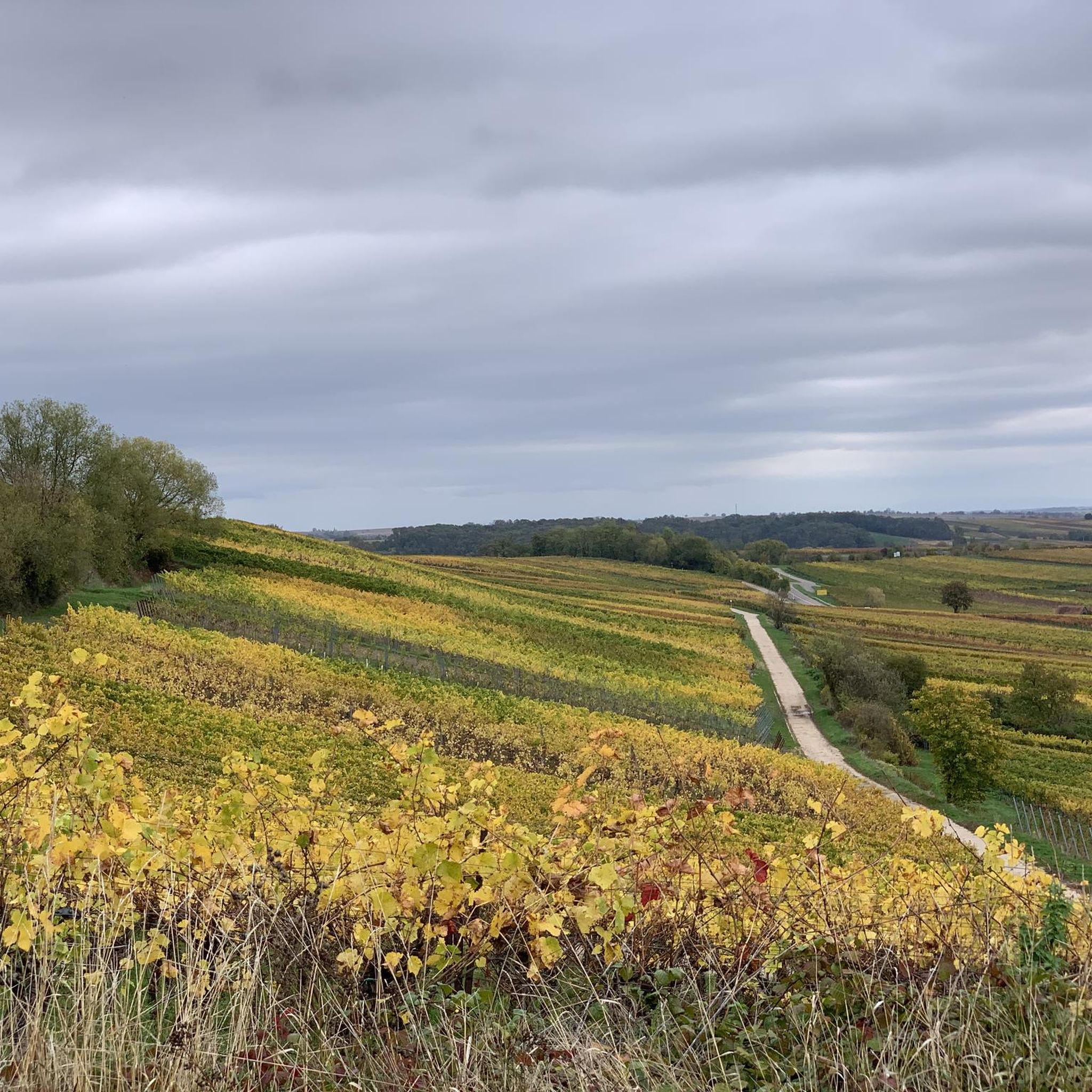
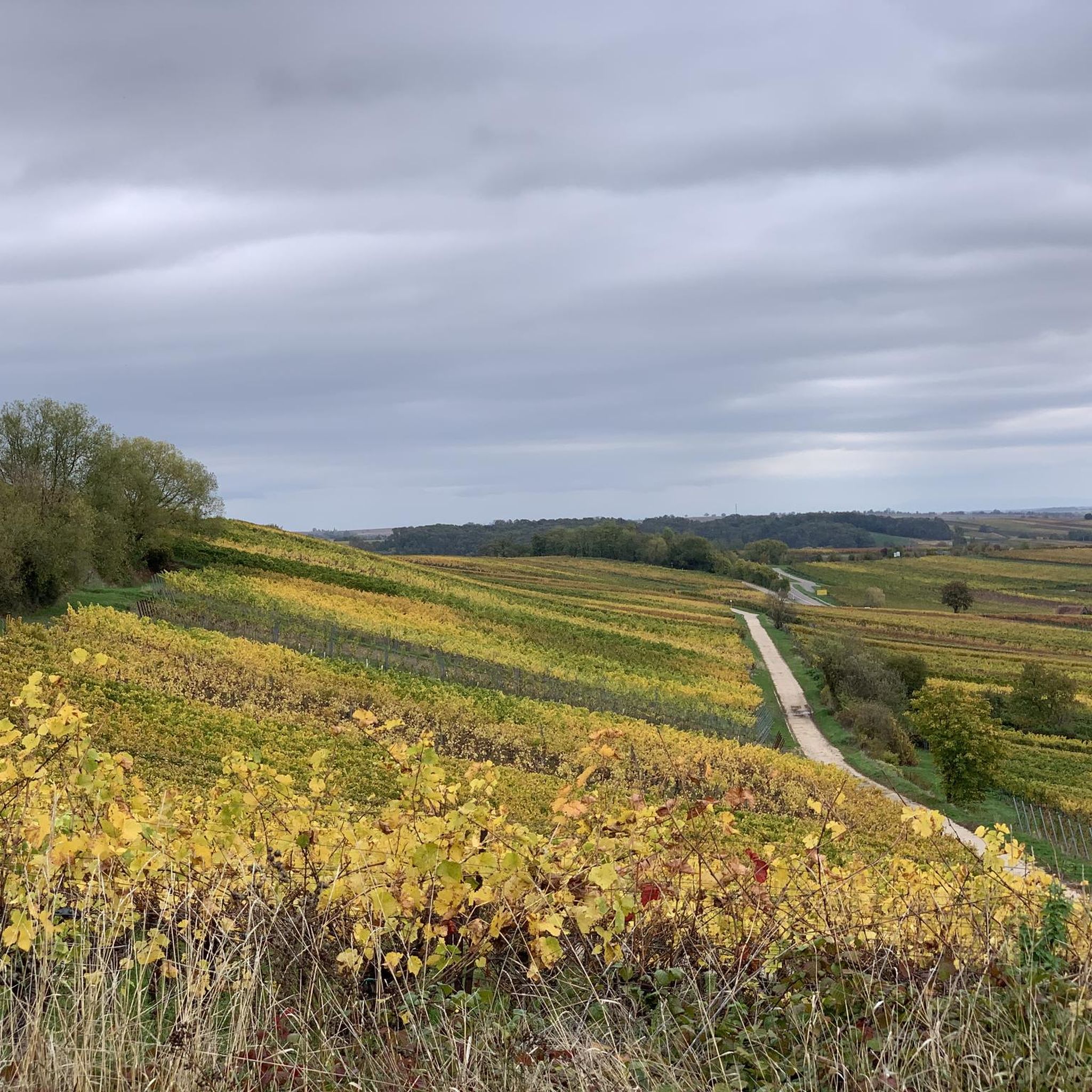
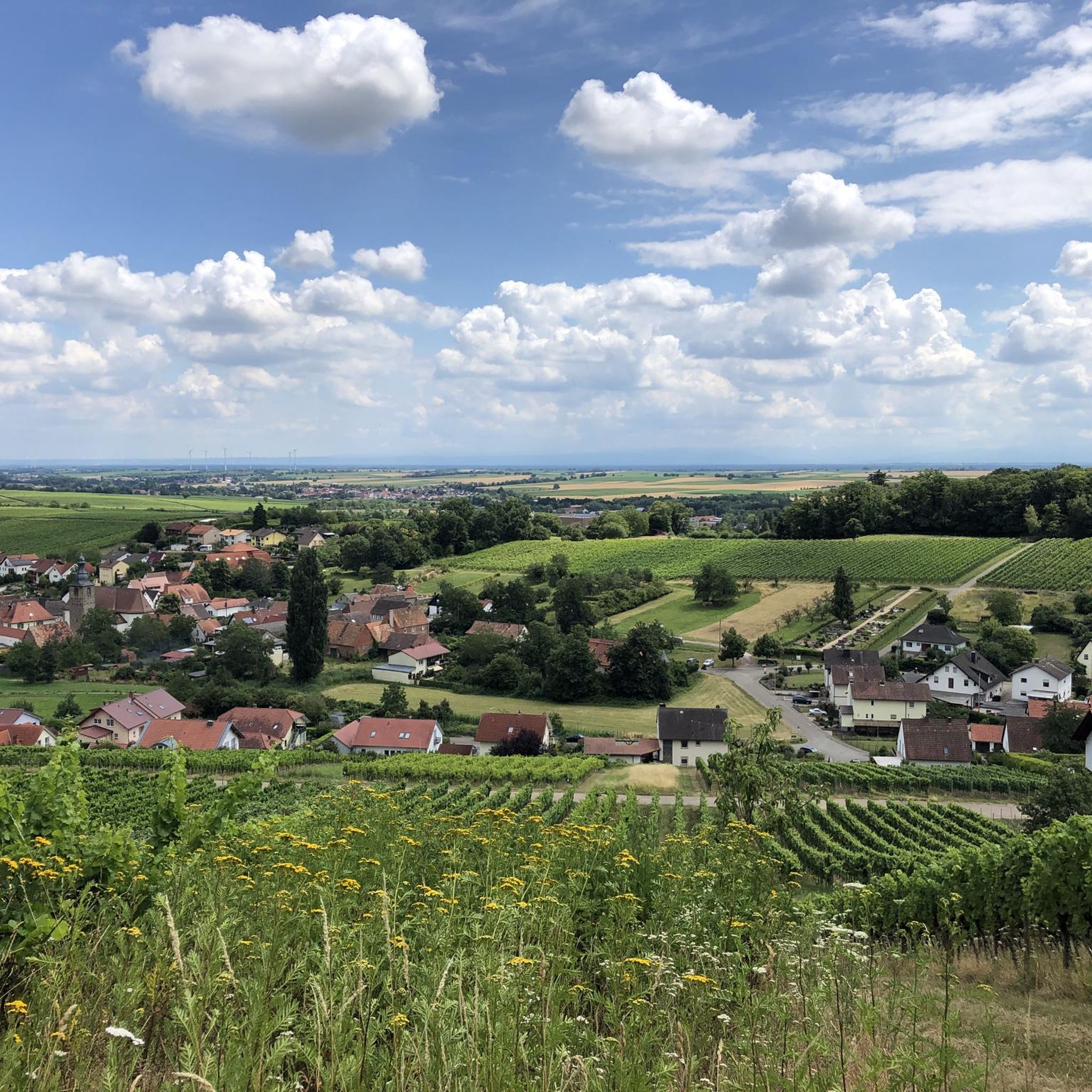
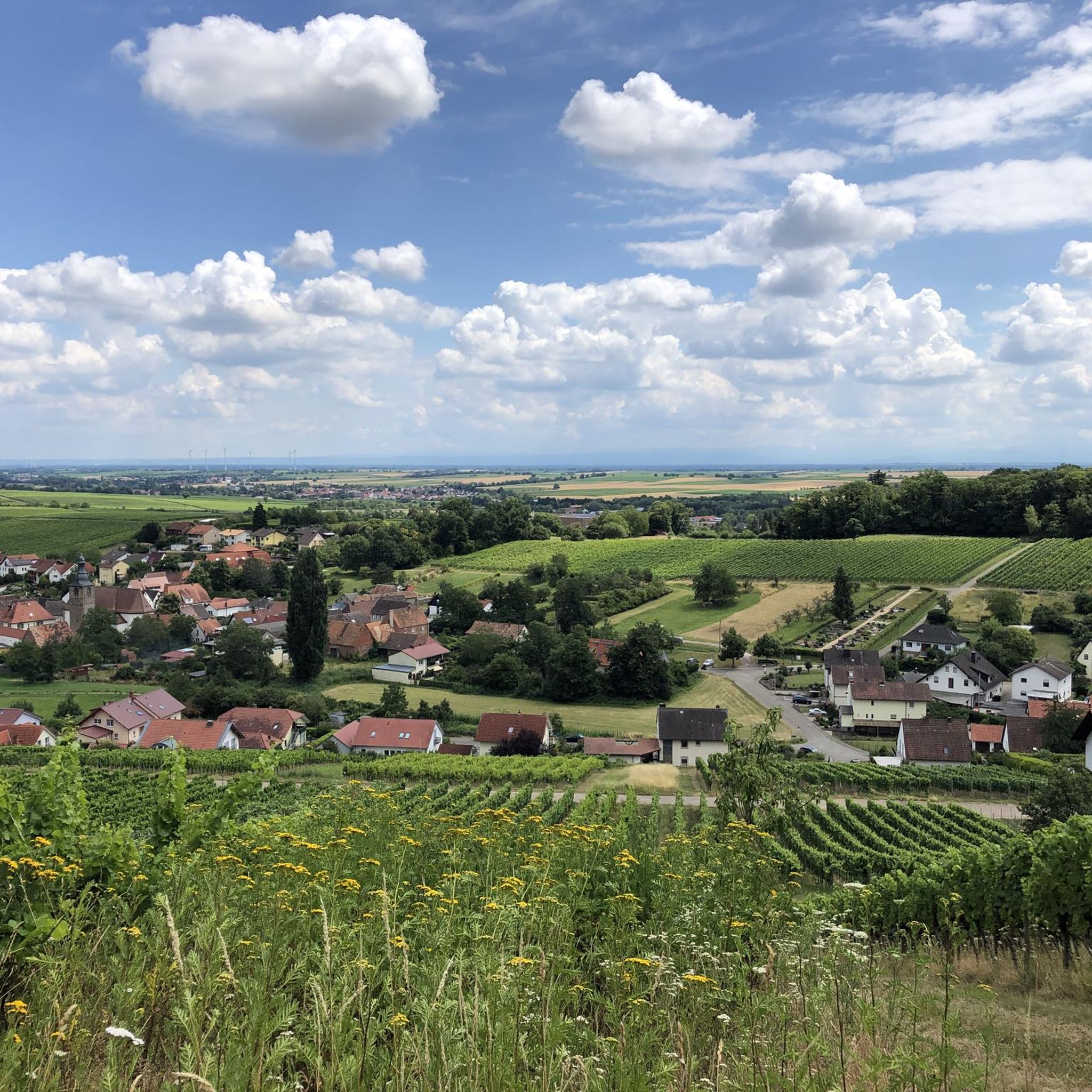
Touring cycling routes around Pleisweiler-Oberhofen navigate a landscape characterized by extensive vineyards, often referred to as a "sea of vines," and the gentle hills leading to the Palatinate Forest. The region sits at the edge of the Rhine plain, offering varied terrain from flat vineyard paths to more undulating routes. This area provides a diverse backdrop for cycling, blending agricultural scenery with forested sections.
Best touring cycling routes around Pleisweiler-Oberhofen
- The most popular touring cycling route is View of Landeck…
Last updated: November 23, 2026
4.6
(8)
68
riders
10.0km
00:42
170m
170m
Moderate bike ride. Good fitness required. Mostly paved surfaces.
5.0
(1)
39
riders
14.0km
00:57
220m
220m
Moderate bike ride. Good fitness required. Mostly paved surfaces.

1.0
(1)
19
riders
7.25km
00:29
100m
100m
Easy bike ride. Mostly paved surfaces.
2.0
(1)
11
riders
7.48km
00:30
100m
100m
Hard bike ride. You may need to push your bike for some segments of this route.
4.5
(2)
10
riders
6.23km
00:26
110m
110m
Easy bike ride. Mostly paved surfaces.
Get access to more routes and recommendations from other explorers.
Already have an account?
Our route recommendations are based on thousands of hikes, rides, and runs completed by other people on komoot.
Start today with a free account
Your next adventure awaits.
Tips from the Community

Get some ice cream at the new ice cream parlor. They sell wine too. :)
0
0

The castle's roots date back to the 12th or 13th century, when a moated castle likely stood here – built by the Counts of Saarbrücken. Later, it became the residence of the Dukes of Palatinate-Zweibrücken and developed into a magnificent Renaissance castle with two striking side towers in the 15th century. 🏛️💫 Today, the castle is no longer a museum, but houses the administration of the Verbandsgemeinde Bad Bergzabern – so the interiors are closed to visitors. 🏢 But the inner courtyard is a great place for a stroll! 🚶♂️🌳 It is open daily from 8 am to 6 pm – perfect for a short break or a photo with the historic flair. 📸💖
0
0

Classic stretch of the Deutsche Weinstraße with the iconic yellow grape-cluster signs - well signposted and easy to follow.
0
0
Sleepy little village centre with a stream running through it - a peaceful spot to slow down for a few minutes.
0
0

The German Wine Route is one of the most beautiful excursion destinations in our region.
0
0
Before the castle and through the right tower runs the longitude: "8 degrees east longitude"
0
0

https://www.pfalz.de/de/sehenswuerdigkeit/schloss-bad-bergzabern Schloss Bergzabern is the landmark of the town of Bad Bergzabern and is located in the town center. In it once resided the Dukes of Pfalz-Zweibrücken. Today, the castle houses the administration of the Verbandsgemeinde Bad Bergzabern. History: In the 12th and 13th centuries, the Counts of Saarbrücken probably built a moated castle on the grounds of the present-day castle. It was first mentioned in 1333 as "Feste Zabern by Lantecken". In 1385 it fell to the Electoral Palatinate and in 1410 became the property of Pfalz-Zweibrücken due to inheritance. In 1525, rebellious Lorrainese peasants, who had captured the town, destroyed the castle complex. Ludwig II of Pfalz-Zweibrücken rebuilt the complex, now in the form of a castle palace, i.e., a mixture of a defensive structure and an unfortified palace. In 1532, the south wing was completed, which is still striking today due to the two round towers that served as artillery towers at the time. The castle was still protected by a moat at this time. In 1676, after an attack by French troops, it was largely destroyed by fire, but was subsequently rebuilt (1720-1725) by the Swedish-Zweibrücken building director. In 1794, the French conquered the castle, which was auctioned off in 1803 as a so-called national property. Around this time, the surrounding moat was also filled in. The castle came into the possession of the town of Bergzabern, suffered considerable damage in a fire in 1909, and was then used as a school until, after extensive renovation in 1984, it became the seat of the Verbandsgemeinde administration of Bad Bergzabern.
2
0
The tower belongs to the former city fortifications of the town of Bad Bergzabern. During sieges, the city wall was mostly bombarded with stone balls. A 20 kg stone ball can be seen at the "Dicken Turm". It was built in the late 13th century and extended in the 16th century. Unfortunately, an interior visit was not possible. But even from the outside, the building looks quite imposing.
2
0
Frequently Asked Questions
How many touring cycling routes are available around Pleisweiler-Oberhofen?
There are over 800 touring cycling routes in the Pleisweiler-Oberhofen area, catering to various skill levels. This includes more than 300 easy routes, 340 moderate routes, and 180 difficult routes, ensuring options for every cyclist.
What kind of terrain can I expect on touring cycling routes in Pleisweiler-Oberhofen?
The terrain around Pleisweiler-Oberhofen is quite varied. You'll find routes winding through extensive vineyards, often referred to as a 'sea of vines,' offering gentle slopes and wide views. To the west, routes venture into the Palatinate Forest, providing shadier woodlands and more undulating sections. Some routes also traverse the flatter Rhine plain, while others include more challenging ascents into the hills.
Are there any family-friendly touring cycling routes in the region?
Yes, the region offers many family-friendly options, particularly routes that follow the German Wine Route through vineyards or paths in the Rhine plain. These tend to be less strenuous and offer charming villages and wine taverns along the way. For example, the Klingbach Cycle Path loop from Bad Bergzabern is a moderate route that might be suitable for families looking for a pleasant ride.
What are some notable landmarks or viewpoints I can see while cycling?
The region is rich in scenic spots. You can cycle past historic castles like Rehberg Tower or Stäffelsberg Tower, which offer fantastic views. The Rötzen Cliffs are another impressive natural feature. Many routes, such as the View of Landeck Castle – Kaiserbach Valley loop from Kapellen-Drusweiler, provide glimpses of historic sites and panoramic vistas over the vineyards and the Palatinate Forest.
Are there any circular touring cycling routes available?
Yes, many touring cycling routes in Pleisweiler-Oberhofen are designed as loops, offering convenient starting and ending points. Examples include the Dicker Turm – View of the German Wine Gate loop from Kapellen-Drusweiler, which traverses vineyards, and the Bienwald loop from Bad Bergzabern, taking you through a lowland forest.
What is the best time of year for touring cycling in Pleisweiler-Oberhofen?
The spring and autumn months are generally ideal for touring cycling in Pleisweiler-Oberhofen. In spring, the vineyards are lush green, and temperatures are pleasant. Autumn offers stunning fall foliage in the Palatinate Forest and the grape harvest season, with many wine festivals. Summer can also be enjoyable, though it can get quite warm, especially in the open vineyards.
Can I find cafes or places to stop for refreshments along the cycling routes?
Absolutely. The region is known for its charming wine villages and traditional wine taverns (Straußwirtschaften) scattered throughout the vineyards. Many routes pass directly through these villages, offering ample opportunities to stop for refreshments, local wines, and regional cuisine. Bad Bergzabern, a nearby hub, also has various cafes and restaurants.
What do other cyclists enjoy most about touring cycling in Pleisweiler-Oberhofen?
The komoot community highly rates touring cycling in Pleisweiler-Oberhofen, with an average score of 4.5 stars from over 6,000 reviews. Cyclists often praise the picturesque 'sea of vines' landscape, the well-maintained paths, and the blend of cultural sights with natural beauty. The variety of routes, from easy vineyard rides to more challenging forest trails, is also frequently highlighted.
Are there options for public transport or parking near the cycling routes?
Yes, towns like Bad Bergzabern serve as convenient hubs with options for public transport connections. Many cycling tours start or end in these towns, where you can often find parking facilities. For specific routes, it's advisable to check the route details for recommended starting points and parking availability.
Are there any cross-border cycling opportunities from Pleisweiler-Oberhofen?
Yes, Pleisweiler-Oberhofen's location makes it ideal for cross-border cycling. You can explore routes like the German-French cycling pleasure route 'Wine and Terroir,' which connects the Palatinate, Alsace, and Baden Wine Routes. This offers a unique opportunity to experience a rich blend of nature, history, and culinary delights across two countries.
What is the difficulty level of the touring cycling routes in this area?
The routes around Pleisweiler-Oberhofen range from easy to difficult. You'll find plenty of easy routes, often through the flatter vineyard areas or along river paths. Moderate routes might include gentle climbs and descents, while difficult routes, such as the View of Landeck Castle – Kaiserbach Valley loop from Kapellen-Drusweiler, feature more significant elevation changes and longer distances, often venturing deeper into the Palatinate Forest.
Most popular routes around Pleisweiler-Oberhofen
Most popular attractions around Pleisweiler-Oberhofen

Get inspired with the komoot mobile app


Explore more
Browse the best Cycling routes in other regions.
