Attractions and Places To See in Golfe De Porto - Top 20
Best attractions and places to see in Golfe De Porto, a UNESCO World Heritage Site on Corsica's western coast, are characterized by dramatic red granite landscapes and a vibrant marine environment. This region features rugged cliffs, natural reserves, and historic landmarks. It is known for its unique geological formations, such as the Calanques de Piana, and protected areas like the Scandola Nature Reserve. The area offers a diverse range of natural and cultural sites for exploration.
Best attractions and places to see in Golfe De Porto
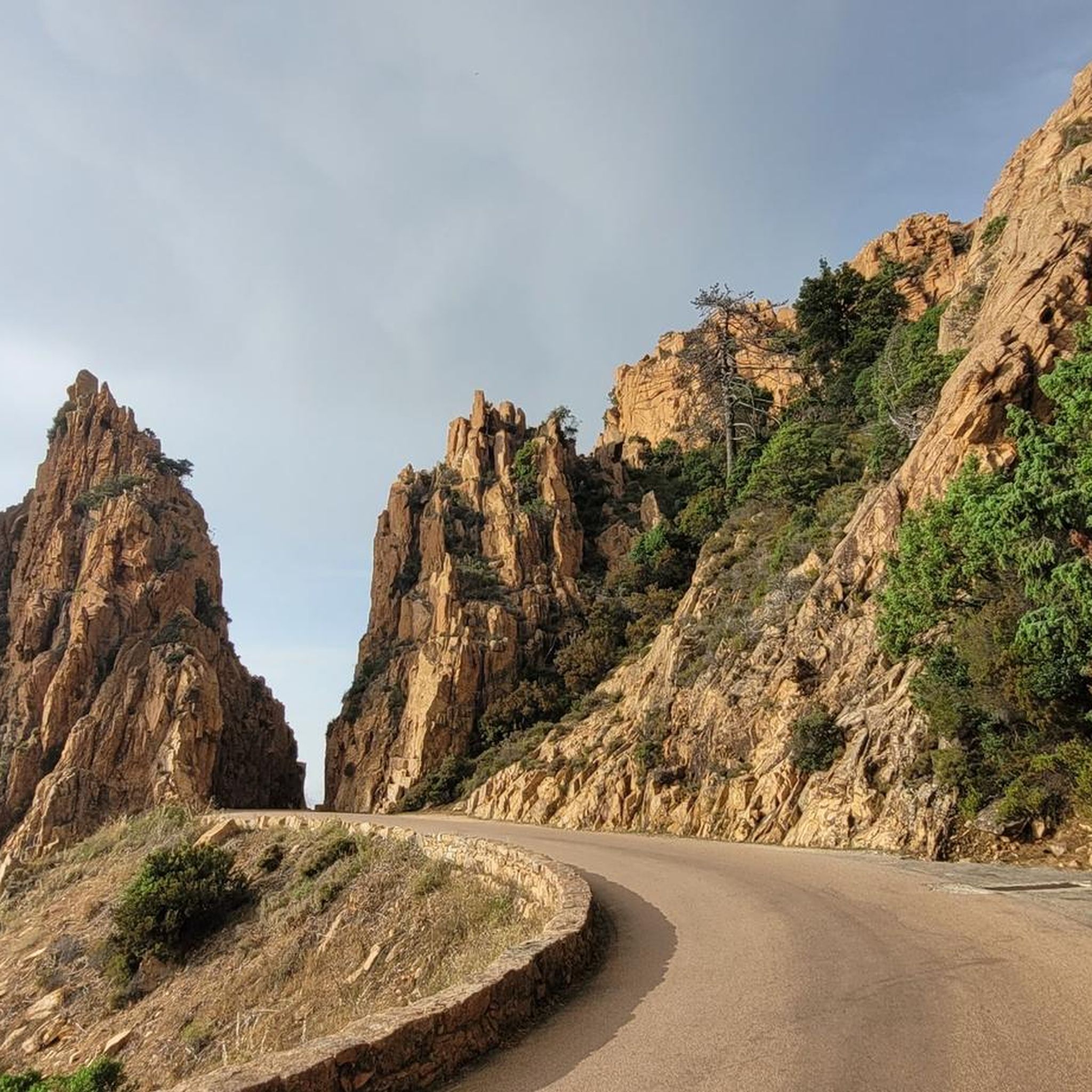
- The most popular attractions is Piana Calanques via the Old Mule Track, a gorge that features bizarre rocky landscapes and red rocks. This path requires attention due to many stones and rocks, offering views of the deep blue sea and unique rock formations.
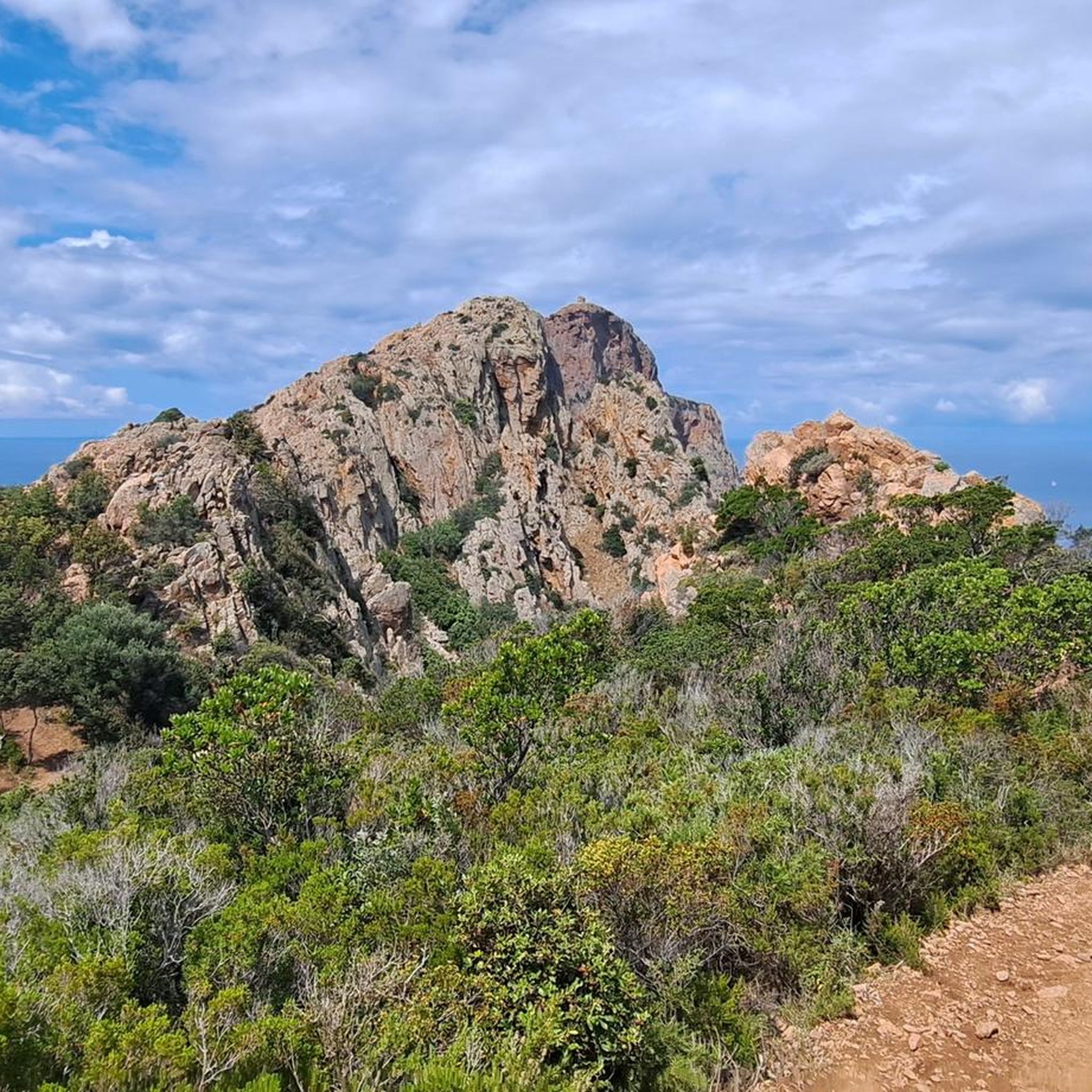
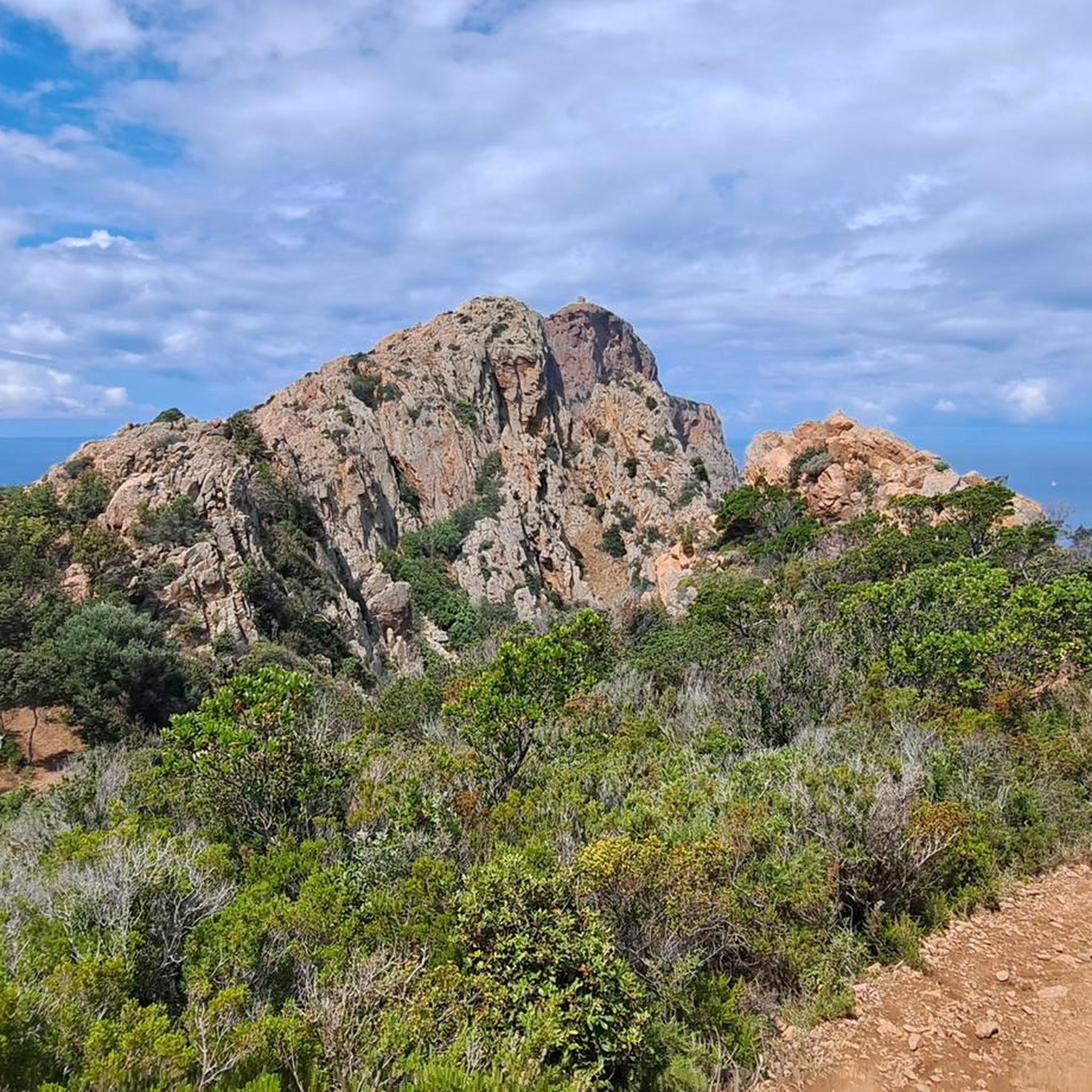
- Another must-see spot is Turghiu Tower, a historical site on Capo Rosso. This pink granite headland, topped with a Genoese tower, rises 331 meters above sea level and offers views of the Gulf of Porto.
- Visitors also love Porto Marina on the Gulf of Porto, a settlement and natural harbor. It serves as a starting point for boat trips to nearby bays and features a Genoese fortress.
- Golfe De Porto is known for its natural monuments, historical sites, and coastal settlements. The region offers a variety of attractions, including unique geological formations, ancient defensive towers, and picturesque marinas.
- The attractions in Golfe De Porto are appreciated by the komoot community, with over 460 upvotes and more than 520 photos shared by visitors.
Last updated: July 6, 2026
Piana Calanques via the Old Mule Track
Highlight (Segment) • Gorge
Translated by Google •
Tip by

Calanques of Piana
Highlight • Gorge
Translated by Google •
Tip by

Sign up now to discover places like this
Get recommendations on the best single tracks, peaks, & plenty of other exciting outdoor places.
Sign up for free
Porto Marina on the Gulf of Porto
Highlight • Settlement
Translated by Google •
Tip by
Heart of Piana
Highlight • Other
Translated by Google •
Tip by

Turghiu Tower
Highlight • Historical Site
Translated by Google •
Tip by

Sign up for free to discover even more attractions in Golfe De Porto.
Sign up for free
Already have an account?
Start today with a free account
Your next adventure awaits.
Login or Signup
Popular around Golfe De Porto
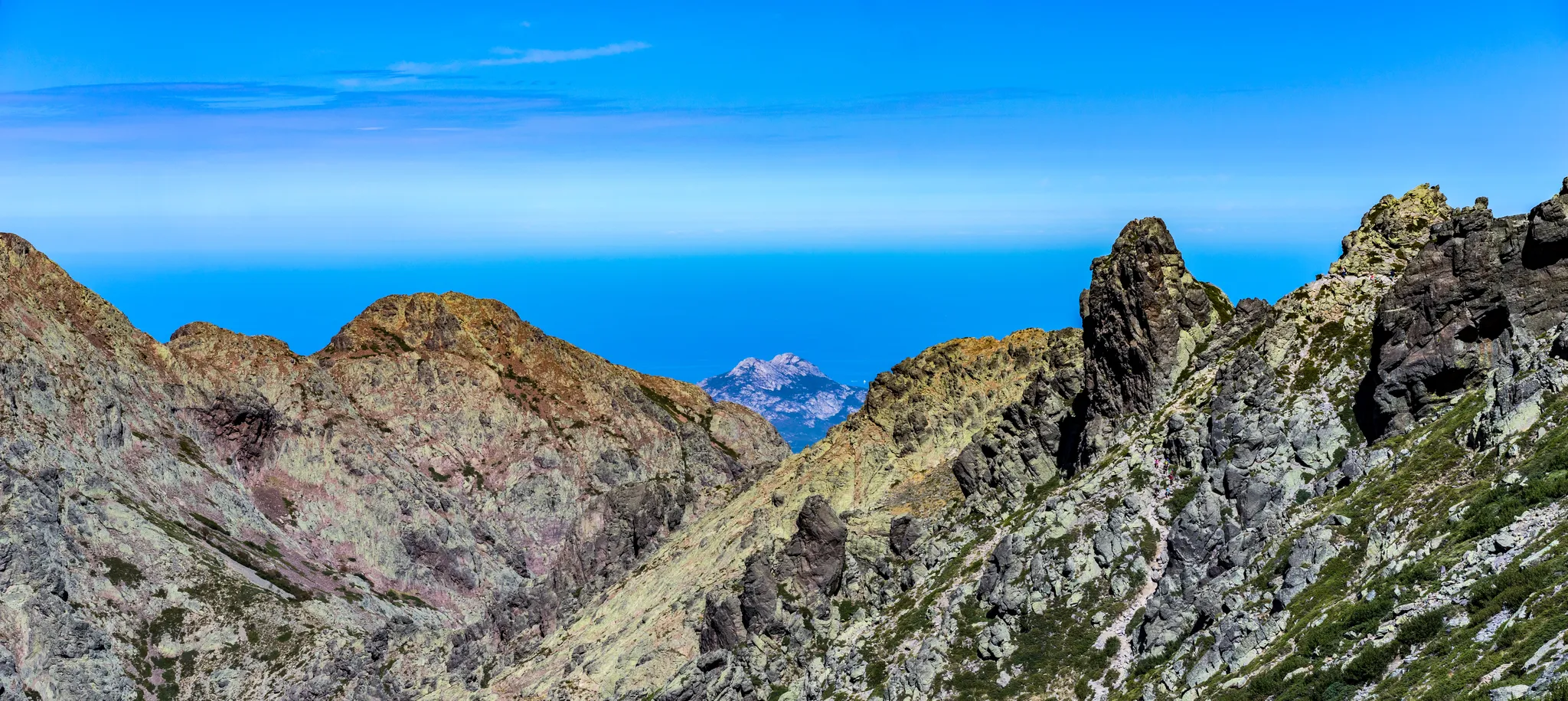
Mare è Monti north – From the mountains to the sea
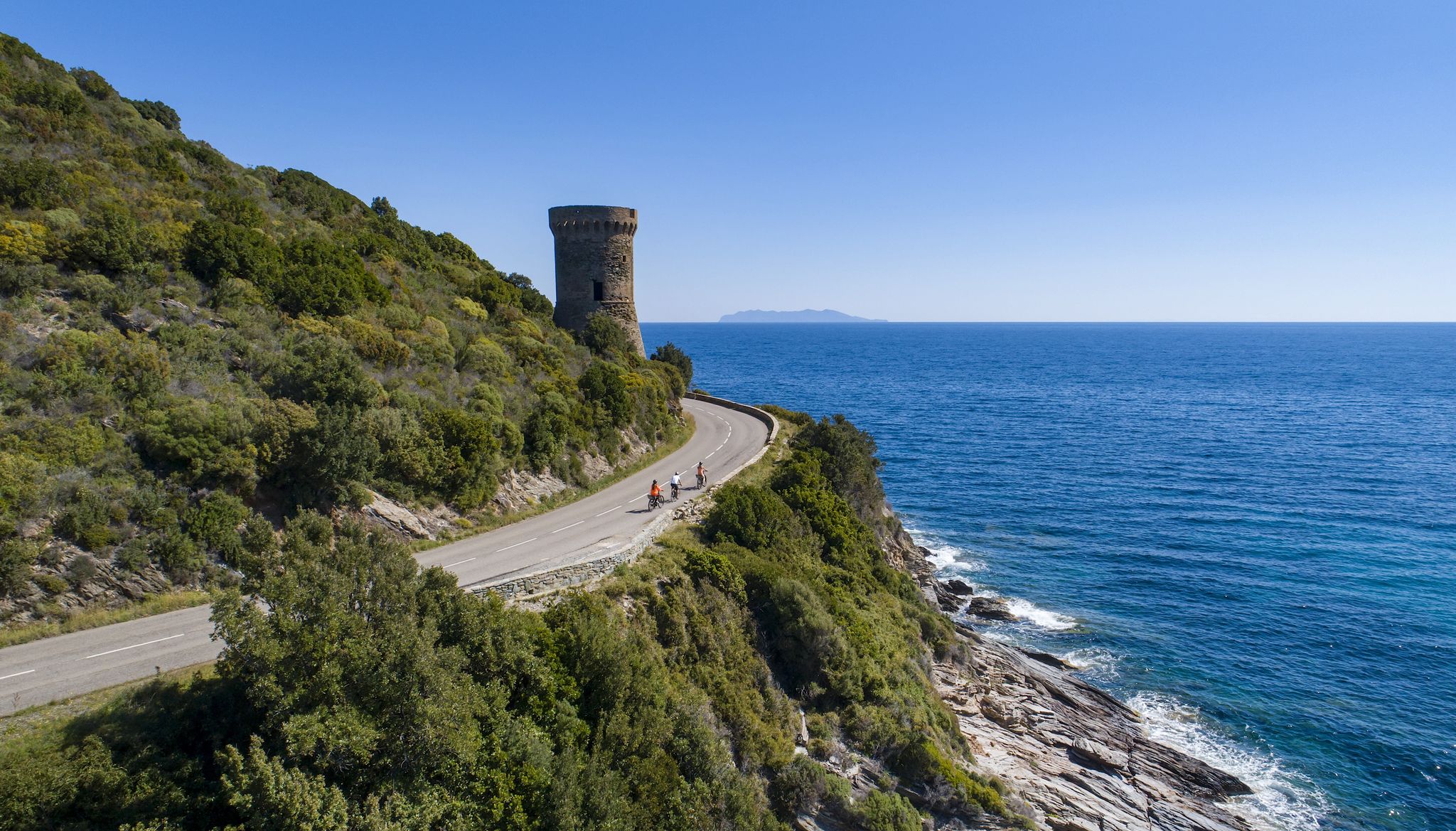
The Great Crossing of Corsica by bike – GT 20
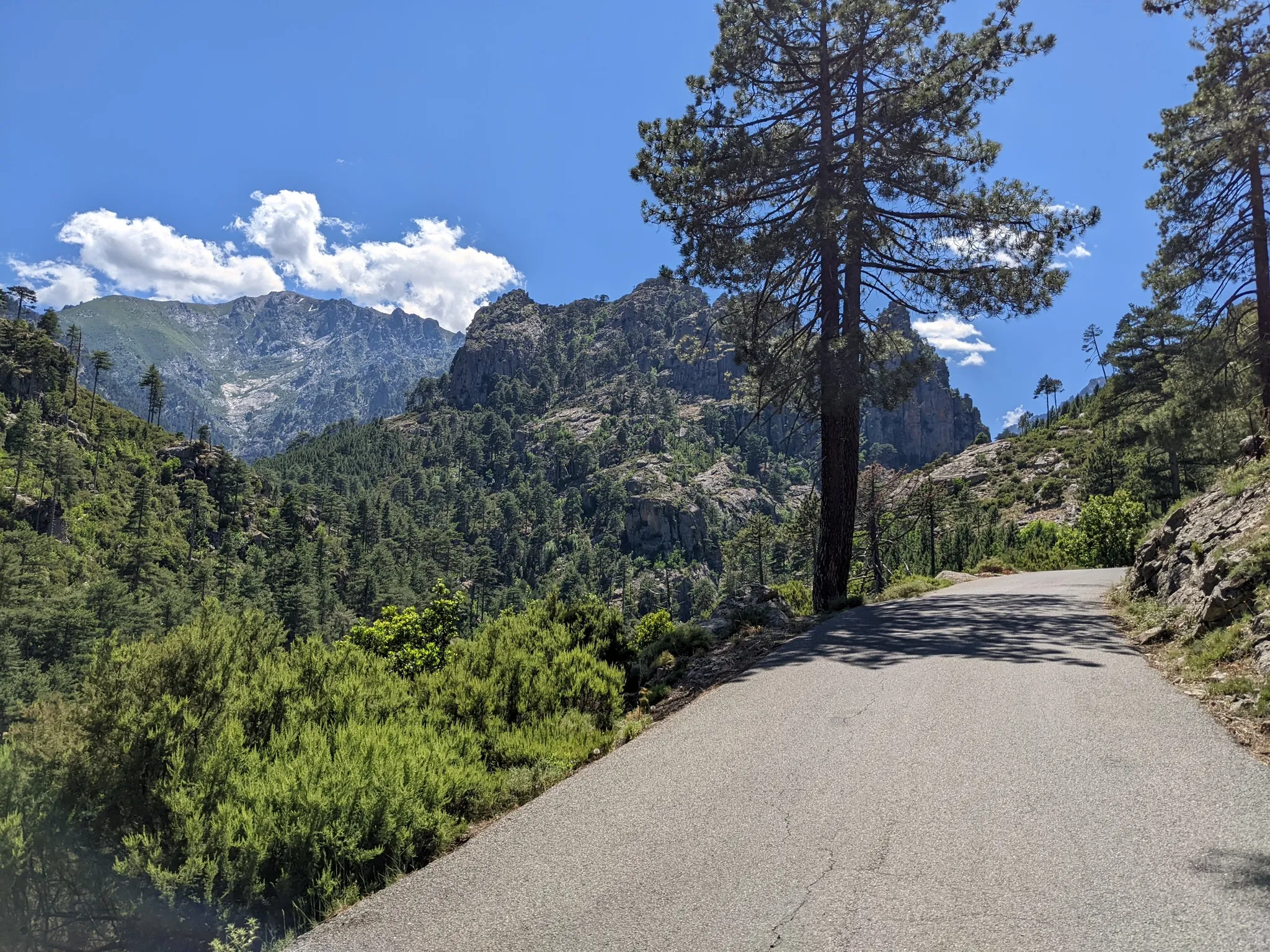
The mountains, the sea and you — discover Corsica by road bike
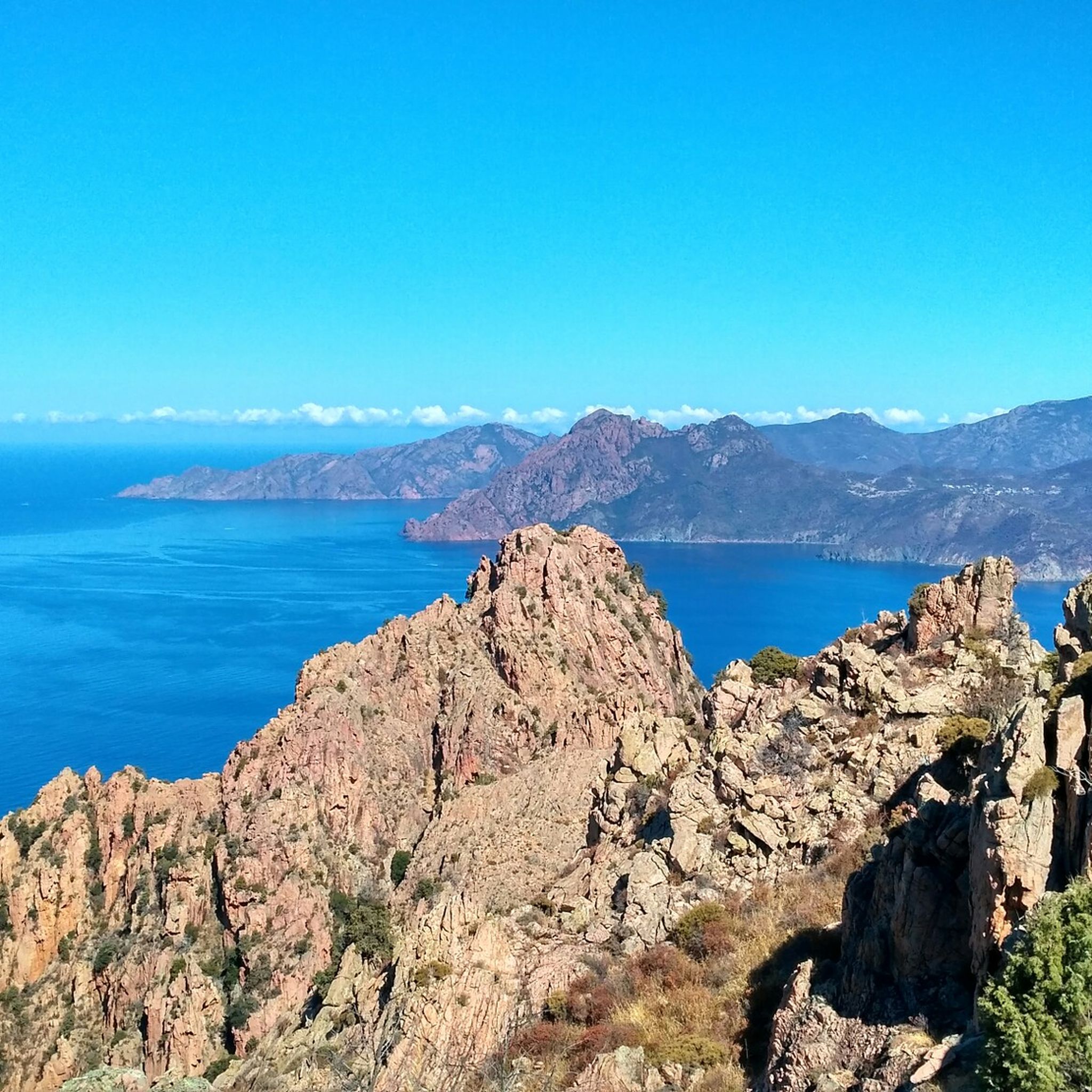
Hiking in Golfe De Porto
Road Cycling Routes in Golfe De Porto
Cycling in Golfe De Porto
Running Trails in Golfe De Porto
MTB Trails in Golfe De Porto
Mountain Hikes in Golfe De Porto

Gravel biking in Golfe De Porto


Tips from the Community


One of the top highlights, the rock formations with the heart, of Piana
1
0
Great and much visited rock formations that appear very reddish in the sun
0
0

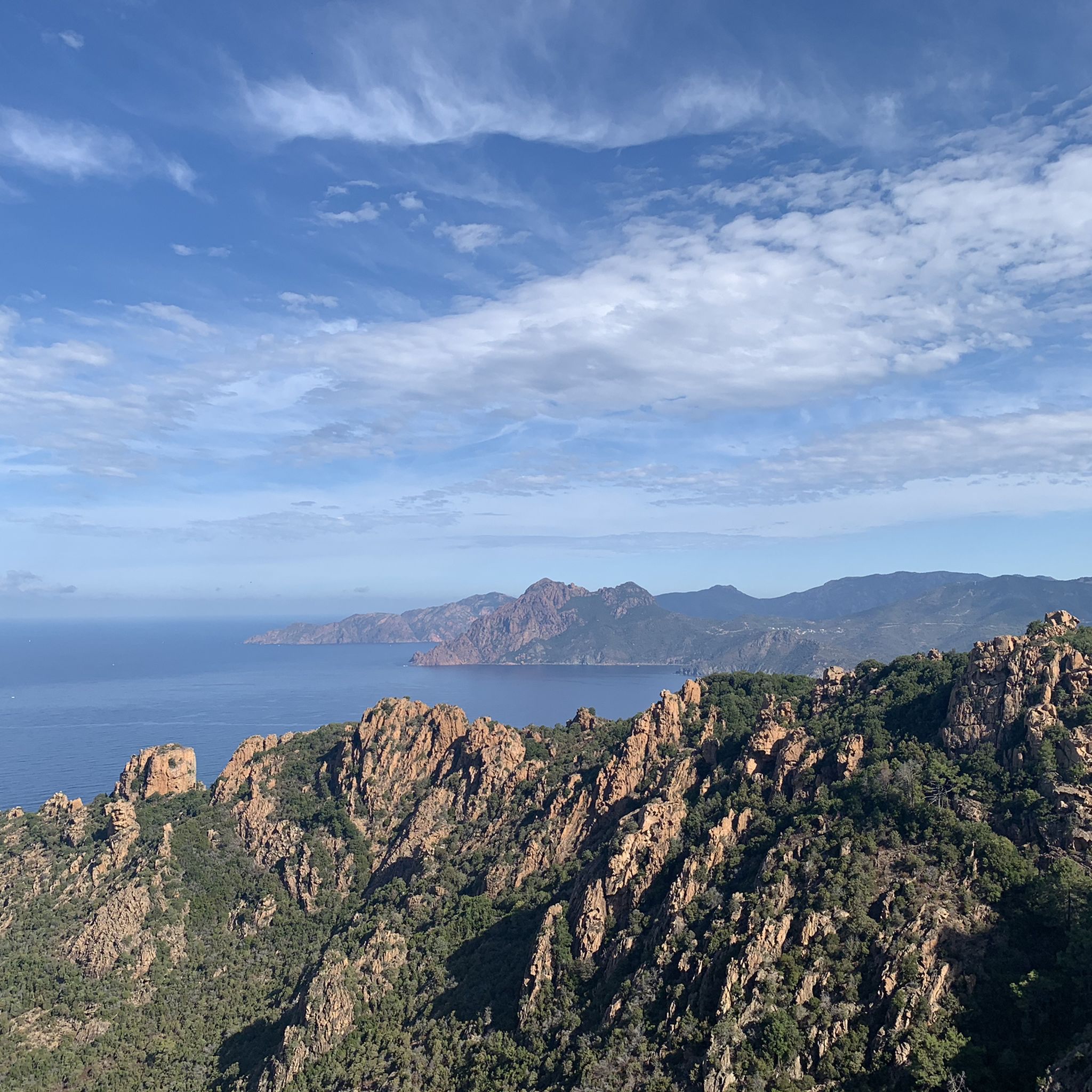
The Calanche de Piana with its rugged, surreal mountain landscape made of red rock is one of the most beautiful roads in Corsica and a UNESCO World Heritage Site. Accordingly, it is very busy. It is best to come here in the early morning or in the evening, when it is not so busy and the light is beautiful on the red rock.
1
0

The former fishing village of Porto is the main town on the gulf of the same name and the tourist center in the region. The natural harbor is protected by high cliffs at the mouth of the Porto River and in summer the white hulls of ocean-going yachts rock on the turquoise water. The fortifications in the harbor date back to the 15th century and were built by the Genoese. The Genoese watchtower Tour Génoise de Porto, which stands on a reddish rocky cape in the natural harbor of Porto, dates back to 1550. The old walls have been completely restored and equipped with a viewing platform. From here you have a fantastic view of the coastal town, the natural harbor and the pebble beach. The beach slopes down quickly and is only partially suitable for families with children.
2
0
The spectacular coastal landscape on the Gulf of Porto is sparsely populated. The reason for this is the topography of the bay, which is dominated by steeply rising cliffs. In 1983, UNESCO declared the Gulf of Porto, together with the La Scandola peninsula and the Calanches de Piana mountain region, a World Heritage Site, thereby sending a clear signal to ensure the preservation of the unique coastal landscape. To the north, the Gulf of Porto is bordered by the La Scandola nature reserve. Boat trips to this region take you into a bizarre world of red granite rocks, steeply rising cliffs and sharp ridges. In the oldest nature reserve in Corsica, bare rocky islands protrude from the water and mysterious grottos hide between high walls.
2
0
The Gulf of Porto is a scenic gem on the west coast of Corsica. The picturesque bay is framed by reddish cliffs, which are interrupted in some places by small bathing bays with hidden beaches.
2
0

A must-see place, one of the most beautiful places in Corsica. The road is often busy with tourists, but no problem for cyclists.
0
0
Frequently Asked Questions
What are some recommended hiking trails in Golfe De Porto?
The region offers diverse hiking experiences. You can explore the dramatic landscapes of the Piana Calanques via the Old Mule Track, which provides stunning views of the deep blue sea and unique rock formations. For a challenging mountain hike, consider the route to Turghiu Tower on Capo Rosso, offering panoramic views over the Gulf of Porto. You can find more options, including difficult mountain hikes like the Capo Rosso loop or the Capu Ortu loop, in the Mountain Hikes in Golfe De Porto guide.
What are the best ways to experience the Calanques de Piana and Scandola Nature Reserve?
The most popular way to fully appreciate the Calanques de Piana and the Scandola Nature Reserve is by boat. Many excursions depart from Porto Marina on the Gulf of Porto, allowing you to see the spectacular red granite rock formations, grottoes, and diverse marine life up close. The Scandola Nature Reserve is only accessible by boat, making it an essential experience for nature lovers.
Are there any family-friendly activities or attractions in Golfe De Porto?
Yes, Golfe De Porto offers several family-friendly options. Exploring the coastline by boat is a fantastic experience for all ages, revealing the unique rock formations and marine life. For a refreshing break, the Aïtone Waterfalls provide natural pools perfect for cooling off. Additionally, the main pebble beach at Porto Ota and the pristine Arone Beach are great for relaxation and swimming.
What historical sites can I visit in the Golfe De Porto region?
The region is rich in history, particularly with its Genoese watchtowers. The Turghiu Tower on Capo Rosso is a prominent example, offering historical context and incredible views. The village of Piana, classified as one of France's most beautiful, also features traditional architecture and historical charm. For a deeper dive into the island's past, consider visiting the Museum of Corsican Prehistory.
Where can I find the best viewpoints in Golfe De Porto?
For breathtaking vistas, head to Capo Rosso, topped with the Turghiu Tower, which offers incredible views over the Gulf of Porto, the Scandola Reserve, and Girolata. The scenic roads through the Calanques de Piana also provide numerous opportunities for stunning panoramic views, especially from elevated points like the 'Heart of Piana' area.
What kind of outdoor activities are available besides hiking?
Beyond hiking, the clear waters of the Golfe De Porto are perfect for various water sports. You can enjoy diving, kayaking, paddleboarding, and snorkeling. For cycling enthusiasts, there are numerous MTB trails, including moderate routes like 'Views of Porto – Roc Bleue loop from Piana', which you can find in the MTB Trails in Golfe De Porto guide. Running trails are also available, such as the 'Views of Porto – Genoese Tower of Porto loop from Porto', detailed in the Running Trails in Golfe De Porto guide.
Is there parking available near the Calanques de Piana?
Yes, there are parking areas along the scenic road that winds through the Calanques de Piana. However, during peak season, these spots can fill up quickly due to the popularity of the area. It's advisable to arrive early, especially if you plan to stop frequently for photos or to access hiking trails.
What is the best time of year to visit Golfe De Porto?
The best time to visit Golfe De Porto is generally during the spring (April to June) and early autumn (September to October). During these periods, the weather is pleasant for outdoor activities like hiking and boat trips, and the crowds are typically smaller than in the peak summer months of July and August. Summer can be very hot, especially for hiking, so ensure you stay hydrated and protected from the sun.
Are there any secluded beaches or wild swimming spots in the area?
Yes, the Golfe De Porto offers several beautiful beaches and secluded coves. Ficajola Beach is a notable secluded spot worth exploring. Additionally, the Aïtone Waterfalls provide refreshing natural pools, which are excellent for wild swimming, particularly during warmer months.
What makes the Golfe De Porto a UNESCO World Heritage Site?
The Golfe De Porto is recognized as a UNESCO World Heritage Site due to its exceptional natural beauty and ecological significance. It encompasses dramatic landscapes like the Calanques de Piana with their unique red granite formations, and the strictly protected Scandola Nature Reserve, which is home to diverse flora and fauna, including rare seabirds and marine life. Its geological features are remnants of an ancient volcano, contributing to its outstanding universal value.
What do visitors enjoy most about Golfe De Porto?
Visitors consistently praise the breathtaking natural beauty of the region, particularly the unique red rock formations of the Calanques de Piana and the pristine marine environment of the Scandola Nature Reserve. Many highlight the unforgettable experience of boat trips along the coast and the stunning panoramic views from various viewpoints, such as Capo Rosso. The blend of dramatic landscapes, clear blue waters, and charming villages creates a truly memorable experience.
Can I explore the traditional villages in the Golfe De Porto region?
Absolutely. The region is home to several traditional villages that offer a glimpse into Corsican culture and history. Piana, perched on cliffs with sublime views, is classified as one of the most beautiful villages in France. Other notable villages include Ota and Evisa, which provide authentic experiences away from the main tourist hubs. The secluded village of Girolata, accessible only by boat or on foot, is another unique cultural highlight.
Most popular routes in Golfe De Porto
Most popular attractions in Golfe De Porto

Get inspired with the komoot mobile app


Explore more
Still not found the Highlight you’re looking for? See guides of the top attractions in other regions:
