Attractions and Places To See in Brenne - Top 20
Best attractions and places to see in Brenne include a diverse landscape of wetlands, forests, and historical sites in central France. The region is known for its extensive network of ponds and lakes, many created centuries ago for fish farming, which contribute to its rich biodiversity. Visitors can explore natural features, historical landmarks, and cultural sites that reflect the area's unique heritage. This area offers opportunities for nature observation and historical discovery.
Best attractions and places to see in Brenne
…Last updated: August 16, 2026
Viaduc du Blanc
Highlight (Segment) • Bridge
Translated by Google •
Tip by

Château de la Rochechevreux
Highlight • Castle
Translated by Google •
Tip by

Sign up now to discover places like this
Get recommendations on the best single tracks, peaks, & plenty of other exciting outdoor places.
Sign up for free
Bellebouche Pond
Highlight • Other
Translated by Google •
Tip by

Naillac Castle
Highlight • Other
Translated by Google •
Tip by
Etang de Bellebouche Beach
Highlight • Beach
Translated by Google •
Tip by
Sign up for free to discover even more attractions in Brenne.
Sign up for free
Already have an account?
Start today with a free account
Your next adventure awaits.
Login or Signup
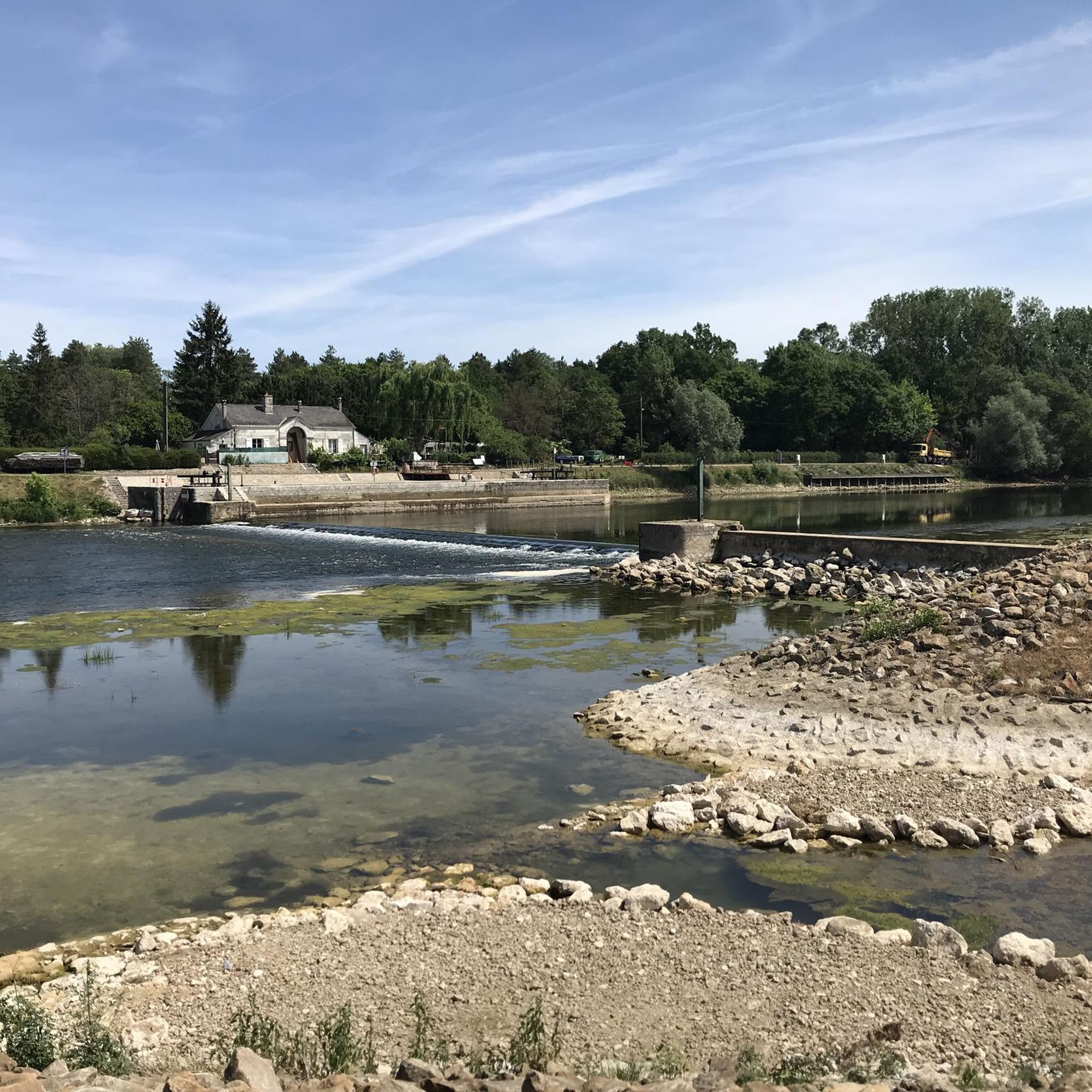
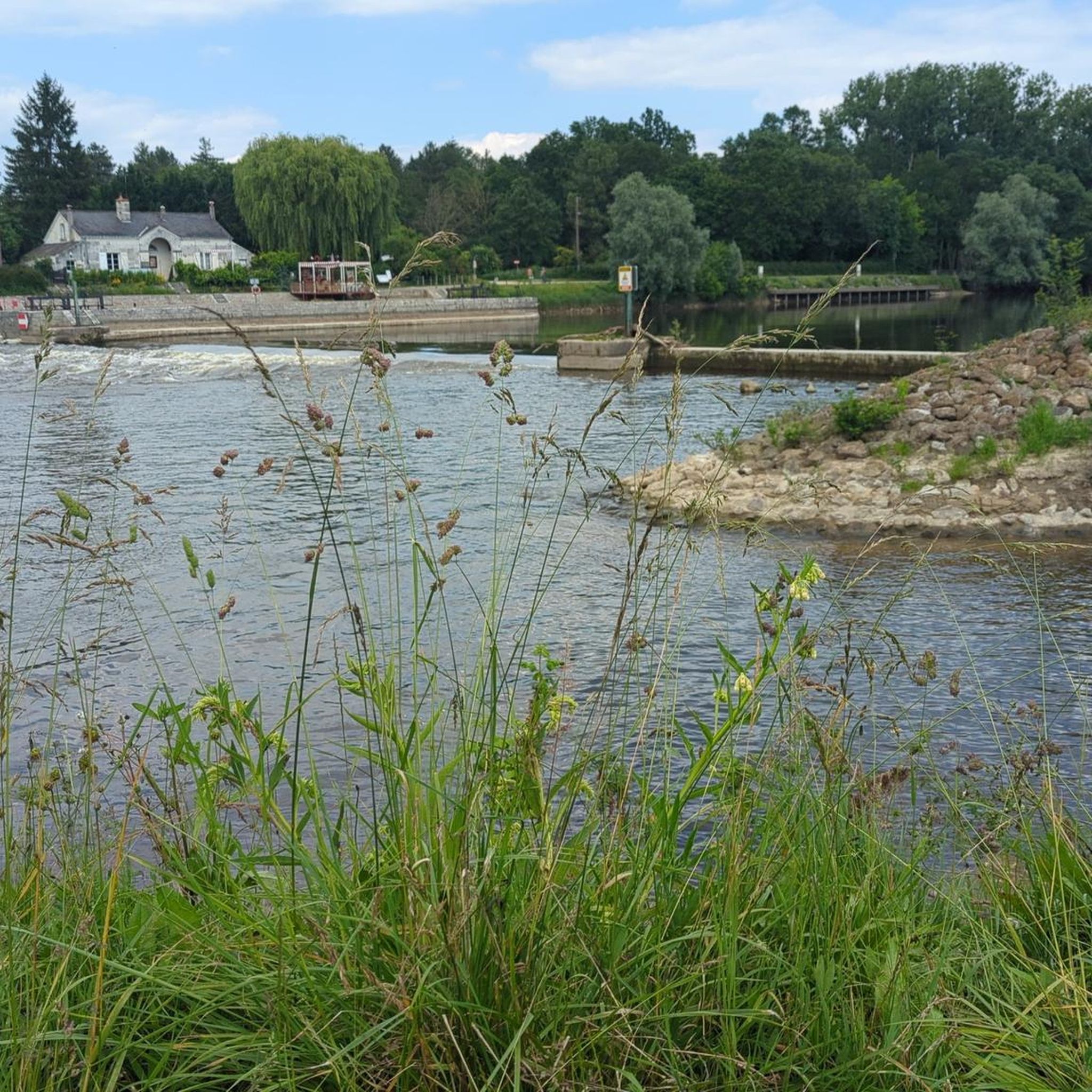

Other adventures in Brenne

Tips from the Community

Hike up to the old Château-Naillac with its twin 12th-century donjons—towers without buttresses—standing just above the Creuse River. Inside, you'll find remnants of prisoners' graffiti, a hall with a magnificent Romanesque fireplace, and a model showing what the castle once looked like.
2
0
This impressive viaduct over the Creuse River looks like an ordinary old railway structure, but the stories behind it make it special. It was built in the late 19th century for a railway line that was never fully completed, earning it the nickname "the ghost train line." During World War II, the Germans used the bridge as an observation post, and after the war, it fell into complete disrepair. In the 1980s, it was even threatened with demolition, until bungee jumpers discovered the viaduct and revived it. Today, you can walk across it with stunning views of the valley, and be aware that bats have found refuge under the arches.
2
0

The Viaduc du Blanc is a remarkable work of art located in the commune of Le Blanc, although the Creuse is often associated with this type of structure, this specific viaduct crosses the Indre region, in the Centre-Val de Loire region. This viaduct is an emblematic work of 19th century railway architecture in France. Points of Interest: Architecture and Construction: Railway Structure: Built at the end of the 19th century, the Viaduc du Blanc is one of the major railway infrastructures of the time. It was designed to allow trains to pass over the Creuse Valley, a river that crosses this picturesque region. Imposing Structure: The viaduct is distinguished by its stone arches, which extend over several hundred meters. The height and length of the structure testify to the technical and aesthetic ambition of its designers. With its multiple elegant arches, it blends harmoniously into the surrounding natural landscape while asserting its imposing presence. Why visit the Viaduc du Blanc? Engineering Masterpiece: The Viaduc du Blanc is an impressive example of 19th century railway architecture, combining technique and aesthetics in a monumental work. Breathtaking Landscapes: Located in an exceptional natural setting, the viaduct offers panoramic views of the Creuse Valley, ideal for nature and photography enthusiasts. Industrial Heritage: This viaduct is an important witness to French industrial heritage, allowing a better understanding of the history of infrastructure and rail transport in France. In short, the Viaduc du Blanc is a must-see destination for those interested in architecture, industrial history, and spectacular natural landscapes. It is a place that perfectly combines human technology and natural beauty.
1
0

Do not take the walk after a wet period. A large part of the paths is heavily flooded.
1
0

Located on a small height which offers a very extensive view of the valley, the castle is made up of two buildings at right angles with several turrets. With the exception of a few buttresses, the traces of fortifications still visible at the beginning of the 17th century have now disappeared.
0
0
Known for its beach and swimming area, Bellebouche Pond is one of the largest and most beautiful bodies of water in Brenne. The pond is part of a larger site covering a total of 300 hectares of meadows, moors, wasteland, and woods. Three observatories located at the end of the pond and guided excursions allow visitors to discover its natural treasures. The observatory located to the east is recommended for the morning, and the observatories located to the west are recommended for the afternoon. Guided activities are offered seasonally (calendar available upon request). For information: +33 2 54 38 28 28
0
0

Located on a small height which offers a very extensive view of the valley, the castle is made up of two buildings at right angles with several turrets. With the exception of a few buttresses, the traces of fortifications still visible at the beginning of the 17th century have today disappeared to make way for an imposing habitation.
0
0

Whether you are starting your run around the lake, have just finished it or are looking for a nice place to relax, the sandy beach of Etang de Bellebouche is an ideal place to swim, walk barefoot or simply relax. relax. Sit back and relax.
2
0
Frequently Asked Questions
What natural features can I explore in Brenne?
Brenne is known as the "land of a thousand lakes." You can explore extensive wetlands, including the large Bellebouche Pond, which offers a beach, swimming, and observatories for nature discovery. Other notable natural areas include Mer Rouge Lake and the Chérine Nature Reserve, both excellent for birdwatching and experiencing the unique "bocage" landscape of fields, marshes, and hedgerows.
What historical landmarks can I visit in Brenne?
The region is rich in history. You can visit the emblematic 19th-century Viaduc du Blanc, an impressive railway viaduct offering panoramic views. Other historical sites include Château de la Rochechevreux, a castle with extensive valley views, and Naillac Castle in Le Blanc, which now houses the Brenne Ecomuseum. The region also features the beautiful 15th-century Château d'Azay-le-Ferron and the Romanesque Abbaye de Notre-Dame de Fontgombault.
Are there family-friendly attractions in Brenne?
Yes, Brenne offers several family-friendly options. The Etang de Bellebouche Beach is ideal for swimming and relaxing. You can also visit the La Haute-Touche Zoological Reserve in Obterre, which is home to a wide variety of animals and is a great outing for all ages. Many of the nature trails and observatories are also suitable for families.
What outdoor activities are available in Brenne?
Brenne is perfect for outdoor enthusiasts. You can enjoy hiking and cycling on numerous marked circuits, including traffic-free routes like the "La Creuse à Vélo" greenway. For cycling, explore routes in the Gravel biking in Brenne or Road Cycling Routes in Brenne guides. Canoeing and horseback riding are also popular ways to experience the park's serene environment.
Where can I go for wildlife spotting in Brenne?
The Brenne Regional Natural Park is a prime location for wildlife spotting. The Chérine Nature Reserve and the observatories at Bellebouche Pond are excellent for birdwatching, where you might see black-necked grebes, purple herons, and Eurasian bitterns. The park is also home to European pond turtles, deer, wild boars, and a variety of insects like butterflies and dragonflies.
What is the best time of year to visit Brenne?
The Brenne region is beautiful year-round, but spring and autumn are particularly recommended for nature observation, especially birdwatching, as migratory birds pass through. The weather is generally pleasant for outdoor activities like hiking and cycling during these seasons. Summer is ideal for enjoying the lakes and beaches, while winter offers a quieter, more contemplative experience of the wetlands.
Are there easy walks or hiking trails in Brenne?
Yes, Brenne offers many easy walks and hiking trails suitable for various fitness levels. The flat terrain makes it ideal for leisurely exploration. You can find numerous marked circuits throughout the Brenne Regional Natural Park, such as the Sentier du Blizon in Rosnay and the Sentier de Beauregard in Saint-Michel-en-Brenne. For more options, check out the Running Trails in Brenne guide, which includes routes like the "Loop of the Bellebouche pond" that are also great for walking.
Are there any unique local delicacies to try in Brenne?
When visiting Brenne, be sure to sample some local specialties. A popular dish is "frites de carpe" (deep-fried carp nuggets), reflecting the region's long history of fish farming in its many ponds. You should also try Pouligny-Saint-Pierre, a distinctive pyramid-shaped goat cheese that is a regional pride.
Where can I find information about the Brenne Regional Natural Park?
The main visitor center for the Brenne Regional Natural Park is the Maison du Parc, located near Rosnay. It provides comprehensive information, exhibitions about the park's biodiversity and history, and often offers tastings of local produce. It's a great starting point for planning your visit and understanding the region.
What are some lesser-known attractions or 'hidden gems' in Brenne?
Beyond the main highlights, Brenne holds many charming spots. Explore the numerous small village churches, such as the 12th-century church and "lanterne des morts" at Ciron, or the Abbey Church at Méobecq. The historic towns of Le Blanc and Saint-Gaultier, situated along the Creuse river, also offer picturesque settings and a glimpse into local life.
Are there accommodations or dining options near the attractions in Brenne?
Yes, the Brenne region offers various accommodation and dining options, ranging from guesthouses and hotels to local restaurants. You'll find choices in towns like Le Blanc and around popular sites like Bellebouche Pond, where facilities cater to visitors. Many establishments focus on local cuisine, allowing you to taste regional specialties.
Most popular routes in Brenne
Most popular attractions in Brenne

Get inspired with the komoot mobile app


