The best mountain hikes in Vosges Du Nord
5.0
(19)
56
hikers
9
hikes
Mountaineering routes in Vosges Du Nord traverse a landscape characterized by dense forests, distinctive sandstone rock formations, and historic castle ruins. The region, part of the larger Vosges mountains, features varied terrain with moderate elevation changes, offering engaging paths through natural parks. These routes often lead to panoramic viewpoints and past unique geological features.
Best mountaineering routes in Vosges Du Nord
- The most popular mountaineering route is View from Wegelnburg Castle – Hohenbourg Castle loop from Nothweiler, a 6.7 miles (10.9 km) trail that takes 3 hours 31 minutes to complete. This route connects two prominent castle ruins, offering historical interest alongside natural beauty.
- Another top favourite among local mountaineers is Hohenbourg Castle – View from Wegelnburg Castle loop from Château de Fleckenstein, a moderate 3.8 miles (6.2 km) path. This shorter loop provides views of the same historic castles within a more compact timeframe.
- Local mountaineers also love the Hohenbourg Castle – View from Wegelnburg Castle loop from Nothweiler, a 4.8 miles (7.7 km) trail leading through dense woodlands and past impressive rock formations, often completed in about 2 hours 37 minutes.
- Mountaineering in Vosges Du Nord is defined by sandstone cliffs, dense forests, and ancient castle ruins. The network offers options for various ability levels, with many routes providing a moderate challenge.
- The routes in Vosges Du Nord are highly rated by the komoot community with an average score of 5.0 stars from more than 10 reviews. More than 60 mountaineers have used komoot to explore Vosges Du Nord's varied terrain.
Last updated: October 12, 2026
5.0
(1)
5
hikers
9.77km
03:13
350m
350m
Moderate mountaineering route. Good fitness required. Mostly accessible paths. Sure-footedness required.
5.0
(3)
7
hikers
Moderate mountaineering route. Good fitness required. Mostly accessible paths. Sure-footedness required.

5.0
(2)
3
hikers
7.72km
02:37
350m
350m
Moderate mountaineering route. Good fitness required. Mostly accessible paths. Sure-footedness required.
5.0
(2)
2
hikers
12.9km
04:03
480m
490m
Moderate mountaineering route. Good fitness required. Mostly accessible paths. Sure-footedness required.
5.0
(2)
6
hikers
Moderate mountaineering route. Good fitness required. Easily-accessible paths. Suitable for all skill levels.
Get access to more routes and recommendations from other explorers.
Already have an account?
Our route recommendations are based on thousands of hikes, rides, and runs completed by other people on komoot.
Start today with a free account
Your next adventure awaits.
Popular around Vosges Du Nord
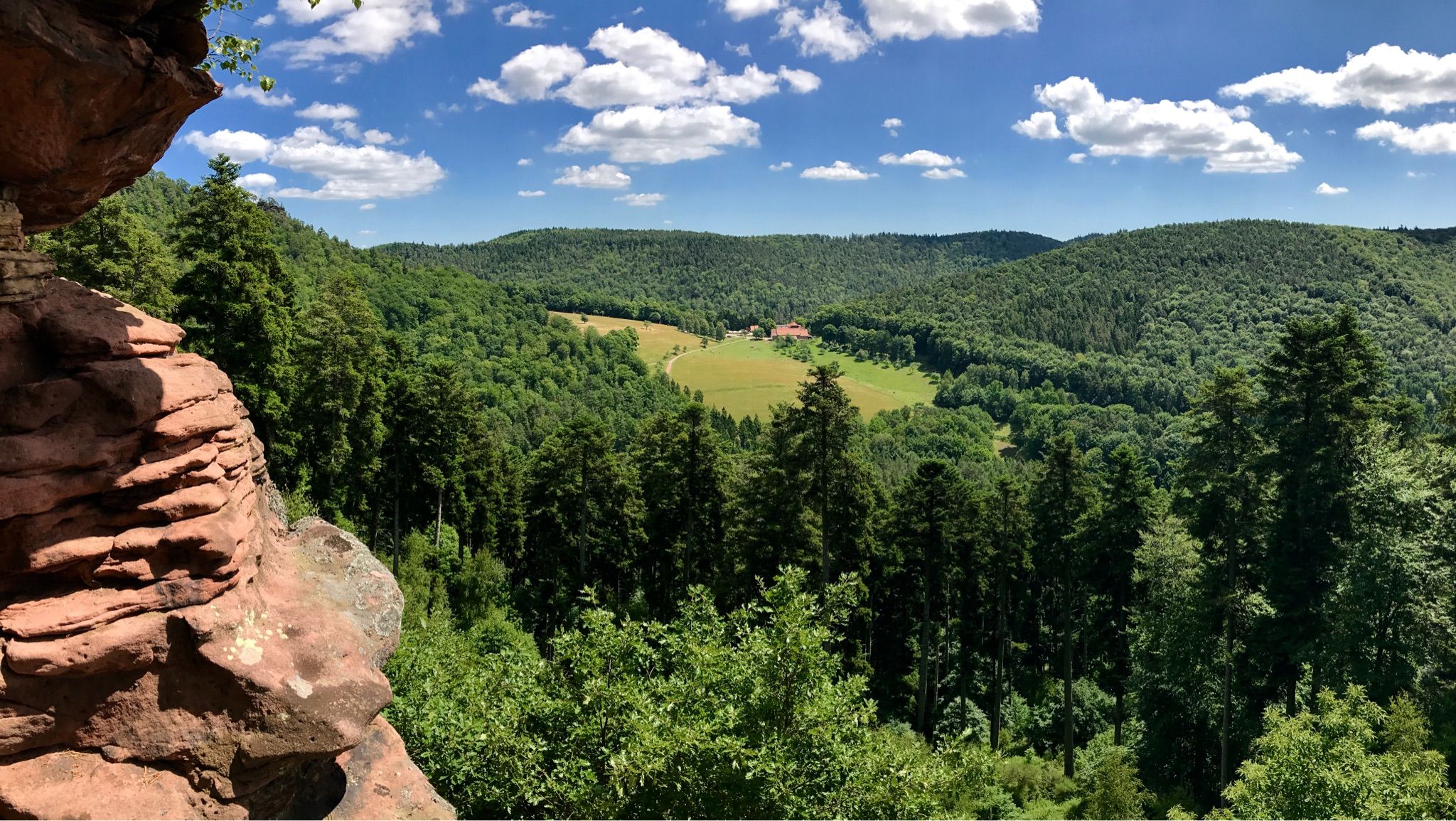
Hike the GR 53 – Explore castles along the Franco-German border
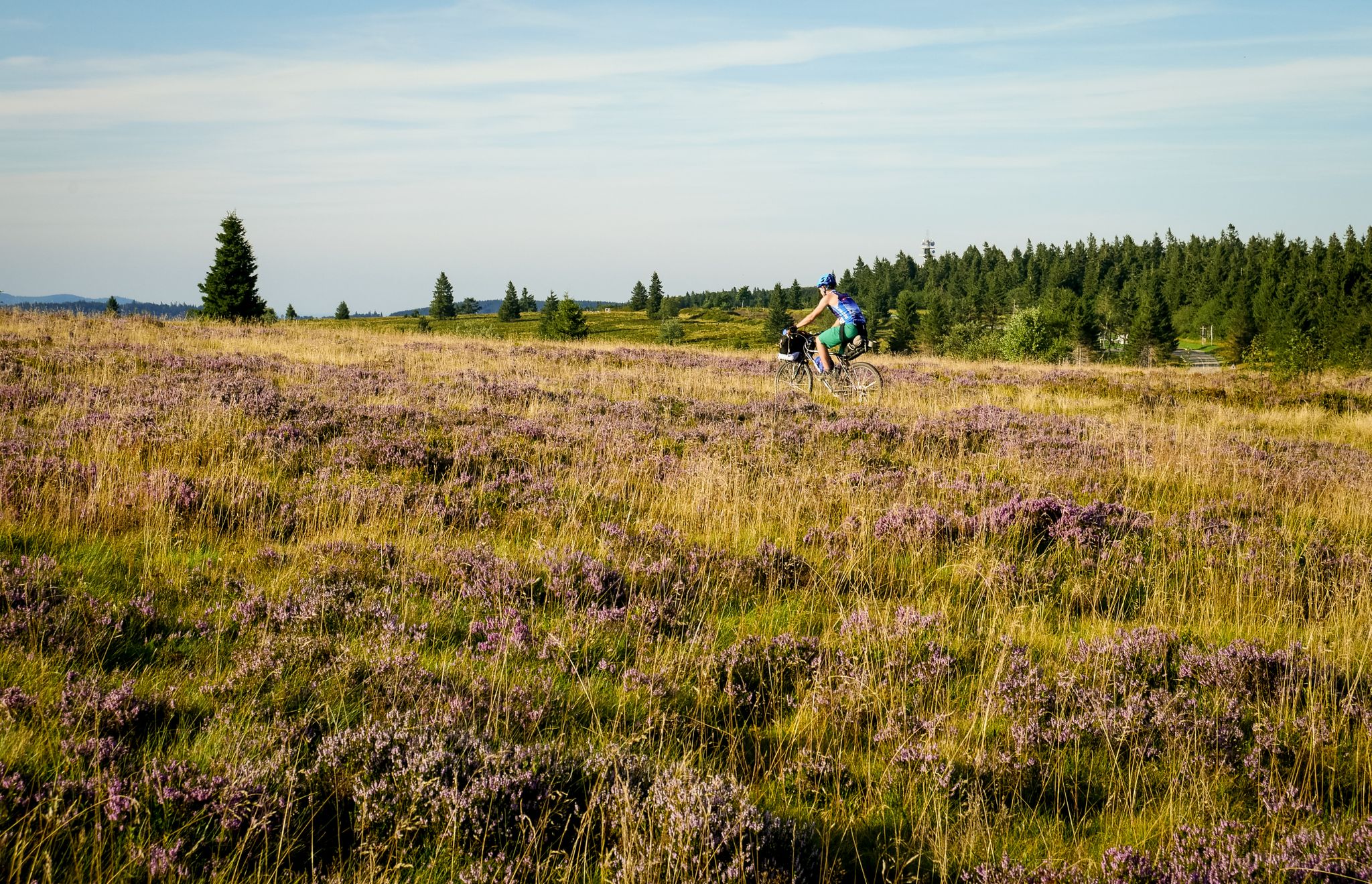
Traversée du Massif Vosgien — Alsace bikepacking
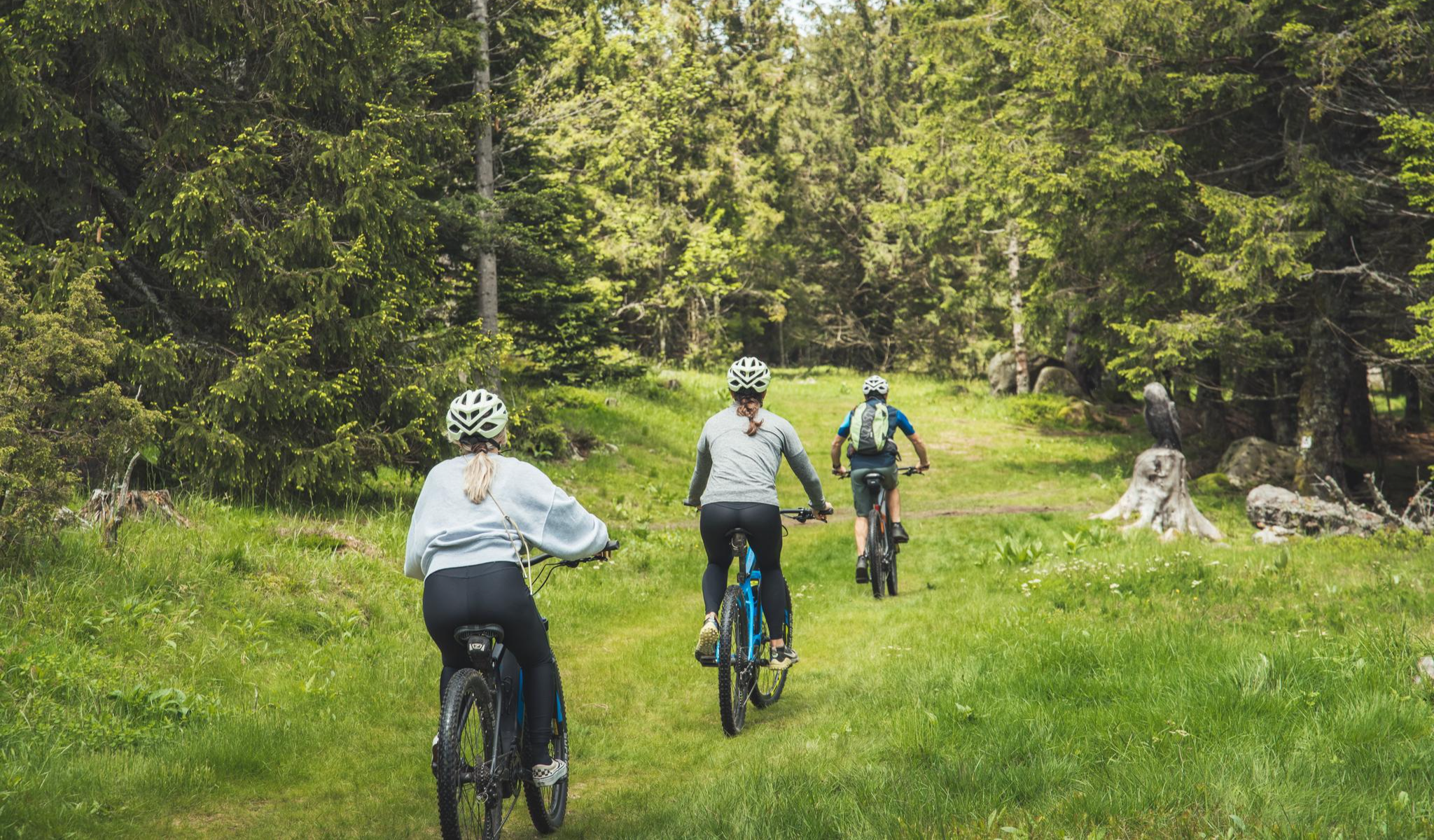
MTB and gravel in the Grand Est – the joy of the low mountains
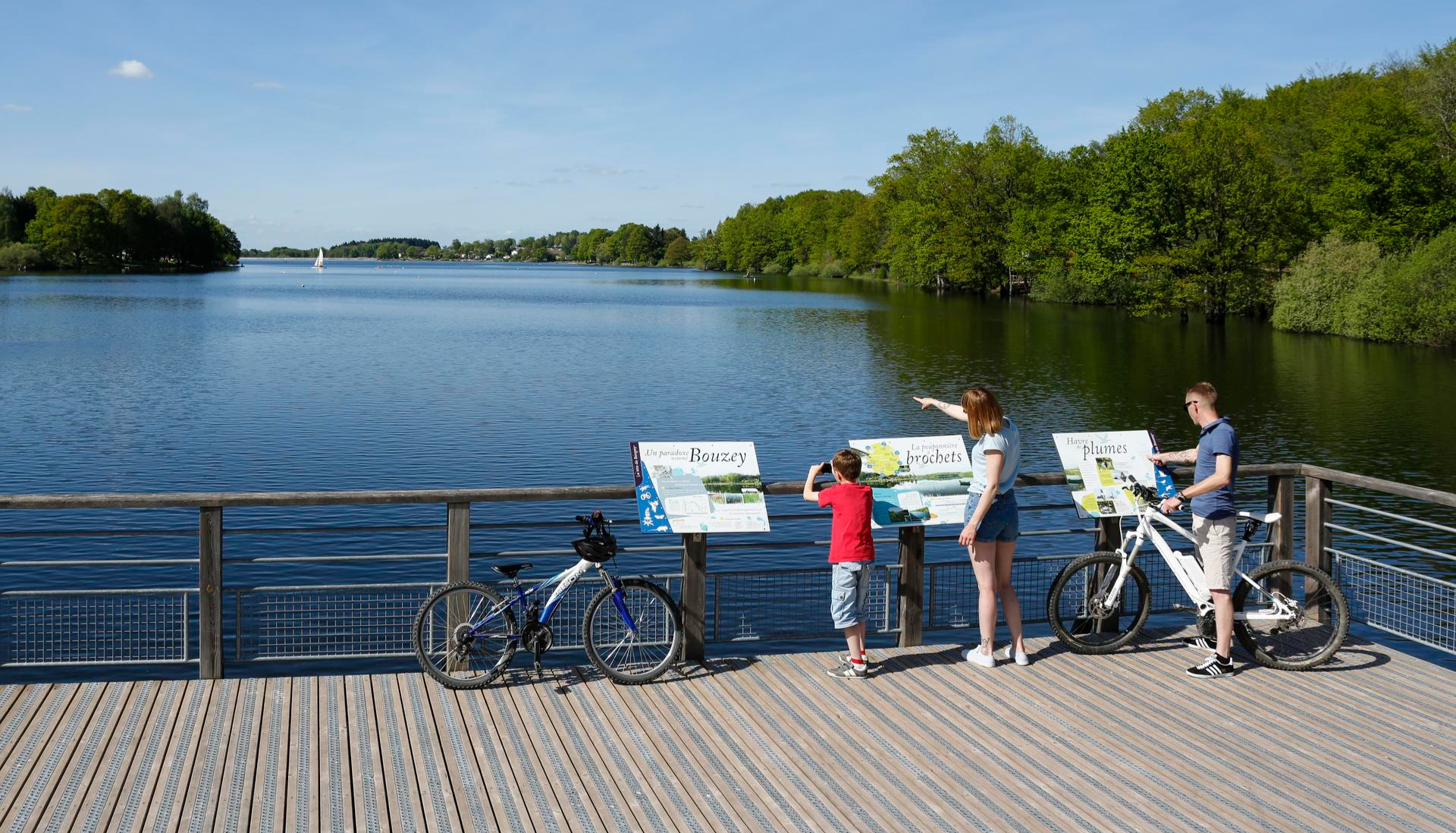
Family getaways – cycling in the Grand Est
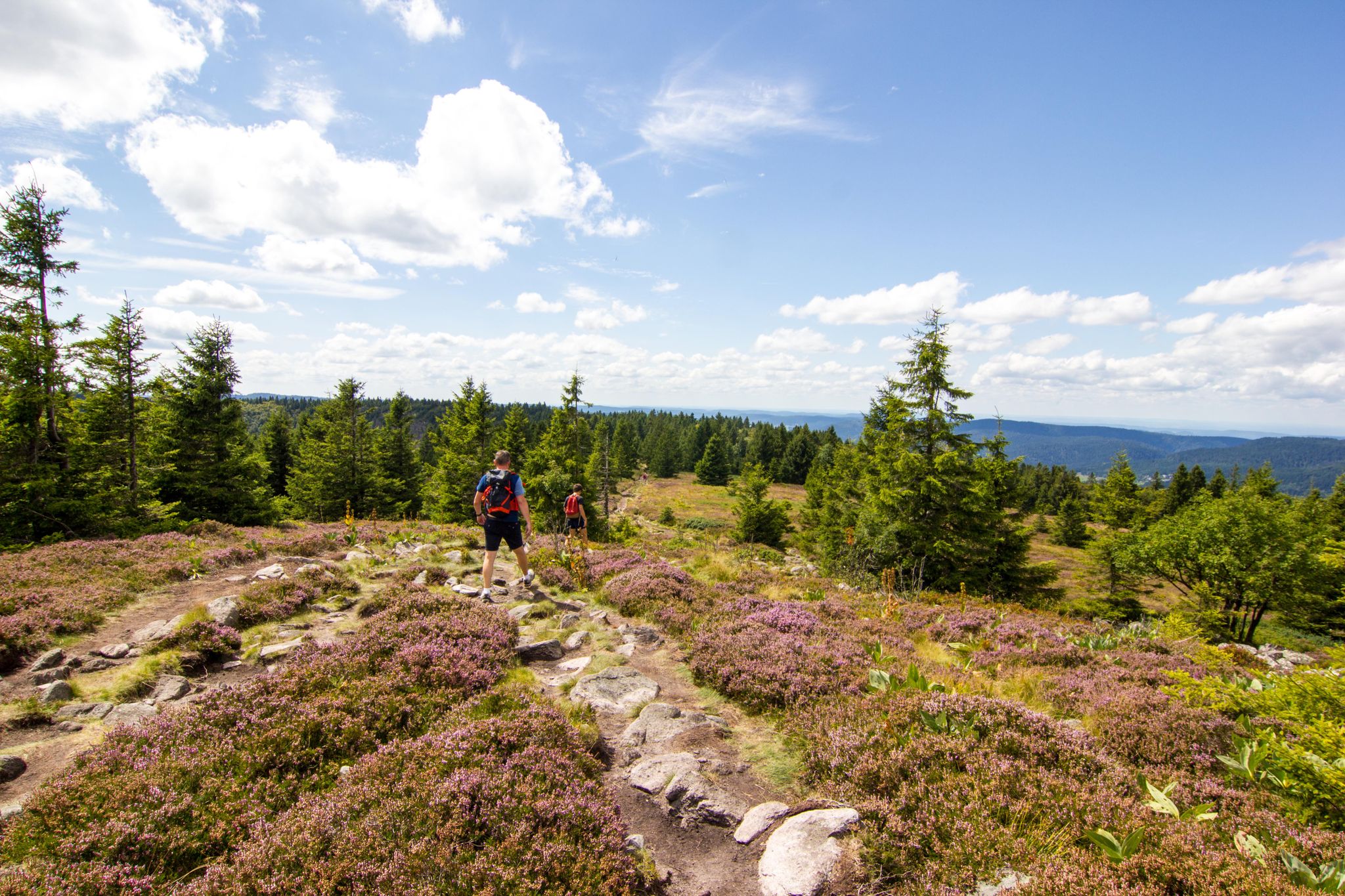
Hiking and relaxation – wellbeing on the Traversée des Vosges
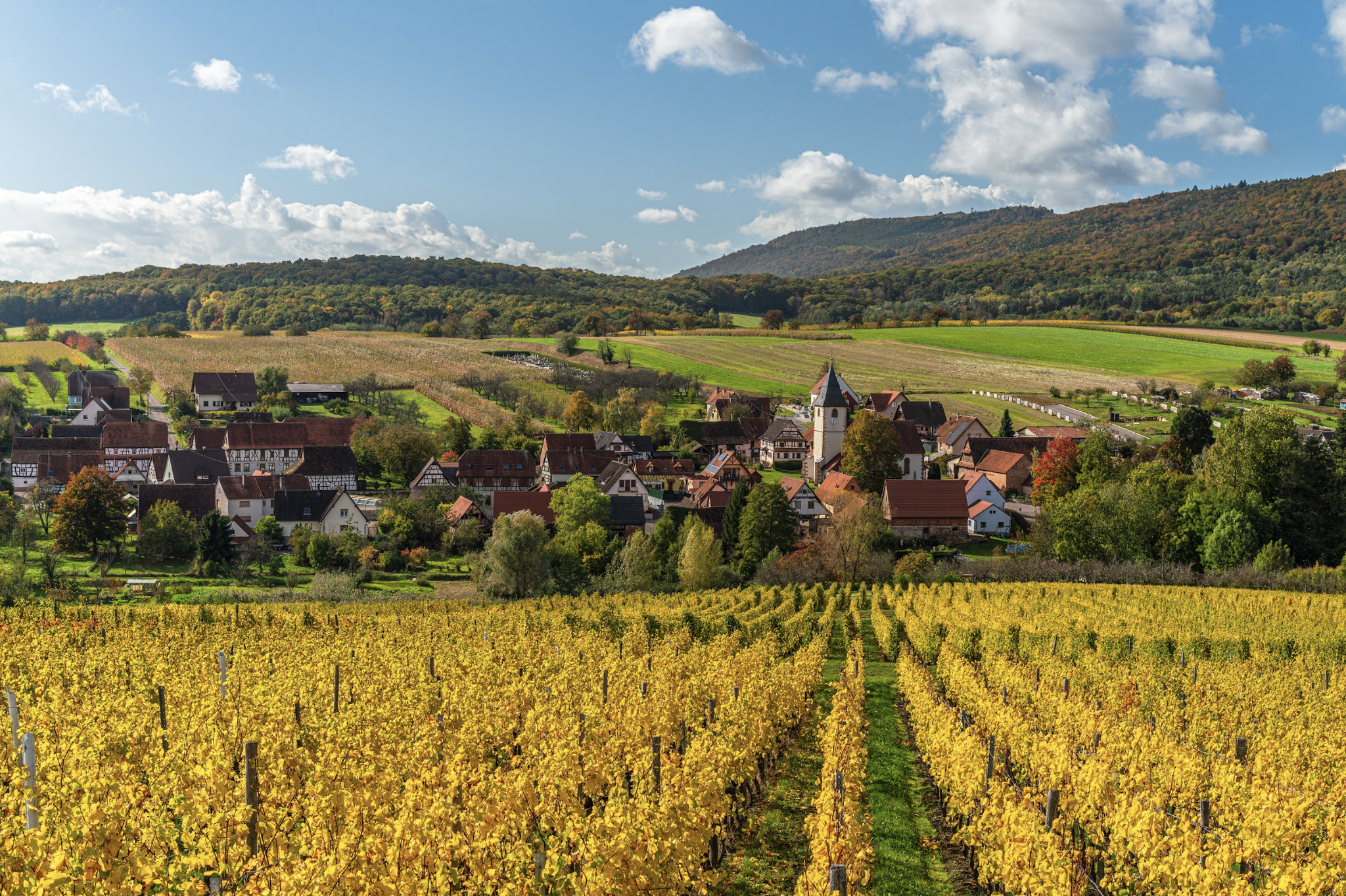
Alsace Verte on foot – hikes between history and vineyards
Cycling in Southern Palatinate – Karlsruhe to Zweibrücken
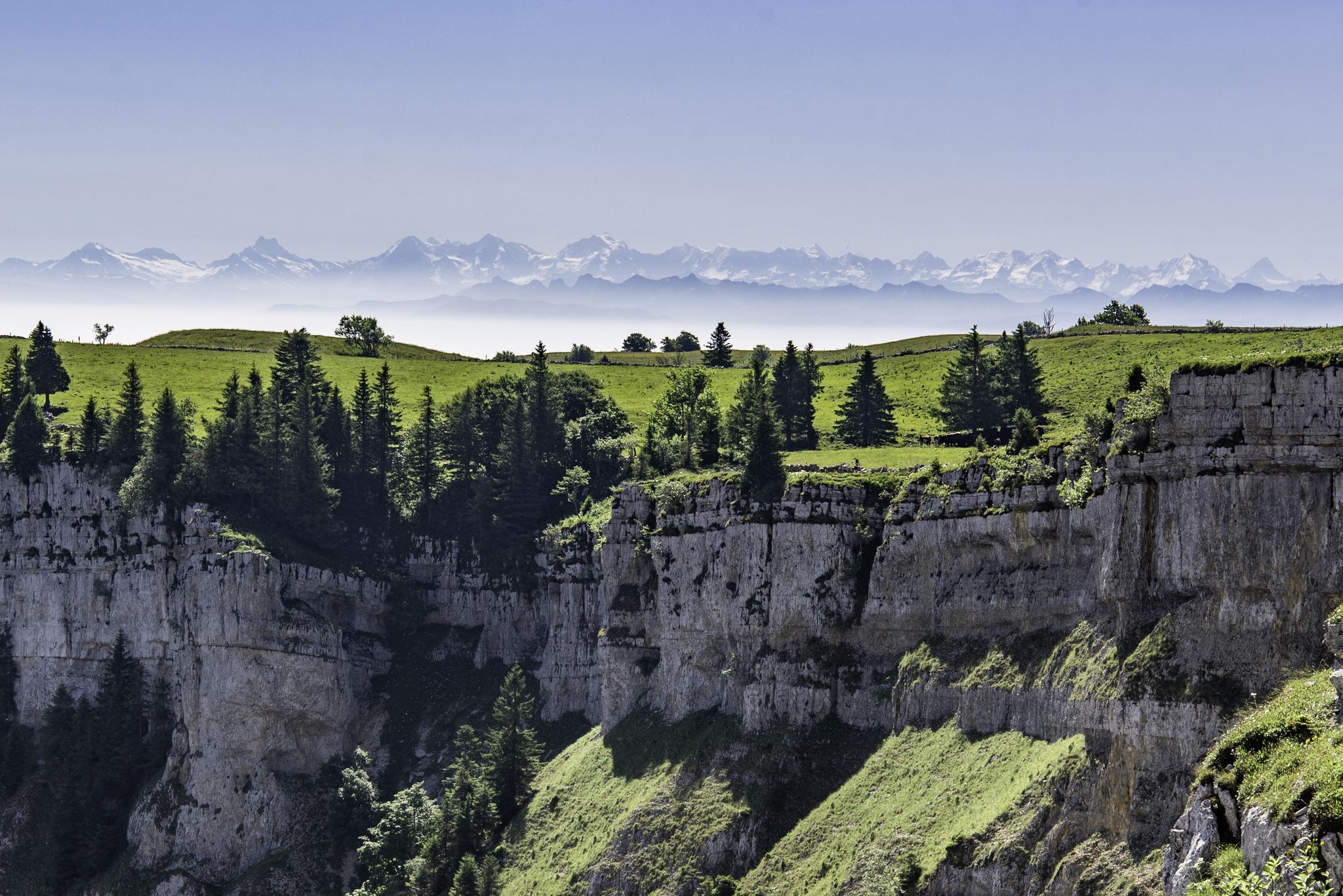
From the Vosges to the Jura mountains – Hexatrek, le Grand Est
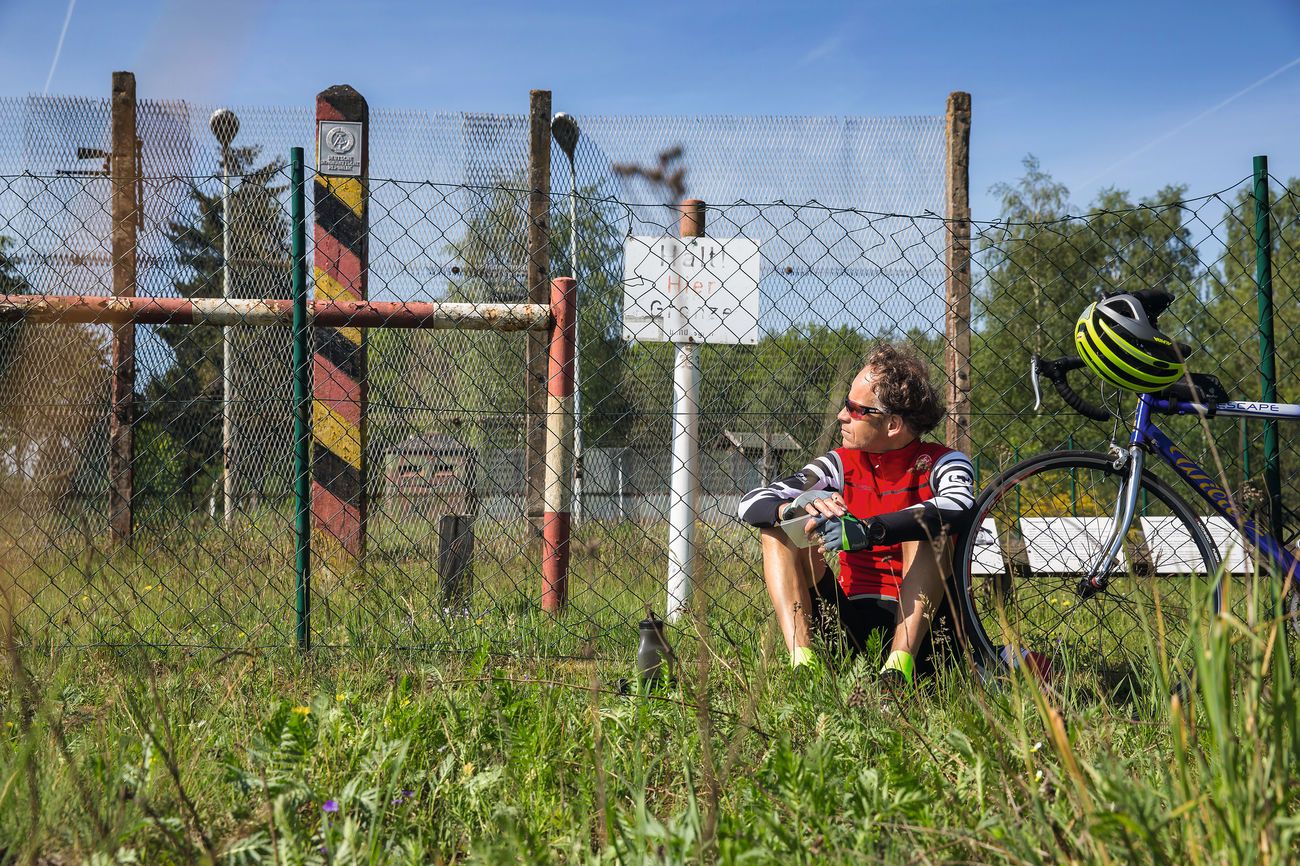
Germany tour through all federal states
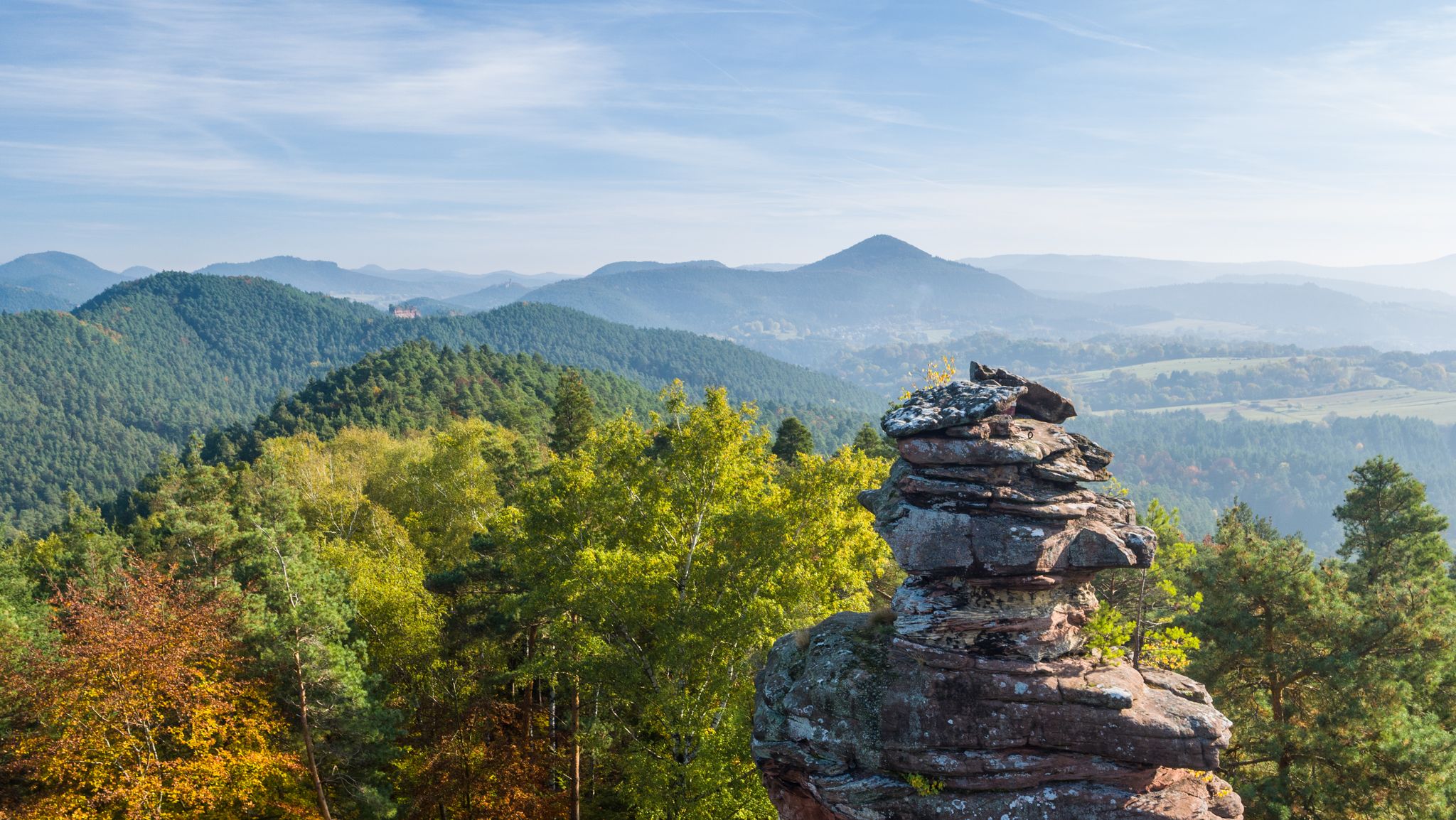
Palatinate hiking menu — day and half day hikes
Other adventures in Vosges Du Nord


Tips from the Community

The tree at the very top of Burg Blumenstein is a natural bonsai.
0
0

Good starting point for the tour. Shady and free (as of 2026) parking spaces.
0
0

The term biosphere reserve originated in 1977 following UNESCO's investigations into the topic of Man and the Biosphere. These are protected areas of special ecological and cultural diversity.
7
0

Since parking in Nothweiler (exception: visitor parking lot of the visitor mine) is prohibited almost everywhere in the village, this visitor parking lot is very well suited as a starting point (for hikes to Wegelnburg, to Fleckenstein Castle ruins or for the German-French premium hiking trail "Grenzgängerweg").
1
0

Gienanth fountain from 1842 in front of the manor house in Schönau. In 1835, Ludwig von Gienanth acquired the smelting works, which went bankrupt in 1883.
1
1

Beautiful resting place right next to a sandstone cliff, and right next to it is the shaving area for elves (with power socket!).
5
0
This magnificent rock formation is reached via a path marked "difficult" as part of the Bärensteig trail. The trail is easily manageable, though "difficult" probably only because the path is somewhat steep in places.
7
0
Frequently Asked Questions
How many mountaineering routes are available in Vosges Du Nord?
There are over a dozen dedicated mountaineering routes in Vosges Du Nord, all rated as moderate difficulty. These routes offer engaging paths through dense forests and past distinctive sandstone rock formations.
What kind of terrain can I expect on mountaineering routes in Vosges Du Nord?
Mountaineering in Vosges Du Nord is characterized by varied terrain, including dense forests, unique sandstone rock formations, and moderate elevation changes. You'll often find paths leading to panoramic viewpoints and historic castle ruins.
Are there any circular mountaineering routes in Vosges Du Nord?
Yes, many routes in Vosges Du Nord are circular. For example, you can explore the View from Wegelnburg Castle – Hohenbourg Castle loop from Nothweiler, which connects two prominent castle ruins, or the Hohenbourg Castle – View from Wegelnburg Castle loop from Château de Fleckenstein for a shorter option.
What are some interesting landmarks or attractions to see along the mountaineering routes?
The routes often pass by significant historical and natural landmarks. You can explore the impressive Hohenbourg Castle, the striking Altschlossfelsen sandstone rock formation, or the Château du Loewenstein. Many routes offer views of these historic sites.
What is the best season for mountaineering in Vosges Du Nord?
The spring and autumn months are generally ideal for mountaineering in Vosges Du Nord, offering pleasant temperatures and vibrant scenery. Spring brings blooming flora, while autumn showcases stunning fall foliage. Summer is also popular, though it can be warmer.
Are there any family-friendly mountaineering options?
While all mountaineering routes in Vosges Du Nord are rated as moderate, some are shorter and might be more suitable for families with older children. The Hohenbourg Castle – View from Wegelnburg Castle loop from Nothweiler, at 4.8 miles (7.7 km), offers a manageable distance through woodlands and past rock formations.
Can I bring my dog on the mountaineering trails?
Generally, dogs are welcome on most trails in the Vosges Du Nord, provided they are kept on a leash, especially in nature reserves and near wildlife. Always check local signage for specific restrictions, particularly around protected areas or during certain seasons.
What do other mountaineers enjoy most about the routes in Vosges Du Nord?
The komoot community highly rates the mountaineering routes in Vosges Du Nord, with an average score of 5.0 stars. Reviewers often praise the combination of historical castle ruins, unique sandstone rock formations, and the peaceful, dense woodlands.
Are there any routes that feature unique rock formations?
Absolutely. The region is known for its distinctive sandstone rock formations. The Tziganes Rock – Klingelfels Rock Formation loop from Schönau (Pfalz) is an excellent choice to experience these impressive geological features up close.
Are there any beginner-friendly mountaineering routes in Vosges Du Nord?
All mountaineering routes in Vosges Du Nord are classified as moderate, meaning they require a reasonable level of fitness and some experience. There are no routes specifically designated as 'easy' for mountaineering in this guide, but shorter moderate options like the Altschloss Rocks – Altschlossfelsen loop from Eppenbrunn can be a good starting point.
Is public transport available to access the mountaineering trails?
Access to trailheads in Vosges Du Nord often requires a car, as public transport options can be limited, especially for reaching more remote starting points. It's advisable to check local bus schedules if you plan to rely on public transport, but a car offers the most flexibility.
Where can I find parking for the mountaineering routes?
Many trailheads, especially those near popular attractions like castles or villages, offer designated parking areas. It's recommended to check the specific route details on komoot for information on parking availability at the starting point of your chosen tour.
Most popular routes in Vosges Du Nord
Most popular attractions in Vosges Du Nord

Get inspired with the komoot mobile app


