Attractions and Places To See in Loire-Anjou-Touraine - Top 20
Best attractions and places to see in Loire-Anjou-Touraine include a diverse range of historical, natural, and cultural sites. The region is characterized by the Loire River and its tributaries, extensive vineyards, and varied landscapes encompassing forests and hedged farmland. It is home to numerous châteaux, many of which are UNESCO World Heritage Sites, alongside significant natural features and cultural points of interest. This area offers a rich tapestry of experiences for visitors exploring its unique heritage.
Best attractions and places to see in Loire-Anjou-Touraine
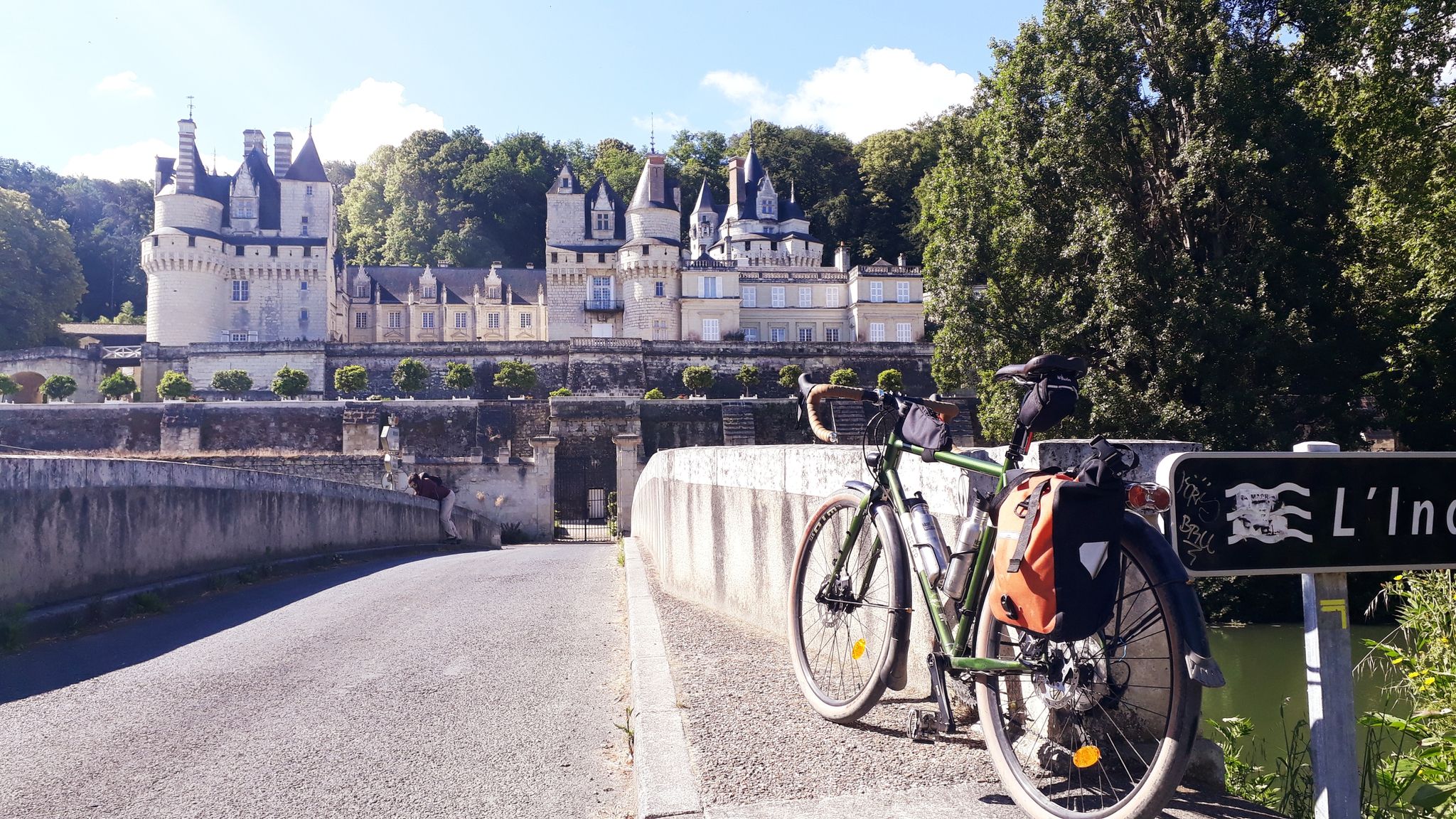
- The most popular attractions is Ussé Castle, a castle known for its blend of medieval and Renaissance architecture. Its unique appearance is often associated with fairy tales, inspiring Charles Perrault's "Sleeping Beauty."
- Another must-see spot is Gardens of the Château de Villandry, a castle particularly known for its magnificent Renaissance gardens spread over more than six hectares and four levels. The castle and its gardens are well-maintained and open for visits year-round.
- Visitors also love View of the Loire from Le Thoureil, a viewpoint offering scenic vistas of the Loire River. This location is known for its small port welcoming traditional wooden sailing boats and hosts a festival of Loire barges annually.
- Loire-Anjou-Touraine is known for its majestic châteaux, the Loire River landscapes, and unique troglodytic caves. Visitors can explore a variety of attractions, from historical monuments and art museums to natural parks and vineyards.
- The attractions in Loire-Anjou-Touraine are appreciated by the komoot community, with more than 280 highlights, over 600 upvotes, and more than 400 photos shared by explorers.
Last updated: May 9, 2026
Gardens of the Château de Villandry
Highlight • Castle
Translated by Google •
Tip by

View of the Loire from Le Thoureil
Highlight • Other
Le Thoureil also has megalithic sites on its territory, including dolmens and menhirs.
Translated by Google •
Tip by
Sign up now to discover places like this
Get recommendations on the best single tracks, peaks, & plenty of other exciting outdoor places.
Sign up for free
Loire Riverside Gravel Trail
Highlight (Segment) • Trail
Translated by Google •
Tip by

Ussé Castle
Highlight • Castle
Accompanied by French gardens, a chapel and stables, the Château d'Ussé can be visited all year round.
Translated by Google •
Tip by
Château de Saumur
Highlight • Castle
Translated by Google •
Tip by
Sign up for free to discover even more attractions in Loire-Anjou-Touraine.
Sign up for free
Already have an account?
Start today with a free account
Your next adventure awaits.
Login or Signup
Popular around Loire-Anjou-Touraine
GR 36 long-distance footpath – Cross France from the Channel to the Pyrenees
From one Châteaux to another – a long hike in the Loire Valley
La Loire à vélo – Between nature and castles
The most beautiful cycling routes in the Loire Valley
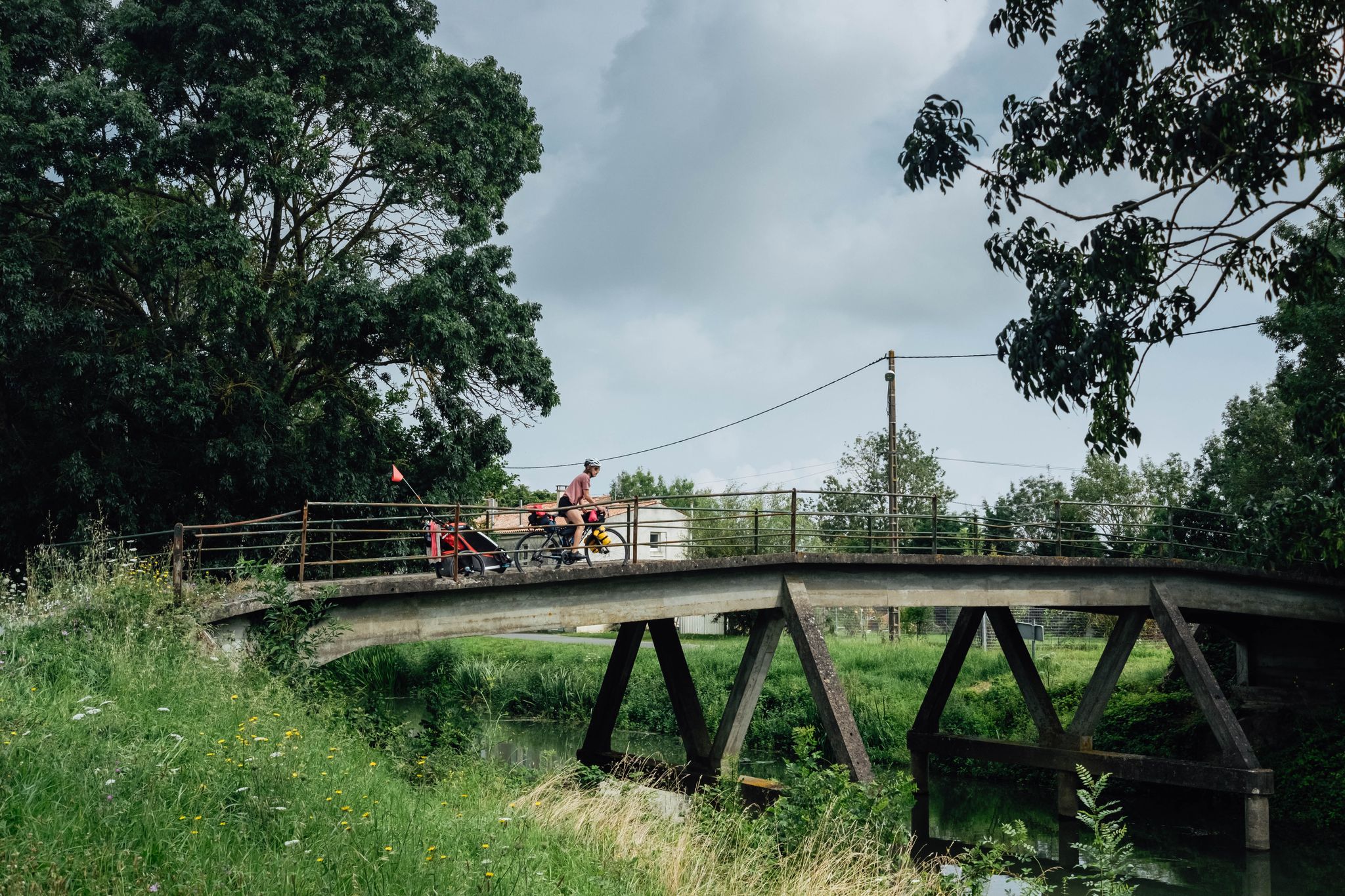
Our first family bike adventure in Western France
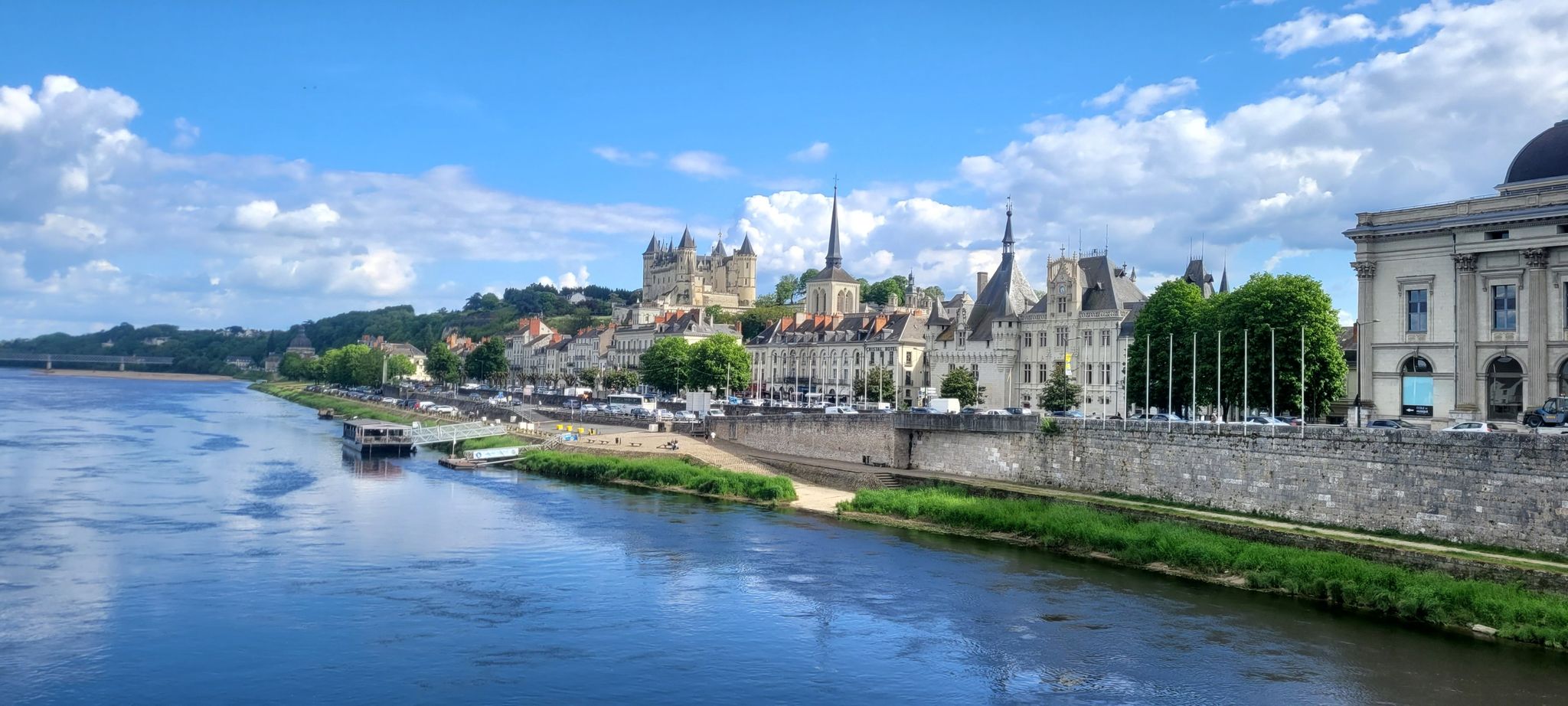
The Loire from ocean to the source – GR 3 from Angers to Tours
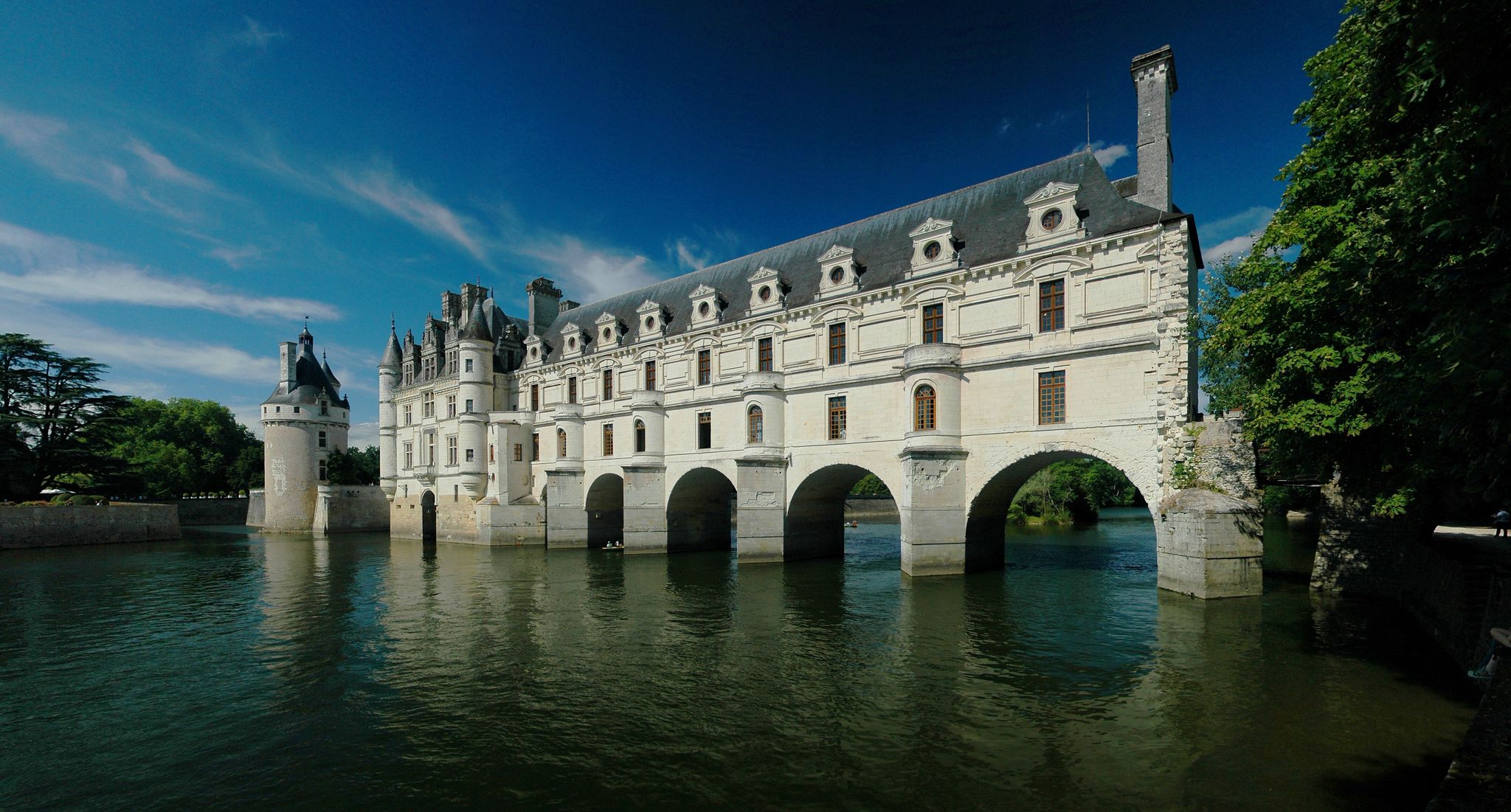
Between Touraine and Berry – France’s Indre River by bike
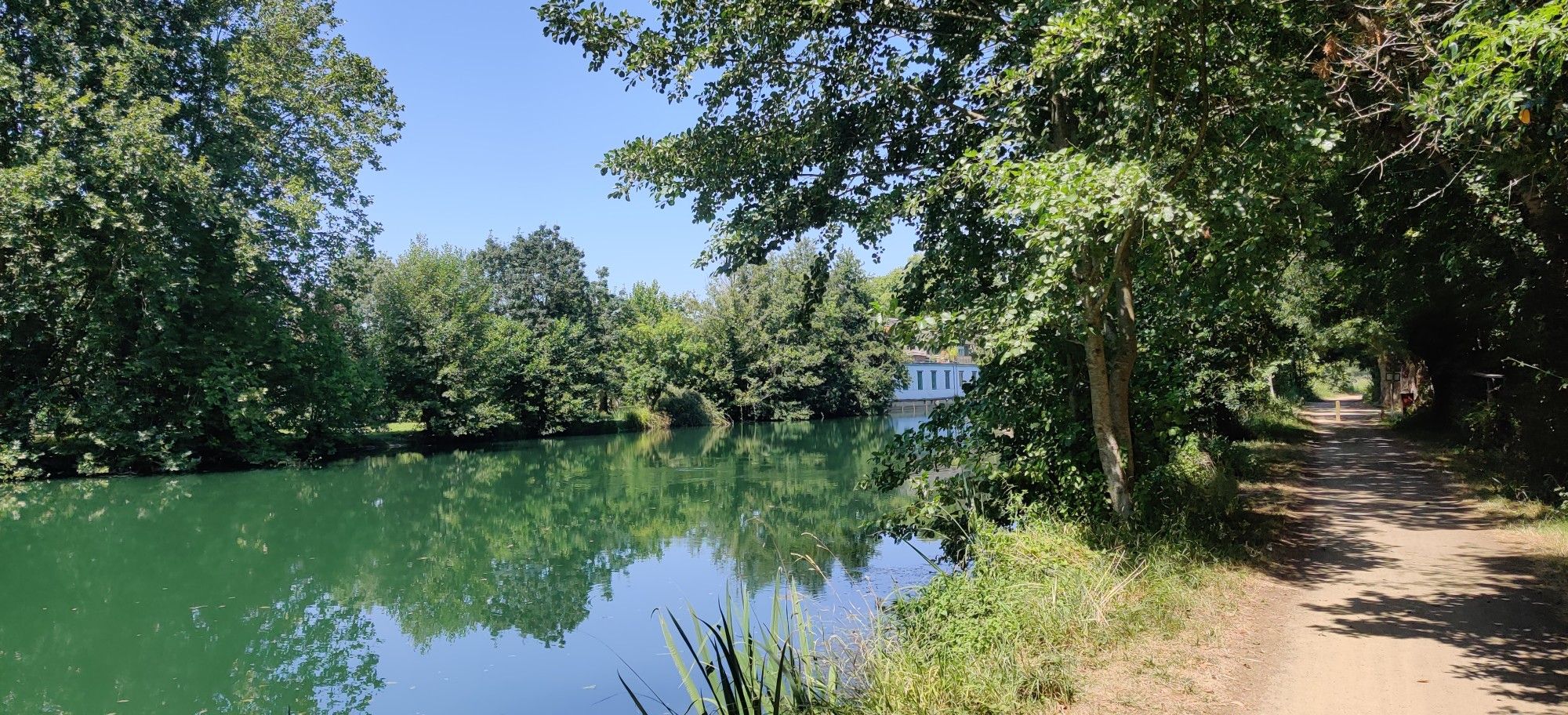
From Ouistreham to La Rochelle — riding the Vélo Francette
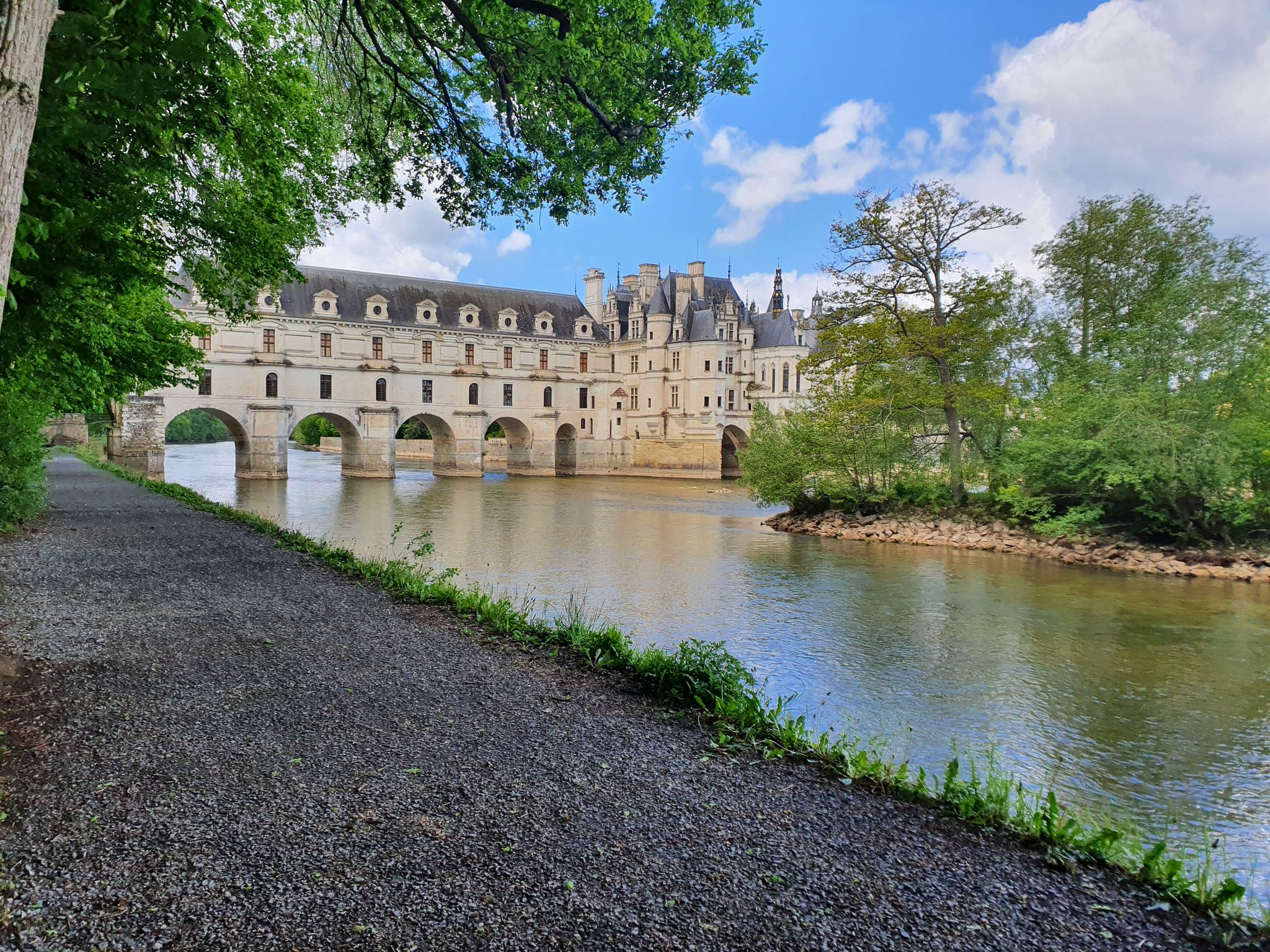
Unexpected castles – cycle the secret Loire Valley in France
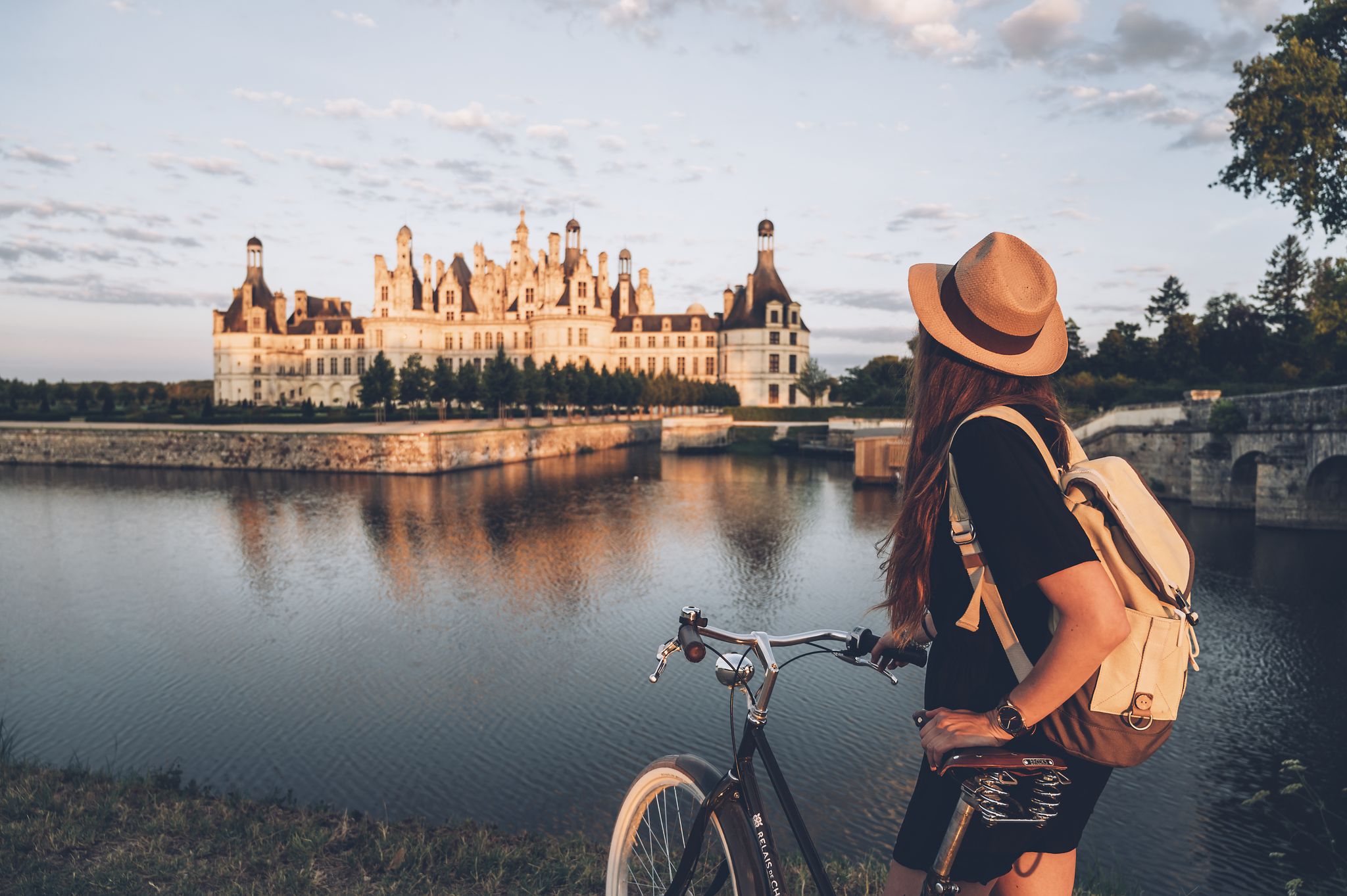
Nature and Culture — discover the Loire and its castles by bike
Other adventures in Loire-Anjou-Touraine


Tips from the Community

A castle-palace of the Dukes of Anjou in the 19th and 19th centuries, the Château de Saumur, where King René resided, is the last example of the princely palaces built by the Valois dynasty. It served as the residence of the city's governors, a prison, and later an arms and ammunition depot. It was purchased by the city in 1906 to house the municipal museum, now the Musée de France. Today, we discover the rich collections scattered throughout the former apartments of the Dukes of Anjou in an educational museography. Want to know more? Click here: https://www.ot-saumur.fr/en/castles-and-country-houses/Saumurcastle-5261718/
3
0
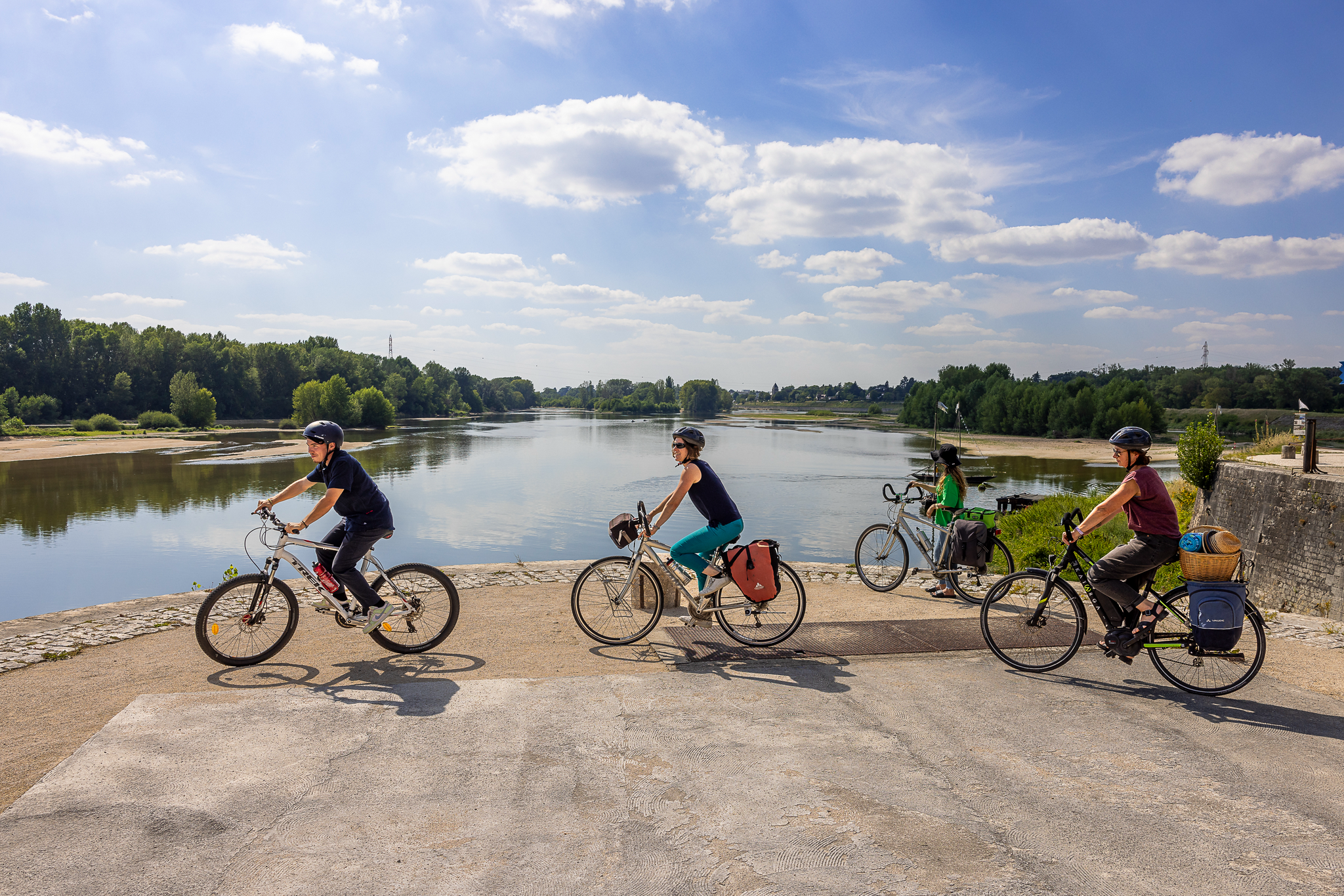
Very nice gravel along the banks of the Loire. Know that you are not alone here. Enjoy together, each at their own pace.
3
0
The Fête du Thoureil, a festival of Loire barges, is an Angevin tradition that takes place every year in spring on the banks of the Loire at Thoureil, in Maine-et-Loire, between Saumur and Angers. The programme includes barges and old Loire sailing ships, and Loire festivities. It is considered the first festival of Loire barges between Nantes and Tours.
5
0
Here you are in front of the 'Sleeping Beauty Castle'. Once upon a time there was a castle with a magical aura, overlooking the Indre and the Loire… so beautiful that it inspired Charles Perrault to write his Sleeping Beauty. Young and old, immerse yourself in castle life and the scenes from this fairy tale come to life before your eyes. Follow in the footsteps of Vauban, Perrault, Chateaubriand, Le Nôtre and the Blacas family, who still live in this illustrious castle in the Loire Valley.
5
0
Once upon a time, there was a castle with a magical aura, overlooking the Indre and the Loire… so beautiful that it inspired Charles Perrault to write Sleeping Beauty. Young and old, immerse yourself in castle life and the scenes from this fairy tale come to life before your eyes. Follow in the footsteps of Vauban, Perrault, Chateaubriand, Le Nôtre and the Blacas family, who still live in this illustrious castle in the Loire Valley. PREPARE YOUR VISIT: 2025 From 15 February to 31 March: 10am – 6pm. From 1 April to 30 September: 10am – 7pm. From 1 October to 11 November: 10am – 6pm. Prices: Adult (+ 16 years): € 14.50 Child from 8 to 16 years: € 7.50 Child (under 8 years): Free
5
0

If you follow the routes, be careful not to end up on a highway without bicycle lanes
1
0
Overlooking the Indre and the Loire, Ussé stands majestically like a fairytale castle. Its history begins well before the construction of the current monument, under the leadership of Gelduin I who had the first stronghold built more than a millennium ago. A new building, more solid and more sumptuous, was built in the second half of the 15th century by Jean V de Bueil, victorious in the Hundred Years' War and captain of King Charles VII. The elegance and finesse of the Renaissance will soon further embellish the Château d’Ussé. Over the centuries, the rooms have been decorated and richly furnished. The visit allows you to discover, after passing through the entrance hall, a unique guard room: the splendid 17th century trompe l'oeil ceiling imitating marble covers a beautiful collection of weapons and oriental objects. The refinement of Ussé reaches its peak in the 17th century salon, a completely renovated room which bears the evocative name of Vauban, the famous Marshal whose daughter married the Marquis de Valentinay, son of the illustrious owner of the castle. Generations come and go while Ussé continues to tirelessly improve. The latest modifications date from the 19th century, when the Countess of La Rochejacquelin decorated the tops of the doors, installed the spiral staircase in the entrance hall and built a neo-Gothic gallery. The Château d’Ussé is a monument that leaves you dreaming both for its architecture and its history. The route along the walkway takes you into a completely different world: that of fantastic stories and fairy tales. Through beautiful depictions of wax figures, everyone is immersed in the world of Sleeping Beauty. We can of course see the fairy Carabosse, Prince Charming and the three benevolent fairies godmothers of Princess Aurore. A fun nod to Charles Perrault who, seduced by the Château d'Ussé, chose to make it the scene of his famous tale. The park of the Château d'Ussé is an exceptional setting, notably composed of the French garden designed by André Le Nôtre in 1664. In addition, the shadows of the cedars of Lebanon, offered by Chateaubriand to the Duchess of Duras in the 19th century, rub shoulders with the stones of the Sainte-Anne d'Ussé chapel can also be visited. Built between 1535 and 1538 at the request of Charles d'Espinay and Lucrèce de Pons, it retains an absolutely remarkable lintel. Ussé is a completely private estate belonging to the same family for more than two centuries. The Duke of Blacas invites you to browse the furnished rooms of his incredible home and to discover each year a new exhibition of costumes from various eras. From the underground to the attic, including the King's bedroom, the stables, the incredible grand staircase and the kitchens, this monument is an encouragement to delve into our history and to re-immerse ourselves in the most famous tales of our literature. .
3
0

The castle is definitely worth seeing, especially with children. The Tolkien exhibition, well, and perhaps the 150 Stirrups aren't something you need to see. But the knights' armour, the furnished rooms and the castle itself are interesting for small children. In 1-1.5 hours you can see everything for free, adults 8 euros.
2
0
Frequently Asked Questions
What are some of the most famous châteaux to visit in Loire-Anjou-Touraine?
Beyond the well-known Ussé Castle and the Gardens of the Château de Villandry, the region boasts many other magnificent castles. Consider visiting the Montsoreau Castle, which now houses a Museum of Contemporary Art, or the Royal Fortress of Chinon, a UNESCO World Heritage site with strong ties to Joan of Arc. Other notable châteaux include Azay-le-Rideau, Château de Saumur, and Château de Langeais with its ancient dungeon.
Are there family-friendly activities available in Loire-Anjou-Touraine?
Yes, many attractions in Loire-Anjou-Touraine are suitable for families. Castles like Ussé Castle and Montsoreau Castle are listed as family-friendly. The Bioparc - Zoo de Doué-la-Fontaine is another popular choice. Exploring the troglodytic caves can also be a unique and engaging experience for all ages.
What natural features can I explore in the Loire-Anjou-Touraine Regional Nature Park?
The park is a diverse landscape featuring the majestic Loire River and its tributaries (Cher, Indre, Vienne), extensive vineyards, forests, and hedged farmland. You can enjoy scenic views of the Loire from spots like View of the Loire from Le Thoureil. The region is also home to unique troglodytic caves, which provide shelter for bats and offer insights into a living heritage.
What outdoor activities are popular in Loire-Anjou-Touraine?
The region offers a wide range of outdoor activities. Cycling is very popular, especially along the Loire River, with routes like 'La Loire à vélo'. You can also find numerous hiking trails, mountain biking routes, and opportunities for horseback riding and canoeing. For specific cycling adventures, check out the Gravel biking in Loire-Anjou-Touraine guide or the MTB Trails in Loire-Anjou-Touraine guide.
Are there good hiking opportunities in the area?
Yes, Loire-Anjou-Touraine offers excellent hiking opportunities through its varied landscapes of forests, vineyards, and riverbanks. You can find numerous interpretation and themed trails. For detailed routes, explore the Hiking in Loire-Anjou-Touraine guide, which includes trails like the 'Savonnières Hundred Steps Trail' and the 'Azay-le-Rideau 4 castles loop'.
What cultural and historical sites can I visit besides the châteaux?
Beyond the grand châteaux, you can explore Fontevraud Abbey, one of Europe's most extensive monastic complexes dating from the 12th century. The region also features charming villages like Candes-Saint-Martin and Crissay-sur-Manse, and megalithic sites, particularly around Saumur, including the large dolmen of Bagneux. The Joseph-Denais Museum in Beaufort-en-Vallée offers a comprehensive view of local history.
What is the best time of year to visit Loire-Anjou-Touraine?
The region is beautiful year-round, but the spring and summer months (April to September) are particularly popular. During this time, the Renaissance gardens, such as those at Château de Villandry, are in full bloom, and the weather is ideal for outdoor activities like cycling and boat trips on the Loire. Many châteaux and attractions also extend their opening hours during these seasons.
Can I explore the Loire River by boat?
Absolutely. The Loire River is central to the region's charm, and boat trips are a popular way to experience its beauty. Le Thoureil, for instance, is known for its small port welcoming traditional wooden sailing boats and hosts an annual festival of Loire barges. You can find more information about boat tours on historic Loire boats at www.revesdeloire.fr.
Are there any unique architectural features in the region?
Yes, the local tuffeau stone is a prominent building material, giving many structures their distinctive appearance. Additionally, the region is famous for its troglodytic architecture, with many homes, cellars, and even restaurants carved directly into the soft rock formations, offering a unique glimpse into the area's heritage.
What do visitors enjoy most about the Loire-Anjou-Touraine region?
Visitors frequently praise the magnificent Renaissance gardens, especially at Château de Villandry, and the unique blend of medieval and Renaissance architecture seen in castles like Ussé Castle. The scenic views of the Loire River, such as those from Le Thoureil, and the peaceful gravel trails along its banks are also highly appreciated for their beauty and tranquility.
Are there any hidden gems or less-known attractions worth visiting?
Beyond the major châteaux, consider exploring the extraordinary underground network of Château de Brézé, which includes the deepest dry moats in Europe. The village of Tavant features impressive murals in the crypt of its village church, offering a unique artistic and historical experience. Doué-la-Fontaine, with its Bioparc and Le Mystère des Faluns, also provides a different kind of attraction.
Most popular routes in Loire-Anjou-Touraine
Most popular attractions in Loire-Anjou-Touraine

Get inspired with the komoot mobile app


