Attractions and Places To See around Melpignano - Top 20
Best attractions and places to see around Melpignano, a town in Salento, Italy, offers a blend of historical, cultural, and natural sites. Known for its Baroque architecture and as the home of the Notte della Taranta festival, Melpignano provides insight into Southern Italian heritage. The area features ancient megalithic monuments, historical churches, and natural green spaces.
Best attractions and places to see around Melpignano
- The most popular attractions is Torcito Pine Forest, a forest that offers many paths on…
Last updated: August 31, 2026
Torcito Pine Forest
Highlight • Forest
Translated by Google •
Tip by

Dovecote Tower
Highlight • Monument
Translated by Google •
Tip by
Sign up now to discover places like this
Get recommendations on the best single tracks, peaks, & plenty of other exciting outdoor places.
Sign up for free
Church of Santa Marina di Stigliano and Ruins, Serrano
Highlight • Religious Site
The church, traditionally linked to the …
Translated by Google •
Tip by
Castello di Corigliano d'Otranto
Highlight • Castle
Translated by Google •
Tip by

Basilica of Saint Catherine of Alexandria
Highlight • Religious Site
Tip by

Sign up for free to discover even more attractions around Melpignano.
Sign up for free
Already have an account?
Start today with a free account
Your next adventure awaits.
Login or Signup
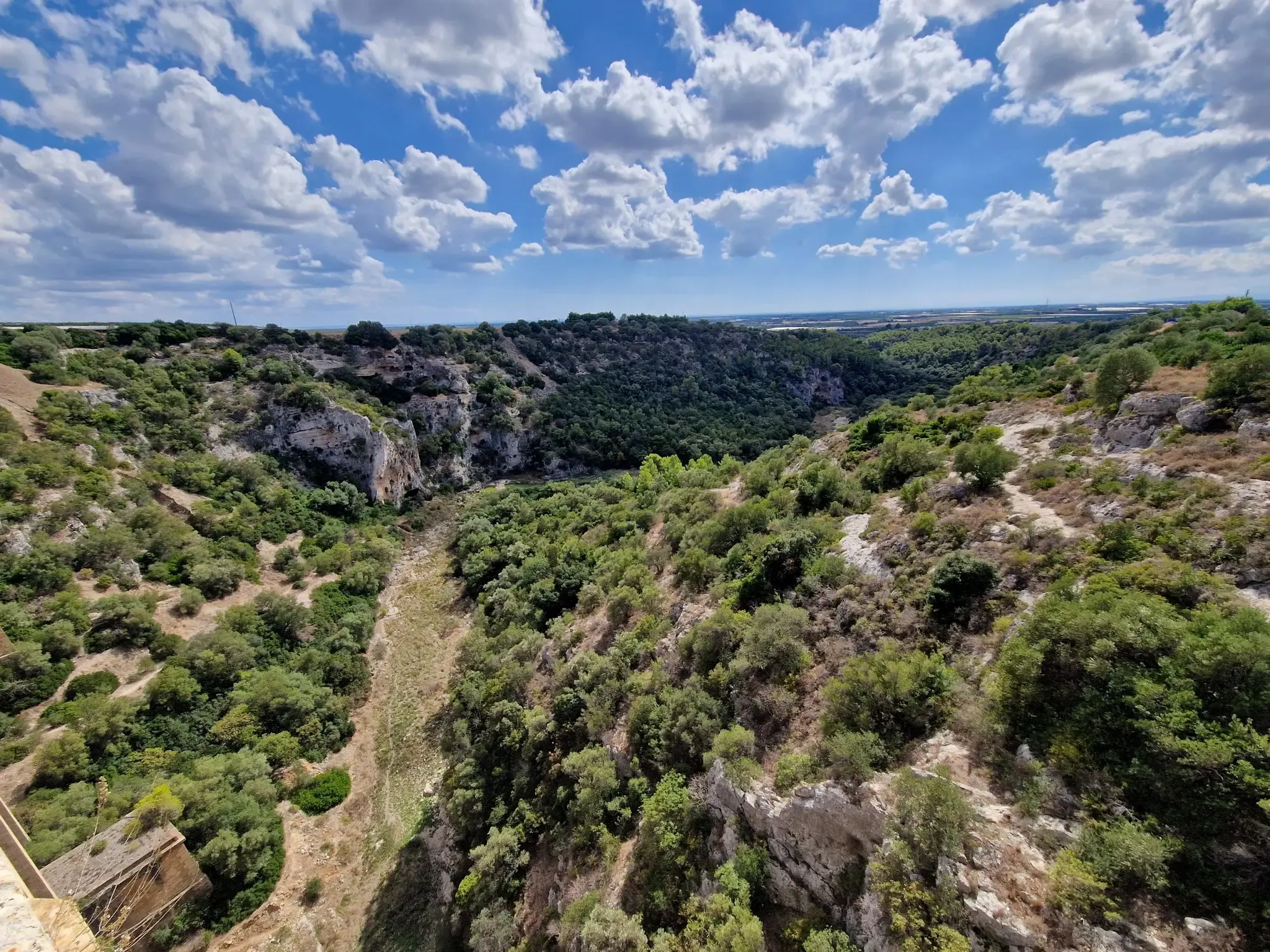
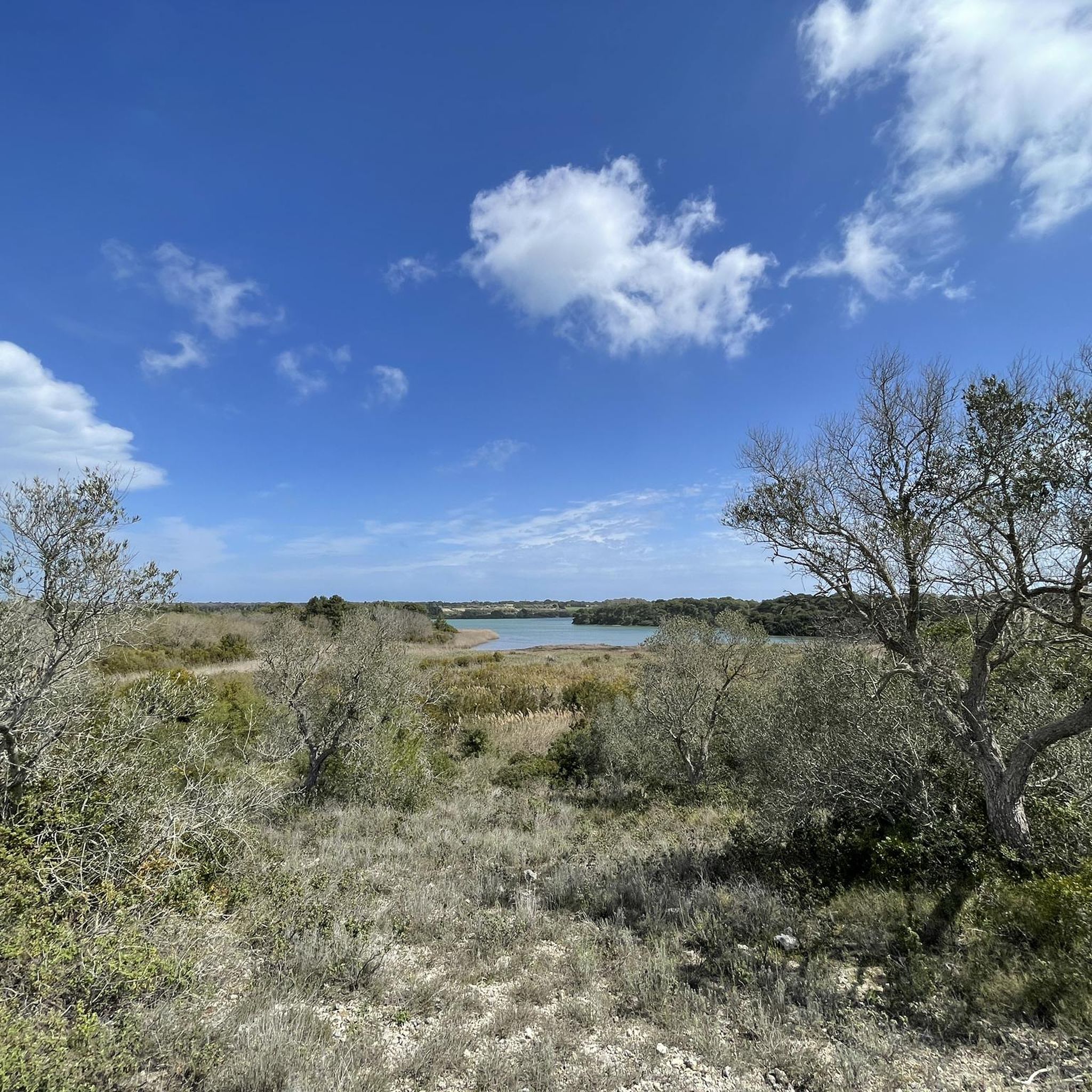
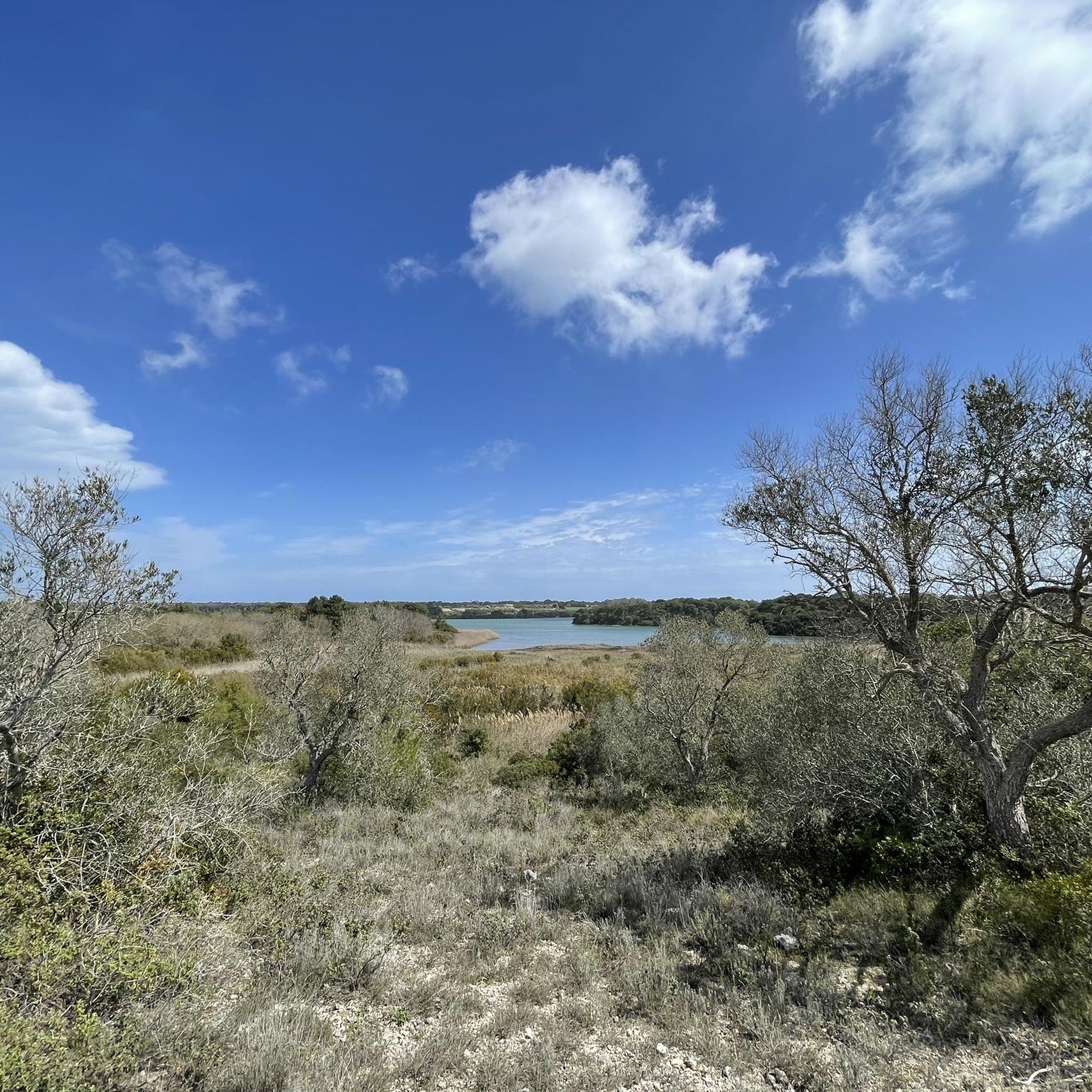
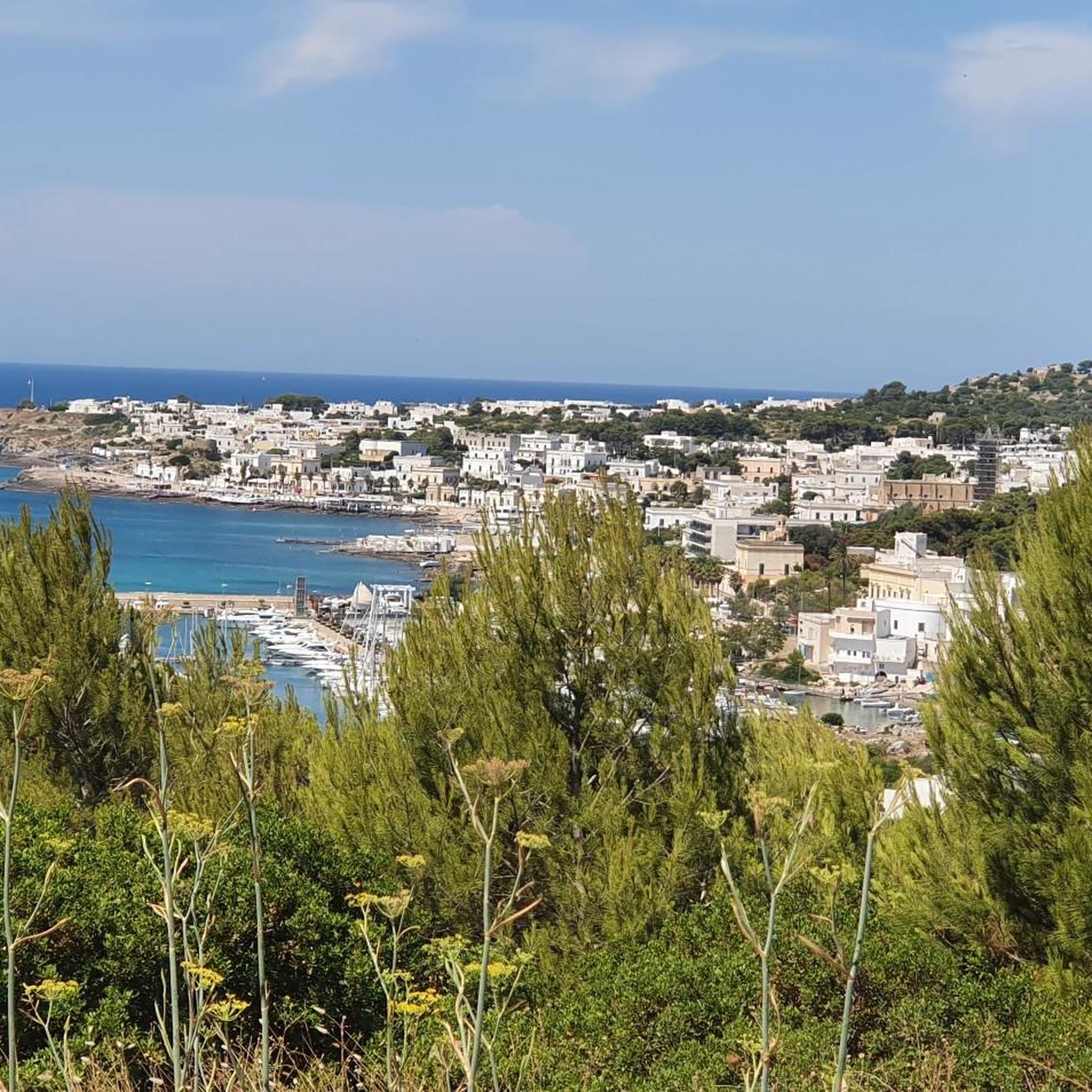


Other adventures around Melpignano

Tips from the Community

A beautiful castle with a suggestive façade adorned with numerous statues. Inside the very interesting exhibition of Giuseppe Palumbo, the photographer on a bicycle who documented Salento between 1907 and 1959 and in the various rooms an exhibition path with original images, articles and studies dedicated to the phenomenon of tarantism. A short distance away in the enchanting historic center of Corigliano d'Otranto is the church of San Nicola Vescovo with a valuable mosaic depicting the tree of life.
0
0

Ruins of a farmhouse built in ancient times next to the church of Santa Marina di Stigliano. Probably destroyed during the numerous Saracen raids
0
0

Beautiful place in Puglia
0
0
Beautiful castle in Puglia
0
0

Walloon oak approx. *year 1000
0
0

One of the many dovecote towers in Salento. Well preserved and easy to access!
0
0

Included in the collection Salento Bizantino www.komoot.com/it-it/collection/1811756/-salento-bizantino - Underground crypt incorporated in the ruins of an 18th century baronial residence is not currently accessible but, through the gate that bars the access you can peek inside. Attention, the structure is still unstable due to degradation. https://massimonegro.wordpress.com/2011/12/06/stigliano-il-casale-abandonato-lantica-cripta-e-santa-marina/
0
0
Frequently Asked Questions
What historical landmarks can I explore in Melpignano?
Melpignano offers a rich history, including the elegant Renaissance-style Palazzo Marchesale Castriota, which served as a noble residence and military fortress. The central Piazza San Giorgio Porticoes are also notable, originally built to foster commercial activity. You can also discover unique sites like the unedited Underground Olive Oil Mills and The Prisons, offering a glimpse into traditional life.
Are there any ancient megalithic sites near Melpignano?
Yes, Melpignano is home to several ancient megalithic monuments, including menhirs and dolmens, which provide historical evidence of Bronze Age settlements. Notable examples include Menhir Minonna and Menhir Candelora. You can also visit the Montevergine Menhir, a restored monolith located near a sanctuary.
What cultural sites related to local traditions are there in Melpignano?
Melpignano is deeply connected to its cultural heritage. The Centro di documentazione sulle Musiche Popolari highlights the town's strong link to folk music and the internationally renowned Notte della Taranta festival. You can also explore traditional Courtyard Houses and the Former Tobacco Factory, which serves as an info point for cultural routes.
Where can I find natural green spaces or forests near Melpignano?
For natural green spaces, you can visit Pineta Longa, a relaxing green area within Melpignano. The Castriota Palace Garden, part of Palazzo Marchesale Castriota, features ancient fruit trees, a citrus grove, and a rose garden. Just outside the town, the Torcito Pine Forest offers about 200 hectares of re-naturalized Mediterranean scrub with many paths for exploration.
Can I visit any castles or fortified structures in the area?
Absolutely. A prominent example is the Castello di Corigliano d'Otranto, considered one of the largest and best-maintained castles in Salento, showcasing a transition from medieval to Renaissance military architecture. You can also find Masseria Santa Aloja, a fortified farmhouse with characteristic sixteenth-century towers, offering a historic rural experience.
What religious buildings are notable in Melpignano?
The main church is the Mother Church of San Giorgio in Piazza San Giorgio, a beautiful blend of Renaissance and Baroque styles with 15th-century frescoes. The Church of Carmine and the former Convent of the Augustinians is another jewel of Lecce Baroque, known for its elaborate facade and as the setting for the Notte della Taranta final concert. Further afield, the Church of Santa Marina di Stigliano and Ruins, Serrano, is a Byzantine church standing on ancient remains.
Are there opportunities for cycling around Melpignano?
Yes, the region around Melpignano is excellent for cycling. You can find various routes for different types of cycling. For example, the 'Discovering Melpignano and its surroundings' route is an easy 10 km touring bicycle ride. More challenging options include the 'Acaya Castle – Acaya Castle loop' for touring bikes or the 'Punta Palascìa lighthouse – Porto Badisco Bay loop' for road cycling. Explore more routes on the Cycling around Melpignano guide.
What kind of walking or hiking trails are available near Melpignano?
The Torcito Pine Forest offers numerous paths and single tracks suitable for various hikers, ranging from easy walks to more challenging routes. The forest's re-naturalized Mediterranean scrub provides a scenic environment for exploration. While specific hiking guides are not listed, many cycling routes can also be adapted for walking, offering a chance to discover the rural landscape with its olive groves and traditional 'pajare'.
What are some family-friendly attractions in the Melpignano area?
Families can enjoy exploring the Dovecote Tower, a historical structure used for pigeon breeding, which offers an interesting glimpse into rural economy. The Castello di Corigliano d'Otranto is also considered family-friendly, providing an engaging historical experience. Additionally, the Montevergine Menhir offers a unique historical monument that can be easily visited by families.
What is the best time of year to visit Melpignano attractions?
The Salento region, including Melpignano, is generally pleasant to visit from spring through early autumn. Spring (April-May) offers mild temperatures and blooming landscapes, ideal for outdoor activities. Summer (June-August) is vibrant, especially during the Notte della Taranta festival in August, though it can be hot. Early autumn (September-October) provides comfortable weather for exploring historical sites and natural areas without the peak summer crowds.
Are there any unique natural features or geological sites to see?
Yes, the Melpignano Geosite is a naturalized quarry featuring olive trees and other vegetation. It allows visitors to discover signs of ancient activity and fossils, highlighting the region's geological history and the local 'pietra leccese' (Lecce stone) extraction. The broader rural landscape, with its golden wheat fields and green olive groves, also contributes to the town's natural charm.
What are some hidden gems or unique local experiences near Melpignano?
Beyond the main attractions, you can discover the L'Astore Masseria Winery for a local wine production experience. The La Cutura Botanical Garden is a must-see for flora enthusiasts. Look out for Pajare, Furneddhi, and Caseddhe, which are typical bulwarks of peasant civilization found in the cultivated fields, offering insight into the region's agricultural history.
Most popular routes around Melpignano
Most popular attractions around Melpignano

Get inspired with the komoot mobile app


Explore more
Still not found the Highlight you’re looking for? See guides of the top attractions in other regions:
