Attractions and Places To See around Salice Salentino - Top 20
Best attractions and places to see around Salice Salentino include a blend of historical landmarks, natural features, and cultural sites. Located on the Salento Peninsula, the region is characterized by extensive olive groves and vineyards, contributing significantly to Italy's wine industry. Visitors can explore coastal areas bordered by the Adriatic and Ionian Seas, alongside historical structures and nature reserves. The area offers diverse points of interest for those seeking to explore its unique landscape and heritage.
Best attractions and places…
Last updated: July 20, 2026
Salina dei Monaci Nature Reserve
Highlight • Natural
Translated by Google •
Tip by

Torre Colimena Coastal Watchtower and Ceramics Museum
Highlight • Historical Site
Translated by Google •
Tip by

Sign up now to discover places like this
Get recommendations on the best single tracks, peaks, & plenty of other exciting outdoor places.
Sign up for free
Sanctuary of Saint Anthony alla Macchia
Highlight • Religious Site
Translated by Google •
Tip by

Sanctuary of Monteruga
Highlight • Religious Site
Translated by Google •
Tip by

XC Sant'Antonio MTB Circuit
Highlight • MTB Park
Translated by Google •
Tip by
Sign up for free to discover even more attractions around Salice Salentino.
Sign up for free
Already have an account?
Start today with a free account
Your next adventure awaits.
Login or Signup
Tips from the Community

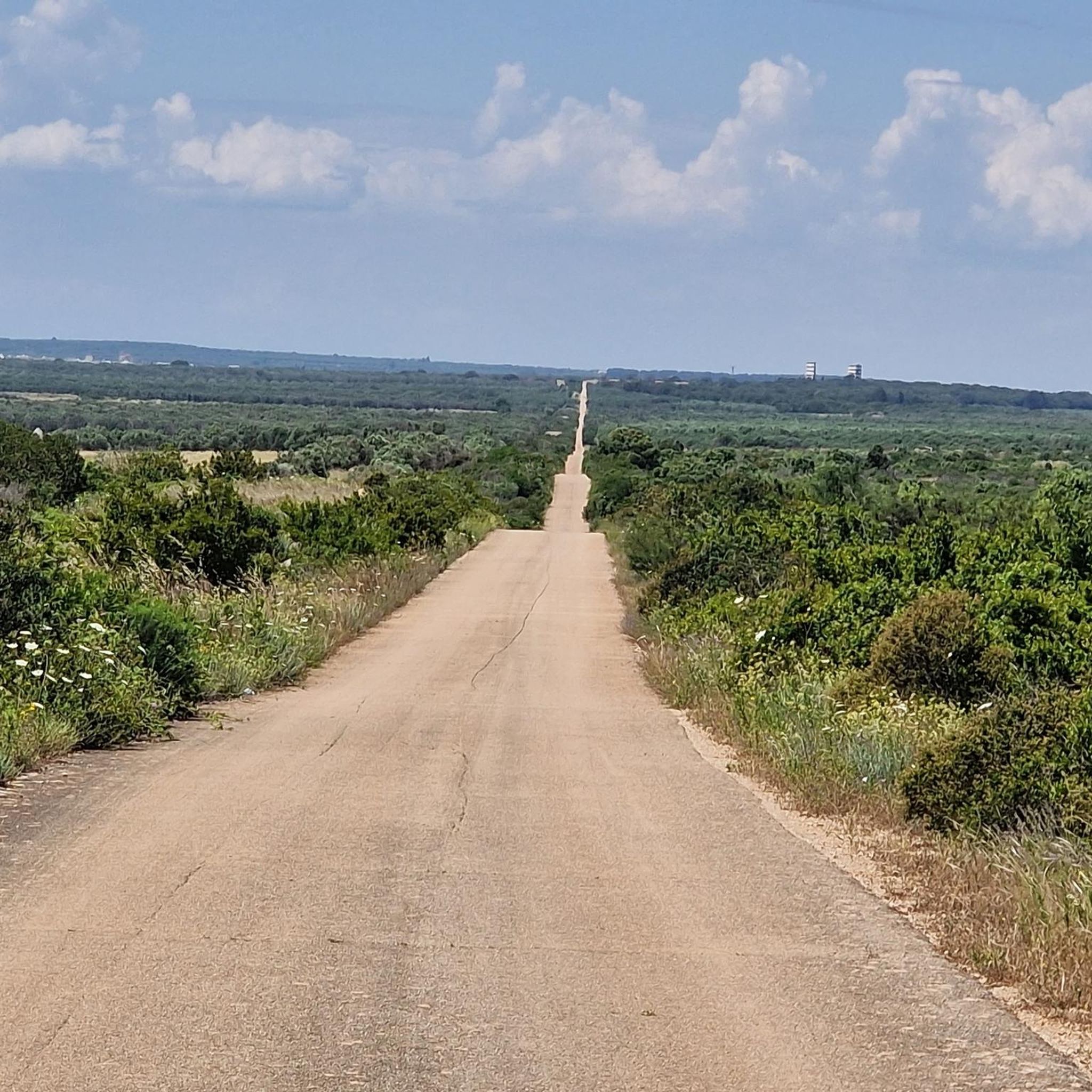
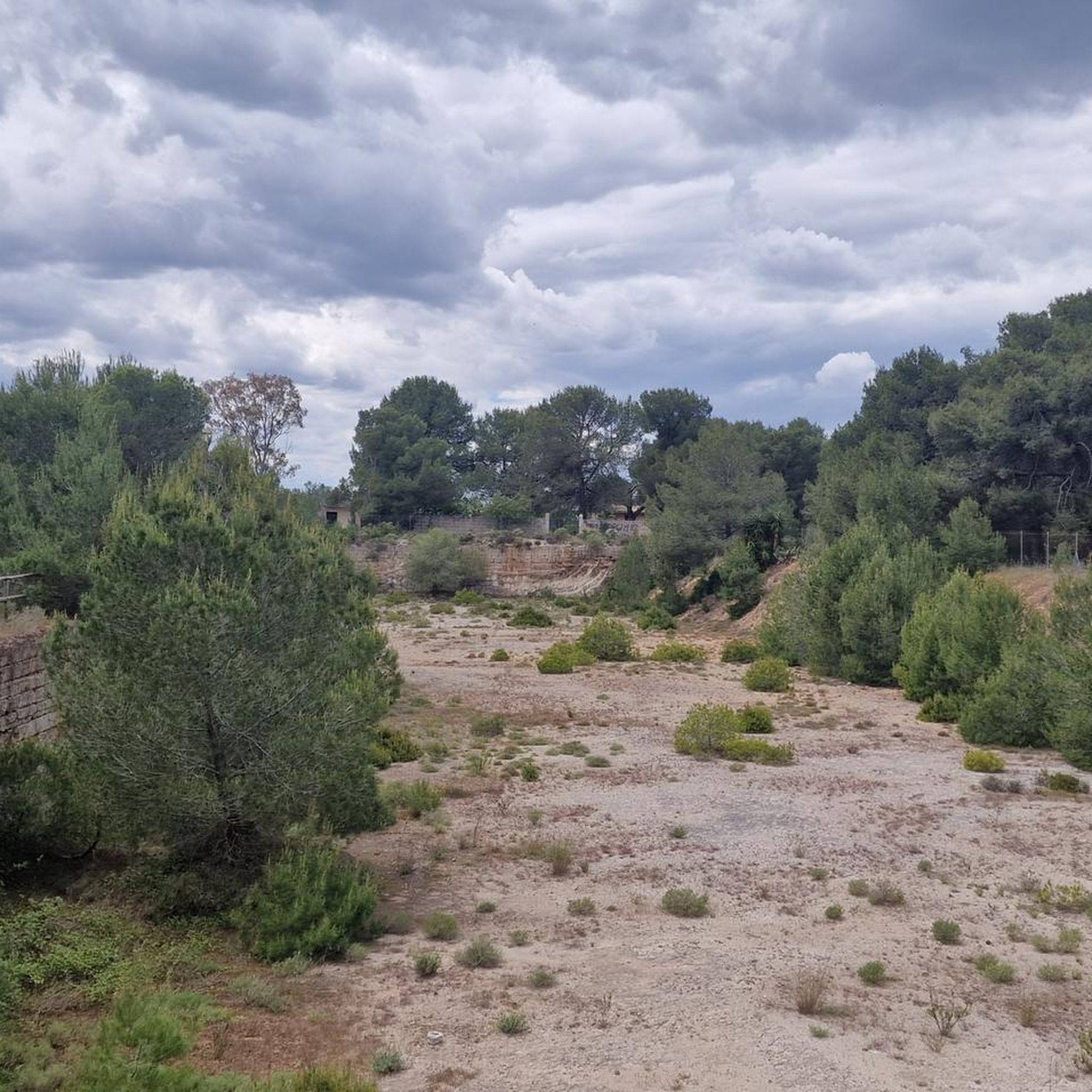
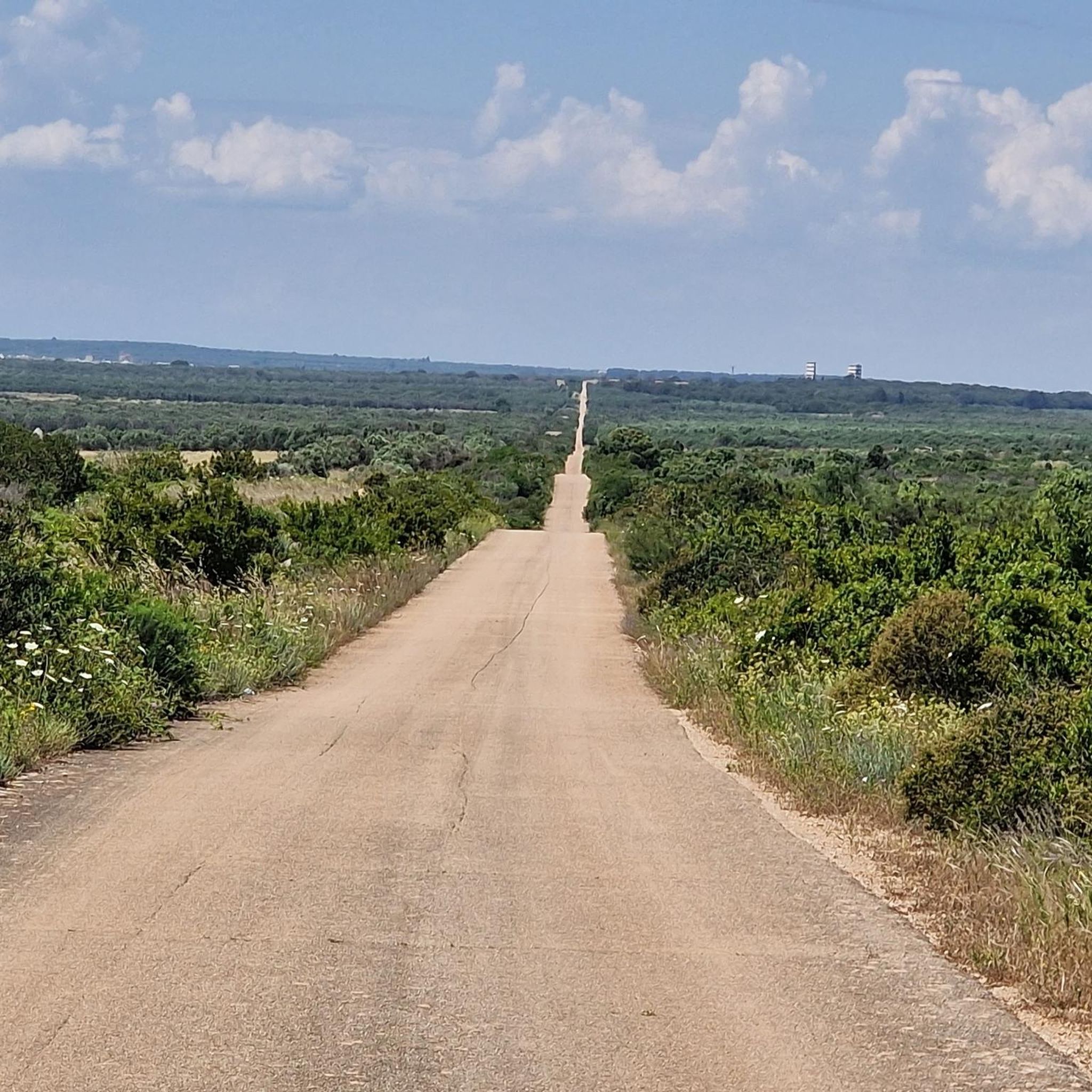
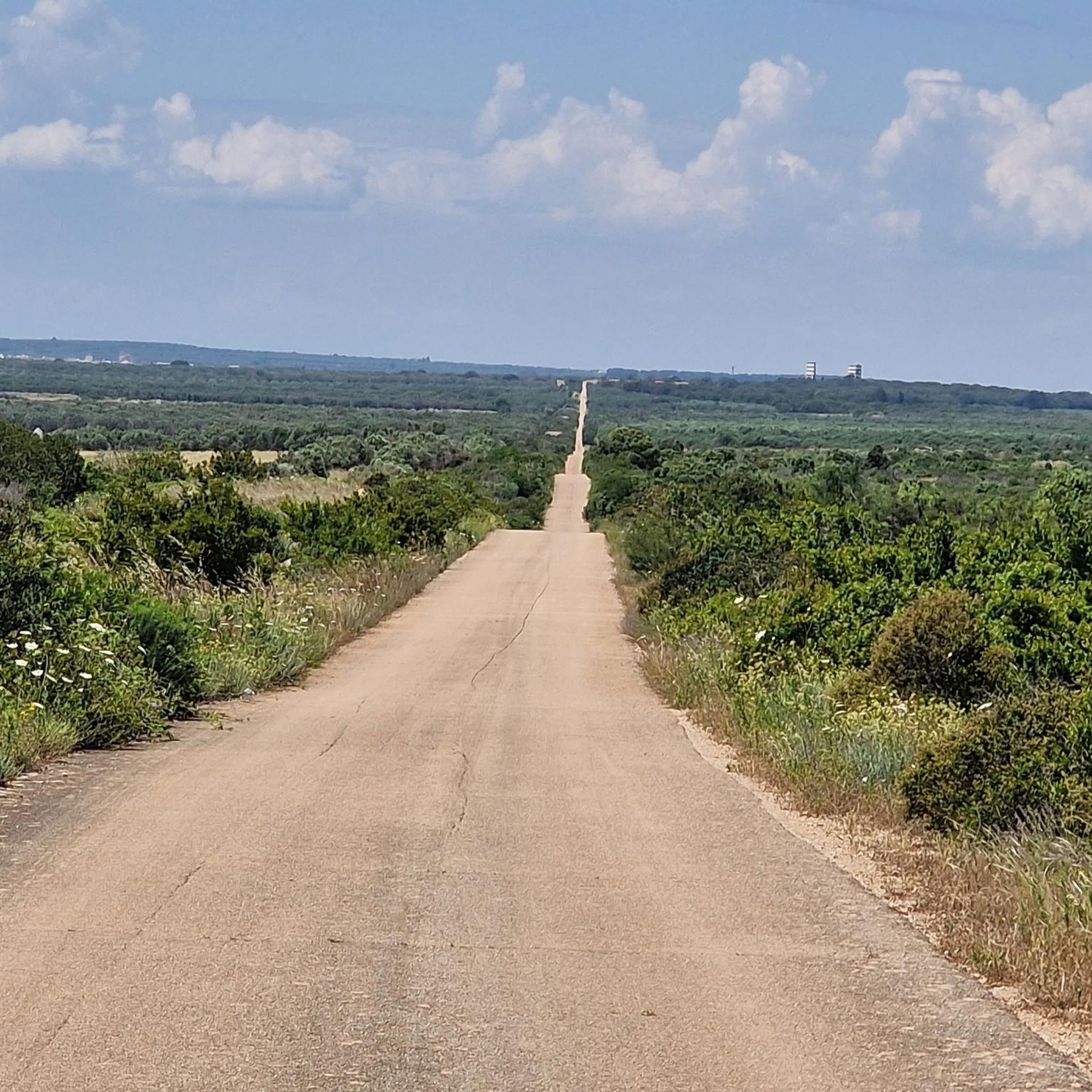
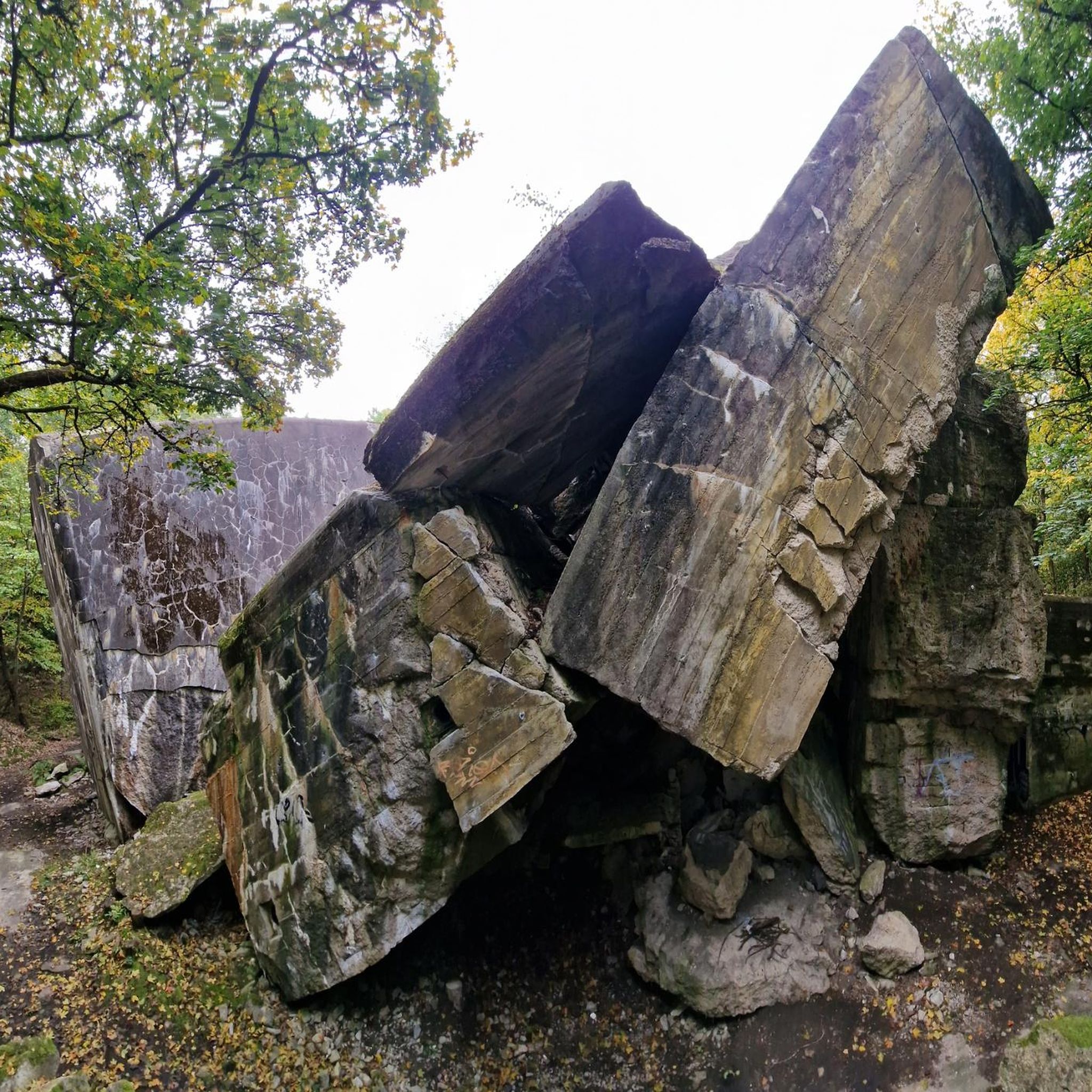
Spectacular place, near the sanctuary of Sant'Antonio alla Macchia there is a very fun XC Mountainbike trail
0
0

In some parts the sand on the trail is quite thick: if you are travelling with a very heavy bike it might be better to push it.
0
0

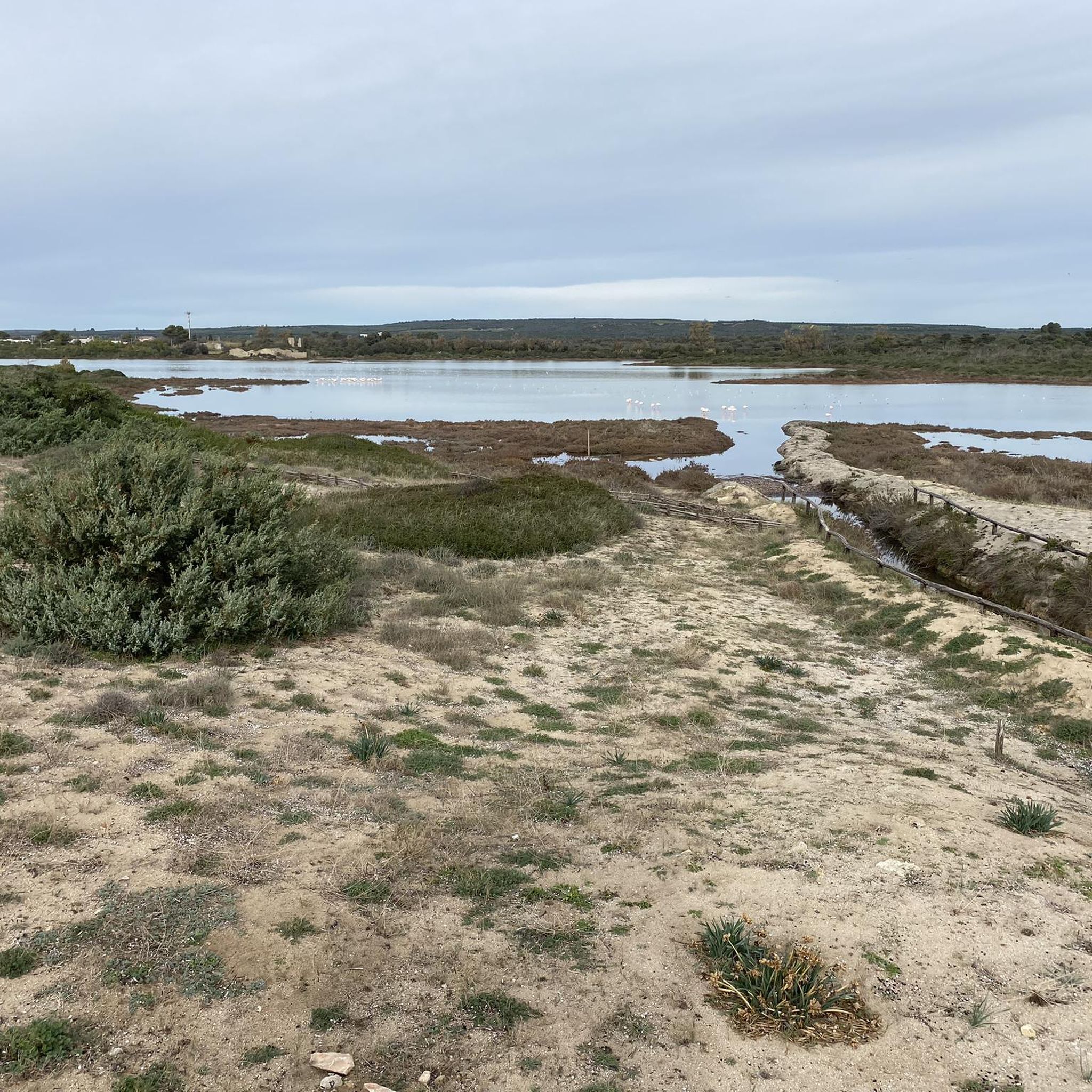
The Salina dei monaci of Torre Colimena is a small earthly paradise located on the Ionian coast of Salento a few kilometers from Porto Cesareo
0
0

COLIMENA TOWER The Colimena cove was chosen as the highest lookout point by the engineer Giovanni Maria Tommaso Scala, responsible for designing new watchtowers. A small tower already existed, but for economic reasons, it was decided to preserve it and incorporate it into the base of the new one, completed in 1570. From that moment on, Torre Colimena represented a fully-fledged defense structure, with its harquebusiers, machicolations and falconate and access regulated by retractable ladders. Its garrison was entrusted to a tower keeper with the rank of corporal, accompanied by companeros with whom he monitored the horizon to promptly warn of the arrival of the enemy with alarm signals (smoke during the day, fires at night, shots from stone cannons and the sounds of the trumpet). Once the Turkish danger had subsided, in 1730, the tower passed into the custody of Giulio Briganti; in 1777 to that of the soldiers of the Invalid Regiment; in 1820 to the Customs Guards and then went through a period of abandonment, until it was entrusted in 1877 to a Brigade
2
0
A beautiful example of a medieval defensive tower on the coast of southern Italy with a museum of selected ceramics As part of the activities for the knowledge and enhancement of ancient, modern and contemporary ceramics, the National Association of Friends of Ceramics carried out research on ceramic containers for wine, in particular the Grottagliese jar. In Grottaglie the origins of the figurative art are lost in time, but it is the wine jar, called srulu in the local dialect, that characterizes the production of the last two centuries, when the wine for daily consumption was extracted from the capason in the srulu. The word srulu derives from the Latin urceolus, a diminutive of urceus, orcio, first adulterated in ursulu, then by apheresis in rsulu and finally by metathesis in srulu. probably it is an onomatopoeic voice that indicates the sound yes before when the wine is sucked out of the ceramic container SOTS I give with enthusiasm. Its shape is characterized by the ovoid body on a disc base and the wide neck esti or. the ribbon handle and the inverted nose pourer. Over time it suffers lie actions: in the nineteenth-century examples it is pot-bellied, while in those SH vi tends to lengthen gradually from 20 to 40 cm. with the ability to make it from poorly cleaned local clay and cover it with different enamels from ivory white to matte yellow. therefore from a simple, meager artifact that the figures of Grottaglie represent from embellished by short brushstrokes and with chromatic vivacity: ochre to iron yellow, from light blue to intense blue, from fat green to manganese brown; More or less bright colors, tastefully combined in a balanced and bright relationship with the base glaze. Meape covered Elumi, ilos values of ceramic production. The decorative motifs constitute the iconographic repertoire of the Grotagliese craftsmanship of the 19th and 20th centuries: from the anthropomorphic elements to the twisted, phytomorphic, landscape and geometric elements, up to the double continuous thread with daisies that always defines the limit of the artistic. It is therefore authentic folk art, expressing general feelings and views of authentic folk art, inspired by sophisticated or traditional models of thought. The more convincing the Arinium, the more authentic Tsula his language niae, the cultivated convinced". An art that every Rono or Rework Vescio Quil Sa Fire "Core in Heni's reality Well, dear friends, you know how to make exaggerations, but also joys, hopes and faith. Elio Scarciglia
2
0
A Wonderful Example of a Battle Tower from the Middle Ages on the Southern Coast As part of the activities aimed at understanding and enhancing ancient, modern and contemporary ceramics, the National Association of Friends of Ceramics has conducted research on ceramic containers for wine, in particular on the Grottaglie jug. In Grottaglie, the origin of the art of pottery is lost in time, but it is the jug, called srulu in the local dialect, that characterizes the production of the last two centuries, when, for daily consumption, wine was poured from the capasone into the srulu. The word srulu derives from the Latin urceolus, diminutive of urceus, jug, corrupt or first in ursulu then, by apheresis, in rsulu and finally, by metathesis, in srulu. it is probably an onomatopoeic word, which indicates the sound that is made when the wine is sucked from the ceramic container SOTS done with gusto. Car zano its shape the ovoid body on a disk base, the wide neck esti o. the ribbon handle and the upturned nose pourer. Over time it has undergone changes: in the nineteenth-century examples it is pot-bellied, while, in the SH vi ones, it gradually tends to lengthen, from 20 to 40 cm. with a capacity of 20 to 40 cm. made with poorly purified local clay and covered with a variable glaze, from ivory white to dull yellow. a therefore of a simple, poor artefact, which the potters of Grottaglie da embellished with short brush strokes and with chromatic vivacity: ochre to iron yellow, from light blue to intense turquoise, from greasy green to manganese brown; more or less bright colors, tastefully combined in a balanced and luminous relationship on the background glaze. Meape ocqui brato elumi so ilos values of ceramic production. the decorative motifs constitute the iconographic repertoire of the Grotagliese manufacture of the 19th and 20th centuries: from anthropomorphic elements to twisted, phytomorphic, landscape and geometric ones, ending with the continuous double thread with daisies, which always defines the edge of the artistic, it is therefore authentic popular art, which expresses common feelings and siliations of authentic nal art, ana from sophisticated or rastal models of thought; a more persuasive arinio even more, though tsula his language niae an that persuaded cultured". An art that every rono or rework vescio quil sa fire "core in the reality of heni Bon, to pivar nichi mie of sa far i isiperssioni, but also of joys, of hopes and of faith. Elio Scarciglia
1
0

Today we started the lovely walk through the dunes and had lunch in Torri Colimena, on the way back from the roundabout this route is absolutely no longer recommended, first along a road, then the land is plowed and then no good passable path can be found, we are over climbed stone walls and crossed a ditch over metal pipes to get back on the route and finally went straight through blackberry bushes and over a wall with difficulty and ended up back on the road, didn't try the last part anymore, seemed to be overgrown
1
1

The Salina dei Monaci is a nature reserve and protected area located in the province of Taranto near Torre Colimena.
1
0
Frequently Asked Questions
What natural attractions can I explore around Salice Salentino?
The region offers beautiful natural features. A must-visit is the Torre Colimena and Salina dei Monaci Nature Reserve, a protected area known for its uncontaminated landscape, flamingos, and various bird species. The Salento Peninsula itself is characterized by extensive olive groves and vineyards, and the nearby coast boasts beautiful beaches like those around Porto Cesareo.
Are there historical sites or cultural landmarks to visit?
Yes, Salice Salentino is rich in history. You can explore the Torre Colimena Coastal Watchtower and Ceramics Museum, a medieval defensive tower with a panoramic view and a museum. The Sanctuary of Monteruga, an abandoned village, offers a glimpse into past peasant life. Other notable sites include the Chiesa Madre of Santa Maria Assunta, the Convent of the Friars Minor, and Castello Monaci.
What kind of outdoor activities are available near Salice Salentino?
The area is great for outdoor enthusiasts. For mountain biking, check out the XC Sant'Antonio MTB Circuit, a demanding track through a small wood. You can also find numerous cycling and gravel biking routes, such as those listed in the Cycling around Salice Salentino and Gravel biking around Salice Salentino guides. Hiking is also popular, with routes like the 'Monaci Salt Pan – Salina dei Monaci loop' available in the Hiking around Salice Salentino guide.
Are there any family-friendly attractions in the area?
Families can enjoy the natural beauty of the Torre Colimena and Salina dei Monaci Nature Reserve, where children might spot flamingos. The XC Sant'Antonio MTB Circuit is also listed as family-friendly for those with older children interested in mountain biking. The nearby beaches of Porto Cesareo offer a refreshing escape for all ages.
Where can I learn about the local wine industry?
Salice Salentino is renowned for its wine. You can visit the Museo del Negroamaro, dedicated to the region's signature grape, or the Piero and Salvatore Leone de Castris Museum, celebrating pioneers in winemaking. Many esteemed wineries like Leone de Castris, Cantine Due Palme, and Cosimo Taurino offer tours and tastings.
What is the best time of year to visit Salice Salentino for outdoor activities?
The Salento Peninsula experiences a warm climate. Spring (April-May) and early autumn (September-October) are generally ideal for outdoor activities like hiking and cycling, as the temperatures are milder and the landscape is vibrant. Summer can be quite hot, making coastal activities more appealing.
Are there any unique religious sites or sanctuaries?
Beyond the main churches, you can visit the Sanctuary of Monteruga, an intriguing abandoned village with a religious building. The Sanctuary of Saint Anthony alla Macchia is also notable, especially for its traditional 'focara' (bonfire) lit on January 17th, and the surrounding rock caves used by Basilian and Franciscan friars.
Can I find any hidden gems or less-known spots?
The Sanctuary of Monteruga, an abandoned village, offers a unique and somewhat eerie experience, allowing visitors to step back in time. The rock caves around the Sanctuary of Saint Anthony alla Macchia also provide a glimpse into the region's monastic past.
What kind of wildlife can be spotted in the area?
The Torre Colimena and Salina dei Monaci Nature Reserve is a prime location for wildlife spotting, particularly flamingos and various other bird species, due to its protected and uncontaminated landscape.
What are the coastal features and how can I explore them?
The Salento coast is bordered by the Adriatic and Ionian Seas and features ancient watchtowers built to defend against pirates. Besides the Torre Colimena Coastal Watchtower, you can find Torre Chianca and Torre Lapillo. The nearby beaches of Porto Cesareo offer opportunities for relaxation and swimming.
Are there any museums related to marine life?
Yes, in nearby Porto Cesareo, you can visit the Museo di Biologia Marina (Museum of Marine Biology). Founded in 1966, it focuses on the marine fauna and flora of the region and their habitats.
What is the typical landscape like around Salice Salentino?
The landscape around Salice Salentino, part of the Salento Peninsula, is predominantly flat. It is characterized by extensive olive groves and vineyards, which are central to the region's agricultural economy. You'll also find areas of Mediterranean scrubland, adapted to the warm climate.
Most popular routes around Salice Salentino
Most popular attractions around Salice Salentino

Get inspired with the komoot mobile app


Explore more
Still not found the Highlight you’re looking for? See guides of the top attractions in other regions:
