The best cycling routes around Manduria
4.4
(99)
1,050
riders
45
rides
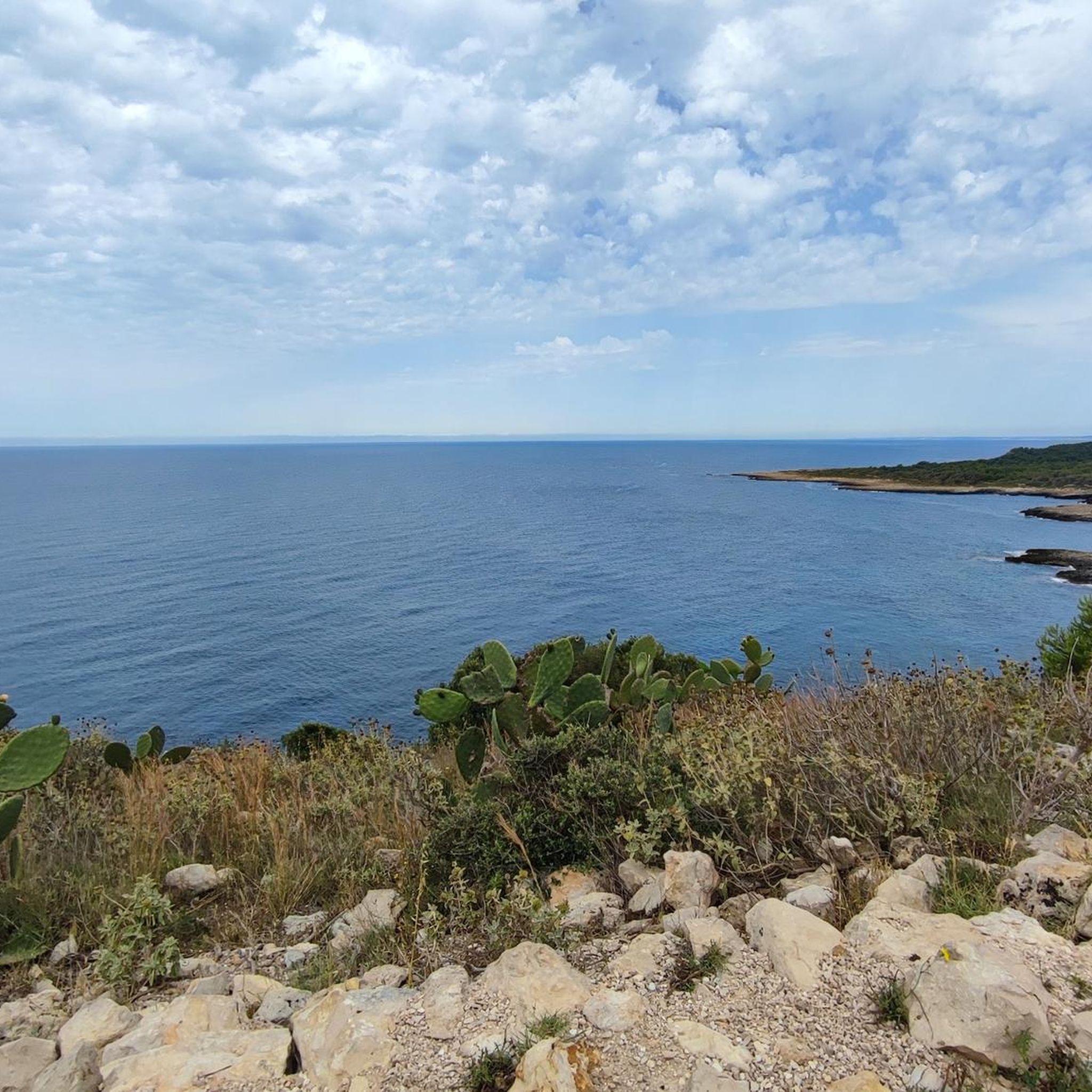
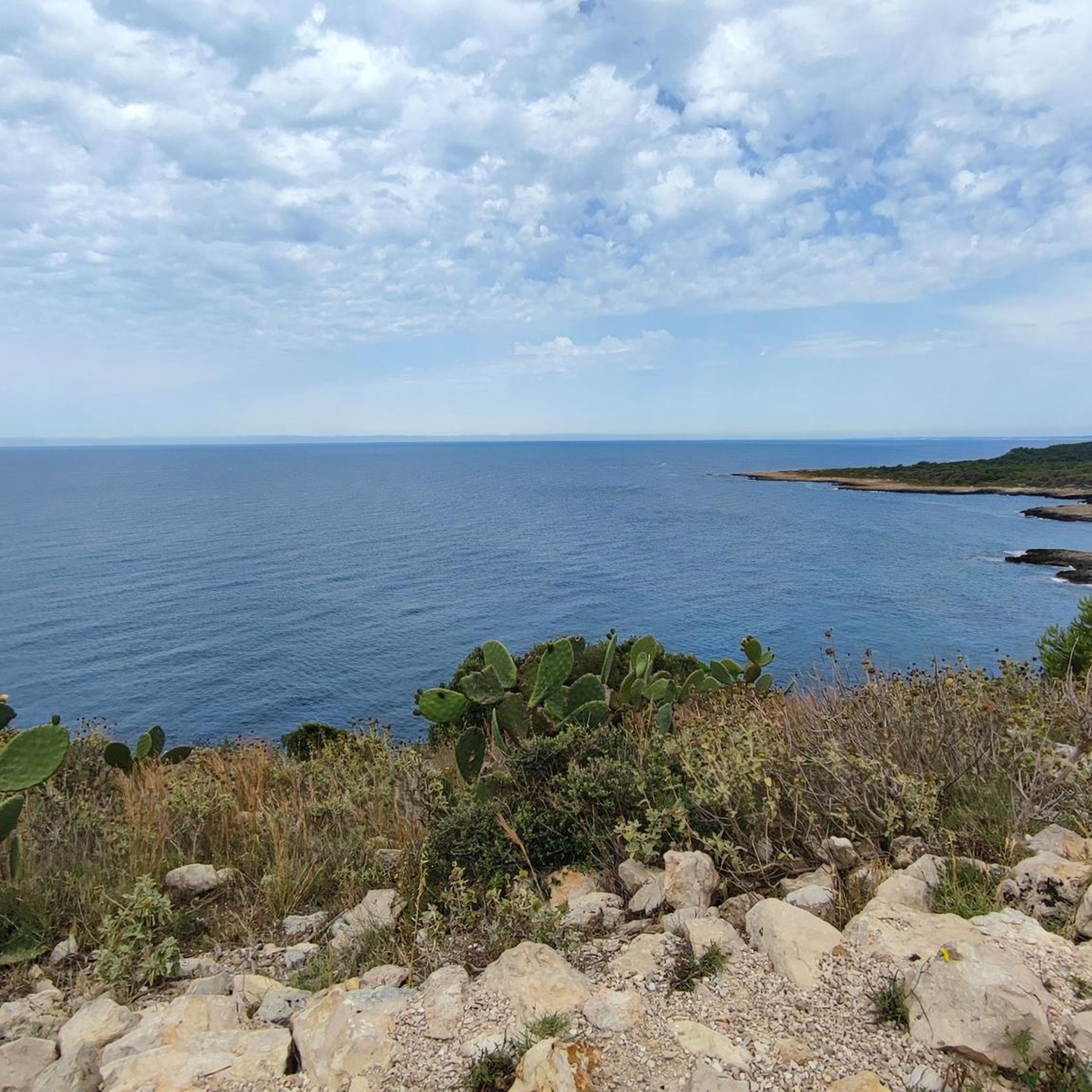
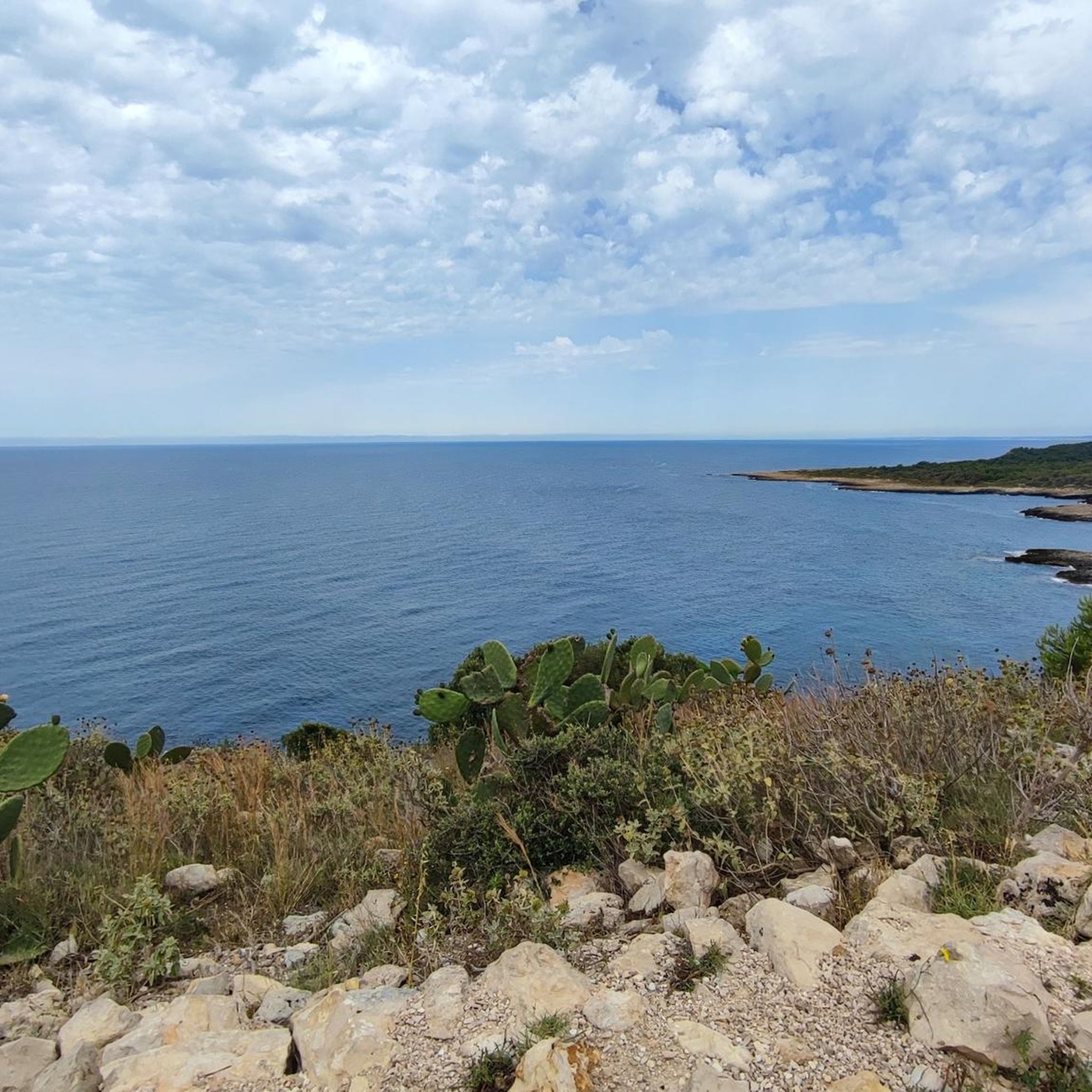
Touring cycling routes around Manduria traverse a landscape characterized by its proximity to the Ionian Sea, offering 18 kilometers of coastline with beaches and coastal dunes. The region features extensive vineyards and ancient olive groves, particularly known for Primitivo wine production. Terrain is generally flat, especially near the coast, with minimal elevation gain, making it accessible for various fitness levels. Natural features include the Salina dei Monaci, a salt pan area, and dense Mediterranean scrub vegetation.
Best touring cycling routes around Manduria
- The most popular touring cycling route is Chidro River Mouth – Porto Cesareo loop from San Pietro in Bevagna, a 27.2 miles (43.8 km) trail that takes 2 hours 30 minutes to complete. This route offers scenic coastal views along the Ionian Sea.
- Another top favourite among local touring cyclists is Chidro River Mouth – Port of Campomarino loop from Torre Colimena, a moderate 23.0 miles (37.1 km) path. This trail also provides extensive views of the Ionian coastline.
- Local touring cyclists also love the Chidro River Mouth – Monaci Salt Pan loop from San Pietro in Bevagna, an 8.4 miles (13.5 km) trail leading through the Salina dei Monaci, often completed in about 47 minutes.
- Touring cycling around Manduria is defined by coastal paths, salt pans, and routes through vineyards and olive groves. The network offers options for easy, moderate, and challenging rides suitable for different ability levels.
- The routes in Manduria are highly rated by the komoot community with an average score of 4.3 stars from over 20 reviews. More than 300 touring cyclists have used komoot to explore Manduria's varied terrain.
Last updated: August 18, 2026
3.5
(4)
61
riders
43.5km
02:28
60m
60m
Moderate bike ride. Good fitness required. Mostly paved surfaces. Suitable for all skill levels.
4.5
(4)
38
riders
37.9km
02:14
80m
80m
Moderate bike ride. Good fitness required. Mostly paved surfaces. Suitable for all skill levels.

Sign up for free
12
riders
42.8km
02:29
160m
160m
Moderate bike ride. Good fitness required. Mostly paved surfaces. Suitable for all skill levels.
15
riders
19.3km
01:12
30m
30m
Easy bike ride. Great for any fitness level. Mostly paved surfaces. Suitable for all skill levels.
4.0
(1)
14
riders
9.23km
00:31
10m
10m
Easy bike ride. Great for any fitness level. Mostly paved surfaces. Suitable for all skill levels.
Get access to more routes and recommendations from other explorers.
Sign up for free
Already have an account?
Our route recommendations are based on thousands of hikes, rides, and runs completed by other people on komoot.
Start today with a free account
Your next adventure awaits.
Login or Signup

Tips from the Community

A short break by the sea
0
0

Wonderful sunsets, great gelateria
2
0

Manduria (Greek: Μανδόριος or Μανδόνιον, Latin: Manduria or Manduris, originally Casalnuovo) is a comune (municipality) in the Province of Taranto in the Apulia region of Italy. It has a population of approximately 30,000.
1
0
A small historic town of Manduria in the Italian region of Puglia. A pleasant stop on our trip through Italy
1
0

In some parts the sand on the trail is quite thick: if you are travelling with a very heavy bike it might be better to push it.
0
0

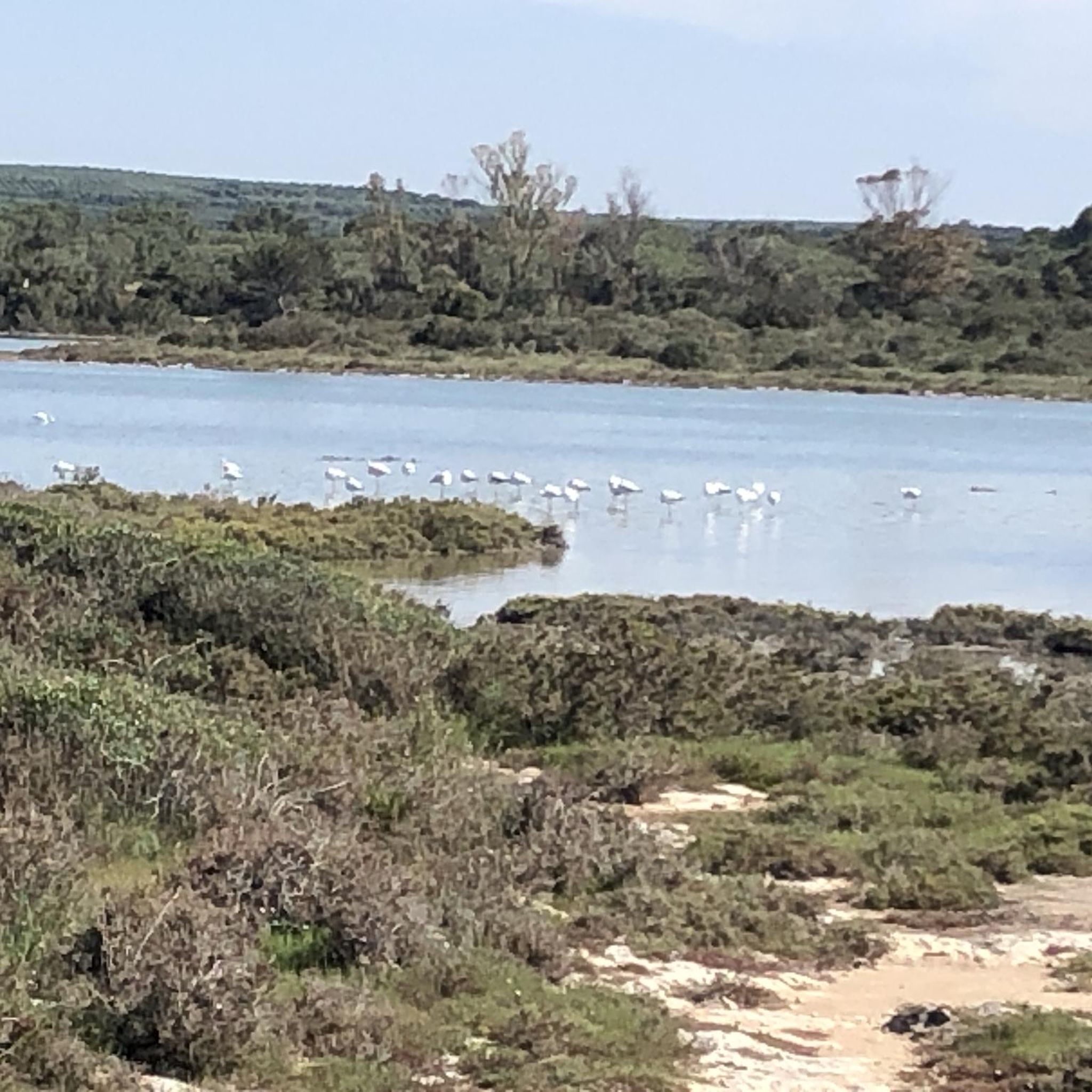
The Salina dei monaci of Torre Colimena is a small earthly paradise located on the Ionian coast of Salento a few kilometers from Porto Cesareo
0
0

Beautiful beach to see
1
0

One of the many coastal towers in the area. Among the most beautiful and imposing.
1
0
Frequently Asked Questions
How many touring cycling routes are available around Manduria?
Manduria offers a diverse selection of over 45 touring cycling routes. These routes cater to various preferences, with 22 classified as easy, 21 as moderate, and 3 as difficult, ensuring options for all skill levels.
What kind of terrain can I expect on touring cycling routes in Manduria?
The terrain around Manduria is generally flat, especially near the Ionian coast, making it accessible for many cyclists. Routes often wind through picturesque vineyards and ancient olive groves, characteristic of the region's 'land of Primitivo' wine. You'll also encounter Mediterranean scrub vegetation and coastal paths along the 18 kilometers of coastline.
What natural features can I explore along the touring cycling routes?
Many routes offer stunning natural sights. You can cycle along the Ionian Sea coastline, visit the unique Chidro River Mouth, or explore the Salina dei Monaci, a salt pan where you might even spot flamingos. The coastal dunes are also recognized for their rare plant species.
Are there historical or cultural landmarks to see while cycling in Manduria?
Absolutely. Manduria, known as the 'City of the Messapians,' is rich in history. You can visit the impressive Archaeological Park of the Messapian Walls, explore the ancient Fonte Pliniano, or cycle through the narrow streets of Manduria's historic center to see the Duomo and other architectural wonders. The region also features rustic masserias (fortified farmhouses).
What is the best time of year for touring cycling in Manduria?
Manduria experiences mild winters and often hot summers with rare rainfall. The most comfortable times for touring cycling are typically spring and autumn when temperatures are pleasant. During peak summer months, cyclists should be mindful of the heat and plan rides for cooler parts of the day.
Are there easy touring cycling routes for beginners in Manduria?
Yes, Manduria offers 22 easy touring cycling routes, many of which feature minimal elevation gain, especially near the coast. An excellent option for beginners is the Chidro River Mouth – Monaci Salt Pan loop from San Pietro in Bevagna, an 8.4-mile (13.5 km) trail that takes about 47 minutes to complete and leads through the scenic Salina dei Monaci.
Are there any circular touring cycling routes in Manduria?
Many of Manduria's touring cycling routes are designed as loops, allowing you to start and end at the same point. For example, the Chidro River Mouth – Porto Cesareo loop from San Pietro in Bevagna offers scenic coastal views over 27.2 miles (43.8 km).
What do other cyclists say about touring cycling in Manduria?
The touring cycling routes around Manduria are highly rated by the komoot community, with an average score of 4.3 stars from over 20 reviews. Cyclists often praise the diverse landscapes, from the Ionian coastline to the vineyards and salt pans, and appreciate the variety of routes suitable for different abilities.
Are there options for longer distance touring cycling routes in Manduria?
Yes, for those seeking longer rides, Manduria has several routes that extend further. The Chidro River Mouth – Porto Cesareo loop from San Pietro in Bevagna is a moderate 27.2-mile (43.8 km) route, and the Chidro River Mouth – Port of Campomarino loop from Torre Colimena covers 23.0 miles (37.1 km), both offering extensive coastal views.
Are there cafes or places to stop for refreshments along the touring cycling routes?
While specific cafes are not listed for every route, the region's charming towns and coastal villages, such as San Pietro in Bevagna and Campomarino, offer opportunities for refreshments. Manduria's historic center also has various establishments where you can stop for a break and enjoy local cuisine or a coffee.
Can I see flamingos while cycling in Manduria?
Yes, you can! The Salina dei Monaci (Monaci Salt Pan) is a significant natural area where visitors can potentially see flamingos. Several cycling routes, like the Monaci Salt Pan – Salina dei Monaci loop from San Pietro in Bevagna, incorporate this area, offering easy rides with minimal elevation gain.
Most popular attractions around Manduria

Get inspired with the komoot mobile app


Explore more
Browse the best Cycling routes in other regions.
