Attractions and Places To See around Garaguso - Top 20
Best attractions and places to see around Garaguso include a blend of historical, cultural, and natural sites in the hilly area near Matera. The region features ancient origins, with archaeological finds dating back to the 6th century B.C., including a small marble temple and a sculpture of the goddess Persephone. Garaguso is surrounded by diverse landscapes, such as the Salandrella valley, olive groves with monumental trees, and dense woods. The area also holds geological interest with pliopleistocenic fauna found near…
Last updated: May 9, 2026
Petre de la Mola
Highlight • Natural Monument
Translated by Google •
Tip by

Historic Center of Grottole
Highlight • Historical Site
Translated by Google •
Tip by

Sign up now to discover places like this
Get recommendations on the best single tracks, peaks, & plenty of other exciting outdoor places.
Sign up for free
Viewpoint of Tomba 1 in Parco Regionale Gallipoli Cognato Piccole Dolomiti Lucane
Highlight • Viewpoint
Translated by Google •
Tip by

Accettura Village
Highlight • Settlement
Translated by Google •
Tip by

Garaguso Village
Highlight • Settlement
Translated by Google •
Tip by

Sign up for free to discover even more attractions around Garaguso.
Sign up for free
Already have an account?
Start today with a free account
Your next adventure awaits.
Login or Signup
Tips from the Community

Grottole presents itself as a village divided into two distinct parts: the ancient part, full of cobbled streets and historic buildings that narrate the history of the community, and the modern part, more functional and contemporary. While the old Grottole enchants with its timeless charm and its authenticity rooted in history, the new Grottole offers a vision of the growth and evolution of the city. The contrast between the two parts adds a unique element to the experience of visiting Grottole, highlighting the diversity and coexistence of past and present.
1
0

Beautiful town at 770m rich in history and a fantastic surrounding natural area. The town is also famous for some traditions and folklore yet to be discovered, I recommend a visit and an in-depth study.
3
0

Small town, perched at an altitude of 500 metres, at the gates of the park of the Piccole Dolomiti Lucane. All around, a dense forest and the majestic profile of Mount La Croccia.
1
0
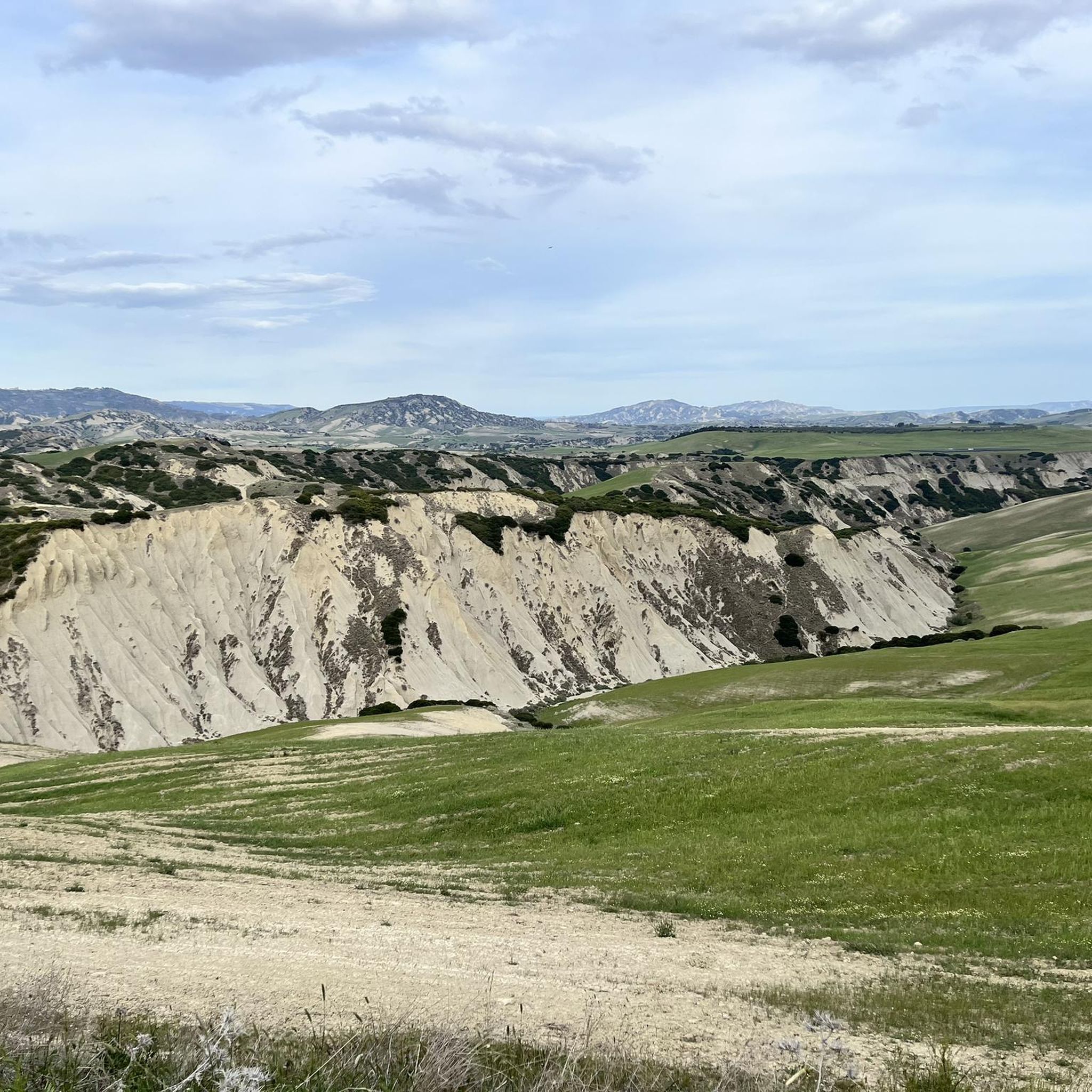
Village located between the Basento and Bradano rivers included, in part, in the San Giuliano regional reserve. The city is famous for a clay working.
1
1

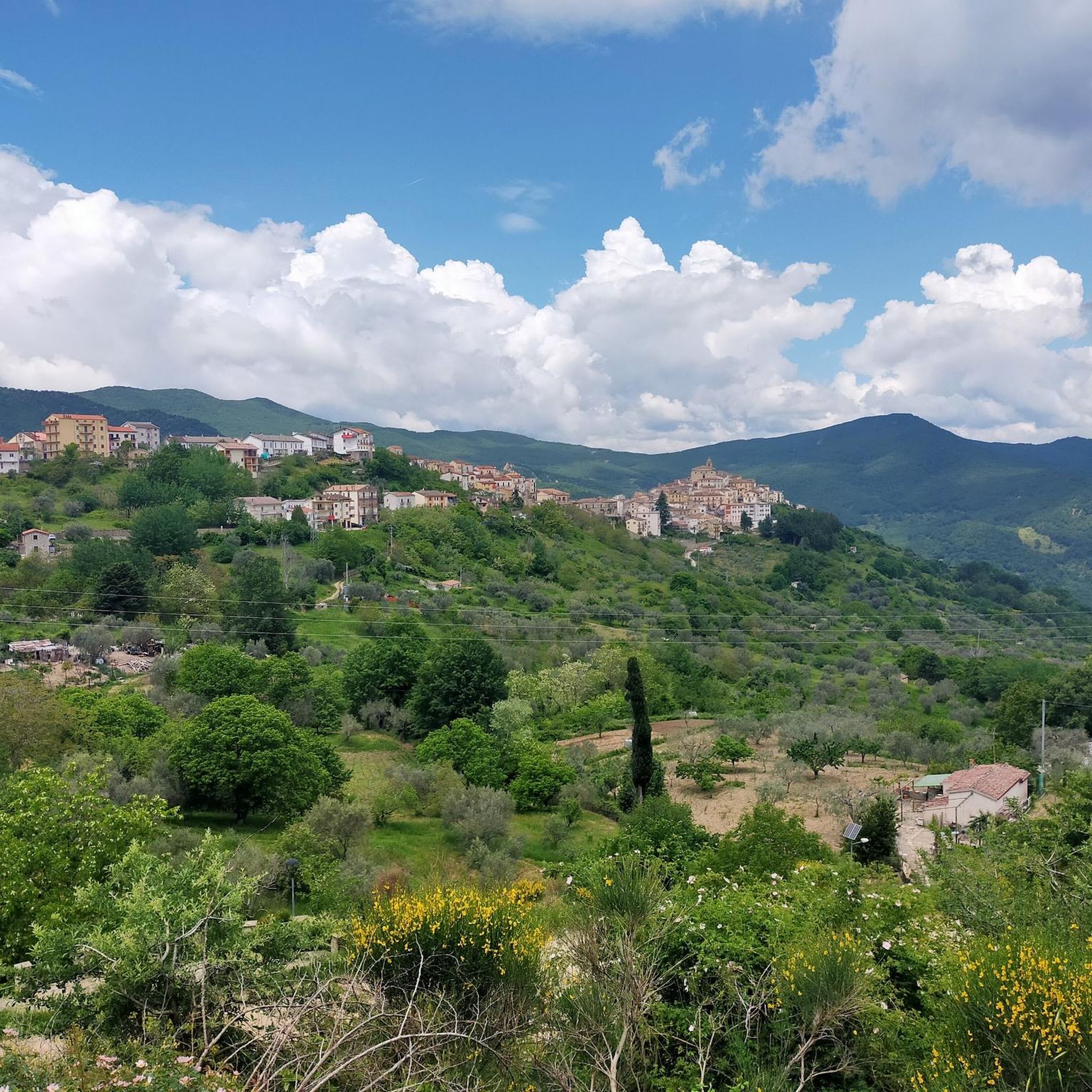
The town is an agricultural center on the edge of the Lucanian Apennines located in the upper valley of the Cavone river in the northwestern part of the province of Matera. Its territory borders on the "park of Gallipoli Cognato and the Piccole Dolomiti Lucane". The small inhabited center, perched on a rocky hill, at 492 m a.s.l., is surrounded by the spectacular profile of Mount La Croccia and the Impiso mountains (on average about 1200 meters above sea level) cloaked in dark forests and included in the aforementioned park. : ridges that separate the two Lucanian provinces in this area. To the south rises, beyond the bed of the Salandrella stream, on the border with San Mauro Forte, the steep and imposing relief of Serra Boscone (790 m), which, together with the contiguous Serra Cavallo and the Serra Antica to the west, territory of Oliveto Lucano, constitute a picturesque and suggestive wooded backdrop immediately behind the town. The Garaguso wood is very dense and impervious, consisting of large specimens of oak and Turkey oaks, with a thick undergrowth of holm oaks, alaterni and other evergreens in the lower altitudes; hornbeam, maple, dogwood, ash everywhere. Rich in springs, one of which also supplied the town, the "Boscone" of Garaguso was once populated by a fauna typical of uncontaminated and wild areas (squirrels, roe deer, wolves, as indicated by some microtoponyms of the area), to the point that the area was favored for hunting by the Revertera Dukes, as stated in the plaque of the eighteenth-century ducal palace in the center of the town. The cliff on which the town stands is very steep and surrounded by deep gorges, one of which is crossed by the picturesque "devil's bridge". It borders to the north with the municipality of Grassano (17 km), to the east with Salandra (11 km), to the south with San Mauro Forte (15 km), and to the west with Oliveto Lucano (7 km) and Calciano (7 km). It is part of the Medio Basento mountain community.
0
1
Grottole has remote origins so as to be one of the oldest centers in the region. The finds of prehistoric, Greek and Roman settlements are a precise testimony in this sense. The toponym could derive from the Greek Kruptai, hidden places, and from the Latin cryptulae or small caves, rooms used for working clay, an art for which Grottole has remained famous over the centuries. In the Magna Graecia period, Grottole was part of the VII Metapontine region, colonized by the Greeks starting from the VIII century BC. It was fortified by the Longobards, from whom it managed to escape around the year 1000. In 1061, in the Norman era, the feud of Grottole passed under the dominion of Guglielmo Braccio di Ferro, and subsequently passed to Roberto il Guiscardo and then to the counts Loffredo di Matera. Over the centuries the fiefdom of Grottole was disputed by various lordships. Carlo I D'Angiò assigned it to Ruggero di Lauro, count of Tricarico, who had supported the Angevin conquest, and from these it passed to the Monteforte and Orsini Del Balzo families. At the beginning of the sixteenth century it was a possession of the Gaetani Dell'Aquila d'Aragona family. In 1534 it passed under the dominion of the Marquises Sanchez De Luna of Aragon, the treasurers of the Kingdom of Naples, while in the following century the Caracciolos and Spinellis of San Giorgio followed one another, until 1738 when it passed to the Sanseverinos of Bisignano by marriage. After 1806, with the subversive law of feudalism, the assets were divided between the descendants of the Sanseverinos and D. Rosa Miracco, a natural daughter of Luigi Sanseverino 13th Prince of Bisignano [8], who had always been closely linked to the feud of Grottole. Only in 1874 did Grottole get rid of the last feudatory Prince Sanseverino. The municipal territory (the ancient universitas as the municipalities were once called) was divided into districts.
0
2
The settlement develops on a hill, 1150 meters above sea level, dominating the centers of Civita and Serra del Cedro di Tricarico, Accettura, Albano, lapped by important transversal routes connecting the high valleys of the Basento del Bradano and of the middle Agri valley. An area of about 6 hectares is enclosed by an imposing defensive system, consisting of 3 circuits of walls, of which the best preserved defends the acropolis of the town. The fortification of the acropolis, which surrounds an area of three hectares, is built according to Greek construction techniques. It is a double curtain with an external face made of regular blocks of sandstone, a filling of stones mixed with the ground and an internal wall made of hewn stones only on the face. The blocks bearing quarry signs in Greek letters are concentrated near the main door. The main door, of the courtyard type with an almost square compartment, open to vehicles, opens towards the east. Two small pedestrian gates are located on the northern side of the walls and two other posterns open towards the south.
1
0
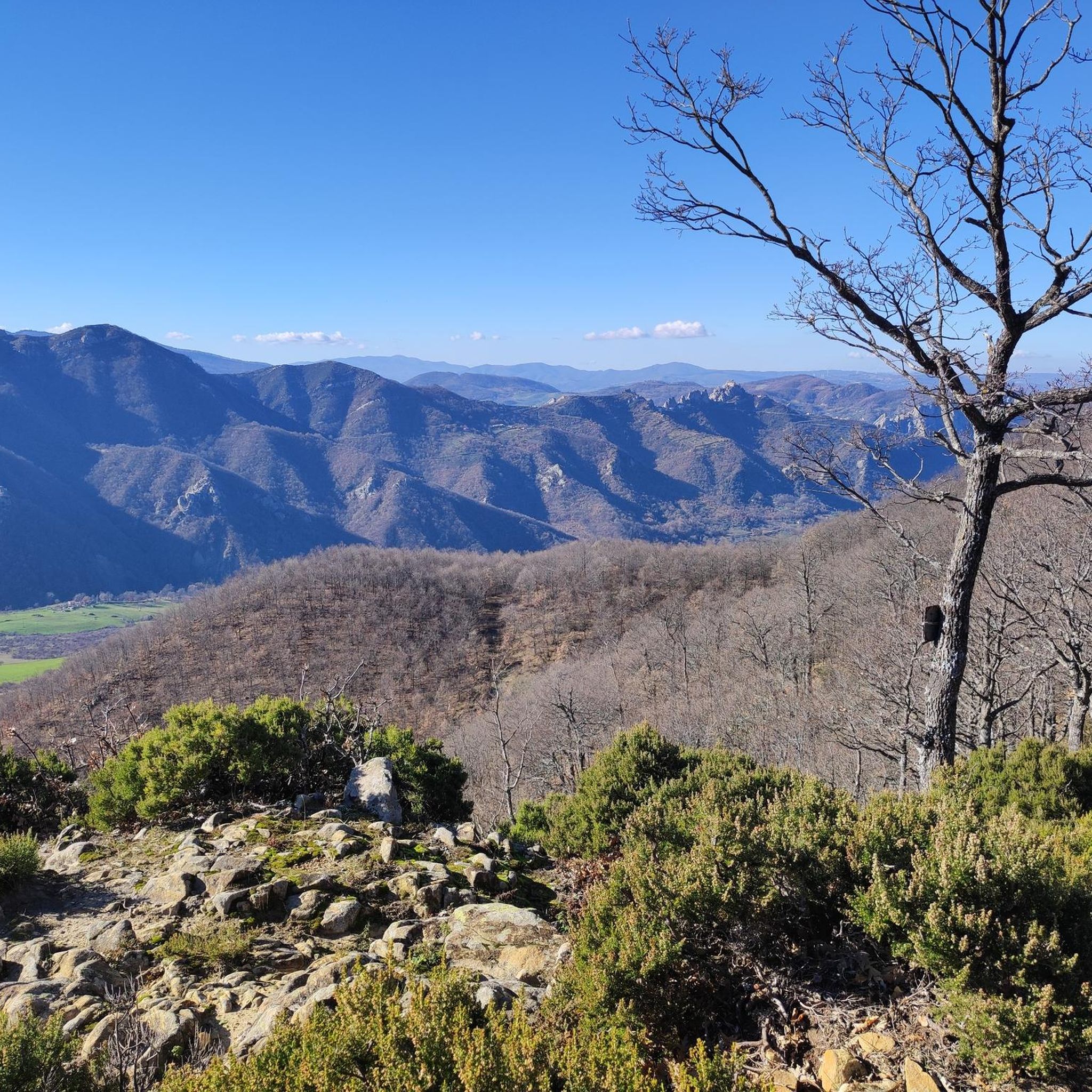
Here you will find the viewpoint from where you can observe a breathtaking show !!!!!!!!
0
0
Frequently Asked Questions
What historical and cultural sites can I explore in Garaguso and its surroundings?
Garaguso boasts a rich historical heritage. You can visit the 18th-century Palazzo Revertera and Palazzo Moles in the town center, or the Church of San Nicola di Myra, which houses a 1581 fresco. Nearby, the Historic Center of Grottole offers ancient cobbled streets and buildings, while Accettura Village is known for its history and folklore.
What natural attractions are there to see around Garaguso?
The area around Garaguso is rich in natural beauty. You can explore the picturesque Salandrella valley, ancient olive groves with monumental trees, and dense woods. A unique natural feature is the "Sabbioni di Garaguso," a golden cliff along the Salandrella stream. The region is also part of the Parco Regionale di Gallipoli Cognato - Piccole Dolomiti Lucane, offering diverse landscapes.
Are there opportunities for hiking or other outdoor activities near Garaguso?
Yes, Garaguso is an excellent base for outdoor activities. The nearby Parco Regionale di Gallipoli Cognato - Piccole Dolomiti Lucane offers numerous trekking opportunities. You can find various hiking routes, including the moderate "Pietra della Mola" trail. For more options, explore the hiking guide for Garaguso. Cycling enthusiasts can also find routes in the area, detailed in the cycling guide for Garaguso.
What is the significance of the archaeological finds near Garaguso?
Garaguso has a profound archaeological history dating back to the 6th century B.C. Significant discoveries include a small marble temple and a sculpture of the goddess Persephone from the 5th century B.C., now preserved in the Provincial Museum of Potenza. Further research has revealed an indigenous culture from the Iron Age, showing interactions with ancient Greek colonies. You can also visit the Viewpoint of Tomba 1 in Parco Regionale Gallipoli Cognato Piccole Dolomiti Lucane, which features an acropolis fortified with Greek construction techniques.
Are there any family-friendly attractions or activities available?
The region offers several options suitable for families. Exploring the charming Accettura Village with its rich history and folklore can be an engaging experience. The natural landscapes, including the Salandrella valley and the woods, provide opportunities for gentle walks and enjoying nature together. The broader Parco Regionale di Gallipoli Cognato also has trails that can be suitable for families, depending on their difficulty.
When is the best time of year to visit Garaguso for outdoor activities?
The hilly area around Garaguso, including the Parco Regionale di Gallipoli Cognato, is generally pleasant for outdoor activities during spring and autumn. These seasons offer milder temperatures, ideal for hiking and exploring the natural landscapes without the intense heat of summer or the colder, potentially wetter conditions of winter.
Where can I find unique natural landscapes like the "Sabbioni di Garaguso"?
The "Sabbioni di Garaguso," a distinctive golden cliff, can be found along the Salandrella stream. This area is also notable for its pliopleistocenic fauna, including fossils of ancient shells, indicating the region was once covered by the sea. Exploring the Salandrella valley will lead you to these unique geological formations.
What kind of wildlife or natural features can I expect to see while hiking?
The dense woods around Garaguso, particularly within the "Boscone" area, are rich in springs and were historically home to diverse wildlife such as squirrels, roe deer, and wolves. While hiking, you can expect to see large specimens of oak and Turkey oaks, with an undergrowth of holm oaks and other evergreens. The area's natural features include deep gorges and the picturesque "devil's bridge."
Can I visit ancient sites that served as 'stone calendars'?
Yes, within the Gallipoli Cognato Piccole Dolomiti Lucane Regional Park, you can visit Petre de la Mola. This natural limestone rock formation is believed to have been modified by humans in the Bronze Age to function as a "stone calendar," indicating noon and the sunset of the winter solstice.
What are some notable historical buildings in Garaguso town center?
In Garaguso's town center, you can find the 18th-century Palazzo Revertera, a former hunting residence central to the town's rebuilding after the 1694 earthquake. Another stately home is Palazzo Moles, dominating Piazza Europa. The Church of San Nicola di Myra, also rebuilt after the earthquake, houses a valuable fresco and an 18th-century wooden sculpture.
Are there any viewpoints offering panoramic views of the region?
Yes, the Viewpoint of Tomba 1 in Parco Regionale Gallipoli Cognato Piccole Dolomiti Lucane offers breathtaking views. Situated on a hill 1150 meters above sea level, it provides insights into an ancient settlement and panoramic vistas of the surrounding centers and valleys. The Garaguso Village itself, perched at 500 meters, also offers scenic views of the dense forest and Mount La Croccia.
Most popular attractions around Garaguso

Get inspired with the komoot mobile app


Explore more
Still not found the Highlight you’re looking for? See guides of the top attractions in other regions:
