Attractions and Places To See around Francavilla Fontana - Top 20
Best attractions and places to see around Francavilla Fontana include a rich array of historical landmarks, cultural sites, and natural points of interest. Situated on the edge of the Murge plateau, this historic town offers a blend of well-preserved architecture and accessible green spaces. It serves as a base for exploring both its Baroque heritage and the natural landscapes of the wider Puglia region.
Best attractions and places to see around Francavilla Fontana
- The most popular attractions is Ulmo Pine Grove, a forest that offers a picnic area and paths among Aleppo pines and Mediterranean scrub. It provides shade and fresh air, making it an ideal place for outdoor activities.
- Another must-see spot is Gravina di Riggio, a gorge known for its caves and a unique waterfall. This natural monument is part of the Terra delle Gravine Regional Park and offers a distinctive landscape.
- Visitors also love Bucito Cave, a cave connected to the Tratturo Martinese, an ancient communication route. It is known for its historical significance and annual Christmas Mass celebrations.
- Francavilla Fontana is known for its historical landmarks, cultural sites, and natural points of interest. The town offers a mix of Baroque architecture, ancient traditions, and accessible green spaces.
- The attractions around Francavilla Fontana are appreciated by the komoot community, with more than 90 upvotes and 15 photos shared.
Last updated: July 20, 2026
Ulmo Pine Grove
Highlight • Forest
The planting of the pine forest dates back to the agrarian reform of 1950, after the expropriation of landowners and the assignment to farmers of one hectare per family, intended for the cultivation of vineyards, orchards, vegetable gardens, olive groves and gardens. The laborers could have had a piece of land of their own, a house and shelters for farmyard animals. The area of the Ulmo pine forest, being rocky, was impossible to be assigned to farmers and therefore the happy intuition of creating a green lung for the city. From the testimonies of elderly people, we learned that the park was created by prisoners, who served their sentences in public social services.
Translated by Google •
Tip by

Gravina di Riggio
Highlight • Gorge
Translated by Google •
Tip by

Sign up now to discover places like this
Get recommendations on the best single tracks, peaks, & plenty of other exciting outdoor places.
Sign up for free
Bucito Cave
Highlight • Cave
For some years, in the cave annexed to the ravine, on the night of December 25 of each year, the midnight Christmas Mass has been celebrated.
Translated by Google •
Tip by
Villa Castelli Hydroelectric Power Plant
Highlight • Monument
Translated by Google •
Tip by

Sanctuary of Saints Cosmas and Damian
Highlight • Religious Site
Over the centuries, the church has been enlarged and today, at the top of the facade, it has a large statue of Christ the Redeemer. Outside, in addition to a rich portico, an outdoor church was created for the celebrations of the summer and spring period.
Dedicated to the Medici Saints Cosimo, Damiano, Antimo, Euprepio and Leonzio, the sanctuary was recently restored as part of the works for the Great Jubilee of the 2000s. Outside it also has facilities for welcoming pilgrims who come from all over the South and also from abroad. Not far from the Sanctuary, the Episcopal Curia had a modern structure built which houses the Episcopal Seminary.
Translated by Google •
Tip by

Sign up for free to discover even more attractions around Francavilla Fontana.
Sign up for free
Already have an account?
Start today with a free account
Your next adventure awaits.
Login or Signup
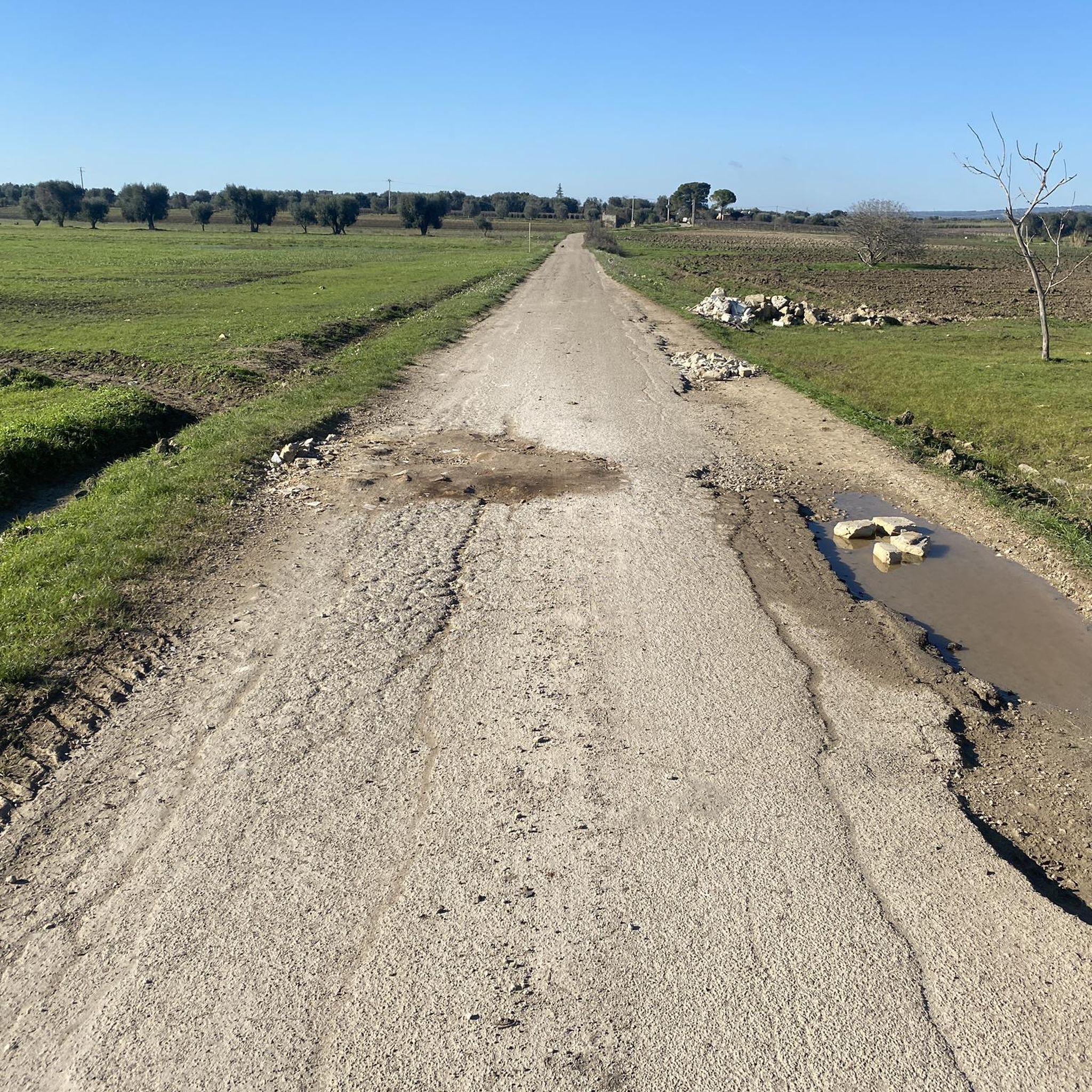
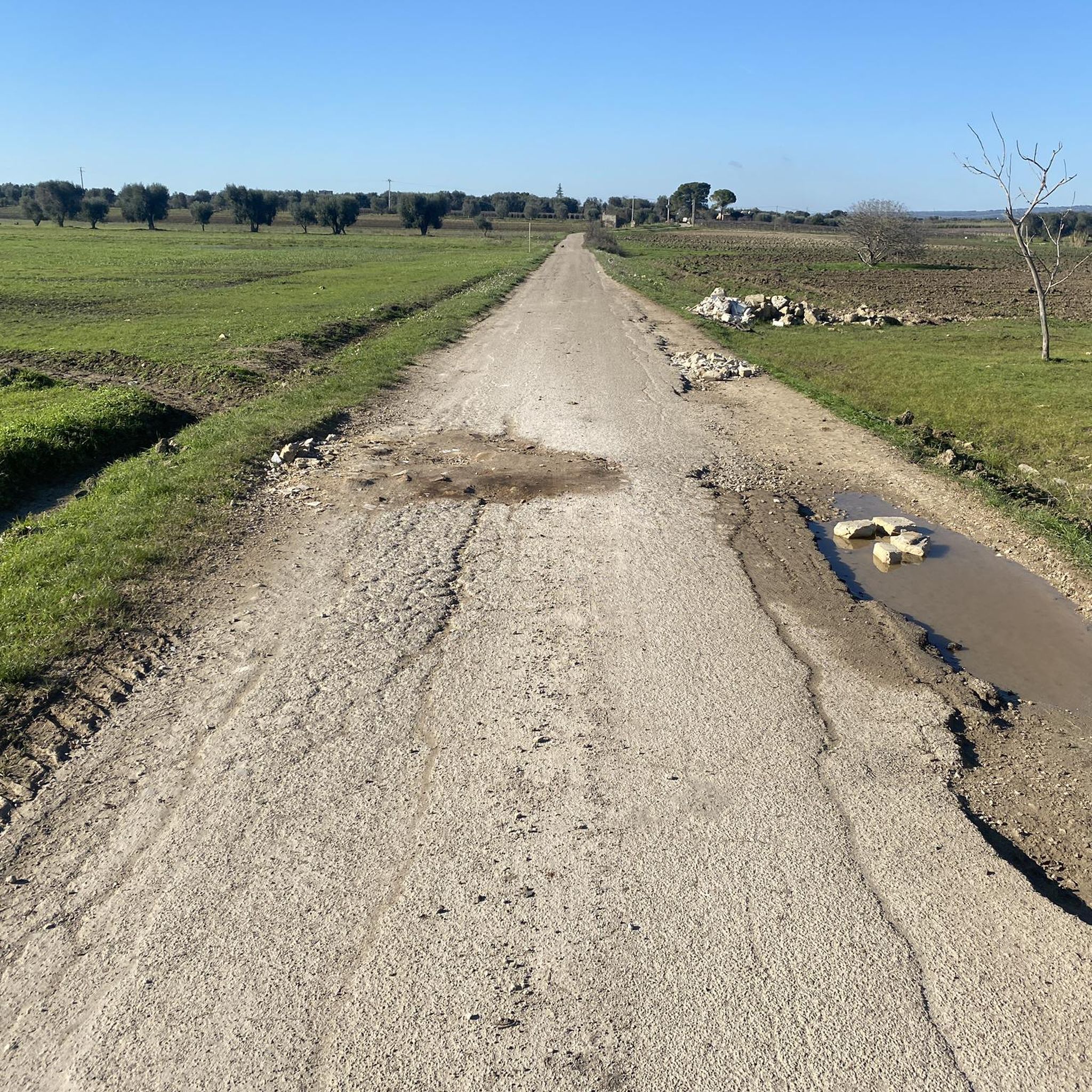
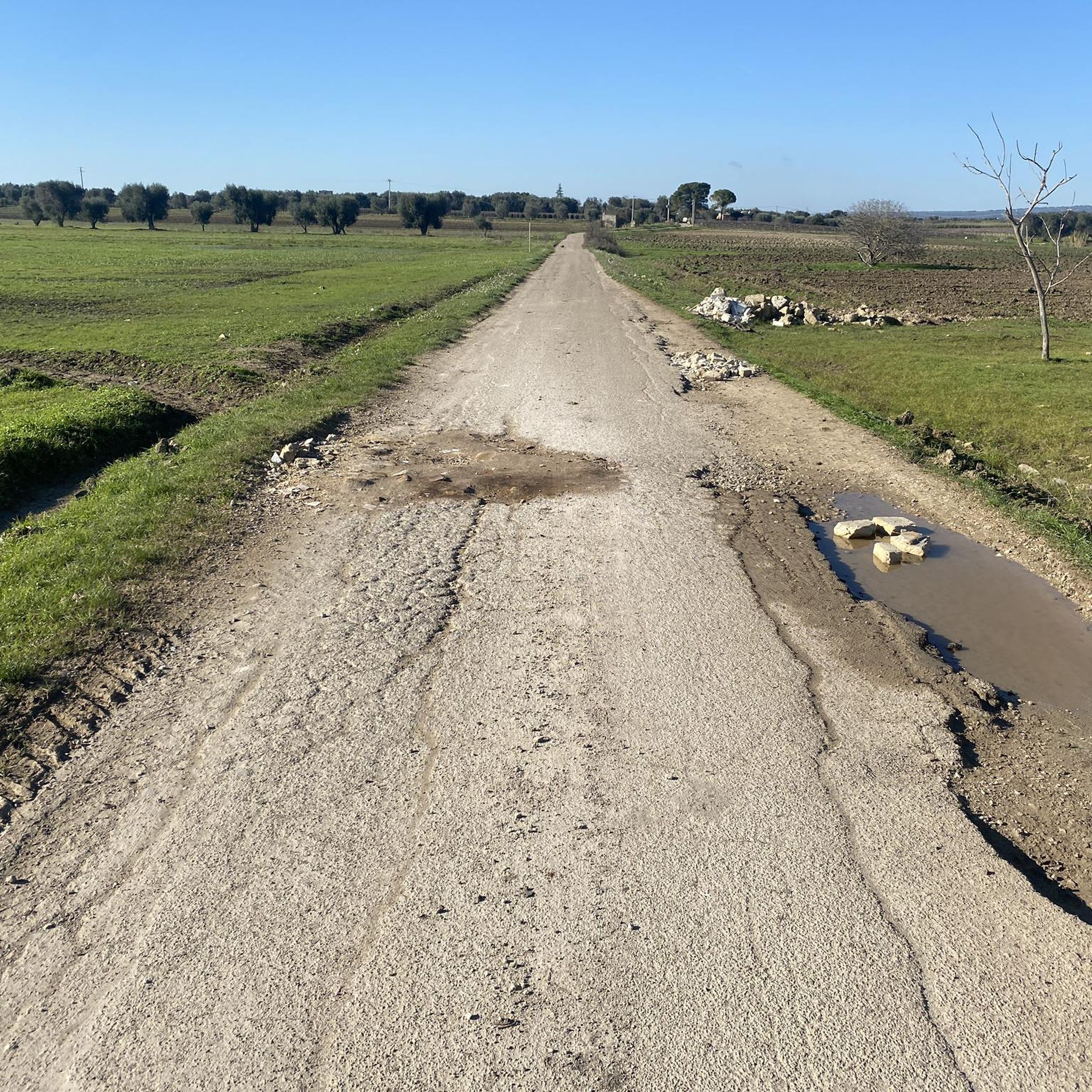

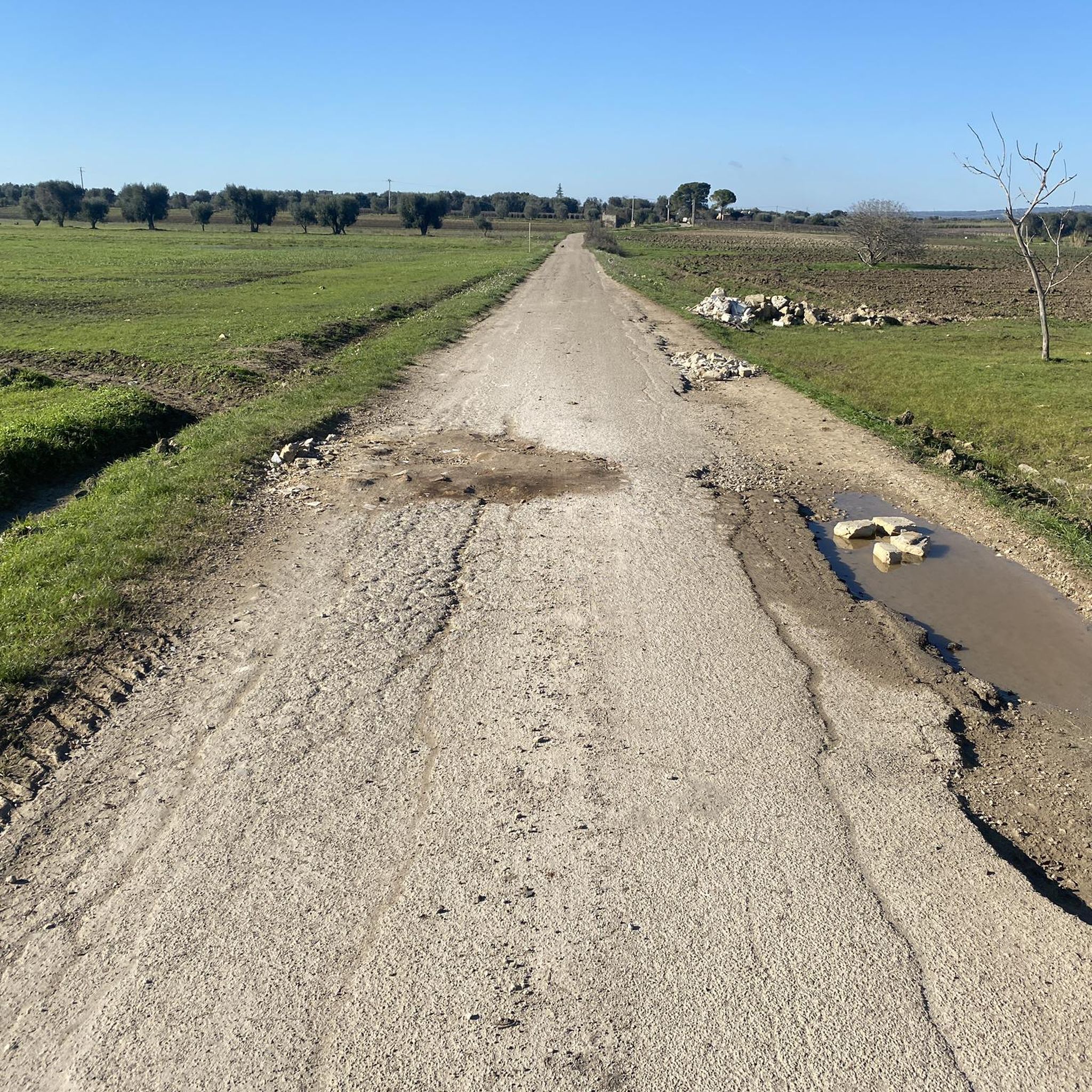
Tips from the Community

A valley with a small lake, a small natural waterfall—unique in Puglia—and numerous historical sites, from prehistory to the 10th century. A small paradise that many may not know, yet it lies within our territory. We're talking about the Gravina di Riggio, a place of great natural and historical value. A few kilometers from the city, the Gravina di Riggio is a deep valley characterized by a waterfall, a small lake, and a small stream, as well as numerous relics related to the phenomenon of "living in caves." Of particular note is "il Caggione," a circular chasm located near the waterfall. On its sheer walls, a cave village spread across three levels of caves is clearly visible. The remains of a fortification wall, some graffiti, and fragments of pottery date back to the Greek and Roman periods. Finally, the area was heavily inhabited during the Middle Ages, as evidenced by the two frescoed rock churches, the cenobitic hermitage, the pit burials, and a village with communal facilities such as water cisterns and a granary. The Gravina di Riggio rises 4 kilometers from Grottaglie, in the province of Taranto, and is a valley 1,300 meters long and 25 meters deep. In addition to being home to many animal and plant species, it is famous for its caves, some of natural origin, others man-made. The Gravina di Riggio is unique for its waterfall, which after a 15-meter drop feeds a small lake and a stream. The Church-Crypt of the Savior, with frescoes from the 10th and 11th centuries, is also beautiful. A special place not to be missed.
0
0
This hydroelectric plant was once covered in tall pine trees (and still is today) to prevent it from being bombed during World War II. The area is known as "abbascj alla Centrel," and in the past, many people bathed in the canals built near the plant and running through the countryside; the water was fresh, clear, and drinkable. Unfortunately, the canals are poorly maintained, but this place continues to fascinate tourists and all those who come to visit, upon request, especially in May, if they wish to enter the plant. The Apulian Aqueduct Cycle Route has been open for several years next to the hydroelectric plant. This cycle route allows many bike and nature lovers to pedal, walk, and observe the many wonderful places of the Murgia, the Itria Valley, and Salento.
0
0

The Ulmo Pine Forest, featuring a picnic area equipped with wooden tables and benches, extends over approximately ten hectares in the Ceglie Messapica area, in the heart of the Itria Valley. It's the ideal place to spend a relaxing day with friends and family, sheltered by the shade of the Mediterranean scrub and dense Aleppo pine forest, or simply to take a break before continuing your exploration of the surrounding countryside and the nearby towns of the Itria Valley.
0
0

Built in 1919 and still active, with the original machinery inside, it is a testimony to the technological aspects of this heritage and its evolution over time, with recent adjustments and attention to the use of renewable energy sources.
0
0
This power plant, which already existed in 1929, produced electricity until 1971. Since March 16, 2009, after almost 40 years, thanks to the use of new technologies and the commitment of the Apulian Aqueduct, it has been operational again, as part of an A.Q.P. Plan.
0
0
"The Bucito Cave", in Grottaglie I'll make a very brief introduction: generally the manifestations of worship in caves, here, refer to what is the devotion for the Archangel Michael (quis ut Deus). And we owe this to the Lombards who made him their national saint. I would not leave out, however, the Byzantines of Puglia among whom this saint enjoyed enormous popularity. "The Grottaglie area, like other places in the area, has been inhabited by man since the most remote times. In fact, in some districts (Bucito, Coluccio and Lonoce) roughly worked stone tools, splinters and processing residues have been found, belonging to the Paleolithic, that is, to the period of the Ancient Stone. The Buccito Cave (or Coluccio), near Grottaglie, is located at an important road junction, closely connected to the Tratturo Martinese. These are the oldest signs of the presence of man in our territory. In the Neolithic Age (from the mid-5th to the first centuries of the 4th millennium BC) the first agricultural villages began to emerge (Bucito and Caprarica). Caves and natural caverns were then used in all phases of the Bronze and Iron Ages, especially in the villages of Riggio, Lonoce, Fullonese and Pensieri. In the last period of the Bronze Age, the agricultural economy took over from pastoralism, so the ravines were gradually abandoned to form small urban-type settlements. This process was however stifled with the foundation of Taranto by Spartan colonists (towards the end of the 8th century BC)” (From metropolis.it) Why is it called that? The cave takes its name from the Greek term βοῦς, βοός- bus,- or “ox” and οἰκία or “house, shelter, dwelling” and therefore, originally, indicated a place of shelter for these animals. The Greek etymology is evidence of both Magna Graecia, of Byzantine d+-++-homination and of the subsequent presence of the Basilian monks in our territory For some years, in this cave, the mass of December 24th was celebrated. Suggestive! A custom that would be nice to resume, both for our religion and for our traditions.
0
0
The Cave is part of the Gravine di Grottaglie and is located in the Terra delle Gravine Regional Park. The Bucito cave (also known as the Coluccio cave) is located in an important road junction, closely connected to the Tratturo Martinese, an ancient primary communication route until the 19th century in Puglia. On a boulder adjacent to the cave there are two statuettes, one of Padre Pio da Pietrelcina and one of Jesus Christ. Until a few years ago, in the Bucito cave, on the night of December 25, the inhabitants of Grottaglie and the surrounding area flocked there for the Christmas vigil and for the celebration of the Midnight Christmas Mass.
0
0
For safety reasons, the Riggio ravine cannot be visited independently, since it is a private property to which access is forbidden, but it is possible to visit it during groups organized by Millenari di Puglia to be able to enjoy the beauty and uniqueness of these places safely and with the help of an expert guide.
0
0
Frequently Asked Questions
What natural attractions can I explore around Francavilla Fontana?
You can discover several natural points of interest. The Ulmo Pine Grove offers a refreshing forest with picnic areas and paths. For a more rugged experience, Gravina di Riggio is a notable gorge with caves and a unique waterfall, part of the Terra delle Gravine Regional Park. Additionally, the Bosco Bottari City Park provides a significant forest area with oaks and holm oaks.
Are there historical landmarks to visit in Francavilla Fontana?
Yes, Francavilla Fontana is rich in history. The imposing Castello Imperiali, dating back to the 1450s, is a central historical site. The Minor Basilica of the Most Holy Rosary, a stunning Baroque church, is another prominent landmark. You can also see the Torre dell'Orologio (Clock Tower) in Piazza Umberto I and explore numerous historic palazzi throughout the town, showcasing its aristocratic past.
What cultural events or traditions are notable in Francavilla Fontana?
The town has deep-rooted traditions. During Holy Week, the Processione dei Misteri features hooded penitents carrying statues through the streets. Annually in April, the Fiera di San Marco celebrates local crafts, food, and culture, dating back to the Middle Ages. The town's patron saint, Madonna della Fontana, is celebrated with a grand procession and festival on the first Sunday of September.
Can I find family-friendly places to visit in Francavilla Fontana?
Yes, the Ulmo Pine Grove is an excellent family-friendly option, offering a picnic area and shaded paths perfect for a day out. The Sanctuary of Saints Cosmas and Damian is also listed as family-friendly and provides a peaceful setting.
Are there opportunities for outdoor activities like cycling or running near these attractions?
Absolutely. Francavilla Fontana offers various routes for outdoor enthusiasts. For road cycling, you can find routes like the 'Chapel of the Madonnina – Episcopal Castle loop'. Mountain biking trails include the 'Tratturo Bottari – Masseria Antoglia Wind Farm loop'. Runners can explore routes such as the 'Palazzo Giannuzzi Carissimo – Castello degli Imperiali loop'. You can find more details and specific routes in the Road Cycling Routes, MTB Trails, and Running Trails guides around Francavilla Fontana.
What is the significance of the <a href="https://www.komoot.com/highlight/2031689" target="_blank" rel="noopener">Bucito Cave</a>?
The Bucito Cave, also known as Coluccio Cave, is an important historical site connected to the Tratturo Martinese, an ancient communication route in Puglia. It is known for its historical significance and for the annual midnight Christmas Mass celebrated there.
What is the <a href="https://www.komoot.com/highlight/5027991" target="_blank" rel="noopener">Villa Castelli Hydroelectric Power Plant</a> and can I visit it?
The Villa Castelli Hydroelectric Power Plant is a historical and technological landmark that harnesses water kinetic energy to produce electricity. While it's a significant site, the provided information does not specify if it's open for public tours or visits. It is a notable point of interest for those exploring the Apulian aqueduct by bike.
What is the best time of year to visit Francavilla Fontana?
Francavilla Fontana can be enjoyed throughout the year. Spring and autumn offer pleasant temperatures for exploring historical sites and natural areas. Summer is vibrant with local festivals, though it can be quite warm. The town's traditions, like the Processione dei Misteri during Holy Week, make spring a culturally rich time to visit.
Are there any ancient structures or archaeological sites to see?
Beyond the medieval castle, you can find 'Specchie,' which are ancient stone piles dating back to the Messapi period. These were used as lookouts or tombs and can be found near areas like Specchia Calò, offering a glimpse into the region's ancient past.
Where can I experience the town's Baroque architecture?
The heart of Francavilla Fontana, particularly around Piazza Umberto I, is where you'll find the most prominent examples of Baroque architecture. The Minor Basilica of the Most Holy Rosary is a prime example with its richly decorated façade and interior. Strolling through the historic center will also reveal numerous elegant palazzi, such as Palazzo Argentina and Palazzo Caroli, showcasing intricate stonework and ornate balconies.
What do visitors enjoy most about Francavilla Fontana's natural spots?
Visitors particularly appreciate the tranquility and natural beauty. For instance, the Ulmo Pine Grove is praised for its well-kept paths, picnic areas, and the shade it provides, making it ideal for spending a day outdoors. The unique landscape and historical significance of sites like Gravina di Riggio also draw considerable interest.
Most popular routes around Francavilla Fontana
Most popular attractions around Francavilla Fontana

Get inspired with the komoot mobile app


Explore more
Still not found the Highlight you’re looking for? See guides of the top attractions in other regions:
