Attractions and Places To See around Grassano - Top 20
Best attractions and places to see around Grassano include a mix of historical sites, cultural landmarks, and natural landscapes in the Basilicata region of Italy. Situated at the edge of the Lucanian Apennines in the upper valley of the Cavone river, the town offers views of the typical Basilicata landscape. Grassano is known for its connection to author Carlo Levi and its historical buildings, providing insights into the region's heritage.
Best attractions and places to see around Grassano
- The most popular attractions is Historic Center of Grottole, a historical site that presents itself as a village divided into two distinct parts: an ancient part with cobbled streets and historic buildings, and a modern part. It is one of the oldest centers in the region, with finds of prehistoric, Greek, and Roman settlements.
- Another must-see spot is Norman Tower of Tricarico, a man-made monument. This prominent Norman tower stands out on the skyline of Tricarico, a medieval village with one of the best-preserved historic centers in Basilicata.
- Visitors also love Scenic Road Between Grassano and Garaguso, a viewpoint offering panoramic views of the typical Basilicata landscape. This well-asphalted road is suitable for cycling or scenic drives, with little traffic.
- Grassano is known for its historical sites, cultural landmarks, and natural viewpoints. Visitors can explore ancient villages, prominent towers, and scenic routes that showcase the region's diverse offerings.
- The attractions around Grassano are appreciated by the komoot community, with 2 highlights featuring 20 photos and receiving 11 upvotes.
Last updated: August 30, 2026
Historic Center of Grottole
Highlight • Historical Site
Translated by Google •
Tip by

Garaguso Village
Highlight • Settlement
Translated by Google •
Tip by

Sign up now to discover places like this
Get recommendations on the best single tracks, peaks, & plenty of other exciting outdoor places.
Sign up for free
Tricarico
Highlight • Monument
Translated by Google •
Tip by
Scenic Road Between Grassano and Garaguso
Highlight • Viewpoint
Translated by Google •
Tip by

Basento Bridge
Highlight • Bridge
Translated by Google •
Tip by

Sign up for free to discover even more attractions around Grassano.
Sign up for free
Already have an account?
Start today with a free account
Your next adventure awaits.
Login or Signup

Other adventures around Grassano

Tips from the Community

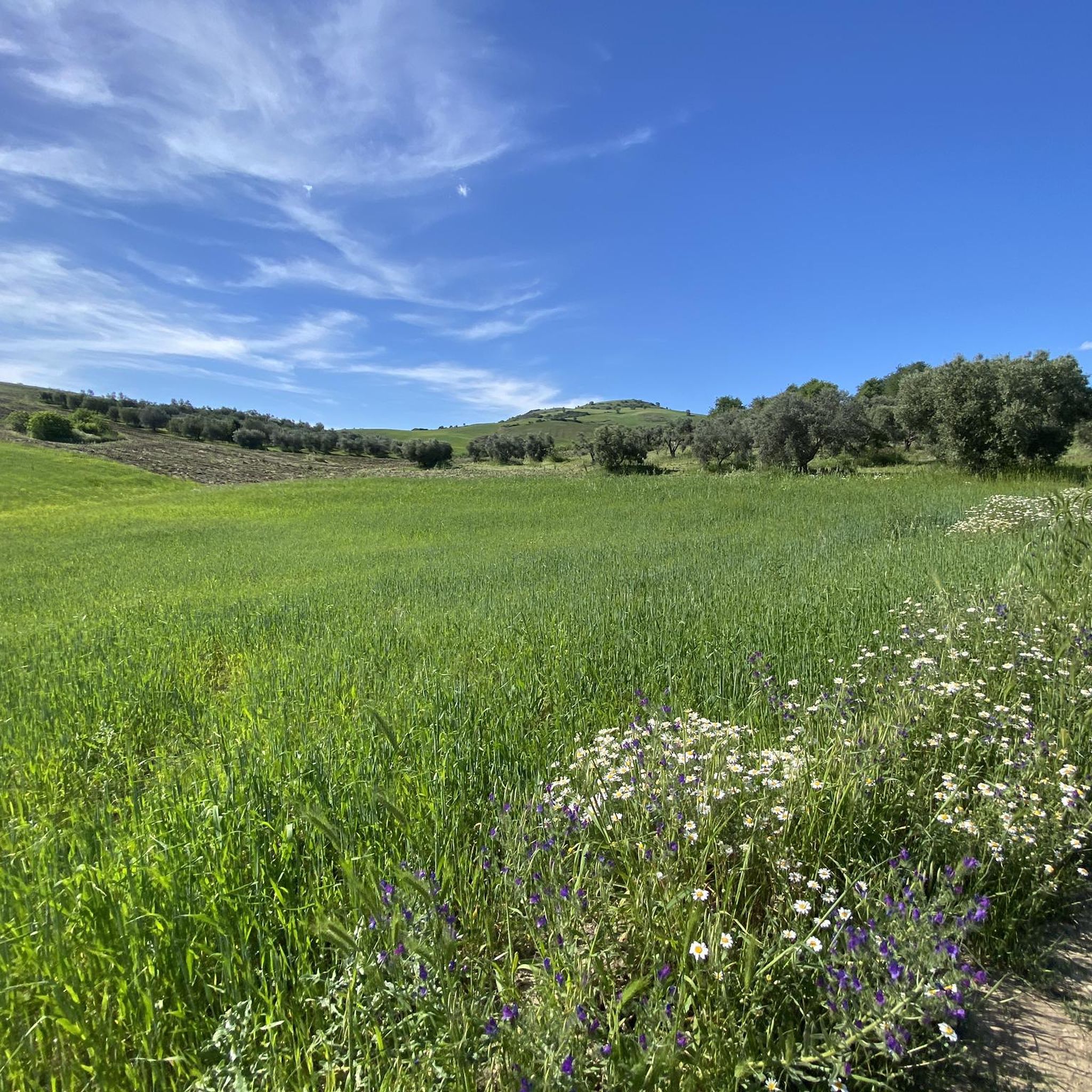
Shortly after crossing the Basento stream, between Grassano and Garaguso, a light and very panoramic climb takes you towards the latter Lucanian municipality. The road is well asphalted, completely traffic-free and perfect for enjoying the typical landscapes of this area of Basilicata.
1
0

Grottole presents itself as a village divided into two distinct parts: the ancient part, full of cobbled streets and historic buildings that narrate the history of the community, and the modern part, more functional and contemporary. While the old Grottole enchants with its timeless charm and its authenticity rooted in history, the new Grottole offers a vision of the growth and evolution of the city. The contrast between the two parts adds a unique element to the experience of visiting Grottole, highlighting the diversity and coexistence of past and present.
1
0

Medieval village of Norman origin with one of the best preserved historic centers in Basilicata. Famous above all for the Norman tower that stands out on the skyline of the city.
1
0
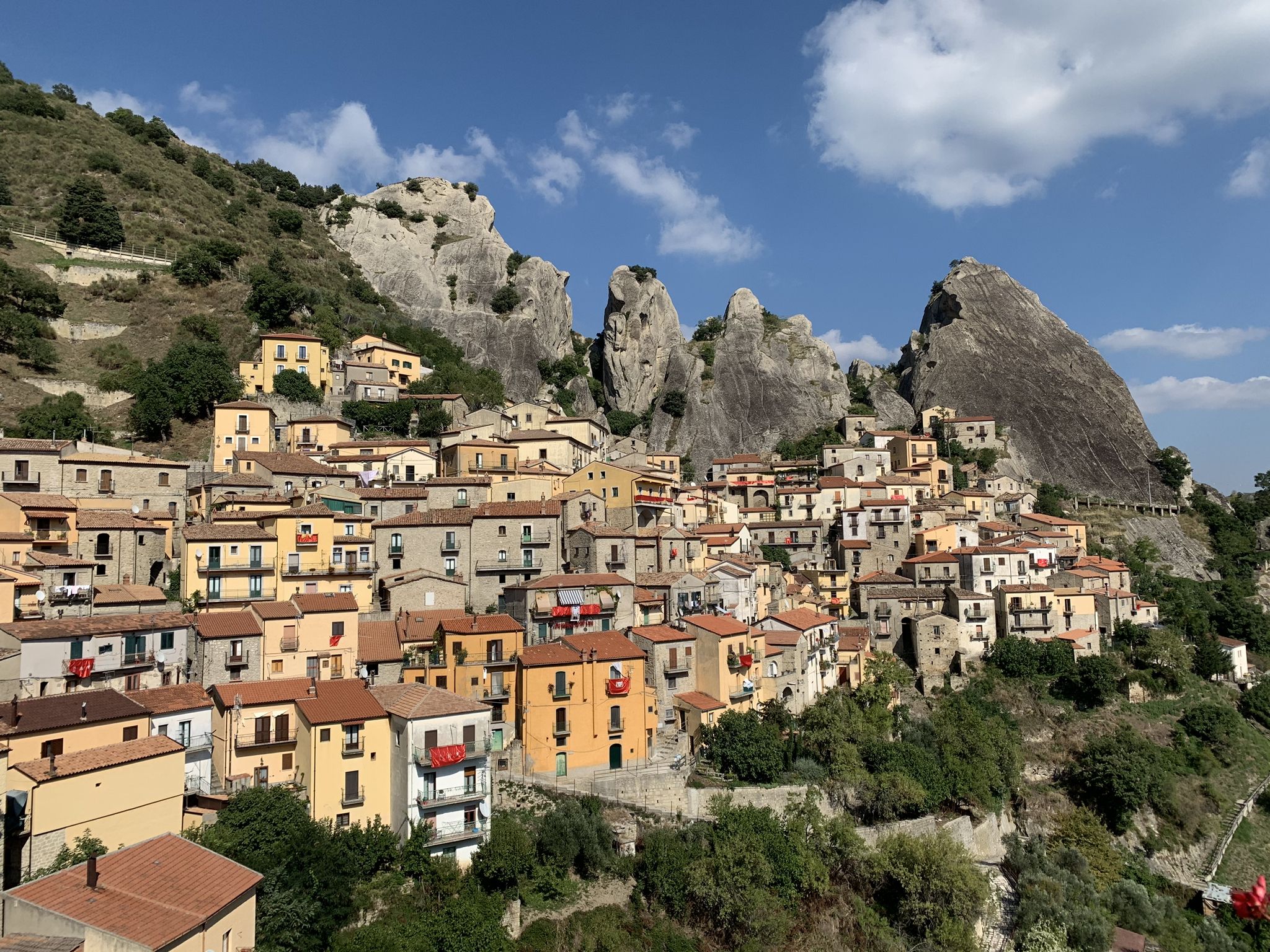
Small town, perched at an altitude of 500 metres, at the gates of the park of the Piccole Dolomiti Lucane. All around, a dense forest and the majestic profile of Mount La Croccia.
1
0
Village located between the Basento and Bradano rivers included, in part, in the San Giuliano regional reserve. The city is famous for a clay working.
1
1

The town is an agricultural center on the edge of the Lucanian Apennines located in the upper valley of the Cavone river in the northwestern part of the province of Matera. Its territory borders on the "park of Gallipoli Cognato and the Piccole Dolomiti Lucane". The small inhabited center, perched on a rocky hill, at 492 m a.s.l., is surrounded by the spectacular profile of Mount La Croccia and the Impiso mountains (on average about 1200 meters above sea level) cloaked in dark forests and included in the aforementioned park. : ridges that separate the two Lucanian provinces in this area. To the south rises, beyond the bed of the Salandrella stream, on the border with San Mauro Forte, the steep and imposing relief of Serra Boscone (790 m), which, together with the contiguous Serra Cavallo and the Serra Antica to the west, territory of Oliveto Lucano, constitute a picturesque and suggestive wooded backdrop immediately behind the town. The Garaguso wood is very dense and impervious, consisting of large specimens of oak and Turkey oaks, with a thick undergrowth of holm oaks, alaterni and other evergreens in the lower altitudes; hornbeam, maple, dogwood, ash everywhere. Rich in springs, one of which also supplied the town, the "Boscone" of Garaguso was once populated by a fauna typical of uncontaminated and wild areas (squirrels, roe deer, wolves, as indicated by some microtoponyms of the area), to the point that the area was favored for hunting by the Revertera Dukes, as stated in the plaque of the eighteenth-century ducal palace in the center of the town. The cliff on which the town stands is very steep and surrounded by deep gorges, one of which is crossed by the picturesque "devil's bridge". It borders to the north with the municipality of Grassano (17 km), to the east with Salandra (11 km), to the south with San Mauro Forte (15 km), and to the west with Oliveto Lucano (7 km) and Calciano (7 km). It is part of the Medio Basento mountain community.
0
1
Grottole has remote origins so as to be one of the oldest centers in the region. The finds of prehistoric, Greek and Roman settlements are a precise testimony in this sense. The toponym could derive from the Greek Kruptai, hidden places, and from the Latin cryptulae or small caves, rooms used for working clay, an art for which Grottole has remained famous over the centuries. In the Magna Graecia period, Grottole was part of the VII Metapontine region, colonized by the Greeks starting from the VIII century BC. It was fortified by the Longobards, from whom it managed to escape around the year 1000. In 1061, in the Norman era, the feud of Grottole passed under the dominion of Guglielmo Braccio di Ferro, and subsequently passed to Roberto il Guiscardo and then to the counts Loffredo di Matera. Over the centuries the fiefdom of Grottole was disputed by various lordships. Carlo I D'Angiò assigned it to Ruggero di Lauro, count of Tricarico, who had supported the Angevin conquest, and from these it passed to the Monteforte and Orsini Del Balzo families. At the beginning of the sixteenth century it was a possession of the Gaetani Dell'Aquila d'Aragona family. In 1534 it passed under the dominion of the Marquises Sanchez De Luna of Aragon, the treasurers of the Kingdom of Naples, while in the following century the Caracciolos and Spinellis of San Giorgio followed one another, until 1738 when it passed to the Sanseverinos of Bisignano by marriage. After 1806, with the subversive law of feudalism, the assets were divided between the descendants of the Sanseverinos and D. Rosa Miracco, a natural daughter of Luigi Sanseverino 13th Prince of Bisignano [8], who had always been closely linked to the feud of Grottole. Only in 1874 did Grottole get rid of the last feudatory Prince Sanseverino. The municipal territory (the ancient universitas as the municipalities were once called) was divided into districts.
0
2

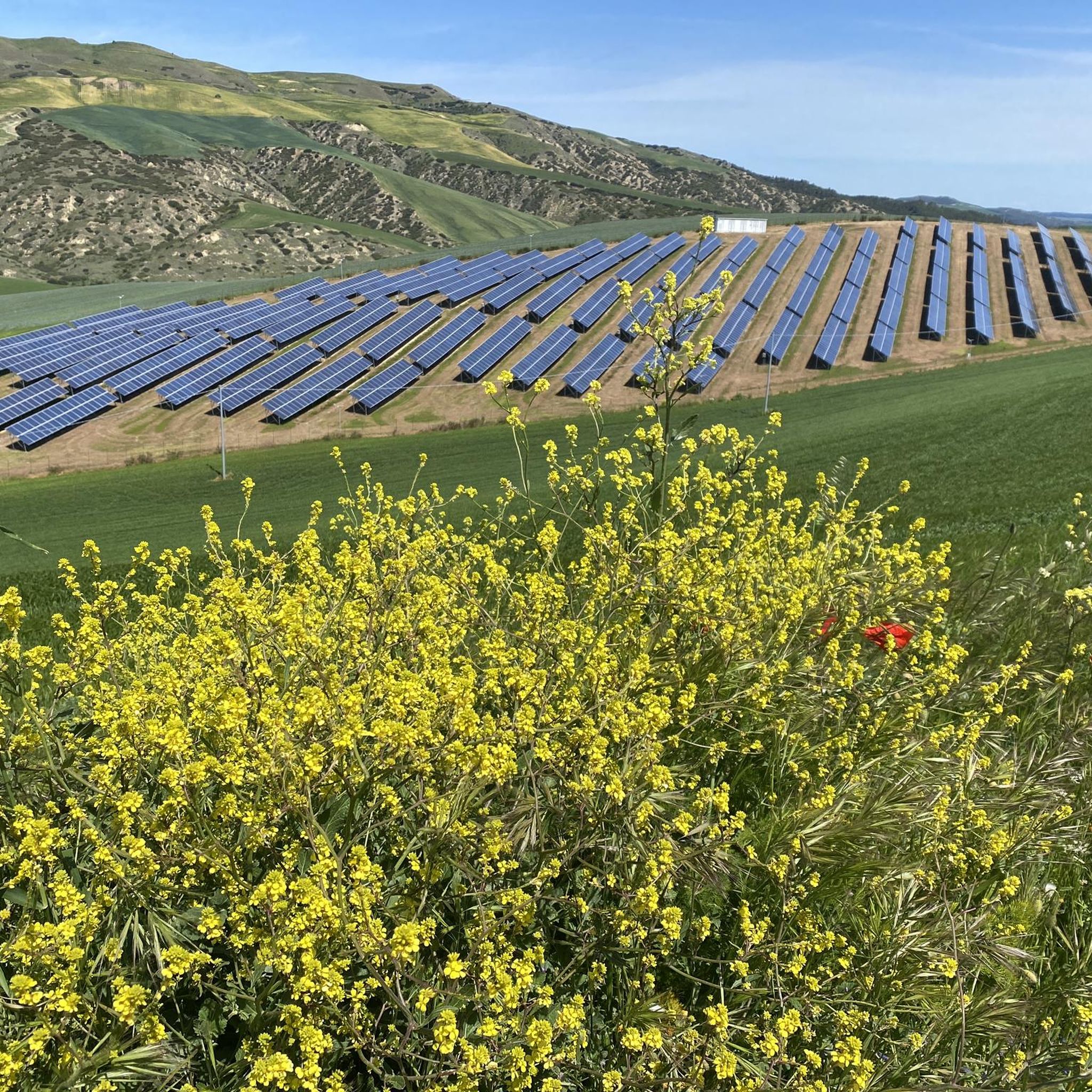
between Garaguso and Grassano a valley crossed by the Basento
0
0
Frequently Asked Questions
What historical and cultural sites can I explore in Grassano?
Grassano offers a rich historical and cultural experience. You can visit the well-preserved Palazzo Materi, which houses an artistic nativity scene by Franco Artese and serves as the seat of the municipality and a museum. Other significant religious sites include the Mother Church dedicated to San Giovanni Battista, the Church of Our Lady of Snow, and the Convent of Santa Maria del Carmine, featuring frescoes by Guarino. The town also celebrates its connection to author Carlo Levi, who was exiled here and mentioned Grassano in his book 'Christ Stopped at Eboli'.
Are there any natural viewpoints or scenic drives near Grassano?
Yes, the area around Grassano is known for its scenic beauty. A notable highlight is the Scenic Road Between Grassano and Garaguso, which offers panoramic views of the typical Basilicata landscape. This well-asphalted road is ideal for cycling or scenic drives with little traffic. Additionally, the Garaguso Village itself is perched on a rocky hill, surrounded by a dense forest and the majestic profile of Mount La Croccia, offering beautiful vistas.
What historical villages are worth visiting near Grassano?
You can explore several historical villages. The Historic Center of Grottole is a must-see, divided into an ancient part with cobbled streets and historic buildings, and a modern part. It's one of the oldest centers in the region with prehistoric, Greek, and Roman settlements. Another significant site is Tricarico, home to the prominent Norman Tower of Tricarico, standing out in a medieval village with one of Basilicata's best-preserved historic centers.
What outdoor activities can I do near Grassano?
The region around Grassano is excellent for outdoor activities, especially cycling and mountain biking. You can find various routes, such as the 'Garaguso, Campomaggiore and Tricarico – loop tour in the Parco regionale di Gallipoli Cognato Piccole Dolomiti Lucane' for road cycling, or the 'Monte Croccia Loop from Calciano' for mountain biking. For more options, explore the MTB Trails around Grassano, Road Cycling Routes around Grassano, and Cycling around Grassano guides.
Are there any hiking or trekking routes available near Grassano?
While specific hiking trails directly within Grassano are not detailed, the town is situated at the edge of the Lucanian Apennines and borders the 'park of Gallipoli Cognato and the Piccole Dolomiti Lucane,' which offers numerous trekking opportunities. The Scenic Road Between Grassano and Garaguso is also suitable for walking and enjoying the landscape. For more structured routes, consider the cycling guides which often follow scenic paths suitable for walking, such as those found in the Cycling around Grassano guide.
What is the connection between Grassano and Carlo Levi?
Grassano holds a significant connection to the renowned Italian author Carlo Levi. It was one of the places where he was exiled during the Fascist regime. His experiences in Grassano and the broader Lucanian region are famously documented in his acclaimed book 'Christ Stopped at Eboli.' The town honors his legacy with dedicated events and cultural initiatives, including a Pinacoteca (art gallery) that houses works by Levi related to his time in Lucania.
What kind of landscape can I expect to see around Grassano?
Grassano is nestled at the edge of the Lucanian Apennines in the upper valley of the Cavone river. The surrounding landscape is characterized by typical Basilicata scenery, featuring rolling hills, dense forests, and agricultural lands. You'll find panoramic views, especially along routes like the Scenic Road Between Grassano and Garaguso, and the area borders the 'park of Gallipoli Cognato and the Piccole Dolomiti Lucane,' indicating a rich natural environment.
Are there any notable religious buildings in Grassano?
Yes, Grassano has several significant religious buildings. The Mother Church dedicated to San Giovanni Battista, dating back to the seventeenth century, houses a statue of Sant'Innocenzo, the patron saint. Other notable churches include the Church of Our Lady of Snow and the Convent of Santa Maria del Carmine, which is known for its frescoes by Guarino. There is also the Convent of the Franciscan Fathers.
What is the Basento Bridge and where is it located?
The Basento Bridge is a point of interest located near Grassano, specifically between Garaguso and Grassano. It crosses the Basento stream and is situated just before the railway station. It can be a convenient spot to pause during a journey, with some amenities nearby.
What makes the Historic Center of Grottole unique?
The Historic Center of Grottole is unique because it presents itself as a village divided into two distinct parts: an ancient section with charming cobbled streets and historic buildings that tell the community's long history, and a more modern, functional part. This contrast highlights the coexistence of past and present, offering a unique visitor experience. Grottole also has remote origins, being one of the oldest centers in the region with evidence of prehistoric, Greek, and Roman settlements.
What is the significance of Palazzo Materi in Grassano?
Palazzo Materi is a well-preserved noble building in Grassano with significant cultural importance. It is renowned for housing an artistic nativity scene created by master Franco Artese, contributing to Grassano's reputation as the 'village of cribs.' Beyond this, it serves as the seat of the municipality and a museum dedicated to the Materi family, showcasing a blend of Baroque and Neoclassical architectural styles.
Can I find any forests or natural parks near Grassano?
Yes, Grassano is situated bordering the 'park of Gallipoli Cognato and the Piccole Dolomiti Lucane,' offering access to a rich natural environment. The area around Garaguso Village, for instance, features a dense and impervious wood, consisting of large specimens of oak and Turkey oaks, with a thick undergrowth. This region is part of the Lucanian Apennines, providing a natural oasis for exploration.

Get inspired with the komoot mobile app


Explore more
Still not found the Highlight you’re looking for? See guides of the top attractions in other regions:
