Attractions and Places To See around Cisternino - Top 20
Best attractions and places to see around Cisternino include its historic center, panoramic viewpoints, and natural features within the Itria Valley. This hilltop town in Puglia is recognized for its whitewashed old town, characterized by winding alleyways and historic buildings. The surrounding landscape features rolling hills, ancient olive groves, and distinctive trulli houses. Cisternino serves as a base for exploring both cultural landmarks and scenic natural surroundings.
Best attractions and places to see around Cisternino
- The most popular attractions is…
Last updated: July 7, 2026
Historic Center of Locorotondo
Highlight • Historical Site
Translated by Google •
Tip by

Column of Saint Oronzo (Colonna di Sant'Oronzo), Ostuni
Highlight • Monument
The column, almost 21 meters high, and is also known as the “spire”. It stands in Piazza della Libertà, in the historic …
Translated by Google •
Tip by

Sign up now to discover places like this
Get recommendations on the best single tracks, peaks, & plenty of other exciting outdoor places.
Sign up for free
Galante Aqueduct Bridge (Apulian Aqueduct Cycleway)
Highlight • Bridge
Translated by Google •
Tip by

Figazzano Bridge
Highlight • Bridge
Translated by Google •
Tip by

Church of San Francesco
Highlight • Religious Site
Translated by Google •
Tip by

Sign up for free to discover even more attractions around Cisternino.
Sign up for free
Already have an account?
Start today with a free account
Your next adventure awaits.
Login or Signup
Popular around Cisternino


Tips from the Community

It was part of a Franciscan monastery that existed until 1809 and today, together with the former monastery, which is now the town hall, forms an important cultural center of the city. Originally Gothic, the facade was renovated in the Baroque style in the 17th century. The interior is characterized by a single nave, side altars, and colorful stained glass windows.
1
0

A small town that can be reached in less than an hour; excellent for a stopover during a journey.
0
0

A church dating back to 1304, built by the Conventual Fathers Minor, who cared for it for over five centuries, the church of San Francesco, following the first suppression of the religious orders, was handed over to the Archconfraternity of the Immaculate Conception, which still manages it today.
4
0

Locorotondo is a characteristic Apulian village located in the Itria Valley, with a circular layout, known for its “cummerse”, typical houses with sloping roofs.
0
0

The church was originally built in the Romanesque style, then altered in the Gothic style and finally completely renovated in 1615 and completely redesigned in the Baroque style with painting and other restoration work in the second half of the 18th century.
1
0
It is also very lively and turbulent here due to the many cafés and restaurants.
1
0

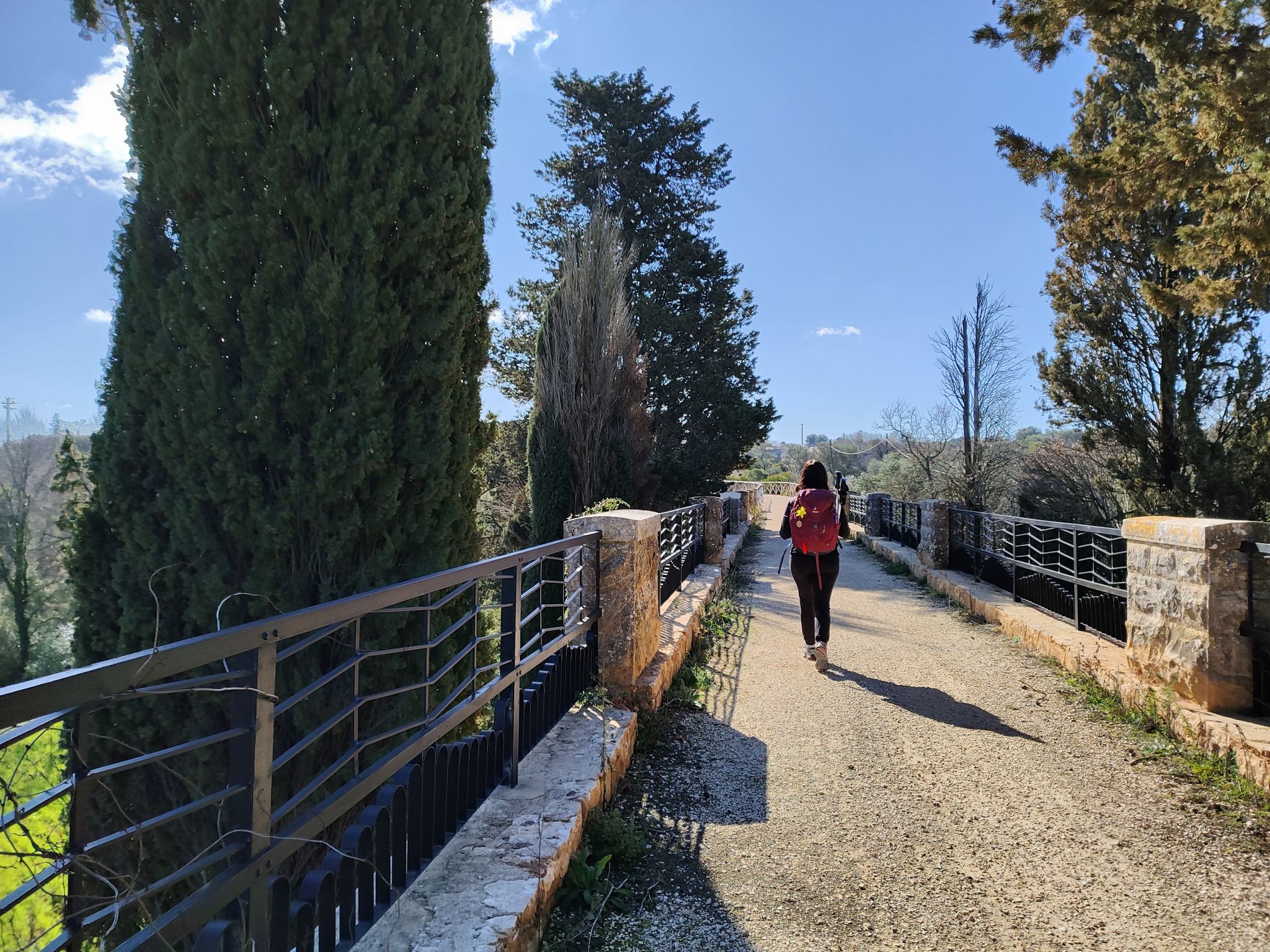
The Galante canal bridge (known as the bridge of a hundred lights) is the longest and most important of the entire stretch.
0
0
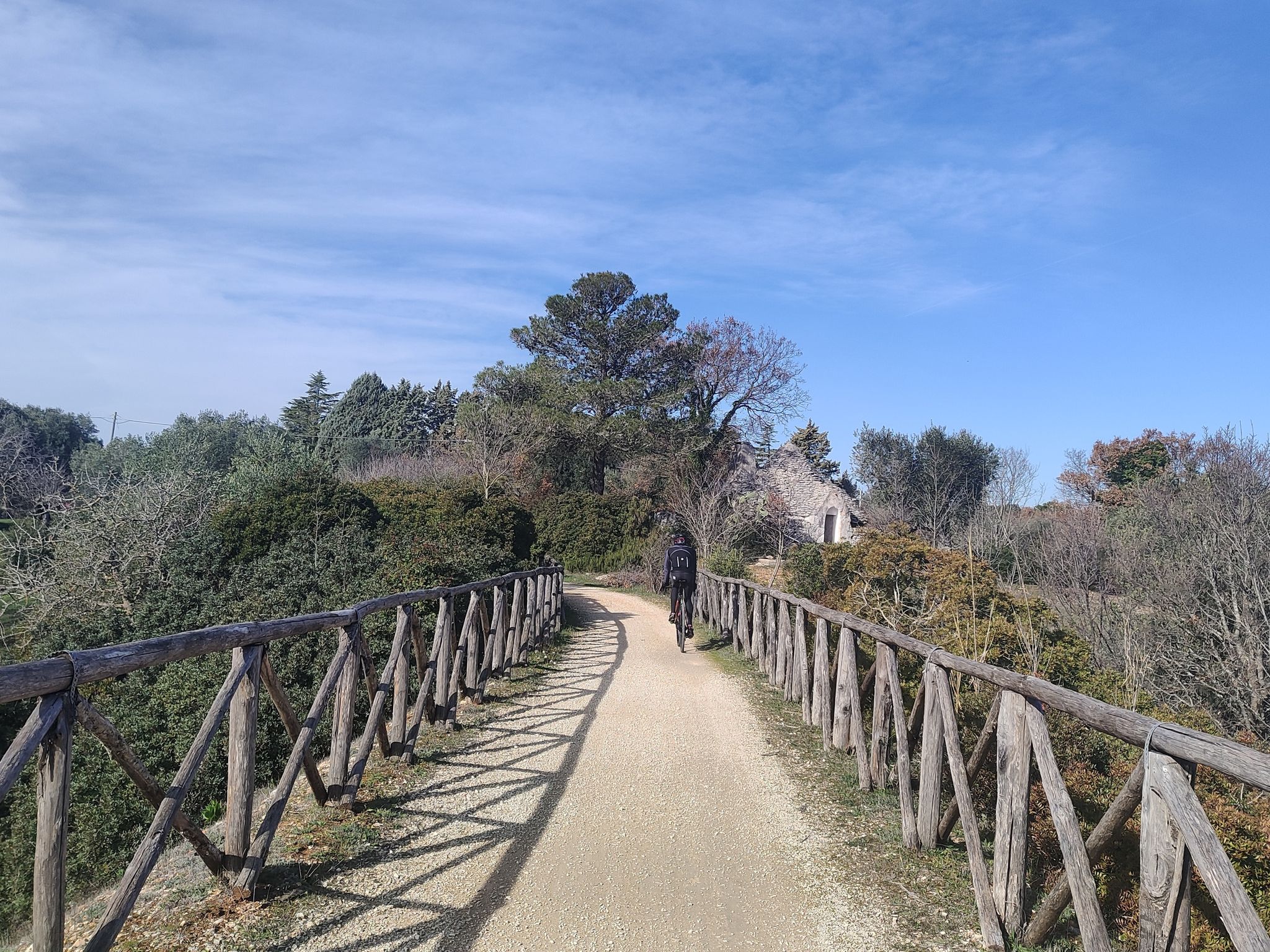
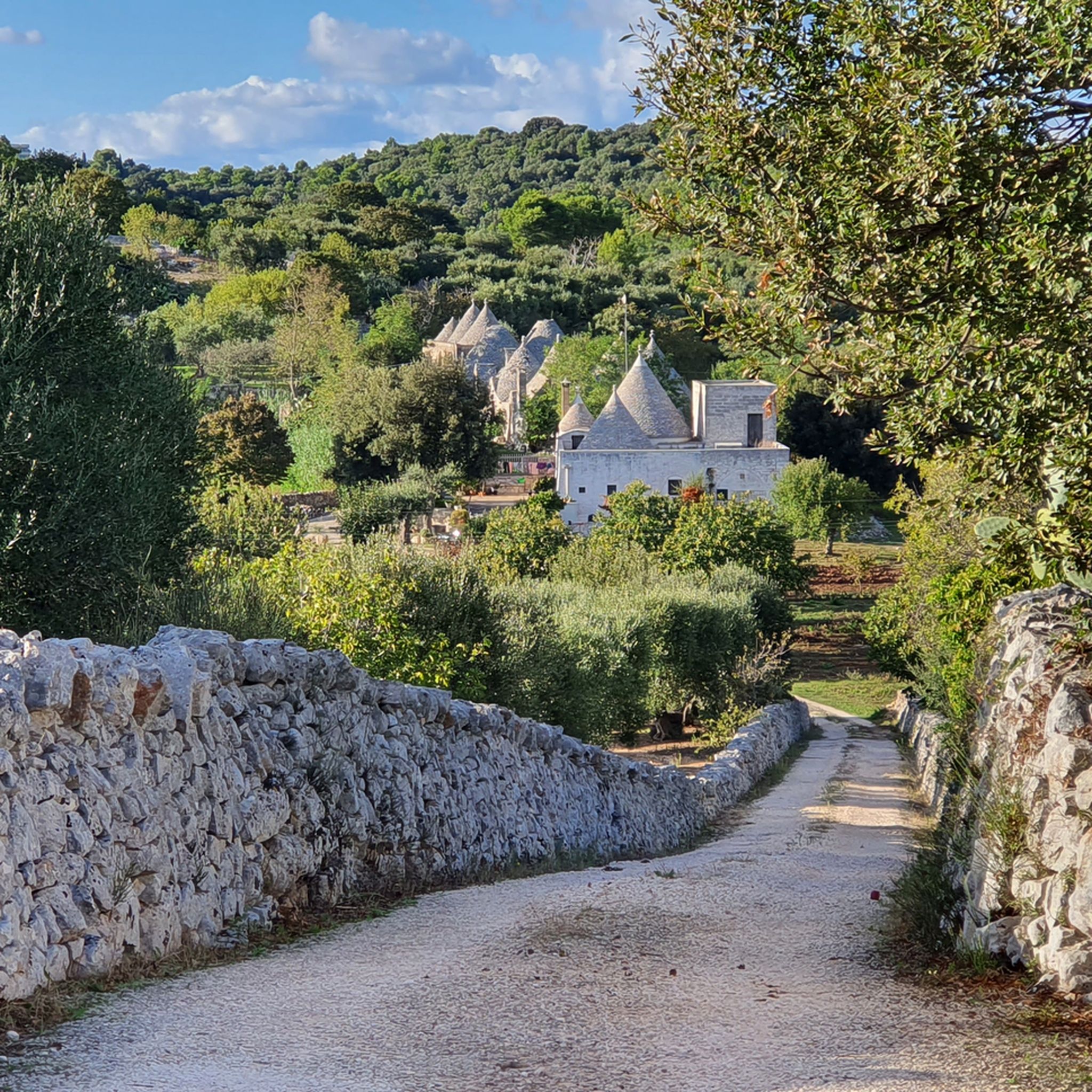
The Figazzano bridge, dating back to 1910-1915, is located on the cycle path of the Apulian Aqueduct. It is a dirt road about 2 meters wide and about 200 meters long, bordered laterally by walls with iron railings. Crossing it you can enjoy the view of the cultivated fields and typical Trulli below.
0
0
Frequently Asked Questions
What natural features can I explore around Cisternino?
Cisternino is nestled in the heart of the Itria Valley, characterized by rolling hills, ancient olive groves, and vineyards. You can enjoy stunning panoramic views of this landscape, dotted with distinctive trulli houses. For a more immersive experience, consider visiting the Bosco Monti Comunali for hiking, or take a short drive to the Torre Guaceto Nature Reserve for pristine beaches and clear waters, ideal for hiking, birdwatching, and snorkeling.
Are there any historical landmarks or cultural sites to visit in Cisternino?
The historic center of Cisternino is a cultural gem, with its whitewashed old town, winding alleyways, and historic buildings. Key landmarks include the 19th-century Clock Tower in Piazza Vittorio Emanuele III, the 14th-century Church of San Nicola with its Baroque interior, and the 12th-14th century Norman Tower (Torre Grande), which was once a defensive lookout. You can also explore other religious buildings like the Church of San Cataldo and various historic palaces such as Palazzo Vescovile.
What are some family-friendly activities or attractions near Cisternino?
Families can enjoy the Ulmo Pine Grove, a forest with a picnic area and paths for recreation, offering shade even on hot days. The Apulian Aqueduct Cycle Path, which includes highlights like the Figazzano Bridge and Galante Aqueduct Bridge, offers an easy and scenic cycling route suitable for all ages. Exploring the historic centers of nearby towns like Locorotondo is also a pleasant family outing.
Can I go cycling or hiking near Cisternino?
Yes, the area around Cisternino is excellent for outdoor activities. The Apulian Aqueduct Cycle Path offers a scenic route for cycling, passing through olive groves and trulli-dotted landscapes. For hiking, you can explore the Bosco Monti Comunali or find various trails in the Itria Valley. You can discover more routes for hiking, gravel biking, and road cycling around Cisternino.
What are the best viewpoints to see the Itria Valley?
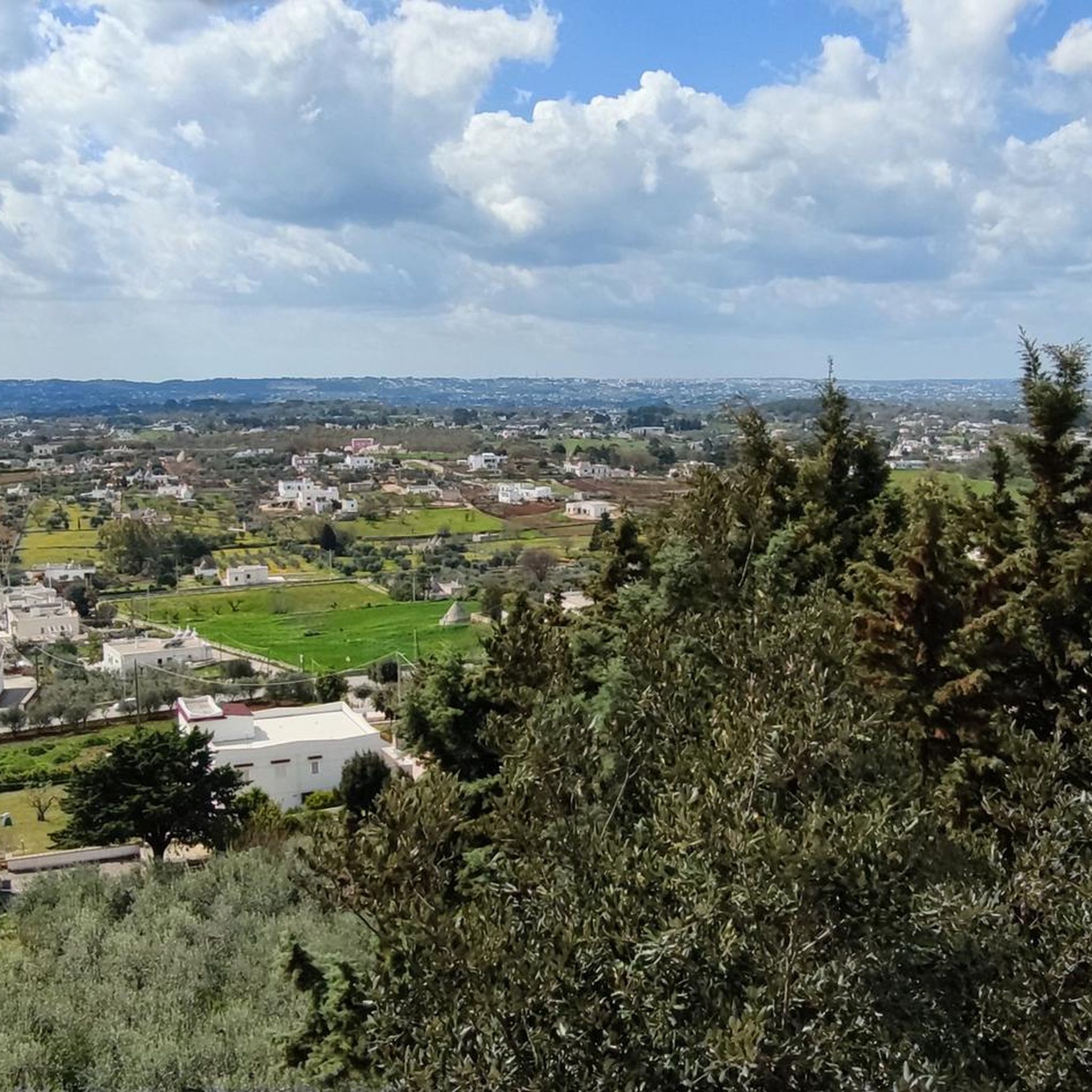
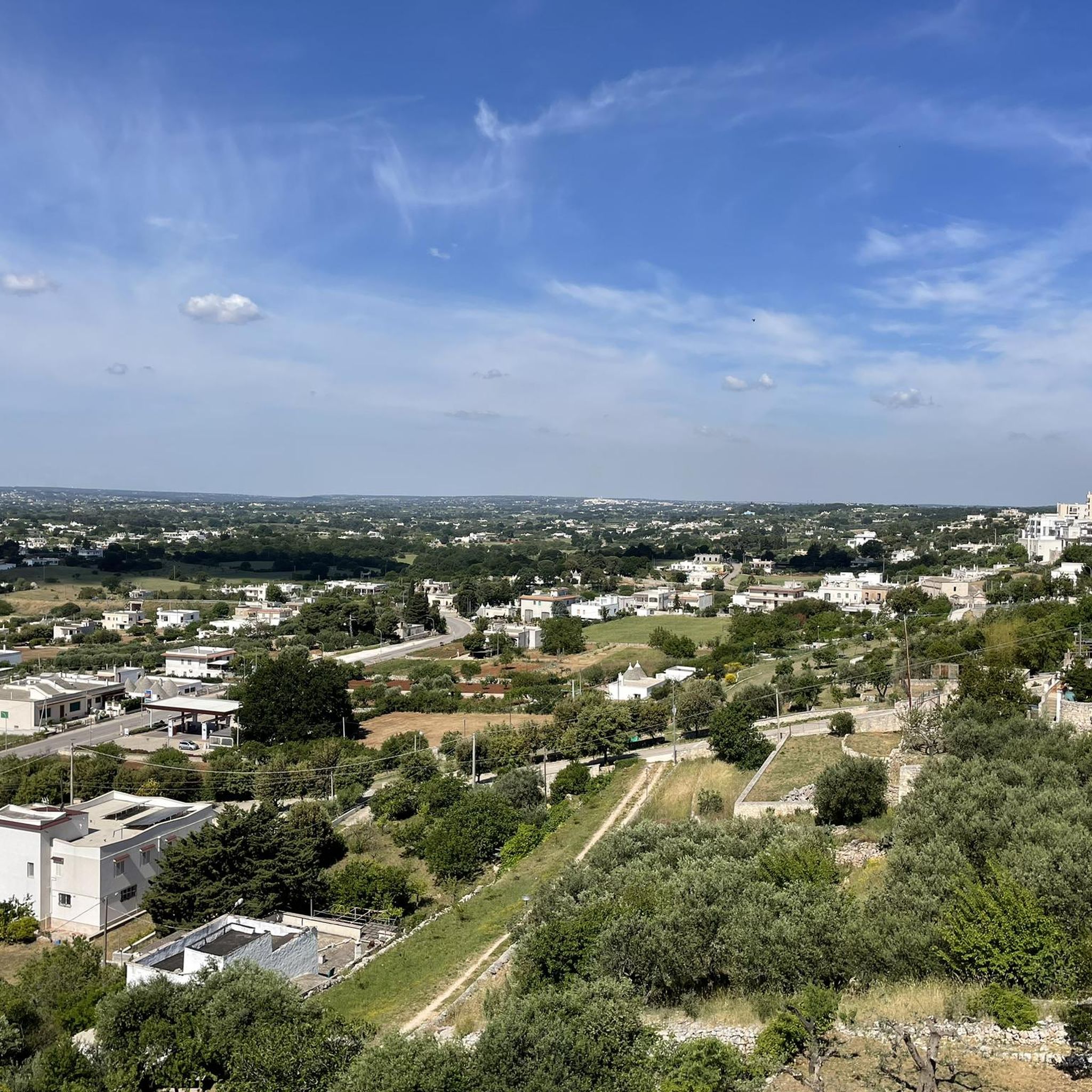
Piazza Garibaldi and Villa Comunale in Cisternino offer fantastic panoramic views (belvedere) over the Itria Valley, allowing you to see distant villages, trulli, and vast olive groves. Many other viewpoints throughout the historic center also provide stunning vistas of the surrounding countryside.
What unique local culinary experiences does Cisternino offer?
Cisternino is famous for its 'fornelli pronti' (butcher restaurants), where you can choose your meat directly from the butcher and have it grilled on the spot. A must-try local specialty is 'bombette,' which are small meat rolls, often stuffed with cheese. This offers a truly authentic and delicious dining experience.
What are some recommended day trips from Cisternino?
Cisternino serves as an excellent base for exploring other enchanting towns in the Itria Valley. You can easily visit Alberobello, a UNESCO World Heritage site known for its unique trulli houses, or the charming 'white cities' of Locorotondo, Martina Franca, and Ostuni. The Torre Guaceto Nature Reserve is also a great option for a day trip focused on nature and coastal beauty.
When is the best time of year to visit Cisternino?
The spring (April-May) and autumn (September-October) months are generally considered the best time to visit Cisternino. The weather is pleasant for exploring the historic center and the surrounding countryside, and the crowds are typically smaller than in the peak summer months. Summer (June-August) is also popular, but can be quite hot, though the Ulmo Pine Grove offers shade and fresh air.
Are there any lesser-known or 'hidden gem' attractions in Cisternino?
Beyond the main piazza, exploring the labyrinthine alleyways of Cisternino's historic center on foot often reveals hidden courtyards, small stairways, and arches. The Sanctuary of Madonna d'Ibernia, located about 1km outside town amidst trulli and olive trees, offers a serene and picturesque religious site away from the main tourist paths. The Ponte della Madonnina, a raised promenade, also provides a charming area for a pleasant stroll.
Where can I experience the traditional 'trulli' houses near Cisternino?
While Alberobello is the most famous for its trulli, the entire Itria Valley surrounding Cisternino is dotted with these distinctive cone-shaped, dry stone houses. You can spot them throughout the countryside, especially when exploring by bike on the Apulian Aqueduct Cycle Path or from panoramic viewpoints like Piazza Garibaldi. Many local wineries and farms also feature trulli.
What kind of events or festivals take place in Cisternino?
Cisternino preserves ancient rituals and folklore, hosting several notable events. The Festa di San Quirico in August is a significant celebration featuring fireworks, concerts, and processions. Pasquaredde, celebrated on Easter Monday, is a rural tradition held at the Sanctuary of Madonna d'Ibernia, offering a glimpse into local customs.
Are there options for gentle walks or strolls in the Cisternino area?
Yes, the historic center of Cisternino itself is perfect for gentle strolls, allowing you to wander through its charming alleyways and discover hidden corners. The Ponte della Madonnina offers a picturesque raised promenade. Additionally, the surrounding olive groves and vineyards provide peaceful paths for leisurely walks, and the Ulmo Pine Grove has easy trails suitable for a relaxed walk in nature.
Most popular routes around Cisternino
Most popular attractions around Cisternino

Get inspired with the komoot mobile app


Explore more
Still not found the Highlight you’re looking for? See guides of the top attractions in other regions:
