Attractions and Places To See around Casamassima - Top 20
Best attractions and places to see around Casamassima. Casamassima, often called "The Blue Town," is a town in Apulia, Italy, known for its historic center where many buildings are painted in shades of blue. Situated at the foot of the Murge, the area offers a mix of historical landmarks and natural landscapes. It is located about 8 km from the Adriatic Sea.
Best attractions and places to see around Casamassima
- The most popular attractions is All Saints Church of Cuti, a religious_building that is an 11th-century monastic building located near Valenzano. It is considered one of the most important religious buildings in the province.
- Another must-see spot is Clock Tower of Cellamare, a man_made_monument. This tall and slender building stands on Piazza Don Bosco, featuring a clock and the town's coat of arms.
- Visitors also love Mirko Variato Oasis, an other_natural area. This private green space with free access is part of the "Lama San Giorgio e Giotta" Regional Park and features 23 native plant species.
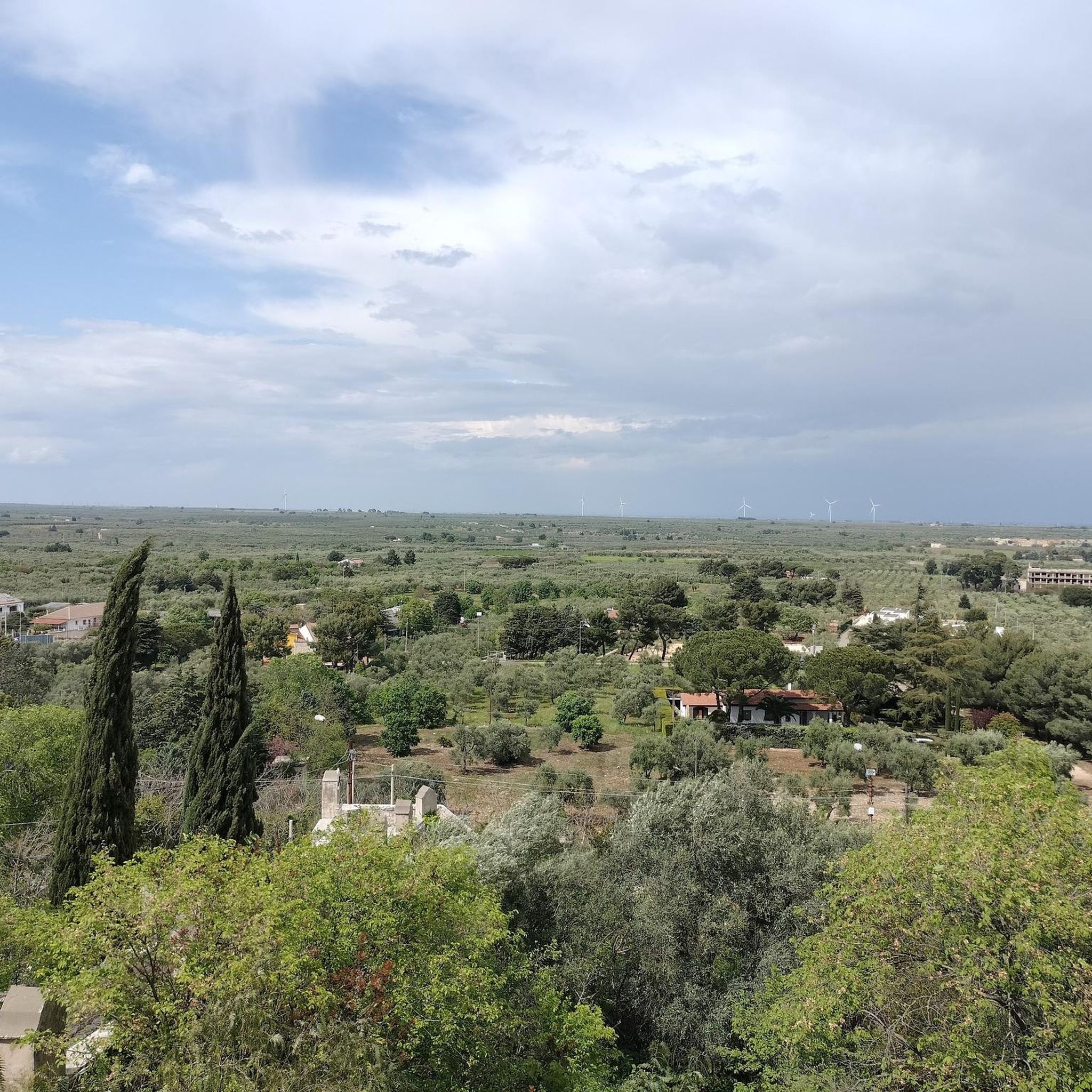
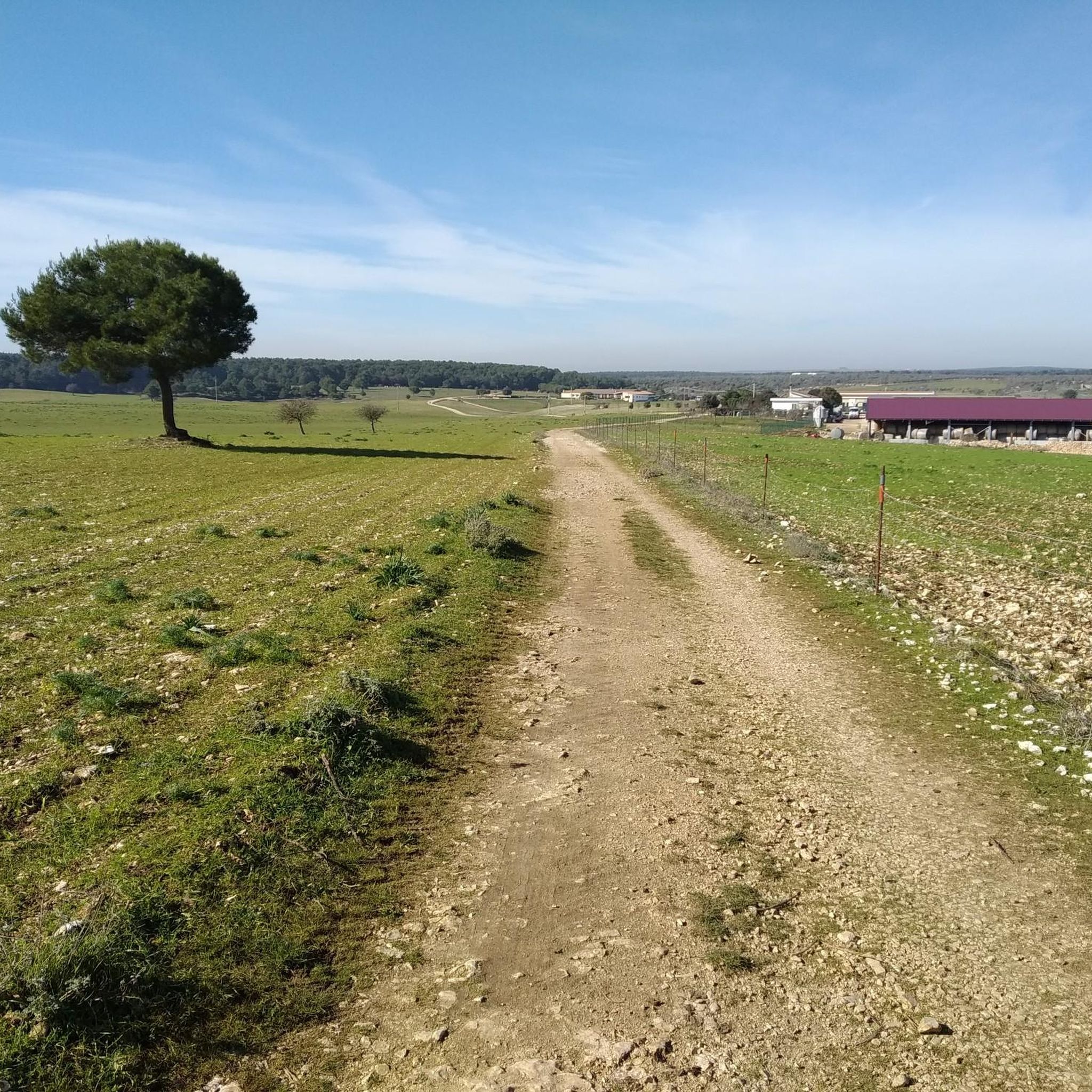
- Casamassima is known for its historic landmarks, natural features, and cultural sites. Visitors can explore ancient churches, palaces, and natural areas like the Marcedd Forest.
- The attractions around Casamassima are appreciated by the komoot community. There are 3 highlights with more than 100 upvotes and 20 photos.
Last updated: August 16, 2026
All Saints Church of Cuti
Highlight • Religious Site
Translated by Google •
Tip by

Clock Tower of Cellamare
Highlight • Monument
It stands on the ruins of the ancient Church of the Madonna delle Grazie. Of this church, of which we do not know much, the old bell is still visible, on the back of the civic tower, placed on a bell gable. On the façade overlooking Piazza Don Bosco, the clock and the coat of arms of the town are placed. Until a few decades ago it was used as offices, including the duty.
Translated by Google •
Tip by
Sign up now to discover places like this
Get recommendations on the best single tracks, peaks, & plenty of other exciting outdoor places.
Sign up for free
Mirko Variato Oasis
Highlight • Natural
Translated by Google •
Tip by
Church of Saint George the Martyr (Loseto)
Highlight • Religious Site
Translated by Google •
Tip by
Church of Madonna della Torre
Highlight • Religious Site
The first document of the presence of the Madonna di Torre, in the locality of Sizzaro1, is the donation charter of Guido da Venosa of 1342, in which the Norman Baron of San Nicandro di Bari donates the church to the Benedictine monastery of Cava dei Tirreni.
The Church, positioned at a crossroads, is isolated and whitewashed, like many other rural chapels in the Bari area.
It is made up of three buildings built in successive periods: one in 1134, the central one in 1853 and the most recent in 1882.
Translated by Google •
Tip by
Sign up for free to discover even more attractions around Casamassima.
Sign up for free
Already have an account?
Start today with a free account
Your next adventure awaits.
Login or Signup

Tips from the Community

The presence of a chapter, datable to the 11th-12th century, is witnessed in the Statutes of Archbishop Rainaldo (1171-1188). The church of San Giorgio Martire, a place for lay patronage, was rebuilt from its foundations in 1767 by the feudal lord of Loseto Cesare De Ruggiero who acquired the right of patronage. It becomes the free collation of the ordinary due to the renunciation of the feudal lord, forfeited from this right as a result of the royal decrees of 20 July 1818 and 10 October 1822. With a royal rescript of 30 May 1832, the number of members of the chapter is raised to five, pastor included. With the chapter extinguished due to the death of the last participant in 1895, the municipal administration of Loseto, holder of the right of patronage by convention since 1884, requests the Fund for worship, in accordance with law n. 3849 of August 15, 1867, the disposal of the annuities, which then pass to the parish church with the devolution report of February 18, 1899.
1
0

It's a beautiful place, thank you very much for those who dedicate most of their time to give us a show of our land.
0
0
The square-plan tower rises on four levels, each with different architectural and decorative features. The ground floor is delimited by rounded columns at the corners and on its facade there is a sundial indicating the value of the latitude of the city (40°42'18''). The first floor follows, contained by a pair of pilasters with a small balcony in the center with a broken and curved tympanum with plant decorations.
2
0
At the back of the church there is a lovely Picnic/refreshment area with tables and benches for eating and refresh yourself with a frugal meal.
7
0

The Oasis Mirko Variato is a private area, access is not granted. It is not possible to take refreshments
0
0

usually open and visitable on November 1st on the occasion of All Saints' Day
0
0
San Giorgio Martire, a 12th century church completely rebuilt in late Baroque style in 1767.
5
0
Cellamare is an Italian town of 5 727 inhabitants in the metropolitan city of Bari in Puglia. It preserves the old baronial castle of medieval origin (13th century), but rebuilt and adapted from a military fortress to a noble residence in the 16th century. In the countryside, on the road to Rutigliano, a menhir of unspecified date is preserved.
1
0
Frequently Asked Questions
What gives Casamassima its unique nickname, 'The Blue Town'?
Casamassima is famously known as 'The Blue Town' (Il Paese Azzurro) due to its historic center where many buildings are painted in various shades of blue. This distinctive feature is often linked to a 17th-century legend, suggesting the blue paint honored the Madonna of Constantinople for protecting the town from the plague, or alternatively, to the town's historical Jewish community.
What historical sites can I explore in Casamassima?
The town offers a rich array of historical sites. You can wander through the labyrinthine alleys of the Historic Center (Borgo Antico), visit the 13th-century Chiesa Madre di Santa Croce, and see the impressive Clock Gate (Porta Orologio). Other notable sites include the Monastero Santa Chiara, the ancient Castle of Casamassima (Palazzo Ducale or Ducal Palace Vaaz), and the intriguing Arco delle Ombre.
Are there any natural attractions or green spaces near Casamassima?
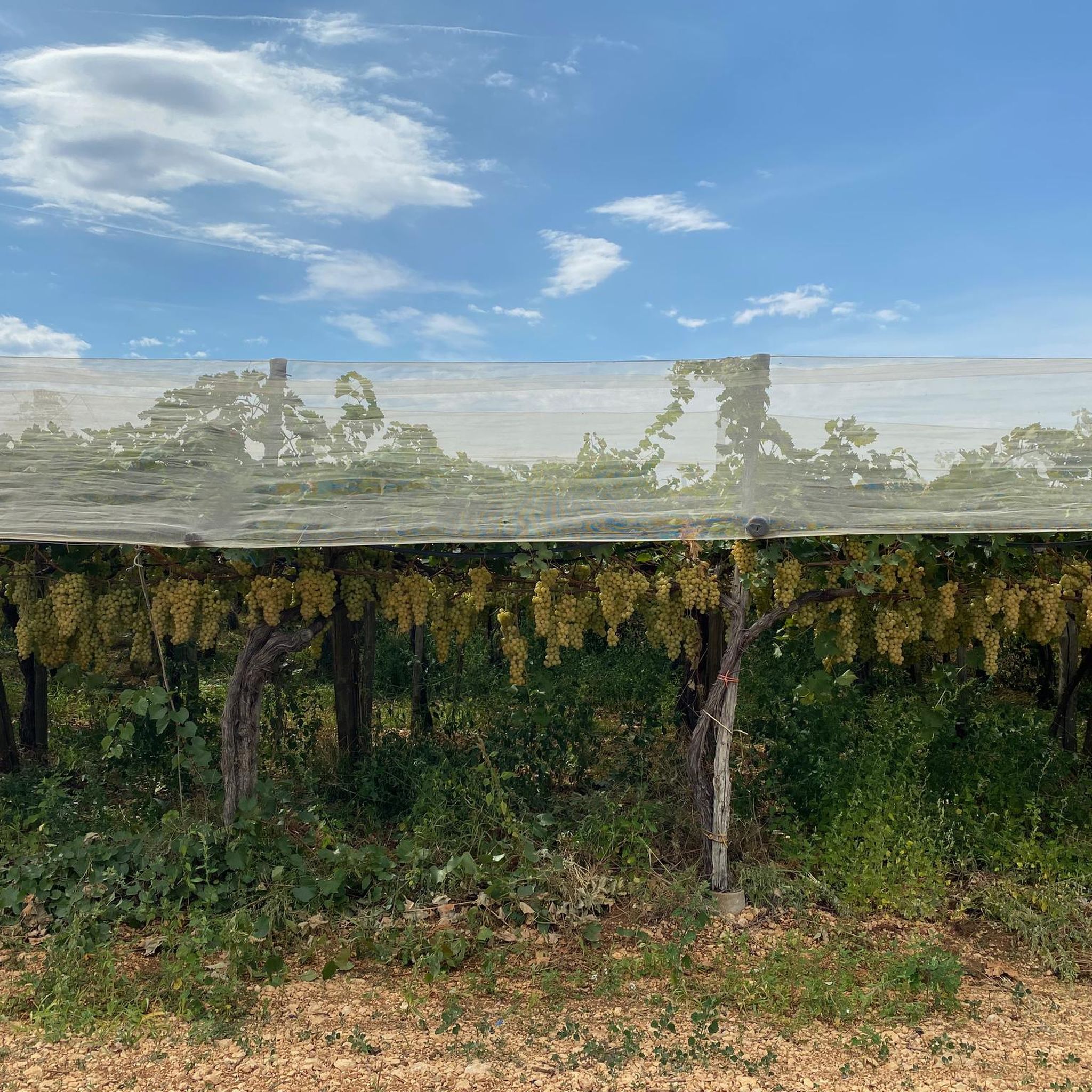
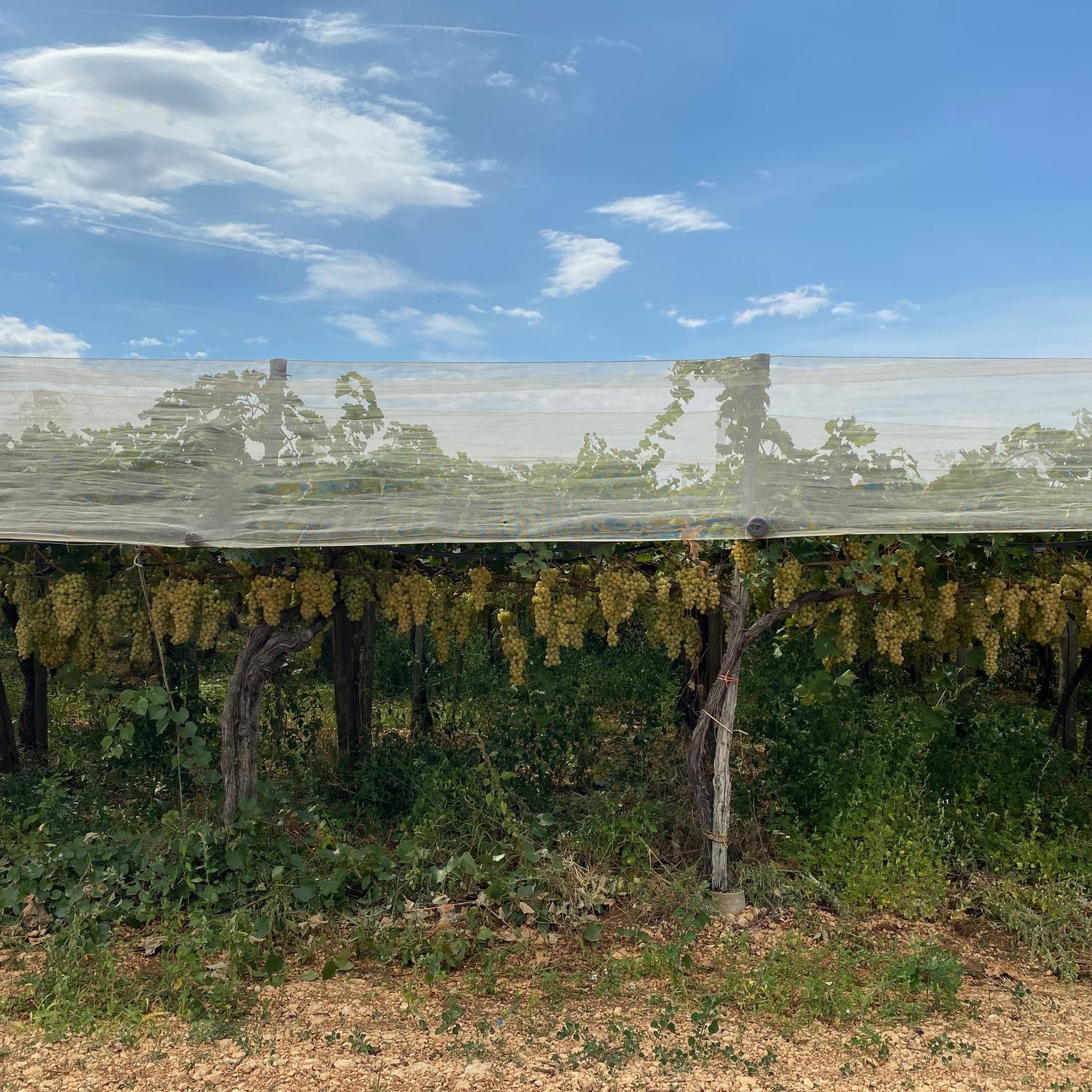
Yes, for nature lovers, the Marcedd Forest offers a natural area to explore, with the Lama San Giorgio river running alongside it. You can also visit the Mirko Variato Oasis, a private green space with free access that is part of the "Lama San Giorgio e Giotta" Regional Park, featuring 23 native plant species. The surrounding area is also dotted with scenic groves and vineyards.
What kind of outdoor activities can I do around Casamassima?
The region around Casamassima is excellent for various outdoor activities. You can explore nearby hills and mountains for walks, or enjoy cycling. For specific routes, consider exploring options like the 'Enduro Trail – Annunziata Route loop' for touring bikes or the 'Mercadante Forest – Cassano delle Murge loop' for road cycling. You can find more details on these and other routes in the Cycling around Casamassima and Road Cycling Routes around Casamassima guides.
Are there family-friendly attractions in Casamassima?
Many of Casamassima's attractions are suitable for families. Exploring the historic center with its blue houses, squares, and alleys is a delightful experience for all ages. Specific highlights like the All Saints Church of Cuti, the Clock Tower of Cellamare, and the Mirko Variato Oasis are also categorized as family-friendly.
What are some notable churches or religious buildings to visit?
Casamassima and its surroundings are home to several significant religious buildings. Beyond the main Chiesa Madre di Santa Croce, you can visit the ancient All Saints Church of Cuti, an 11th-century monastic building considered one of the most important in the province. Other churches include the 14th-century Chiesa di San Nicola di Bari, the Church of Saint George the Martyr (Loseto), and the Church of Madonna della Torre.
What is the best time of year to visit Casamassima?
Casamassima can be enjoyed throughout the year, but the spring and autumn months generally offer pleasant weather for exploring the historic center and engaging in outdoor activities. If you're interested in local events, the annual Casamassima Wine Festival takes place every August, and the town hosts a vibrant Carnival in February with parades and festivities.
Can I reach the coast or beaches from Casamassima?
Although Casamassima is inland, it is conveniently located only about 8 kilometers from the Adriatic Sea. This proximity means you can easily take a short trip to the coast to enjoy beautiful beaches and activities such as swimming, jet skiing, scuba diving, or windsurfing.
What local culinary delights should I try in Casamassima?
When visiting Casamassima, be sure to indulge in traditional Apulian cuisine. Popular local dishes include orecchiette (ear-shaped pasta), savory panzerotti (fried turnovers), and delicious focaccia. Many local restaurants and shops in Piazza Umberto I offer these authentic flavors.
Are there any unique cultural experiences or events in Casamassima?
Beyond its blue architecture, Casamassima offers several cultural experiences. You can visit the Museo Civico for local history and art, or attend the annual Casamassima Wine Festival in August. The town also hosts various local music festivals throughout the year, and if you visit in February, you can experience the lively local Carnival with parades and celebrations.
Are there options for gravel biking around Casamassima?
Yes, the area around Casamassima provides excellent opportunities for gravel biking. Routes like the 'Aqueduct Bridge – Curtomartino Cave loop' or the 'All Saints Church of Cuti – Annunziata Trail loop' offer varied terrain for gravel enthusiasts. You can find more detailed information and routes in the Gravel biking around Casamassima guide.
What are some lesser-known historical buildings or palaces to discover?
Beyond the main landmarks, Casamassima's historic center holds several intriguing buildings. Look for Palazzo Amenduni, a 17th-century palace considered one of the largest in the ancient village, and Palazzo Monacelle. The former Benedictine center, Abbazia di San Lorenzo, though only its church remains, dates back to before 984 A.D. and features sacred rural architecture with frescoes.
Most popular routes around Casamassima
Most popular attractions around Casamassima

Get inspired with the komoot mobile app


Explore more
Still not found the Highlight you’re looking for? See guides of the top attractions in other regions:
