The best walks and hikes around Binetto
4.0
(36)
141
hikers
26
hikes
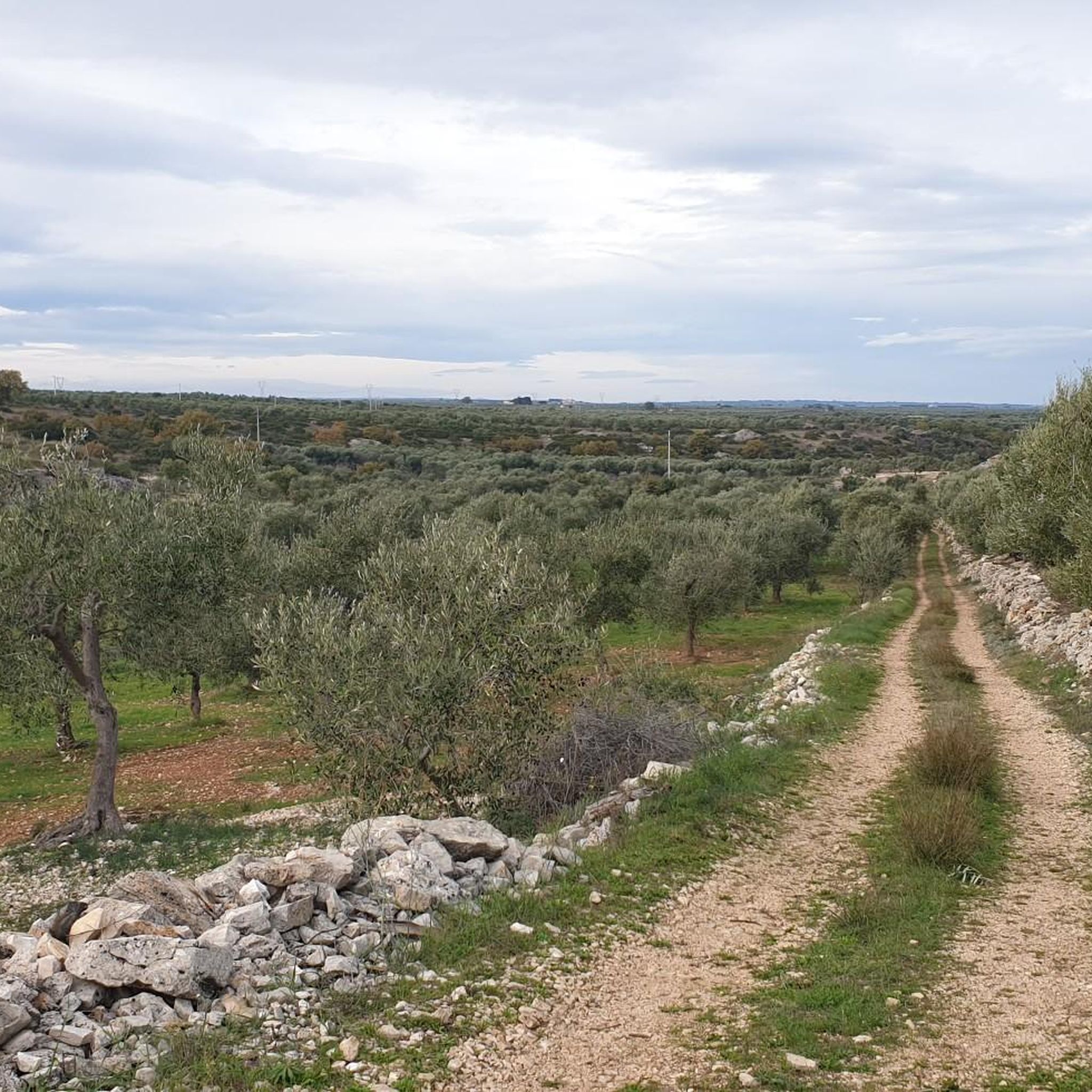
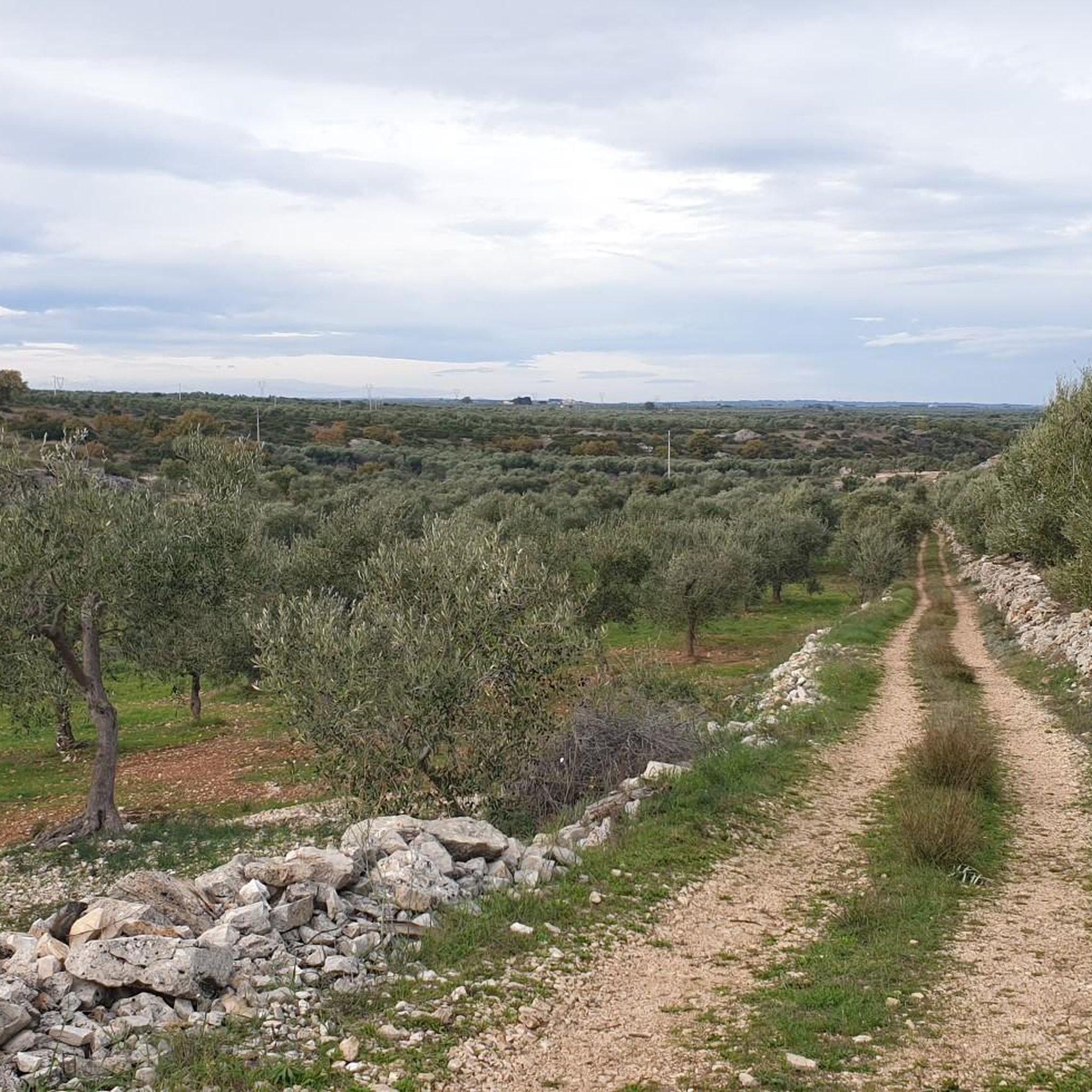
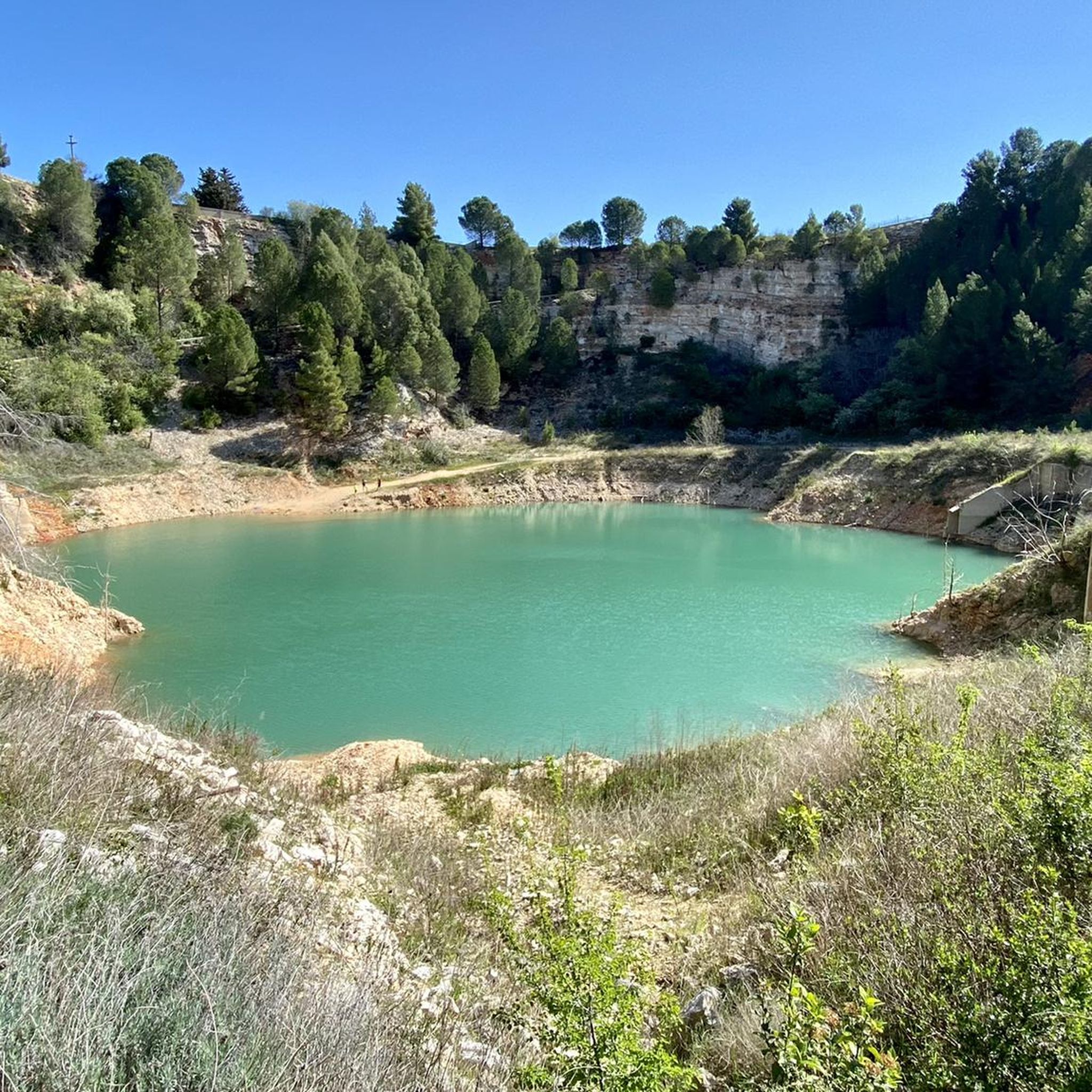
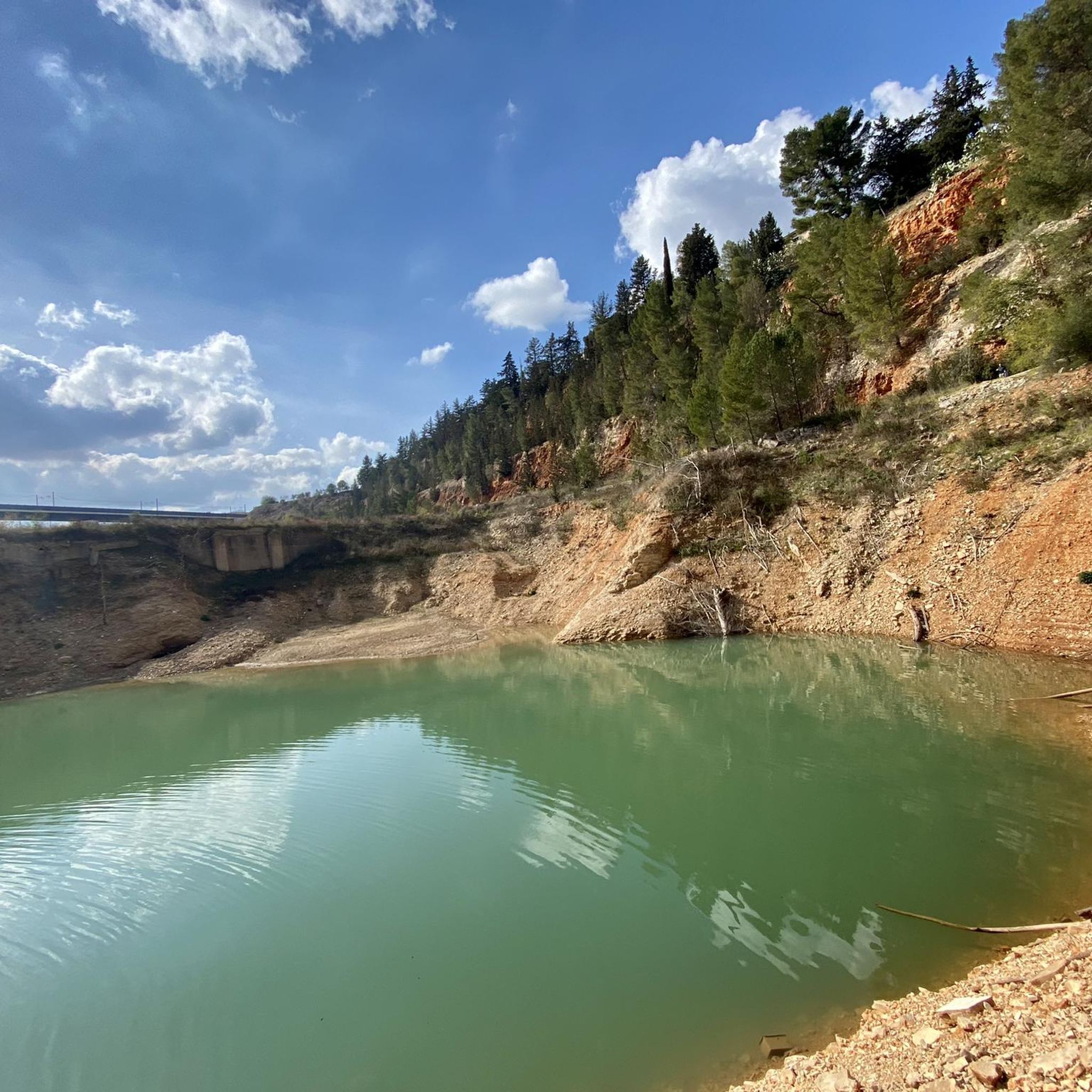
Hiking around Binetto provides access to a diverse landscape, primarily defined by the Murgian karst topography with its distinctive white rocks and slight cliffs. The area features the expansive Bitonto Municipal Forest, a coniferous woodland dominated by Aleppo pine, showcasing typical Murgian karst elements and steppic vegetation. Additionally, the region includes Modugno Lake, an emerald green body of water situated in a former quarry, encircled by a rocky amphitheater. These natural features offer varied terrain for outdoor activities.
Best hiking…
Last updated: June 24, 2026
3.0
(3)
7
hikers
18.7km
04:50
110m
110m
Hike a moderate 11.6-mile loop from Bitetto, exploring the Apulian countryside with olive groves, trulli, and historical sites.
4.7
(6)
20
hikers
Moderate hike. Good fitness required. Easily-accessible paths. Suitable for all skill levels.

Sign up for free
4.0
(2)
7
hikers
9.82km
02:41
150m
150m
Moderate hike. Good fitness required. Easily-accessible paths. Suitable for all skill levels.
3.0
(1)
9
hikers
Easy hike. Great for any fitness level. Easily-accessible paths. Suitable for all skill levels.
5.0
(2)
2
hikers
9.20km
02:29
120m
120m
Moderate hike. Good fitness required. Easily-accessible paths. Suitable for all skill levels.
Get access to more routes and recommendations from other explorers.
Sign up for free
Already have an account?
Our route recommendations are based on thousands of hikes, rides, and runs completed by other people on komoot.
Start today with a free account
Your next adventure awaits.
Login or Signup

Tips from the Community

The Balsignano Monumental Complex is an ancient fortified medieval settlement. During your visit, you can visit this evocative archaeological and historical site, comprising a castle with double walls and two important churches: the Church of Santa Maria (with frescoes) and the Church of San Felice, the latter considered a masterpiece of Apulian Romanesque art with Byzantine influences. The complex dates back to the 10th-11th centuries and underwent various historical phases until its abandonment in the 16th century.
1
0

Impressive now abandoned complex built on terraces of "cut stones". There are stone fences for livestock and residential shelters. Very beautiful
0
0

Trulli - or trullo when you’re talking about just one dwelling - were initially built to provide temporary field shelters and storehouses. Over time they also became permanent dwellings for agricultural families and labourers of smallholdings. The simple traditional lime whitewash that decorates the trulli’s exterior complements the local geology and pastoral landscapes. To protect against the elements and balance the temperature all year round, the trulli walls are incredibly thick, made up of a double skin filled with rubble. Similarly, the doorways and windows are small. These iconic rural dwellings began appearing as early as the 14th century, and their popularity originated because of a 15th century decree that made urban settlers pay taxes to the crown under feudal rule. If the king’s inspectors came collecting, the villagers could easily demolish these inexpensive buildings into a pile of stones and hide in the forest, and then rebuild them once they’d gone.
0
0
The "Torre del marchese Arcamone" is a fortified two-storey farmhouse whose last phase is certainly from the modern age, which has on the ground floor rooms for stables, warehouses and an oil mill. But what is its history and why is the district called this way? In 1399 the king of Naples, Louis, ceded the barony of Bitetto together with the fief of Ceglie and Bari, for having fought bravely in a war near Taranto, to Marcello Arcamone. Since 1382, during the reign of Charles III, he had come to Puglia with his brother Lionello, who had been given the Lordship of Ceglie. The Arcamone family lived in Bitetto for a long time. In 1407 Pope Martin V transferred Bishop the son of Marcello, Carlo Arcamone, from his seat in Venafro to Bitetto. The farm had many changes of ownership and in 1806, already belonging to the Noja family of Mola, it was confiscated for the abolition of the feudal regime.
0
0
Bitetto ist known for the presence of the remains of Blessed Giacomo , a lay friar who died in the odor of sanctity, whose body has remained intact over the centuries. The main monument of the town, the church of San Michele Arcangelo is one of the purest examples of Apulian Romanesque . The epigraph near the portal reveals that the facade was built in 1335 by Mastro Lillo da Barletta on commission from Bishop Bonocore, who wanted to rebuild the city temple on the site of an older cathedral. Bitetto had in fact been a diocesan seat since the 11th century . Oriented according to ancient custom with the presbytery to the east, the church has a severe façade divided into three parts by pilasters and equipped with a large archivolted rose window . Of the three portals, the central one is characterized by a rich sculptural apparatus: two stone lions, crouched on mighty corbels, support columns with capitals with vegetal motifs that support a lunette with bas-reliefs of Christ and the twelve Apostles. The external jambs instead present scenes from the New Testament. The interior, which was heavily plastered in the eighteenth century and was restored to its original Romanesque style in 1959 , is divided into three naves by triple-order wall partitions, where the double-arched arches are surmounted by false matronei and higher up by single-lancet windows. The transept has three apses according to the stylistic features of Apulian Romanesque. The fourteenth-century body is flanked on both sides by two eighteenth-century chapels, that of Purgatory (on the left) and that of the Blessed Sacrament (on the right). Outside, the bell tower, also dating back to the eighteenth century, rests on the Romanesque façade with a typical gabled structure.
0
0

The gate owes its name to the underground cisterns used to collect rainwater. For a long time it was one of the main accesses to the old, fortified city, where most of the population lived until the early 18th century.
0
0

Gateway to the village of Bitetto
0
0

Rural church built by faithful, with dedication to the Holy Virgin, dated in 1759, the year of the encyclical Cum Primum published by the Pope Clement XIII in which the Pontiff severely admonishes all those Ecclesiastics who, eager for easy earnings, engage in commerce and thus degrade the dignity of their condition as clerics or priests. #babaciclistaurbano #historiaetfabulis #balsignano
2
0
Frequently Asked Questions
How many hiking trails are available around Binetto?
Binetto offers a good selection of hiking opportunities, with over 20 routes available. These trails cater to various skill levels, from easy strolls to more challenging excursions.
What is the best time of year for hiking in Binetto?
The ideal times for hiking around Binetto are during spring (April to June) and autumn (September to October). The weather during these months is typically mild and pleasant, making for comfortable outdoor exploration.
Are there any easy hiking trails suitable for beginners or families in Binetto?
Yes, Binetto has several easy trails. For instance, the Orange Tree in Olive Grove – Torre del Marchese Arcamone loop from Bitetto is an easy 5.4 km path that winds through olive groves and past historical points of interest. There are 6 easy routes in total, perfect for a relaxed outing.
What kind of landscapes can I expect to see while hiking near Binetto?
The region around Binetto is characterized by its unique Murgian karst topography, featuring white rocks and slight cliffs. You'll also encounter the expansive Bitonto Municipal Forest with its Aleppo pines, and the picturesque Modugno Lake, an emerald green body of water in a former quarry. Many routes also traverse agricultural landscapes.
Are there any circular hiking routes around Binetto?
Yes, many of the trails around Binetto are circular, offering convenient starting and ending points. An example is the Peucetian Way: Bitetto Countryside Loop, a moderate 18.7 km trail exploring the local agricultural landscape.
What historical or natural landmarks can I discover along the hiking trails?
Hikers can explore several interesting landmarks. Along routes like the Orange Tree in Olive Grove – Torre del Marchese Arcamone loop, you can see the Tower of the Marquis Arcamone. The Masseria Torre di Lerma, a historical farm complex, is another notable point of interest. Additionally, the Bitonto Municipal Forest and Modugno Lake offer significant natural beauty.
What do other hikers say about the trails in Binetto?
The hiking routes in Binetto are highly regarded by the komoot community, holding an average rating of 4.0 stars from over 30 reviews. More than 100 hikers have used komoot to explore the varied terrain, often praising the unique Murgian karst landscape and the blend of natural and historical sights.
Are there any trails that explore the historic center of Binetto or nearby towns?
Yes, you can explore the charming historical aspects of the area. The Alleys of Bitetto Old Town – Porta Piscina of Bitetto loop is a moderate route that takes you through the historic center of Bitetto, allowing you to admire its architecture and discover its rich past, including landmarks like the Baresana Gate.
What is the typical terrain like on Binetto's hiking trails?
The terrain around Binetto is diverse, primarily featuring the rugged Murgian karst landscape with its distinctive white rocks. You'll also find paths through dense coniferous woodlands, particularly in the Bitonto Municipal Forest, and agricultural areas with olive groves. The varied geology provides interesting and engaging hiking experiences.
Are there any moderate hiking trails for those looking for a bit more challenge?
Absolutely. Binetto offers 16 moderate trails for hikers seeking a more engaging experience. The Pietre Tagliate Farmhouse loop from Murgia del Ceraso is a popular moderate 9.2 km trail that leads through the Murgian karst landscape, typically completed in about 2 hours and 29 minutes.
Can I find trails that offer views of the wider region?
Yes, some areas, particularly within the Bitonto Municipal Forest, offer expansive views. From certain vantage points, you can enjoy vast panoramas that can stretch from the Adriatic Sea to Castel del Monte, showcasing the typical Murgian karst landscapes.
Most popular attractions around Binetto

Get inspired with the komoot mobile app


Explore more
Browse the best Hikes in other regions.
