The best walks and hikes around Bitritto
4.3
(327)
2,998
hikers
98
hikes
Hiking around Bitritto provides access to the Apulian countryside, featuring agricultural landscapes and historical sites. The terrain is generally flat to gently rolling, with minimal elevation changes, making it suitable for various activity levels. Trails often pass through olive groves and open fields, connecting small towns and ancient structures.
Best hiking trails around Bitritto
- The most popular hiking route is Peucetian Way: Bitetto Countryside Loop, a 11.6 miles (18.7 km) trail that takes 4 hours 49 minutes to complete.…
Last updated: June 24, 2026
4.7
(6)
20
hikers
Moderate hike. Good fitness required. Easily-accessible paths. Suitable for all skill levels.
4.5
(2)
5
hikers
Moderate hike. Good fitness required. Easily-accessible paths. Suitable for all skill levels.

Sign up for free
5.0
(2)
9
hikers
Moderate hike. Good fitness required. Easily-accessible paths. Suitable for all skill levels.
4.0
(3)
5
hikers
Hard hike. Very good fitness required. Easily-accessible paths. Suitable for all skill levels.
5
hikers
5.39km
01:23
20m
20m
Easy hike. Great for any fitness level. Easily-accessible paths. Suitable for all skill levels.
Get access to more routes and recommendations from other explorers.
Sign up for free
Already have an account?
Our route recommendations are based on thousands of hikes, rides, and runs completed by other people on komoot.
Start today with a free account
Your next adventure awaits.
Login or Signup

Tips from the Community

The Balsignano Monumental Complex is an ancient fortified medieval settlement. During your visit, you can visit this evocative archaeological and historical site, comprising a castle with double walls and two important churches: the Church of Santa Maria (with frescoes) and the Church of San Felice, the latter considered a masterpiece of Apulian Romanesque art with Byzantine influences. The complex dates back to the 10th-11th centuries and underwent various historical phases until its abandonment in the 16th century.
1
0

Bitetto ist known for the presence of the remains of Blessed Giacomo , a lay friar who died in the odor of sanctity, whose body has remained intact over the centuries. The main monument of the town, the church of San Michele Arcangelo is one of the purest examples of Apulian Romanesque . The epigraph near the portal reveals that the facade was built in 1335 by Mastro Lillo da Barletta on commission from Bishop Bonocore, who wanted to rebuild the city temple on the site of an older cathedral. Bitetto had in fact been a diocesan seat since the 11th century . Oriented according to ancient custom with the presbytery to the east, the church has a severe façade divided into three parts by pilasters and equipped with a large archivolted rose window . Of the three portals, the central one is characterized by a rich sculptural apparatus: two stone lions, crouched on mighty corbels, support columns with capitals with vegetal motifs that support a lunette with bas-reliefs of Christ and the twelve Apostles. The external jambs instead present scenes from the New Testament. The interior, which was heavily plastered in the eighteenth century and was restored to its original Romanesque style in 1959 , is divided into three naves by triple-order wall partitions, where the double-arched arches are surmounted by false matronei and higher up by single-lancet windows. The transept has three apses according to the stylistic features of Apulian Romanesque. The fourteenth-century body is flanked on both sides by two eighteenth-century chapels, that of Purgatory (on the left) and that of the Blessed Sacrament (on the right). Outside, the bell tower, also dating back to the eighteenth century, rests on the Romanesque façade with a typical gabled structure.
0
0

The gate owes its name to the underground cisterns used to collect rainwater. For a long time it was one of the main accesses to the old, fortified city, where most of the population lived until the early 18th century.
0
0

Gateway to the village of Bitetto
0
0

Rural church built by faithful, with dedication to the Holy Virgin, dated in 1759, the year of the encyclical Cum Primum published by the Pope Clement XIII in which the Pontiff severely admonishes all those Ecclesiastics who, eager for easy earnings, engage in commerce and thus degrade the dignity of their condition as clerics or priests. #babaciclistaurbano #historiaetfabulis #balsignano
2
0

The church of San Michele Arcangelo is the cathedral of Bitetto. It was built in the 11th century and is in the Apulian Romanesque style
1
0

usually open and visitable on November 1st on the occasion of All Saints' Day
0
0
Frequently Asked Questions
What is the general terrain like for hiking around Bitritto?
The terrain around Bitritto is characterized by the Apulian countryside, featuring generally flat to gently rolling landscapes with minimal elevation changes. Trails often pass through extensive olive groves and open fields, connecting small towns and historical sites.
How many hiking trails are available in the Bitritto area?
There are over 80 hiking routes available around Bitritto, offering a wide range of options for different preferences and fitness levels.
What is the typical length and duration of hikes in Bitritto?
Hikes in Bitritto vary in length and duration. For example, the Orange Tree in Olive Grove – Torre del Marchese Arcamone loop from Bitetto is about 3.3 miles (5.4 km) and takes around 1 hour 23 minutes, while the Peucetian Way: Bitetto Countryside Loop is a longer 11.6 miles (18.7 km) route, typically completed in about 4 hours 49 minutes.
Are there easy hiking options suitable for beginners or casual walkers?
Yes, Bitritto offers many easy hiking options. More than 50 of the routes are classified as easy, making them suitable for beginners or those looking for a relaxed walk through the countryside. An example is the Orange Tree in Olive Grove – Torre del Marchese Arcamone loop from Bitetto.
Are there any circular walks available in Bitritto?
Yes, many routes around Bitritto are designed as circular walks, allowing you to start and end at the same point. The Balsignano Monumental Complex – Porta Piscina of Bitetto loop from Lago di Modugno is a great example of a circular route that explores historical landmarks.
What kind of historical sites or landmarks can I see while hiking?
Hiking around Bitritto often leads you past significant historical landmarks. You can explore sites like the Basilica of St. Nicholas, the Norman-Swabian Castle of Bari, or the Neolithic Menhir of Via Fanelli. Routes like the Balsignano Monumental Complex – Porta Piscina of Bitetto loop from Lago di Modugno specifically feature historical points of interest.
What natural attractions can be found near the hiking trails?
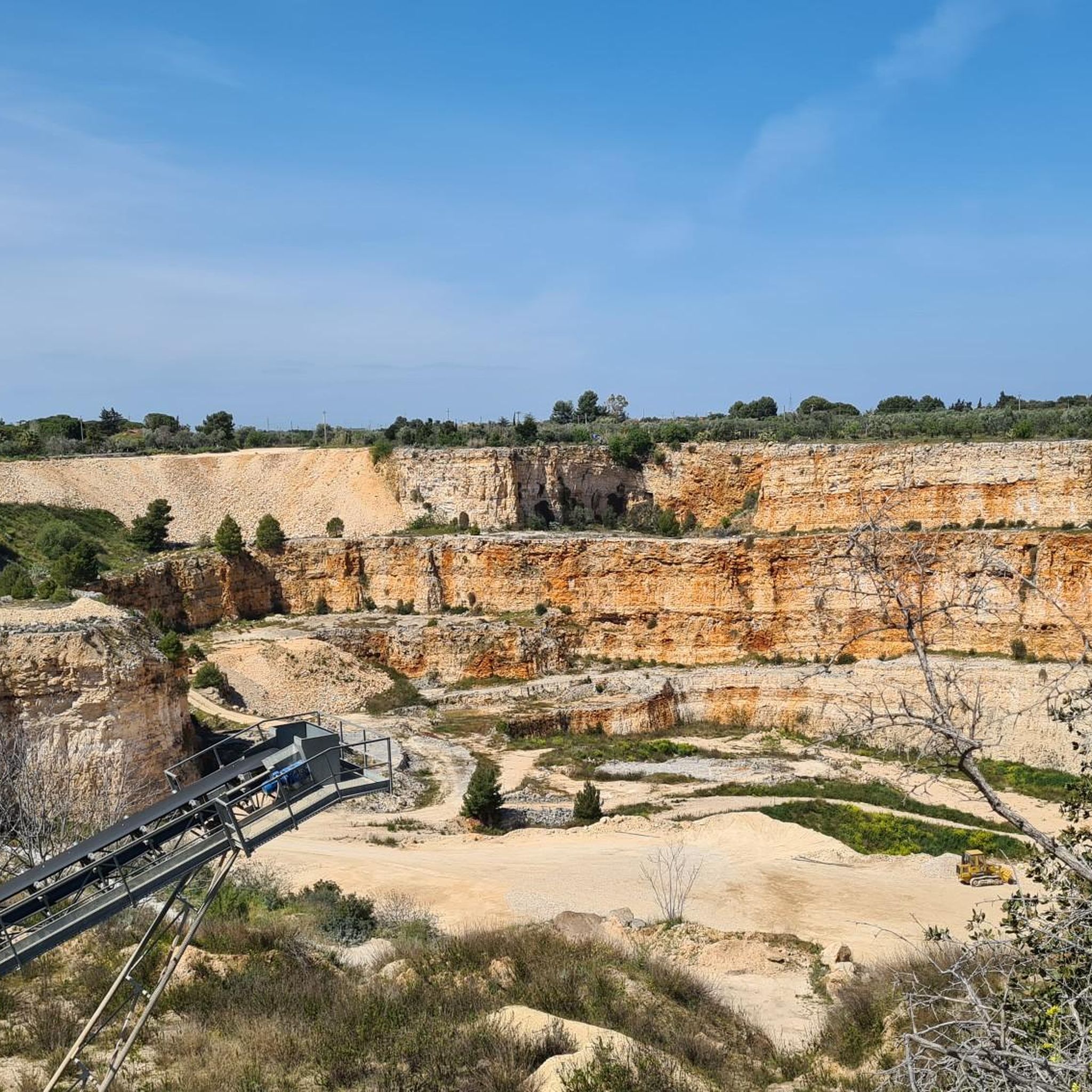
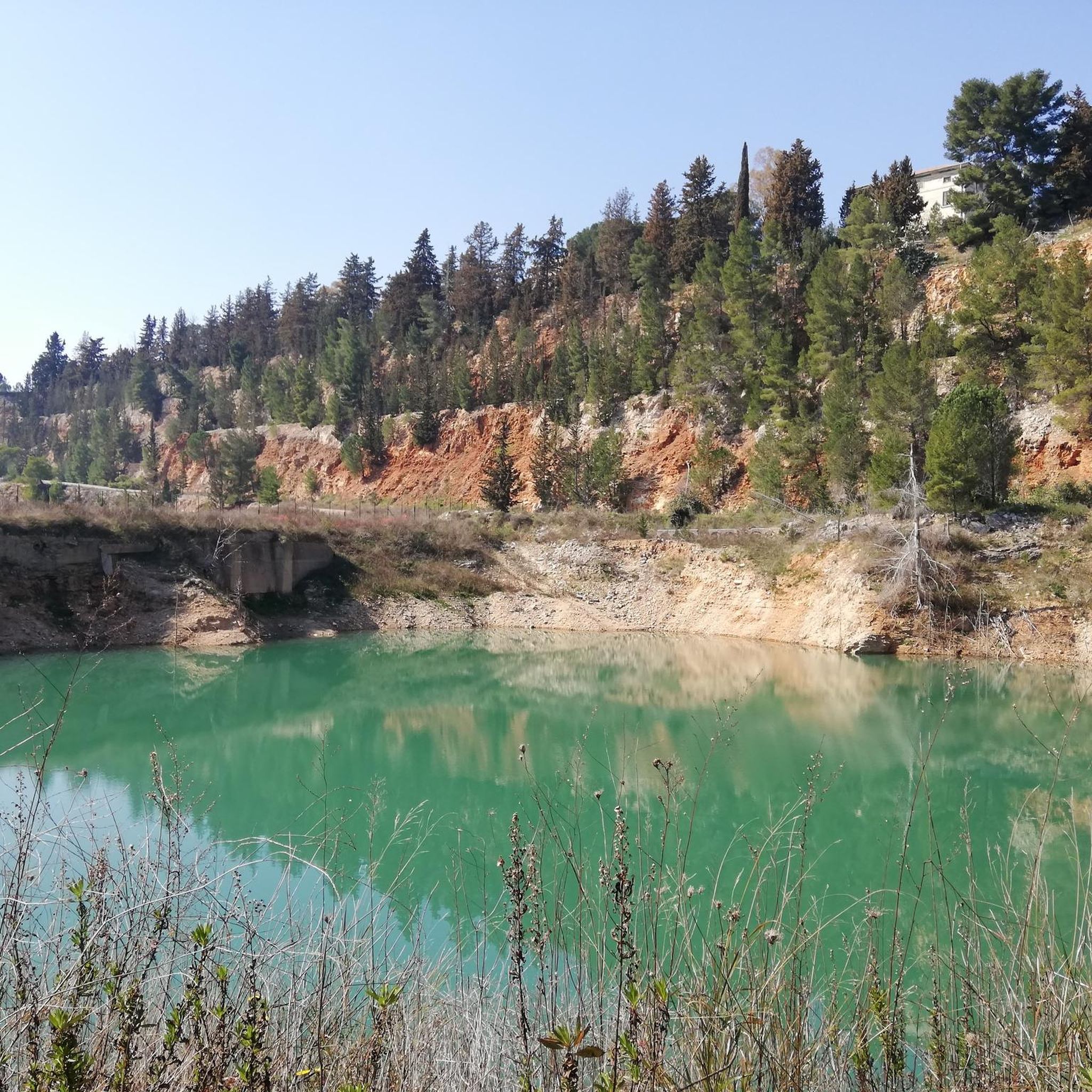
Beyond the olive groves, hikers can discover natural attractions such as Modugno Lake, the Mirko Variato Oasis, and the Lama San Giorgio Nature Reserve, offering diverse natural scenery.
What do other hikers say about the trails in Bitritto?
The hiking routes in Bitritto are highly regarded by the komoot community, holding an average rating of 4.4 stars from over 290 reviews. More than 3,100 hikers have used komoot to explore the area, often praising the peaceful countryside and historical elements.
When is the best time of year to go hiking in Bitritto?
The best time to hike in Bitritto is typically during the spring (April-May) and autumn (September-October) months. The weather is milder and more pleasant for outdoor activities, avoiding the intense heat of summer and the cooler, potentially wetter conditions of winter.
Are there any moderate difficulty hikes for more experienced walkers?
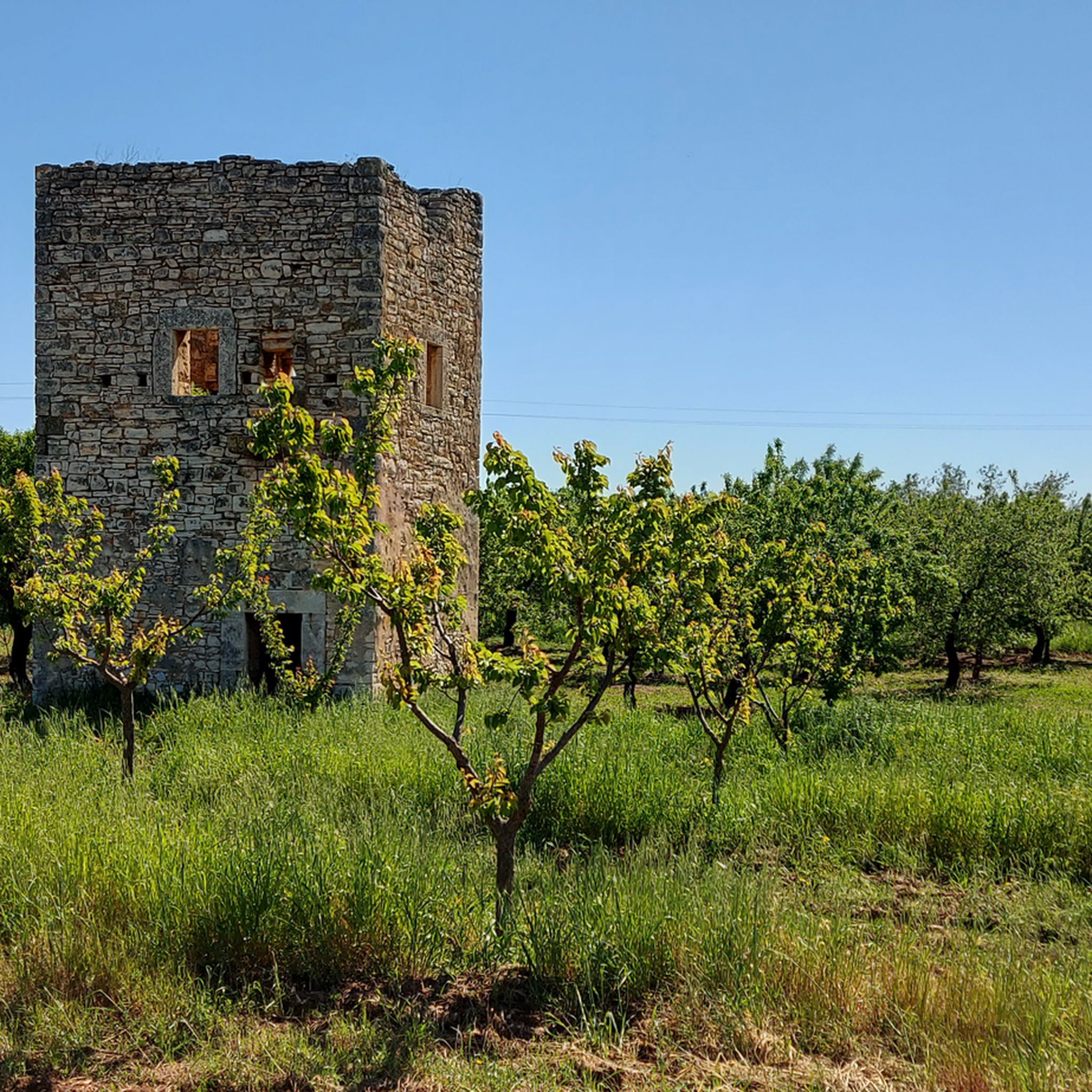
Yes, Bitritto offers 29 moderate difficulty routes for those seeking a bit more challenge. The Church of Santa Maria Veterana – Tower of the Marquis Arcamone loop from Grumo Appula is an example of a moderate trail, covering about 5.4 miles (8.7 km).
Can I find trails that connect different towns or villages?
Yes, many trails in the Bitritto area are designed to connect small towns and ancient structures, allowing you to experience the local culture and history as you hike. The Peucetian Way: Bitetto Countryside Loop is a good example of a route exploring the rural surroundings between settlements.
Most popular attractions around Bitritto

Get inspired with the komoot mobile app


Explore more
Browse the best Hikes in other regions.
