Attractions and Places To See around Bitetto - Top 20
Best attractions and places to see around Bitetto, a historic town in Apulia, Italy, offer a blend of cultural and architectural sites. Known for its "heart of white stone" and "Termite olives," the town provides an authentic Puglian experience. Visitors can explore ancient churches, historical landmarks, and the narrow streets of its old town. The area features a variety of attractions, from religious buildings to natural features.
Best attractions and places to see around Bitetto
- The most popular attractions is…
Last updated: July 7, 2026
All Saints Church of Cuti
Highlight • Religious Site
Translated by Google •
Tip by

Modugno Lake
Highlight • Lake
Translated by Google •
Tip by

Sign up now to discover places like this
Get recommendations on the best single tracks, peaks, & plenty of other exciting outdoor places.
Sign up for free
Tower of the Marquis Arcamone
Highlight • Historical Site
Translated by Google •
Tip by
Fizzarotti Palace
Highlight • Historical Site
Translated by Google •
Tip by

Sanctuary of Blessed James
Highlight • Religious Site
Built in the …
Translated by Google •
Tip by
Sign up for free to discover even more attractions around Bitetto.
Sign up for free
Already have an account?
Start today with a free account
Your next adventure awaits.
Login or Signup

Other adventures around Bitetto

Tips from the Community

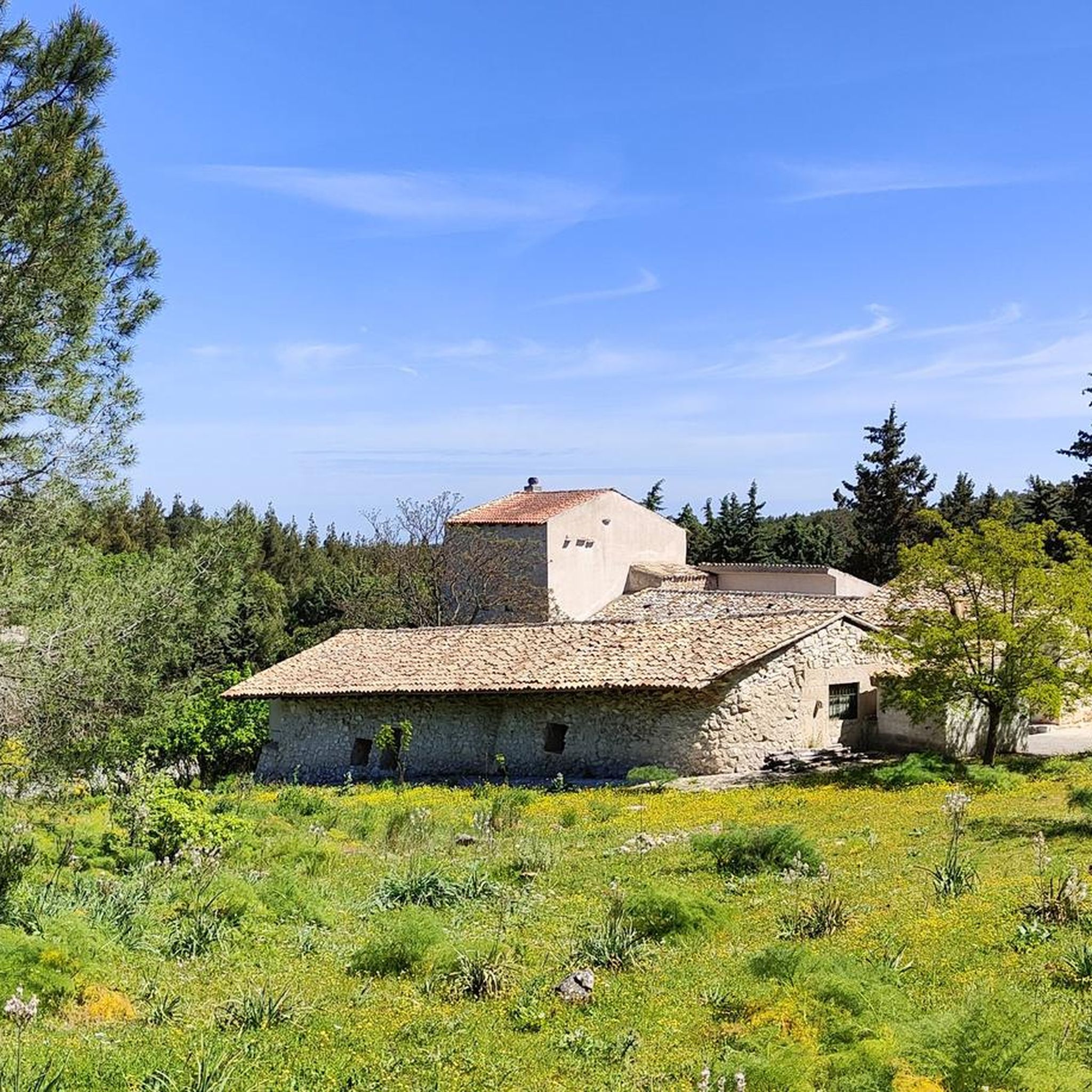
The "Torre del marchese Arcamone" is a fortified two-storey farmhouse whose last phase is certainly from the modern age, which has on the ground floor rooms for stables, warehouses and an oil mill. But what is its history and why is the district called this way? In 1399 the king of Naples, Louis, ceded the barony of Bitetto together with the fief of Ceglie and Bari, for having fought bravely in a war near Taranto, to Marcello Arcamone. Since 1382, during the reign of Charles III, he had come to Puglia with his brother Lionello, who had been given the Lordship of Ceglie. The Arcamone family lived in Bitetto for a long time. In 1407 Pope Martin V transferred Bishop the son of Marcello, Carlo Arcamone, from his seat in Venafro to Bitetto. The farm had many changes of ownership and in 1806, already belonging to the Noja family of Mola, it was confiscated for the abolition of the feudal regime.
0
0

Built in the city center in 1910, in an eclectic style inspired by Venetian Gothic, it was commissioned by the banker and entrepreneur Emanuele Fizzarotti and designed by the architect Ettore Bernich, a leader of Italian eclecticism.[1] The palace preserves richly decorated rooms inside, each with a specific artistic style and the use and association of different materials and techniques. Built above the underground spring "Mare Isabella", Palazzo Fizzarotti has several architectural layers. Inside, 13th-century structures dating back to old convents and refreshment stations outside the walls of the medieval city are visible. In 1850, with the demolition of the medieval walls and the expansion of the city through the Murattiano district, two areas of land were connected by Nicola Lagattola. In November 1858 the Lagattola heirs sold the land to Nicola Loiacono who built the ground floor and first floor in Baroque style, demolishing and incorporating the old 13th-century structures. The last Loiacono heir, Rosa, sold the entire complex in 1879 to the entrepreneur Emanuele Fizzarotti who modified it, raising the second and third floors and applying a Venetian Gothic façade. Following the death of Emanuele Fizzarotti in 1926, the building first became, in the 1930s, the property and headquarters of the Banca del Fucino and then, after the Allied landing in southern Italy, the headquarters of the Circolo Ufficiali Alleati. Between 1960 and 1980 it was instead the headquarters of the offices of the European Community. Today Palazzo Fizzarotti is also home to the Poli Archive, which preserves the contribution of Giosuè Poli from Molfetta, sports manager, organizer and athlete, in the social restructuring of the Apulian territory and of Italian sport, during and after the Second World War.
0
0

The Torre del Marchese is an ancient farmhouse with an ancient history. Even today it represents one of the most important oil mills where the niches with the press for pressing the olives are still visible.
2
0

It is believed that Blessed Giacomo had the gift of prophecy during his lifetime: in particular, the episode involving Duke Andrea Matteo III Acquaviva is known; the nobleman had participated in the Barons' Conspiracy and was risking his life, but the friar predicted that he would be forgiven by the king and would have a son. Once both events occurred, the duke built the straight road that connects the convent to the town as a thanksgiving.
1
0
Blessed Giacomo lived in the Bittese convent until 1463, when according to tradition he moved to Bari, in the Franciscan convent built in those years. After 1469 he was certainly in Cassano delle Murge, in the convent of Santa Maria degli Angeli, to which he is linked by some episodes. From 1480 to 1483 he returned to Bitetto, which had been struck by the plague; despite his advanced age, he did not fail to support the population, devoting himself to prayer, care and assistance to the plague-stricken. Between 1483 and 1485 he lived in the convent of Santa Maria dell'Isola in Conversano, as evidenced by Agostino da Ponzone in recording the friar's presence in the ducal castle during the illness and miraculous recovery of little Giovanni Battista Acquaviva. In 1485 he returned definitively to Bitetto, where he died on 27 April 1496.
1
0
Blessed Giacomo, son of Leonardo Varingez and Beatrice, was born in Zara, in Dalmatia, around the year 1400. He arrived in Apulia at the age of 18-20 thanks to some fellow merchants. Here he met the Franciscan community of the local convent and, seizing the vocation, took on the Franciscan habit around 1437.
1
0
The Arcamones lived for a long time in Bitetto. In 1407 Pope Martin V transferred Bishop Carlo Arcamone to Bitetto from the seat of Venafro. Son of Marcello, former lord of Bitetto, Msgr. CARLO was a prelate of great zeal and Christian piety. During his stay in Bittese he obtained from Pope Eugene IV that a community of Franciscans be established here who erected a convent not far from the town, in a place called Gallicella.
2
0
the farm had many changes of ownership and in 1806, already belonging to the Noja di Mola family, it was confiscated for the abolition of the feudal regime.
6
0
Frequently Asked Questions
What historical sites can I explore in Bitetto?
Bitetto is rich in history. You can visit the 14th-century Cathedral of San Michele Arcangelo, a prime example of Apulian Romanesque architecture. The Sedile, once the city palace, and the ancient Church of Santa Maria la Veterana are also significant. Don't miss the majestic Sanctuary of Blessed James, a pilgrimage site. Other notable landmarks include the Baron's Palace, the charming Old Town Centre, and the Baresana Gate. The Tower of the Marquis Arcamone, an ancient farmhouse and oil mill, also offers a glimpse into the past.
Are there any natural attractions or viewpoints near Bitetto?
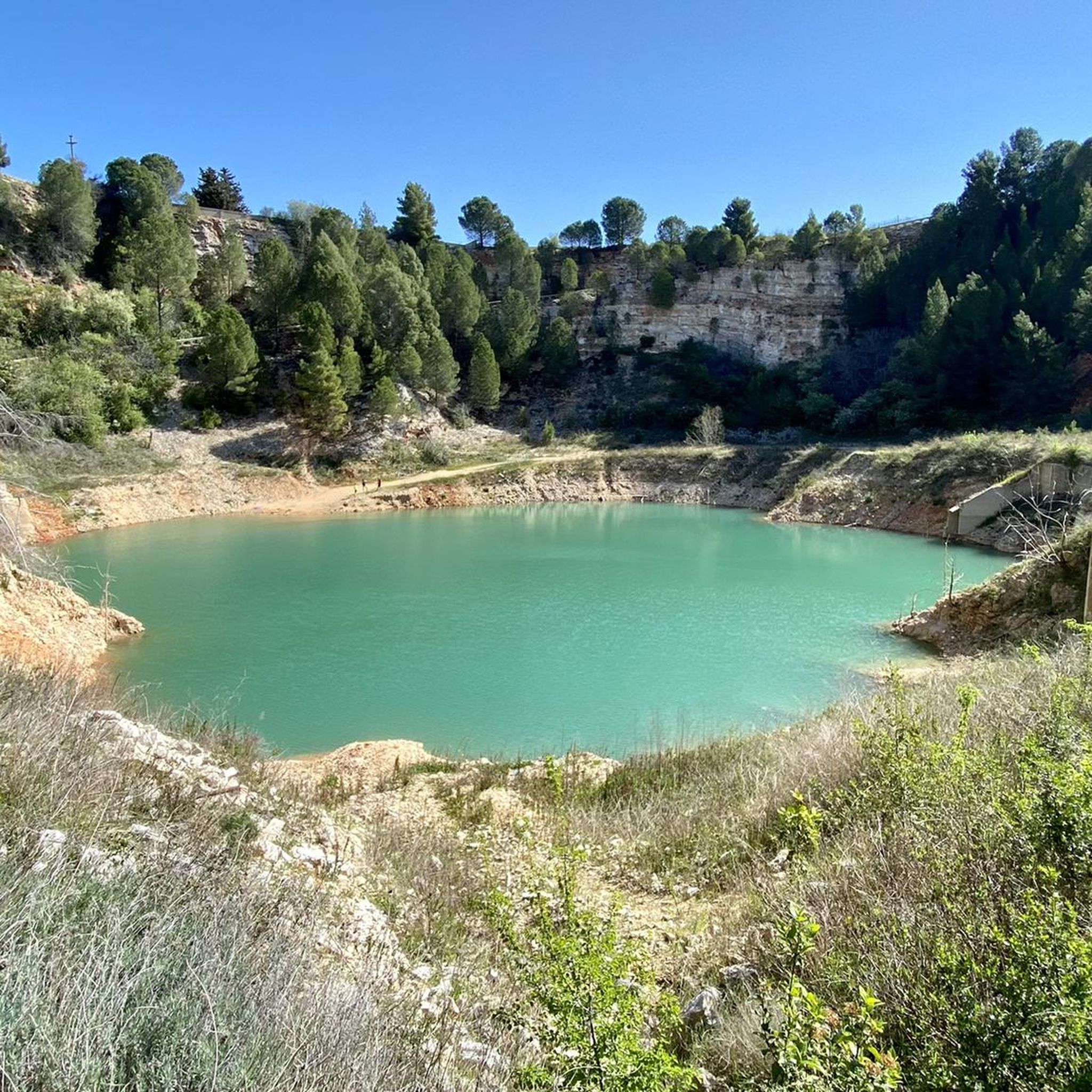
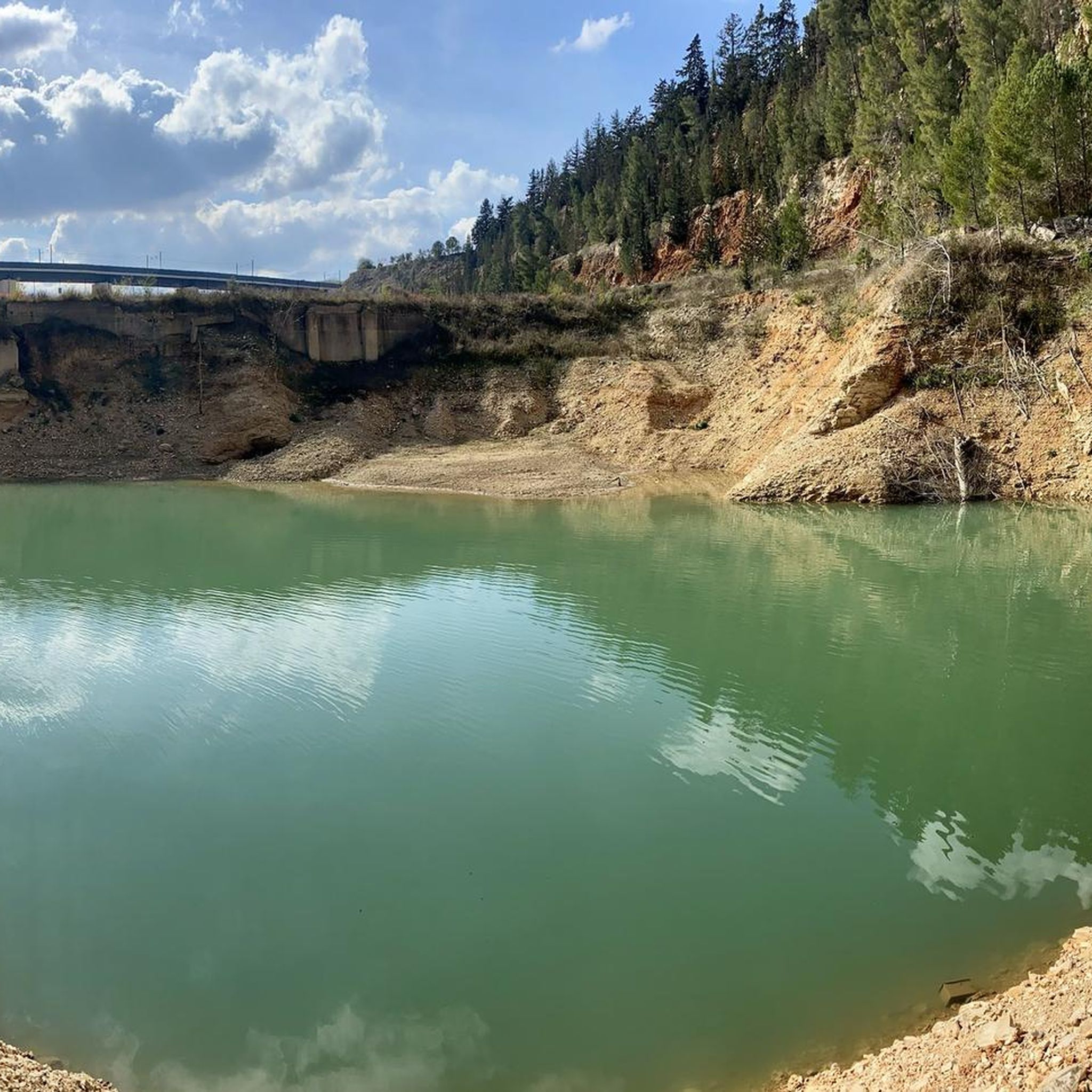
Yes, for a unique natural feature, visit Modugno Lake. This emerald green body of water is formed in a former quarry and is surrounded by a rocky amphitheater, offering scenic views. While the area is privately owned and access can be challenging, it's a popular spot for cyclists to admire the panorama.
What cultural experiences or events can I find in Bitetto?
Bitetto hosts several cultural events throughout the year. The annual Medieval Market on May 1st transports visitors back to the 15th century with stalls, jugglers, and musicians. The magical Night of San Giovanni (June 23rd-24th) fills the ancient village with performers. There's also a festival dedicated to the indigenous 'Termite olives' every September. You can also explore the Museum of Devotion of Work, housed in an ancient Franciscan convent, which showcases traditional arts, crafts, and local clothing.
What kind of outdoor activities can I do around Bitetto?
The area around Bitetto is great for outdoor enthusiasts. You can enjoy various routes for hiking, cycling, and gravel biking. For hiking, consider the 'Peucetian Way: Bitetto Countryside Loop' or the 'Orange Tree in Olive Grove – Torre del Marchese Arcamone loop'. Cyclists might enjoy the 'Path Among Olive Trees – Porta Piscina of Bitetto loop'. You can find more details and routes in the hiking guide and cycling guide for Bitetto.
Are there family-friendly attractions in Bitetto?
Many of Bitetto's historical and cultural sites are suitable for families. Exploring the narrow streets and tunnels of the Old Town Centre can be an engaging activity. The Baresana Gate and the Sanctuary of Blessed James are also considered family-friendly. For a unique experience, the Medieval Market and other local festivals offer entertainment for all ages.
What is the local cuisine like in Bitetto, and are there any specialties?
Bitetto's traditional cuisine aligns with the wider Apulian region, with a special emphasis on its indigenous 'Termite olives'. These olives are celebrated for their fragrance and pulp consistency, and you might find traditional dishes like *olive fritte*. The September festival dedicated to these olives is a great time to experience local flavors.
What is the All Saints Church of Cuti?
The All Saints Church of Cuti is an 11th-century monastic remnant located about a kilometer from Valenzano, near Bitetto. It is considered one of the most important religious buildings in the province and has a rich history, including local legends about its past.
What is the best time of year to visit Bitetto?
Bitetto offers attractions year-round, but spring and early autumn are particularly pleasant for exploring the historical sites and enjoying outdoor activities, with milder temperatures. If you're interested in specific cultural events, consider visiting on May 1st for the Medieval Market, or in September for the 'Termite olives' festival.
Can I find places to eat or drink near the attractions in Bitetto?
Yes, the Old Town Centre of Bitetto is where you'll find local cafes and pubs. Many of the main historical attractions, such as the Cathedral and the Sedile, are located within or very close to the historic center, making it convenient to find refreshments.
Are there any easy day trips I can take from Bitetto?
Bitetto serves as a good base for exploring the surrounding area of Apulia. While specific day trips are not detailed in the provided information, the nearby towns and countryside offer opportunities for further exploration, including more historical sites and natural landscapes. Consider exploring the 'Cammino Materano' or other routes mentioned in the hiking guide for nearby towns.
What are some lesser-known or 'hidden gems' to discover in Bitetto?
Beyond the main landmarks, exploring the intricate network of narrow streets and tunnels within Bitetto's Old Town Centre can reveal charming characteristic old houses and unexpected views of ancient Romanesque churches. The Torre del Marchese, an ancient farmhouse that functioned as an oil mill with visible olive presses, also offers a unique historical insight away from the more prominent sites.
Most popular routes around Bitetto
Most popular attractions around Bitetto

Get inspired with the komoot mobile app


Explore more
Still not found the Highlight you’re looking for? See guides of the top attractions in other regions:
