Attractions and Places To See around Capua - Top 20
Best attractions and places to see around Capua include a rich tapestry of ancient Roman and medieval history. Situated in Italy's Campania region on the Volturno River, Capua offers archaeological heritage and cultural sites. The area is known for its historical significance, with the original Roman city now called Santa Maria Capua Vetere located nearby. Visitors can explore a variety of historical landmarks and cultural institutions.
Best attractions and places to see around Capua
- The most popular attractions is Casertavecchia Medieval Village, a historical site located on the slopes of the Tifatini mountains. This village, about 10 km from Caserta, offers refreshment activities and scenic views.
- Another must-see spot is Piazza della Vaccheria and the Church of Santa Maria delle Grazie, a religious building in the Bourbon district of Vaccheria. Its gothic lines and baroque classicism make it a significant example of Neapolitan eclectic art.
- Visitors also love Casertavecchia Tower, a historical site that is part of the Casertavecchia village. This tower served as a refuge during Saracen incursions and is a main fortified place of the village.
- Capua is known for its historical sites, religious buildings, and medieval villages. The region offers a variety of attractions to see and explore, from ancient Roman ruins to fortified castles.
- The attractions around Capua are appreciated by the komoot community, with 13 highlights and 24 photos shared by visitors.
Last updated: July 2, 2026
Piazza della Vaccheria and the Church of Santa Maria delle Grazie
Highlight • Religious Site
Translated by Google •
Tip by

Casertavecchia Medieval Village
Highlight • Historical Site
Translated by Google •
Tip by
Sign up now to discover places like this
Get recommendations on the best single tracks, peaks, & plenty of other exciting outdoor places.
Sign up for free
Amphitheatre of Capua
Highlight • Historical Site
However, after two years of fighting and successfully resisting, Spartacus succumbed in his final battle. The rebels involved in the battle were captured. As a reminder, they were then crucified along the Roman road "Via Appia", on the route between Rome and Capua.
Even today, the catacombs, which are still completely preserved, radiate a special charm.
Translated by Google •
Tip by

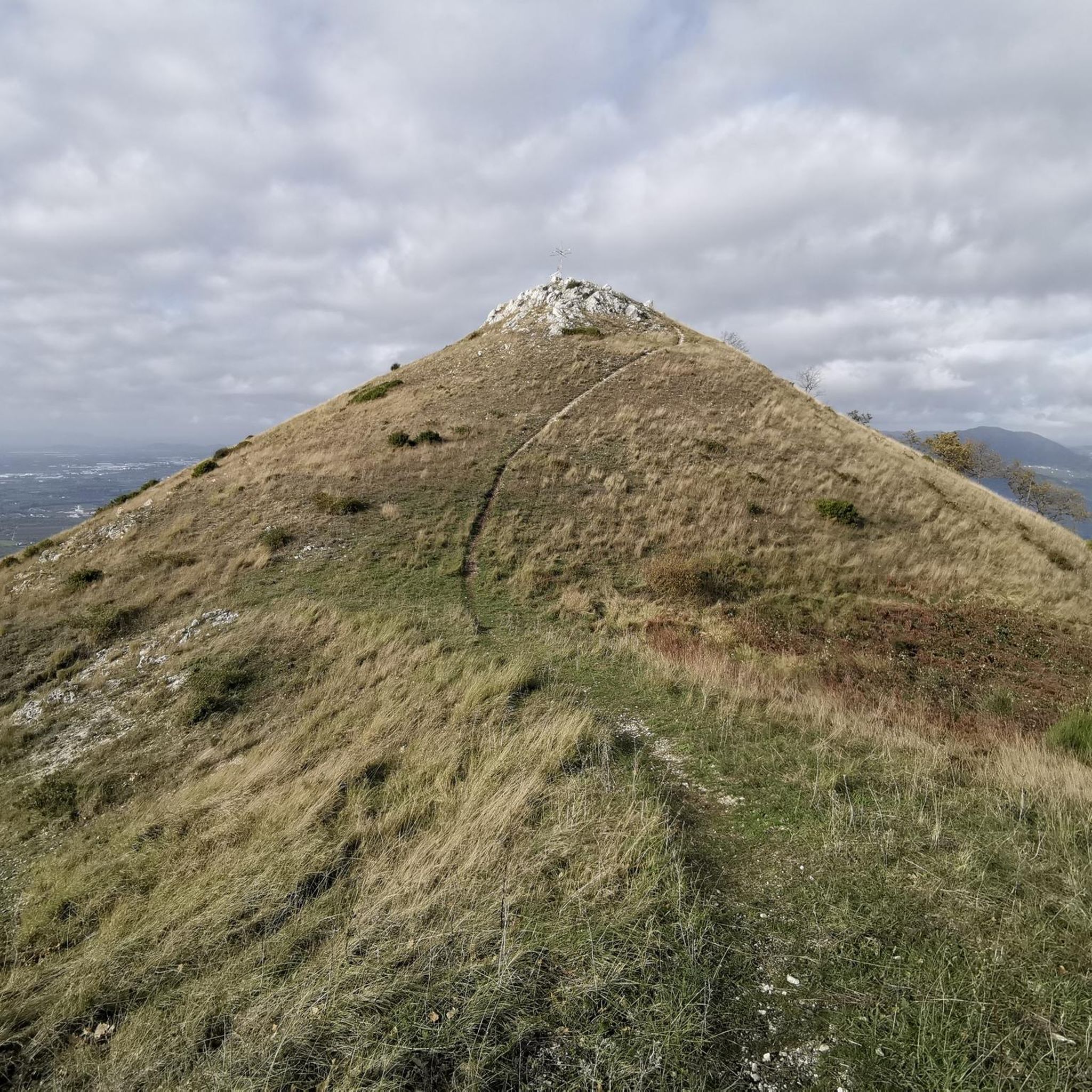
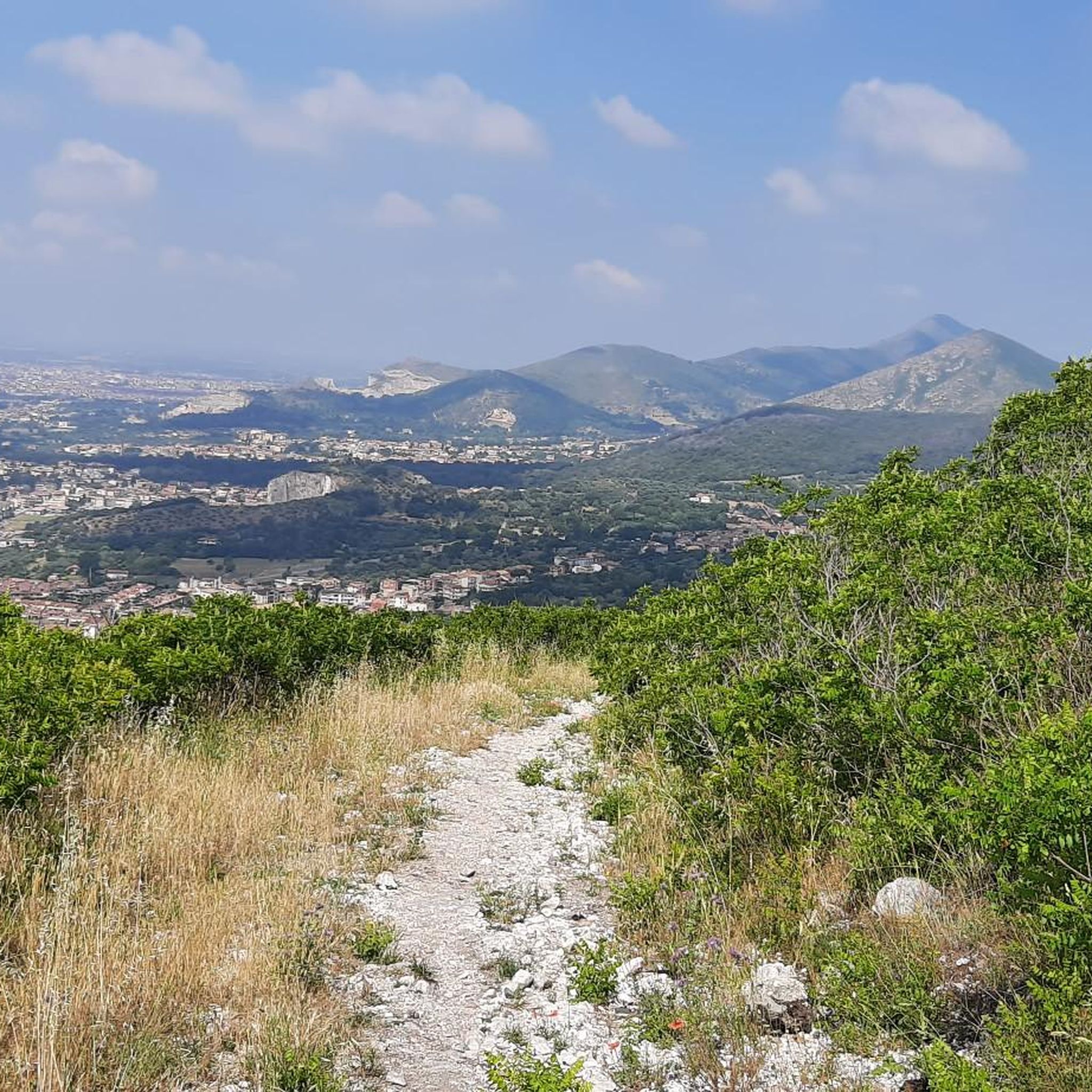
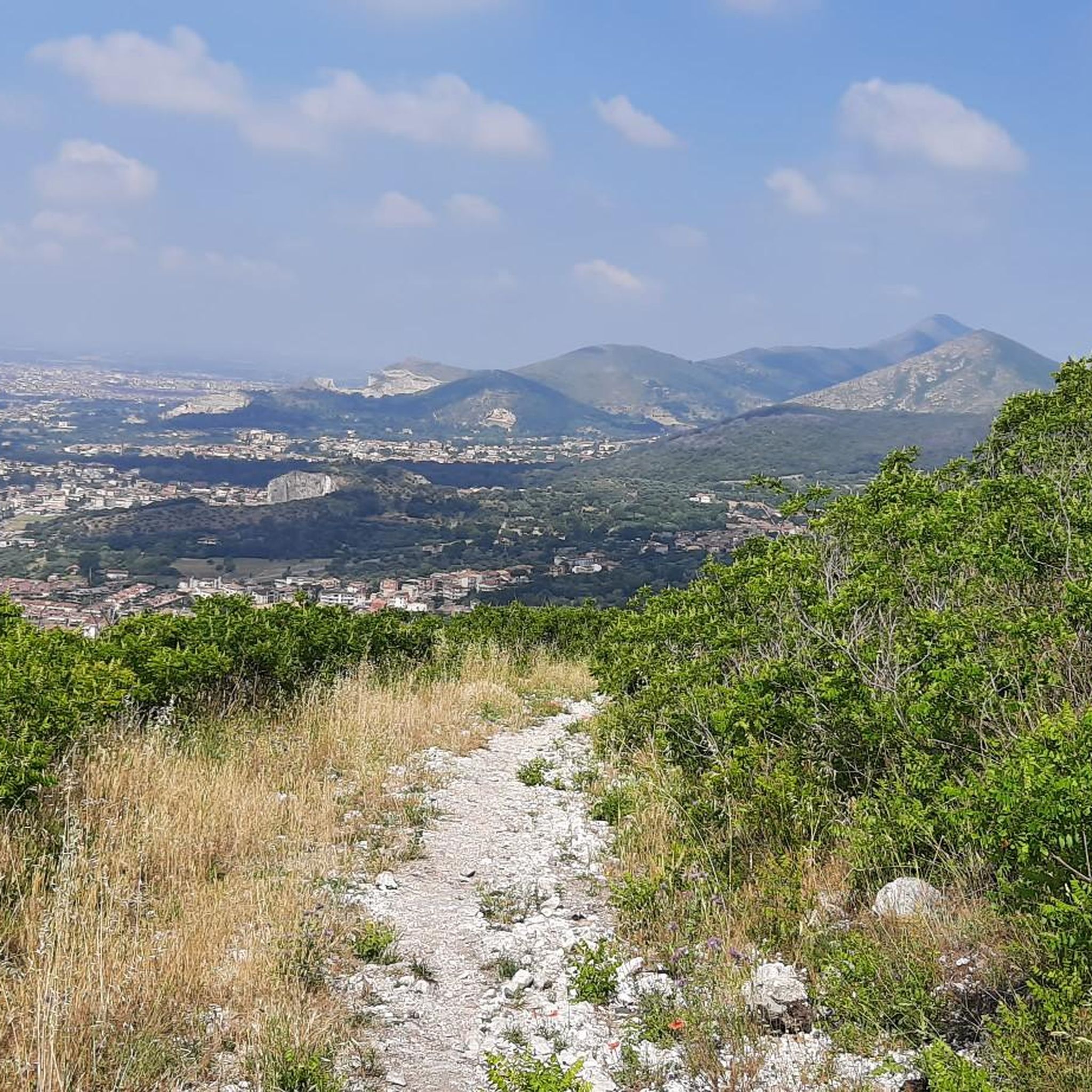
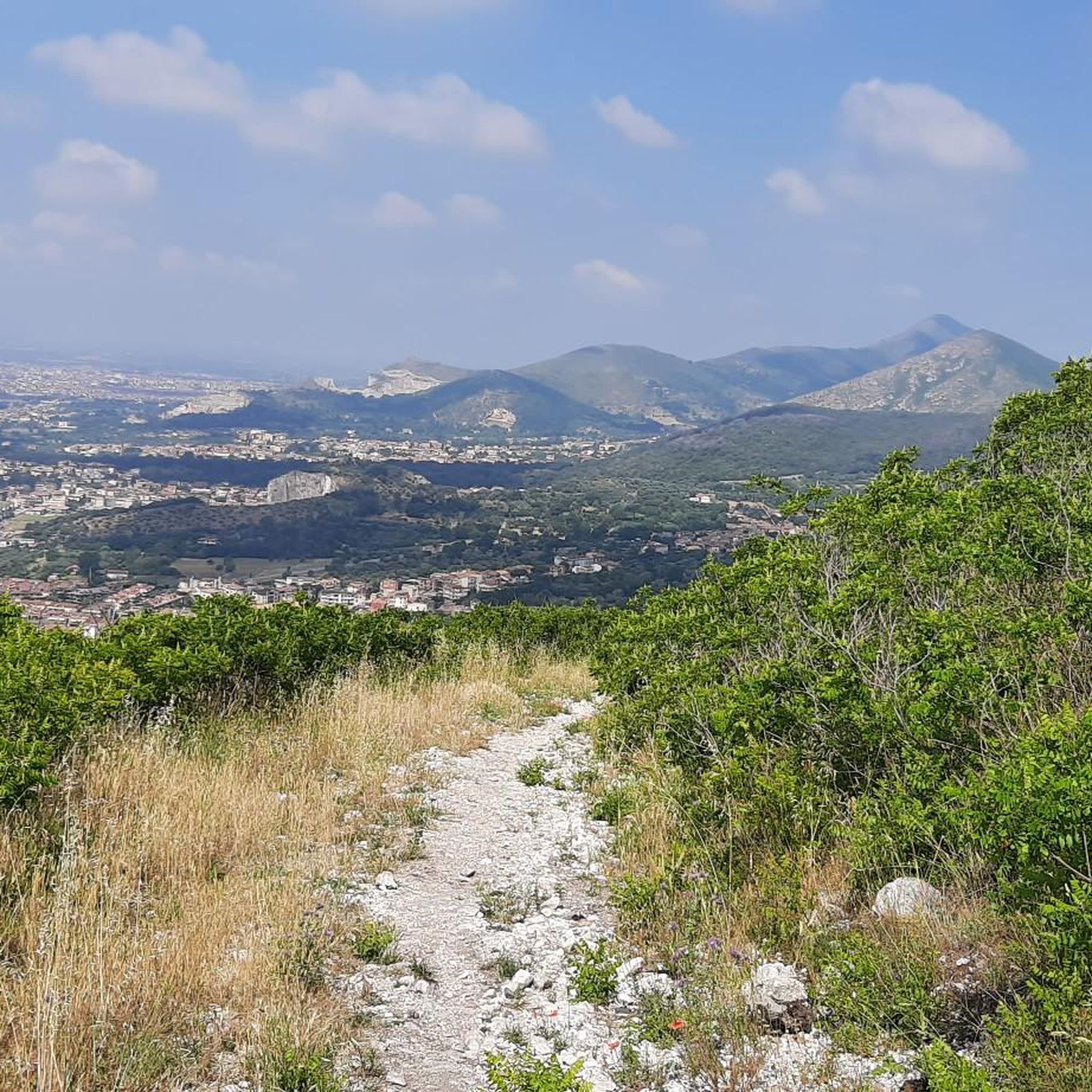
Vaccheria Panoramic Trail
Highlight (Segment) • Trail
Translated by Google •
Tip by

Royal Palace of Caserta
Highlight • Historical Site
Translated by Google •
Tip by

Sign up for free to discover even more attractions around Capua.
Sign up for free
Already have an account?
Start today with a free account
Your next adventure awaits.
Login or Signup
Tips from the Community

Unfortunately I didn't go out to enter the palace - I have to go back!
0
0

Spectacular amphitheater, the largest of antiquity after the Colosseum, located in Santa Maria Capua Vetere, the ancient Capua. It is clearly visible from the outside without having to enter the archaeological area
0
0
Very interesting archaeological site in Santa Maria Capua Vetere, the ancient Capua. The Campanian amphitheater stands out, the largest of antiquity after the Colosseum
1
0

Route traveled at the beginning of September 2024. Due to bad weather the route is bumpy with fallen trees that prevent transit. I struggled and not a little, if it is not cleared it is to be avoided
0
0

The Campanian amphitheater or Capuano amphitheater is a Roman-era amphitheater in the city of Capua, today located in Santa Maria Capua Vetere
0
0
Worth a visit...but without a bicycle!
0
0
It is a Roman-era amphitheater in the city of Capua, nowadays located in Santa Maria Capua Vetere
0
0
The Campania amphitheater is second only to the Colosseum in importance and size
0
0
Frequently Asked Questions
What historical sites can I explore in and around Capua?
Capua and its vicinity are rich in history. You can visit the impressive Amphitheatre of Capua in Santa Maria Capua Vetere, the second-largest Roman amphitheater after the Colosseum, famously associated with Spartacus. Don't miss the medieval charm of Casertavecchia Medieval Village and its Casertavecchia Tower, which served as a refuge during Saracen incursions. Other notable sites include the Duomo di Capua, Castello di Capua, and the ancient Roman Bridge over the Volturno River.
Are there any cultural attractions or museums in Capua?
Yes, Capua offers several cultural attractions. The Museo Campano, housed in the historic Antignano palace, boasts an important archaeological collection, including the famous Matres Matutae sculptures. Adjacent to the Campanian Amphitheatre, the Gladiator Museum provides deeper insights into the history of gladiatorial schools. You can also explore the Mithraeum, an underground sanctuary dedicated to the god Mithras, and the Diocesan Museum within the Capua Cathedral.
What are the best family-friendly activities in Capua?
Families can enjoy exploring the historical sites, many of which offer engaging experiences for all ages. The Amphitheatre of Capua, with its well-preserved subterranean passages, is a fascinating visit. The charming Casertavecchia Medieval Village provides a picturesque setting for a stroll and offers refreshment activities. The Piazza della Vaccheria and the Church of Santa Maria delle Grazie is another pleasant spot for a family outing.
What kind of outdoor activities or trails are available near Capua?
The area around Capua offers various outdoor activities, particularly hiking and mountain biking. For hikers, there are routes like the 'From Vaccheria on the slopes of Monte S. Leucio – loop tour' which is an easy option, or the 'From Vaccheria to Monte Sommacco - ring tour' for a moderate challenge. Mountain bikers can explore trails such as the 'Liberi War Memorial – Roman Bridge of Capua loop'. You can find more details on these and other routes in the hiking guide and MTB trails guide for Capua.
Are there any viewpoints or natural features to enjoy around Capua?
While Capua is primarily known for its historical sites, it is situated on the Volturno River, which played a crucial role in its history. For scenic views, the Casertavecchia Medieval Village, perched on the slopes of the Tifatini mountains, offers breathtaking panoramas. Additionally, the Vaccheria Panoramic Trail provides suggestive views of the Caserta valley, Mount Vesuvius, and extends to the sea.
What are some unique or 'hidden gem' attractions near Capua?
Beyond the main attractions, consider visiting the Basilica of S. Angelo in Formis, a Benedictine basilica not far from Capua, renowned for its extensive cycle of Byzantine-style medieval frescoes. The Mithraeum in Santa Maria Capua Vetere is another unique underground site, offering a glimpse into an ancient cult. The entire historic center of Capua, with its winding streets, Roman ruins, and elegant palaces, can feel like a hidden gem waiting to be explored.
What is the best time of year to visit Capua?
The Campania region generally enjoys a Mediterranean climate. Spring (April-May) and autumn (September-October) are often considered the best times to visit Capua. During these seasons, the weather is pleasant for exploring historical sites and engaging in outdoor activities, avoiding the intense heat of summer and the cooler, potentially wetter days of winter.
Can I find places to eat or stay near the attractions in Capua?
Yes, the Casertavecchia Medieval Village, for instance, is noted for having many refreshment activities and bars where you can stop for a coffee or lunch break. The historic center of Capua also offers various options for dining and accommodation, ranging from local trattorias to hotels, allowing visitors to immerse themselves in the town's atmosphere.
Are there any day trips I can take from Capua?
Absolutely. A popular day trip is to the Royal Palace of Caserta (Reggia di Caserta), a UNESCO World Heritage Site and an immense 18th-century palace with vast gardens, located a short distance from Capua. The charming medieval village of Casertavecchia is also an excellent option for a half-day trip. Additionally, the broader Campania region offers iconic natural landmarks like Mount Vesuvius and the Amalfi Coast, though these are further afield.
What is the significance of Capua in the history of the Italian language?
Capua holds a unique place in the history of the Italian language. It is recognized as the place where the Italian vernacular was 'born,' with the first document written in the Italian language, known as the 'Placito Capuano,' drawn up here in 960 AD. This makes Capua a significant site for those interested in the origins of the Italian language.
What do visitors enjoy most about the attractions around Capua?
Visitors frequently praise the rich historical atmosphere and the well-preserved ancient sites. The Amphitheatre of Capua is often highlighted for its historical significance and the intact catacombs. The Casertavecchia Medieval Village is loved for its beauty, scenic views, and the opportunity for refreshment. The blend of Roman and medieval history, along with the picturesque settings, makes the area highly appreciated by the komoot community.
Most popular attractions around Capua

Get inspired with the komoot mobile app


Explore more
Still not found the Highlight you’re looking for? See guides of the top attractions in other regions:
