Attractions and Places To See around Giovinazzo - Top 20
Best attractions and places to see around Giovinazzo include a rich blend of historical landmarks, cultural sites, and scenic points of interest. This coastal town in Puglia, Italy, is primarily centered around its well-preserved old town and picturesque harbor. Visitors can explore ancient architecture, religious buildings, and coastal features that reflect centuries of history and natural beauty. The area offers a variety of attractions for those interested in historical exploration and coastal scenery.
Best attractions and places to see around Giovinazzo
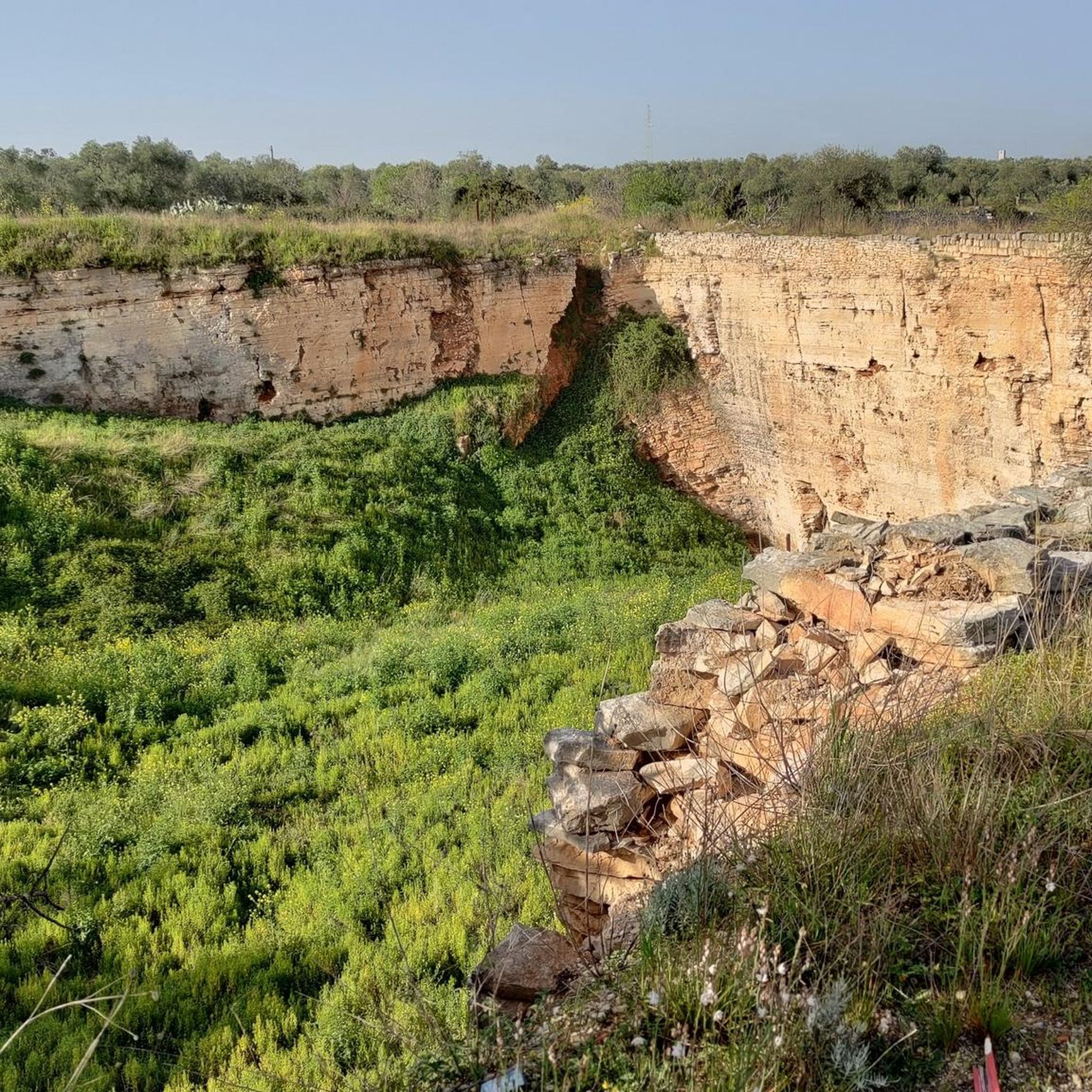
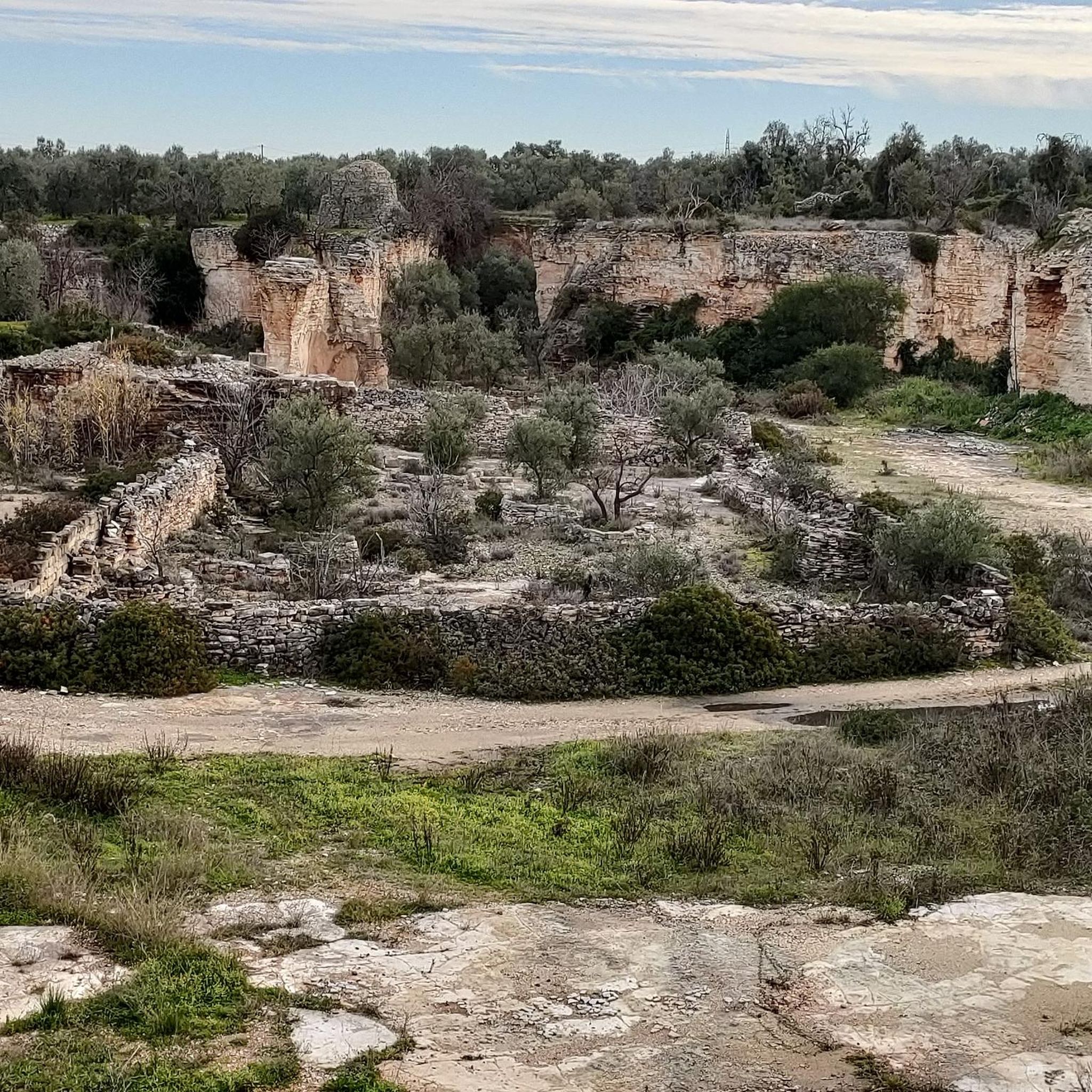
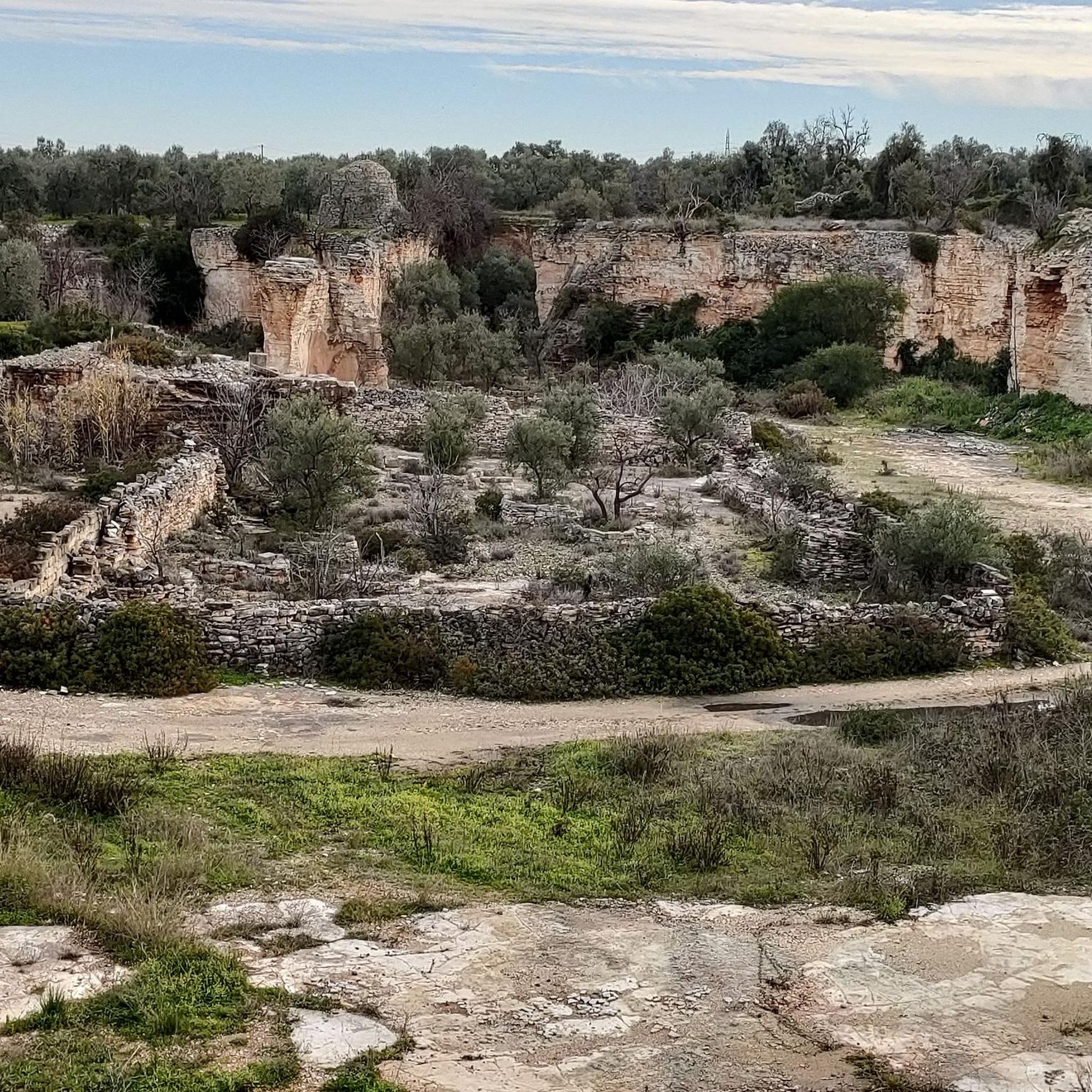
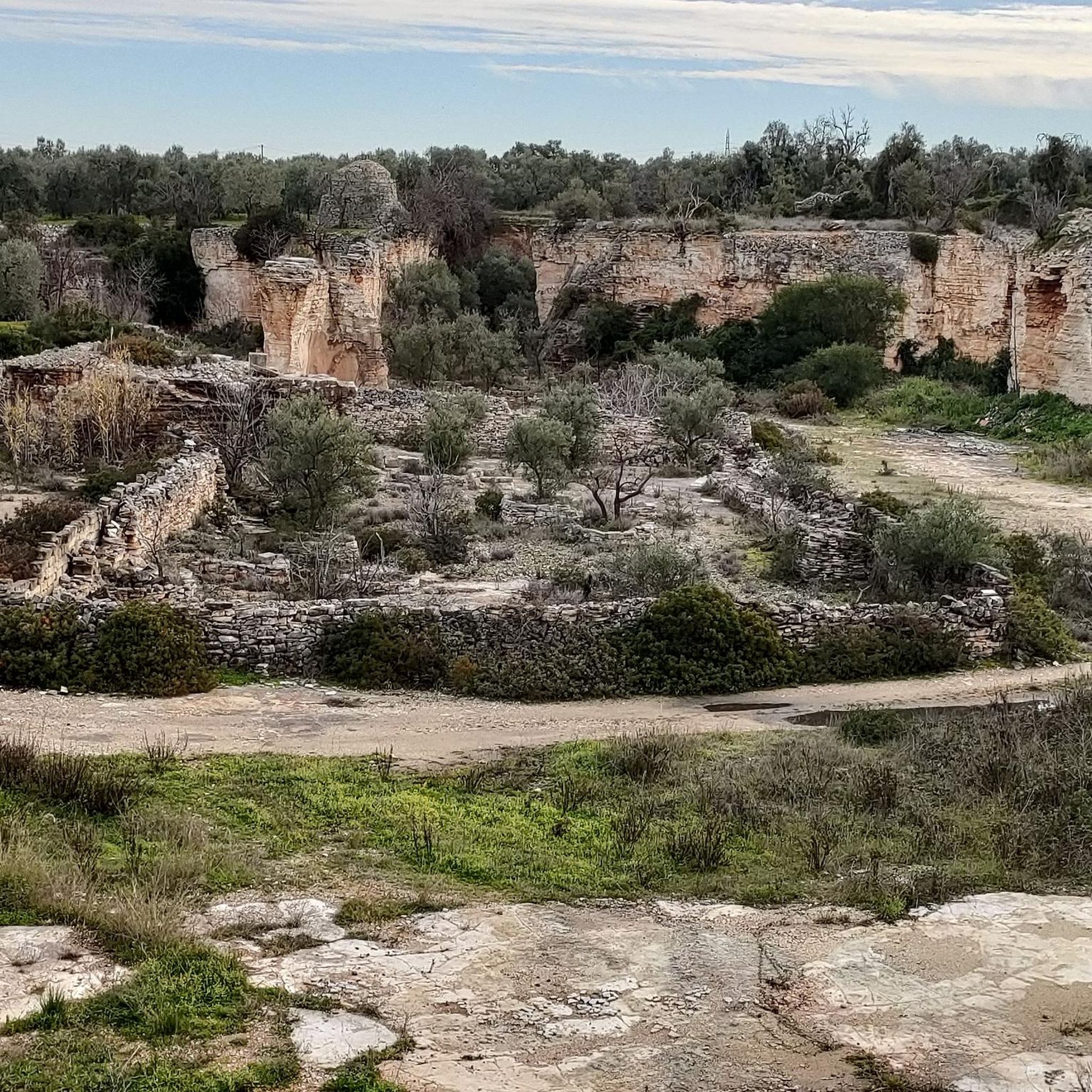
- The most popular attractions is Masseria Torre di Lerma, a historical site that functions as a farm complex. This site features various residential buildings, a church with painted walls, and an altar, showcasing the noble coat of arms of the Duke of Castelmezzano.
- Another must-see spot is Torre Calderina, a man-made monument. This defensive construction from 1569 stands over the Adriatic Sea within a birdlife protected area, characterized by cliffs and pebble expanses.
- Visitors also love Casale di Zappino, a historical site near Bisceglie. This structure, dating back about a thousand years, includes a wall enclosure, a medieval church, and a more recent tower, all in good condition.
- Giovinazzo is known for its historical sites, religious buildings, and man-made monuments. The area offers a variety of attractions to see and explore, from ancient farmhouses to coastal watchtowers.
- The attractions around Giovinazzo are appreciated by the komoot community, with 45 upvotes and 20 photos shared across various highlights.
Last updated: August 30, 2026
Casale di Zappino
Highlight • Historical Site
Translated by Google •
Tip by

Masseria Torre di Lerma
Highlight • Historical Site
Translated by Google •
Tip by
Sign up now to discover places like this
Get recommendations on the best single tracks, peaks, & plenty of other exciting outdoor places.
Sign up for free
Torre Calderina
Highlight • Monument
Translated by Google •
Tip by

Porta del Pace (Pisciniello Arch) on the Via Appia Traiana
Highlight • Historical Site
Begun in 312 BC, at the behest of the censor Appio Claudio Cieco. The construction works lasted until 190 BC, the date on which the route to the port of Brindisi was completed.
The road was restored and enlarged during the rule of the emperors Augustus, Vespasian, Trajan, Hadrian.
In the Middle Ages, the Appia became, together with the Via Traiana, the route of the crusaders, and Frederick II also set sail from the port of Brindisi in the direction of the Holy Land.
Terlizzi was lucky enough to be one of the towns in Puglia to be crossed in its territory by what is perhaps the most famous of the ancient Roman roads: the Via Appia.
To indicate to the ancient travelers the direction to follow to reach the territory of "inter licius" (Terlizzi), there were two portals that can still be admired today.
The one in the picture is the first of the portals, the so-called "Pisciniello" arch, on the so-called road of the "gates" which leads to the Via Appia Traiana. Continuing on the "via dei portoni" you reach the second arch which is right next to the Roman road.
Traveling along the Appia-Traiana is a continuous discovery ... an immersion in history !!
Translated by Google •
Tip by

Holy Angel Church
Highlight • Religious Site
Translated by Google •
Tip by
Sign up for free to discover even more attractions around Giovinazzo.
Sign up for free
Already have an account?
Start today with a free account
Your next adventure awaits.
Login or Signup

Tips from the Community

It is easier to get there from Molfetta but the walk from Ripalta to Torre Calderina is pleasant.
0
0

Via Appia is not for touring cyclists with full luggage. The gate is quite nice, but is not Roman, but of recent date.
1
0
Beautiful farmhouse from the year 1000 - hoping it's open more often!
0
0

Tower overlooking the sea under renovation to bring it back to its former glory!
1
0

There are also numerous species of birds with sedentary and migratory species, so much so that these coastal territories are characterized as an oasis of protection for migratory avifauna. In recent years there have been several attacks by wild building which had targeted the place identified as a possible site in which to build first a residential complex, then a boat storage and finally a motel. Only thanks to the intervention of environmentalists was it possible to avoid the danger of overbuilding.
3
0
The toponym of the farmhouse derives from sappinus (medieval Latin etym.), a kind of pine tree. The architectural complex, located about 5 km from the city in the direction of Terlizzi, consists of a medieval church, a wall and some buildings. In the church of the farmhouse a Madonna is venerated, bringer of rain and health to the fields, whose feast is held on site on the first Sunday after Easter. The painting of the Madonna, placed on the altar, is in oil on canvas.
3
0
The tower takes its name from the architect who built it (Salvatore Calderini), today it is often confused with the Torre della Cera located on the S.S. 16 Molfetta – Bisceglie (built in 1770 on behalf of the nobleman Pietro Gadaleta). Torre Calderina, on the other hand, stands on the seashore north of the city and represents a defensive construction built in 1569 with the intention of spotting the Turkish enemy coming from the sea in time to organize the defence. It was part of the complex system of watchtowers of the Kingdom of Naples.
3
0
Located in Bisceglie on the old road to Ruvo di Puglia, in the Zappino farmhouse (from the medieval Latin word 'Sappinus' indicating a kind of pine), dating back to around the year one thousand, it is still possible to see the wall enclosure, a medieval church in good condition. and a rear period tower. The tower, with a square plan, has three levels, probably four originally.
2
0
Frequently Asked Questions
What historical sites can I explore in and around Giovinazzo?
Giovinazzo is rich in history. You can wander through the Historic Centre (Borgo Antico) with its narrow alleys and ancient walls, or see the Porta del Pace (Pisciniello Arch), a remnant of the ancient Via Appia Traiana. Other notable historical sites include Casale di Zappino, a thousand-year-old structure near Bisceglie with a medieval church, and Masseria Torre di Lerma, a historical farm complex with a chapel.
Are there any significant religious buildings to visit in Giovinazzo?
Absolutely. The most prominent is the 12th-century Romanesque Giovinazzo Cathedral (Concattedrale di Santa Maria Assunta), which overlooks the sea and features a crypt. Other churches include the Church of the Holy Spirit with its unique 'trullo' domes, the 16th-century Church of Our Lady of Constantinople, and the rural Holy Angel Church, founded in 1697.
What natural features or scenic viewpoints can I find near Giovinazzo?
The Lungomare di Giovinazzo offers breathtaking views of the Adriatic Sea and rugged cliffs, perfect for a leisurely stroll. For a historical viewpoint, Torre Calderina, a 16th-century defensive tower, stands over the Adriatic within a birdlife protected area, characterized by cliffs and pebble expanses.
Are there opportunities for outdoor activities like hiking or cycling near Giovinazzo?
Yes, the area around Giovinazzo offers various outdoor activities. You can find several routes for hiking, running, and road cycling. For hiking, consider the "Via Francigena: Giovinazzo Coastal Loop" or routes around the Giovinazzo Harbor. Cyclists can explore routes like "Torre Rufolo – Dolmen of San Silvestro loop" or "Sea and Olive Trees – Dolmen of San Silvestro loop." You can find more details and routes on the Hiking around Giovinazzo, Running Trails around Giovinazzo, and Road Cycling Routes around Giovinazzo guide pages.
What are some family-friendly things to do in Giovinazzo?
Families can enjoy exploring the picturesque Giovinazzo Marina / Old Harbor, watching the fishing boats, or strolling along the promenade. The town's small rocky and pebbled beaches with clear waters are popular for swimming in summer. The Porta del Pace (Pisciniello Arch), part of the ancient Via Appia Traiana, is also listed as family-friendly.
When is the best time of year to visit Giovinazzo?
Giovinazzo is particularly popular in the summer months when its beaches and coastal areas are ideal for swimming and enjoying the lively atmosphere of the harbor promenade. However, for exploring historical sites and enjoying outdoor activities like hiking or cycling, the spring and autumn months offer milder temperatures and fewer crowds, making it a pleasant experience.
Where can I experience the local culture or find lively spots in Giovinazzo?
The heart of Giovinazzo's social life is Piazza Vittorio Emanuele II, a lively main square in the modern part of town. It's lined with cafés and often hosts concerts and markets. The Giovinazzo Marina / Old Harbor also offers a vibrant atmosphere, especially in the evenings, with its active fishing boats and promenade.
Are there any unique 'hidden gems' or lesser-known spots worth discovering?
Beyond the main attractions, explore the numerous aristocratic palaces like De Ritiis Palace, the Episcopal Palace, or Palazzo Saraceno (now the Town Hall) within the historic center. The traditional water mills, called 'palmento,' used for olive oil production, are also unique historical features reflecting Giovinazzo's heritage as the 'City of the Olive Oil'.
What kind of beaches or coastal areas are there in Giovinazzo?
Giovinazzo's coastline features several small rocky and pebbled beaches with clear waters, along with stone bathing platforms. The West seafront, accessible via stairs, offers natural pools for swimming. The Lungomare di Giovinazzo also provides scenic views of the Adriatic Sea.
Can I find dog-friendly places or walks in Giovinazzo?
While specific dog-friendly establishments may vary, the Lungomare di Giovinazzo and the general coastal promenades are excellent for walks with your dog. Exploring the narrow alleys of the Historic Centre can also be a pleasant experience, though always be mindful of local regulations regarding pets in public spaces.
What is the significance of Giovinazzo's olive oil production?
Giovinazzo is proudly known as the 'City of the Olive Oil' due to the extensive cultivation of olive trees in its agricultural areas. This tradition is deeply rooted in the local culture and economy. You can still find traditional water mills, known as 'palmento,' which were historically used to crush olives for oil production, showcasing this important heritage.
How can I explore the ancient Roman history in the area?
You can trace ancient Roman history by visiting the Porta del Pace (Pisciniello Arch), which is located on the Via Appia Traiana, one of the most famous Roman roads. The Arco di Traiano (Arch of Trajan) at the edge of the old port also marks the entrance to the historic center and was built above a milestone of the ancient Via Traiana, offering a glimpse into the town's Roman past.
Most popular routes around Giovinazzo
Most popular attractions around Giovinazzo

Get inspired with the komoot mobile app


Explore more
Still not found the Highlight you’re looking for? See guides of the top attractions in other regions:
