Attractions and Places To See around Roccamonfina - Top 20
Best attractions and places to see around Roccamonfina include a diverse array of sites within the crater of an extinct volcano in Southern Italy. The area is characterized by lush chestnut forests and is part of the Roccamonfina and Foce del Garigliano Regional Park. Visitors can explore natural features, rich historical sites, and cultural landmarks. The region offers a variety of attractions for those interested in outdoor exploration and history.
Best attractions and places to see around Roccamonfina
- The most…
Last updated: July 2, 2026
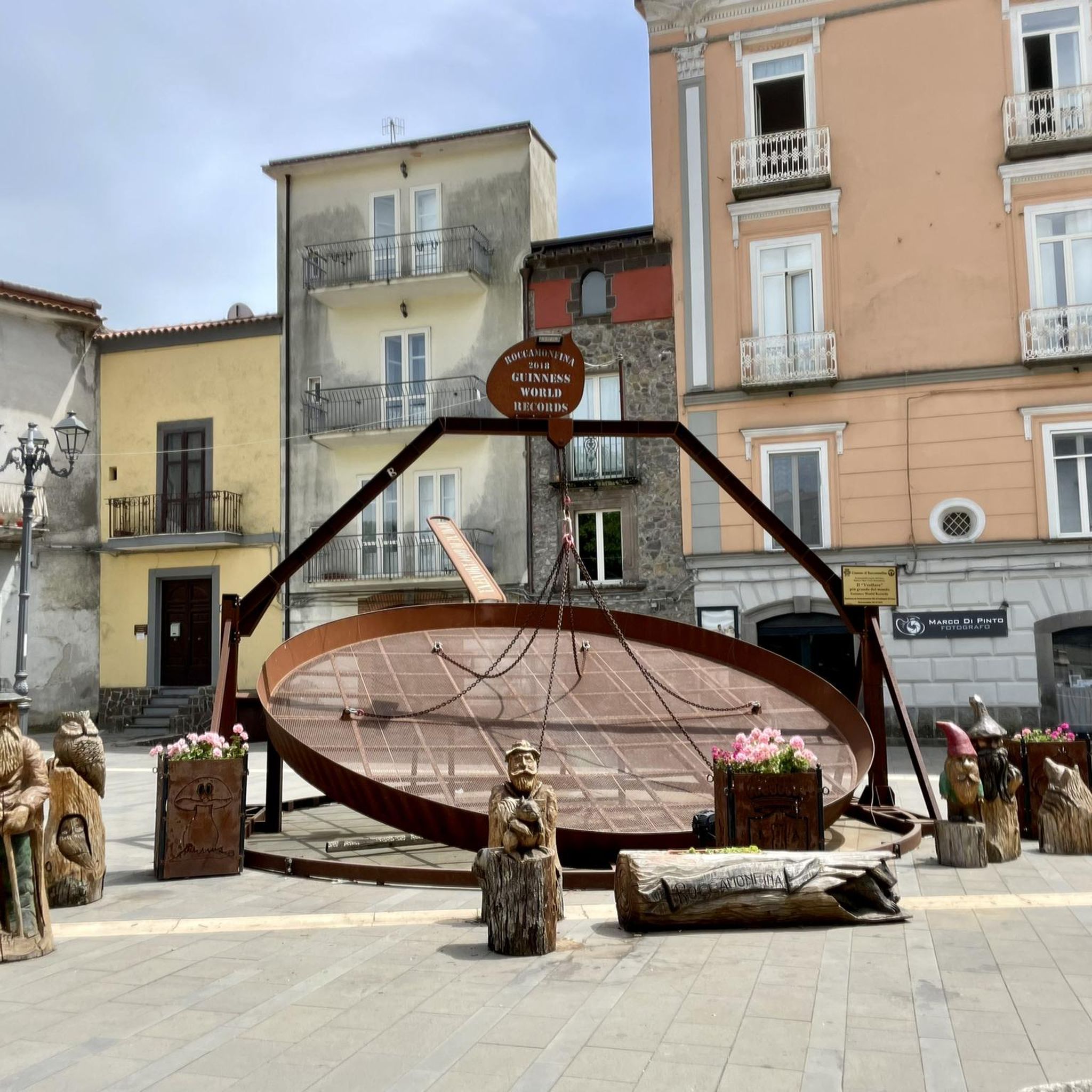
Sundial and Wooden Sculptures in Piazza Nicola Amore, Roccamonfina
Highlight • Monument
Translated by Google •
Tip by

Orto della Regina Megalithic Walls
Highlight • Historical Site
Translated by Google •
Tip by

Sign up now to discover places like this
Get recommendations on the best single tracks, peaks, & plenty of other exciting outdoor places.
Sign up for free
Sanctuary of Most Holy Mary of the Lattani
Highlight • Religious Site
Translated by Google •
Tip by
Conca della Campania Waterfall
Highlight • Waterfall
Translated by Google •
Tip by

Roccamonfina Town Center
Highlight • Settlement
Translated by Google •
Tip by

Sign up for free to discover even more attractions around Roccamonfina.
Sign up for free
Already have an account?
Start today with a free account
Your next adventure awaits.
Login or Signup

Tips from the Community

Walls of the Queen's Garden
0
0

The Garden of the Queen is a short path, easily accessible with children and offers the thrill of discovering a place shrouded in mystery. The path starts immediately uphill but is very short (about 800 meters to the destination), for where the difficulty level is really low. You know you're on the right path because there are fences that accompany you and the climb is made easier by steps made from tree trunks. A few meters later, there it was, in the middle of the forest surrounded by trees and covered in green moss. A large wall, made of enormous trachyte boulders, which extends for a perimeter of approximately 250 metres. How many millennia have passed since man laid the first stone here? It is not known, it is thought that the walls were built around the 5th century BC, evidence of the presence of man in very ancient times in this area. It is not even clear what the function was: some speak of a temple dedicated to a divinity from the pre-Roman epic, while others assume it was a military post which had the function of controlling the border areas. Even the name "garden" suggests one of these two hypotheses: "hortus" means enclosure (used in a military sense), or it can also be understood as a sacred place.
1
0
The sanctuary was founded in 1430[1] by Saint Bernardino of Siena and Saint Giacomo della Marca, who had arrived there following the news of the discovery of a statue of the Virgin in the same or previous year[2]. A first rural chapel was built, then a first church, shortly afterwards enlarged in its current form between 1448 and 1507 This event has taken on a legendary character in popular tradition. In fact it is said that, towards the end of 1300, a shepherd boy who took his goats to graze along that mountain noticed a curious fact: every day, one of the goats moved away from its companions and in the evening it was the one that gave the most milk. Intrigued, one day he decided to follow her. He was thus led in front of a cave where the goat stopped to graze on lush grass. The shepherd decided to enter it and found a trunk. He immediately thought he had found a treasure, but had to retreat when he realized that the chest was guarded by a snake with two keys in its mouth. Frightened, he went to town to call for reinforcements. Relatives and friends rushed to the cave, and when the reptile gave them the keys, the trunk was opened revealing its treasure: the icon of the Blessed Virgin in lava stone. The Grotto can still be visited next to the church Inside there is a magnificent rectangular cloister with pointed arches supported by small columns
0
0

Easily reachable by cycling in the middle of nature........
0
0

beautiful in this season for the flowering gorse
0
0

Stone structure with a dominant view over the entire territory.
0
0

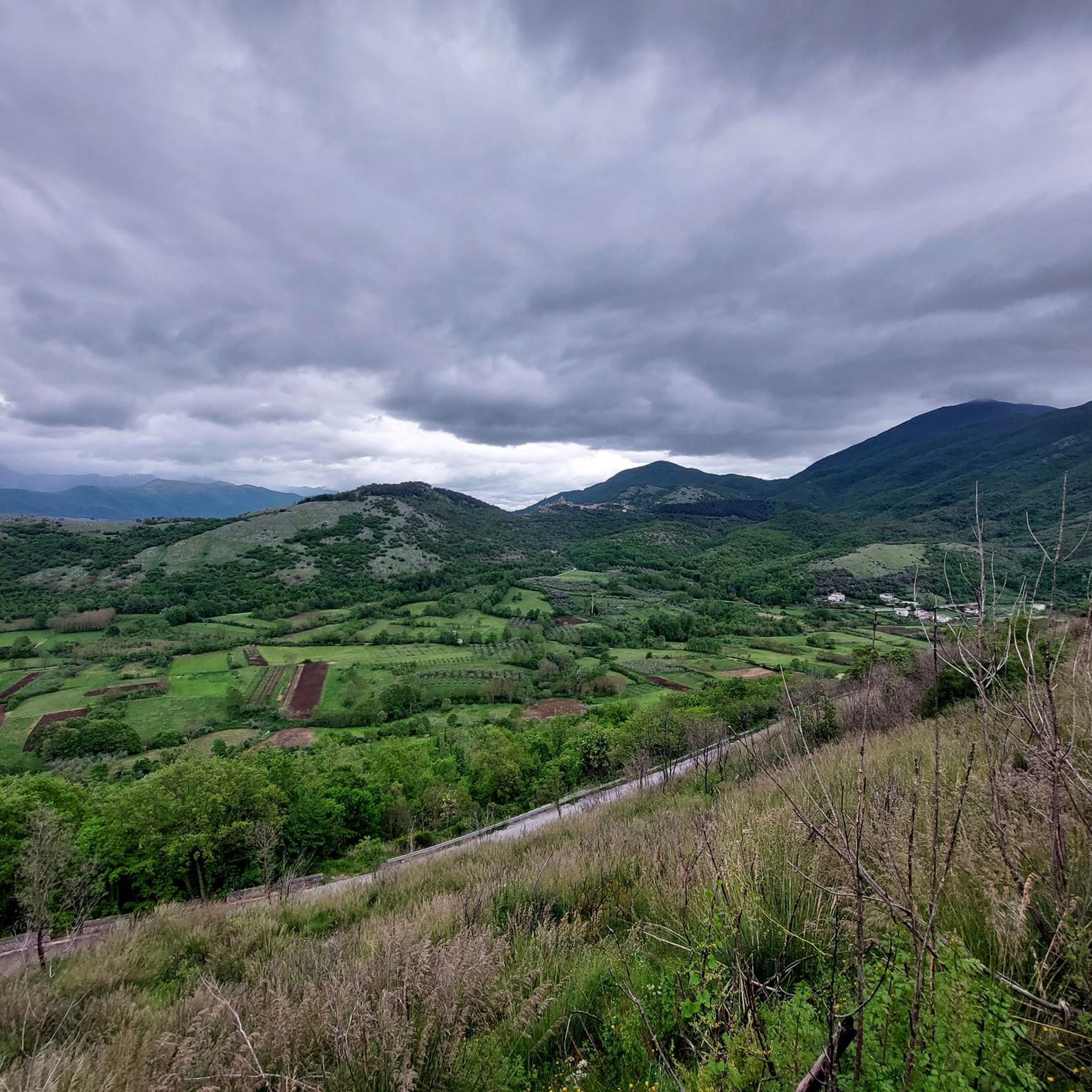
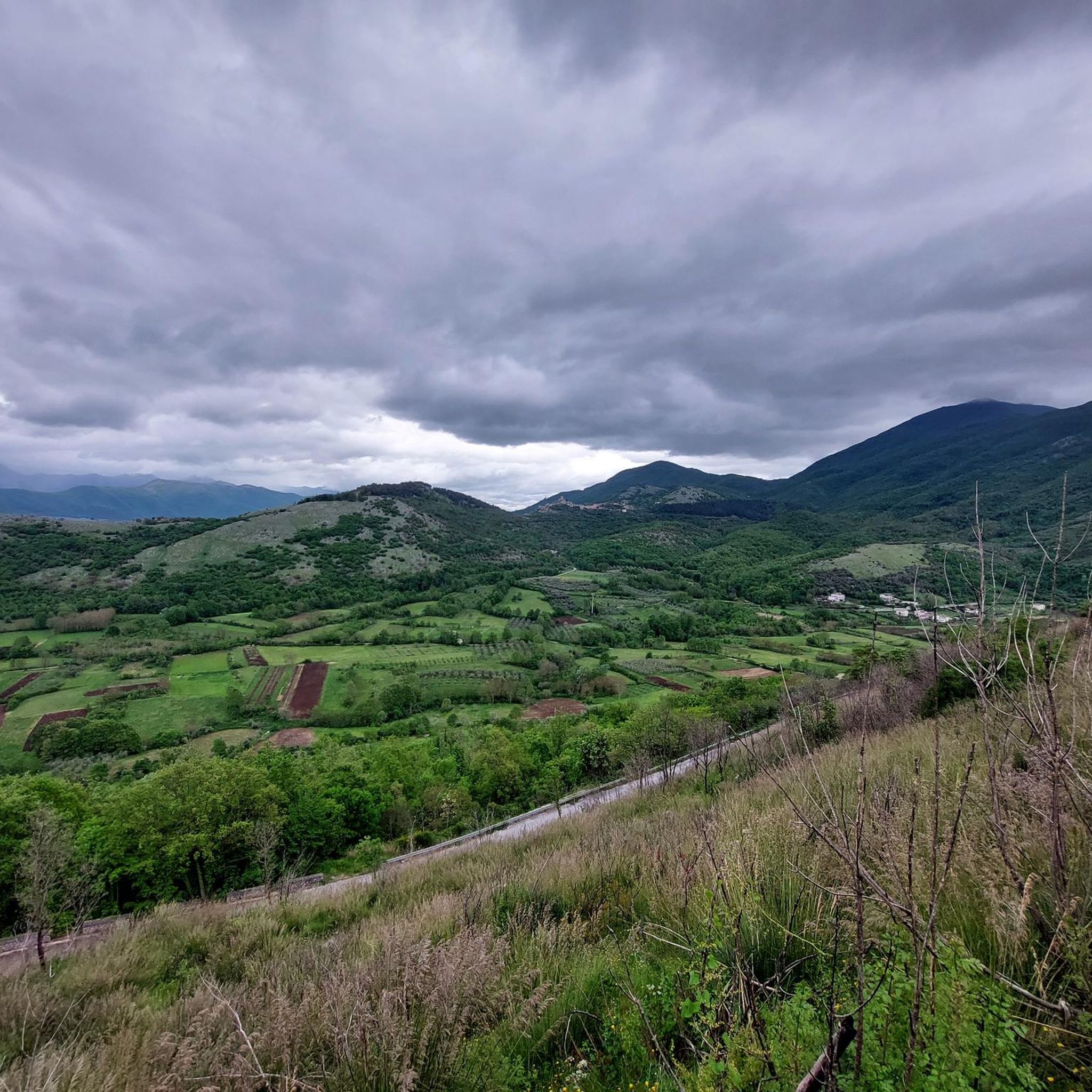
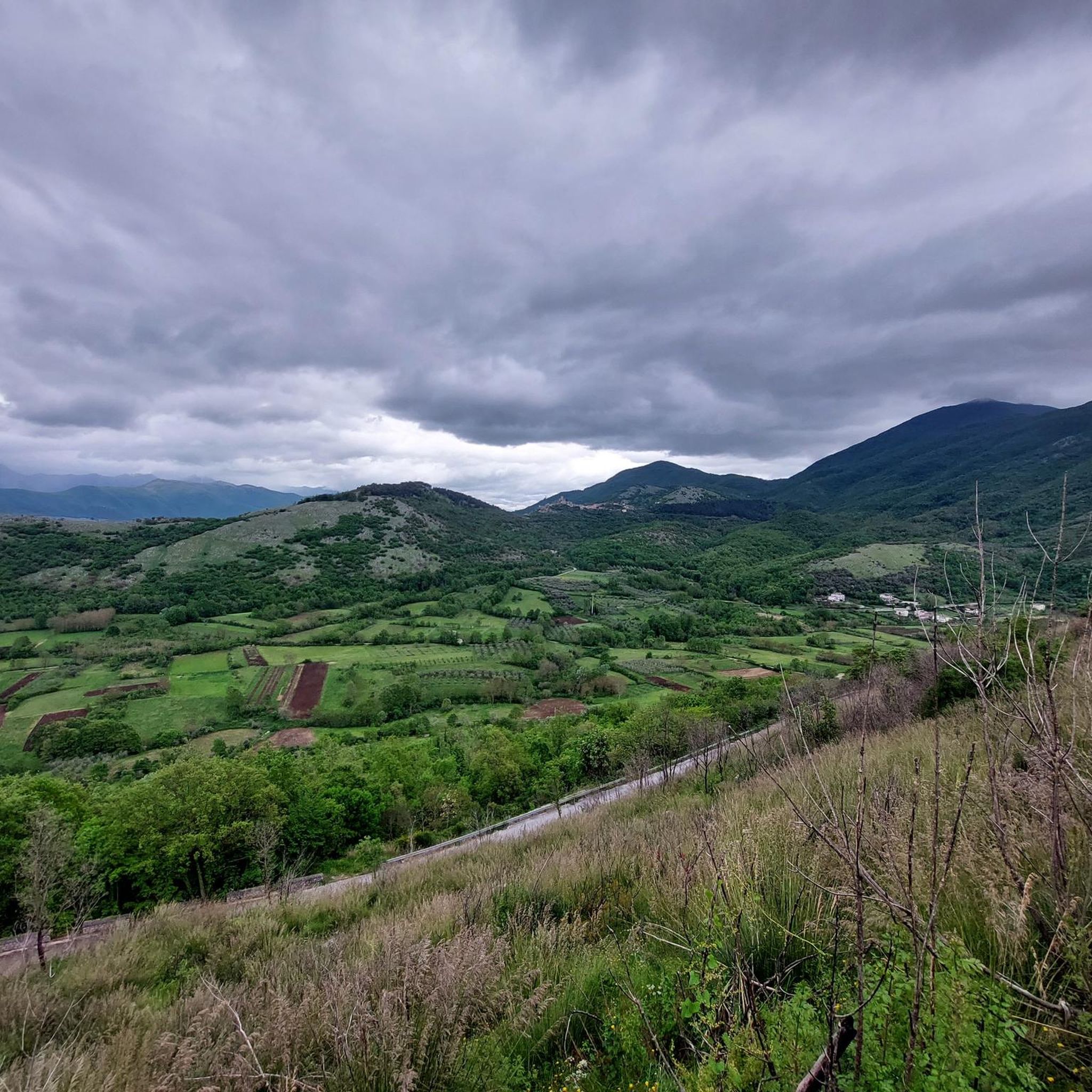
City located in the territory of the Regional Park of Roccamonfina and Foce del Garigliano and built inside the crater of the Roccamonfina volcano.
1
0

Roccamonfina is a municipality about 40 kilometers from Caserta, the gateway to the Roccamonfina-Foce Garigliano Regional Park. In addition to the park's attractions, the collegiate church of Santa Maria Maggiore of medieval origin is worth a visit in the village.
2
0
Frequently Asked Questions
What natural features can I explore around Roccamonfina?
The Roccamonfina area is nestled within an extinct volcano, offering lush chestnut forests and diverse landscapes. You can visit the Conca della Campania Waterfall, which varies in flow seasonally. Other natural highlights include the waterfall of the Savone river and the unique ancient snow storage structures known as the Nevere.
Are there any significant historical sites to visit in Roccamonfina?
Yes, Roccamonfina is rich in history. You can explore the Strada Adrianea (Ancient Roman Road), a well-preserved stretch of Hadrian's Road dating back to 120 AD. Other notable sites include the Sanctuary of Maria Santissima dei Lattani, the Collegiate Church of Santa Maria Maggiore, and the fascinating Ciampate del Diavolo (Devil's Footprints), which are fossil human footprints.
What kind of outdoor activities can I do near Roccamonfina?
The region, part of the Roccamonfina and Foce del Garigliano Regional Park, is ideal for outdoor enthusiasts. You can find numerous trails for mountain biking, running, and road cycling. For mountain biking, explore routes like the 'Parco Regionale Roccamonfina - Foce Garigliano – giro ad anello da Roccamonfina' or 'Neviera di Fontanafredda – View of the Gulf of Gaeta loop'. Discover more options on the MTB Trails around Roccamonfina guide.
Are there family-friendly attractions in Roccamonfina?
Yes, the Roccamonfina Town Center itself is a pleasant place to explore with family, offering a glimpse into local life within the volcanic crater. The Sundial and Wooden Sculptures in Piazza Nicola Amore provide an interesting focal point in the village square. The natural surroundings, with their lush chestnut forests, also offer gentle walks suitable for families.
Where can I see ancient Roman ruins or structures?
You can visit the Strada Adrianea (Ancient Roman Road), a well-preserved section of a road built in 120 AD. Additionally, the territory contains traces of ancient Ausonian or Auruncan settlements, with remains of polygonal walls dating back to the 6th-5th century BC.
What is the Roccamonfina volcano, and can I visit it?
The Roccamonfina volcano is an ancient, extinct volcano within whose crater the town of Roccamonfina is situated. It is now covered by lush chestnut forests and is part of the Roccamonfina and Foce del Garigliano Regional Park. While you can't visit an active volcano, you can explore the diverse landscapes, hiking trails, and natural beauty within its caldera, including Mount Santa Croce and Mount Lattani.
Are there any unique archaeological discoveries in the area?
One of the most unique archaeological discoveries is the Ciampate del Diavolo (Devil's Footprints), which are fossil human footprints believed to be traces left by early inhabitants during a volcanic eruption. Another site is the Queen's Garden (L'Orto Della Regina) on Mount La Frascara, an archaeological site surrounded by ancient megalithic walls.
What cultural landmarks are prominent in Roccamonfina?
The most significant cultural landmark is the Sanctuary of Maria Santissima dei Lattani, founded in 1430. It features a large portico, 15th and 17th-century frescoes, and houses a 'Madonna with Child' statue. The Collegiate Church of Santa Maria Maggiore, of medieval origin, is also a key cultural site in Piazza Nicola Amore.
Can I find places to eat or rest near the attractions?
Yes, within the Roccamonfina Town Center, you'll find local amenities. For those traveling by car, the Autogrill Teano East is a convenient stop for food and facilities nearby.
Are there any abandoned or medieval villages to explore?
Yes, you can visit the abandoned medieval ghost town of Borgo di Cerquarola, which is a short walk from Roccamonfina's center. Additionally, the nearby medieval village of Tora e Piccilli features a beautiful Norman tower, offering another glimpse into the region's past.
What is the best time of year to visit Roccamonfina for outdoor activities?
The region's lush chestnut forests and diverse landscapes are particularly beautiful in spring and autumn. Spring offers blooming flora, while autumn is known for its vibrant colors and chestnut harvest. These seasons generally provide pleasant temperatures for hiking, mountain biking, and exploring the natural and historical sites.

Get inspired with the komoot mobile app


Explore more
Still not found the Highlight you’re looking for? See guides of the top attractions in other regions:
