The best cycling routes around Trinitapoli
4.3
(175)
420
riders
81
rides
Touring cycling around Trinitapoli, located in Italy's Apulia region, offers routes through a landscape characterized by flat terrain, gentle rolling hills, and extensive agricultural lands. The area is situated within the Valle dell'Ofanto, providing a charming natural setting. Key features include ancient olive groves, coastal stretches, and the significant Margherita di Savoia Salt Pans Nature Reserve. This environment is well-suited for touring cyclists seeking varied scenery and generally mild gradients.
Best touring cycling routes around Trinitapoli
- The most popular touring…
Last updated: June 26, 2026
111km
08:09
1,210m
860m
Hard bike ride. Very good fitness required. Mostly paved surfaces. Suitable for all skill levels.
5.0
(44)
24
riders
Moderate bike ride. Good fitness required. Mostly paved surfaces. Suitable for all skill levels.

Sign up for free
4.0
(4)
15
riders
Easy bike ride. Great for any fitness level. Mostly paved surfaces. Suitable for all skill levels.
5.0
(5)
11
riders
62.5km
03:41
370m
370m
Moderate bike ride. Good fitness required. Mostly paved surfaces. Suitable for all skill levels.
8
riders
Easy bike ride. Great for any fitness level. Mostly paved surfaces. Suitable for all skill levels.
Get access to more routes and recommendations from other explorers.
Sign up for free
Already have an account?
Our route recommendations are based on thousands of hikes, rides, and runs completed by other people on komoot.
Start today with a free account
Your next adventure awaits.
Login or Signup
Other adventures around Trinitapoli

Tips from the Community

The old Roman bridge was probably built in the 1st or 2nd century and was an important section of the Via Traiana over the Ofanto river. After renovations, particularly after an earthquake in the 18th century, not much of the original structure can be seen anymore. Today, 5 arches span the river and secure the path for pilgrims on the Via Francigena nel Sud.
1
0

The site of Canne della Battaglia is mainly remembered for the decisive battle of 216 BC, fought between the Romans and Carthaginians during the Second Punic War. The hilly reliefs overlooking the Ofanto valley have been inhabited since the Neolithic period and continuously until the 3rd century BC, most likely in conjunction with the epic clash that disrupted the settlement patterns of the entire area. In Roman times, it is recalled in the sources as the emporium of Canusium, in whose shadow it lived until the latter's abandonment in the second half of the 9th century. From this moment, Canne began its most important historical phase, linked to the stabilization of Byzantine power in Puglia. Thanks to its strategic position, the Cannese village, likely built on a pre-existing Roman structure and known today as the 'Cittadella', was re-occupied from the late antique period and consolidated in the following centuries, around two main centers, the basilicas and the castle, also thanks to the establishment of a diocese, led, in the early 12th century, by Ruggero, the current patron saint of Barletta. The antiquarium annexed to the archaeological park was created in the late 1950s for the valorization and conservation of artifacts from excavations conducted in the area, starting from the Ventennio, a period of frenetic exaltation of Roman grandeur. Today's exhibition favors the narration of events related to the Second Punic War and the great battle that represented a trauma for the surrounding territory and for the indomitable Roman army. However, according to the current state of research, no archaeological documentation referring to the clash of 216 BC has yet been found, nor can the reconstruction of the landscape on these hills, as described by historical sources, particularly Livy and Polybius, be considered plausible. Rather, the site of Canne, in addition to being located in an area of great landscape and natural value, constitutes, to this day, one of the most interesting examples of abandoned medieval settlements in Italy.
0
0


216 BC. Museum, ruins of the old city built on the site of the Carthaginian camp. Entrance to the museum is 6 euros. You can lock your bike nearby.
0
0

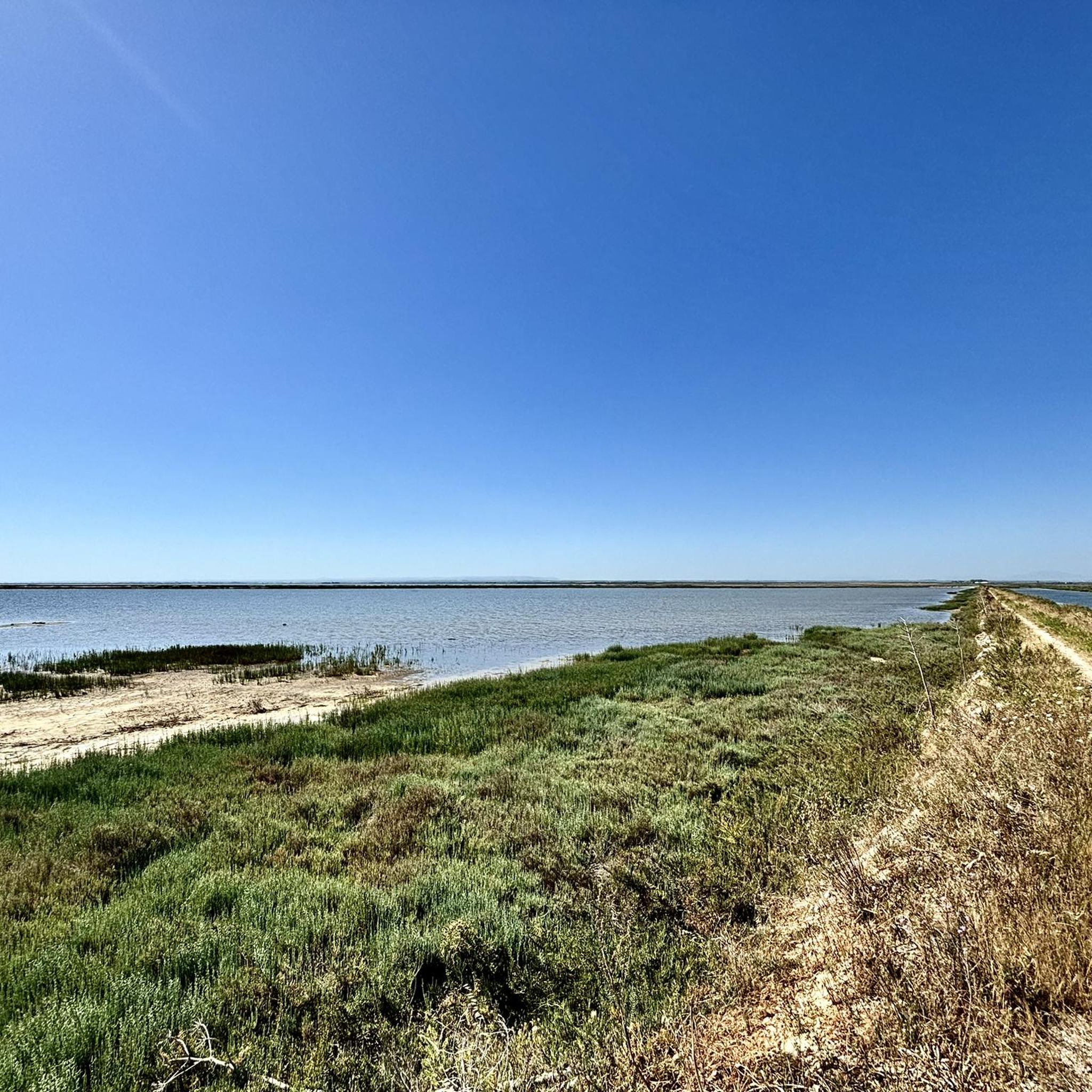
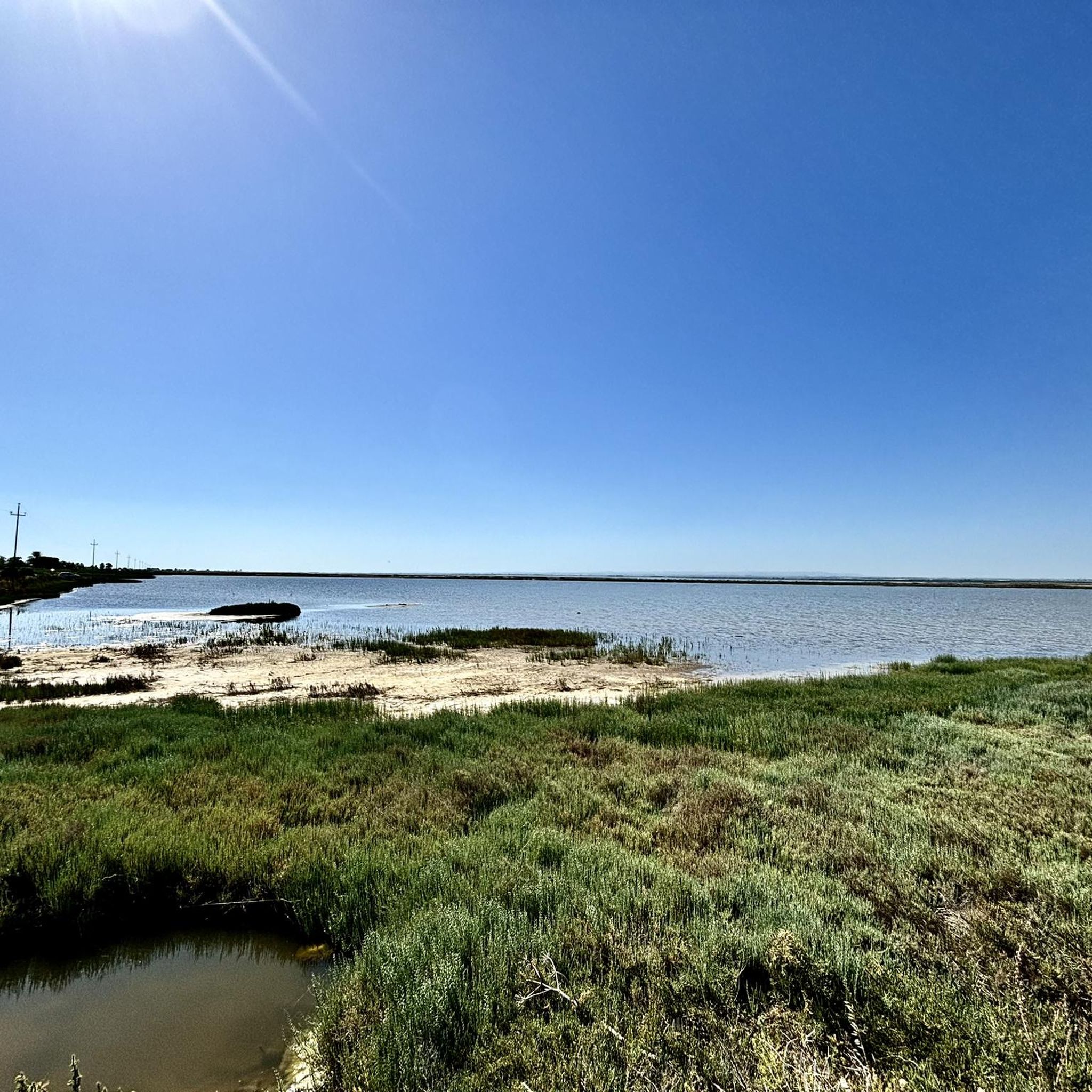
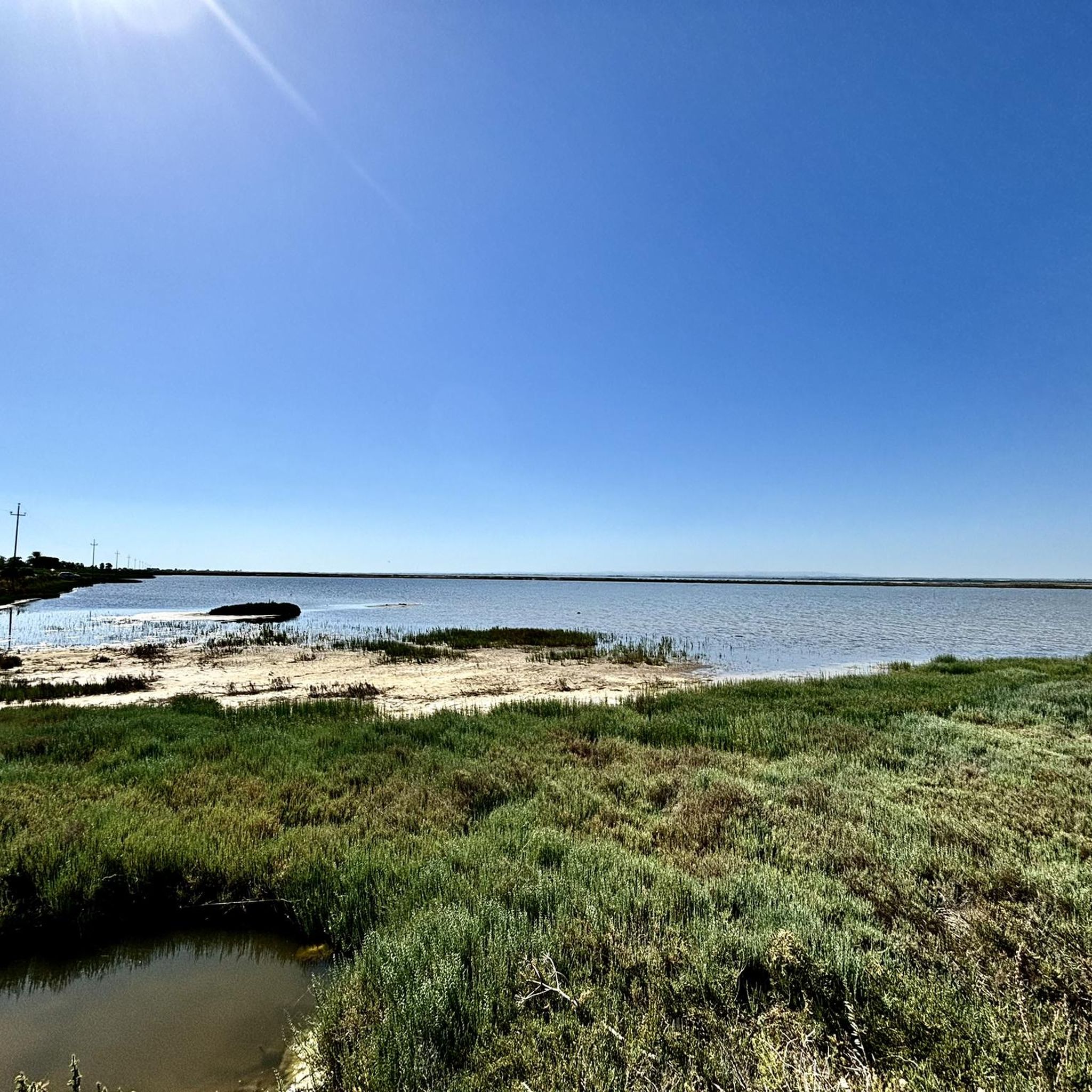
Huge salt fields, SP unfortunately without cycle path.
0
0
After many, many kilometers, the same landscape: olives and wine. I don't want to say boring, but that's often how the Apulian landscape is in this region.
0
0
Impressive old testimonies.
1
0
Huge hotel complex.
0
0
Frequently Asked Questions
How many touring cycling routes are available around Trinitapoli?
There are over 70 touring cycling routes around Trinitapoli, catering to various skill levels. This includes 25 easy routes, 41 moderate routes, and 12 difficult routes, ensuring options for every cyclist.
What kind of terrain can I expect on touring cycling routes near Trinitapoli?
The terrain around Trinitapoli is generally characterized by flat stretches and gentle rolling hills, making it well-suited for touring cyclists. You'll often cycle through extensive agricultural lands, ancient olive groves, and along coastal areas, particularly near the unique Margherita di Savoia Salt Pans.
What natural features or landmarks can I see while cycling around Trinitapoli?
While cycling, you can explore the vast Saline di Margherita di Savoia, one of Europe's largest salt pans and a significant wetland. The routes also pass through the charming Ofanto Valley and ancient olive groves. You might also encounter historical sites like the Archaeological Site of Cannae or the Roman Bridge over the Ofanto River.
Are there any historical sites to explore on a bike tour?
Yes, the region is rich in history. You can cycle to the Archaeological Site of Cannae, known for its ancient battleground. Other notable historical points include the Castello di Barletta and the Roman Bridge over the Ofanto River, offering glimpses into the area's past.
What is the best time of year for touring cycling in Trinitapoli?
Trinitapoli benefits from a mild climate, making it suitable for cycling for much of the year. Spring and autumn generally offer the most pleasant temperatures for longer rides, avoiding the peak heat of summer while still enjoying comfortable conditions.
Are there any easy touring cycling routes suitable for beginners or families?
Yes, there are 25 easy routes available. A great option for a relaxed ride is the Margherita di Savoia Saltworks – Margherita di Savoia Salt Pans loop from Margherita di Savoia. This 24.5 km trail leads through the unique salt pans landscape and is generally completed in about 1 hour 34 minutes, offering a gentle experience.
Are there any circular touring cycling routes around Trinitapoli?
Many routes in the area are designed as loops, allowing you to start and end in the same location. Examples include the Margherita di Savoia – Castello di Barletta loop from Margherita di Savoia, which offers coastal views, and the Archaeological Site of Cannae loop from Barletta Centrale FNB, exploring historical sites.
What do other touring cyclists enjoy most about cycling in Trinitapoli?
The touring cycling routes around Trinitapoli are highly rated by the komoot community, with an average score of 4.4 stars from over 100 reviews. Cyclists often praise the unique landscapes, especially the Margherita di Savoia Salt Pans, the generally flat terrain, and the opportunity to explore both natural beauty and historical sites.
Can I find routes that offer a mix of coastal views and agricultural landscapes?
Absolutely. The region's geography allows for routes that combine different scenic elements. For instance, the Margherita di Savoia – Castello di Barletta loop from Margherita di Savoia offers a blend of coastal vistas and passages through agricultural areas, showcasing the diverse beauty of Puglia.
Are there any longer, more challenging touring cycling routes in the area?
For experienced touring cyclists seeking a challenge, the region offers more demanding routes. A notable difficult option is A lunar adventure — Puglia by bike, a 111 km trail that explores diverse landscapes of Puglia and includes significant elevation changes, typically taking over 8 hours to complete.
What are the typical distances and durations for touring cycling routes near Trinitapoli?
Route distances vary widely, from shorter easy rides like the 20 km Barletta Seafront loop from Barletta Centrale FNB, which takes about 1 hour 10 minutes, to much longer, more challenging tours such as the 111 km A lunar adventure — Puglia by bike, which can take over 8 hours.
Most popular attractions around Trinitapoli

Get inspired with the komoot mobile app


Explore more
Browse the best Cycling routes in other regions.
