The best cycling routes around Cerignola
4.5
(61)
313
riders
54
rides
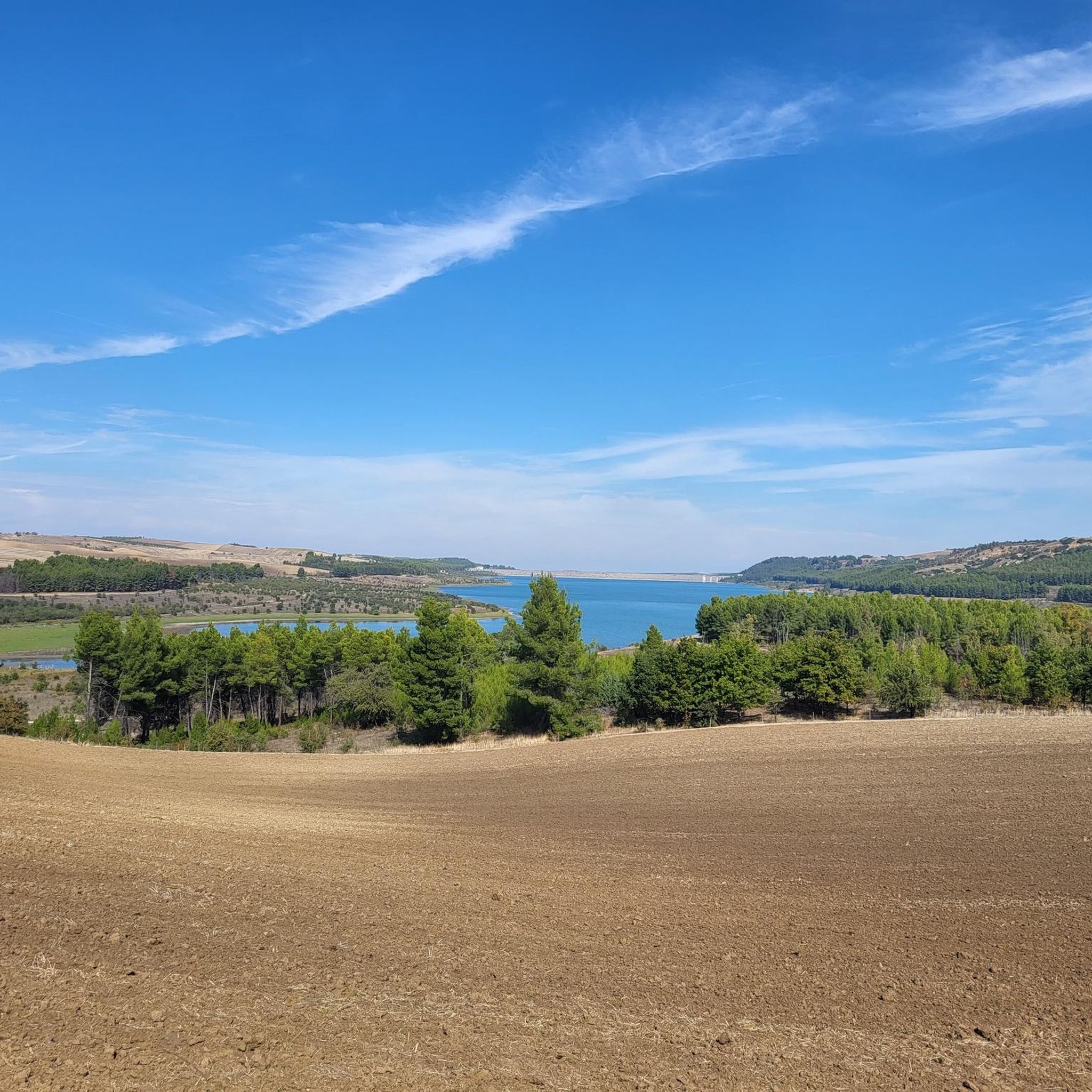
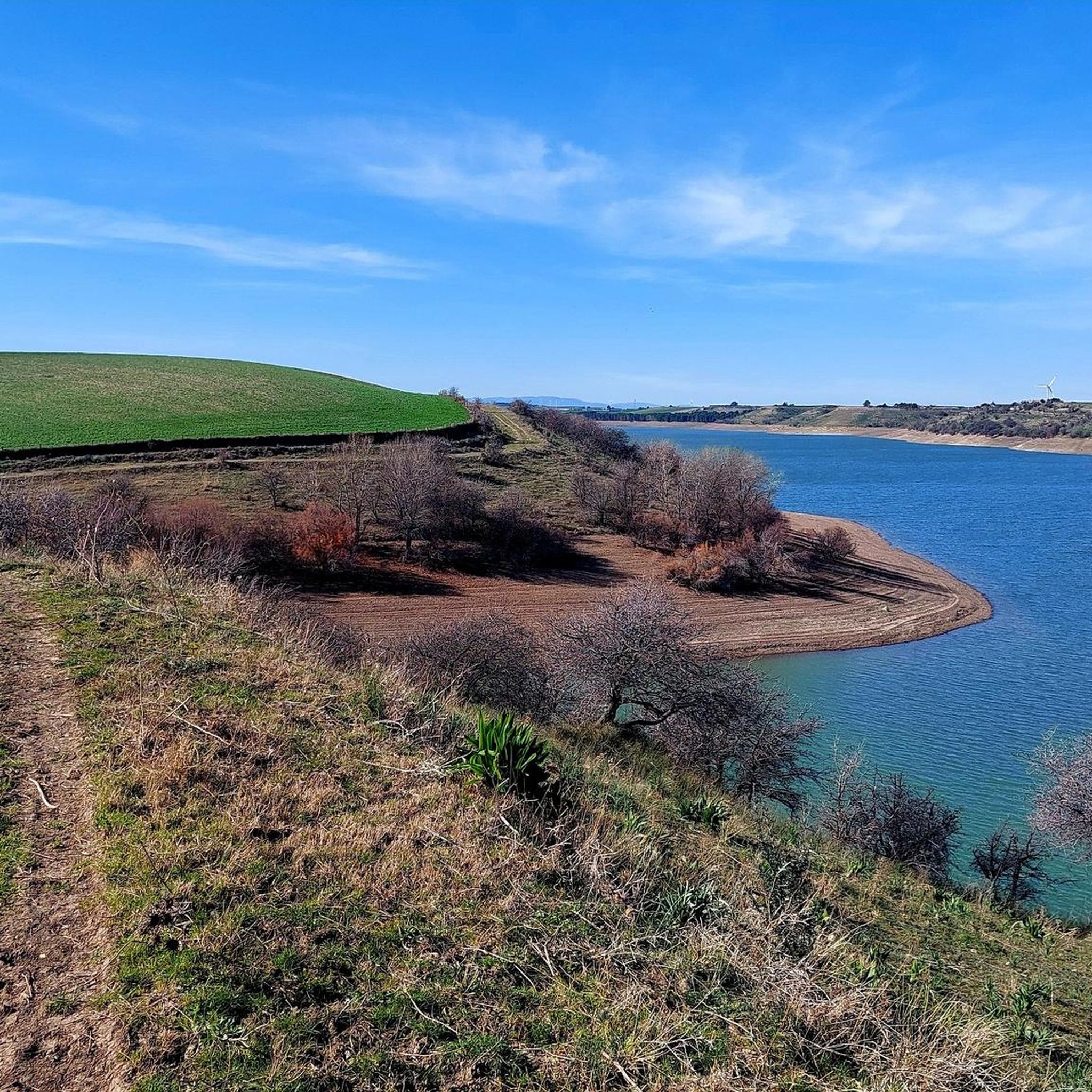
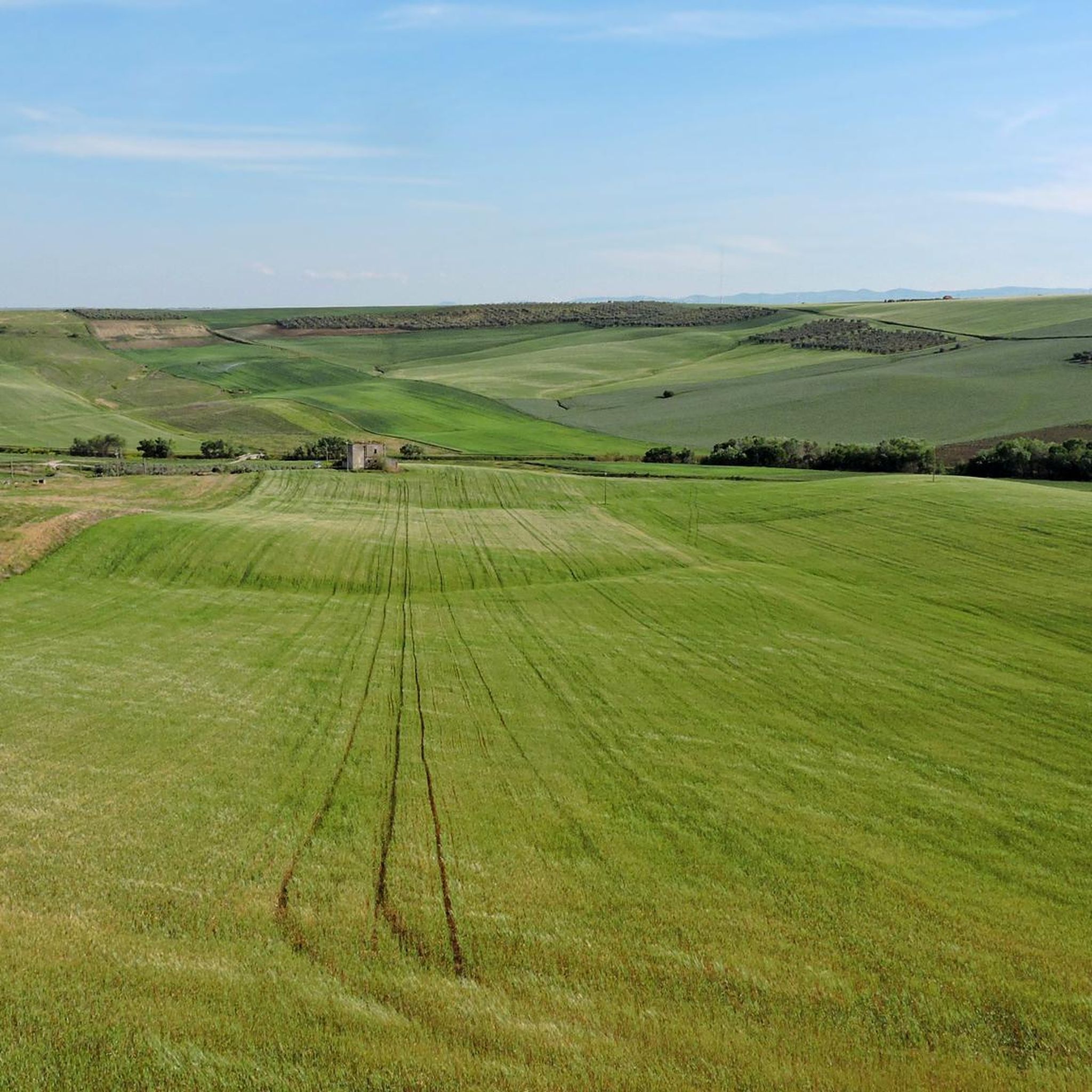
Touring cycling around Cerignola is characterized by the flat and gently rolling terrain of the Tavoliere Plain in northern Apulia. The landscape features extensive olive groves and vineyards, providing a scenic backdrop for rides. The region is also influenced by the Ofanto Valley and its proximity to the Margherita di Savoia salt pans, offering diverse natural environments.
Best touring cycling routes around Cerignola
- The most popular touring cycling route is Le Saline di Margherita di Savoia from Cerignola – loop…
Last updated: August 29, 2026
4.5
(2)
3
riders
63.3km
03:49
330m
330m
Moderate bike ride. Good fitness required. Mostly paved surfaces. Suitable for all skill levels.
5.0
(1)
2
riders
48.5km
03:22
240m
240m
Moderate bike ride. Good fitness required. Some segments of this route may be unpaved and difficult to ride.

Sign up for free
1
riders
58.7km
03:30
200m
190m
Moderate bike ride. Good fitness required. Mostly paved surfaces. Suitable for all skill levels.
3.0
(1)
1
riders
29.7km
02:01
180m
180m
Moderate bike ride. Good fitness required. Mostly paved surfaces. Suitable for all skill levels.
87.9km
06:07
920m
920m
Hard bike ride. Very good fitness required. Mostly paved surfaces. Suitable for all skill levels.
Get access to more routes and recommendations from other explorers.
Sign up for free
Already have an account?
Our route recommendations are based on thousands of hikes, rides, and runs completed by other people on komoot.
Start today with a free account
Your next adventure awaits.
Login or Signup
Tips from the Community

Due to a significant legacy of the philanthropist Paolo Tonti, it is also popularly called Duomo Tonti. He was also the financier. The floor plan is a Latin cross with three naves, the massive dome shapes the entire silhouette of the city of Cerignola.
1
0
The old Roman bridge was probably built in the 1st or 2nd century and was an important section of the Via Traiana over the Ofanto river. After renovations, particularly after an earthquake in the 18th century, not much of the original structure can be seen anymore. Today, 5 arches span the river and secure the path for pilgrims on the Via Francigena nel Sud.
1
0

Beautiful mural with the protagonists of the fight against the mafia
0
0

Among the largest in southern Italy, the dome of the cathedral of San Pietro Apostolo in Cerignola towers over the city and is visible from the surrounding areas.
0
0
The bridge crosses the Ofanto river near the city of Canosa di Puglia
1
0
What strength these Romans are!
0
0
The Saline of the same name is important, a natural reserve that extends along the Apulian coast for about twenty kilometers in the Province of Barletta-Andria-Trani.
0
0
The so-called 'Roman bridge' certainly follows the position of the bridge built on the Via Traiana at the beginning of the 2nd century, but very little remains of that structure. Over the centuries it has undergone various changes, some during the Aragonese period, but above all during the reign of Charles III of Bourbon, when in the mid-18th century, after yet another flood, almost the entire central part collapsed, supported by a single large arch, in place of the current two central ones. The bridge visible today is nothing more than a reconstruction carried out by Neapolitan naval engineers, coordinated by the architect Vanvitelli. Observing the construction typology, the attentive eye will certainly notice substantial differences both with similar bridges from the Roman era and with the remains of Roman buildings in nearby Canosa. The information regarding the eighteenth-century reconstruction is transcribed in the documents preserved in the 'Regia Dogana delle Pecore' section of the State Archives of Foggia. In fact, the bridge was located on the path of a Royal sheep track coming from Foggia, where two of the five royal sheep tracks of the Kingdom of Naples converged.
1
0
Frequently Asked Questions
How many touring cycling routes are available around Cerignola?
There are over 10 touring cycling routes around Cerignola, offering a variety of experiences across the Tavoliere Plain. These routes are highly rated by the komoot community, with an average score of 4.6 stars from over 40 reviews.
What kind of terrain can I expect when cycling in Cerignola?
The terrain around Cerignola is predominantly flat or gently rolling, characteristic of the fertile Tavoliere Plain. You'll cycle through extensive olive groves and vineyards, with some routes venturing into the Ofanto Valley or towards the unique landscape of the Margherita di Savoia salt pans. This makes the area ideal for touring cyclists seeking less strenuous rides.
Are there any easy touring cycling routes suitable for beginners in Cerignola?
Yes, there are routes suitable for beginners. An excellent easy option is the Granary Pits of Cerignola – Giuseppe Di Vittorio Mural loop from Cerignola. This 7.6-mile (12.3 km) path explores urban historical features and local landmarks within the city.
What are some notable landmarks or attractions I can see along the cycling routes?
Many routes offer glimpses of the region's rich history and natural beauty. You can explore the unique ancient Roman Granary Pits of Cerignola, cycle past the impressive Cathedral of Saint Peter the Apostle, or venture towards the vast Saline di Margherita di Savoia. The area also features archaeological sites like Cannae and historical architecture in nearby towns.
Are there any circular touring cycling routes around Cerignola?
Yes, many of the touring cycling routes around Cerignola are designed as loops. For instance, the Le Saline di Margherita di Savoia from Cerignola – loop tour takes you to the salt pans and back, while the Capacciotti Lake – Granary Pits of Cerignola loop from Cerignola explores agricultural landscapes and a local lake.
What is the best time of year to go touring cycling in Cerignola?
The mild weather in spring and autumn makes these seasons ideal for exploring Cerignola and its surrounding countryside by bike. The temperatures are pleasant, and the landscapes are vibrant, offering comfortable conditions for longer rides.
Are there any challenging routes for experienced touring cyclists?
Yes, for those seeking more challenging rides, Cerignola offers several difficult routes. The Masseria Chiesa – Pala Tatarella loop from Cerignola is one such option, covering 34.7 miles (55.8 km) with notable elevation changes for the region, typically completed in around 2 hours 45 minutes.
Can I access the cycling routes using public transport?
Cerignola has its own train station, Cerignola Campagna, which facilitates arrival and departure for touring cyclists. This makes it convenient to reach the starting points of many routes and explore the wider Apulia region by combining cycling with train travel.
Where can I find parking for my car when starting a bike tour?
While specific parking areas for each route are not detailed, Cerignola, as a town, offers various parking options. It's advisable to look for public parking facilities within the town center or near the start of your chosen route, especially for longer tours.
Are there cafes or places to stop for refreshments along the cycling routes?
Cycling through the agricultural landscapes, olive groves, and vineyards often brings you close to small towns and villages. These areas, including Cerignola itself, provide opportunities for gastronomic stops, cafes, and local eateries where you can refuel and experience local Apulian cuisine.
What do other touring cyclists enjoy most about cycling in Cerignola?
The area is highly rated by the komoot community, with an average score of 4.6 stars. Reviewers often praise the serene rides through extensive olive groves and vineyards, the flat and accessible terrain, and the unique historical and natural landmarks like the salt pans and ancient granary pits that make for a picturesque and culturally rich cycling experience.
Is there a touring cycling route that explores both historical sites and natural features?
Yes, the Pala Tatarella – Granary Pits of Cerignola loop from Cerignola offers a blend of both. This 22.3-mile (35.9 km) route allows you to experience the agricultural plains while passing by significant historical points like the Granary Pits, providing a diverse touring experience.
Most popular attractions around Cerignola

Get inspired with the komoot mobile app


Explore more
Browse the best Cycling routes in other regions.
