Attractions and Places To See around Volturino - Top 20
Best attractions and places to see around Volturino include historical sites and natural features within the Dauni Mountains. This medieval village, situated at 735 meters above sea level, offers panoramic views of the surrounding landscape. The area features ancient churches, a baronial palace, and natural parks with diverse flora and fauna. Volturino also provides access to ancient sheep tracks and archaeological remains.
Best attractions and places to see around Volturino
- The most popular attractions is Giant Bench with View of…
Last updated: May 10, 2026
Lago Pescara
Highlight • Lake
Translated by Google •
Tip by

Castle of Lucera
Highlight • Castle
Translated by Google •
Tip by

Sign up now to discover places like this
Get recommendations on the best single tracks, peaks, & plenty of other exciting outdoor places.
Sign up for free
Gazebo with a View of the Daunia Mountains
Highlight • Structure
Translated by Google •
Tip by

Cathedral of Santa Maria Assunta, Lucera
Highlight • Religious Site
Translated by Google •
Tip by
Giant Bench with View of Tavoliere delle Puglie
Highlight • Viewpoint
Translated by Google •
Tip by

Sign up for free to discover even more attractions around Volturino.
Sign up for free
Already have an account?
Start today with a free account
Your next adventure awaits.
Login or Signup
Tips from the Community

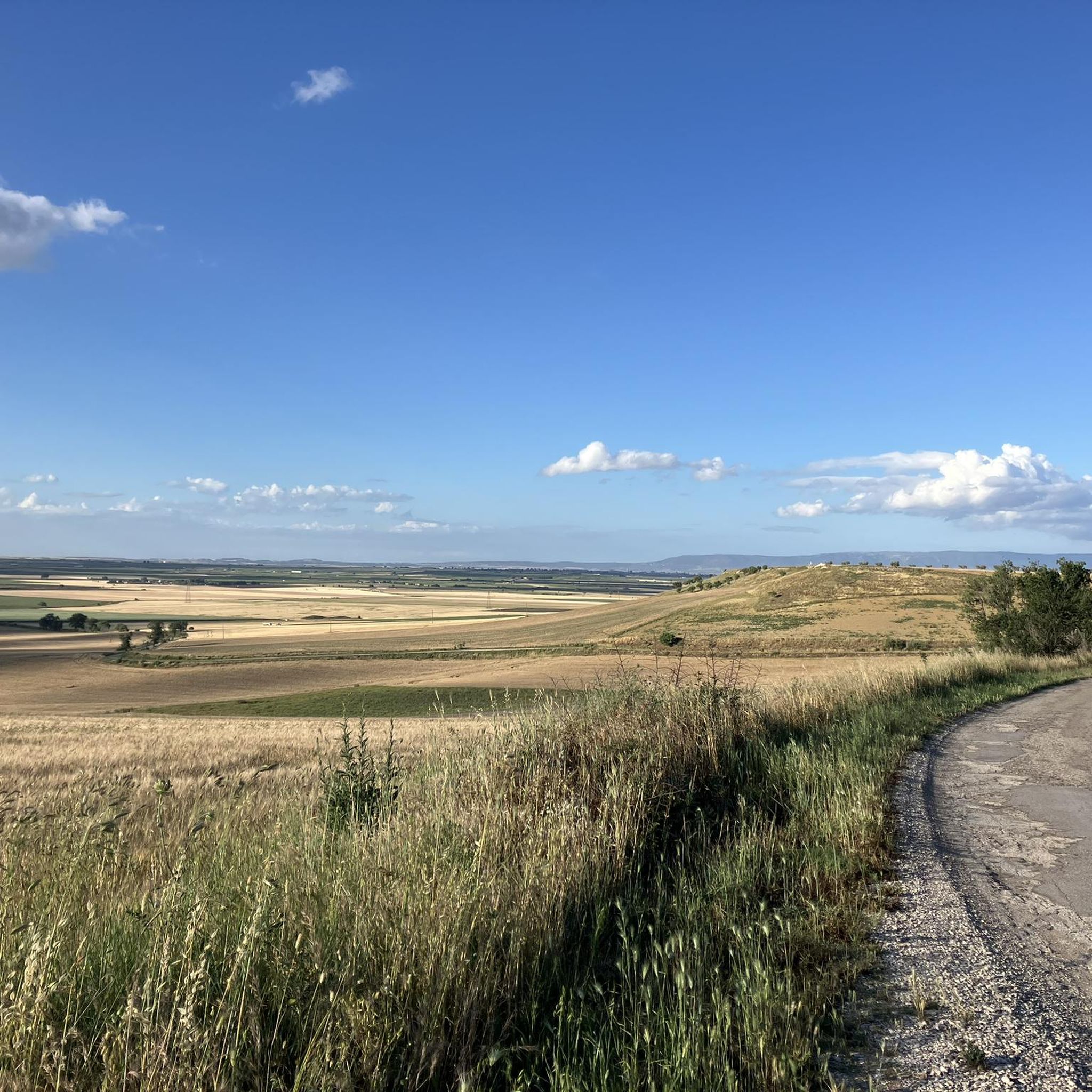
A view of the Capitanata
1
0

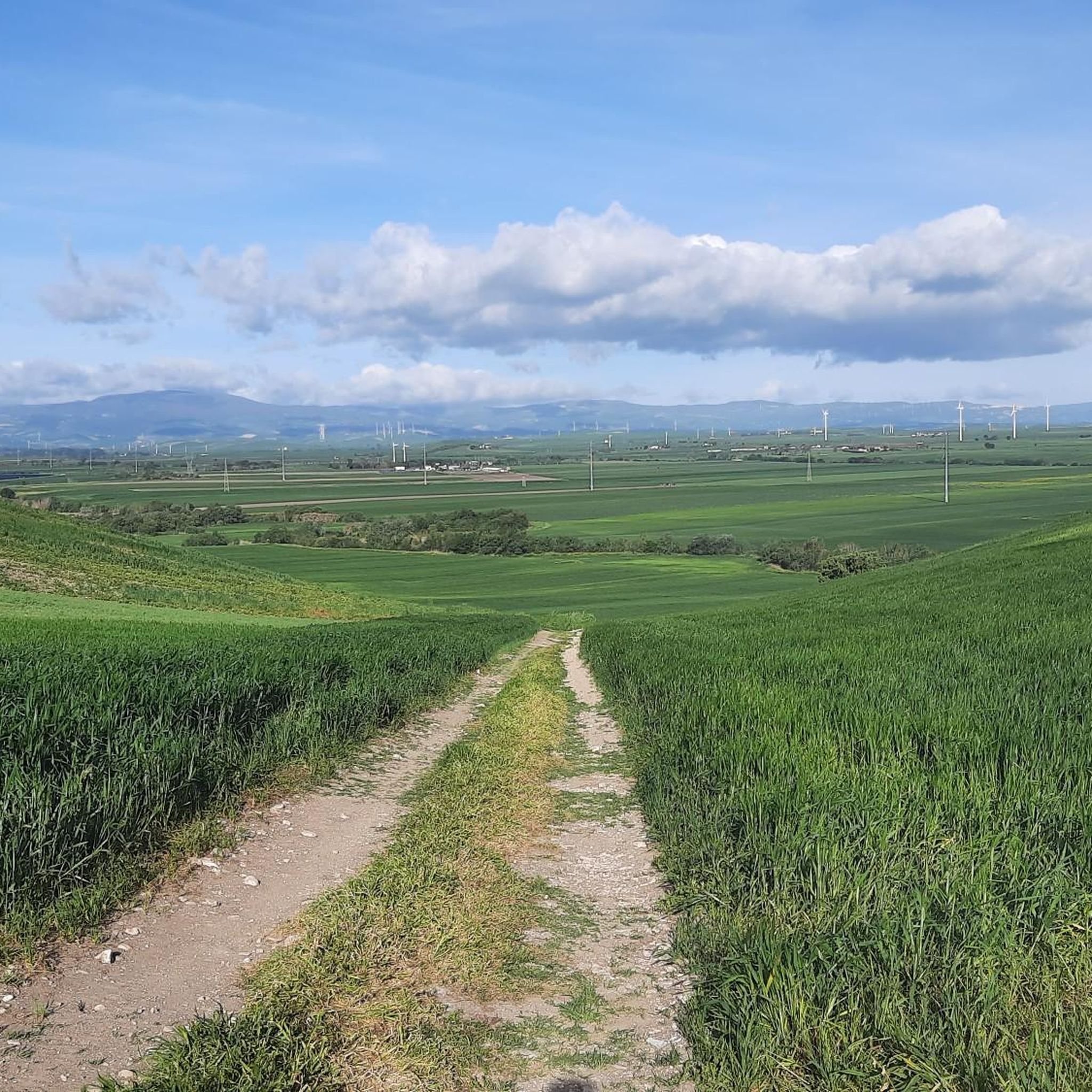
Panorama overlooking the table, very beautiful
0
0

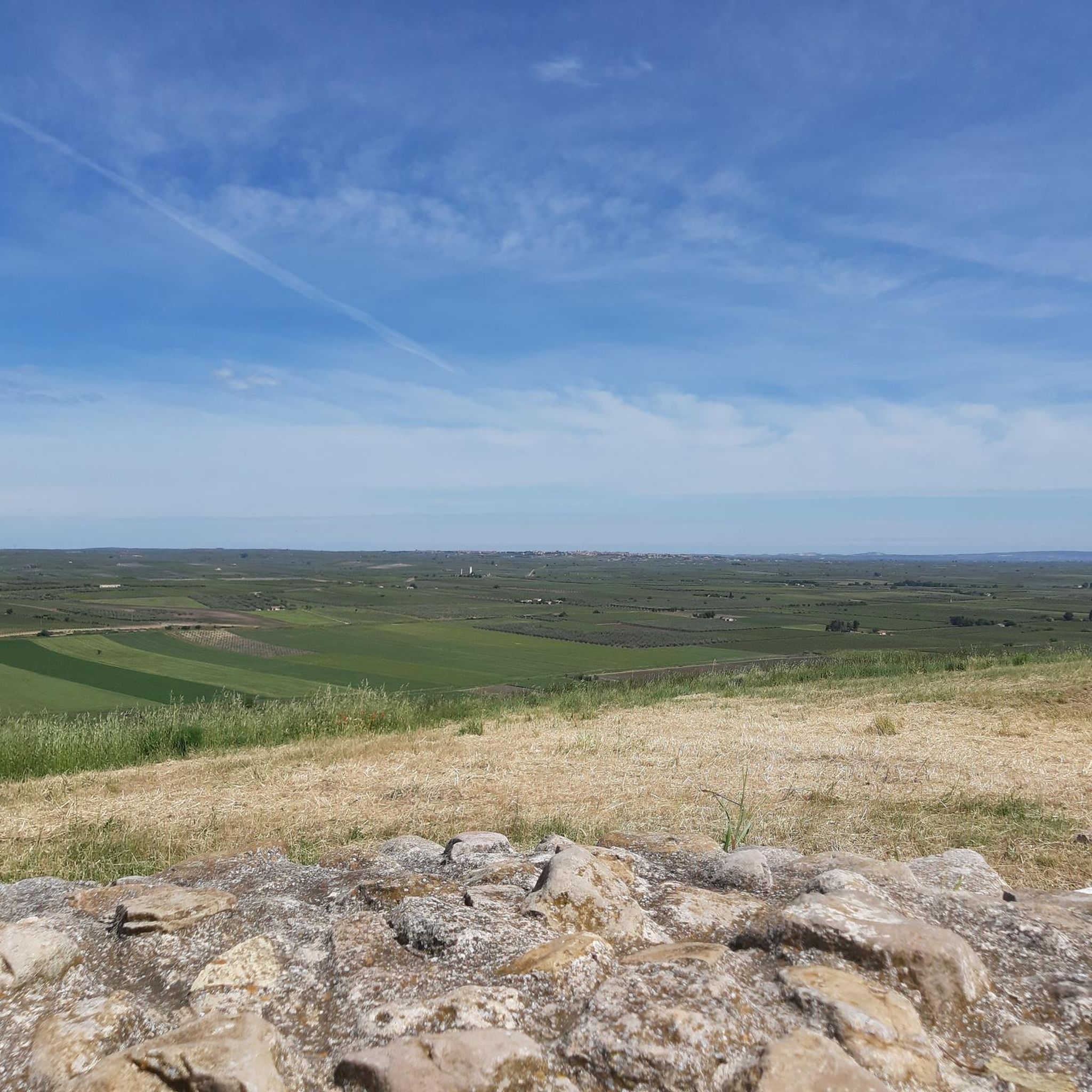
Work created in 2020, it is placed in a panoramic point that allows you to admire the Tavoliere delle Puglia up to the Gargano. It is located between Lake Pescara and Guado del Tufo, under Monte Sidone.
4
0

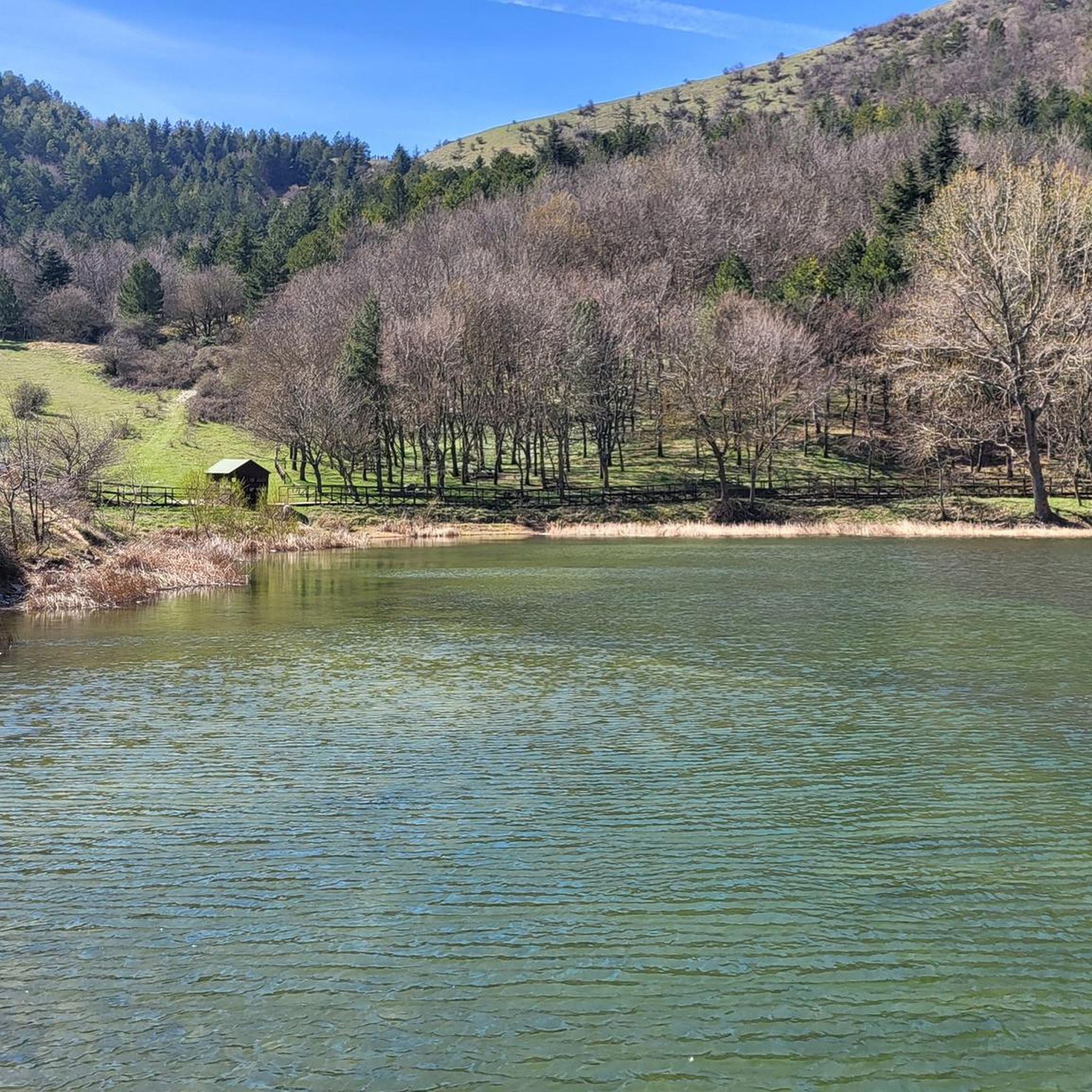
North-east of Monte Cornacchia, on the slopes of Toppo Pescara, at an altitude of 900 meters above sea level, there is a small natural lake basin called Lago Pescara. The lake extends for about three hectares with a depth which, in the center of the lake, reaches even four meters. Without natural outlets, its waters are fed by sub-lacustrine springs and streams formed after the rainfall and after the snow melted. From the top of its position it dominates the surrounding plain, with its slow decline towards the sea, interrupted on the horizon by the fortified hill of Lucera, in the center of the tableland, and by the promontory of the Gargano which is also easy to see on the clearest days. The term "Pescara" of the lake is improper and derives, perhaps, from a transcription error on toponymic maps, as the locals gave it the name of "Peschiera", attributing to the lake a certain image of goodness for fishing. The climate of the area has a mild summer and a rather harsh winter with abundant snowfalls.
0
0

Restoration and expansion measures are planned for the Swabian-Angevin fortress of Lucera. On the summit of Albano Hill, above which the acropolis of Roman Lucera once stood, Frederick II began construction of his palace at the beginning of the 12th century to control the forced relocation of Saracens from Sicily to Lucera.
9
0
The Cathedral of Lucerina, together with the Cathedral and the Church of S. Domenico in Naples, is an example of the new "Gothic-Angevin" architectural language promoted by Charles II and Robert of Anjou between the end of the century, the XIII and the beginning of the XIV century. The original basilica structure was equipped with a Latin cross, three naves and a crypt. But over time there have been various changes to the cathedral.
16
0

When the nearby premises were used as a restaurant and reception room, it was used for photos of the newlyweds. then Vandals ransacked the facility and it was abandoned. the fences no longer stop the cows and is falling to one side because the nails are coming out ..... Too bad
0
0
Frequently Asked Questions
What kind of panoramic views can I expect around Volturino?
Volturino, perched at 735 meters above sea level, offers enchanting panoramic views of the Dauni Mountains and the vast Tavoliere plain. A popular spot to experience this is the Giant Bench with View of Tavoliere delle Puglie, which allows you to admire the Tavoliere delle Puglia all the way to the Gargano. Another excellent vantage point is the Gazebo with a View of the Daunia Mountains, providing shelter and scenic vistas along a path.
Are there any unique natural features to explore near Volturino?
Yes, the area boasts several natural features. You can visit Lago Pescara, a small natural lake basin nestled at 900 meters above sea level, fed by sub-lacustrine springs. Additionally, the forests of Bosco Marano, Bosco Mezzana, and Riconi Park offer trails through oak trees and diverse wildlife, including wild boars, foxes, and various bird species.
What historical landmarks can I visit in Volturino's village center?
Volturino's historic center is rich with history. You can wander through its unique 'rue' (staircase alleys) and 'sporti' (connections between ancient buildings). Key landmarks include the impressive Chiesa Badiale of Santa Maria Assunta, the Church of San Domenico di Guzman, and the Church of San Francesco. Don't miss the Palazzo Baronale with its precious portal, once home to the Montalto family.
Are there significant religious sites in or near Volturino?
Beyond the churches within the village center, such as the Chiesa Badiale of Santa Maria Assunta, the Church of San Domenico di Guzman, and the Church of San Francesco, you can also visit the Sanctuary of Serritella just outside the village. This sanctuary is notable as the sole surviving building of an ancient Templar hamlet.
What historical sites are available for those interested in medieval archaeology?
For those interested in medieval archaeology, the remains of the tower and cathedral of the lost city of Montecorvino are a compelling site to explore. Volturino itself originated as one of five hamlets dependent on this ancient city. Additionally, the imposing Svevo-Angioina Fortress, known as the Castle of Lucera, is a significant example of medieval architecture nearby.
Are there any family-friendly attractions around Volturino?
Yes, several attractions are suitable for families. The Giant Bench with View of Tavoliere delle Puglie offers a fun photo opportunity with stunning views. Lago Pescara is a beautiful natural spot for a leisurely visit. The Cathedral of Santa Maria Assunta in Lucera also welcomes families interested in historical and religious architecture.
What outdoor activities can I do near Volturino?
The region around Volturino offers various outdoor activities. You can explore cycling routes, such as the 'Belvedere di Volturino loop' or the 'Lago Pescara loop'. For running enthusiasts, there are trails like the 'Anfiteatro Romano Augusteo loop from Lucera'. Mountain biking is also popular, with routes including the 'Monte Cornacchia Hut – Lago Pescara loop'. You can find more details and routes in the dedicated guides for Cycling around Volturino, Running Trails around Volturino, and MTB Trails around Volturino.
What is the best time of year to visit Volturino?
Volturino is known for its pleasant climate, particularly in summer. This makes the warmer months an ideal time to explore the village's historic center, enjoy the panoramic views, and engage in outdoor activities in the surrounding natural areas.
Are there any ancient traditional structures or features in Volturino?
Yes, Volturino preserves several traditional features. At the village entrance, you'll find the Fontana Vecchia, a 19th-century portico structure housing a traditional wash-house. Another charming feature is the Fontana della Croce, an early 20th-century bronze fountain with Liberty-style decorations, located in a small public garden.
What is the 'Devil's Chair' and where can I find it?
The 'Devil's Chair' (Sedia del Diavolo) refers to evocative ruins of a tower near Volturino. Over centuries, these ruins have taken on a unique shape, giving rise to its intriguing name. It's a point of interest for those seeking unusual landmarks and local legends.
Can I find local food and products in Volturino?
Volturino is known for its focus on local food and products. Visitors can discover regional specialties such as olive oil, truffles, and various traditional Puglian dishes, reflecting the rich culinary heritage of the area.
What do visitors enjoy most about the attractions around Volturino?
Visitors particularly appreciate the stunning panoramic views, especially from spots like the Giant Bench with View of Tavoliere delle Puglie. The historical significance of sites like the Castle of Lucera and the serene beauty of natural areas like Lago Pescara are also highly valued. The blend of historical resilience and natural beauty makes Volturino an appealing destination.
Most popular attractions around Volturino

Get inspired with the komoot mobile app


Explore more
Still not found the Highlight you’re looking for? See guides of the top attractions in other regions:
