Attractions and Places To See around Lucera - Top 20
Best attractions and places to see around Lucera include historical sites and natural features in Italy's Puglia region. Lucera is situated on a hill overlooking the Tavoliere delle Puglie, a plain rich in vineyards and olive groves. The town features Roman, medieval, and Gothic influences, offering a diverse array of attractions. Its location also provides access to the nearby Daunian Mountains, known for nature trails and forests.
Best attractions and places to see around Lucera
- The most popular attractions is Gazebo with a View of the Daunia Mountains, an other man-made structure that offers shelter along a path. It provides views of the Daunia Mountains.
- Another must-see spot is Castel Fiorentino, a historical castle site. This location features the remains of a Frederician fortress, where Frederick II of Swabia died in 1250.
- Visitors also love Municipal Park of Foggia, a natural monument with facilities. This park offers green areas, statues, benches, and a playground for children.
- Lucera is known for historical sites, natural landscapes, and urban parks. The area offers a variety of attractions to explore, from ancient ruins to scenic viewpoints.
- The attractions around Lucera are appreciated by the komoot community, with 8 upvotes and 11 photos shared by visitors.
Last updated: July 7, 2026
Mount Cornacchia
Highlight • Summit
The summit is easily accessible.
Translated by Google •
Tip by

Lago Pescara
Highlight • Lake
Translated by Google •
Tip by

Sign up now to discover places like this
Get recommendations on the best single tracks, peaks, & plenty of other exciting outdoor places.
Sign up for free
Karol Wojtyla Urban Park
Highlight • Structure
Tip by

Castle of Lucera
Highlight • Castle
Translated by Google •
Tip by
Gazebo with a View of the Daunia Mountains
Highlight • Structure
Translated by Google •
Tip by

Sign up for free to discover even more attractions around Lucera.
Sign up for free
Already have an account?
Start today with a free account
Your next adventure awaits.
Login or Signup
Tips from the Community


Beautiful view, especially after struggling to reach the place :D
0
0

More than a refuge, it is a bivouac. It deserves to be visited for the satisfaction of reaching the highest peak in Puglia. Always a very windy spot, even in good weather.
0
0

With its 1151 m above sea level, it is the highest mountain in Puglia. At the top is a shelter completely restored in 2020. The summit is easily accessible.
2
0

Monte Cornacchia, with its 1151 meters, is the highest mountain in Puglia. From its summit, on which a small forest refuge has been built, you can enjoy a suggestive and spectacular 360° panorama towards Irpinia, the Gargano, the Maiella and the Tavoliere. The summit of the mountain represents the ideal destination for excursions and trekking in search of uncontaminated landscapes and tranquillity. The vegetation of the mountain is characterized by the presence of vast meadows and high altitude pastures, alternating with coniferous and deciduous woods. The most important faunal presence is that of the wolf, index of the high naturalistic value of the whole area. Alongside the wolf, the presence of numerous species of birds of prey should also be noted. Monte Cornacchia can be reached via the beautiful and comfortable Sentiero Frassati di Puglia which connects Biccari, Castelluccio Valmaggiore, Celle di San Vito, Faeto and Roseto Valfortore.
1
0
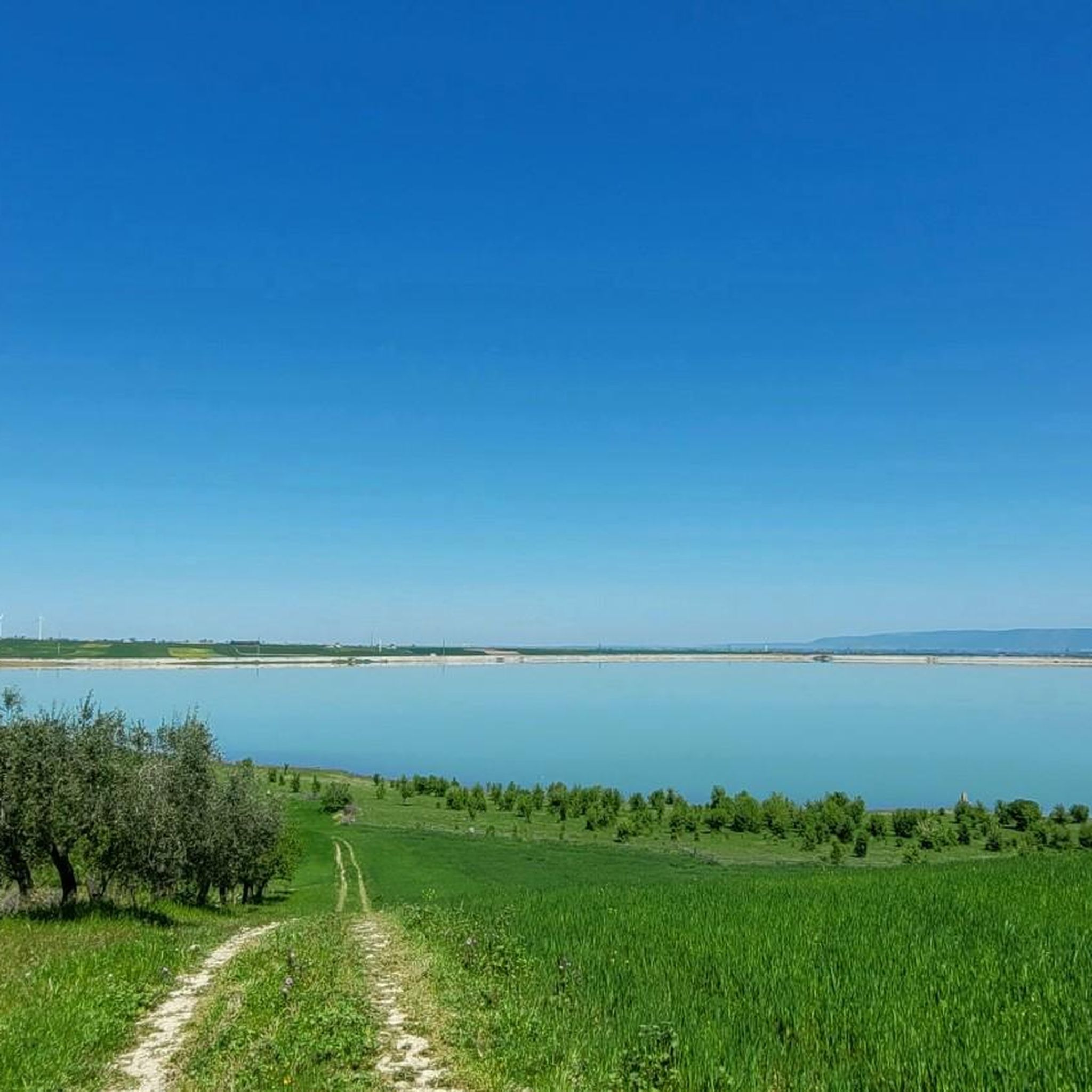
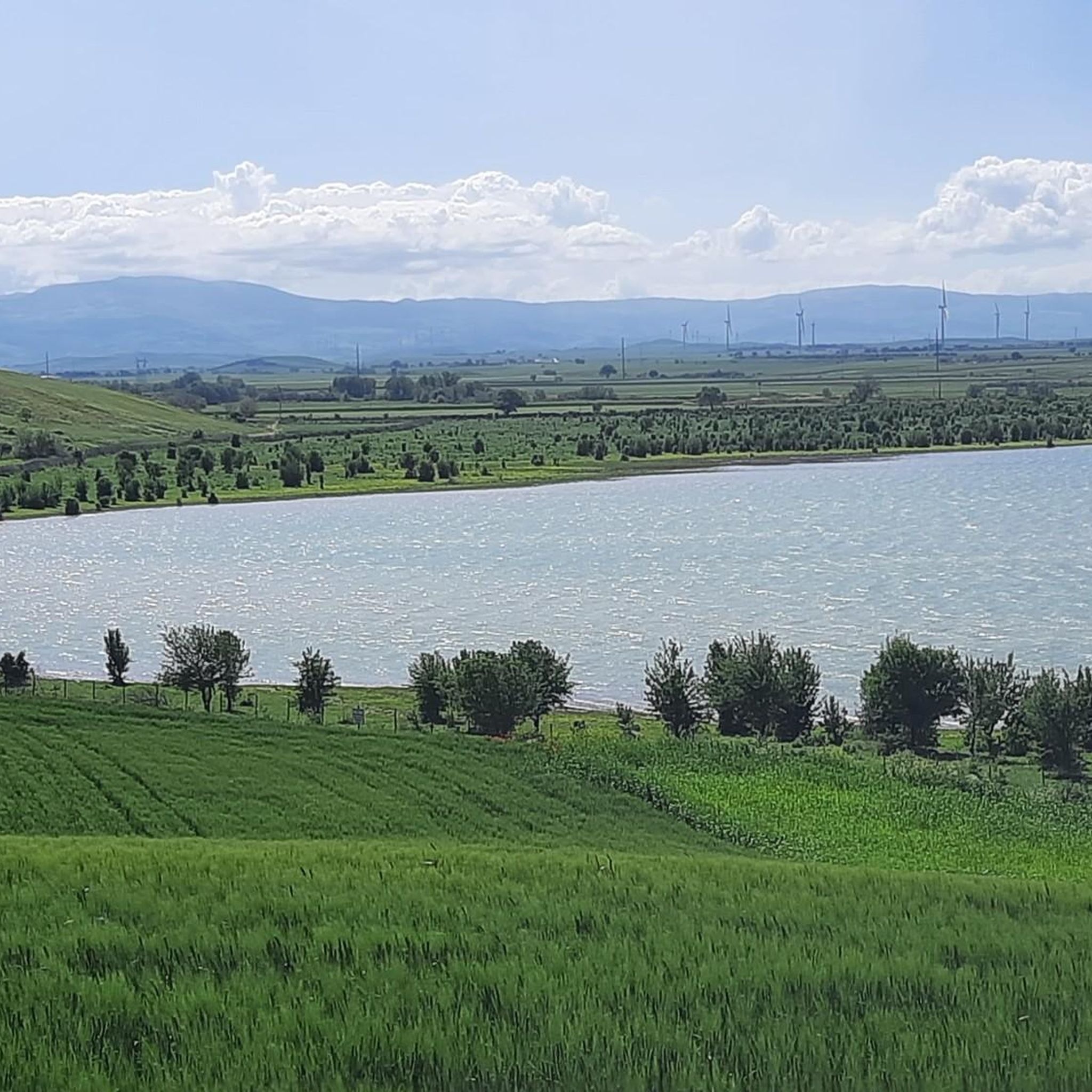
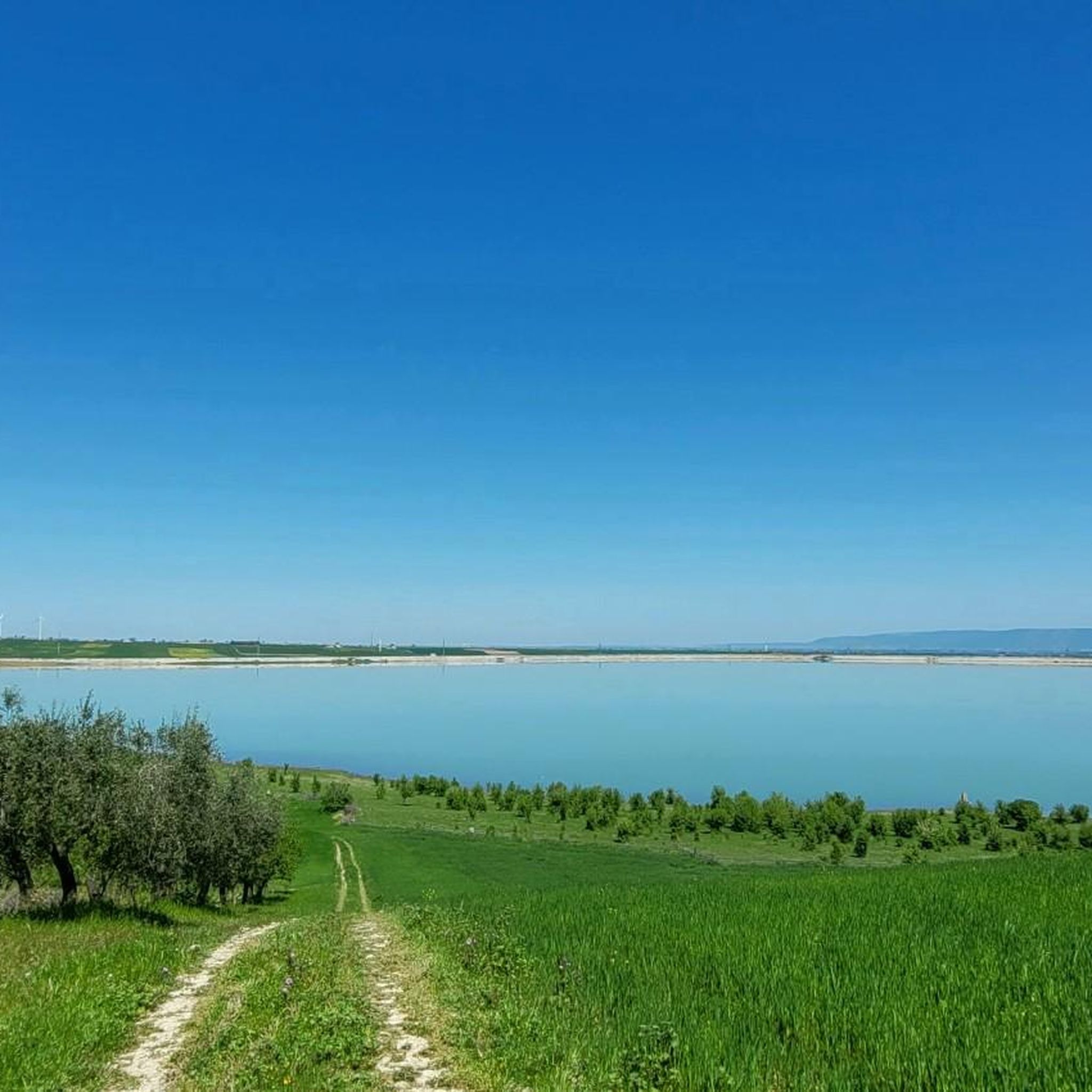
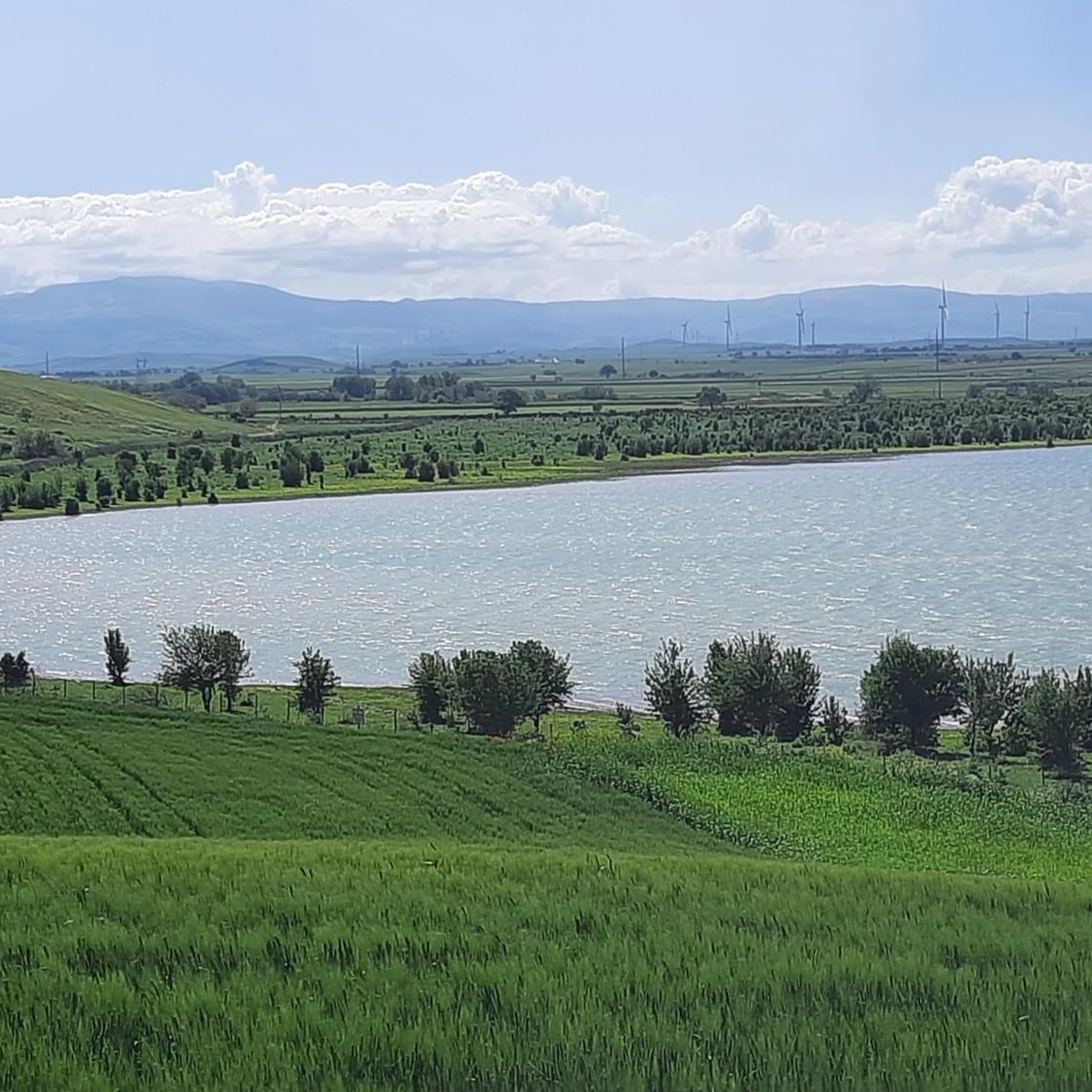
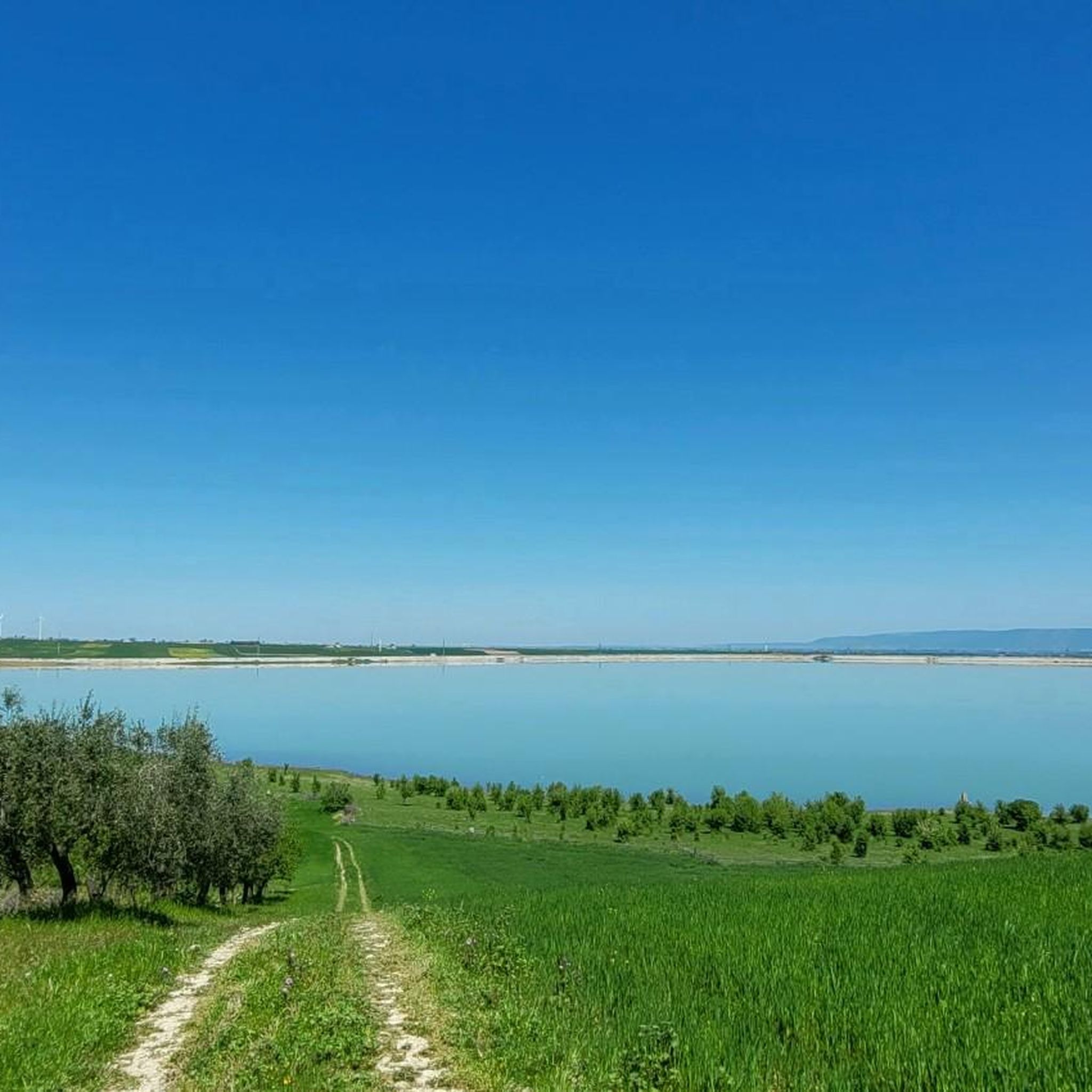
North-east of Monte Cornacchia, on the slopes of Toppo Pescara, at an altitude of 900 meters above sea level, there is a small natural lake basin called Lago Pescara. The lake extends for about three hectares with a depth which, in the center of the lake, reaches even four meters. Without natural outlets, its waters are fed by sub-lacustrine springs and streams formed after the rainfall and after the snow melted. From the top of its position it dominates the surrounding plain, with its slow decline towards the sea, interrupted on the horizon by the fortified hill of Lucera, in the center of the tableland, and by the promontory of the Gargano which is also easy to see on the clearest days. The term "Pescara" of the lake is improper and derives, perhaps, from a transcription error on toponymic maps, as the locals gave it the name of "Peschiera", attributing to the lake a certain image of goodness for fishing. The climate of the area has a mild summer and a rather harsh winter with abundant snowfalls.
0
0

This city park in Foggia, which Carlo described very well and in detail above, is named after Karol Wojtyla, better known to many as "Pope John Paul II." He was born in Wadowice, Poland, in 1920 and, after the death of Pope John Paul I in 1978 - to almost everyone's complete surprise - was elected successor at the head of the Catholic Church. As a young man he experienced dictatorships under the Nazi injustice regime of German-occupied Poland and later under the communist rule. His support for freedom efforts, especially in Eastern Europe, and his part in the fall of the so-called "Iron Curtain" was correspondingly great and passionate during the time of the so-called "Cold War". Karol Wojtyla (Pope John Paul II) died in the Vatican in 2005 after a long illness.
3
1

Restoration and expansion measures are planned for the Swabian-Angevin fortress of Lucera. On the summit of Albano Hill, above which the acropolis of Roman Lucera once stood, Frederick II began construction of his palace at the beginning of the 12th century to control the forced relocation of Saracens from Sicily to Lucera.
9
0
Frequently Asked Questions
What historical sites can I visit in Lucera?
Lucera is rich in history. You can explore the ancient Roman Amphitheater, the imposing Frederick II's Castle with its extensive walls and panoramic views, and the Gothic-Angevin Lucera Cathedral. Don't miss the historic Jewish Quarter with its narrow streets. Further afield, you can visit Castel Fiorentino, the site of a Frederician fortress where Frederick II of Swabia died.
Are there family-friendly attractions around Lucera?
Yes, several attractions are suitable for families. The Municipal Park of Foggia offers green areas, statues, benches, and a playground for children. The Karol Wojtyla Urban Park in Foggia is also family-friendly, located in the city center with historical significance. Additionally, Lago Pescara provides a natural setting for outdoor family adventures.
What natural attractions are there near Lucera?
While Lucera itself is known for its architecture, its location offers access to natural beauty. You can visit Lago Pescara, a small natural lake basin in the Daunian Mountains, perfect for hiking. The Tavoliere delle Puglie plain, rich in vineyards and olive groves, surrounds Lucera, and the nearby Daunian Mountains offer nature trails and beech forests.
What is the best time to visit Lucera for outdoor activities?
The climate in the Lucera area features mild summers, making it pleasant for outdoor activities. Winters can be harsh with abundant snowfalls in the higher elevations of the Daunian Mountains. Therefore, spring and autumn generally offer the most comfortable weather for exploring historical sites and engaging in outdoor pursuits like hiking and cycling.
Where can I find panoramic views around Lucera?
For stunning panoramic views, the Frederick II's Castle, perched on a hill, offers expansive vistas of the Tavoliere plains and the distant Gargano mountains. Another spot is the Gazebo with a View of the Daunia Mountains, which provides shelter and scenic outlooks along a path. Castel Fiorentino also offers a viewpoint from its hilltop location.
Are there options for parking at Lucera's historical sites?
Parking is generally available in and around Lucera's historic center, though it might be limited directly at some sites. For specific historical sites like the Roman Amphitheater or Frederick II's Castle, it's advisable to look for designated parking areas nearby or use public parking lots within walking distance of the attractions.
What cultural sites are worth exploring in Lucera?
Beyond the main historical landmarks, Lucera offers several cultural sites. The Museo Civico Giuseppe Fiorelli houses mosaics, sculptures, and relics from Lucera's Roman and medieval past. The Museo Diocesano, located in the Palazzo Vescovile, provides further insights into the region's history and religious art. The Teatro Garibaldi is also a beautiful theater worth visiting, and the town has numerous notable churches, including the Church of San Francesco and the Basilica Santuario di San Francesco Antonio Fasani.
What cycling routes are available near Lucera?
Lucera serves as a great starting point for cycling adventures. You can find various routes, including challenging ones like 'The Dauni Mountains of Faeto and Roseto Valfortore – loop from Lucera' or 'Historic Center of Biccari – Castello di Lucera loop from Lucera 2'. For more options, explore the dedicated guide for Road Cycling Routes around Lucera or Cycling around Lucera.
Are there running trails around Lucera?
Yes, there are several running trails in the vicinity of Lucera. You can find routes like the 'Anfiteatro Romano Augusteo loop from Lucera' which offers a moderate to difficult run. For a comprehensive list of options, check out the guide for Running Trails around Lucera.
What do visitors particularly enjoy about the attractions around Lucera?
Visitors appreciate the rich historical tapestry of Lucera, from its Roman origins to its medieval strongholds and Gothic churches. The panoramic views from sites like Frederick II's Castle are often highlighted. The area's blend of historical sites, natural landscapes, and urban parks, such as the Municipal Park of Foggia, also receives positive feedback for offering diverse experiences.
What are some top day trips from Lucera?
Lucera's central location makes it a good base for day trips. You can explore the Daunian Mountains for nature trails and the small natural lake basin of Lago Pescara. The nearby towns of Foggia, Bovino, Biccari, and Troia also offer historical and cultural attractions, and can be reached via various cycling routes starting from Lucera.
Most popular attractions around Lucera

Get inspired with the komoot mobile app


Explore more
Still not found the Highlight you’re looking for? See guides of the top attractions in other regions:
