The best road cycling routes around Raguhn-Jeßnitz
4.7
(575)
5,396
riders
17
rides
Road cycling around Raguhn-Jeßnitz offers diverse landscapes within the Dübener Heide Nature Park. The region features varied terrain, including rolling hills, dense forests, and picturesque lakes. Cyclists can explore routes along the Mulde River and its quiet floodplains, which pass by natural features and architectural points of interest. The area provides a network of mostly paved paths suitable for various fitness levels.
Best road cycling routes around Raguhn-Jeßnitz
- The most popular road cycling route is Großer Goitzschesee – View of…
Last updated: May 14, 2026
4.8
(39)
389
riders
73.6km
02:56
210m
210m
Moderate road ride. Good fitness required. Some segments of this route may be unpaved and difficult to ride.
4.7
(27)
87
riders
51.3km
02:04
100m
100m
Moderate road ride. Good fitness required. Some segments of this route may be unpaved and difficult to ride.

Sign up for free
4.0
(2)
27
riders
92.1km
03:40
230m
230m
Moderate road ride. Good fitness required. Mostly well-paved surfaces and easy to ride.
5.0
(1)
22
riders
59.4km
02:19
110m
110m
Moderate road ride. Good fitness required. Mostly well-paved surfaces and easy to ride.
8
riders
76.7km
03:03
170m
170m
Moderate road ride. Good fitness required. Mostly well-paved surfaces and easy to ride.
Get access to more routes and recommendations from other explorers.
Sign up for free
Already have an account?
Our route recommendations are based on thousands of hikes, rides, and runs completed by other people on komoot.
Start today with a free account
Your next adventure awaits.
Login or Signup
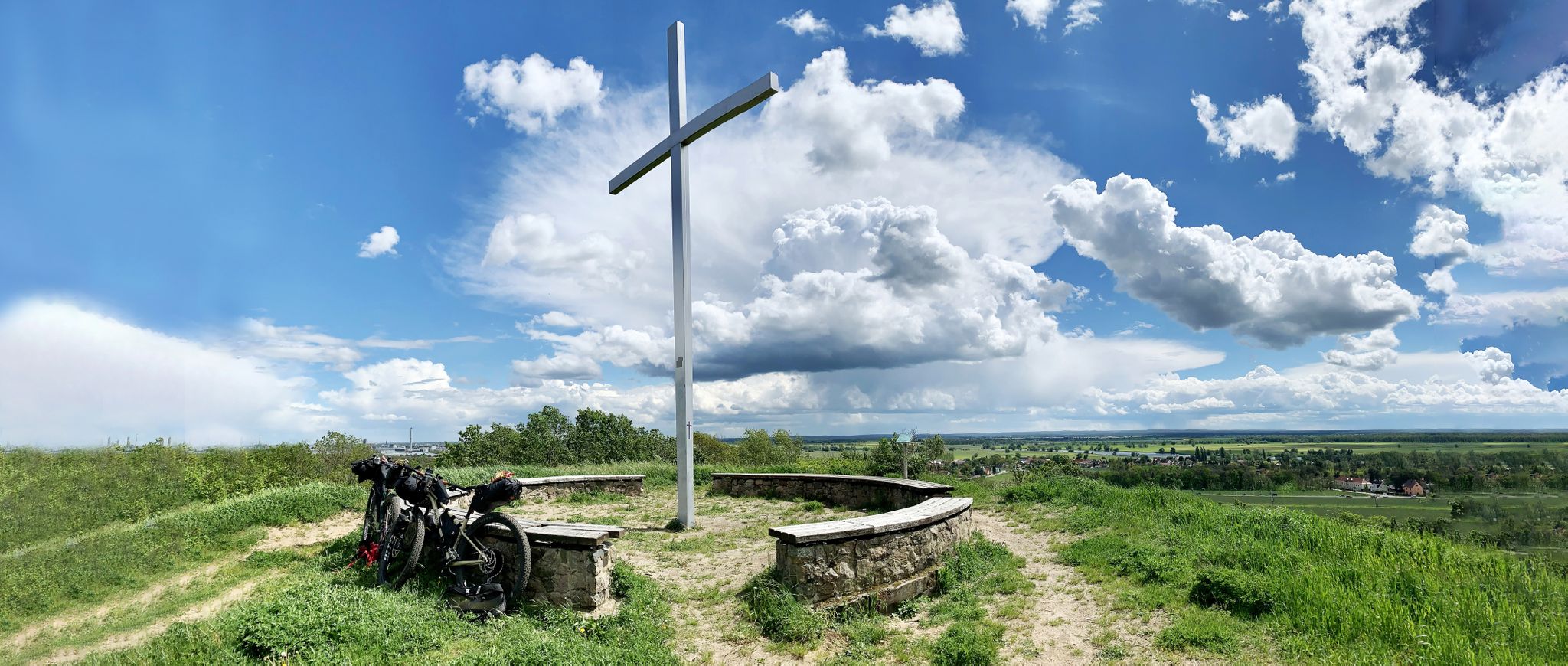
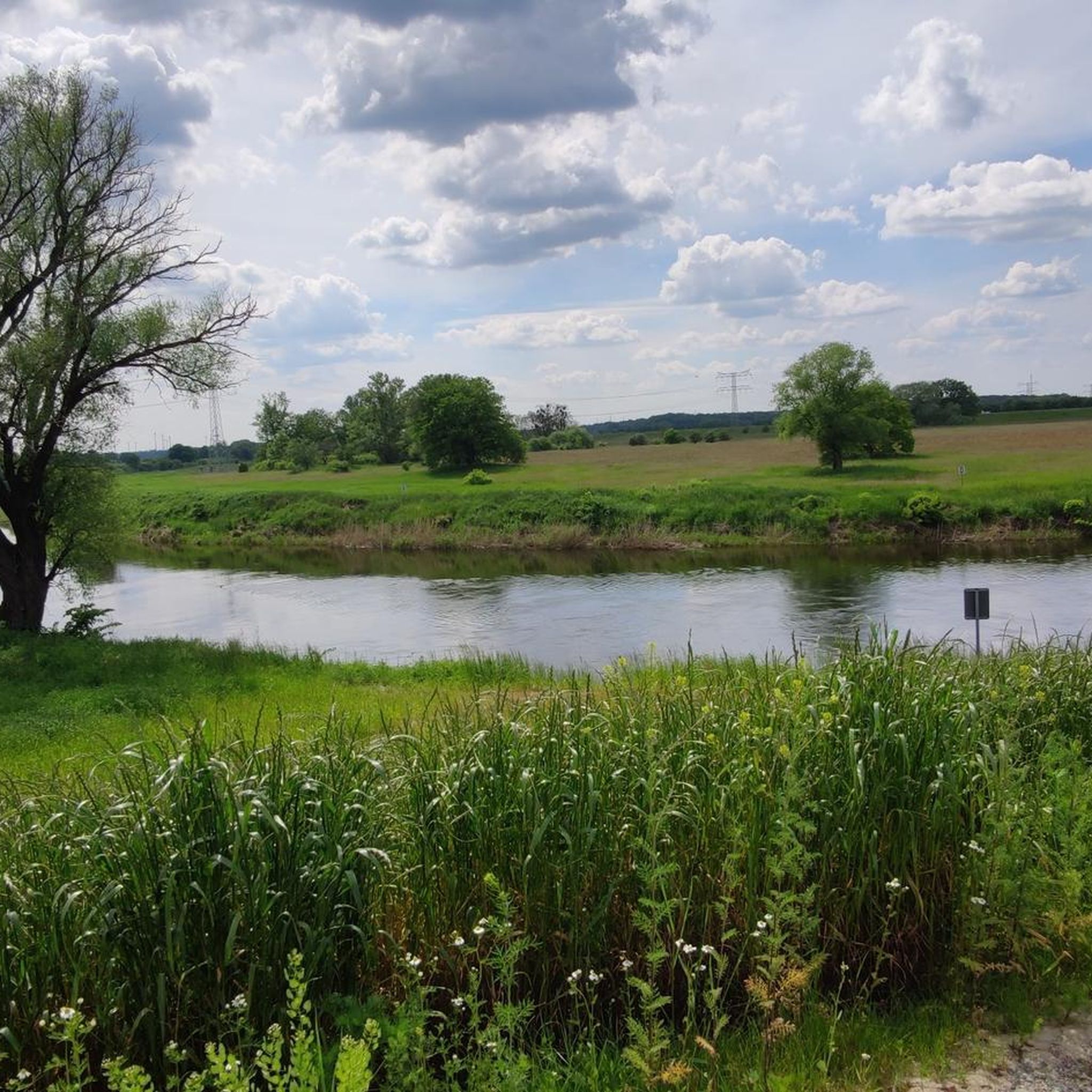
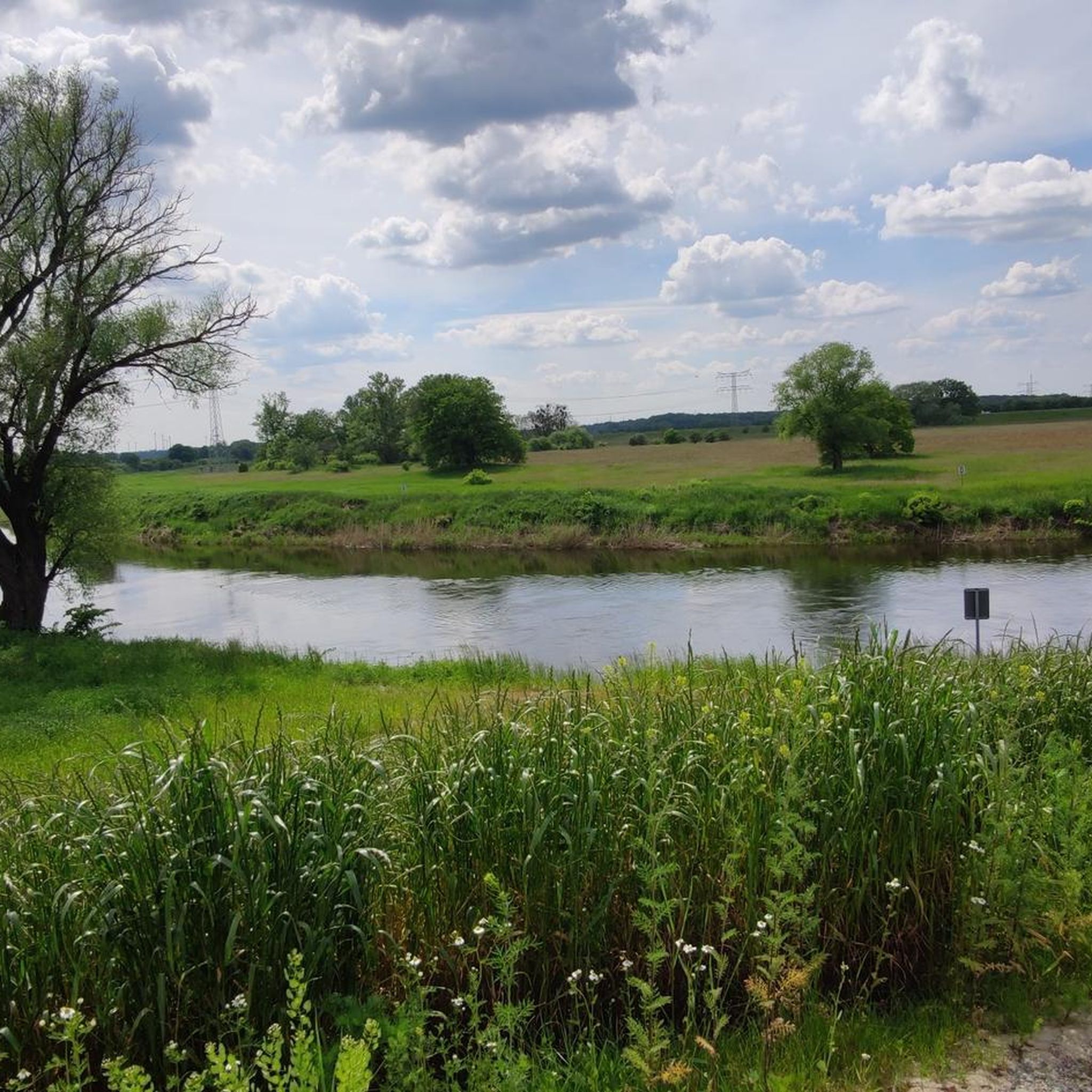
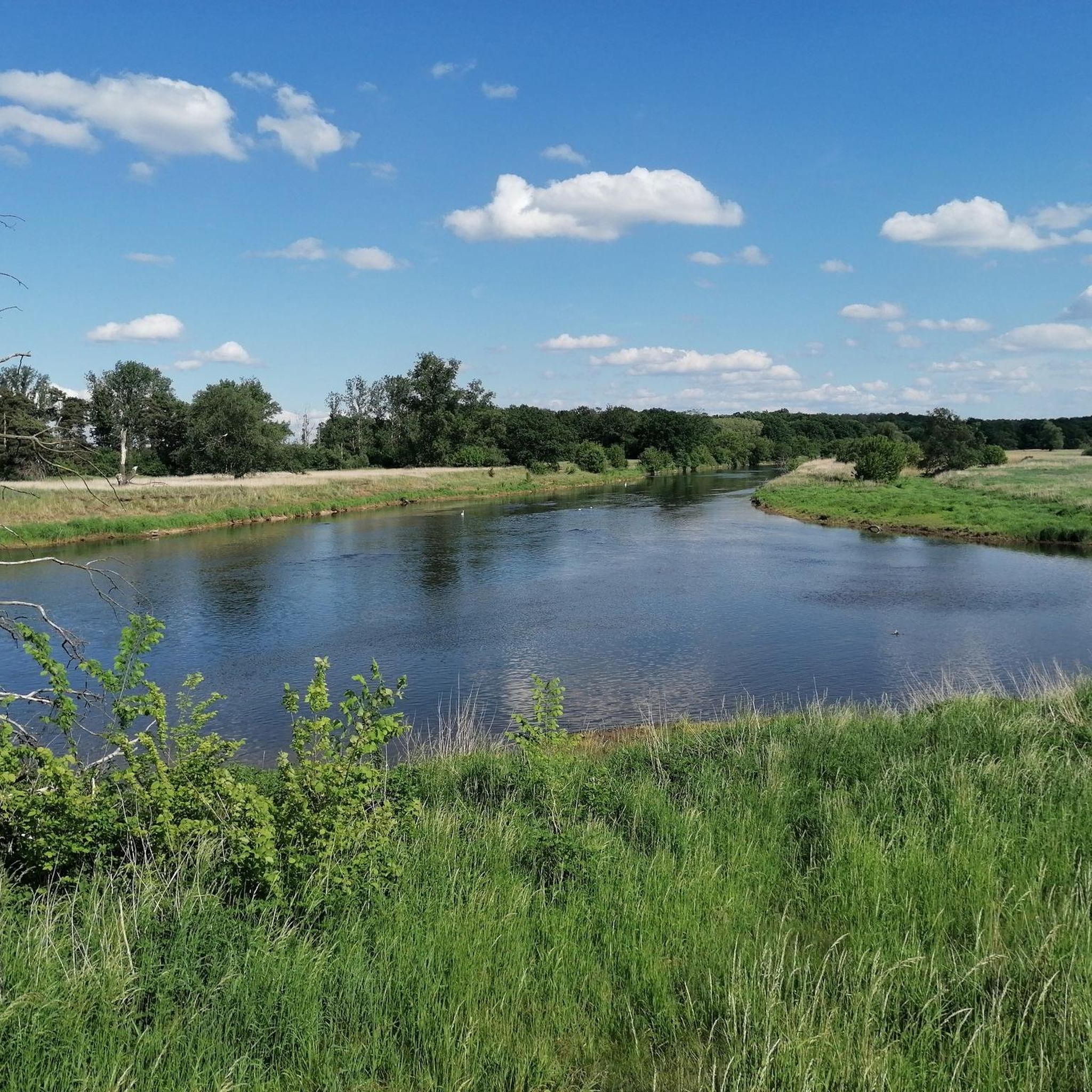
Other adventures around Raguhn-Jeßnitz

Tips from the Community

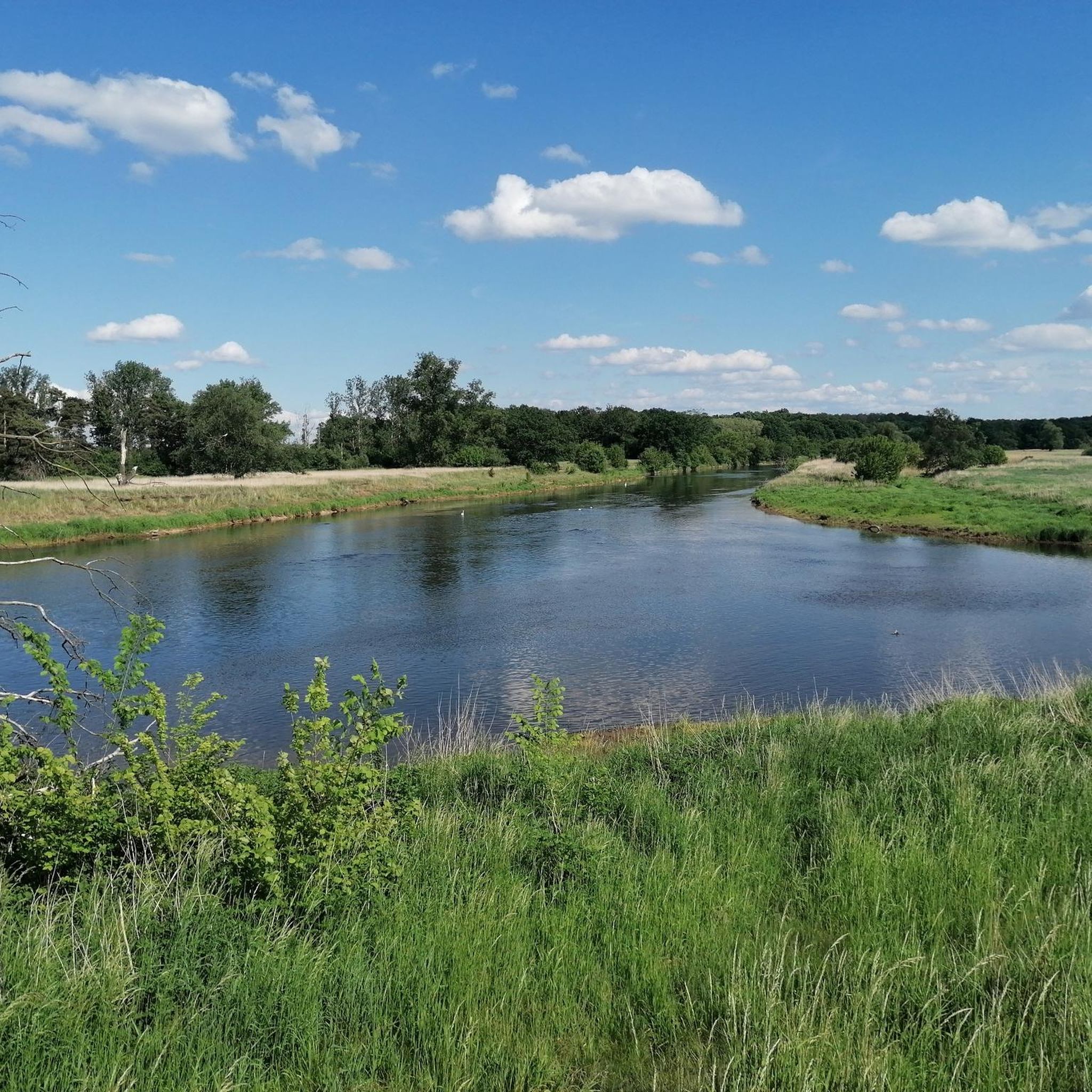
Great view from the bridge of the Mulde weir
1
0

Simply wonderful 👍
0
0
Also commonly known as an egg slicer.
5
0
The Mulde River flows entirely within the North German Plain, initially through the Saxon Hills and past Grimma, Nerchau, and Trebsen. Near Wurzen, along whose western edge it runs, the Mulde reaches the Elbe-Mulde Lowland. It then flows through Eilenburg and Bad Düben and shortly thereafter leaves Saxony. The Mulde completes the remaining course of its journey to its confluence with the Elbe in Saxony-Anhalt. Until 1975, the Mulde flowed west of the towns of Pouch and Friedersdorf in the area of what is now Lake Goitzsche. Since then, it has been dammed east of these towns to form the Mulde Reservoir – a former open-cast mine. The Mulde then flows past Muldenstein, Jeßnitz, Raguhn, and Dessau, emptying into the Elbe between Dessau and Roßlau after a course of 147 km.[2] [2] The "Wild Mulde" revitalization project for the lower reaches of the Mulde River in Dessau was recognized as an official project of the UN Decade on Biodiversity in November 2018.[11][12] Source: https://de.wikipedia.org/wiki/Mulde_(Fluss)
4
0
Although the confluence of the two source streams occurs at approximately half the total length of the Mulde River, the Freiberger Mulde and the Zwickauer Mulde already contribute over 80% of its total water volume. This is due, firstly, to the shape of the catchment area, which is very wide in the Ore Mountains and narrows towards the Elbe River, and secondly, to the higher precipitation and correspondingly higher runoff volumes in the mountains. The shape of the catchment areas also means that the longer Zwickauer Mulde is the smaller of the two source streams at the confluence. The Zschopau is the dominant hydrological branch of the Freiberger Mulde river system. In its upper catchment area, the Flöha, a named tributary, contributes the largest volume of water and is thus the actual source stream of the Mulde. The Mulde is approximately 267 kilometers long via this main route and over 314 kilometers via its longest route (the Zwickauer Mulde).[3] [3] The Mulde's catchment area has a total gradient of 600 to 900 meters for many of its major channels, resulting in exceptionally high flow velocities for northern Germany. The Mulde is sometimes even described as the fastest-flowing river in Central Europe.[10] Source: https://de.wikipedia.org/wiki/Mulde_(Fluss)
4
0
The Mulde, also known as the United Mulde or Vereinte Mulde, is a left, non-navigable tributary of the Elbe. It originates southeast of Leipzig near Sermuth (Saxony) from the confluence of two large headstreams: the longer Zwickauer Mulde and the Freiberger Mulde, which drains a larger catchment area due to its greater discharge. The river's catchment area encompasses large parts of Saxony and, in particular, the vast majority of the northern slopes of the Ore Mountains. With a discharge of approximately 73 m³/s at its mouth,[8] it is the fourth largest tributary of the Elbe. The old name for the Mulde, Milda, is translated by onomasticians as "the water-rich one."[9] The word element "Mel," referring to grinding, is sometimes associated with the name due to the numerous mills that once operated along the river. This overlooks the fact that river names represent the oldest, often Slavic or Celtic, layer of geographical names. The Mulde's name is sometimes linked to the numerous mills that once operated along its banks, but this connection overlooks the fact that river names represent the oldest, often Slavic or Celtic, layer of geographical names. Source https://de.wikipedia.org/wiki/Mulde_(Fluss)
4
0

The floating observation tower is quite an attraction and not everyone dares to go up there.
0
0
Frequently Asked Questions
How many road cycling routes are available around Raguhn-Jeßnitz?
There are over 15 road cycling routes available around Raguhn-Jeßnitz, catering to various fitness levels. The komoot community has explored more than 2,600 road cycling tours in the area.
What kind of terrain can I expect on road cycling routes in Raguhn-Jeßnitz?
The region offers diverse landscapes within the Dübener Heide Nature Park, featuring varied terrain including rolling hills, dense forests, and picturesque lakes. Routes along the Mulde River and its quiet floodplains are common, and paths are mostly paved, suitable for road bikes.
What is the best time of year for road cycling in Raguhn-Jeßnitz?
The best seasons for road cycling in Raguhn-Jeßnitz are spring and autumn, when the weather is mild and nature is vibrant. Summer is also popular, offering the added benefit of swimming opportunities in the region's lakes.
Are there options for less experienced road cyclists?
Yes, while most routes are moderate, there are easy options available. The region's network offers choices for both easy and moderate ability levels, with mostly paved paths suitable for various fitness levels.
Can I find circular road cycling routes in Raguhn-Jeßnitz?
Many of the road cycling routes in Raguhn-Jeßnitz are designed as loops, allowing you to start and end at the same point. For example, the Großer Goitzschesee – View of Lake Goitzsche loop from Raguhn is a popular circular tour.
What natural features can I see while road cycling in Raguhn-Jeßnitz?
Road cycling routes often pass through the Dübener Heide Nature Park, offering views of dense forests, rolling hills, and picturesque lakes like the Great Goitzsche Lake and the Jeßnitz quarry pond. You'll also find routes along the Mulde River and its tranquil floodplains.
Are there historical landmarks or points of interest along the road cycling routes?
Yes, several routes feature historical landmarks. You might encounter architectural gems along the Mulde and Elbe floodplains, or pass by the Neogothic castle gate at Sieglitzer Berg. The Tiergarten Bridge – Imperial Post Office Raguhn loop from Marke specifically highlights historical points.
Where can I find scenic viewpoints on road cycling routes?
For breathtaking panoramic views, consider routes that pass near Rabenstein Castle, which offers majestic vistas of the region. The View from the Villa at Bernsteinsee is another notable viewpoint.
What do other road cyclists appreciate about the routes in Raguhn-Jeßnitz?
The road cycling routes in Raguhn-Jeßnitz are highly rated by the komoot community, with an average score of 4.7 stars from nearly 300 reviews. Cyclists often praise the diverse landscapes, the well-maintained, mostly paved paths, and the blend of natural beauty with cultural attractions.
Is parking available for cyclists near the routes?
While specific parking areas for cyclists are not detailed, Raguhn-Jeßnitz is well-equipped for cycling, and you can typically find parking in or near the starting points of many routes, especially in towns like Raguhn or Marke.
How accessible are the road cycling routes by public transport?
Raguhn-Jeßnitz is located in the Anhalt-Bitterfeld district, and public transport options are available to reach the area. It's advisable to check local train or bus schedules to plan your journey to the starting points of the cycling routes.
Are there family-friendly road cycling options?
The region offers routes with mostly paved paths that are suitable for various fitness levels, including easier options that can be enjoyed by families. The tranquil floodplains and scenic lake areas provide pleasant and safe environments for family rides.
Can I find places to stop for refreshments or a meal along the routes?
Yes, the region has several places where you can stop for refreshments. The Bitterfeld City Harbor, for instance, provides a place to linger, stroll, and enjoy ice cream, and you'll find cafes and pubs in the towns and villages along many routes.
Most popular routes around Raguhn-Jeßnitz
Most popular attractions around Raguhn-Jeßnitz

Get inspired with the komoot mobile app


Explore more
Browse the best Road cycling routes in other regions.
