Attractions and Places To See around Paganico Sabino - Top 20
Best attractions and places to see around Paganico Sabino include a blend of historical, cultural, and natural features. This ancient village, situated at 720 meters above sea level in the Turano valley, offers views over Lake Turano and the surrounding mountains. The area features historical landmarks, natural gorges, and several religious buildings. Visitors can explore a variety of landscapes, from mountain summits to artificial lakes.
Best attractions and places to see around Paganico Sabino
- The most popular attractions is View…
Last updated: July 20, 2026
Salto Dam
Highlight • Monument
Translated by Google •
Tip by

Ponte Vecchio of Posticciola
Highlight • Bridge
Translated by Google •
Tip by

Sign up now to discover places like this
Get recommendations on the best single tracks, peaks, & plenty of other exciting outdoor places.
Sign up for free
San Rocco Chapel at Lake Turano
Highlight • Religious Site
Translated by Google •
Tip by

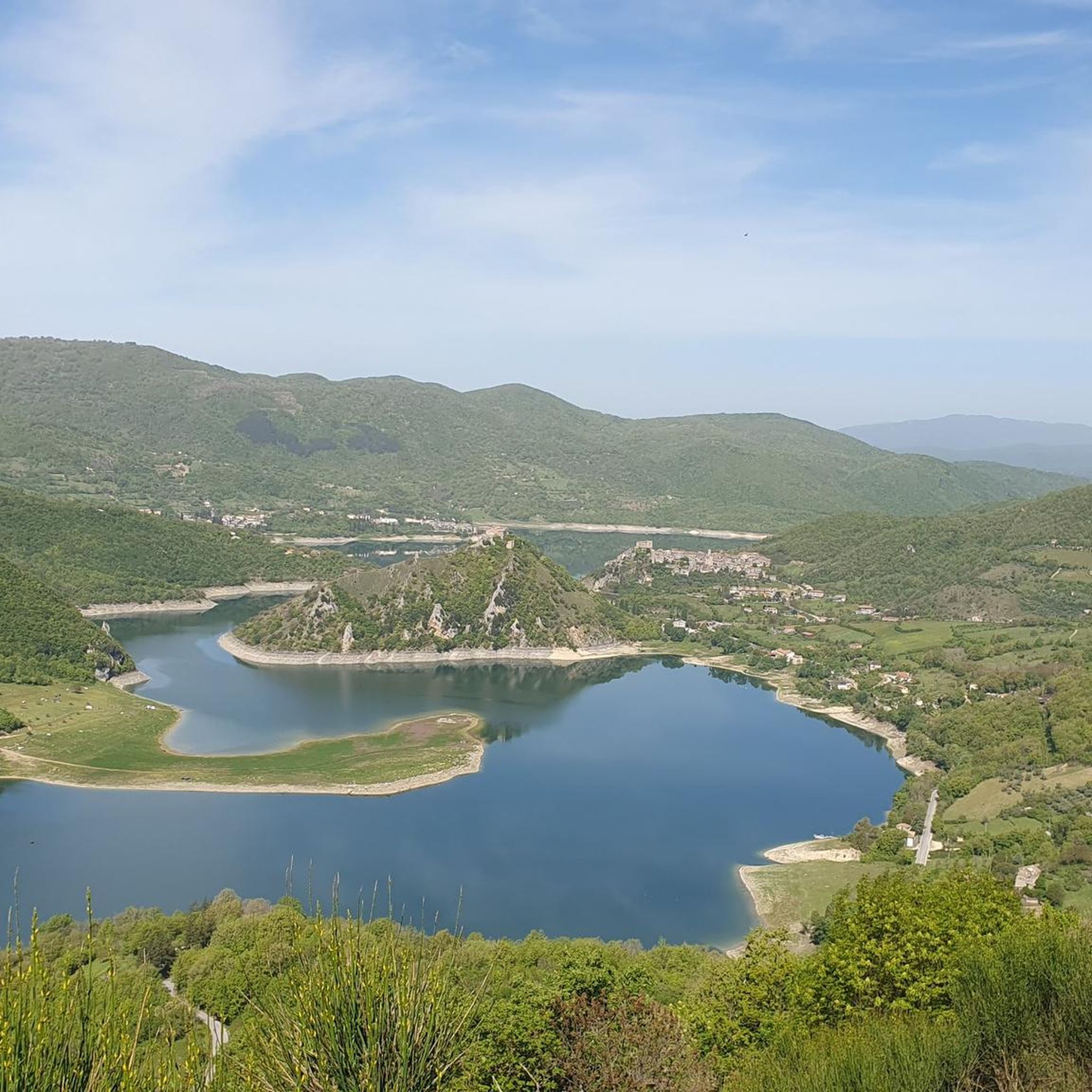
View of Lake Turano and Lake Salto from Monte Navegna
Highlight • Summit
Tip by

Santa Maria del Piano
Highlight • Religious Site
Translated by Google •
Tip by
Sign up for free to discover even more attractions around Paganico Sabino.
Sign up for free
Already have an account?
Start today with a free account
Your next adventure awaits.
Login or Signup
Tips from the Community

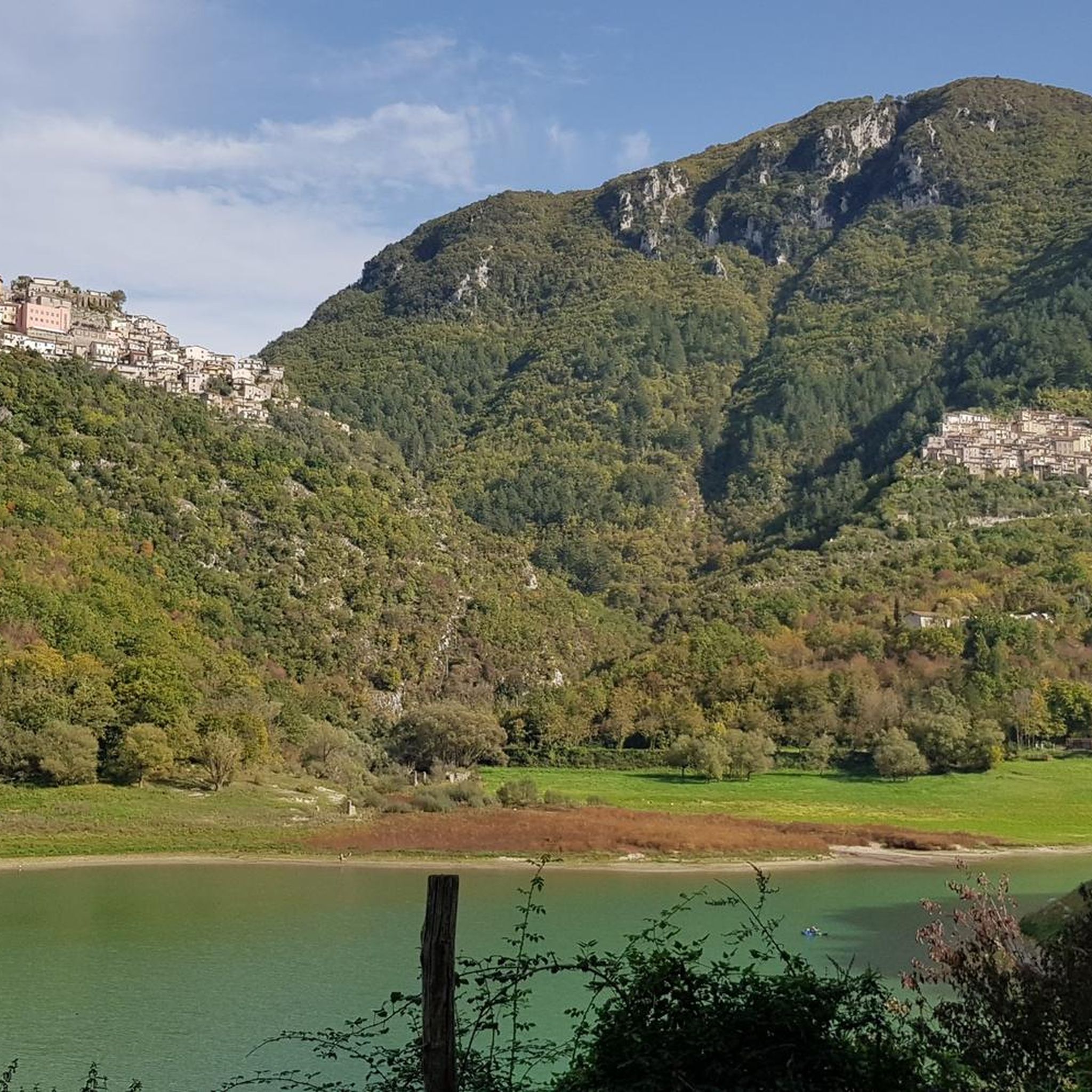
View of Lake Salto
0
0

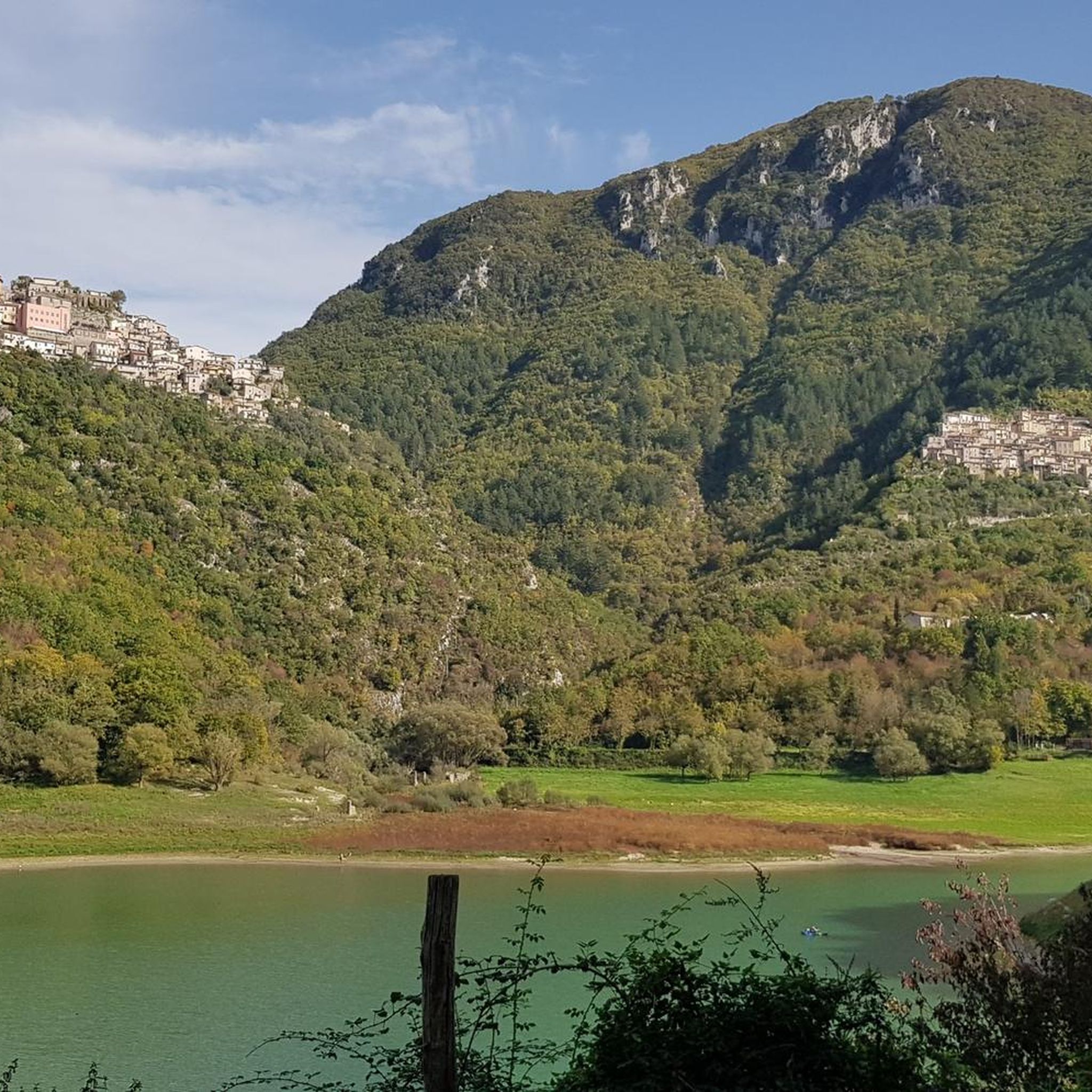
It is located just before the bridge that crosses the lake and leads to Castel di Tora
4
0

A nice hike, but the view of the two lakes of Turano and Salto is priceless.
0
0

San ROCCO was chosen as the patron saint for this church and the corresponding parish. Saint Roch was born in the middle of the 14th century in Montpellier, France. He is popularly regarded as the "plague saint" - alongside Saint Sebastian. A characteristic feature of Roch's depiction in paintings and as a statue is that he is usually pointing to a plague boil on his leg; a dog can also often be seen at his feet, because according to legend, when he was caring for plague victims, he himself became ill and withdrew into solitude, and the dog provided him with bread every day. The memorial day of San Rocco in the calendar of saints is August 16th.
0
0

Lago del Salto is a small but successive artificial lake near Rieti whose circumference is about 32 km of asphalted and mostly flat road. A wonderful route to do by bike, even with the family, taking into account both the low car traffic and the good condition of the road surface perfectly passable with MTB, GRAVEL, City Bike, Racing bike etc. and the beautiful naturalistic views of the lake and the mountains. Along the route there are several rest areas where you can rest and eat a sandwich, but there is also a bar with a beautiful view near the dam. Also along the route you will encounter the town of Fiumata, diametrically opposite the dam, and the town of Borgo San Pietro, halfway between Fiumata and the dam, this is the ideal starting point thanks to the large spaces available for parking cars, but above all for the numerous restaurants with a view of the lake, open all year round and offering excellent local dishes, ideal to enjoy especially after a nice ride like this. For those who want to make the undertaking more challenging there is the variant that passes through Varco Sabino and then through the town of Rigatti, the tour is extended by a total of 10 km, testing a truly challenging climb and descent. Definitely worth trying.
0
0

The passage over the dam is spectacular and the "jump" below is very impressive.
0
0

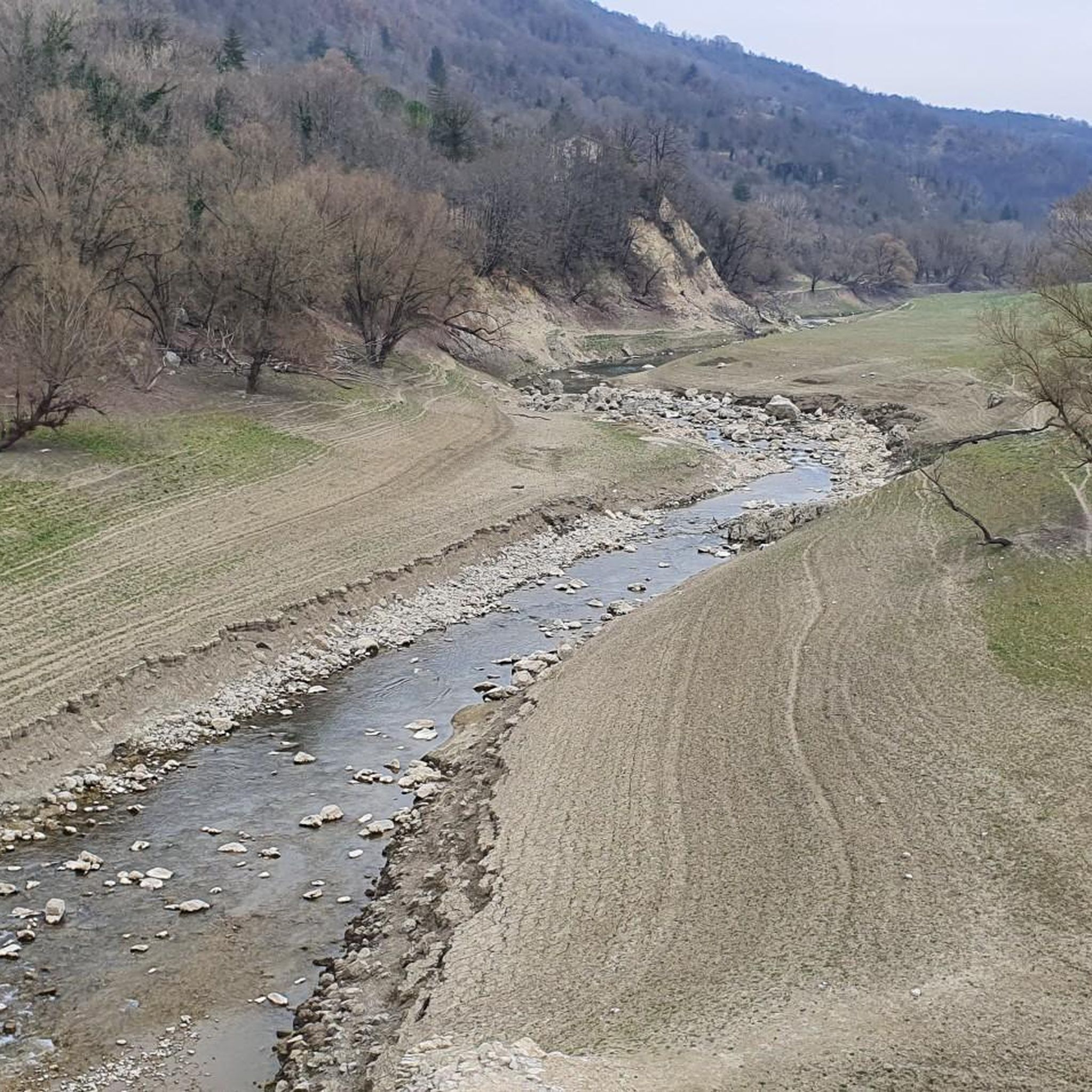
The Romanesque bridge dates back to the 11th century, but was probably built on a pre-existing building of an unspecified period, of rare beauty, still usable but which requires urgent and significant restoration. In the two pillars it is possible to notice the three "holes" used to insert wooden poles horizontally, capable of supporting the "centre" for closing the stone arch. As you pass the bridge on the left, going up towards Posticciola, there is still a clear trace of "Garitta Muraria" where the border point with the Papal State and Kingdom of the Two Sicilies was made, and with the "horizontal transhumance" the duty for the ride. Transhumance has an ancient history which most likely coincides with the history of breeding itself and was regulated and disciplined since Roman times by a set of laws of taxes to be paid in the various customs. Transhumance derives from the Latin "trans" (beyond) and "humus" (earth) = pastoralism transmigrating with the seasons, along the sheep tracks (from the Latin "tractoria" = the shepherds' roads). In southern Italy transhumance was divided into "vertical" and "horizontal". The first concerned the Kingdom of the Two Sicilies, with several sheep tracks that connected from Abruzzo to Puglia (the most important was the famous "Tratturo Magno"). Horizontal transhumance, however, also of ancient origins, descended into the Roman countryside and increased considerably in 1477, when Pope Sixtus IV forced all the shepherds of the "Kingdom of the Church" to take their animals to winter in the Agro Romano. Transhumance in Lazio reached its peak starting from 1800, when the "vertical" one entered into crisis. This was usually in provincial sections from Umbria towards Civitavecchia, from the Marche towards Polo and Maccarese, from Abruzzo towards the Roman countryside, from Ciociaria towards Anzio and Terracina. http://www.magiadelturano.it/index.php/posticciola/ponte-romanico
0
0

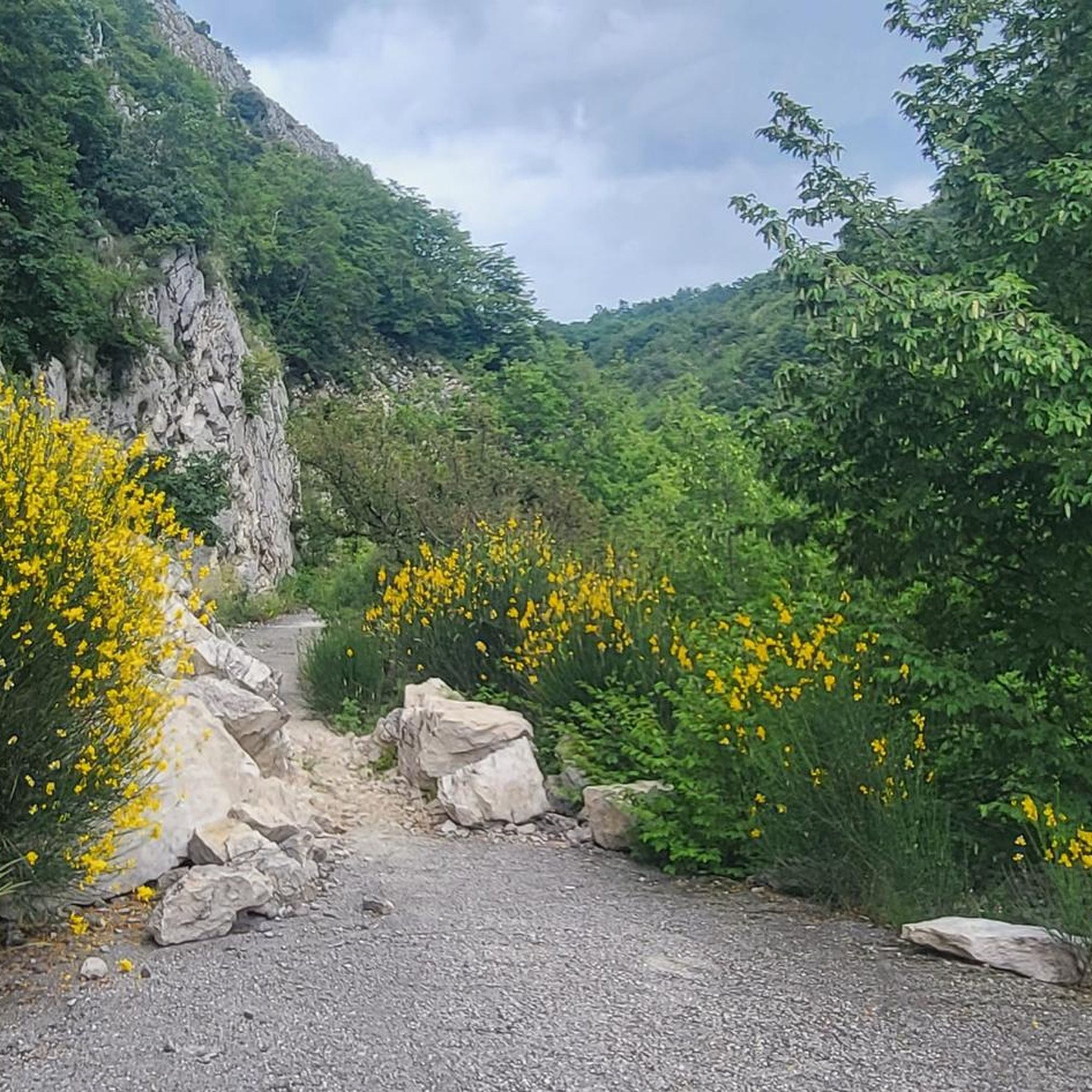
Santa Maria del Piano is an ancient abbey located near Orvinio, in Lazio. Dating back to the 11th century, the abbey is characterized by its imposing architecture and a panoramic position immersed in the surrounding nature. The structure tells a thousand-year history and offers a fascinating experience for visitors eager to explore the cultural heritage of the area.
3
0
Frequently Asked Questions
What natural attractions can I explore around Paganico Sabino?
The region is rich in natural beauty. You can visit the extraordinary Obito Gorges, carved by the Obito ditch, which are ideal for trekkers. The picturesque Lake Turano, an artificial lake, offers tranquil coves and panoramic spots. For stunning views, head to the View of Lake Turano and Lake Salto from Monte Navegna, a summit at 1508m. You can also find natural springs like Fonte della Signora along trekking paths.
Are there any historical landmarks or cultural sites to visit in Paganico Sabino?
Absolutely. The village itself is a historic center with well-preserved stone houses and medieval architecture. Key historical sites include the ancient 'Written Stone' (Pietra Scritta), a funerary monument from the 1st century BC. You can also explore the Ponte Vecchio of Posticciola, a Romanesque bridge dating back to the 11th century, and the ancient abbey of Santa Maria del Piano, also from the 11th century.
What kind of views can I expect around Paganico Sabino?
Paganico Sabino offers breathtaking panoramic views. From the Belvedere della Rocca, located at the village's highest point, you can enjoy stunning vistas of Lake Turano and the Obito Gorge. The summit of Monte Navegna provides expansive views of both Lake Turano and Lake Salto.
What outdoor activities, like hiking or cycling, are available near Paganico Sabino?
The area is perfect for outdoor enthusiasts. Numerous naturalistic trekking paths depart from the lake area or the village, catering to various skill levels. You can find a variety of MTB Trails, Running Trails, and Cycling routes, including loops around Monte Navegna, the Obito Gorge, and Lake Turano.
Are there any family-friendly attractions or activities in the area?
Yes, several attractions are suitable for families. The shores of Lake Turano are ideal for walking and relaxing. The San Rocco Chapel at Lake Turano offers a peaceful spot by the water. Many of the naturalistic trails are suitable for leisurely walks, and the Salto Dam area provides a beautiful and calm landscape to enjoy.
What is the best time of year to visit Paganico Sabino?
The region is beautiful year-round, but spring and autumn offer particularly pleasant weather for outdoor activities like hiking and cycling, with lush landscapes or vibrant fall colors. Summer is ideal for enjoying the lakes, while the panoramic views are stunning in any season.
Where can I learn about the local culture and history of Paganico Sabino?
To delve into the local heritage, visit the Museo della Civiltà Contadina (Museum of Peasant Civilization). Located near San Nicola Church, it displays traditional tools donated by local farmers, along with historical artifacts from village processions and World War I.
Are there any unique religious buildings or churches to see?
Paganico Sabino is home to several historic churches. The central Church of San Nicola features religious canvases, while the oldest Church of San Giovanni Battista is part of the municipal cemetery. The renovated Church of Santa Maria dell'Annunciazione, sometimes featuring 15th-century frescoes, now serves tourist purposes.
What are the Obito Gorges, and what can I do there?
The Obito Gorges (Le Gole dell'Obito) are extraordinary ravines carved by the Obito ditch. They are a highlight for trekkers and hikers, featuring high cliffs often called 'the Eagle's nest' due to frequent eagle sightings. A historical/naturalistic path winds through ancient chestnut groves, offering a unique blend of nature and history.
What is the Salto Dam, and why is it worth visiting?
The Salto Dam is a significant man-made monument that blocks the course of the Salto river, creating the artificial Lake Salto. Built in the 1940s, it's connected to the Turano dam. Visitors appreciate the beauty of the landscape and the peace that can be enjoyed from this position, making it a serene spot for relaxation and photography.
What do visitors enjoy most about the attractions around Paganico Sabino?
Visitors particularly enjoy the stunning panoramic views, especially from Monte Navegna, which offers breathtaking vistas of the Turano and Salto valleys and lakes. The peaceful atmosphere of places like the Salto Dam and the historical charm of sites like Santa Maria del Piano are also highly appreciated.
Most popular attractions around Paganico Sabino

Get inspired with the komoot mobile app


Explore more
Still not found the Highlight you’re looking for? See guides of the top attractions in other regions:
